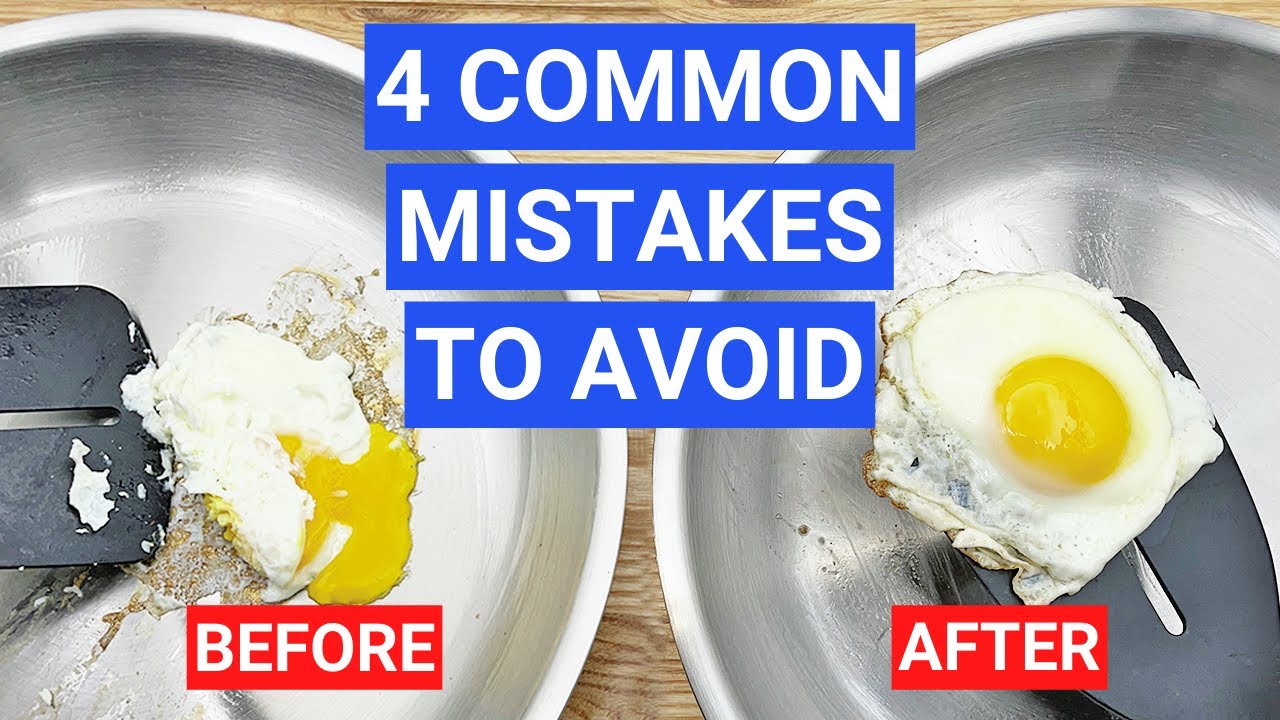
Food sticks to stainless steel pans mainly because of poor heat control and lack of a stable fat barrier.
I’ve cooked professionally and at home for years, and I understand why food sticks to stainless steel pans. This guide breaks down the science, common mistakes, prevention techniques, cleaning tips, and real-life fixes. Read on to learn clear, tested steps you can use right away to stop sticking and get better results from your stainless steel cookware.
How stainless steel cookware works and why it can stick
Stainless steel is durable, non-reactive, and heats evenly when used correctly. Unlike nonstick pans, stainless steel has no PTFE coating. That means food contacts metal directly and bonding can occur.
Key points:
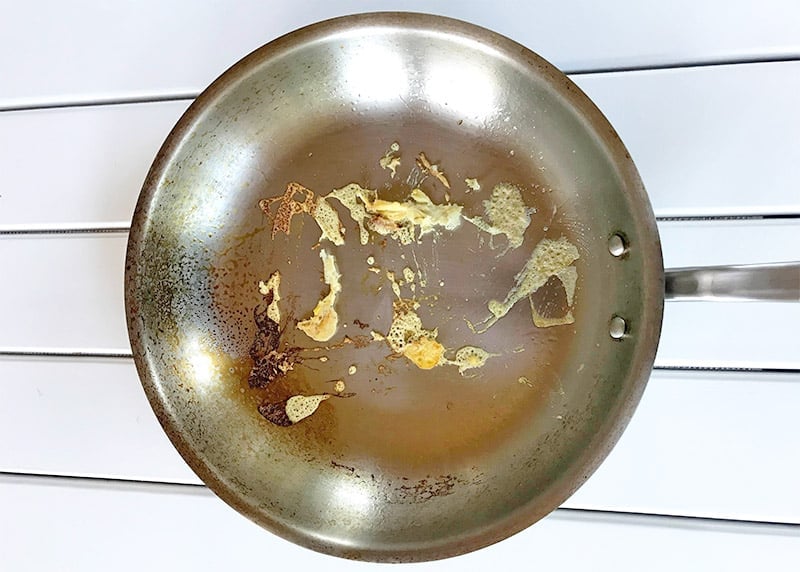
- Stainless steel surfaces are microscopically rough. Food proteins and sugars grab those tiny peaks.
- When a pan is too cool, proteins bond strongly to metal and stick.
- When a pan is properly heated, moisture evaporates and a temporary barrier forms that helps prevent sticking.
If you ask why does food stick to stainless steel pans, the answer often comes down to temperature and surface contact. Heat control, oil, and timing change the chemistry between food and metal. Use these principles and the pan will behave more like you want.
The science behind sticking: proteins, water, and heat
Sticking is a chemical and physical process. Knowing the basics helps you fix it fast.
How sticking happens:
- Proteins in meat and eggs denature and expose sticky sites. On cool metal, these sites bond to the pan.
- Water creates steam that can either lift food or trap it. If water remains between food and pan, proteins glue down.
- Sugars and marinades can caramelize unevenly and turn into glue.
Why heat matters:
- At the right temperature, a thin steam layer forms under food. This reduces contact and lets food release.
- Too hot can cause burning and tougher bonds. Too cool means proteins attach more easily.
If you often wonder why does food stick to stainless steel pans with eggs or fish, temperature and moisture control are the main culprits.

Common causes of sticking (and how to diagnose them)
Here are typical reasons food sticks, with quick diagnostics you can try.
- Pan not hot enough
- Diagnosis: Drop a few water droplets; they should sizzle and form beads.
- Not enough oil or wrong timing for oil
- Diagnosis: Food immediately clings when placed on pan.
- Crowding the pan
- Diagnosis: Steam pools and food stews instead of sears.
- Wet or cold food added straight from fridge
- Diagnosis: Splatting and sudden temperature drop on contact.
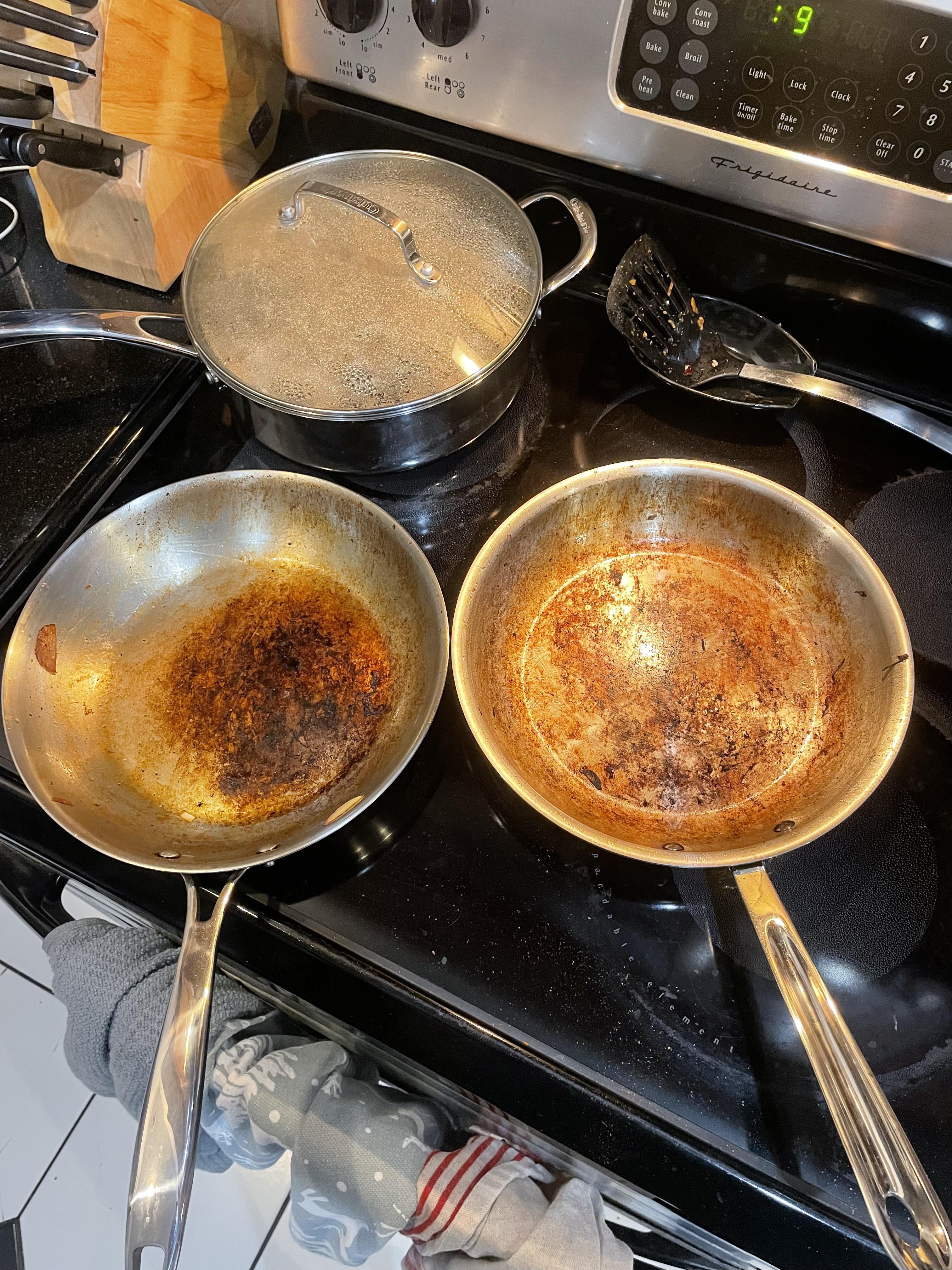
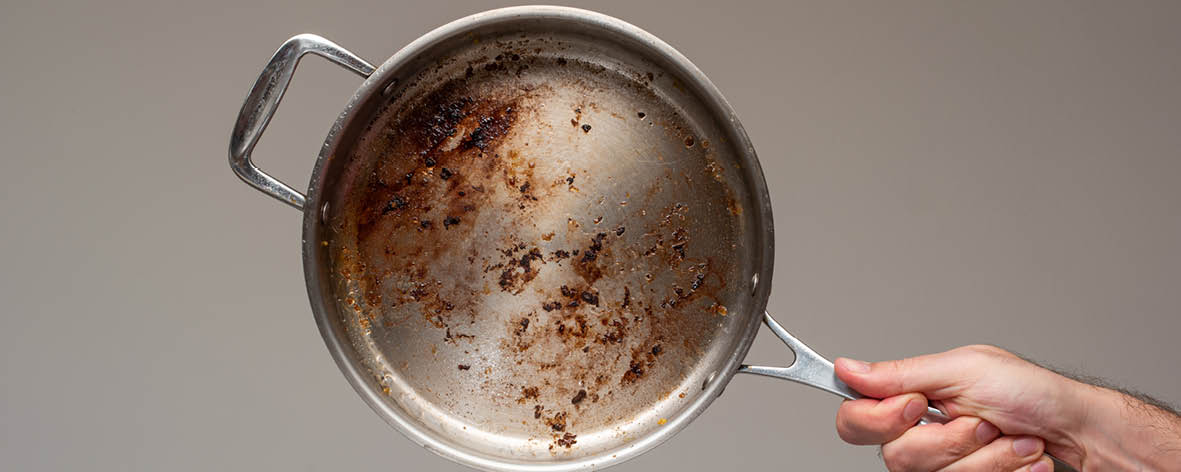
- Using a pan with burnt-on residue
- Diagnosis: Old carbon spots make sticking worse.
Understanding these causes helps answer why does food stick to stainless steel pans in real kitchens.
Step-by-step prevention: how to stop food from sticking
Follow these practical steps every time you cook.
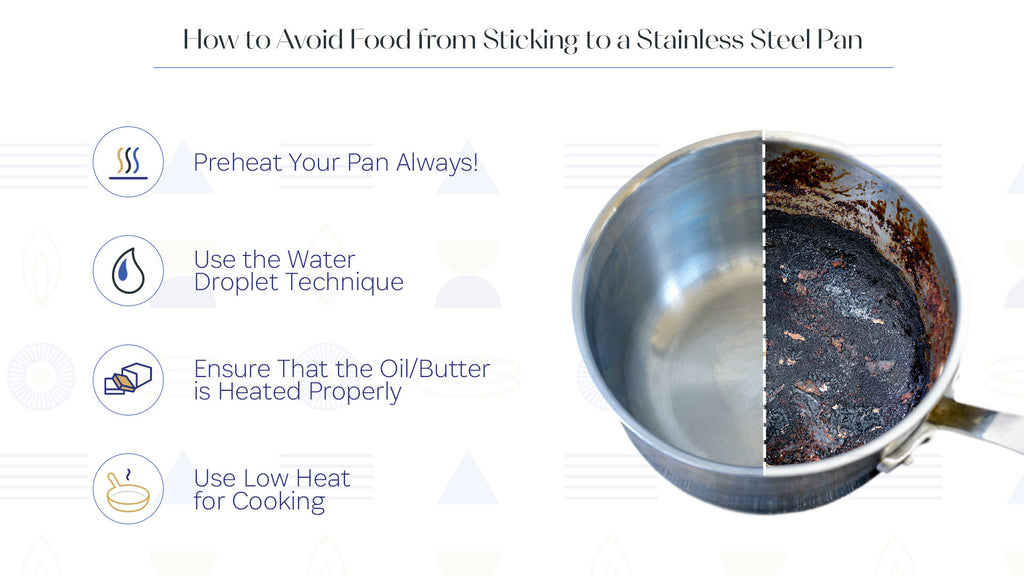
- Preheat the pan properly
- Heat over medium for 1–3 minutes until evenly warm.
- Test heat with water
- Water should bead and dance when the pan is ready.
- Add the right amount of fat at the right time
- Add oil after heating. Let it shimmer but not smoke.
- Dry and temper food
- Pat proteins dry. Bring thicker cuts closer to room temperature.
- Avoid overcrowding
- Give items space so moisture escapes and surfaces brown.
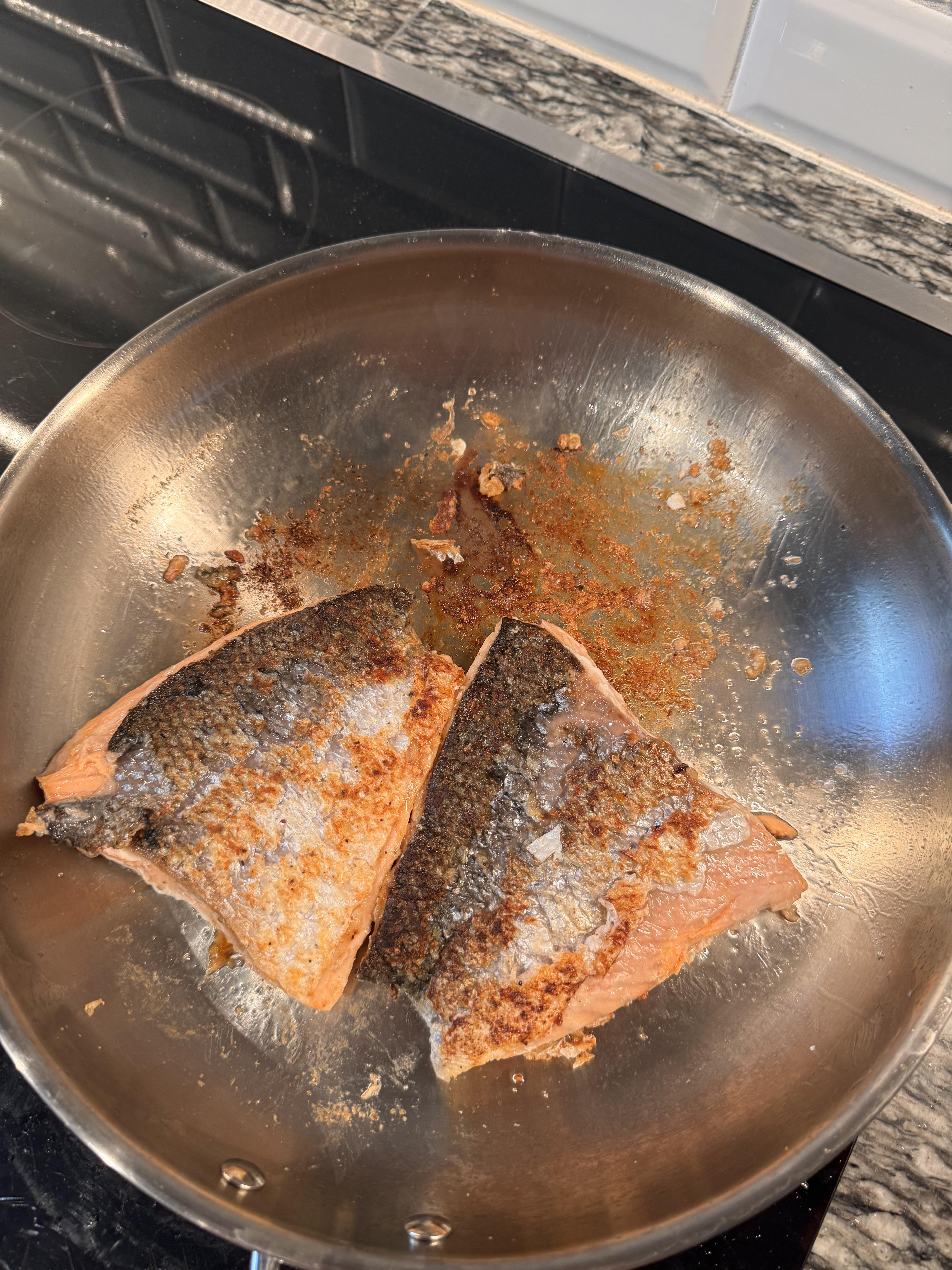
- Let food form a crust before flipping
- Proteins release naturally when seared; forcing them causes tearing.
- Adjust heat as cooking proceeds
- Lower heat after searing to finish cooking gently.
These tactics answer why does food stick to stainless steel pans by controlling temperature, moisture, and contact.
Rescue tricks when food already stuck
If food has begun to stick, try these fixes rather than scrubbing with force.
- Add a splash of liquid and simmer
- Water, stock, or wine loosens browned bits.
- Tilt pan and slide in oil or butter
- Move fat under stuck edges to help release.
- Use a flexible spatula
- Gentle motions prevent tearing.
- Let it rest a minute
- Resting loosens bonds as internal steam redistributes.
These small moves save a meal and a pan.
Cleaning and removing stuck-on residue safely
Good cleaning restores the pan’s surface and prevents future sticking.
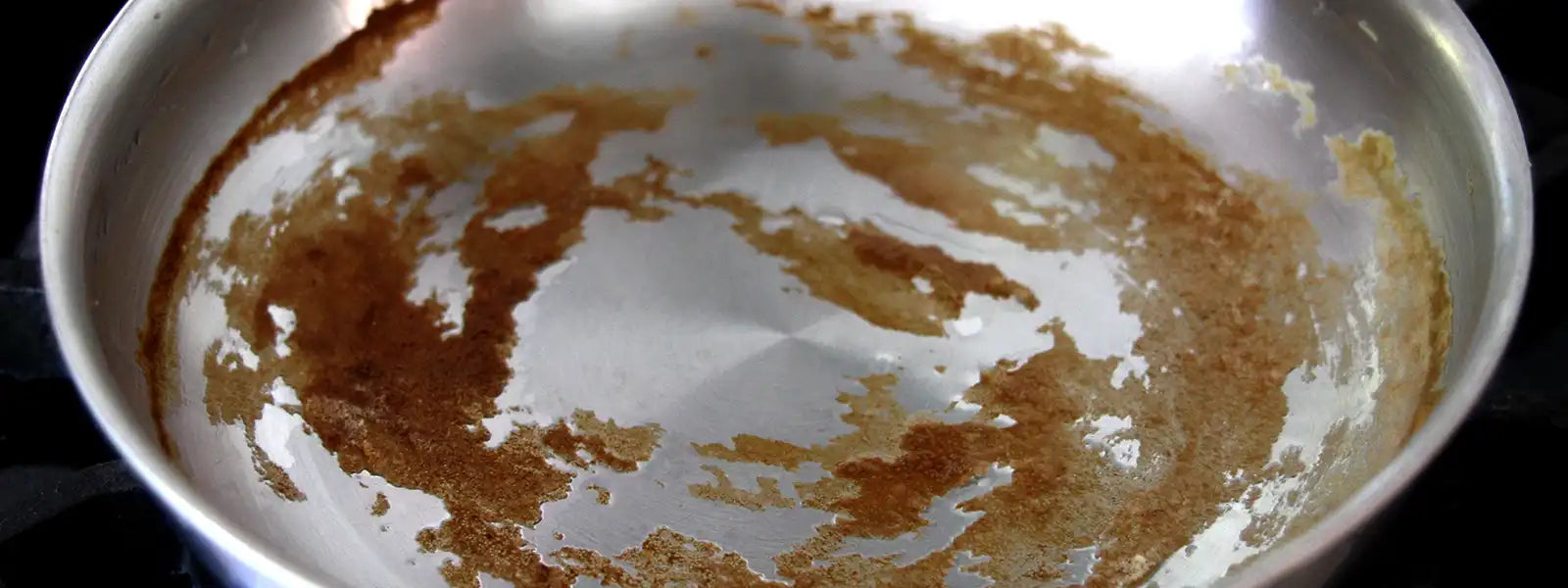
- Soak in warm, soapy water after use
- Soaking loosens food without scrubbing.
- Use baking soda paste for stubborn spots
- Baking soda with water lifts carbon without scratching.
- Boil water and vinegar for burned-on layers
- Acid softens residues for easier removal.
- Re-season lightly after deep cleaning
- Heat a thin layer of oil to create a temporary slick surface.
Proper cleaning keeps your pans working well and answers why does food stick to stainless steel pans over time.
Choosing the right pan and caring for it
Not all stainless pans are equal. Choose and care for cookware to lower sticking risk.
Selection tips:
- Look for heavy-gauge or tri-ply pans for even heat.
- Flat bottoms ensure full surface contact on burners.
- Smooth polish pans are easier to release than rougher finishes.
Care tips:
- Avoid putting extremely cold food into a hot pan.
- Don’t use cooking sprays often; they can leave varnish-like film.
- Store pans dry to prevent spotting.
Good selection and care reduce the chances you’ll ask why does food stick to stainless steel pans in the future.
My personal experience and lessons learned
I started with cheap stainless pans that stuck constantly. After testing techniques, here’s what helped most.
- Preheat-oil-then-food routine reduced sticking by half.
- Drying chicken and letting it sit at room temperature made searing simple.
- A cheap fish spatula became my best tool for delicate releases.
- Occasionally re-seasoning with a light oil layer improved morning omelets.
If you’ve struggled with why does food stick to stainless steel pans, try these small habit changes—they helped my results quickly.
Common myths about stainless steel sticking
Here are myths I hear often, plus quick facts.
- Myth: Only old pans stick
- Fact: New pans can stick if heat and oil are wrong.
- Myth: You must season steel like cast iron
- Fact: Seasoning helps, but proper heating and oil timing are more important.
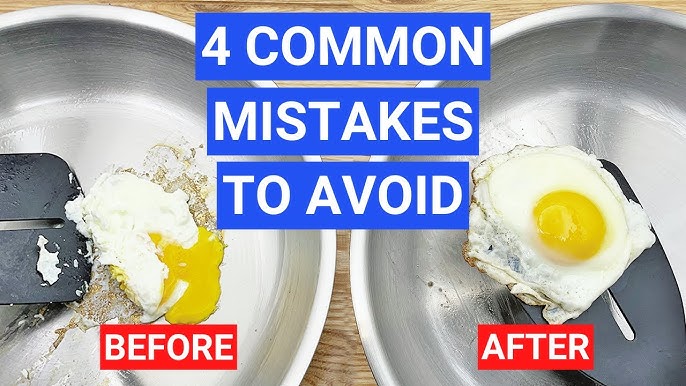
- Myth: Nonstick is always better for eggs
- Fact: With the right technique, stainless steel gives equal or better browning.
Clearing myths helps you use your pans confidently.
People also ask
How hot should a stainless steel pan be before adding oil?
Heat it until a water droplet beads and skitters. Then add oil and let it shimmer but not smoke.
Can stainless steel be seasoned like cast iron?
You can apply a thin oil layer for temporary slickness, but seasoning is not as durable as on cast iron.
Why do eggs specifically stick to stainless steel?
Egg proteins form strong bonds when pan temperature is low. Drying the pan and using enough fat helps prevent this.
Frequently Asked Questions of why does food stick to stainless steel pans
What is the main reason food sticks to stainless steel pans?
Food usually sticks because the pan is not at the right temperature or lacks a stable fat barrier. Proteins attach to the metal when heat and moisture are wrong.
Will seasoning a stainless steel pan stop sticking completely?
Seasoning helps but won’t make stainless behave like nonstick. Proper heat, oil timing, and technique remain essential.
Is it better to use oil or butter to prevent sticking?
Both work. Oil tolerates higher heat, butter adds flavor but can burn. A mix of oil and butter often gives good results.
Can you fix a pan that always sticks?
Yes. Clean off residue, learn the preheat-oil-then-food routine, and practice temperature tests with water drops.
Does the type of burner affect sticking?
Yes. Uneven heat from small or old burners causes hotspots and increases sticking. A heavier pan evens heat better.
Conclusion
Sticking happens because of temperature, moisture, and surface contact. By preheating correctly, using the right fat at the right time, drying food, and avoiding crowding, you can greatly reduce sticking and improve results. Try the step-by-step approach in this article and you’ll notice better sears, easier releases, and less cleanup. If this helped, leave a comment with what you cooked, subscribe for more tips, or try one of the techniques tonight and share your outcome.