Safe cookware for health includes stainless steel, cast iron, glass, ceramic, and quality anodized aluminum.
I’ve spent years testing pans and reading research to help you pick cookware that keeps food tasty and your body safe. This guide on what cookware is safe for health walks through options, risks, and real-life tips. I explain how materials react with food, how coatings behave under heat, and which choices lower long-term exposure to harmful chemicals. Read on to learn clear, practical steps to choose and use cookware that protects your family’s health.
Why cookware choice matters for health
Cookware touches your food directly. That means it can change flavor, nutrition, and even safety. Some metals can leach into acidic foods. Some coatings break down at high heat and release gases or particles. Choosing safe cookware reduces chemical exposure and keeps meals clean and nutritious.
Health matters when cooking daily. Small exposures can add up over time. That is why asking what cookware is safe for health is wise. I’ll show how to balance performance, budget, and safety without giving up flavor or convenience.
Safe cookware types and what to know
Below are common safe cookware types. For each, I note benefits, limits, and how to use them safely. This helps answer what cookware is safe for health in specific cooking situations.
Stainless steel
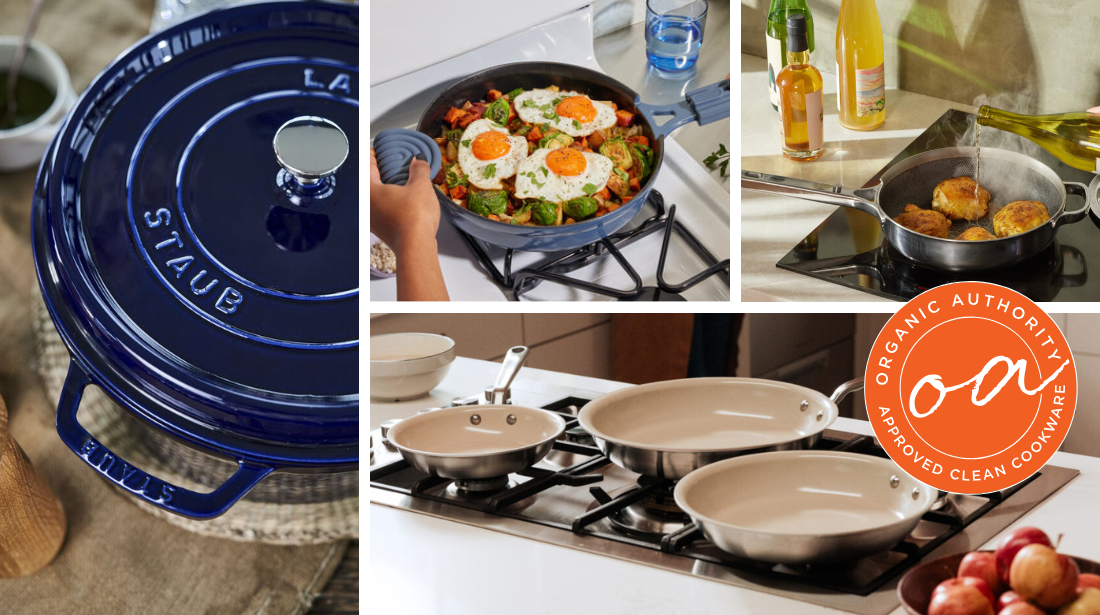
Stainless steel is durable and non-reactive for most foods. It does not release harmful chemicals under normal use. Look for 18/8 or 18/10 grades for good corrosion resistance. Use higher heat with care to avoid sticking; add oil or deglaze to keep food from burning.
Cast iron
Cast iron gives excellent heat retention and a natural nonstick surface when seasoned. It can leach small amounts of iron into food, which is generally safe and can help people with iron deficiency. Avoid cooking highly acidic dishes for long periods since they can pick up metallic taste.
Enameled cast iron
Enameled cast iron combines cast iron strength with a glass-like, non-reactive coating. It is safe for acidic foods and doesn’t require seasoning. Avoid chipping the enamel by using gentle cleaning and avoiding sudden temperature shocks.
Ceramic and fully vitrified ceramic cookware
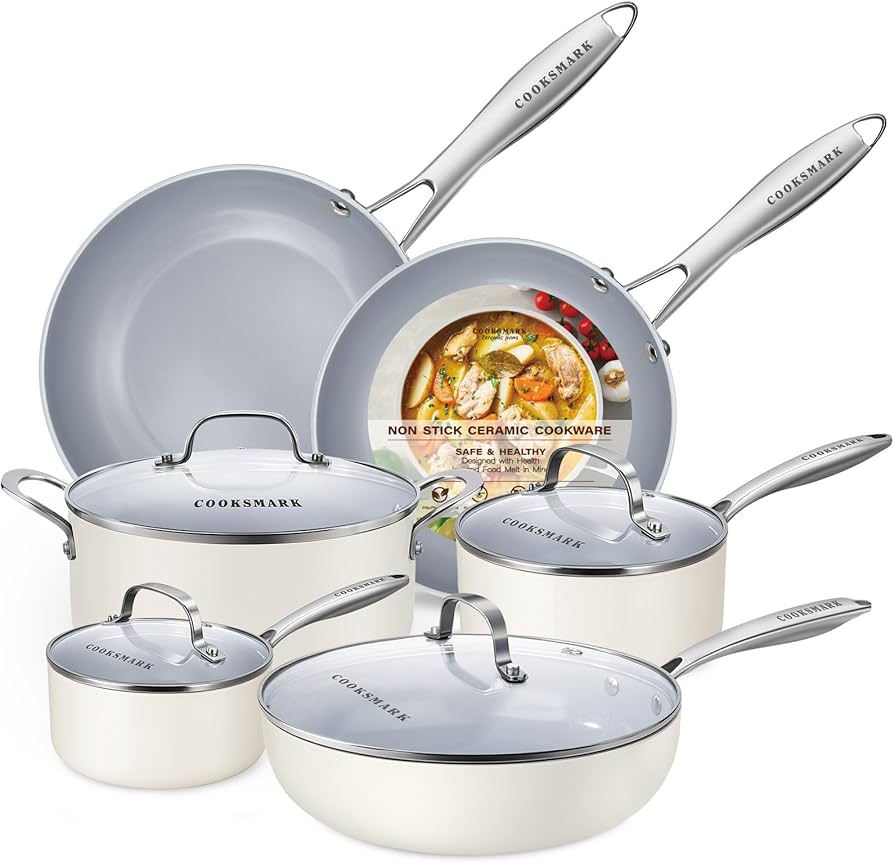
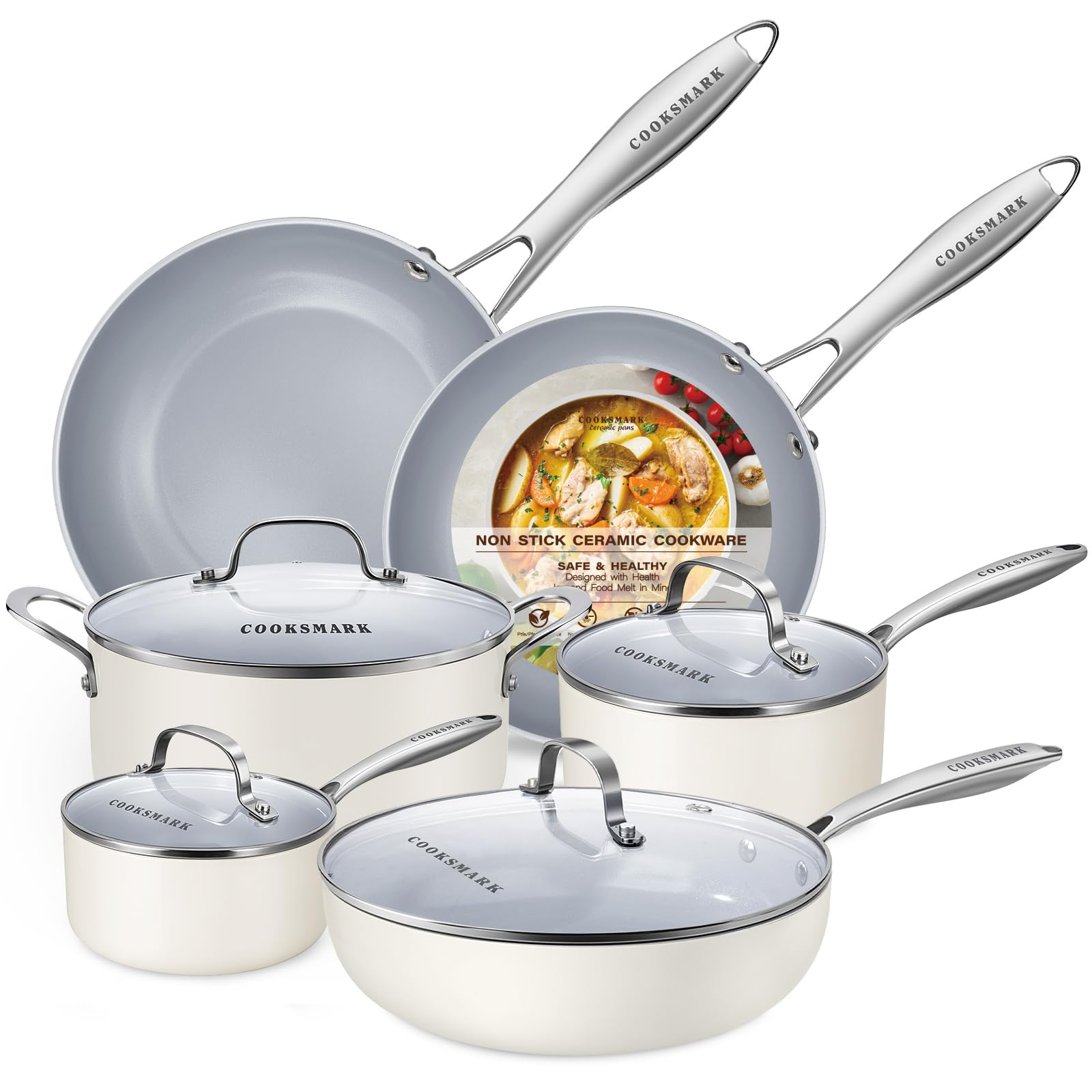
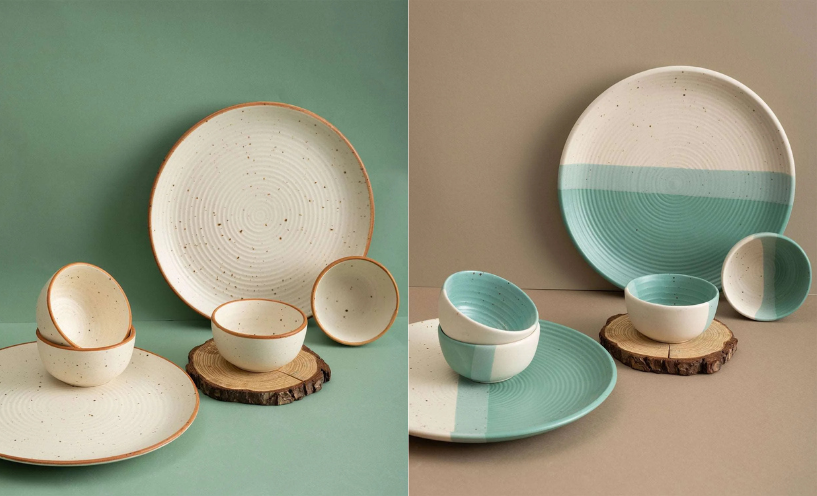
Pure ceramic cookware is non-reactive and free of heavy metal leaching when well made. Look for fully vitrified ceramic that is lead- and cadmium-free. Ceramic nonstick coatings vary in quality; choose reputable brands and avoid cheap, unknown coatings.
Glass
Glass is inert and excellent for baking or reheating. It does not leach chemicals or react with food. It breaks under impact but is ideal for storage and slow cooking. Use tempered glass for stovetop-only at manufacturer recommendations.
Anodized aluminum
Hard-anodized aluminum is treated so the surface is dense and non-reactive. It combines good heat transfer with low leaching risk. Avoid scratching the surface; use wooden or silicone utensils to preserve the anodized layer.
Carbon steel
Carbon steel is similar to cast iron but lighter. It seasons into a good cooking surface. It can release iron like cast iron, which may be beneficial for some people. Keep it dry after washing to prevent rust and re-season as needed.
PTFE (traditional nonstick/Teflon) and ceramic nonstick
Traditional PTFE coatings perform well at medium heat but can break down at very high temperatures. Overheated PTFE can release fumes that may cause temporary flu-like symptoms in birds and sensitive people. Use PTFE pans on low to medium heat and replace scratched pans. Newer ceramic nonstick coatings avoid PTFE but vary in durability; choose trusted brands and avoid overheating.
Silicone
Silicone is safe for bakeware and utensils at recommended temperatures. It is flexible and non-reactive. Avoid cheap silicone that may contain fillers. Follow temperature limits on product labels.
How to choose healthy cookware: a practical checklist
When deciding what cookware is safe for health, use this checklist to compare options. It will help you match cookware to how you cook.
- Reactivity: Choose non-reactive surfaces for tomato, vinegar, or citrus-based dishes.
- Durability: Pick materials that resist scratching and chipping.
- Coating safety: Prefer PFOA-free coatings and avoid damaged nonstick surfaces.
- Heat limits: Know maximum safe temperatures for each pan material.
- Ease of cleaning: Some surfaces hold residue; this affects long-term safety and hygiene.
- Weight and handling: Heavy pans may be safer but harder to handle for some users.
- Manufacturer transparency: Prefer brands that disclose materials and testing.
Use this checklist to compare pans before buying. It answers the practical side of what cookware is safe for health for your routine.
Care and cooking practices that reduce risk
Even safe cookware can become unsafe if misused. These practices help keep cookware performing well and reduce the chance of chemical release.
- Avoid overheating nonstick pans: Keep PTFE and many ceramic nonstick pans under medium heat.
- Don’t use metal utensils on coated pans: Scratches expose base metals and can reduce safety.
- Season iron and carbon steel properly: A stable seasoning layer prevents rust and reduces leaching.
- Avoid sudden temperature changes: Let pans cool before running cold water over them to prevent cracking or chipping.
- Replace damaged cookware: Chipped enamel, flaking nonstick, and deep pitting on stainless should be replaced.
- Use proper storage: Stack pans with cloth or pan protectors to avoid scratches.
These steps matter for answering what cookware is safe for health in everyday use. They extend pan life and limit exposure to unwanted particles.
PAA-style questions (quick answers)
Can cookware release toxins into food?
Yes. Some coatings and reactive metals can leach substances into food, especially when overheated or damaged. Choosing stable materials and following care instructions lowers this risk.
Is nonstick cookware safe if I cook at low heat?
Yes, most nonstick (PTFE) pans are safe at low to medium heat. Avoid empty-pan high-heat preheating and replace pans with scratched coatings.
Does stainless steel leach nickel?
Small amounts of nickel or chromium can leach from stainless steel, mainly when cooking acidic foods. For most people, this is not harmful, but those with metal allergies should choose low-nickel options or coated cookware.
My experience: lessons, mistakes, and practical tips
I’ve cooked professionally and at home for years. Early on, I ruined a high-priced nonstick pan by overheating it. That mistake taught me to match pans to cooking style. I now keep a cast iron skillet for searing, stainless steel for sauces, and enameled pots for tomato-based stews.
What I learned:
- Invest in three to four good pans that cover most needs instead of many cheap ones.
- Rotate cookware by use. Use cast iron for searing and nonstick for eggs.
- Replace nonstick pans every few years if you use them frequently. Watch for scratches.
- Read product labels and ask the manufacturer about testing and materials.
These tips come from trial and error. They help answer what cookware is safe for health in a realistic, budget-friendly way.
Frequently Asked Questions of what cookware is safe for health
What cookware is safest for everyday use?
Stainless steel, cast iron, enameled cast iron, and glass are among the safest everyday options. They are durable and show low risk of leaching when used correctly.
Is nonstick cookware harmful to health?
Nonstick cookware can be safe if used at recommended temperatures and not scratched. Overheating or ingesting flaked coating can pose risks, so replace damaged pans.
Can I use aluminum pans safely?
Anodized aluminum is safe because the surface is sealed and non-reactive. Plain aluminum can react with acidic foods and may leach more metal, so use with caution.
Is ceramic cookware non-toxic?
Pure ceramic and high-quality ceramic-coated pans are generally non-toxic and non-reactive. Avoid cheap products without testing or certification.
How often should I replace cookware?
Replace cookware when coatings flake, enamel chips, or stainless steel shows deep pitting. For nonstick pans, consider replacement every 2–5 years depending on use.
Conclusion
Choosing what cookware is safe for health is about materials, care, and how you cook. Pick non-reactive materials for acidic dishes, keep nonstick pans cool, season iron and carbon steel well, and replace damaged items promptly. Small changes in cookware and habits can lower exposure to unwanted substances and improve food quality. Start by auditing your kitchen, keep two or three reliable pans, and prioritize safety over trends. Try one change this week—repair, replace, or repurpose a pan—and leave a comment to share your experience or question.