Choose cookware based on material, budget, stove type, and the dishes you cook most.
I’ve spent years testing pans and pots in home kitchens and small restaurants. I will walk you through how to choose cookware for beginners with clear steps, real-life tips, and mistakes I made so you don’t repeat them. This guide shows what matters, why it matters, and which pieces to buy first so you can cook with confidence.
Why the right cookware matters
Good cookware makes food taste better. It saves time and avoids frustration. The right pans help heat food evenly. The wrong pans burn food or wear out fast.
Choosing the right set is part skill and part habit. Learn how to choose cookware for beginners by matching materials, sizes, and care needs to your routine. This saves money and gives better results in the kitchen.
Key cookware materials and when to pick them
Know the common materials. Each has strengths and limits. Match them to your cooking style.
Cast iron
- Best for searing, frying, and oven use.
- Very durable and builds a natural nonstick layer with seasoning.
- Heavy and needs care to avoid rust.
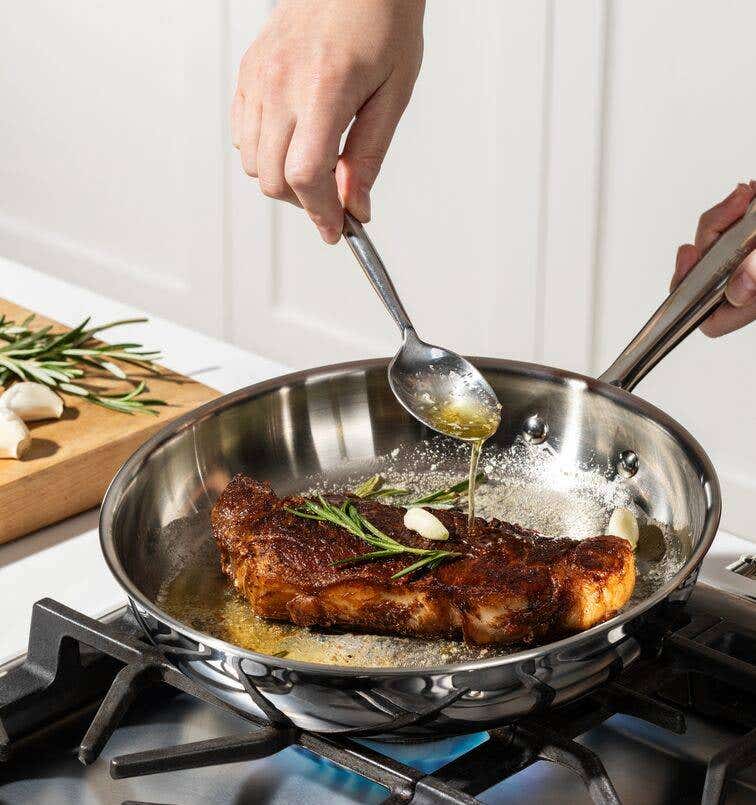
Stainless steel
- Great for browning, sauces, and daily use.
- Durable and non-reactive with food.
- Look for a layered base (tri-ply or 5-ply) for even heat.
Nonstick (PTFE)
- Best for eggs, pancakes, and low-fat cooking.
- Easy to clean and needs less oil.
- Not for very high heat; replace when coating scratches.
Hard-anodized aluminum
- Lightweight and durable.
- Heats fast and resists warping.
- Often has a nonstick surface.
Copper
- Excellent heat control and fast response.
- Expensive and needs polishing or a lining.
- Good for precise cooking like sauces.
Enamel-coated
- Offers the heat of cast iron with easier care.
- No seasoning needed.
- Chips can expose metal below, so handle gently.
When you learn how to choose cookware for beginners, think about these trade-offs. Think about weight, care, and how often you cook each dish.
Essential cookware pieces for beginners
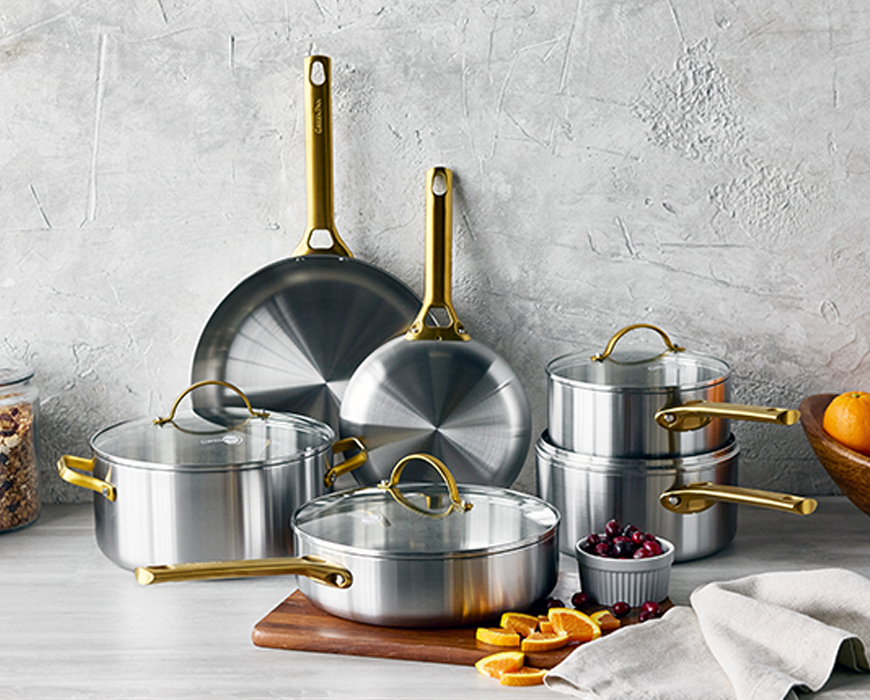
You don’t need a full store display. Start small and add pieces as you learn how to choose cookware for beginners.
Start kit (recommended)
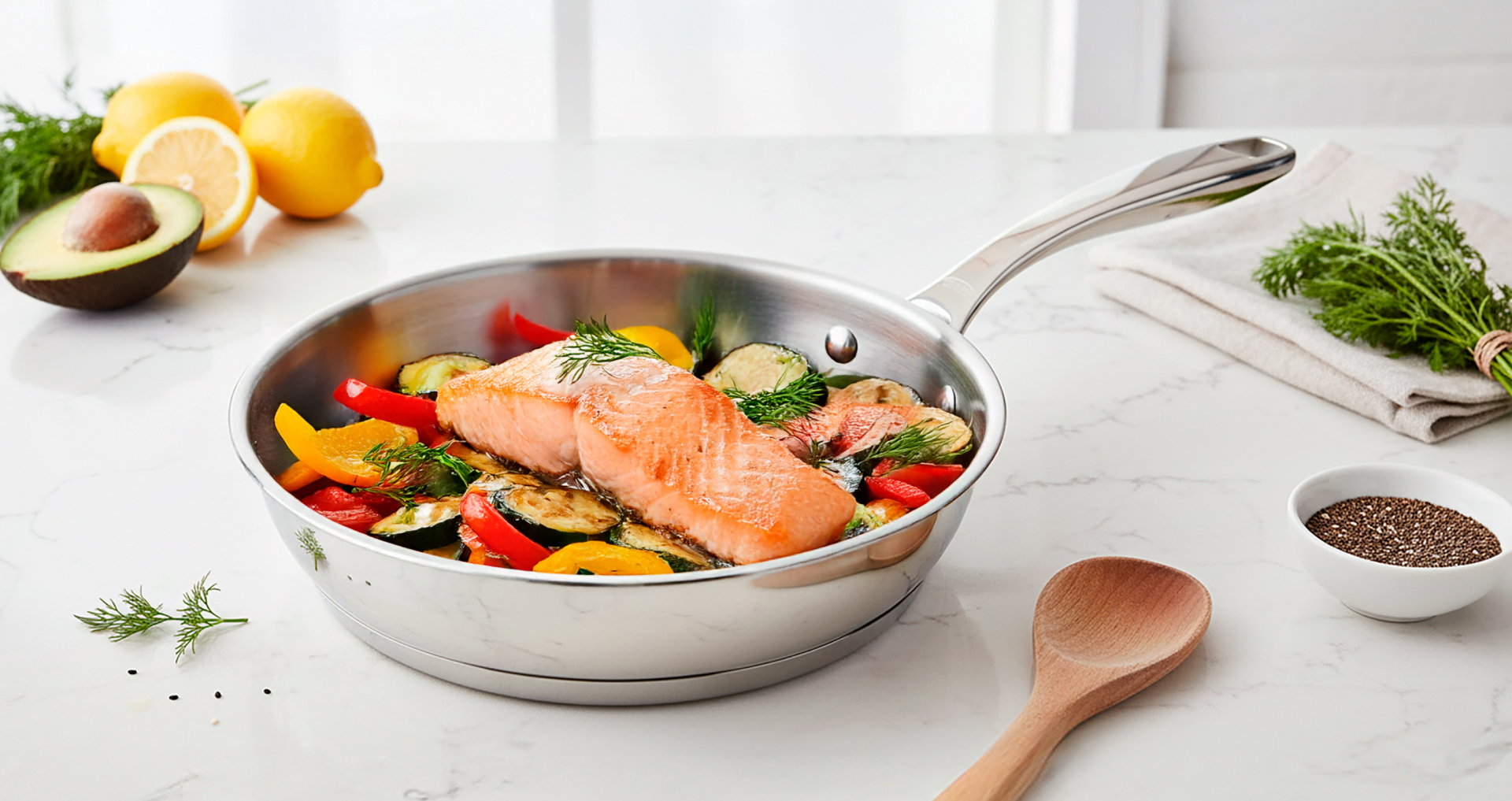
- 10–12 inch skillet, stainless or nonstick for daily use.
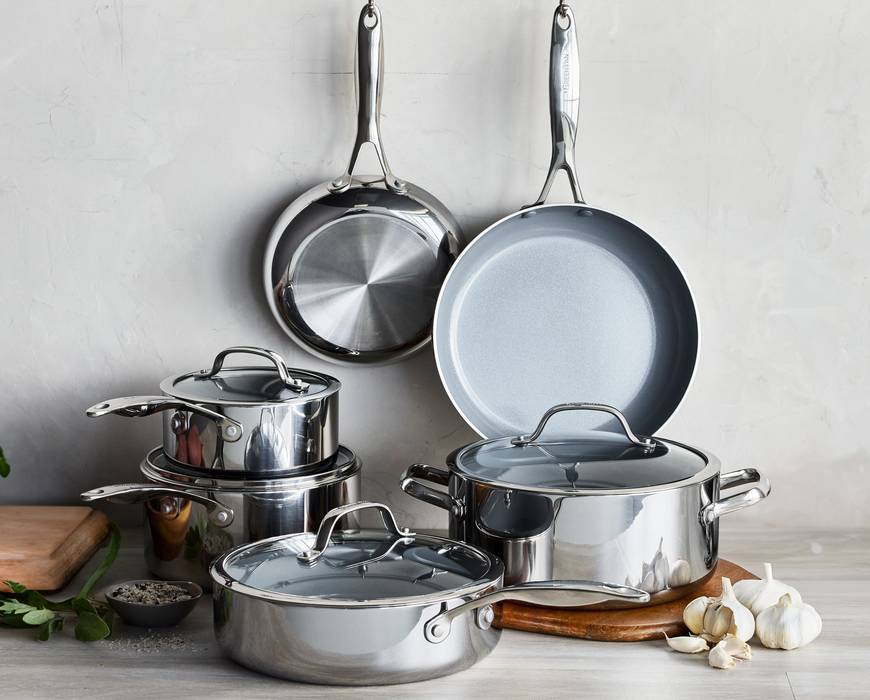
- 3–4 quart saucepan for grains, sauces, and soups.
- 6–8 quart pot or Dutch oven for stews and pasta.
- One small nonstick pan for eggs if you cook them often.
Optional early buys
- Cast iron skillet for searing and oven use.
- Baking sheet for roasting and sheet-pan meals.
- Steamer insert or small steamer pot if you like vegetables or dumplings.
Buy fewer, better pieces. That helps you learn how to choose cookware for beginners without wasting money.
How to choose cookware for beginners: practical factors
Pick cookware that fits your life. These choices give the best return on money and time.
Stove type
- Gas stoves work well with most materials.
- Electric and glass-top stoves pair best with flat-bottomed pots for even contact.
- Induction needs magnetic cookware like stainless steel or cast iron.
Size and shape
- Match pan diameter to the number of people you cook for.
- A 10–12 inch skillet fits most households.
- Use deep pans for sauces and shallow pans for quick sautés.
Weight and handles
– Heavy pans hold heat but can tire your arm.
- Look for sturdy, riveted handles and lids that fit well.
Maintenance and care
- Stainless steel is low fuss.
- Cast iron needs seasoning and drying.
- Nonstick needs gentle tools and lower heat.
Budget
- Set a budget for the starter kit and for upgrades.
- Invest in one quality pan first rather than a cheap full set.
- Spend more on the pieces you will use most.
When you practice how to choose cookware for beginners, test one pan before buying a set. Use it for weeks and see how it performs.
Buying tips and mistakes to avoid
I’ve made some buying mistakes. Here are tips to help you get it right.
Buy solid pieces, not gift sets
- Cheap sets can have low-quality pans that warp or lose coating.
- A few good pieces last much longer.
Check the base and construction
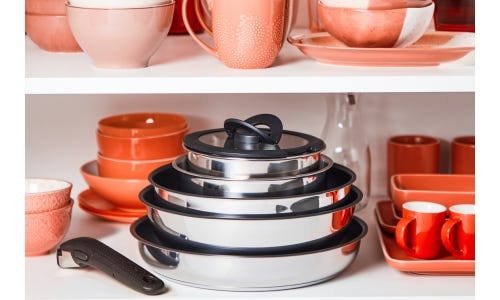
- Look for heavy, flat bases and layered construction for even heat.
- Avoid warped bottoms that wobble on the stove.
Test the lid fit and handle comfort
- Lids should sit snug. Handles should feel secure and cool to touch.
Avoid misleading marketing
- “Oven safe” often means safe to a lower temperature. Check the max temp.
- “Dishwasher safe” may shorten a pan’s life, especially for nonstick and cast iron.
Try before you commit
- If possible, feel the pan in store or read honest user reviews.
- Return policies matter for big buys.
These tips reduce mistakes many beginners make when they learn how to choose cookware for beginners.
Care, use, and maintenance basics
A little care makes cookware last. These steps are simple.
Daily care
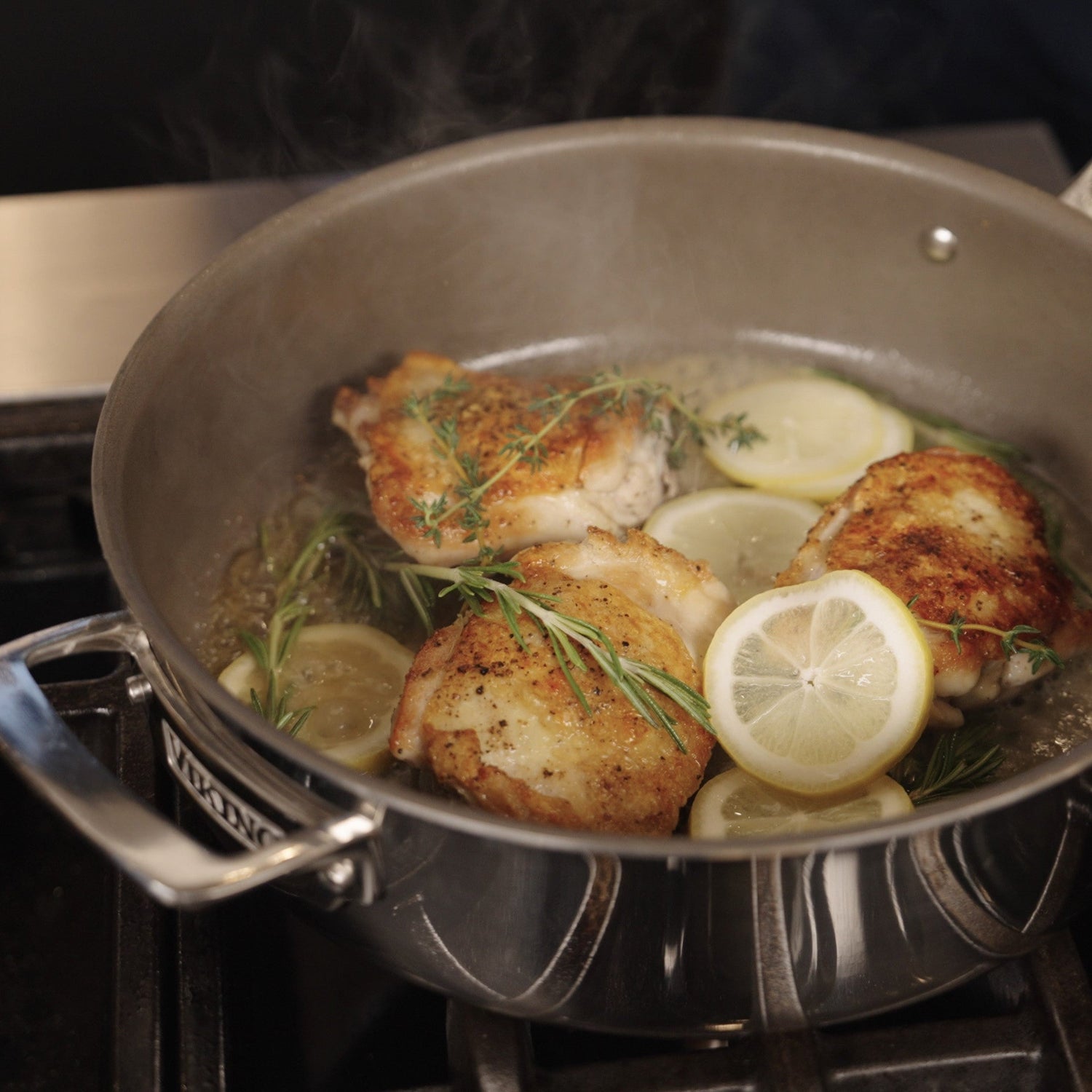
- Hand wash when possible to protect finishes.
- Use soft sponges on nonstick surfaces.
- Dry cast iron quickly and oil lightly to protect it.
Seasoning and long-term care
- Season cast iron and some carbon steel pans to build a nonstick layer.
- For stainless, remove stains with a paste of baking soda and water.
Storage
- Stack pans with a soft layer or use pan protectors.
- Keep lids and pot gauges where you can find them.
Safety
- Use oven mitts for hot handles.
- Never heat an empty nonstick pan on high.
When you know how to choose cookware for beginners, you’ll also know how to keep gear working for years. Good care saves money.
Personal lessons and real-world examples
Here are honest lessons from my kitchen work.
What I learned
- I once bought a cheap full set. The nonstick failed in a year. Now I buy fewer, quality items.
- A good stainless pan made my sauces brown better and clean up faster.
- A cast iron pan made the best steak at home, but I had to learn seasoning.
Practical tip
- Start with a stainless skillet and a small nonstick pan. Add cast iron when you want to roast and sear.
These examples show practical ways to apply how to choose cookware for beginners. They are small steps that give big gains.
PAA-style quick questions
Question: What is the best first pan for a beginner?
Answer: Choose a 10–12 inch stainless steel skillet for browning and versatility. Add a small nonstick pan for eggs.
Question: Do I need induction-ready cookware?
Answer: Only if you have an induction stove. Otherwise, focus on material and build quality.
Question: How much should I spend to start?
Answer: Spend a little more on one good skillet and one saucepan. A reliable starter kit usually costs moderately but lasts longer.
Frequently Asked Questions of how to choose cookware for beginners
How many pieces do I need to start?
Start with three main pieces: a 10–12 inch skillet, a 3–4 quart saucepan, and a 6–8 quart pot or Dutch oven. This covers most basic meals.
Which material is easiest for a beginner?
Stainless steel is the most forgiving and versatile for beginners. It handles many tasks and needs little special care.
Is nonstick cookware safe to use?
Modern nonstick pans are safe with normal use. Avoid overheating and replace pans when the coating peels or deep scratches appear.
Can I use oven-safe pans on the grill?
Only if the pan and its handles are rated for high heat. Check the manufacturer’s max temperature before using a pan on a grill.
How often should I replace cookware?
Replace when performance drops or surfaces are damaged. Nonstick may need replacing every few years; stainless and cast iron can last decades with care.
Conclusion
Choosing cookware is first a choice about how you cook. Pick materials that match your food, stove, and care habits. Start with a small kit and upgrade as your skills grow. Use the tips here to avoid common mistakes and get better results fast.
Take one step today: pick one quality pan that fits your style and try it for a month. Share your wins or questions below, subscribe for more kitchen guides, or leave a comment about your favorite pan.