Boil water, add baking soda, and gently scrub to lift burnt stainless steel quickly and safely.
I’ve cleaned dozens of scorched pots and pans in home and test kitchens. I’ll show clear, tested steps on how to clean burnt stainless steel pan easily. You will get simple methods, safety tips, and ways to avoid damage. Read on for step-by-step guides that work without harsh scraping.
Why stainless steel burns and what that stain really is
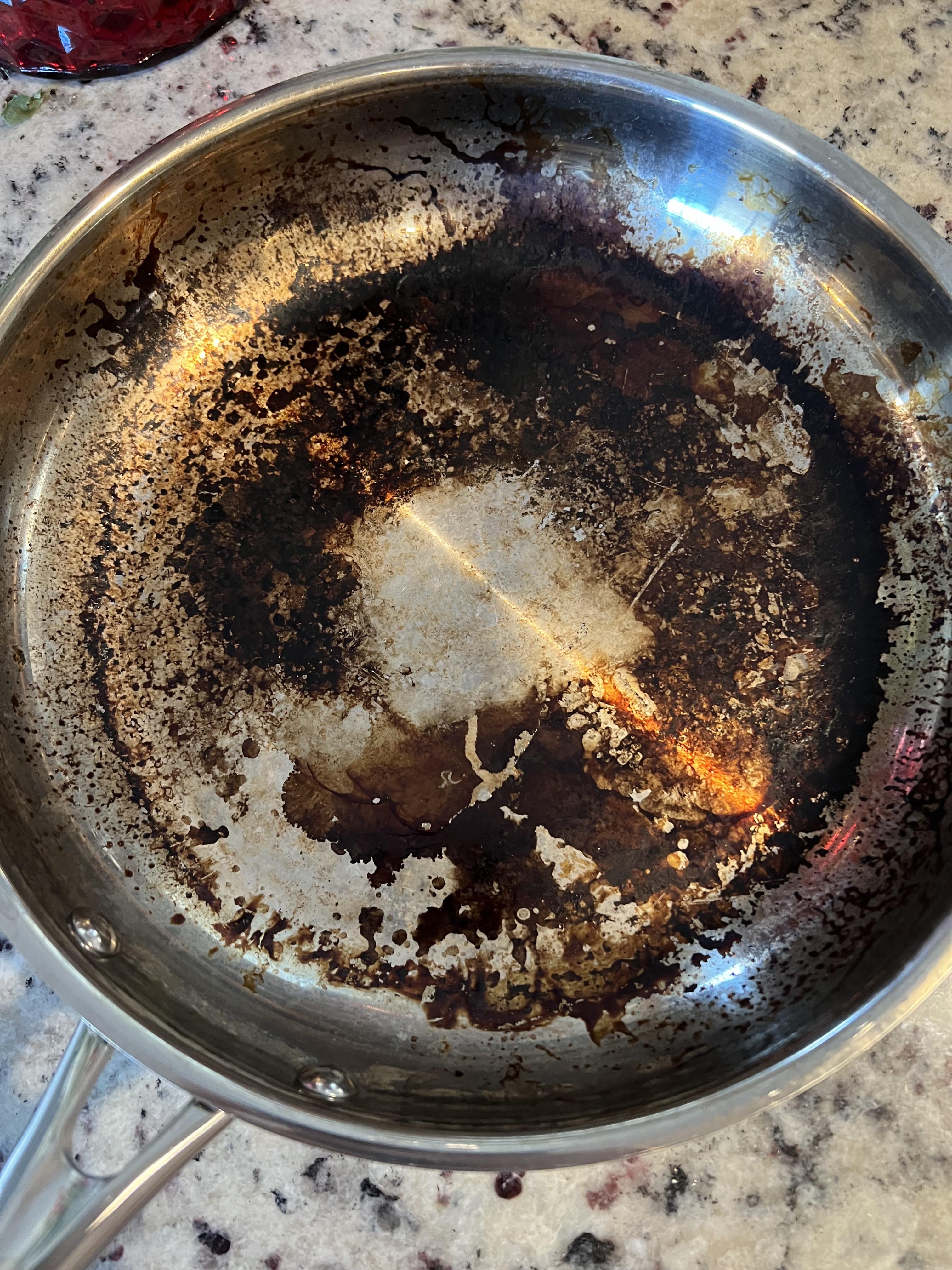
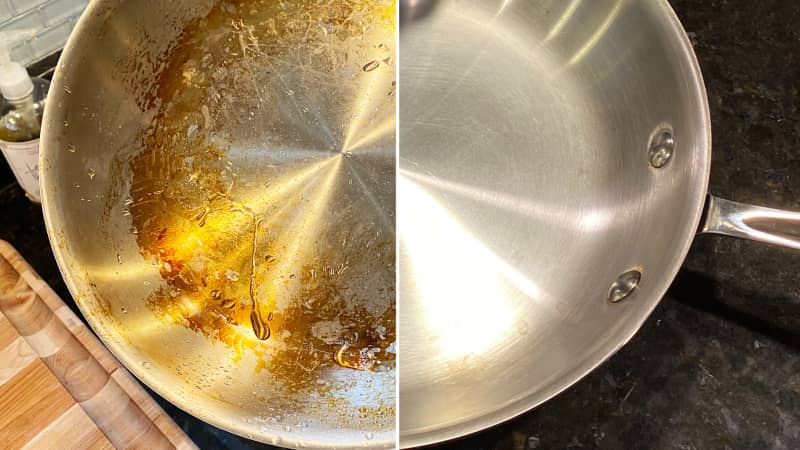
Burn marks on stainless steel are usually cooked-on food, grease, and caramelized sugars. High heat makes proteins and sugars bind to metal. This leaves dark rings or black patches. Some marks are surface-level. Others bond more tightly and need a little more work.
Knowing the type helps when you learn how to clean burnt stainless steel pan easily. Light brown stains need gentle cleaning. Thick black or glue-like layers need soaking and chemical or thermal help. Match the method to the burn level to avoid scratching.
Safety and prep before you start
Always cool the pan before cleaning. Hot pans can warp when cold water hits them. Wear gloves to protect your skin from hot water and cleaners. Work on a flat, stable surface and use non-scratch tools.
Gather basic supplies:
- Plain dish soap and a soft sponge.
- Baking soda and white vinegar.
- A wooden or silicone spatula and a nylon scrubber.
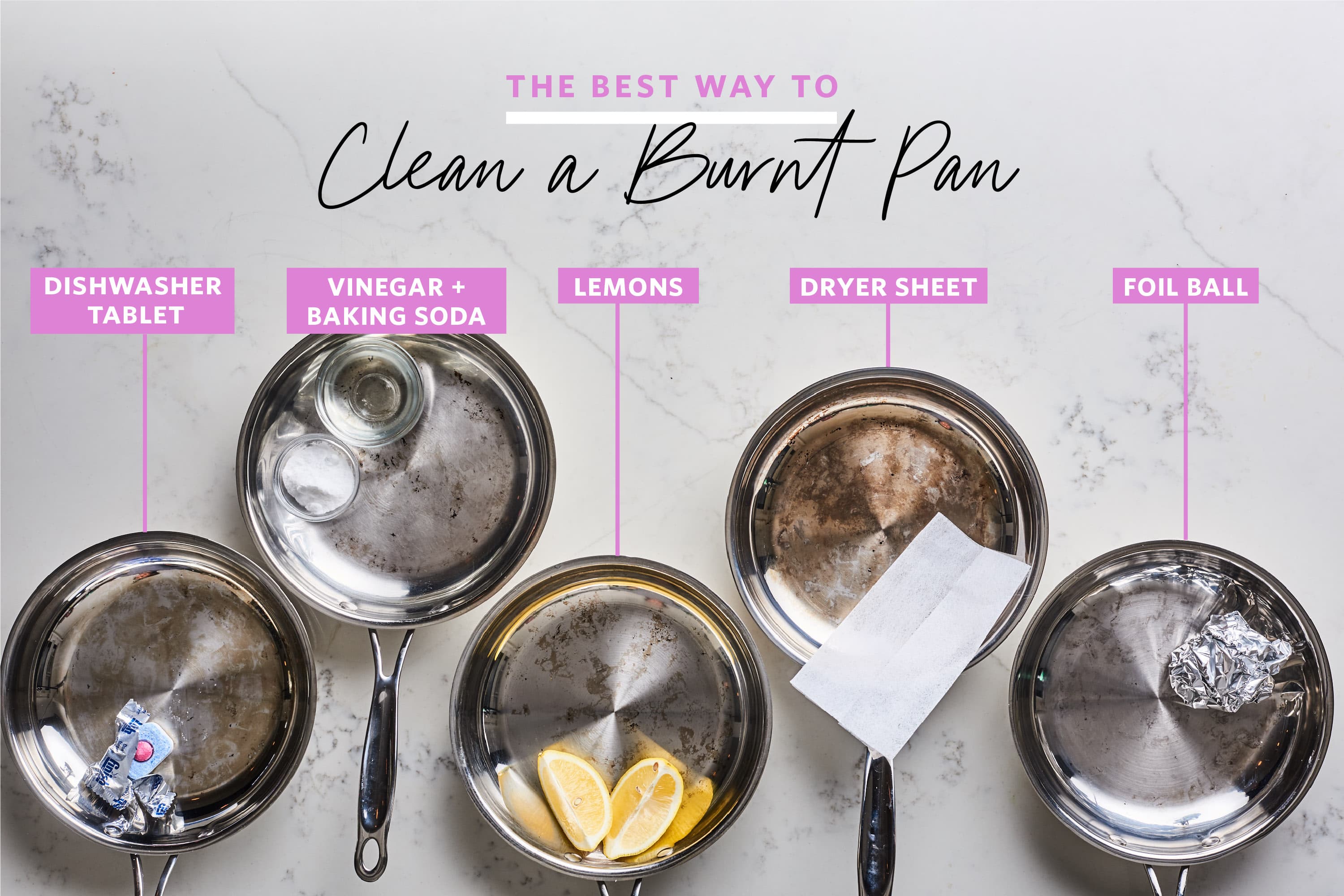
- Optional: cream of tartar, a dishwasher tablet, or a non-abrasive commercial cleaner.
Knowing prep steps will make how to clean burnt stainless steel pan easily faster and safer.
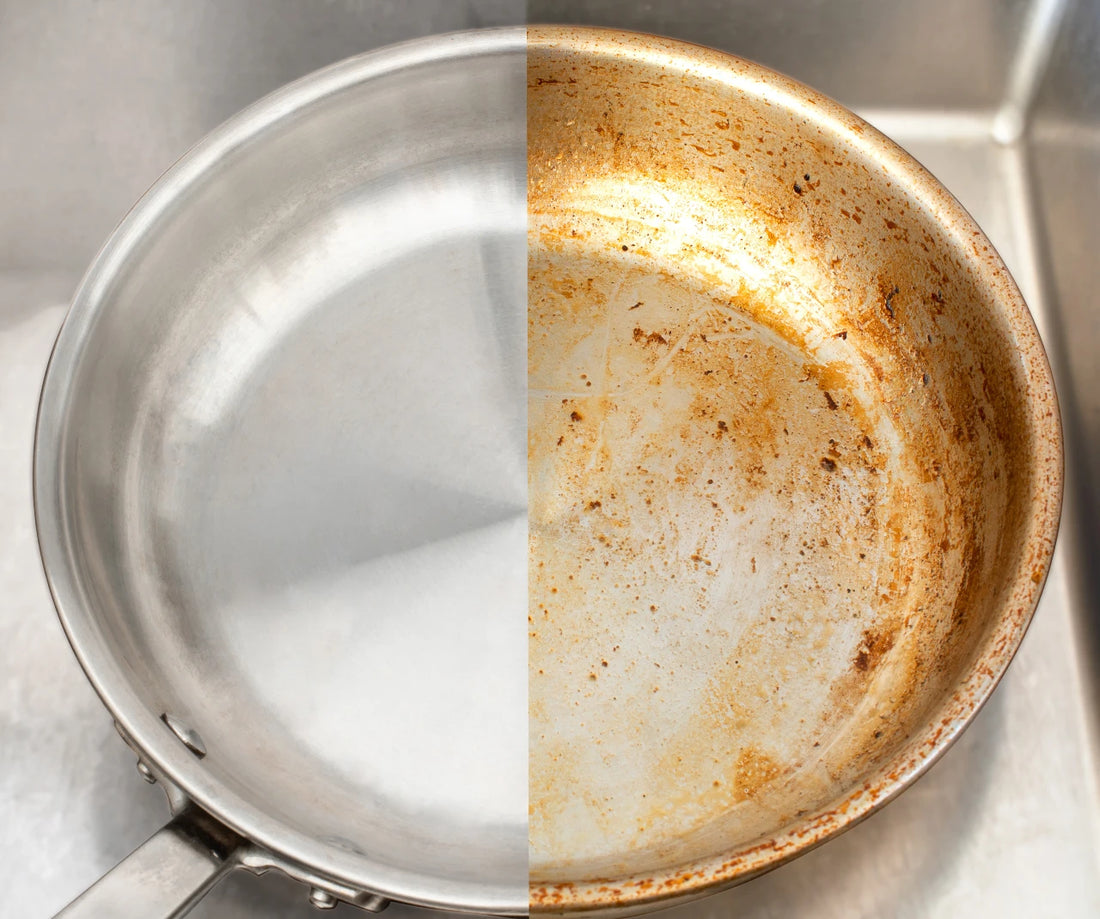
Top methods to clean burnt stainless steel pan easily
Use the easiest method first. Move to stronger methods only if needed. Each method below is safe when you follow the steps.
Method 1 — Boiling water and dish soap (best for fresh burns)
- Fill the pan with warm water to cover the burnt area.
- Add a few drops of dish soap.
- Bring to a gentle boil for 10–15 minutes.
- Let cool slightly, then use a soft sponge to lift residue.
This method is mild and often removes food bits without scrubbing hard. It’s my go-to when the burn is fresh.
Method 2 — Baking soda paste (great for stubborn brown marks)
- Sprinkle a generous layer of baking soda over the burn.
- Add a few teaspoons of water to form a paste.
- Let sit 30 minutes to an hour.
- Scrub gently with a nylon scrubber or soft cloth.
Baking soda is mildly abrasive and raises pH to break food bonds. It helps when you need more than soap but want to avoid harsh chemicals.
Method 3 — Vinegar soak then baking soda (for tough, blackened areas)
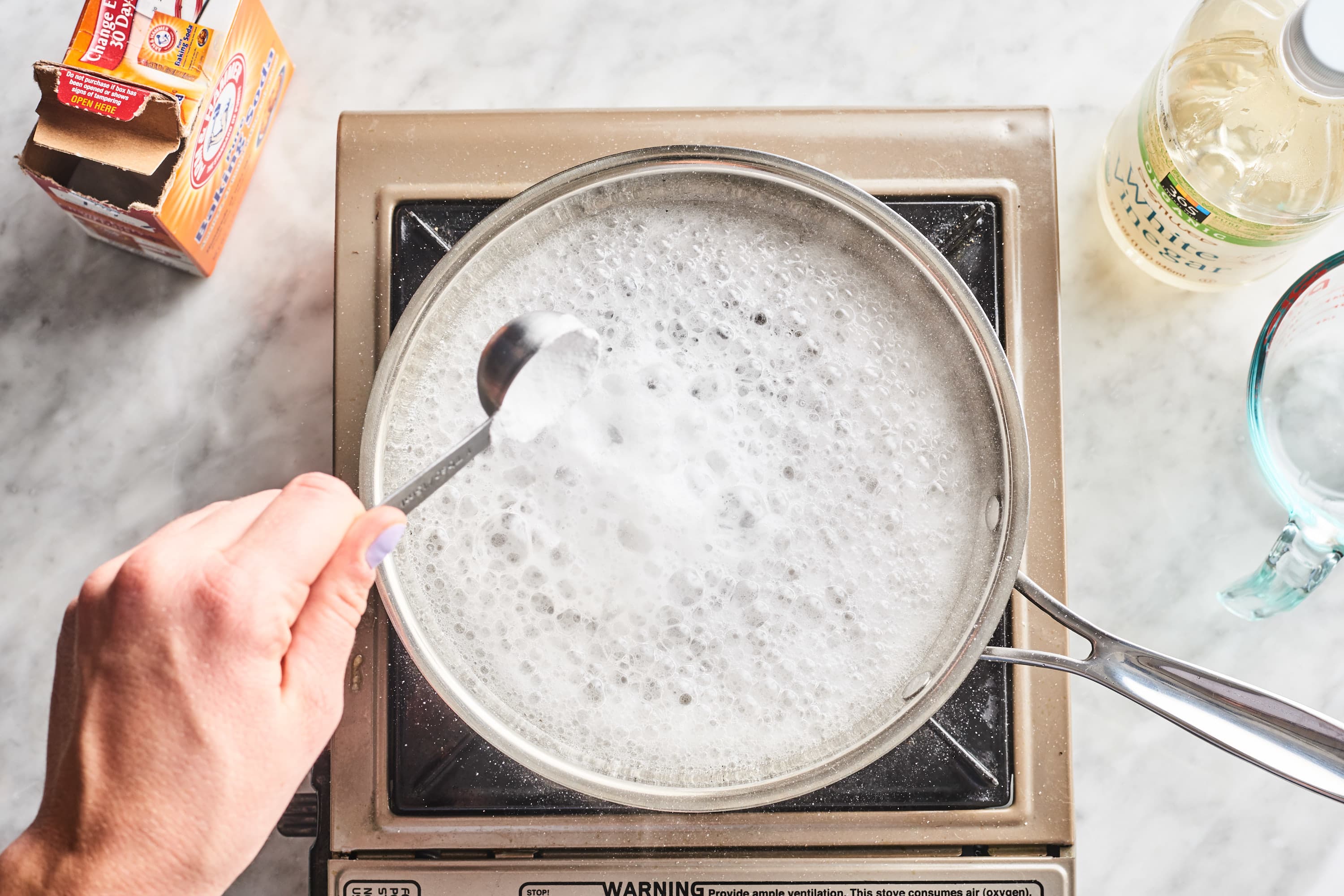
- Pour enough white vinegar to cover the burnt spots.
- Heat the vinegar until it simmers for a few minutes, then turn off heat.
- Add a tablespoon of baking soda; it will fizz.
- Let sit 15–30 minutes. Scrub and rinse.
The acid from vinegar loosens carbon. The fizz helps lift debris. This is a classic method to learn how to clean burnt stainless steel pan easily with common pantry items.
Method 4 — Dishwasher tablet or oxygen cleaner (for glued-on food)
- Place 1 crushed dishwasher tablet or 1–2 tablespoons of oxygen cleaner in the pan.
- Add hot water to cover. Let soak 1–4 hours or overnight.
- Scrub with a non-scratch pad and rinse.
These cleaners contain enzymes or oxygen that break down starches and proteins. They are gentle on metal while effective on heavy buildup.
Method 5 — Commercial cleaners (for very tough stains)
- Use a cleaner made for stainless steel or a powdered cleanser.
- Follow the product’s instructions exactly.
- Rinse thoroughly and dry.
Commercial products work well on heat-stained discoloration. Use them sparingly and rinse well. They help when you must restore shine after removing burnt food.
A quick protocol I use: try boiling water first, then baking soda paste, then vinegar, then an overnight soak. That sequence often solves the problem without harming the pan.
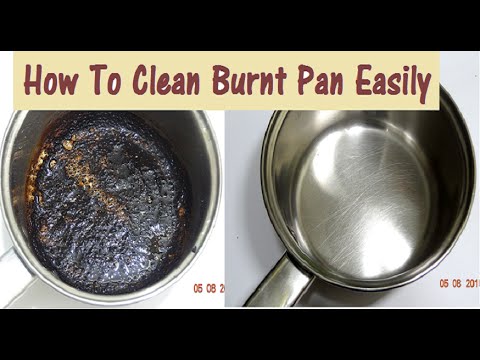
Tools and techniques that protect the pan
Use soft tools. Hard metal scouring pads can scratch stainless steel. Choose:
- Soft sponges and nylon scrubbers.
- Wooden or silicone scrapers to lift big bits.
- Microfiber cloths for polishing.
Scrub with the grain of the steel when you can. Rinse well and dry to prevent water spots. Gentle pressure and patience beat aggressive scraping for lasting results.
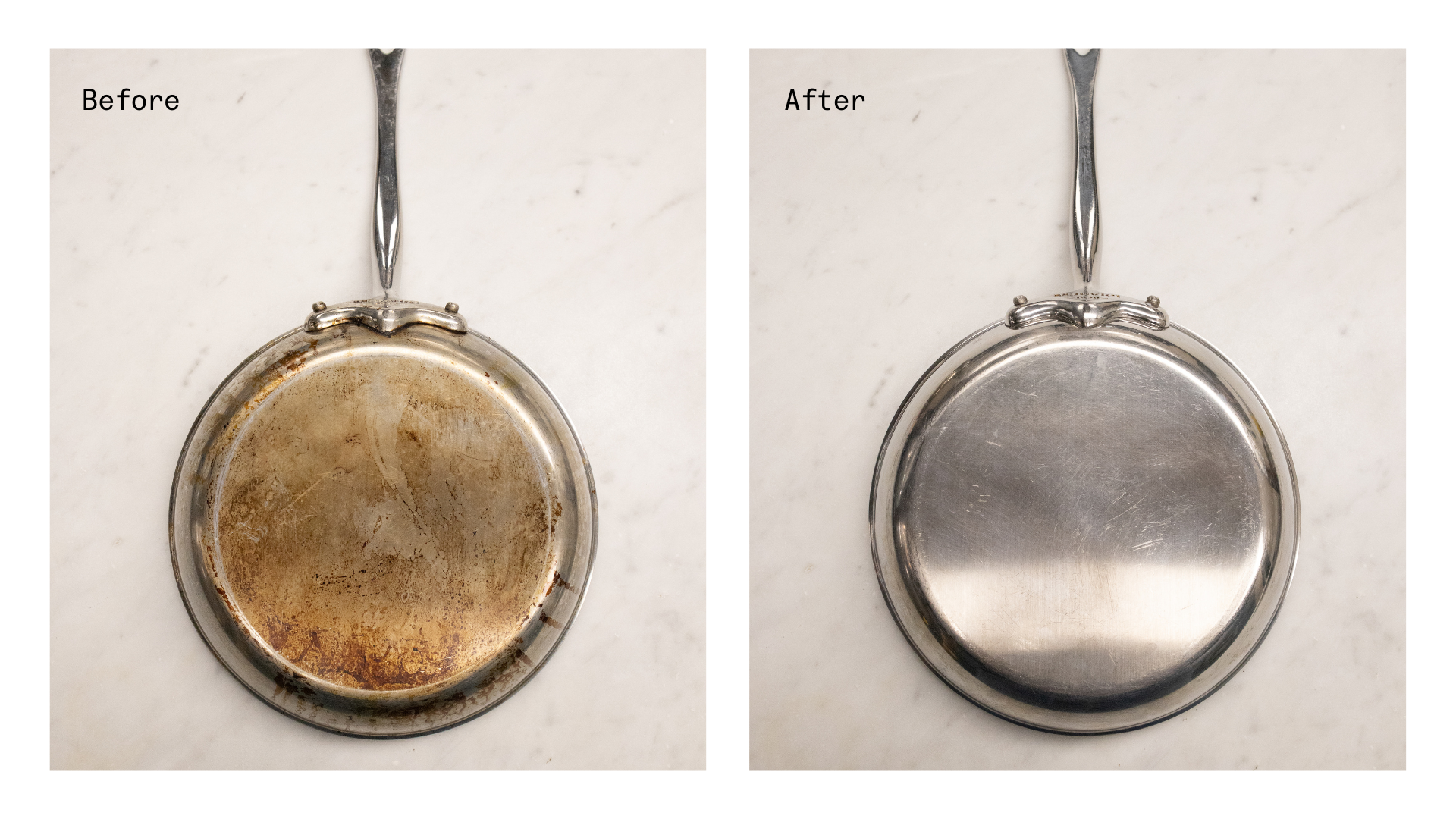
Tips to prevent future burns
Control heat. Use medium or medium-high heat instead of full blast. Preheat pans slowly and match pan size to burner size. Add oil after the pan warms to create a barrier.
Clean right after cooking when safe. Soaking shortly after use prevents food from bonding. Regular care makes future cleaning quick and keeps pans looking new.
Using these tips helps you avoid frequent deep cleaning and keeps learning how to clean burnt stainless steel pan easily a rare task.
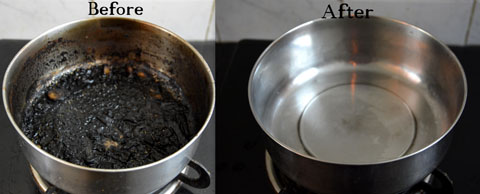
Common mistakes and how to avoid them
Avoid thermal shock. Do not pour cold water into a hot pan. This can warp the metal. Let the pan cool first.
Do not use steel wool or metal scouring pads on polished stainless. They leave scratches. Scratches trap food and make cleaning harder.
Avoid bleach or products with chlorine on stainless steel. They can cause pitting or discoloration. Stick to mild acids, baking soda, or cleaners made for stainless steel.
These common fixes will help you clean without damaging your cookware.
Personal experience and lessons learned
I once tried scraping a badly burnt pan with a metal brush. That left fine scratches that trapped oil. I replaced the pan’s finish and had to work harder to clean it later. Since then, I always start with soaking and baking soda.
When testing methods, I found that letting a baking soda paste set longer often makes scrubbing easier. A slow, patient approach saved time and kept the pan intact. These small habits make how to clean burnt stainless steel pan easily a practical skill rather than a chore.
Frequently Asked Questions of how to clean burnt stainless steel pan easily
How long should I boil a burnt pan with water?
Boil gently for 10–15 minutes to loosen light burns. For tougher burns, simmer for up to 30 minutes, then cool and scrub.
Can I use vinegar and baking soda together?
Yes. Heat vinegar to loosen debris, add baking soda to fizz and lift residue, then scrub gently. This combo is safe and effective on most burnt spots.
Will Bar Keepers Friend harm my stainless pan?
Used as directed, no. It is made for stainless steel and removes stains and heat marks. Rinse thoroughly and avoid heavy scrubbing that could alter the polish.
Is it okay to use a dishwasher tablet in the pan?
Yes, an overnight soak with a crushed dishwasher tablet works well on stuck-on food. Rinse well after and scrub gently to remove loosened residue.
How do I remove rainbow discoloration from heat?
Mix equal parts water and white vinegar and boil it briefly in the pan. Rinse and dry. A mild polish with a non-abrasive cleaner can restore shine.
Conclusion
You can clean a scorched pan without damage. Start with boiling water, then move to baking soda paste, vinegar soaks, or a gentle commercial cleaner as needed. Use soft tools, avoid thermal shock, and adopt simple habits to prevent burns.
Try one method today. Pick the gentlest option that fits the burn level and test it on a small area first. If this guide helped, share your results, subscribe for more kitchen tips, or leave a comment with your toughest burn and I’ll reply with tailored advice.