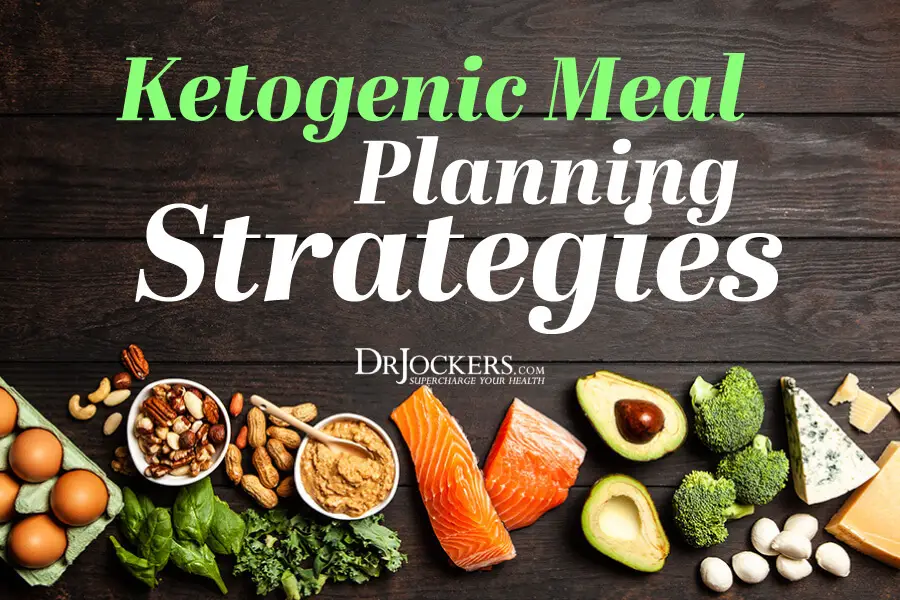
The keto diet is a low-carb, high-fat diet that aims to switch the body to ketosis. It requires careful planning to avoid carbs and focus on fats and proteins.
Embarking on a keto diet can seem overwhelming for beginners, but understanding the basics simplifies the process. This popular diet drastically reduces carbohydrate intake and replaces it with healthy fats, leading the body to a metabolic state called ketosis. Here, the body becomes incredibly efficient at burning fat for energy.
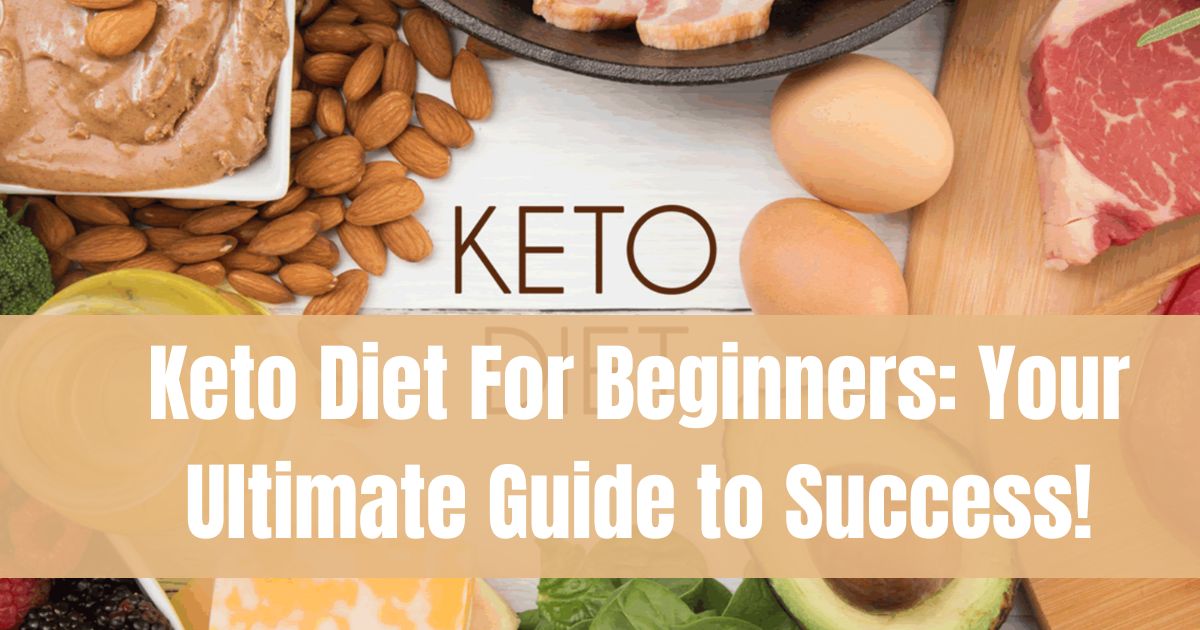
Typically, this includes a menu rich in meats, eggs, cheeses, fish, nuts, butter, oils, seeds, and fibrous vegetables. Cutting out sugars and starches (like bread and pasta) is crucial. Starting a keto diet involves a momentous shift in eating habits, which can result in health benefits such as weight loss, improved energy levels, and potentially better control over blood sugar levels. By sticking to keto-friendly foods and adhering to the macronutrient guidelines, beginners can navigate this dietary change with confidence.
The Basics Of Keto Dieting
Welcome to the world of Keto Dieting, a journey towards a healthier lifestyle. This section breaks down everything you need to know to start your Keto journey.
What Is Ketosis?
Ketosis is a metabolic state. It happens when your body burns fat for energy. This occurs when there is not enough glucose from carbs. As a result, your body produces ketones. These ketones become the main energy source. This can lead to weight loss.
Here is a Resource On The Keto Diet for you. (Limited Offers. Get Now)
Macros: Fats, Proteins, And Carbs
Understanding the balance of macronutrients is key to the Keto diet. The goal is to consume them in a ratio that promotes ketosis.
| Macronutrient | Percent of Daily Calories |
|---|---|
| Fats | 70-80% |
| Proteins | 20-25% |
| Carbs | 5-10% |
- Fats should be the main part of your diet. Choose healthy fats like avocados, nuts, and olive oil.
- Proteins are important too. They help keep muscles strong. Eat meats, fish, and eggs.
- Carbs are limited. They should come from veggies and nuts. Avoid sugar and starches.
Use this guide to start your Keto diet right. Remember, everyone’s body is different. Adjusting these ratios to fit your needs is okay. Stick to whole foods and keep an eye on your macros. Your body will adjust to using fat for fuel over time.

Starting A Keto Diet: First Steps
Welcome to the transformative world of the ketogenic diet. Embarking on a keto journey can rejuvenate your health, energy, and mental clarity. Starting a keto diet requires a serious commitment to making dietary changes. Understand the basics and prepare to take your first steps with confidence.
(Bonus Offers!! Get Now) 1 Month Vegan Challenge Offers Revised and Updated for 2024!! The 1 Month Vegan Challenge Is On Fire Right Now!!
Cleaning The Pantry: What To Toss
Initiating a keto diet begins at home. Revamp your pantry to set it up for success. Swap high-carb staples for keto-friendly alternatives. Clear out foods that disrupt ketosis.
- Eliminate sugary items: Candies, cookies, and sodas.
- Avoid starchy foods: Pasta, rice, and bread.
- Remove grains: Wheat, oats, and corn products.
- Discard high-carb fruits: Bananas, apples, and grapes.
By removing temptations, you lay the groundwork for a strong keto foundation.
Essential Keto-friendly Foods
To sustain a ketogenic lifestyle, stock your kitchen with essential keto-friendly foods. These fuel your body and promote ketogenesis.
| Category | Food Examples |
|---|---|
| Fats & Oils | Olive oil, butter, coconut oil |
| Proteins | Meat, eggs, fatty fish |
| Low-Carb Veggies | Spinach, kale, broccoli |
| Dairy | Cheese, high-fat cream |
| Nuts & Seeds | Almonds, macadamias, flaxseeds |
Include a variety of these foods to maintain a balanced diet. Remember, fresh and whole foods are your best choices.
Meal Planning And Prep
Keto diet beginners welcome to the exciting journey of transformation! A well-structured meal plan is your secret weapon. It not only saves time and money but ensures you stick to your low-carb, high-fat goals. Let’s break down the basics and get you prepped for success!
Sample Keto Meal Plan
To kick-start your keto journey, here’s a simple 7-day meal plan tailored for beginners:
Add the rest of the days in the same format| Day | Breakfast | Lunch | Dinner |
|---|---|---|---|
| Monday | Scrambled eggs with spinach | Grilled chicken salad | Beef stir-fry with veggies |
| Tuesday | Avocado and egg boats | Tuna salad stuffed avocados | Pan-seared salmon with asparagus |
Tips For Meal Prepping On Keto
Effective meal prep simplifies your keto lifestyle. Below are actionable tips:
- Cook in bulk to save time during the week.
- Invest in quality containers that keep food fresh.
- Plan and shop for groceries with a list to avoid impulse buys.
- Chop and store veggies for quick use in meals.
- Always have easy-to-grab keto snacks like nuts or cheese.
Embrace these meal planning and prep strategies as you embark on your keto diet. Be creative, stay motivated, and watch the transformation begin!
Managing Side Effects
Starting a Keto diet often comes with a few bumps in the road. Understanding and managing side effects can help you stick to this life-changing diet. Let’s dive into two common issues people face and how to alleviate these symptoms.
The Keto Flu: Symptoms And Remedies
As your body switches from burning carbs to fats, you might feel some temporary discomfort, known as the keto flu. Common symptoms include:
- Headache
- Fatigue
- Nausea
- Dizziness
- Irritability
To combat these, consider the following remedies:
- Get enough sleep for your body to recover.
- Increase salt and fluid intake to fight dehydration.
- Eat foods rich in potassium, such as avocados and leafy greens.
Staying Hydrated And Supplementing
Maintaining a balance of electrolytes is critical for the Keto diet. Consider these tips:
| Electrolyte | Food Source | Supplement |
|---|---|---|
| Sodium | Bone broth, salted nuts | Salt tablets |
| Potassium | Avocado, leafy greens | Potassium chloride |
| Magnesium | Pumpkin seeds, almonds | Magnesium citrate |
Drink water consistently throughout the day. Add a pinch of salt for extra sodium. Supplements like magnesium can also help.
(Bonus Offers!! Get Now) 1 Month Vegan Challenge Offers Revised and Updated for 2024!! The 1 Month Vegan Challenge Is On Fire Right Now!!
Monitoring Your Progress
Welcome to the exciting journey of the Keto Diet, tailor-made for beginners striving for effective results! As you embark on this path, understanding how to monitor your progress is vital for success. It’s more than stepping on a scale; it’s about nurturing a comprehensive view of your health transformation.
Tracking Your Macros
Embarking on a Keto journey means getting friendly with macronutrients: fats, proteins, and carbohydrates. The goal here is to ensure you eat the right amount for ketosis. Here’s how to make it simple:
- Determine your daily macro needs using a reliable keto calculator.
- Use a tracking app to log every meal. This captures your macro intake easily.
- Review your entries weekly to stay on target.
Understanding Weight Fluctuations
Weight can dance up and down, and that’s natural. This may seem frustrating, but there’s a science to it. Why does this happen?
| Reason for Weight Fluctuation | What It Means |
|---|---|
| Water Retention | Eating too much salt or hormone changes can lead to water holding. |
| Lean Muscle Gain | If you’re exercising, muscle mass might increase. This is good weight! |
| Food Weight | Recent meals can add to the scale, but this is not fat gain. |
To navigate these waters, use other measurements like:
- Take body measurements with a tape measure every month.
- Notice how comfortably your clothes fit.
- Use smart scales that show body composition – fat versus muscle.
Combining these tools with regular weighing gives you a clear picture of your keto progress.
Navigating Challenges And Social Situations
Embarking on the keto diet journey implies more than just altering your food choices. Social events and eating out pose significant hurdles. This guide walks you through keeping your diet on track while enjoying life’s social aspects.
Eating Out On Keto
Heading to a restaurant doesn’t mean you have to derail your diet. Seek meals with a balance of low-carb veggies and quality proteins. Steaks, grilled chicken, and seafood are great options. Avoid sauces and dressings high in sugar.
Here’s a helpful list:- Ask for substitutions like extra vegetables instead of high-carb sides.
- Select salads with olive oil or vinegar-based dressings.
- Opt for bun-less burgers; add avocado for healthy fats.
Keto-friendly Alcohol Options
Social gatherings often come with the offer of a drink. Choose wisely to stay in ketosis. Clear liquors like vodka, tequila, and whiskey have no carbs. Pair them with a zero-calorie mixer.
| Alcohol Type | Carb Content | Best Choice |
|---|---|---|
| Dry Wine | 0-2g per glass | Yes |
| Light Beer | 2-5g per bottle | In moderation |
| Hard Liquor | 0g | Yes, with a zero-calorie mixer |
Remember: Alcohol can slow weight loss. Keep intake moderate.
Advancing Your Keto Journey
Embarking on a keto diet opens doors to a new nutritional world. To get deeper into ketosis and enhance results, advanced strategies come in handy. Two of those strategies are Intermittent Fasting and Carb Cycling. Used wisely, they can boost the keto diet’s effectiveness.
Intermittent Fasting And Keto
Intermittent Fasting (IF) pairs well with keto, aiding your body to reach ketosis faster. Skipping meals lets you burn fat for energy. Fasting windows vary; the most popular are:
- 16/8 method: Fast for 16 hours, and eat during an 8-hour window.
- 5:2 approach: Eat regularly for 5 days, then restrict calories on 2 non-consecutive days.
Begin with shorter fasting periods. Gradually extend the time as your body adapts. Stay hydrated, and consume keto-friendly meals in your eating window.
When To Consider Carb Cycling
Carb Cycling means alternating low-carb days with high-carb days. It’s not for everyone. People choose it to:
| Goal | Benefit |
|---|---|
| Break a plateau | Rev up metabolism |
| Boost athletic performance | Provide extra energy |
Reserve Carb Cycling for when you’re comfortable with basic keto. Always revert to strict keto after high-carb days. Start with one high-carb day per week, monitoring your body’s response.
Frequently Asked Questions Of Keto Diet For Beginners
What Is A Keto Diet Plan?
A keto diet plan is a low-carb, high-fat, moderate-protein diet designed to put your body into a metabolic state called ketosis, where it burns fat for fuel instead of carbohydrates.
How Does Ketosis Aid Weight Loss?
Ketosis aids weight loss by burning stored fats as energy, leading to a calorie deficit. This process also reduces hunger hormones and increases satiety, curbing your appetite.
Can Beginners Exercise On Keto?
Yes, beginners can exercise on keto, but they may experience reduced endurance at first. It’s important to allow the body time to adapt to fat as a fuel source before engaging in strenuous activities.
What Foods Should You Avoid On Keto?
On keto, you should avoid high-carb foods such as bread, pasta, sugars, and starchy vegetables. Focus on fats, proteins, and low-carb vegetables to maintain ketosis.
Conclusion
Embarking on a keto journey can be transformative. With this guide, beginners now have a roadmap to high-fat, low-carb eating. Remember, patience and consistency are key. Consult health professionals, especially if you have pre-existing conditions. Ready to harness the power of keto?
Your healthful adventure awaits!