Choose lids by matching material, fit, and cooking method for best heat and moisture control.
I have spent years testing pans and lids in a busy home kitchen and a small catering setup. This guide on how to choose lid types for cookware explains the why and the how. I break down lid materials, shapes, and uses in plain language. Read on to pick the right lid for each pot, pan, and recipe with confidence.
How lids affect cooking
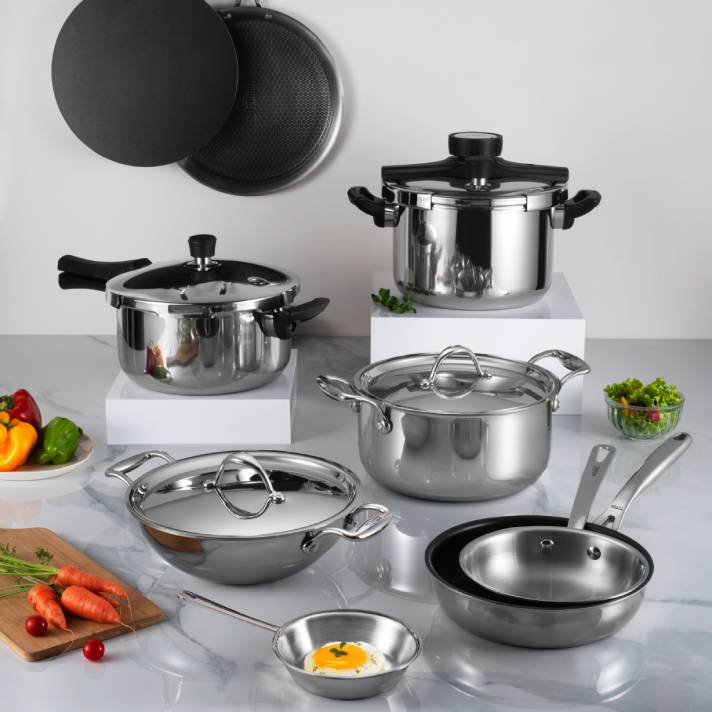
Lids control heat, steam, and moisture. A good lid speeds up simmering, traps flavor, and prevents splatter. The wrong lid can over-steam food or slow browning.
Key effects of lids
- Retain heat and reduce cooking time.
- Trap steam for moist results like braises and rice.
- Let steam escape for crisping or reducing sauces.
- Prevent splatter when frying or simmering.
When you learn how to choose lid types for cookware, think of lids as active tools. They change texture, flavor, and timing. Small lid choices make big differences in the finished dish.
Common lid materials and pros and cons
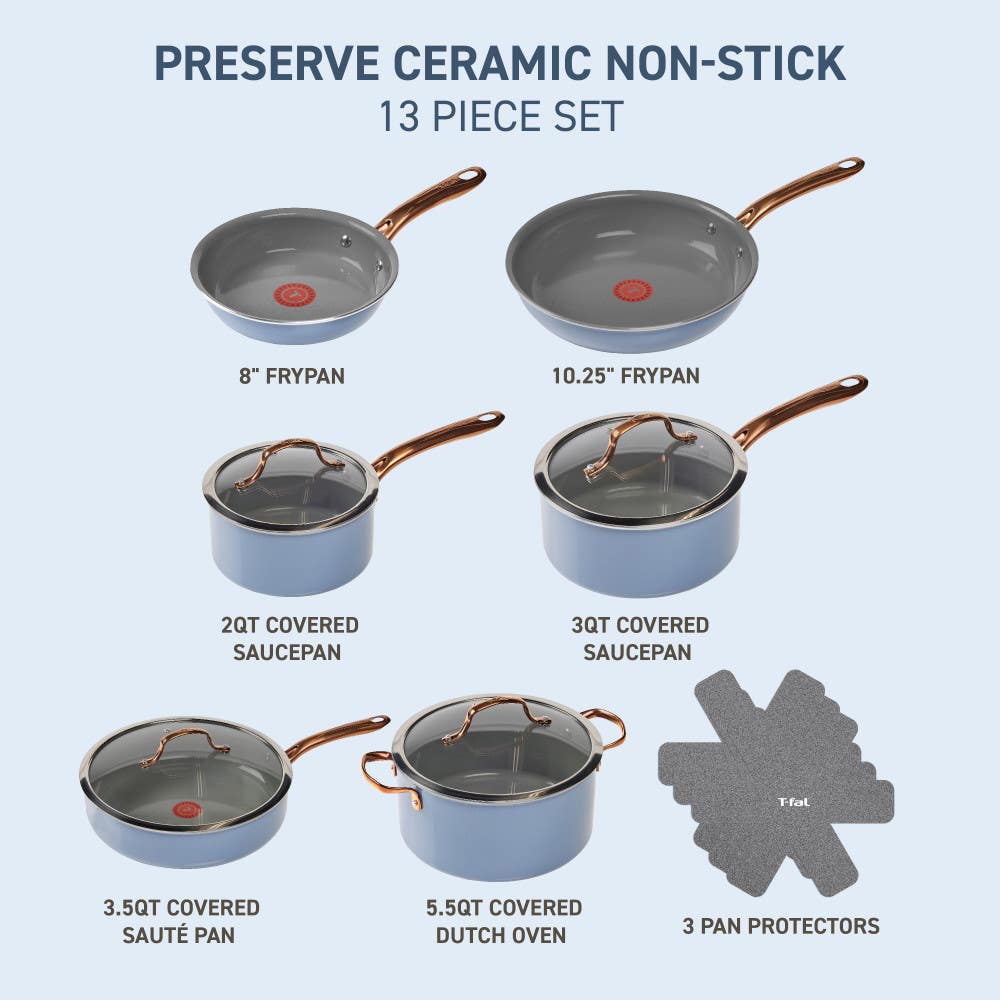
Knowing lid materials helps you match lids to cooking tasks. Each material affects visibility, weight, heat handling, and care.
Glass lids
- Pros: See-through, lightweight, good fit for simmering and steaming.
- Cons: Can shatter under thermal shock and usually not for high-heat searing.
Stainless steel lids
- Pros: Durable, oven-safe, heavy for tight seals.
- Cons: No visibility and can dent if dropped.
Aluminum lids
- Pros: Lightweight and conducts heat well.
- Cons: May warp at high heat and is often not oven-safe.
Cast iron lids
- Pros: Very heavy, excellent for steady heat and braising.
- Cons: Heavy to handle and needs seasoning care to avoid rust.
Silicone lids
- Pros: Flexible, good for storage and low-temp steaming.
- Cons: Not suited for high direct heat or open flame.
Copper and ceramic options exist but are less common. Copper lids look nice and conduct heat fast. Ceramic lids are oven-safe but fragile. Consider how you cook and how you clean when you choose.
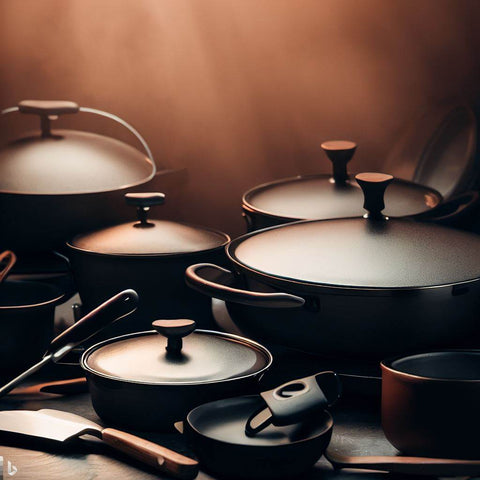
Types of lids by design and function
Beyond materials, lid shape and features matter. Different designs deliver different cooking outcomes.
Flat lids
- Best for: Stacking, baking, and tight seals on shallow pans.
- Feature: Low profile that limits condensation pooling.
Domed lids
- Best for: Roasting and braising.
- Feature: Extra headroom to allow steam circulation and reduce boiling over.
Vented lids
- Best for: Simmering when you want some steam escape.
- Feature: Small hole or whistle to release pressure and prevent boil-over.
Tight-fit lids
- Best for: Rice, stocks, and slow braises.
- Feature: Snug fit that traps nearly all steam.
Splatter screens
- Best for: Sauteing and shallow frying.
- Feature: Perforated mesh that lets steam out while blocking oil.
Locking or pressure-style lids
- Best for: Quick pressure cooking.
- Feature: Gasket and lock system to build and hold pressure safely.
Think about how each shape changes circulation and evaporation. That’s central when you decide how to choose lid types for cookware.
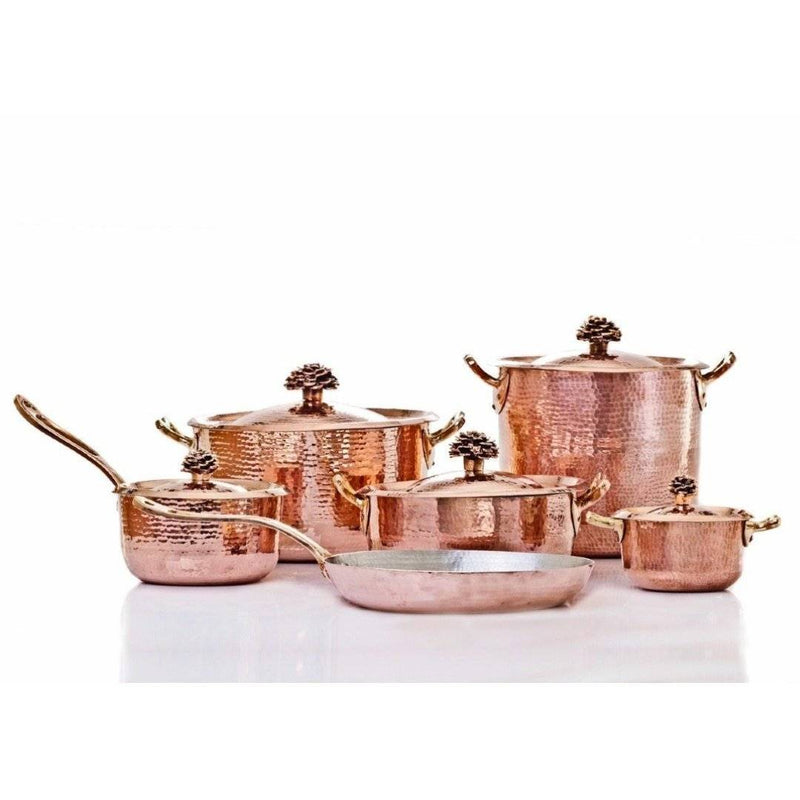
Choosing the right lid for cooking methods
Match lids to methods for predictable results. Here are common techniques and the lids that serve them best.
Simmering and stewing
– Use: Tight-fit or heavy stainless or cast iron lids.
- Why: They trap moisture, soften tough cuts, and keep liquid from evaporating too fast.
Braising
- Use: Domed or heavy lids that seal well.
- Why: They circulate steam and keep food moist over long cooking times.
Searing and reducing sauces
- Use: No lid or a vented lid.
- Why: You need moisture to escape so food browns and sauces concentrate.
Steaming
- Use: Tight-fit lids over steam baskets or silicone covers.
- Why: The trapped steam cooks food evenly and quickly.
Frying and sauteing
- Use: Splatter screen or loose lid nearby.
- Why: A screen prevents oil spray while allowing steam to escape.
Pressure cooking
- Use: Design-matched locking lid with gasket.
- Why: Safety and seal are essential to build pressure and cook quickly.
Baking on stovetop or oven use
- Use: Oven-safe lids like stainless or cast iron.
- Why: They allow covered oven cooking without damage.
When you think through how to choose lid types for cookware, pair the lid to the cooking goal: moisture, sear, or steam control. This makes timing and texture more predictable.
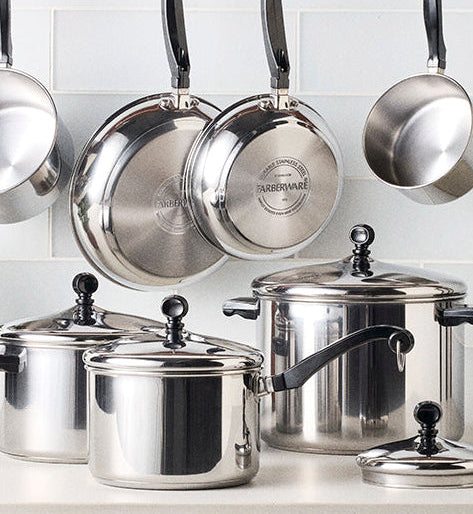
Practical tips for fit, maintenance, and replacement
A lid’s fit is as important as its type. A poor fit ruins timing and can waste energy.
Check the fit
- Test: Place lid on pot and tilt. A steady bead of condensation means a good seal.
- Tip: Lids that rattle or sit high let too much steam escape.
Care and safety
- Oven use: Confirm manufacturer limits before placing lids in the oven.
- Cleaning: Tempered glass tolerates many detergents, while cast iron needs seasoning and gentle care.
- Handles: Heat-resistant knobs are safer. Replace cracked handles promptly.
When to replace
- Replace gaskets or lids with warped rims. They reduce seal and can slow cooking.
- Swap broken glass immediately to avoid shattering hazards.
From my experience, I once used a warped aluminum lid for braising and ended with dry stew. Lesson learned: use a heavy, close-fitting lid for low-and-slow recipes. Keep spare lids and a splatter screen handy. That makes switching fast and keeps dishes consistent.
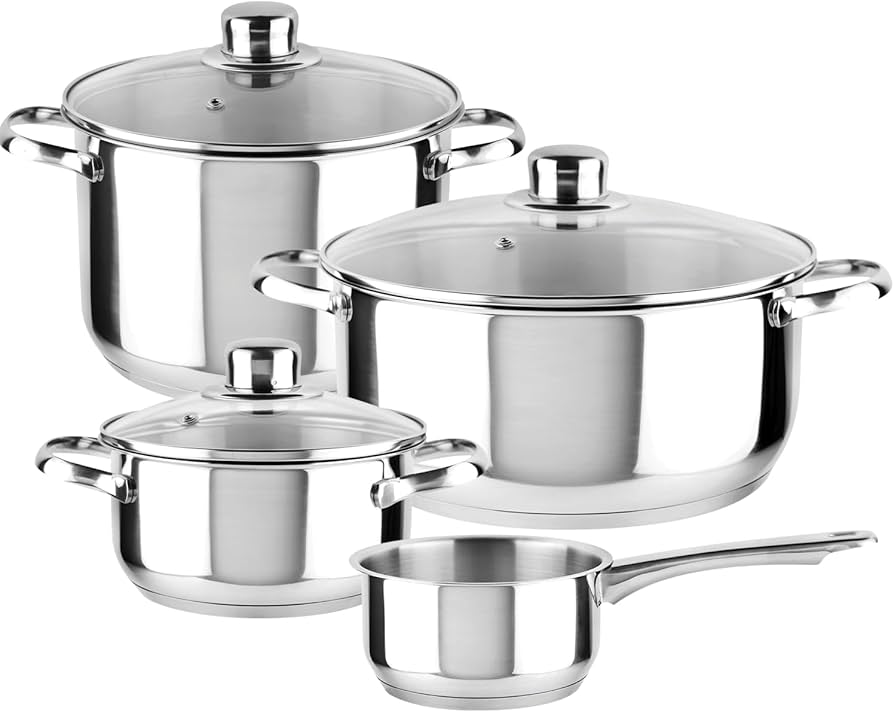
Frequently Asked Questions of how to choose lid types for cookware
What lid is best for simmering soups and stews?
A heavy, tight-fitting lid is best. It traps steam, keeps moisture in, and shortens cook time.
Can I use glass lids for high-heat cooking?
No, glass lids can crack from thermal shock and are not ideal for high direct heat. Use metal or cast iron lids for high-heat searing or oven use.
When should I use a splatter screen instead of a lid?
Use a splatter screen for frying and sauteing to block oil but let steam escape. It reduces mess while preserving crispness.
How do I know if a lid fits correctly?
A good lid sits level and forms a small ring of condensation when heated. If steam escapes freely or the lid rattles, it does not fit well.
Are silicone lids safe for stovetop cooking?
Silicone lids are fine for low-temp steaming and storage but avoid direct flame or very high heat. Use them mainly for steaming, covering bowls, or oven-low work.
How often should I replace a lid gasket?
Replace gaskets when they show cracks, shrinkage, or leaks. A bad gasket reduces pressure and cooking efficiency.
Conclusion
Choosing lids changes how food cooks. Match material, shape, and fit to your cooking method. Test lids for seal and oven safety, and keep spares for different tasks. Try swapping lids on a few recipes this week to see the difference yourself. Share your results, subscribe for more tips, or leave a question below.