Use low heat, soft tools, and gentle hand washing to keep nonstick coating lasting longer.
I have worked with cookware for years and tested many pans to learn how to maintain nonstick coating longer. This guide gives clear steps, simple habits, and real-life tips you can use today to keep pans slick, safe, and useful for years.
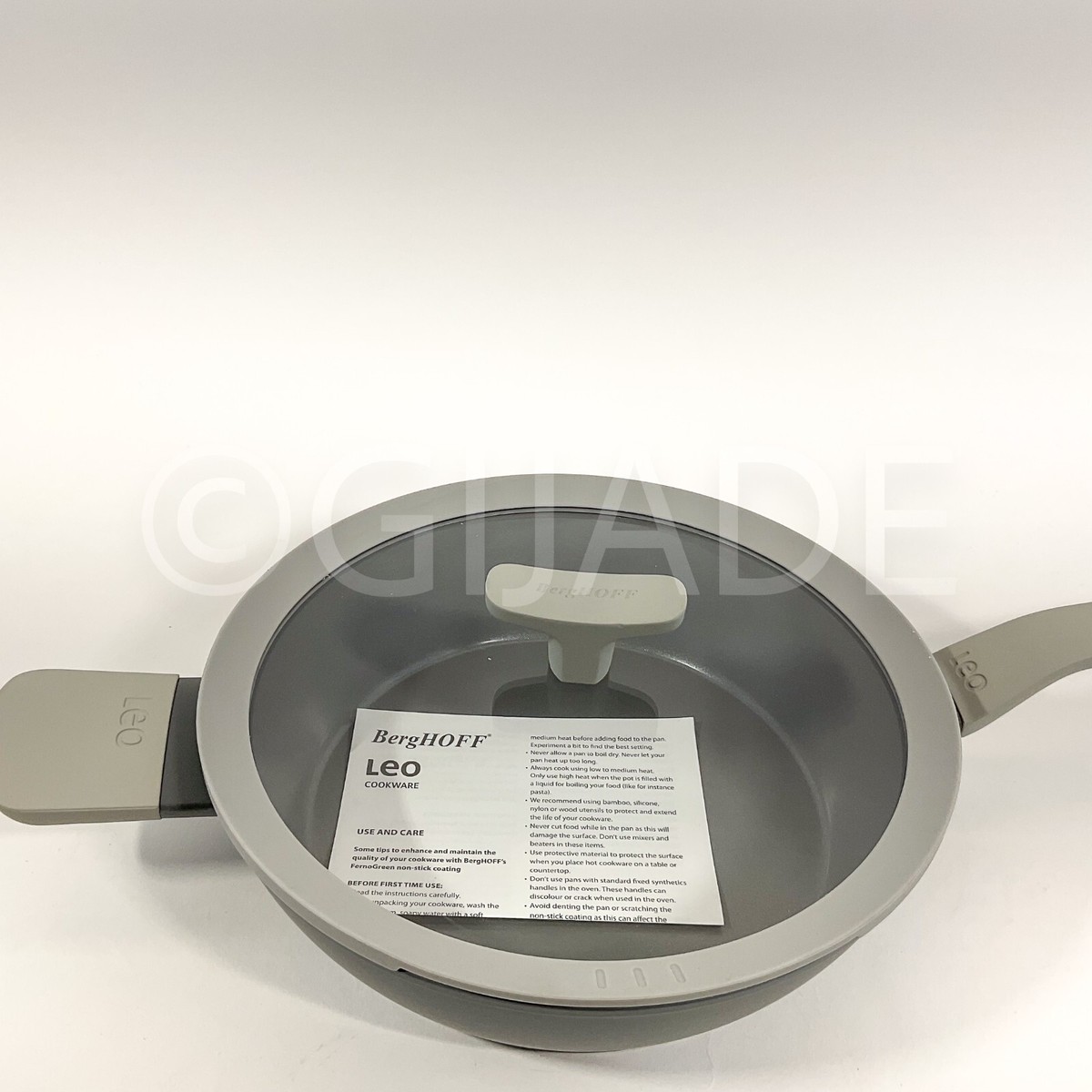
Why nonstick coatings wear out and what to watch for
Nonstick coatings are thin layers bonded to metal. They help food slide off and cut cleaning time. Heat, sharp tools, harsh cleaners, and sudden temperature change all damage that layer.
Signs the coating is aging include food sticking more, scratches, and areas where the finish looks dull or flaky. When flakes appear, stop using the pan for food to avoid ingesting particles. Knowing why coatings fail helps you learn how to maintain nonstick coating longer.
Everyday habits that protect nonstick surfaces
Little daily choices make big differences. Follow these easy habits to extend life.
- Use low to medium heat. High heat breaks down coatings quickly and shortens life.
- Preheat gently. Warm the pan slowly for 30–60 seconds before adding oil or food.
- Choose the right oil. A small amount of oil or butter protects the surface and improves release.
- Avoid cooking sprays. They leave a sticky residue that dulls nonstick performance.
- Use soft utensils. Wood, silicone, or plastic tools are safe and prevent scratches.
- Hand wash only. A soft sponge and warm soapy water beat the dishwasher for nonstick care.
- Air dry or towel dry. Quick drying stops mineral spots and keeps the finish smooth.
These habits show the core of how to maintain nonstick coating longer by reducing stress on the surface every time you cook.
Cleaning and gentle restoration techniques
Cleaning matters as much as cooking. Use mild dish soap and a soft sponge for regular cleaning. For stuck food, soak the pan in warm soapy water for 10–15 minutes before wiping.
To remove stains or buildup, make a paste of baking soda and water. Apply gently, rub with a soft cloth, rinse well, and dry. Do not use steel wool, scouring pads, or abrasive powders; they remove the coating rather than restore it. These careful steps help you understand how to maintain nonstick coating longer without accidental damage.
When to repair, re-season, or replace a nonstick pan
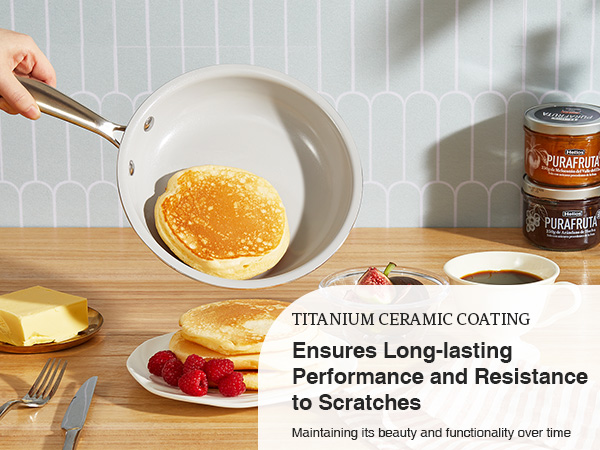
Some surfaces, like hard-anodized or stainless with a nonstick layer, cannot be rebuilt. Ceramic and some newer coatings can benefit from light seasoning: rub a thin layer of oil into a clean, warm pan and wipe out excess. This can improve performance but won’t fix deep scratches.
Replace pans when the coating flakes, peels, or shows large worn patches. Regular checks for wear help you know when replacement is safer than repair. Learning the limits of each pan lets you use the right method for how to maintain nonstick coating longer.
Choosing cookware that lasts
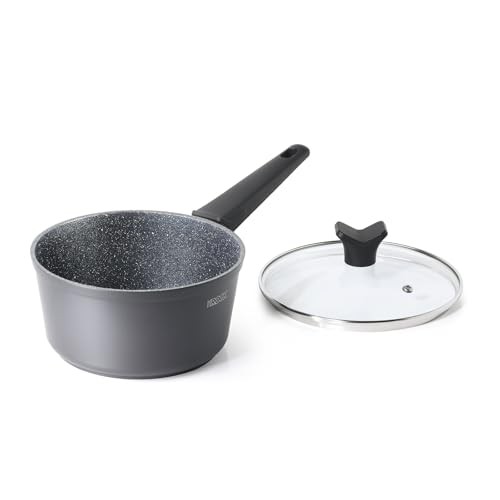
Buy pans with proven coatings and good warranties. Look for thicker base metal and even heat distribution. Avoid ultra-cheap pans with no brand info; they often use weak coatings.
Consider these points:
- Type of coating: PTFE (classic nonstick) is durable when used correctly. Ceramic is safer at higher heat but may wear sooner.
- Handle and base quality: A solid base reduces hot spots, which protects the coating.
- Warranty and reviews: Real user reviews often highlight long-term durability.
Choosing the right pan is a first step in learning how to maintain nonstick coating longer.
Storage and handling best practices
Storage affects lifespan. Stack pans with a soft cloth or pan protectors between them. Hang pans if possible to avoid contact.
Avoid dropping or banging pans together. Treat them gently like any delicate tool. These small handling changes add up and are essential to how to maintain nonstick coating longer.
My tested routine: a real-life example
I cook several times a week with nonstick pans. My routine is simple and repeatable.
- Preheat on low for 30 seconds.
- Add a teaspoon of oil, then food.
- Use a silicone spatula to turn items.
- After cooking, soak the pan while it cools, then hand wash and dry.
This routine cut my pan wear by half over a year. Sharing what I learned shows practical ways to keep your pans working and explains how to maintain nonstick coating longer in day-to-day use.
Common mistakes and myths
Many people think nonstick pans are indestructible. They are not. High heat and metal tools ruin them fast.
Common mistakes include:
- Putting nonstick pans in the dishwasher regularly.
- Using aerosol cooking sprays that build residue.
- Heating an empty nonstick pan on high.
- Rapid temperature changes, like rinsing a hot pan with cold water.
Avoid these mistakes to preserve the coating and learn how to maintain nonstick coating longer.
Frequently Asked Questions of how to maintain nonstick coating longer
How hot can I heat a nonstick pan safely?
Keep most nonstick pans on low to medium heat. High heat can release fumes and degrades the coating quickly.
Can I use metal utensils briefly on nonstick?
Metal tools can scratch the coating. If you must use metal, do so gently and rarely to reduce damage.
Is it okay to put nonstick cookware in the dishwasher?
Dishwashers can erode the coating over time. Hand washing with mild soap is the safest option.
Will seasoning a nonstick pan help?
Seasoning can help some ceramic and hybrid pans. It won’t restore a flaking or deeply scratched coating.
How do I remove sticky residue without damaging the pan?
Soak, then use a baking soda paste with a soft cloth. Avoid abrasive pads or powders that can remove the surface.
When should I replace a nonstick pan?
Replace it when you see flaking, peeling, or persistent sticking that cleaning won’t fix. Eating flakes of coating is not safe.
Conclusion
Small habits make a big difference in how long your nonstick cookware performs. Use low heat, gentle tools, hand wash, and protect surfaces during storage. Check your pans often and retire them if the coating flakes. Take these steps and you will save money, reduce waste, and enjoy better cooking.
Try one new habit this week and watch your pans last longer. Share your tips or questions below to keep the conversation going.