Use proper pans, grips, heat control, and regular checks to prevent burns and contamination.
I’ve spent years testing pots and pans in busy home kitchens and small catering gigs, so I know which steps truly cut risk without slowing you down. This article lays out clear, practical cookware safety tips for daily use—how to choose safer materials, avoid burns and food hazards, clean and store cookware right, and fix common problems. Read on for experience-based guidance and simple routines you can use every day.
Why cookware safety matters
Cookware safety prevents burns, chemical exposure, and foodborne illness. Small habits matter. A loose handle or flaking coating can cause a severe burn or contaminate a meal. Following cookware safety tips for daily use protects your family and extends the life of your kitchen gear.
Everyday safety saves time and money. Safe use also reduces waste, limits replacements, and keeps meals tasty. Think of cookware safety as basic kitchen hygiene. It is as important as hand washing.
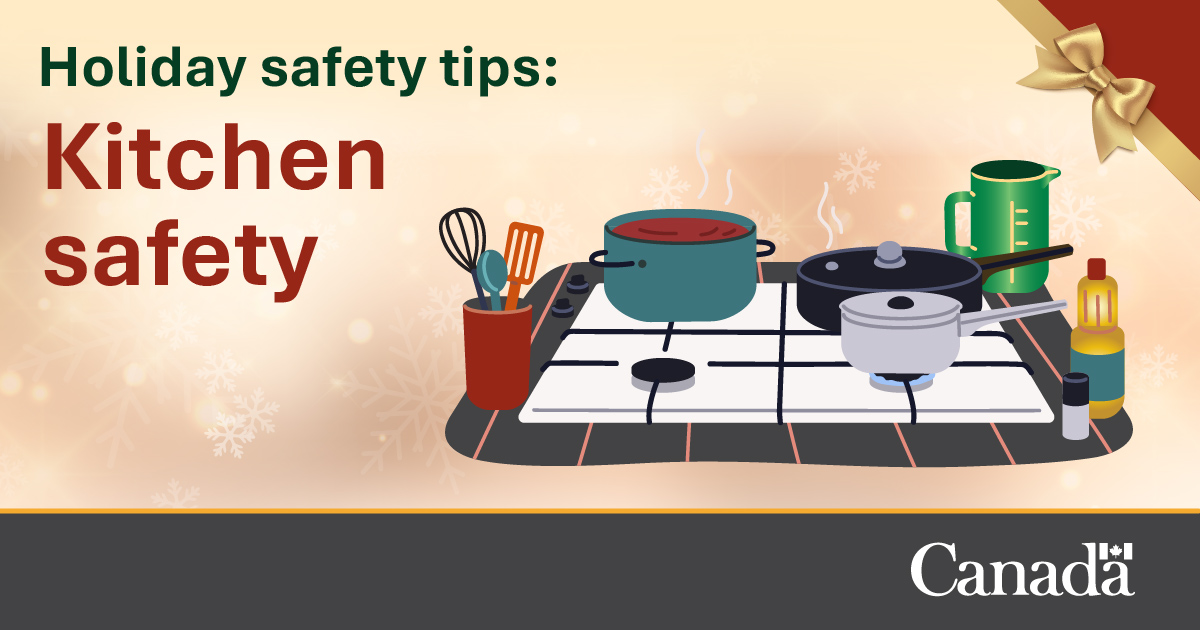
Types of cookware and safety considerations
Choosing the right material is step one. Here’s a quick guide you can use when buying or keeping cookware:
- Stainless steel: Durable, nonreactive, and safe for most uses. Good for searing and sauce making.
- Cast iron: Long-lasting and great for high heat. Seasoned cast iron can leach small iron amounts, which is usually fine for most people.
- Nonstick (PTFE): Easy to clean and low-fat cooking. Avoid overheating and discard pans with flaking coatings.
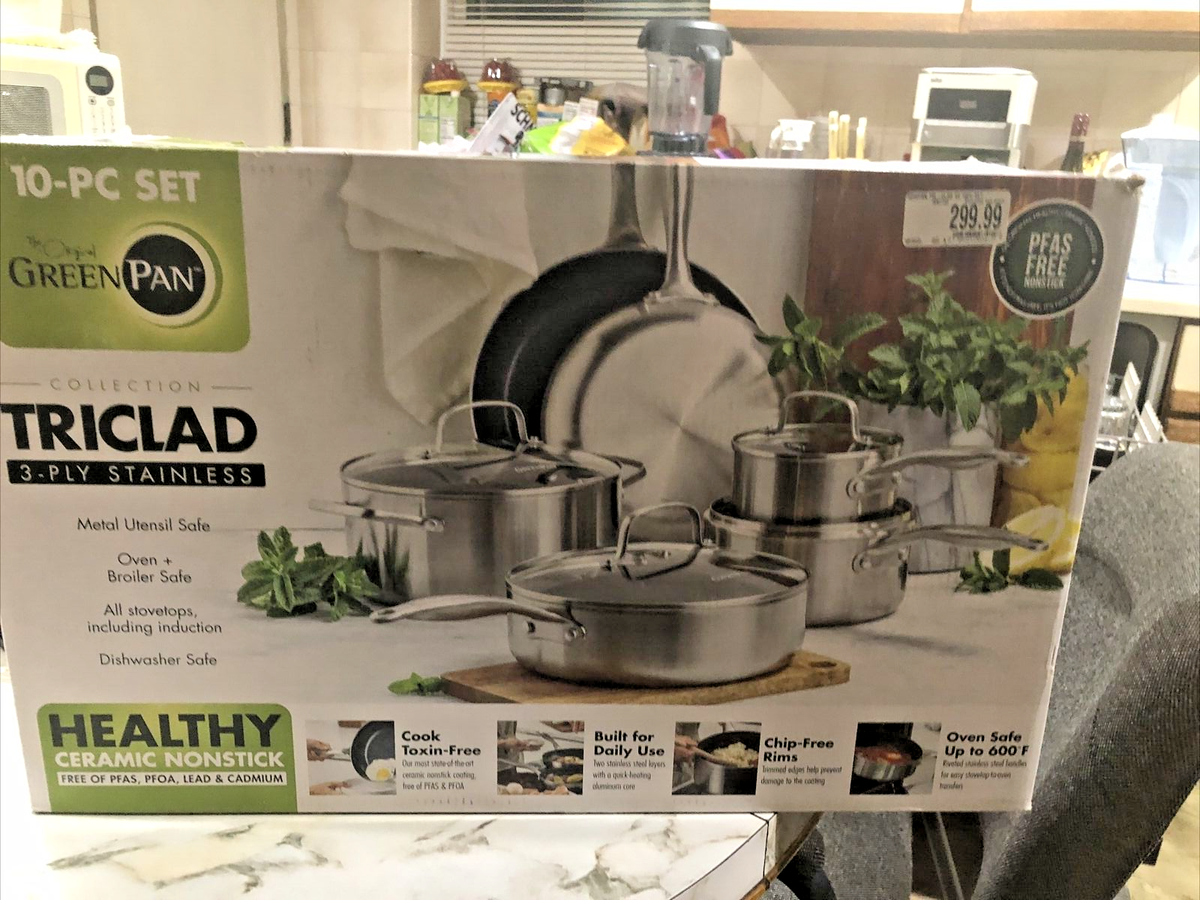
- Ceramic-coated: Often advertised as “chemical-free.” Choose reputable brands and avoid chips in the coating.
- Aluminum and copper: Excellent heat conductors. Use anodized aluminum or lined copper to avoid metal transfer to acidic foods.
Matching the right pot to the task is part of cookware safety tips for daily use. For example, do not use reactive aluminum pans for tomato sauce unless they are anodized. This reduces off-flavors and metal leaching.

Daily cookware safety tips — step-by-step practices
Here are practical, easy-to-follow cookware safety tips for daily use. Use them every day to reduce accidents and keep food safe.
- Inspect before use: Check handles, lids, and surfaces for cracks, loose rivets, or flaking coatings.
- Control heat: Preheat pans slowly and avoid very high heat with nonstick cookware to prevent fumes and damage.
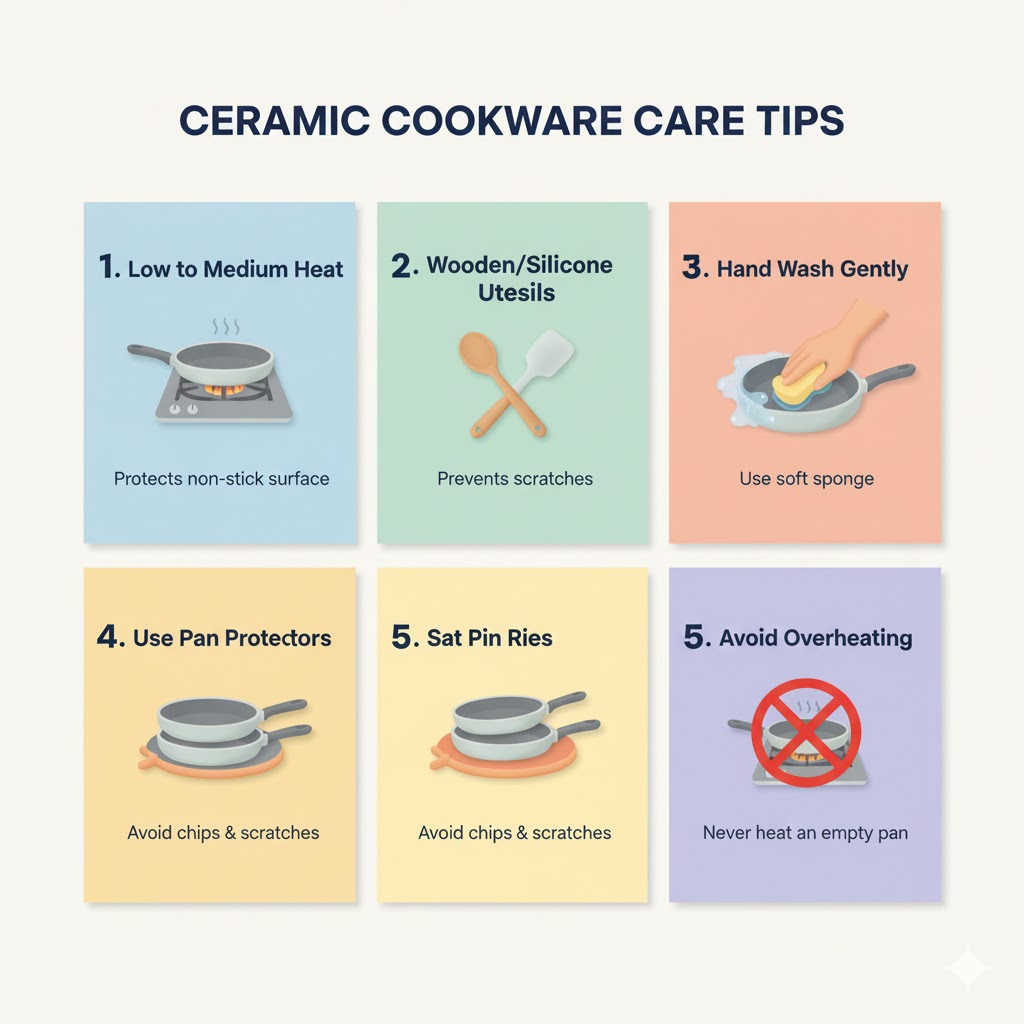
- Use the right utensils: Use wood, silicone, or nylon tools on nonstick or ceramic to avoid scraping coatings.
- Secure handles: Point pot handles inward on the stove to avoid accidental knocks and burns.
- Use oven mitts: Always use dry mitts. Wet cloths transfer heat and can cause scalds.
- Avoid sudden temperature change: Don’t rinse a hot glass or ceramic pan with cold water; it can crack.
- Follow manufacturer limits: Note max temperatures for pans and use recommended cleaning methods.
- Prevent overfilling: Leave room for bubbling and splattering. This reduces burns and stovetop mess.
- Proper lid use: Use lids to reduce splatter and lower cooking times, but vent steam away from hands.
- Child safety: Keep kids away from the stove and use back burners when possible.
Personal note: I once left a thin nonstick pan on high and noticed a chemical smell. After that, I write max heat on the bottom of nonstick pans with a marker and keep a sticky note near the stove. That small habit stopped a repeat incident.
Cleaning and maintenance for safety
Cleaning protects both your cookware and your health. Proper maintenance is one of the most important cookware safety tips for daily use.
- Cool first: Let cookware cool before washing. Sudden cooling can warp metal and crack glass.
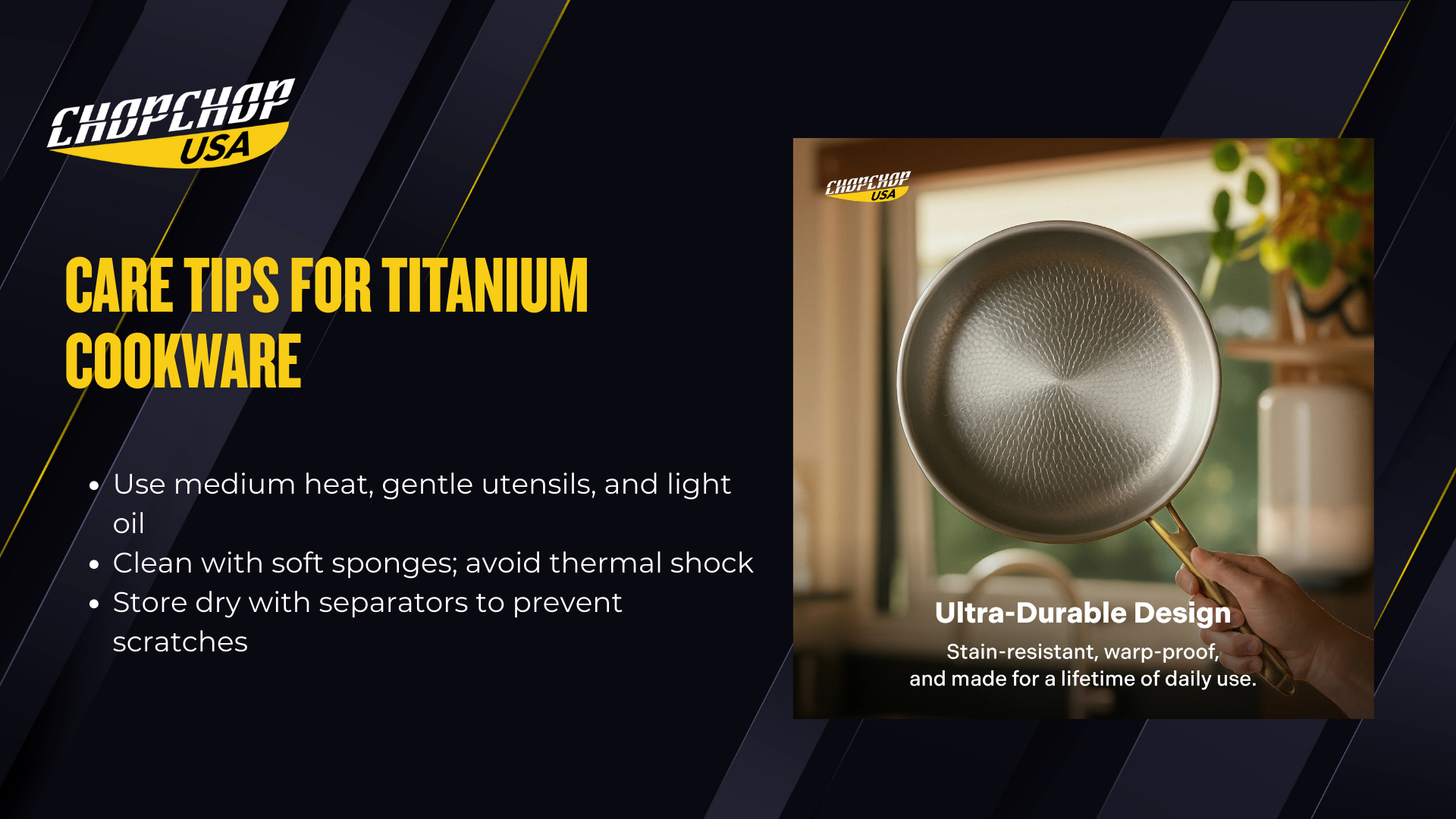
- Gentle scrub: Use soft sponges for nonstick and ceramic. Use abrasive pads only on stainless steel.
- Remove stains safely: For burnt food, soak with warm water and baking soda. Avoid harsh chemicals that damage coatings.
- Re-season cast iron: After cleaning, dry and lightly oil cast iron to keep the seasoning intact and prevent rust.
- Store dry: Make sure cookware is fully dry before stacking to avoid rust and bacterial growth.
Regular checks help you know when to retire an item. If a nonstick coating flakes or a pan warps, replace it. That is a key cookware safety tip for daily use to avoid contamination and uneven cooking.

Buying and storing cookware safely
Smart buying and storage choices make daily safety simpler. Follow these tips to set up a safe kitchen.
- Buy quality within budget: Value matters more than low price. Choose well-made pans with solid handles and clear care instructions.
- Look for certifications: Check for safety labels or clear manufacturer guidance on materials and temperature limits.
- Match sizes to burners: Use pans that fit your burner to prevent tipping and uneven heating.
- Store safely: Stack cookware with protective liners or hang heavier pans to avoid chipping and stress on handles.
- Label and separate: Keep nonstick and high-heat pans apart to avoid accidental misuse.
When shopping, ask whether a pan is oven-safe and up to what temperature. That avoids costly mistakes and keeps your meals safe.

Common mistakes and how to avoid them
People often make the same simple errors. Fixing these prevents most kitchen accidents.
- Mistake: Overheating nonstick pans. Fix: Use medium heat and preheat briefly.
- Mistake: Using metal utensils on coated pans. Fix: Switch to silicone or wooden tools.
- Mistake: Stacking wet pans. Fix: Dry pans thoroughly and use soft liners.
- Mistake: Ignoring loose handles. Fix: Tighten screws or replace the pan immediately.
- Mistake: Using damaged cookware. Fix: Retire pans with deep dents, warped bases, or flaking coatings.
Learning from small errors is part of regular kitchen life. Implementing these cookware safety tips for daily use keeps things smooth and safe.
PAA-style questions (short answers)
What is the safest cookware for everyday use?
Cast iron and stainless steel are among the safest for everyday use because they are durable and nonreactive. Use coated pans carefully and follow manufacturer guidance.
How do I tell if my nonstick pan is unsafe?
If the coating flakes, peels, or the surface is deeply scratched, stop using it. Discard damaged nonstick pans to avoid ingestion of particles.
Can cookware release toxins when heated?
Some coatings can release fumes at very high temperatures. Avoid overheating and follow max temperature recommendations to reduce risk.
Does dishwasher use affect cookware safety?
Dishwashers can strip oils from cast iron and chip coatings on some pans. Hand washing is gentler and often safer for longevity.
How often should I replace cookware?
Replace when coatings flake, handles loosen beyond repair, or the base warps. Regular inspection is an easy way to decide.
Frequently Asked Questions of cookware safety tips for daily use
What temperature is unsafe for nonstick pans?
Nonstick pans can start to degrade above about 500°F (260°C). Use medium heat and avoid empty-pan high-heat preheating.
Can I use metal utensils on stainless steel?
Yes. Stainless steel tolerates metal tools, but silicone or wood reduces noise and keeps finishes like mirror polish looking better.
Is it safe to cook acidic foods in aluminum pans?
Uncoated aluminum can react with acids and change flavor. Use anodized aluminum or stainless steel for acidic cooking.
How do I remove food stuck to pans without damaging them?
Soak with warm water and a mild detergent, then use a soft sponge or a paste of baking soda and water for gentle scrubbing.
Are cheap pans a safety risk?
Cheap pans can be unsafe if they have poor construction or thin coatings that flake. Choose trusted brands or inspect closely before buying.
Conclusion
Keeping a safe kitchen is about simple habits: choose the right cookware, inspect it often, control heat, and clean and store items correctly. These cookware safety tips for daily use will reduce burns, prevent contamination, and make cooking more enjoyable. Start today by checking your most-used pans for wear and making one small change—like switching utensils or tightening handles. Share your own tips or ask questions below, and consider subscribing for more practical kitchen safety and gear advice.