Ceramic is not universally better than stainless steel; it depends on your cooking style and priorities.
I have tested dozens of pans and worked with chefs and home cooks for years, so I can confidently walk you through whether is ceramic cookware better than stainless steel for your kitchen. This article compares materials, performance, health effects, maintenance, cost, and real-world use cases. Read on to learn which option fits your routine, what trade-offs to expect, and how to choose cookware that lasts.
Material basics: what is ceramic cookware and what is stainless steel?
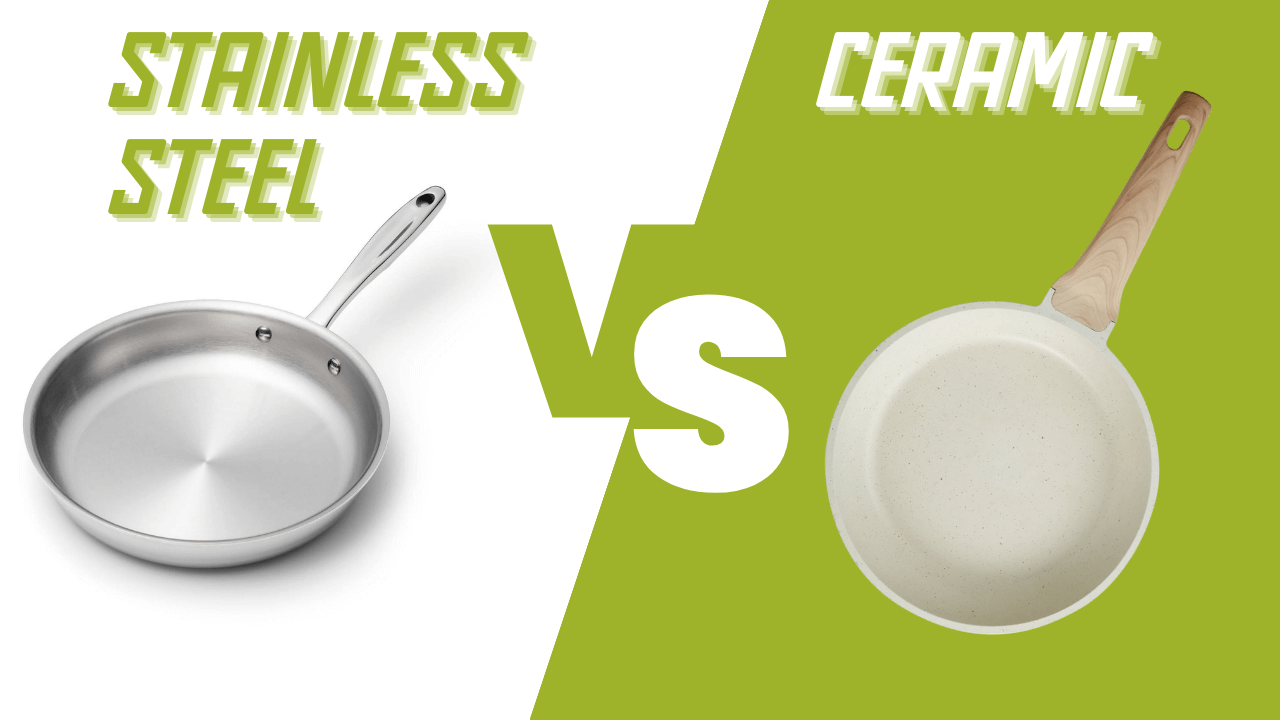
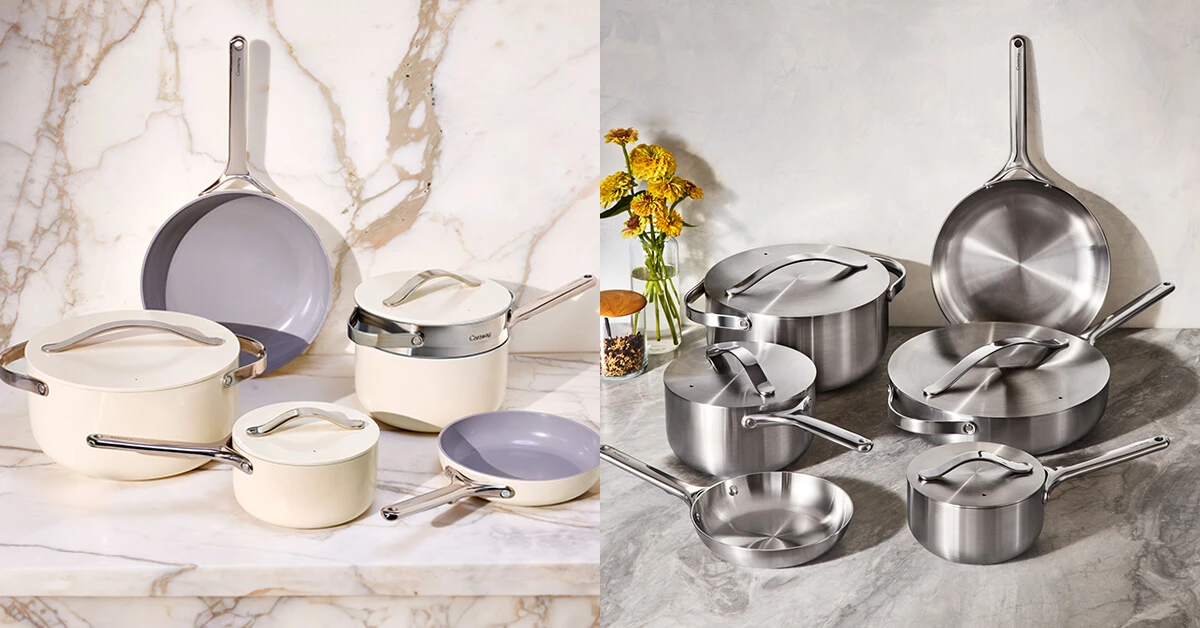
Ceramic cookware usually means metal or glass pans coated with a ceramic nonstick layer, or fully ceramic pieces like clay or stoneware. Stainless steel cookware is made from alloys, most commonly 18/10 (18% chromium, 10% nickel) or variations that improve durability and corrosion resistance.
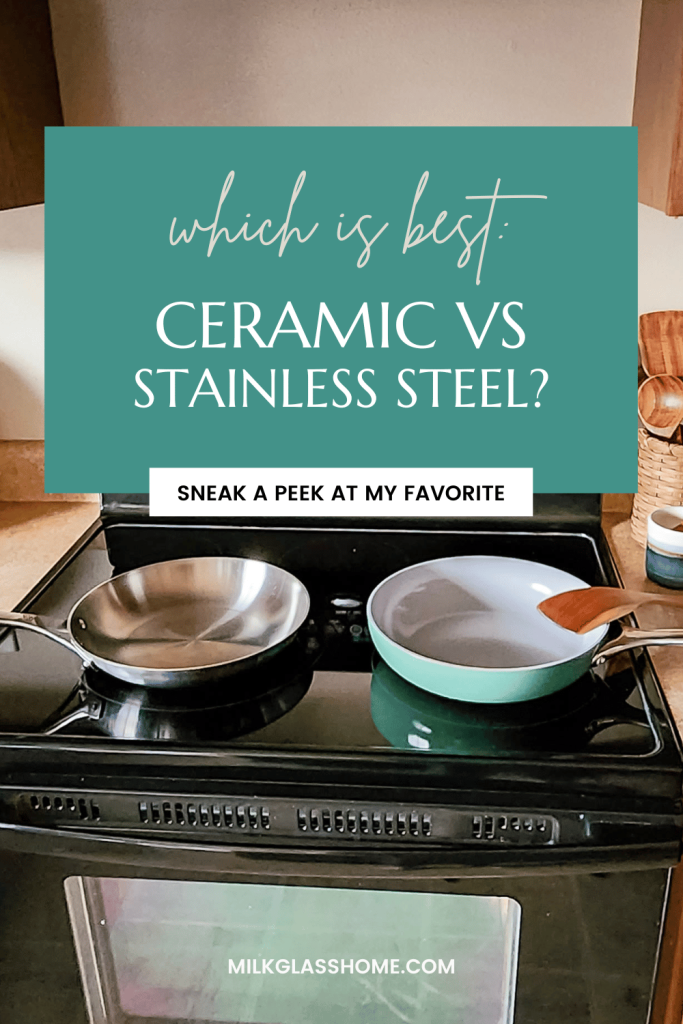
When readers ask is ceramic cookware better than stainless steel they usually mean the ceramic nonstick coating versus bare stainless cooking surfaces. Each material has different chemistry and manufacturing steps. Knowing the basic make-up helps you set expectations for heat speed, stick resistance, and lifespan.
Ceramic coatings can be free of PTFE and PFOA. Stainless steel is inert and often used for searing, browning, and high-heat work. Both have pros and cons depending on how you cook and care for them.
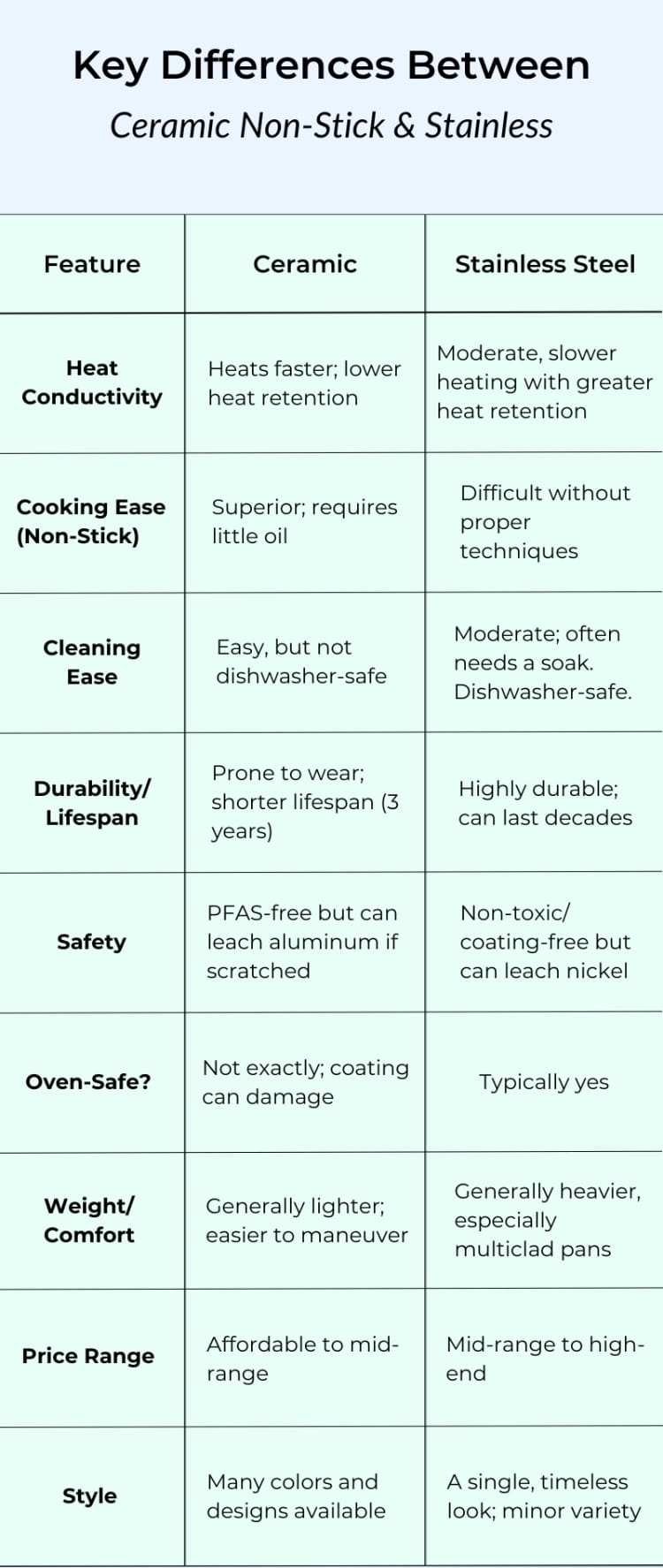
Performance: heat conduction, cooking results, and durability
A key question is is ceramic cookware better than stainless steel when it comes to cooking performance. The answer depends on the task.
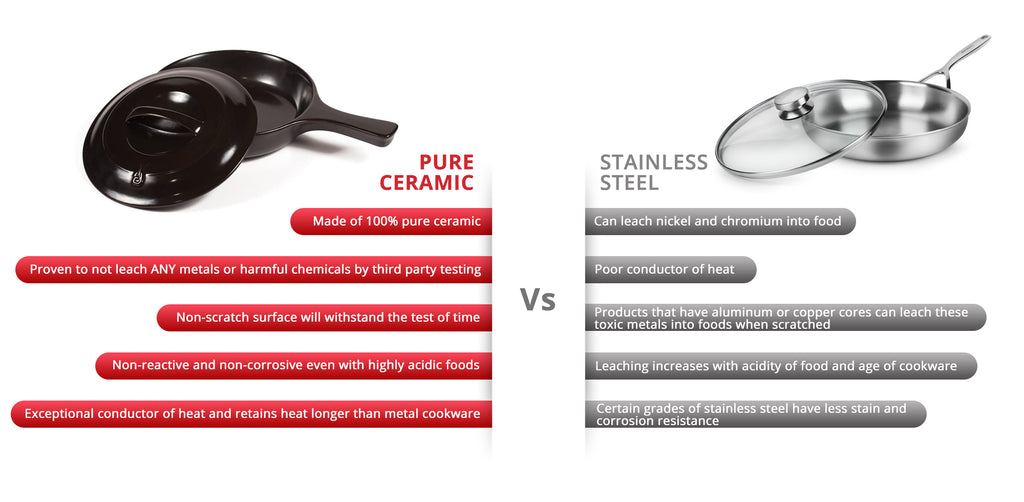
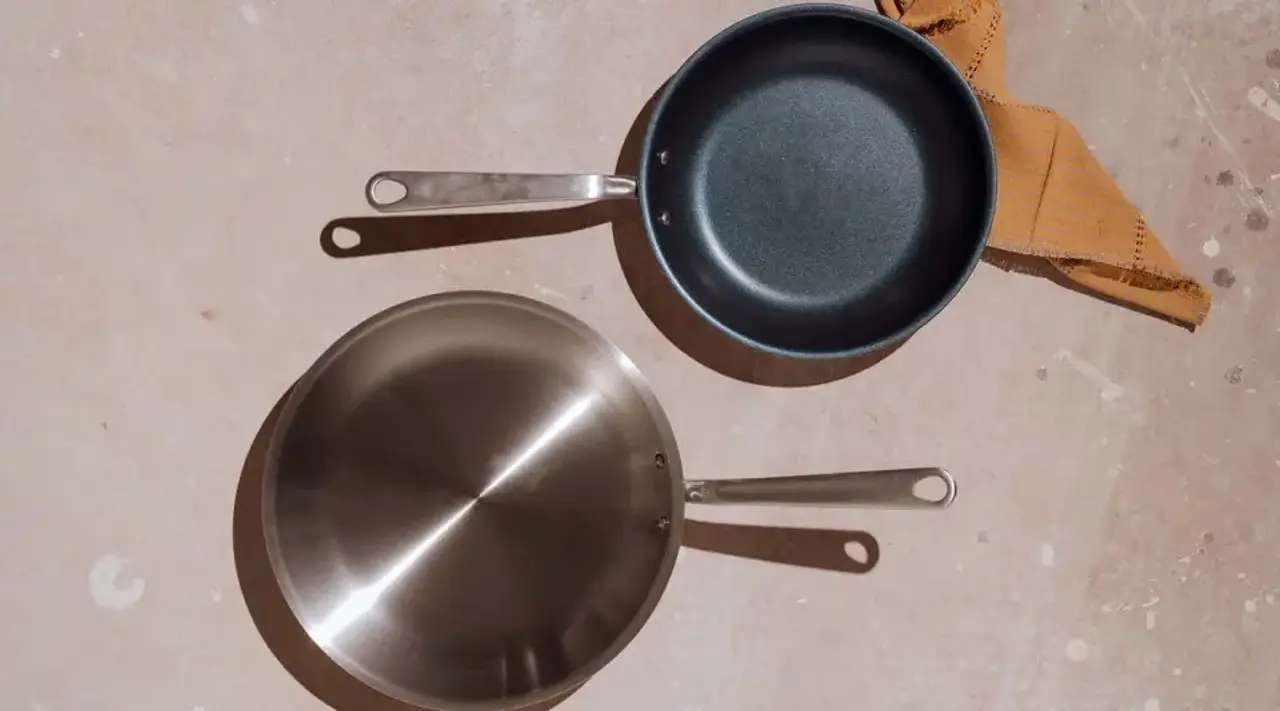
Stainless steel heats evenly with a good core or clad base. It tolerates very high heat and creates flavorful browning. Ceramic-coated pans heat somewhat like aluminum underneath, so they warm quickly but may lose the nonstick layer over time.
For eggs, pancakes, and low-fat cooking, ceramic nonstick can be easier and faster to clean. For searing steaks, deglazing, and oven finishing, stainless steel usually performs better. Durability favors stainless steel. Ceramic coatings can chip, scratch, and wear down with heavy use, while stainless steel can last decades with proper care.
Health and safety: coatings, nonstick, and chemical concerns
People often ask is ceramic cookware better than stainless steel for health reasons. Ceramic coatings are marketed as chemical-free alternatives to traditional nonstick coatings. Many ceramic-coated pans do not contain PTFE or PFOA, which eases some worries.
Stainless steel is stable and does not off-gas. It can leach small amounts of nickel or chromium into food under acidic conditions, but levels are usually low for most users. If you have metal sensitivities, this matters. Ceramic surfaces may flake if damaged, so avoid cooking on chipped coatings.
Both materials are safe when used correctly. Avoid overheating empty nonstick ceramic pans, and replace any pan whose coating is significantly worn or flaking. For peace of mind, choose reputable brands with clear safety testing and warranties.
Maintenance and care: cleaning, seasoning, and longevity
A frequent practical question is is ceramic cookware better than stainless steel for ease of care. Ceramic pans are easy to clean when new. Use gentle sponges, low heat, and avoid metal utensils to preserve the coating.
Stainless steel needs more technique to keep food from sticking. Use proper preheating and oiling, and learn how to deglaze to make cleaning easier. However, stainless steel can handle scrubbing pads and higher heat without damage.
Longevity usually favors stainless steel. Ceramic nonstick works well for a few years, depending on use and care. Expect to replace ceramic-coated pans sooner if you cook often. Follow manufacturer care instructions to maximize lifespan for each material.
Cost, sustainability, and environmental impact
Many buyers wonder is ceramic cookware better than stainless steel in terms of price and sustainability. Ceramic-coated pans often cost less up front. High-quality stainless steel cookware, especially multi-ply clad sets, is an investment.
Sustainability depends on lifespan and manufacturing. A durable stainless steel pan that lasts decades can be more sustainable over time than a short-lived nonstick pan. Ceramic coatings can involve less controversial chemicals than older PTFE processes, but they still require manufacturing resources.
Consider lifetime cost per year of use. Buy one good stainless steel skillet if you sear often. Buy ceramic-coated pans for low-fat, everyday cooking and accept eventual replacement.
Which is better for you? Use cases and buying guide
Is ceramic cookware better than stainless steel depends on your cooking habits and priorities. Ask yourself how you cook, how often you cook, what you cook, and how much maintenance you want to do.
Use-case suggestions:
- For eggs, pancakes, and low-fat cooking: choose ceramic-coated nonstick.
- For searing, deglazing, and oven-to-table use: choose stainless steel.
- For mixed use and few pans: consider one stainless steel skillet plus a ceramic nonstick for delicate foods.
- For budget shopping: ceramic pans give short-term convenience but replace regularly.
- For long-term investment: buy high-quality stainless steel with an aluminum or copper core.
Shopping tips:
- Look for heavy gauge bases and full-clad construction in stainless steel.
- Choose ceramic pans with durable ceramic formulations and clear warranty terms.
- Avoid metal utensils on ceramic surfaces and avoid thermal shock like cold water on hot ceramic.
Quick FAQs (PAA-style)
Q: How long do ceramic coatings last?
A: Ceramic coatings typically last 1–5 years depending on use and care. Longevity shortens with frequent high-heat cooking and abrasive cleaning.
Q: Can I use stainless steel for nonstick cooking?
A: Stainless steel is not nonstick, but proper preheating and oil create a natural release for many foods. It requires technique, not heavy coating.
Q: Are ceramic pans safer than old Teflon?
A: Many ceramic pans avoid PTFE and PFOA, which addresses some safety concerns. Still, check brand testing and avoid overheating any nonstick surface.
My experience and practical tips
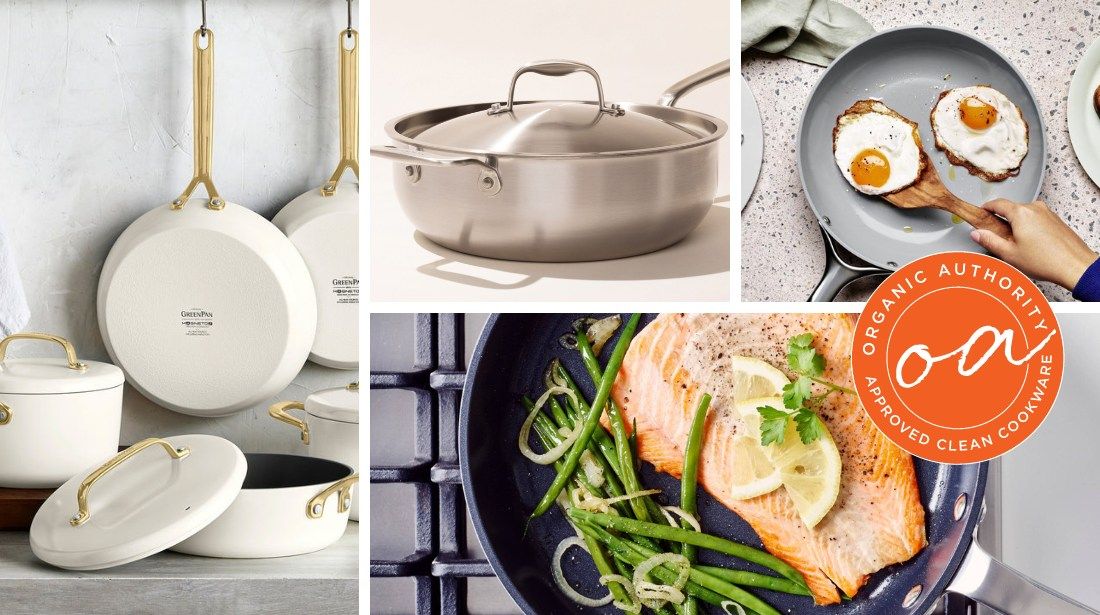
From my years testing cookware I can share practical lessons on is ceramic cookware better than stainless steel for everyday cooks. I used ceramic pans for quick breakfasts and stainless steel for dinner searing. The ceramic pan made morning cleanup fast. The stainless pan made better crusts and handled oven finishing without worry.
Common mistakes I saw:
- Overheating ceramic pans, which shortens the coating life.
- Using metal spatulas on ceramic surfaces.
- Skipping the preheat and oil step with stainless steel, which leads to sticking.
Practical tips:
- Rotate pans by task: ceramic for eggs, stainless for searing.
- Replace ceramic pans before heavy flaking starts.
- Invest in a good stainless set if you cook frequently and want long-term value.
Frequently Asked Questions of is ceramic cookware better than stainless steel
What is the main difference between ceramic and stainless steel cookware?
Ceramic usually refers to a nonstick coating, while stainless steel is bare metal. The main differences are heat tolerance, nonstick performance, and durability.
Does ceramic cookware last as long as stainless steel?
No, ceramic coatings generally wear faster. Stainless steel can last decades with proper care, while ceramic may need replacement within a few years of heavy use.
Is ceramic cookware safe for high-heat cooking?
Ceramic coatings are not ideal for very high heat and can degrade faster when overheated. Use medium to medium-high heat and avoid empty-pan overheating.
Can you use metal utensils on stainless steel?
Yes, stainless steel tolerates metal utensils well and resists scratching. Metal tools can damage ceramic coatings, so use wood, silicone, or nylon there.
Which cookware gives better flavor for searing?
Stainless steel provides superior browning and fond formation for searing. That fond adds flavor through deglazing and sauces.
Is ceramic cookware better than stainless steel for beginners?
Ceramic can be more forgiving for beginners who want easy cleanup and nonstick performance. However, beginners should know the coating's limits and care requirements.
Conclusion
Choosing cookware comes down to what and how you cook. Stainless steel offers durability, high-heat performance, and long-term value. Ceramic cookware gives easy nonstick release and quick cleanup but usually needs replacement sooner. Use a mix if you want the best of both worlds: stainless steel for serious cooking and ceramic for delicate, low-fat tasks. Try one new pan based on your top cooking need and test it for a month. If you cook often, invest in stainless steel; if you value convenience, pick ceramic and follow care tips. Share your experiences below, subscribe for more cooking guides, or leave a comment with the dish you want to master.