Induction cookware is faster, more efficient, and precise, while regular cookware is more versatile and often cheaper.
I’ve spent years testing pans and cooking on every stovetop I could find. This guide breaks down induction cookware vs regular cookware with clear facts, real-world tips, and buying advice you can trust. Read on to learn which system fits your kitchen, budget, and cooking style.
What we mean by induction cookware vs regular cookware
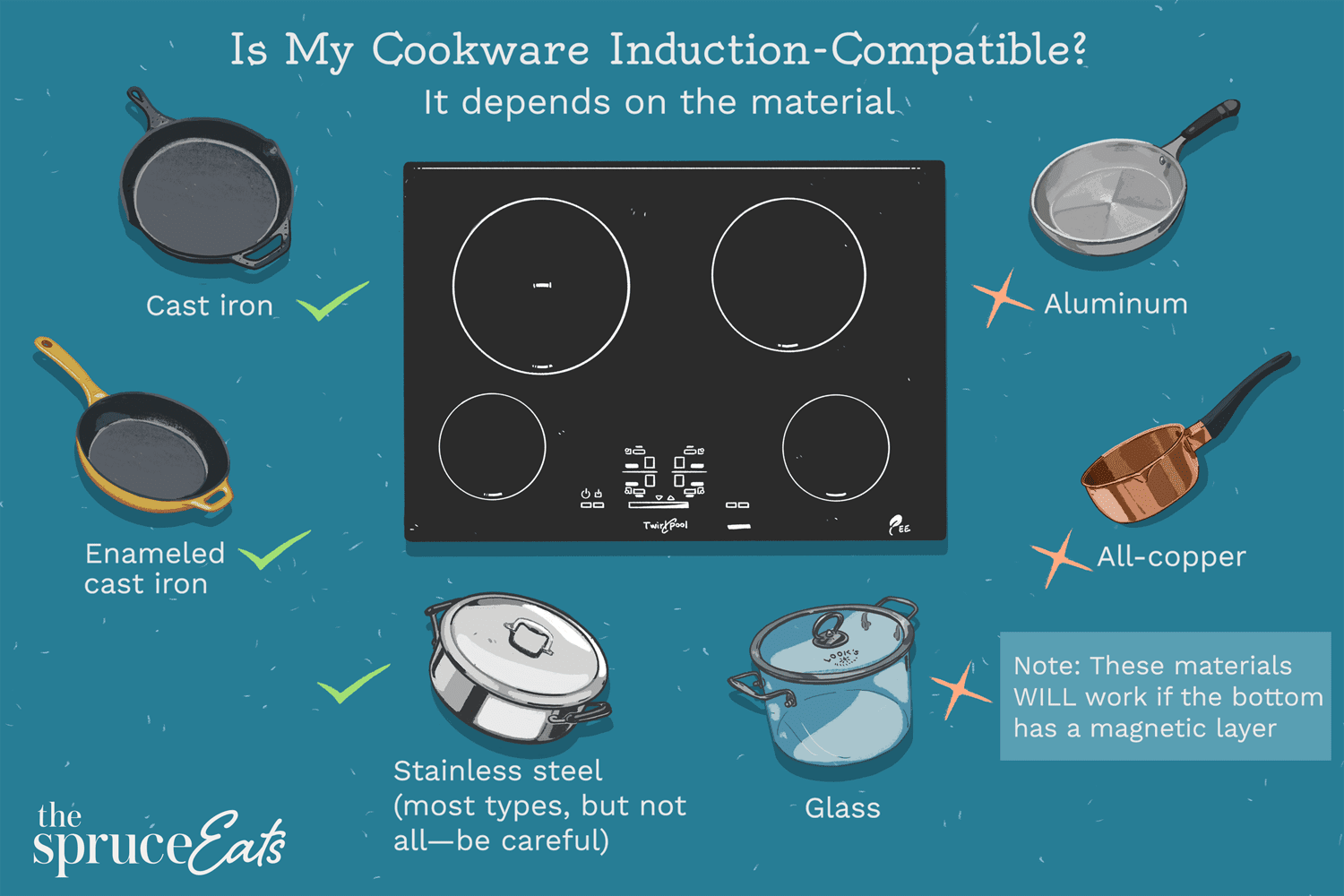
Induction cookware refers to pots and pans that work with induction cooktops. These pans must be magnetic and typically include stainless steel, cast iron, or specially designed ferrous bases. Regular cookware covers any pots and pans used on gas, electric coil, or radiant electric stoves. That includes aluminum, copper, nonstick, stainless steel, and cast iron.
In short, induction is about the heat source and magnetic interaction. Regular cookware describes the wider range of materials and stoves it works with. This distinction matters for performance, cost, and routine care.
How induction works compared to regular stovetops
Induction uses electromagnetic fields under the cooktop glass. These fields induce currents in the cookware base. The currents heat the metal directly. Heat transfers from the pan into the food.
Gas flames heat the pan by hot gases and radiant heat. Electric coil and radiant stoves use resistive heating elements. These methods heat the pan indirectly. Induction often heats faster and wastes less heat.
Key differences:
- Heating method: electromagnetic induction versus flame or resistance.
- Speed: induction heats faster and responds faster to changes.
- Surface temperature: induction cooktop stays relatively cool.
This technical difference explains many practical advantages and limitations in the induction cookware vs regular cookware debate.
Heat performance: speed, control, and evenness
Induction cookware vs regular cookware performs differently in three main ways.
Speed and responsiveness
- Induction cooks faster and reaches simmer or boil quicker.
- Regular gas or electric takes longer to change temperature.
Control and precision
- Induction offers very tight temperature control, ideal for delicate sauces.
- Gas gives visible flame control; electric can lag.
Heat evenness
- Material matters more than stovetop. Heavy-bottomed stainless or cast iron gives even heat on any stove.
- Thin aluminum pans on an induction cooktop may develop hotspots.
My kitchen tests showed induction brought water to boil about 30–40% faster than my old electric range. For sauces, the instant temp drop when I lowered power on an induction cooktop saved many burned batches.
Materials and compatibility: what pans work and why
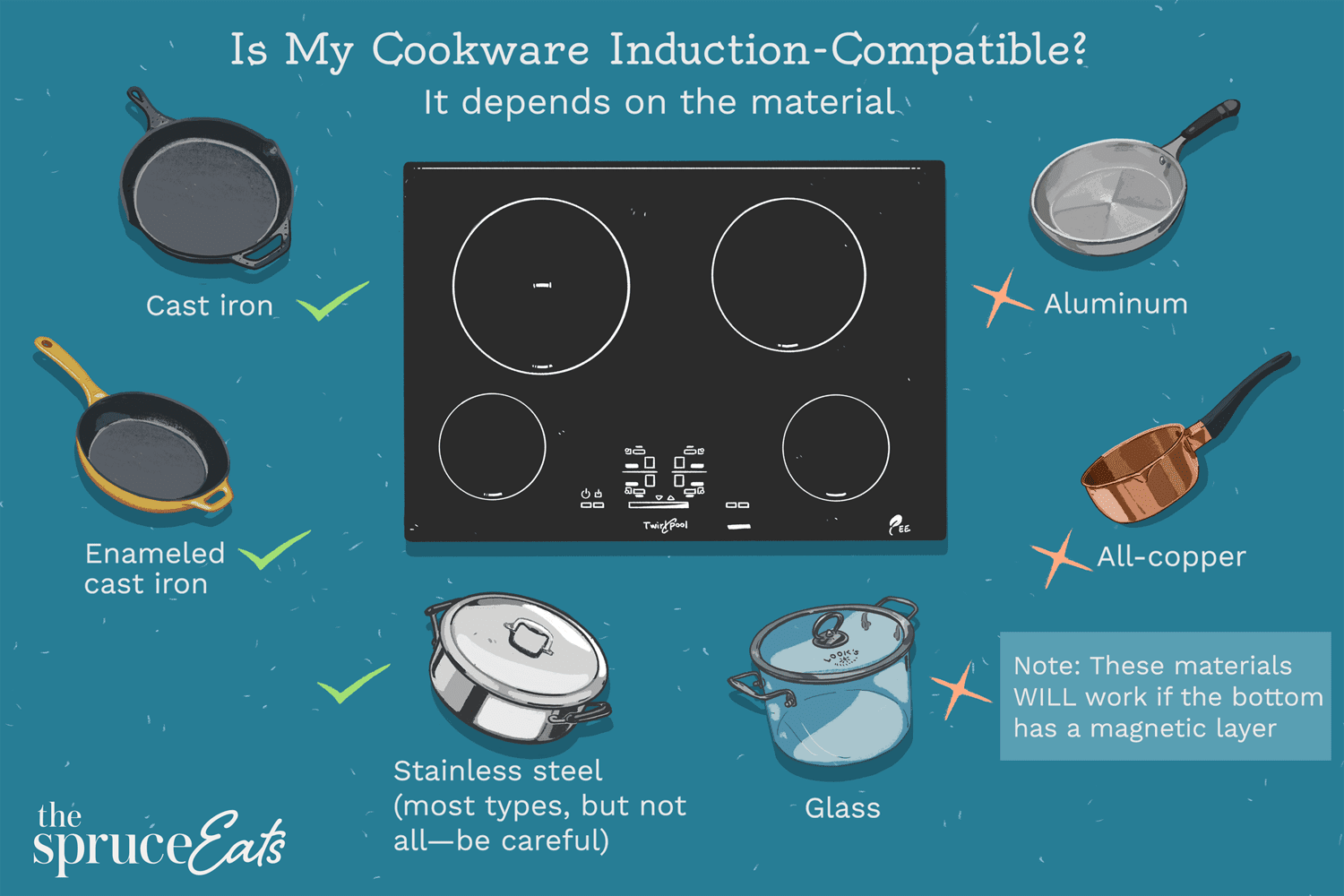
Not all pans work on induction. The key is magnetic conductivity in the base.
Common induction-friendly materials:
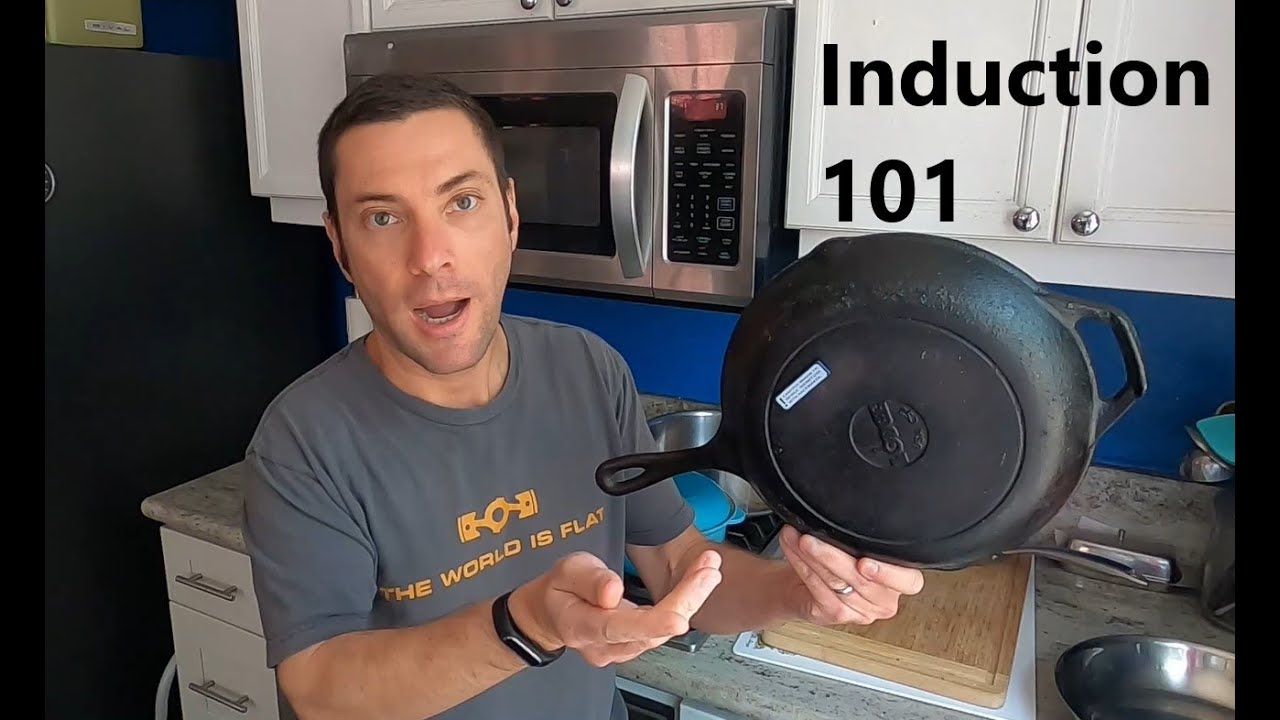
- Cast iron: excellent on induction, very magnetic.
- Magnetic stainless steel: many modern stainless pans include a ferrous base layer.
- Enamel-coated cast iron: works well if base is magnetic.
Materials that often need modification:
- Pure aluminum: not magnetic, so it usually won’t work without a magnetic base.
- Pure copper: needs a magnetic plate added to the base to work.
- Some nonstick pans: only if they have a magnetic layer.
How to test cookware compatibility
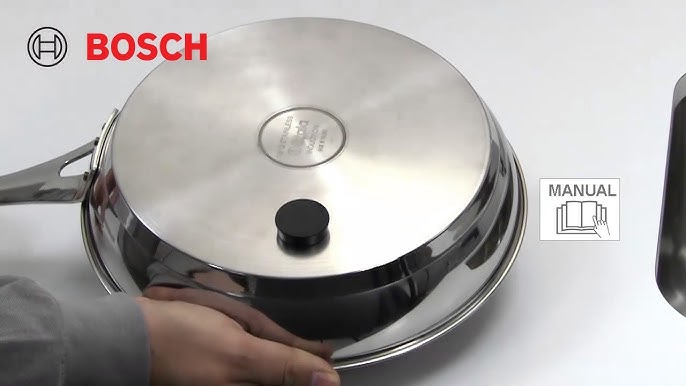
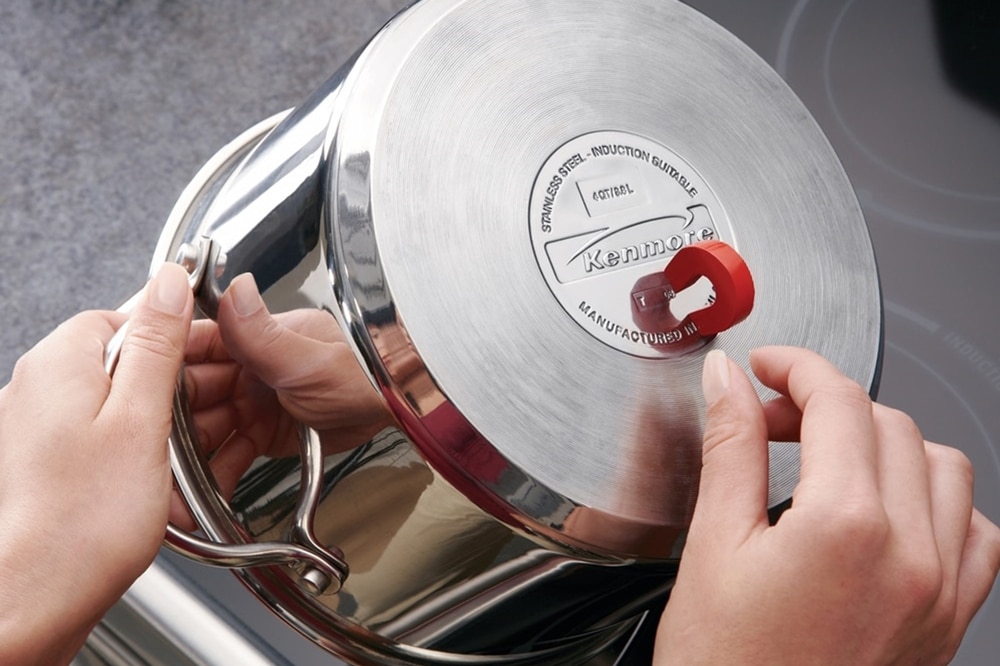
- Hold a magnet to the bottom of the pan. If it sticks well, the cookware will likely work on induction.
- Look for an induction-ready symbol on the pan or manufacturer specs.
Choosing the right material helps bridge the gap between induction cookware vs regular cookware, especially when upgrading cookware rather than buying everything new.
Pros and cons: practical trade-offs
Induction cookware vs regular cookware has clear pros and cons. Here’s a balanced look.
Induction advantages
- Faster heating and better energy transfer.
- Precise temperature control.
- Cooler kitchen surface and increased safety.
- Easier to wipe up spills because the cooktop stays cooler.
Induction disadvantages
- Requires magnetic cookware or adapters.
- Higher upfront cost for induction ranges and some compatible pans.
- Certain cooking techniques (open-flame charring) are harder to do.
Regular cookware strengths
- Works on many stove types with wide material choice.
- Often lower price for pans.
- Open flame allows quick charring and wok cooking techniques.
Regular cookware weaknesses
- Slower heat response on electric stoves.
- Less efficient energy transfer.
- Higher heat loss into the kitchen.
These trade-offs clarify why the induction cookware vs regular cookware choice depends on your needs and cooking habits.
Energy efficiency and cost over time
Induction is more efficient because energy goes directly into the pan. Less heat leaks to the air. That can reduce cooking time and lower energy bills. Studies show induction uses less energy than electric radiant and can be comparable or better than gas in many scenarios.
Cost considerations
- Induction cooktops cost more upfront than basic electric coils.
- You may need to upgrade some cookware, adding expense.
- Long-term savings: lower energy use and faster cooking can offset initial costs.
If you cook daily, induction cookware vs regular cookware favors induction for long-term savings. If you cook rarely, the upfront cost may not be worth it.
Safety, maintenance, and cleaning
Safety features with induction cookware vs regular cookware are strong selling points. Induction cooktops often include:
- Auto shut-off if no pan is detected.
- Surface stays cooler, reducing burn risk.
- No open flame reduces fire hazards.
Maintenance and cleaning
- Glass-top induction surfaces wipe clean easily.
- Cast iron pans can scratch glass, so lift pans rather than slide them.
- Regular cookware materials require varied care: seasoning cast iron, gentle scrubbing for nonstick, and polishing for copper.
Practical tip: I keep a soft cloth and mild cleaner for my induction glass top. I also use felt pan protectors for heavy cast iron. These small habits prevent damage and prolong both pans and cooktop life.
Environmental impact and sustainability
Induction cookware vs regular cookware has environmental implications.
Energy and emissions
- Induction’s efficiency reduces energy use and related emissions. The net benefit depends on how electricity is generated locally.
- Gas stoves burn fossil fuels in the home, producing direct emissions.
Longevity and waste
- Durable pans like cast iron or high-quality stainless last decades, lowering waste.
- Cheap nonstick pans often need replacement sooner.
If reducing your carbon footprint matters, induction paired with durable cookware is a strong choice. Always consider the electricity source and cookware lifespan.
Personal experience, mistakes to avoid, and practical tips
I switched to induction after years of gas cooking. Here’s what I learned.
What worked well
- I loved the quick boil times and precise simmer control.
- Cleanups got easier because spills don’t bake onto a hot surface.
Mistakes to avoid
- Don’t assume all your pans will work—test with a magnet first.
- Avoid sliding cast iron across glass; lift it.
- Don’t buy the cheapest induction “adapter plates” without reading reviews—they can be inefficient.
Practical tips
- Keep a small cast iron skillet for searing and a heavy stainless set for everyday use.
- Use cookware with flat bottoms for best contact on induction cooktops.
- When trying new recipes, start on medium settings and adjust. Induction reacts quickly.
These real-world notes help make the induction cookware vs regular cookware switch smooth and practical.
Buying guide: what to look for when shopping
Shopping for induction cookware vs regular cookware needs a clear checklist.
If choosing induction-ready sets
- Look for a magnetic base or an induction-ready mark.
- Prefer multi-layer ("clad") stainless for even heating.
- Choose heavier pans for stability and even heat.
If sticking with regular cookware
- Match material to your cooking style: copper for precise heat, cast iron for retention, nonstick for low-fat cooking.
- Check manufacturer care instructions to maximize lifespan.
Budget strategy
- Replace cookware gradually. Start with a versatile skillet and a saucepan.
- Consider buying one high-quality pan instead of several cheap ones.
These steps make the investment manageable and tailored to your needs.
People also ask — short answers
Is induction cooking healthier than regular cooking?
Induction itself does not change food nutrition. It can be healthier indirectly by enabling precise low-temperature cooking, which helps preserve nutrients in some foods.
Will I need to replace all my cookware for induction?
Not always. Test your existing pans with a magnet. Many stainless and cast iron pieces already work on induction.
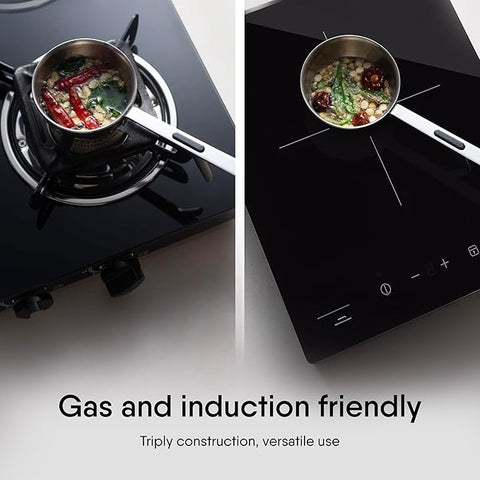
Can I use induction cookware on gas or electric stoves?
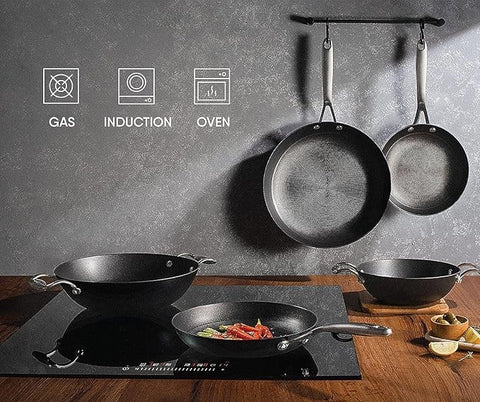
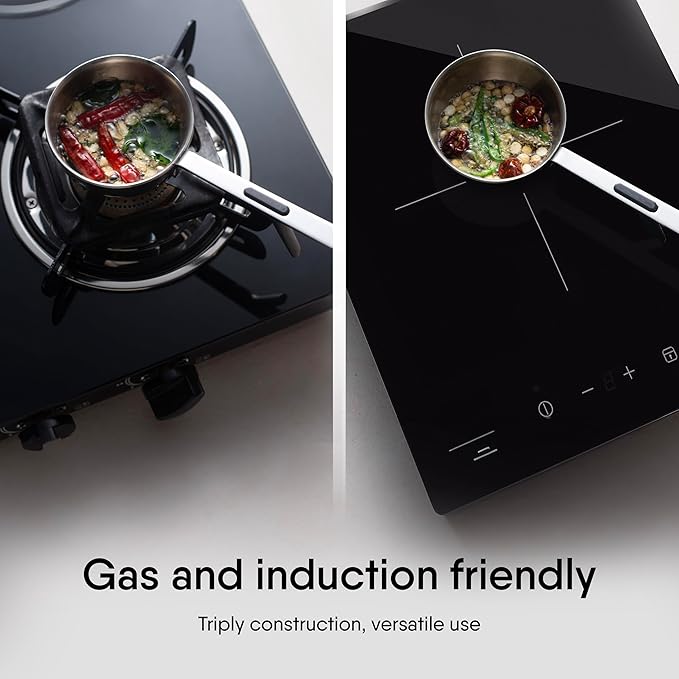
Yes. Most induction-compatible pans will work on gas and electric stoves, but flat bottoms work best for electric surfaces.
Are induction cooktops expensive to run?
Induction cooktops are efficient and often cheaper to run per use than electric cooktops. Overall cost depends on local electricity rates and usage habits.
Do induction cooktops interfere with electronics or pacemakers?
Modern induction cooktops meet safety standards and are unlikely to interfere with electronics. People with pacemakers should consult their doctor and the cooktop manufacturer for specific guidance.
Frequently Asked Questions of induction cookware vs regular cookware
How do I know if my pan is induction-compatible?
Use a magnet on the pan's base; if it sticks strongly, the pan is likely induction compatible. Look for an induction logo or check the manufacturer's specs.
Is induction better for professional kitchens?
Induction offers fast heat and precise control, which many chefs like. However, some chefs prefer gas for wok techniques and open-flame grilling.
Can I use glass or ceramic cookware on induction?
Most glass and ceramic cookware is not magnetic and won't work on induction unless it has a built-in magnetic base.
Does induction damage nonstick coatings?
No. Induction heat itself doesn't damage coatings, but overheating any nonstick pan can degrade the coating. Use recommended temperature limits.
Are induction adapter discs a good solution?
Adapter discs can work but may reduce efficiency and slow heating. They are a temporary fix rather than an ideal long-term solution.
Conclusion
Choosing between induction cookware vs regular cookware comes down to your priorities: speed and precision with induction, or material variety and lower upfront cost with regular cookware. Induction shines for fast, energy-efficient cooking and safety. Regular cookware keeps a wide range of material choices and techniques available. Start by testing your current pans, buy one or two good induction-ready pieces, and adjust based on your cooking habits. Try a short upgrade—cook a few meals on induction and see how it fits your kitchen life. Share your experience, ask questions, or subscribe for more appliance and cookware tips.