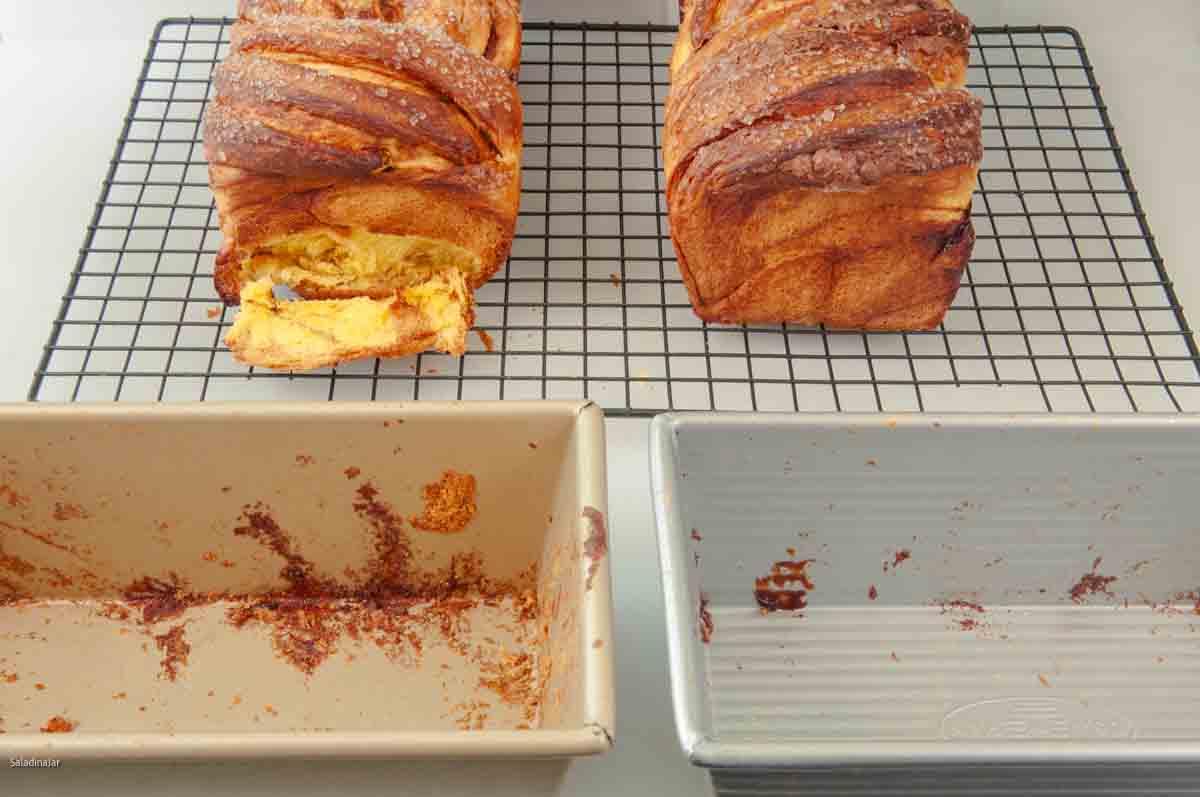
Heat the pan, add the right fat, and use correct temperature and pan type to stop sticking.
I’ve spent years testing pans, cooking every dish from delicate eggs to seared steak, and learning what truly stops food from sticking. This guide explains how to prevent food sticking to pans with clear steps, science-backed tips, and real-world tricks I use in the kitchen daily. Read on for actionable methods, pan care routines, troubleshooting, and quick wins you can try tonight.
Why food sticks: causes explained
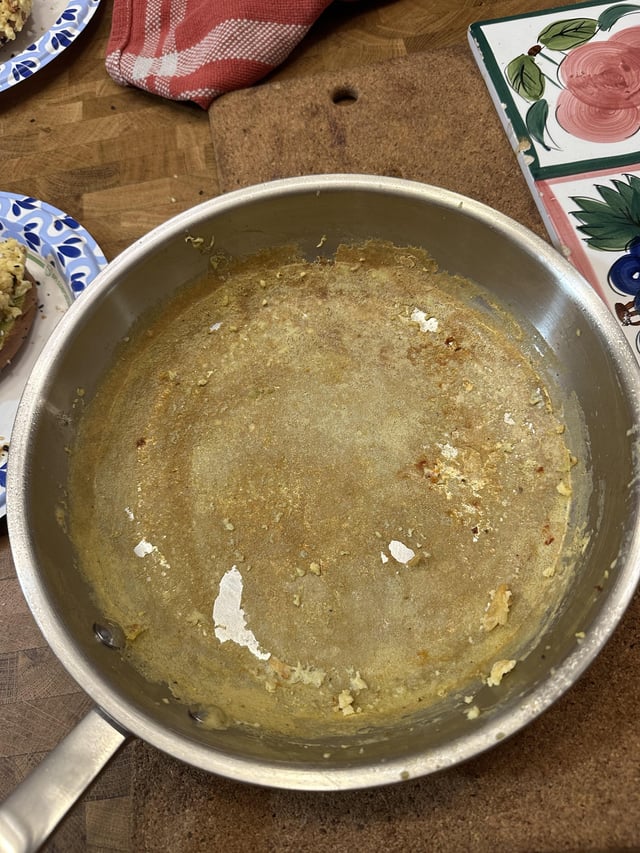
Food sticks when proteins, sugars, or starches bond to the pan surface. High heat, cold pan-to-food contact, wrong oil, and damaged surfaces make sticking more likely. Certain foods, like eggs and fish, are naturally prone to sticking because their proteins coagulate and cling to metal. Understanding the why helps you choose the right fix for how to prevent food sticking to pans.
Common causes
- Heat shock: Adding cold food to a very hot or very cool pan causes uneven bonding and sticking.
- Wrong oil or not enough fat: Low-smoke-point oil burns or evaporates, leaving food to stick.
- Poor pan surface: Scratches, worn nonstick coatings, or unseasoned cast iron create cling points.
Choose the right pan for the job
Pick the pan type to match what you cook. The right pan cut the chance of sticking by a lot.
Pan types and best uses
- Nonstick: Best for eggs, pancakes, and delicate fish. Use low-medium heat.
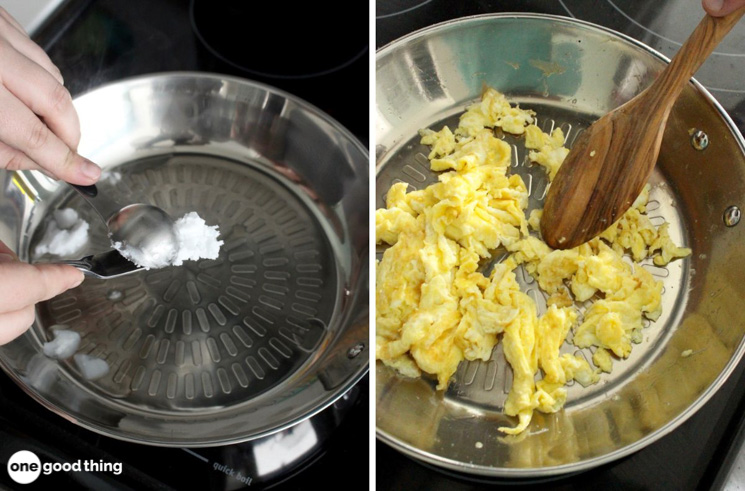
- Stainless steel: Great for browning, deglazing, and high-heat searing. Requires proper preheat and oiling to avoid sticking.
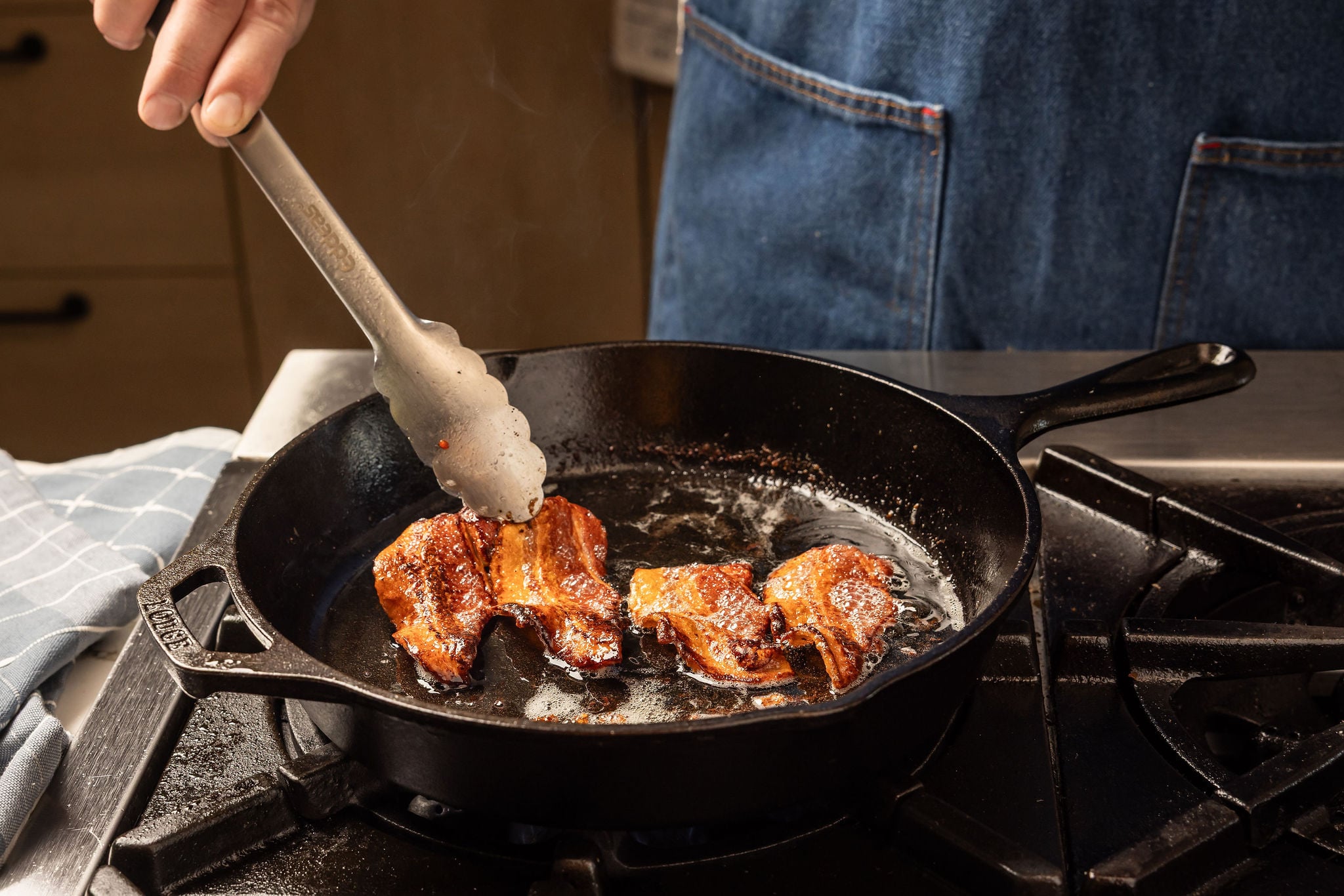
- Cast iron and carbon steel: Excellent for heat retention and searing once well-seasoned. They are forgiving when preheated and oiled.
- Ceramic-coated: Offers a nonstick feel but can degrade faster than modern nonstick when overheated.
How pan material affects sticking
- Metals with rough or scratched surfaces give food places to grab.
- Smooth, intact coatings reduce friction and reduce how to prevent food sticking to pans.
- Heavy pans heat more evenly, which lowers hot spots where sticking begins.
Heat control: timing and temperature
Heat management is the single most reliable way to prevent sticky food. Preheat, then adjust before adding food.
Simple heat rules
- Preheat the pan until it's evenly hot but not smoking.
- Test ideal heat with a drop of water: it should bead and dance for medium-high readiness.
- Reduce heat for delicate foods to prevent protein over-binding and sticking.
Practical temp ranges
- Low heat: simmering and melting.
- Medium: eggs, veggies, and most everyday cooking.
- Medium-high to high: searing meats for a short time. Avoid overheating nonstick.
How correct heat helps
- Proper heat creates a thin barrier as food meets the pan so it releases cleanly.
- Overly high heat burns the oil and creates sticky residues. Practicing heat control is key to how to prevent food sticking to pans.
Oil, fat, and lubrication: what to use and when
The right fat forms a barrier between protein and metal. Use oils with suitable smoke points for your heat.
Best fats by use
- Butter: Great for flavor and low-medium heat. Use with an oil to raise smoke point.
- Olive oil: Good for low to medium heat and Mediterranean flavors.
- Vegetable, canola, or avocado oil: Good for medium-high and high-heat searing.
- Solid fats (lard, tallow): Work well for high-heat browning and add flavor.
How to add oil
- Add oil after preheating the pan, then let it shimmer.
- Tilt pan so oil coats the surface evenly before adding food.
- Use enough oil to wet the cooking surface. For eggs on nonstick use a thin film. For stainless steel, more oil helps create a release layer.
Techniques for common sticky foods
Different foods need different moves. Here are step-by-step approaches that work.
Eggs
- Preheat pan on medium-low.
- Add butter or oil and let it melt, coating the pan.
- Pour eggs in and resist the urge to stir too soon; wait until edges set then gently lift.
Fish and delicate fillets
- Pat dry and season.
- Preheat pan medium-high and add oil until shimmering.
- Place fish skin-side down and press gently for 20–30 seconds so it releases cleanly.
Steak and meats
- Bring to room temp and pat dry.
- Preheat to medium-high to high and use oil with high smoke point.
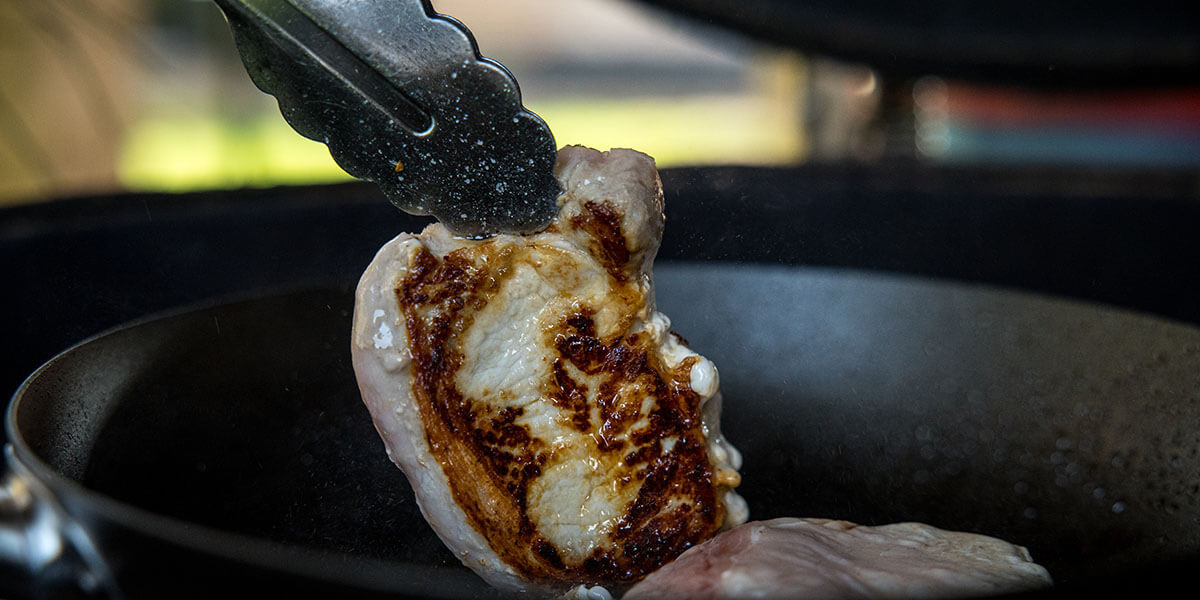
- Sear without moving for initial crust. After a good crust forms, turn once.
Vegetables and stir-fries
- Cut evenly for uniform cooking.
- Cook in a hot pan with enough oil to coat pieces.
- Avoid overcrowding; cook in batches if needed to prevent steaming and sticking.
These methods show practical ways to prevent food sticking to pans across most recipes.
Seasoning and caring for pans
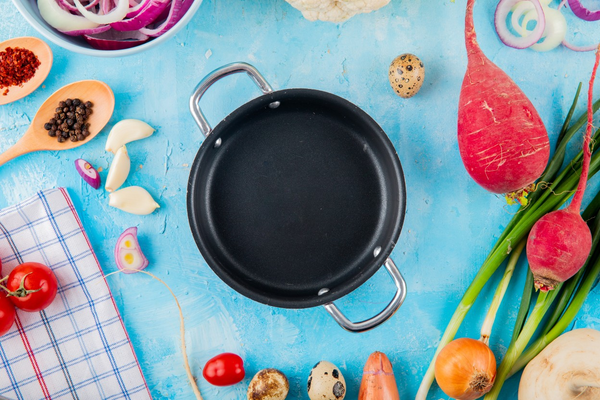
Maintaining your pans extends nonstick performance and prevents sticking. Seasoned pans build a natural nonstick layer.
Seasoning cast iron and carbon steel
- Clean, dry, and apply a thin layer of high-smoke-point oil.
- Heat in the oven or on the stovetop until polymerized.
- Repeat several thin coats for a durable surface.
Caring for nonstick and stainless
- Avoid metal utensils on nonstick; use silicone, wood, or nylon.
- For stainless, use oil and proper preheat; do not rely on nonstick coating.
- Store pans to avoid scratching and maintain surfaces.
When to replace a pan
- Flaking or severely scratched nonstick surfaces need replacement.
- Warped or badly pitted pans lose even heat and cause sticking.
Proper care reduces need for replacement and lowers the chance of food sticking to pans.
Cleaning and troubleshooting stuck food
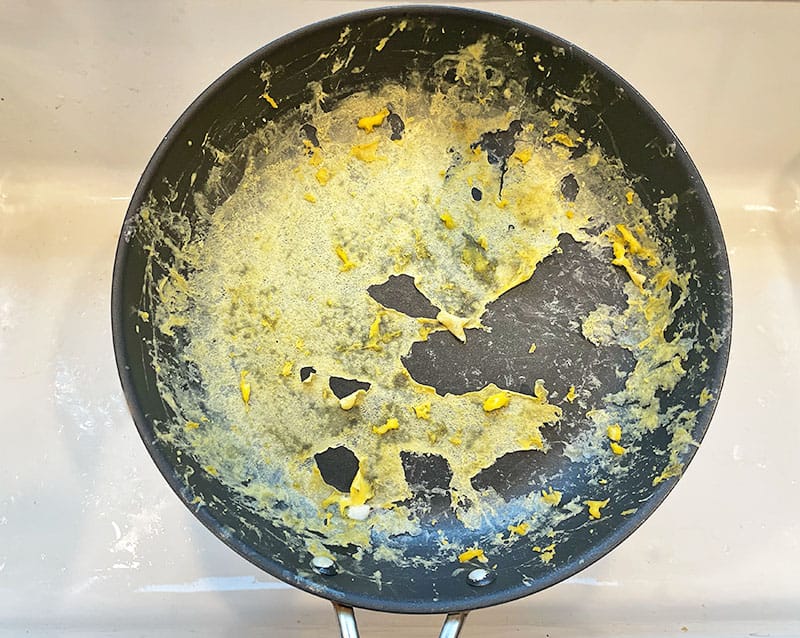
Even with best practices, sticking can happen. Use safe fixes to restore pans and remove residues.
Gentle cleaning tips
- Soak with warm, soapy water to loosen residues.
- Use non-abrasive scrubbers for nonstick.
- For cast iron, scrub with kosher salt and a little oil, then re-season lightly.
Removing stubborn stuck food
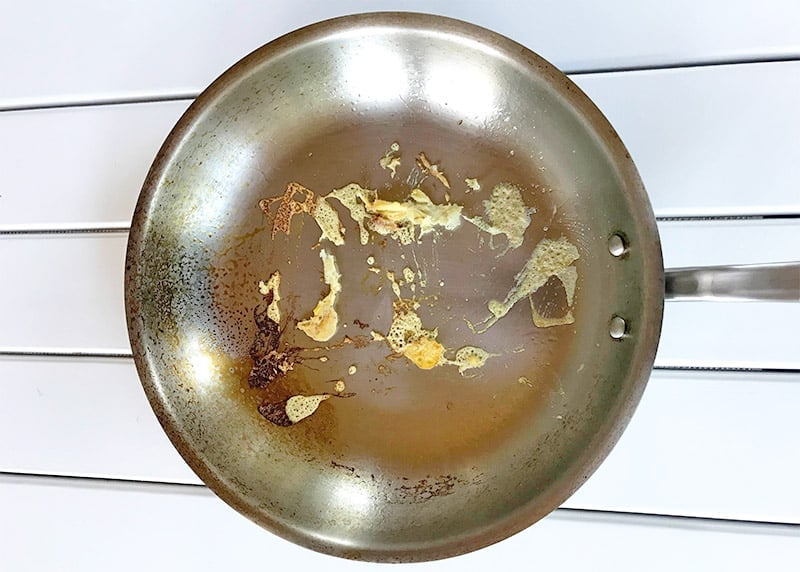
- Deglaze stainless pans with wine, stock, or water while hot to lift browned bits.
- Boil a mix of water and baking soda for stuck-on films on stainless.
- Avoid harsh oven cleaners on seasoned cast iron or nonstick coatings.
Common quick fixes
- Let the pan cool slightly then pour hot water in and simmer to loosen.
- Use a wooden spatula to gently pry off stuck pieces once loosened.
Personal tips, mistakes I’ve made, and lessons learned
I learned by burning eggs and rescuing warped pans. These are practical tips from my kitchen.
Real-world lessons
- Never rush preheat. I learned this the hard way with a ruined omelet.
- Use the right oil. I once used olive oil on high heat and ended up with stuck-on black residue.
- Keep pans dry and lightly oiled before storage to avoid rust on cast iron.
Practical habits that help
- Always pat food dry before it hits the pan.
- Heat the pan, add oil, then food—this sequence saved my stainless steel.
- When trying a new pan, practice with simple foods like toast or eggs to learn its behavior.
These tips show simple changes that improve how to prevent food sticking to pans dramatically.
People also ask (brief PAA-style questions)
What is the best pan for non-sticking cooking?
Nonstick pans are easiest for sticky foods like eggs and pancakes. For high-heat searing, well-seasoned cast iron works best.
Should I oil the pan before heating or after?
Heat the pan first, then add oil and let it shimmer. This reduces absorption and prevents burning.
Can I use butter at high heat?
Butter adds flavor but burns at moderate heat. Mix butter with a high-smoke-point oil for higher-heat cooking.
Frequently Asked Questions of how to prevent food sticking to pans
How long should I preheat a pan?
Preheat for 1–3 minutes depending on pan and heat. Test with a drop of water; it should bead and dance.
Is seasoning necessary for cast iron?
Yes. Seasoning builds a natural nonstick layer and protects the pan from rust and sticking.
Can I use metal utensils on nonstick pans?
No. Metal can scratch and damage the coating. Use wood, silicone, or nylon tools.
How do I stop eggs from sticking to stainless steel?
Use medium-low heat, enough fat to coat the surface, and let eggs set before flipping. Pat eggs slightly dry for less steam.
What oil is best for searing?
Use oils with high smoke points like avocado, refined canola, or grapeseed oil for searing at high heat.
How often should I re-season cast iron?
Lightly oil after each cleaning and perform a deeper season monthly or when food begins to stick more than usual.
[No image placeholder here]
Conclusion
Preventing food sticking to pans comes down to the right pan, proper preheat, correct fat, and clean, cared-for surfaces. Start by testing heat with a water droplet, pat food dry, and use the right oil for the job. Try one new tip this week—preheat properly, or season a pan—and watch your meals improve.
Try these steps tonight, share what worked for you, and subscribe or leave a comment if you want recipes tailored to your pan type.