Both can be safe when used properly: stainless steel is nonreactive; aluminum needs coating or anodizing.
I have tested and cooked with both metals for years, and I know how confusing the choices feel. This article walks through aluminum vs stainless steel cookware safety with clear facts, hands-on tips, and easy rules you can use today. Read on to learn which metal suits your diet, cooking style, and peace of mind.
Overview: what aluminum vs stainless steel cookware safety means
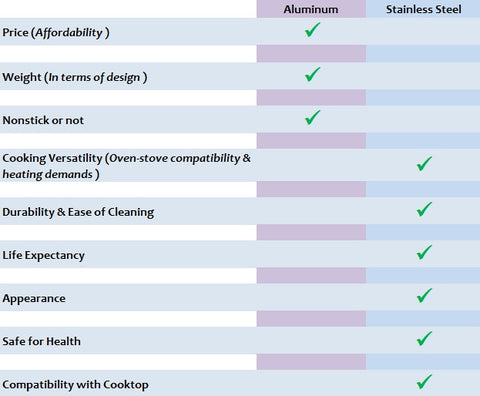
Aluminum and stainless steel are common in kitchens. Both work well, but they behave differently when heated and when they touch food.
Aluminum is lightweight and conducts heat fast. Plain aluminum can react with acidic foods and may leach small amounts of metal.
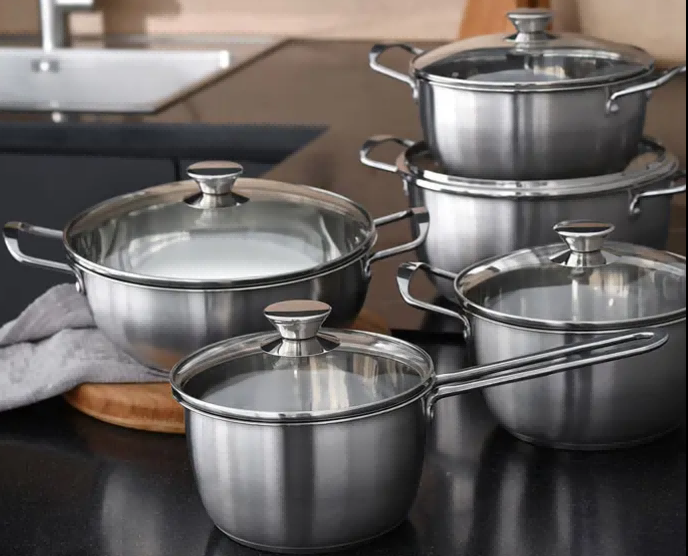
Stainless steel is heavier and less reactive. It resists rust and does not leach metal under normal cooking.
Understanding the chemistry and real risks helps you pick the right pan for your regular meals. This article covers health concerns, cooking trade-offs, and practical buying and care tips for aluminum vs stainless steel cookware safety.
Health and safety: metal leaching, reactivity, and allergies
Aluminum can leach into food when the surface is scratched or when you cook acidic foods. The amount depends on temperature, time, and food acidity. Anodized aluminum and aluminum in the core of clad cookware have far lower leaching risk.
Stainless steel contains iron, chromium, and often nickel. A thin oxide layer formed on the surface prevents most metal release. Some people with nickel sensitivity may notice reactions when cooking with certain stainless grades.
Key safety points:
- Aluminum reactivity: Plain aluminum reacts more with tomato, citrus, and vinegar-based foods. Acid speeds metal transfer.
- Anodized aluminum: Treated to create a hard, nonreactive surface. It greatly reduces leaching and is safe for most cooking.
- Stainless grades: Look for 18/8 or 18/10 for home use. These grades balance corrosion resistance and strength.
- Nickel allergy: A small share of people may be sensitive to nickel released from some stainless steel, especially with long cooking times and salty or acidic foods.
- High heat: Extremely high heat can damage coatings and cause more metal contact. Avoid overheating empty pans.
Simple safety rules:
- Use anodized or clad aluminum for regular use to limit metal exposure.
- Choose quality stainless for acidic dishes if you have sensitivity concerns.
- Don’t store acidic leftovers in plain aluminum.
Cooking performance and maintenance: practical trade-offs
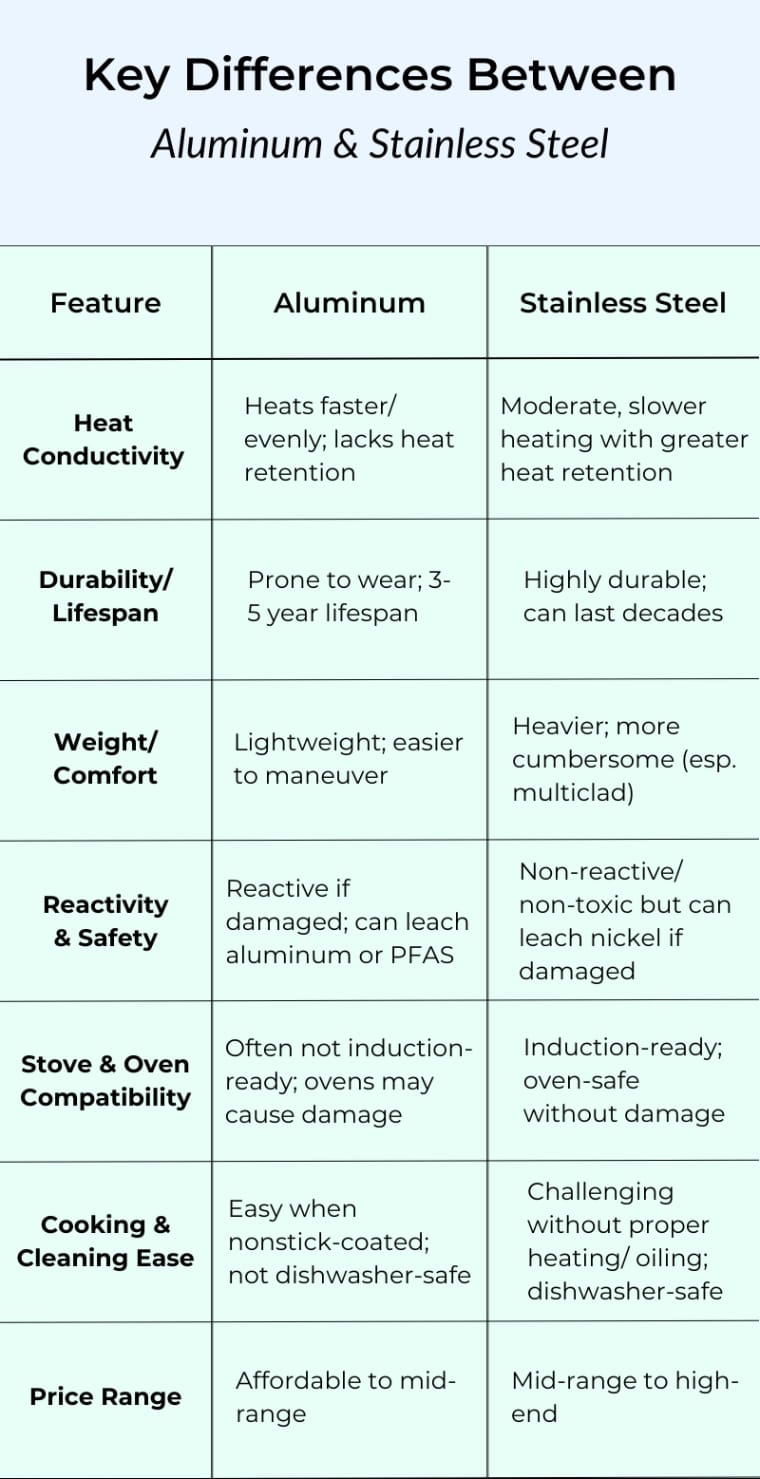
Performance affects safety indirectly. Better heat control means less chance of burning food and damaging pans.
Aluminum advantages:
- Fast, even heat. Great for quick, even cooking and budget pans.
- Lightweight and easy to handle.
Aluminum downsides: - Can warp under high heat.
- Plain surfaces scratch and may leach with acidic foods.
Stainless advantages:
- Durable and nonreactive. Good for browning, deglazing, and sauces.
- Often dishwasher safe and resists warping.
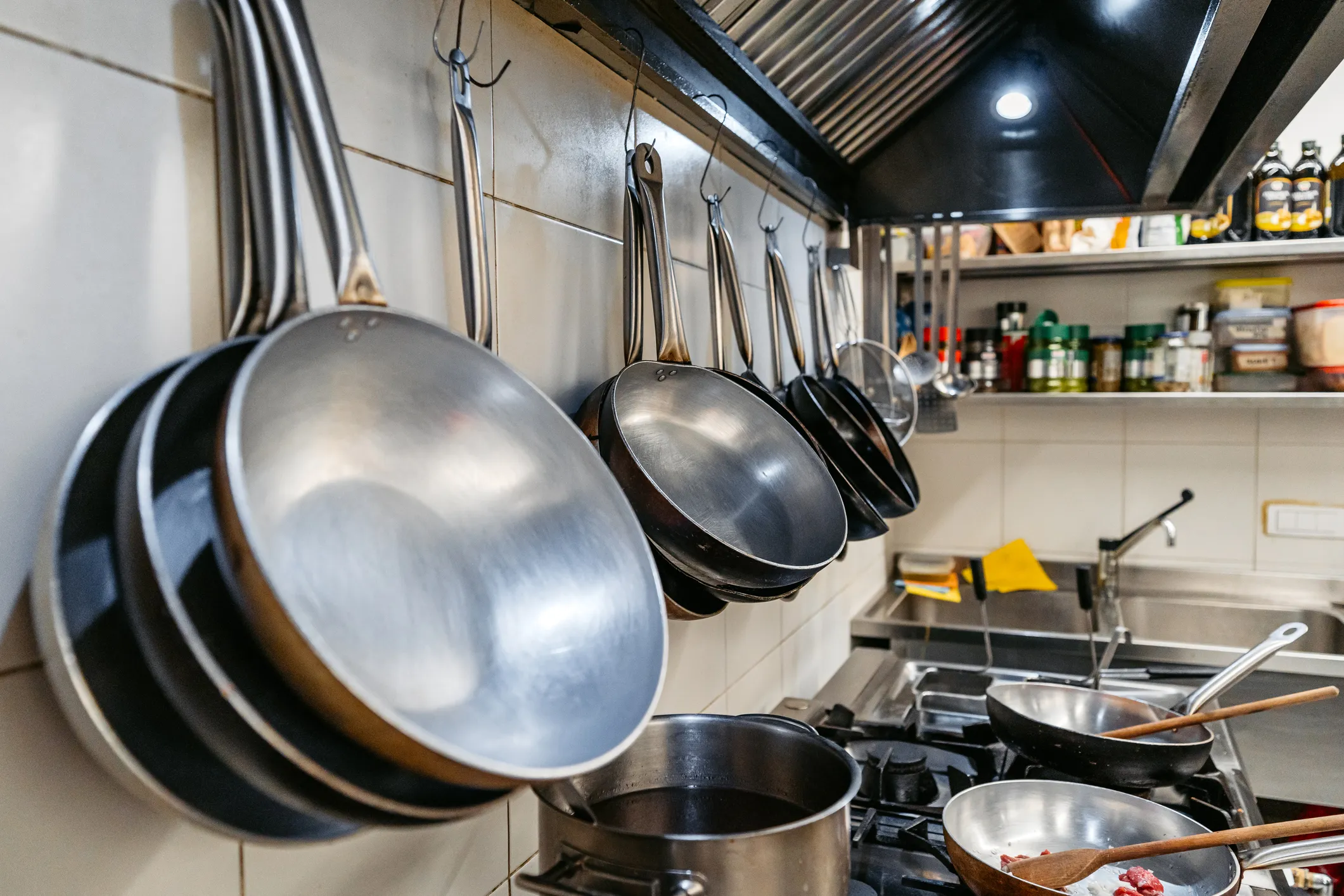
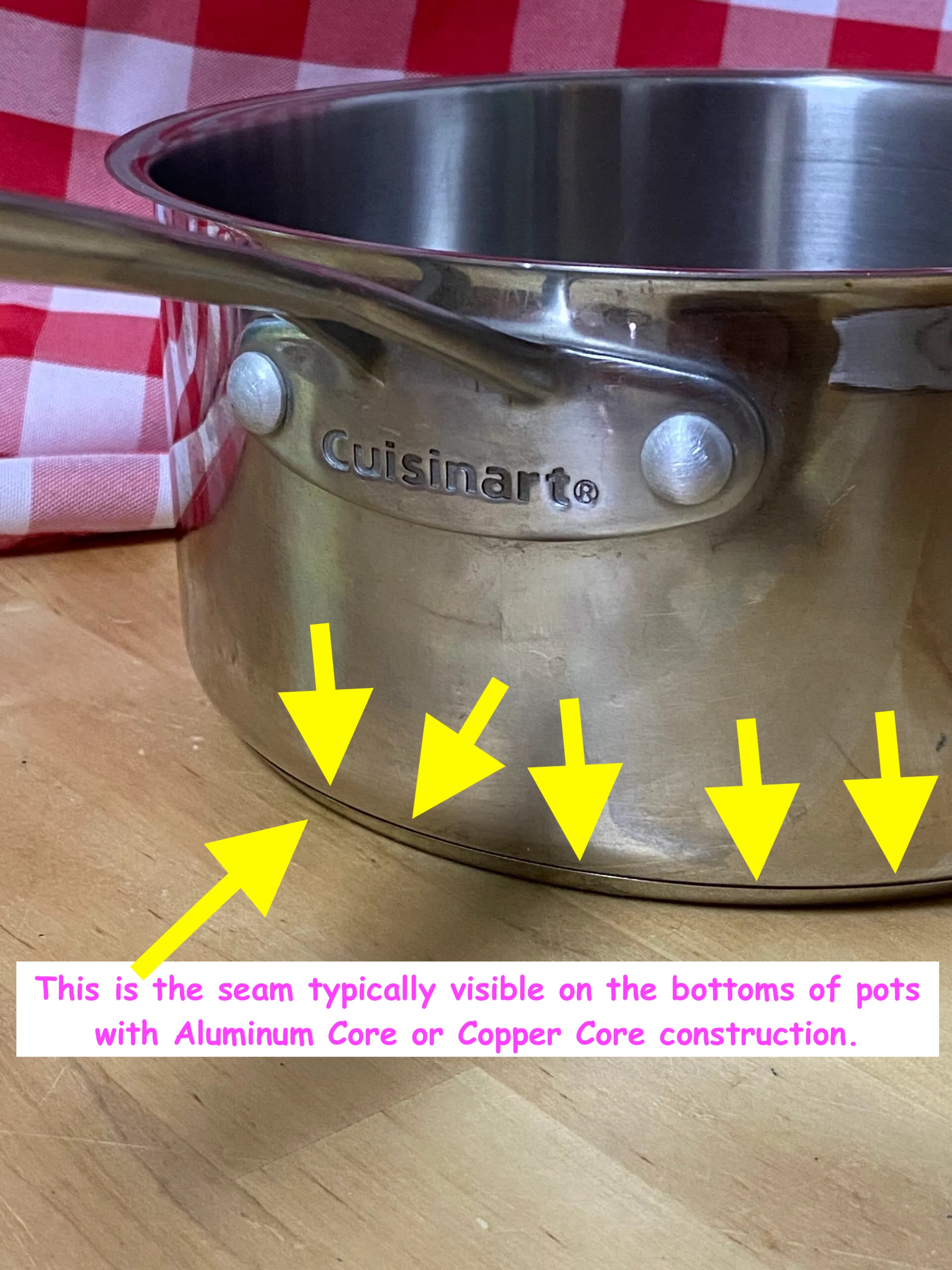
Stainless downsides: - Poor heat conduction unless bonded with an aluminum or copper core.
- Food can stick on plain stainless without enough oil or heat control.
Care tips that improve safety:
- Avoid metal scouring on anodized surfaces to prevent damage.
- Use wooden or silicone tools on nonstick or anodized pans.
- Clean stainless with mild abrasives and polish gently to keep the passive oxide layer intact.
Choosing cookware for safety and daily use
Think about what you cook most and how you care for pans. That helps you pick the safest and most useful option.
Questions to guide choice:
- Do you cook a lot of tomato sauces or citrus dishes? Choose stainless or anodized aluminum.
- Do you sear meats at high heat often? Use heavy stainless with an aluminum core or carbon steel.
- Do you prefer low weight and quick heating? High-quality anodized aluminum or clad stainless with aluminum core is a good match.
Practical buying checklist:
- Look for anodized aluminum if you want lightweight and low reactivity.
- Choose multi-ply stainless steel with an aluminum core for best balance of safety and heat control.
- Check manufacturer care instructions and warranty. Good brands document composition and safety testing.
- Avoid cheap, thin plain aluminum for acidic cooking or long-term storage.
Personal experience, mistakes to avoid, and pro tips
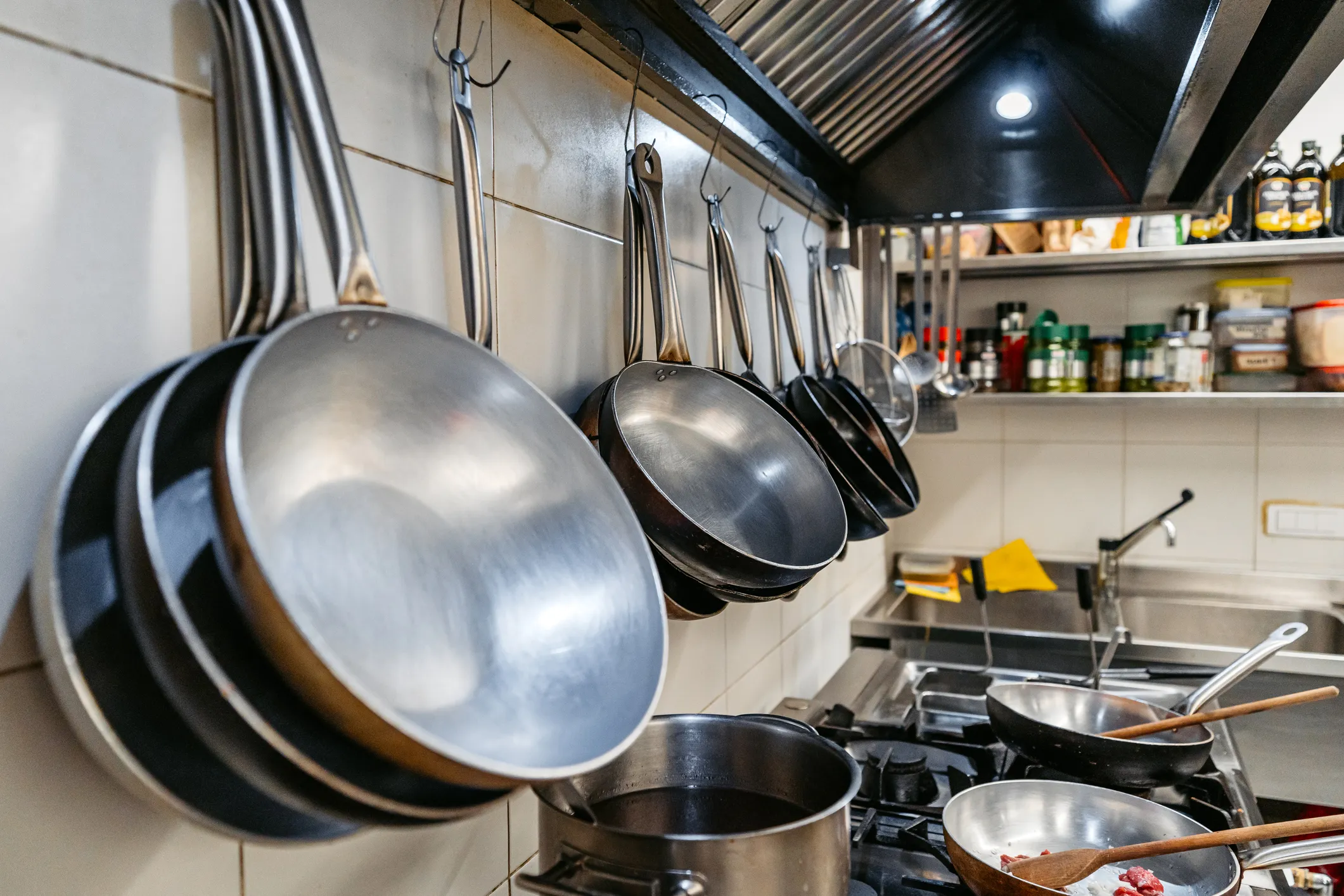
I used plain aluminum pans for years and learned the hard way that tomato sauce left overnight tastes metallic and can darken the pan. Switching to anodized and clad stainless fixed that issue.
- Don’t store acidic food in aluminum. Use glass or stainless containers instead.
- Preheat stainless pans properly to reduce sticking. A drop of water should dance before you add oil.
- If a pan develops pitting or rough spots, replace it. Damaged surfaces raise the chance of metal transfer.
Simple kitchen rules I follow:
- Use stainless for sauces and long-simmer dishes.
- Use anodized aluminum for eggs, pancakes, and fast sautés.
- Hand-wash expensive pans and dry them right away to keep surfaces intact.
These habits kept my pans safe and extended their life. They also made cooking easier and cleaner.
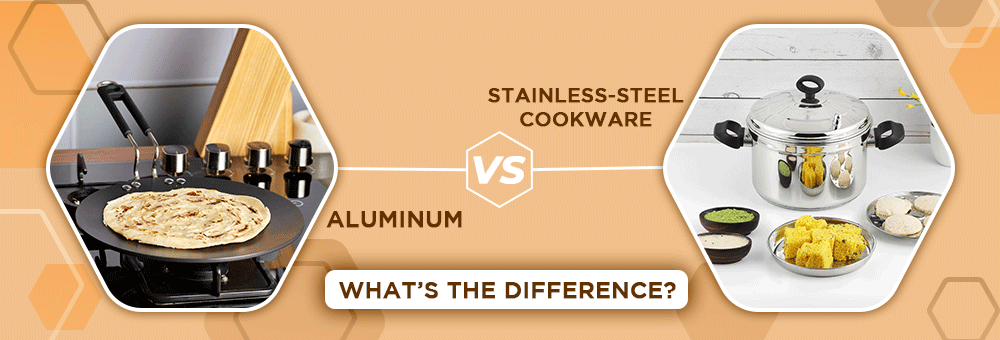
Frequently Asked Questions of aluminum vs stainless steel cookware safety
Is aluminum cookware toxic?
Plain aluminum can leach small amounts into food with acidic or long cooking times. Anodized or clad aluminum greatly reduces leaching and is considered safe for everyday cooking.
Can stainless steel release metals into food?
Stainless steel can release trace amounts of nickel or chromium under extreme conditions or with acidic foods, but releases are usually very low and safe for most people.
Is anodized aluminum safe to cook with?
Yes. Anodized aluminum has a hardened, nonreactive surface that lowers metal transfer and stands up well to regular use.
Should people with nickel allergies avoid stainless steel?
Some people with strong nickel allergy may react to certain stainless grades. Choosing low-nickel options or using coated cookware can reduce symptoms.
Is aluminum better for heat than stainless steel?
Aluminum conducts heat faster than stainless. For even heating with stainless, choose multi-ply cookware that has an aluminum core.
Can I store food in stainless steel or aluminum pans?
Storing acidic food in aluminum is not recommended. Stainless steel is safer for short-term storage, but glass or food-grade plastic containers are best for long-term storage.
Conclusion
Both metals can be safe when chosen and used wisely. Stainless steel offers nonreactive durability. Anodized aluminum gives fast, light cooking with low leaching. Choose based on the foods you cook, your sensitivity to metals, and how you care for pans. Try combining types: use stainless for sauces and anodized aluminum for quick sautés to get the best of both worlds. Take one small step today: check your most-used pan and apply the relevant care tip above. If you found this helpful, share your experience or ask a question below.