Heat a thin layer of high-smoke-point oil, heat the pan until it shimmers, then wipe clean.
I’ve spent years testing cookware in home kitchens and small restaurants, so I know how to season stainless steel cookware to cut sticking and make cleanup easier. This guide shows clear, step-by-step methods, practical tips, and real-world mistakes to avoid so you can season stainless steel cookware with confidence and get better results every time.
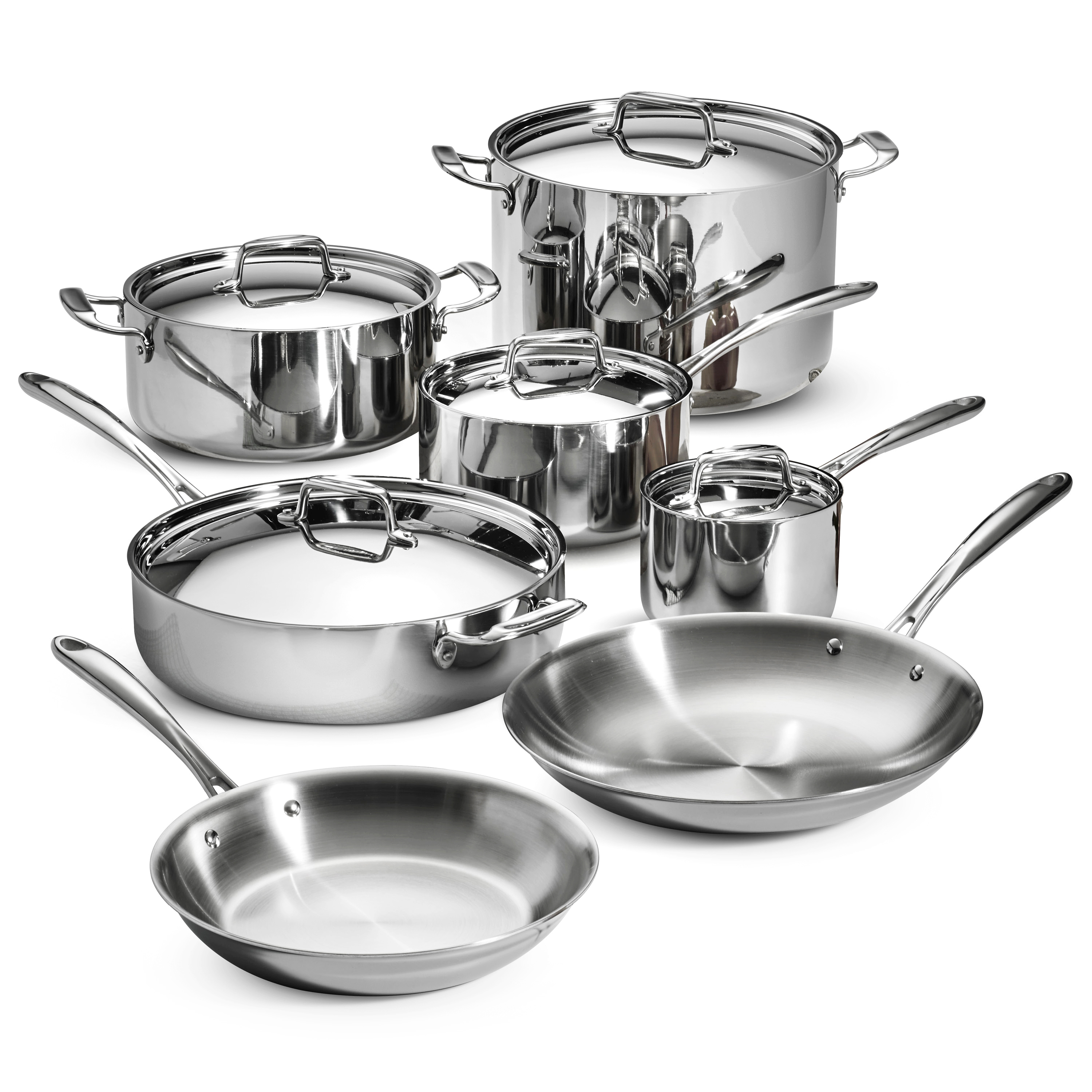
Why season stainless steel cookware?
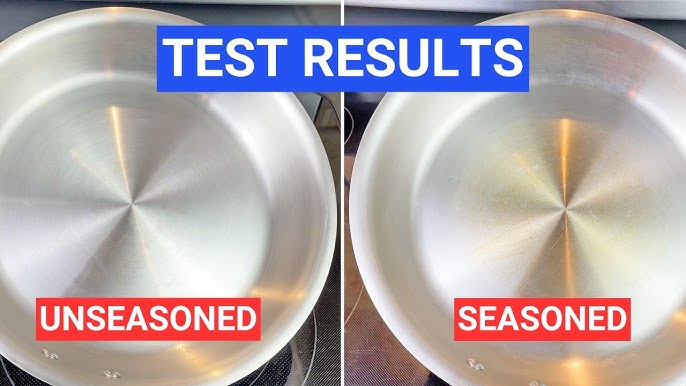
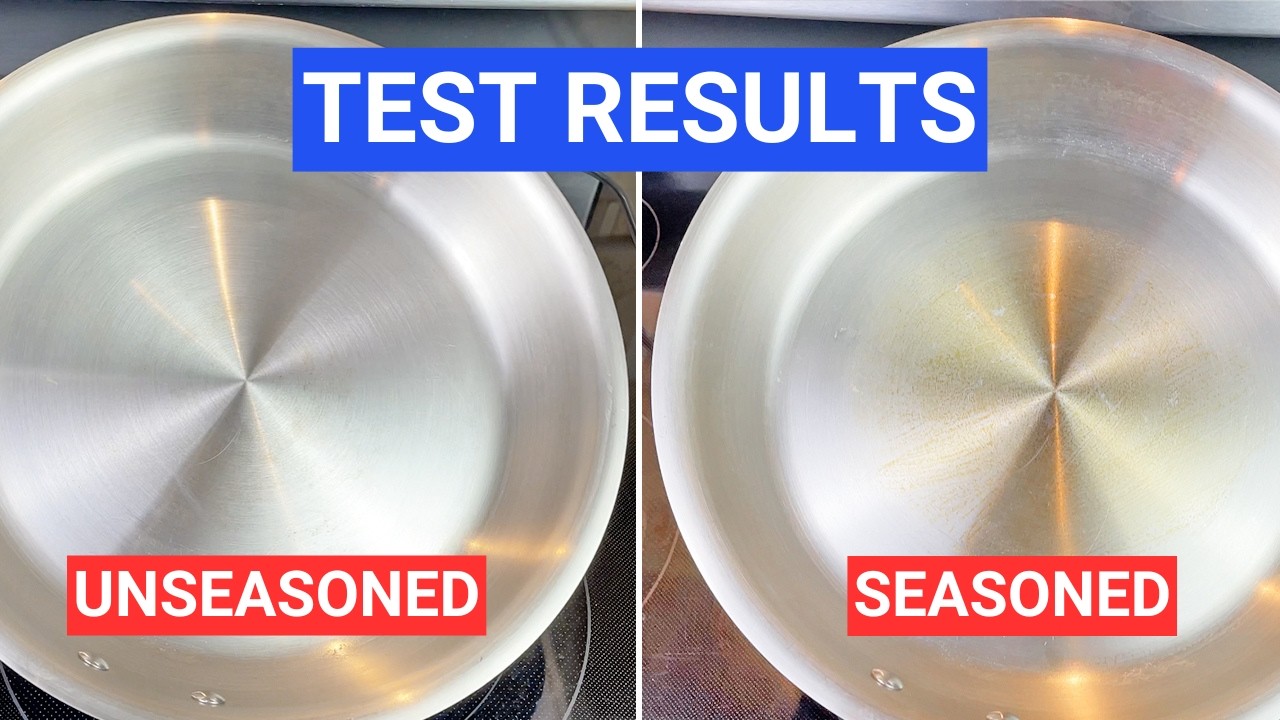
Seasoning stainless steel cookware builds a thin, polymerized oil layer that helps food release and improves browning. It is not the same as nonstick coatings, but it reduces sticking and protects the pan. Seasoning can also make cleanup easier and slow discoloration from foods. Learning how to season stainless steel cookware gives you more control over searing, frying, and everyday cooking.
What you need before you start
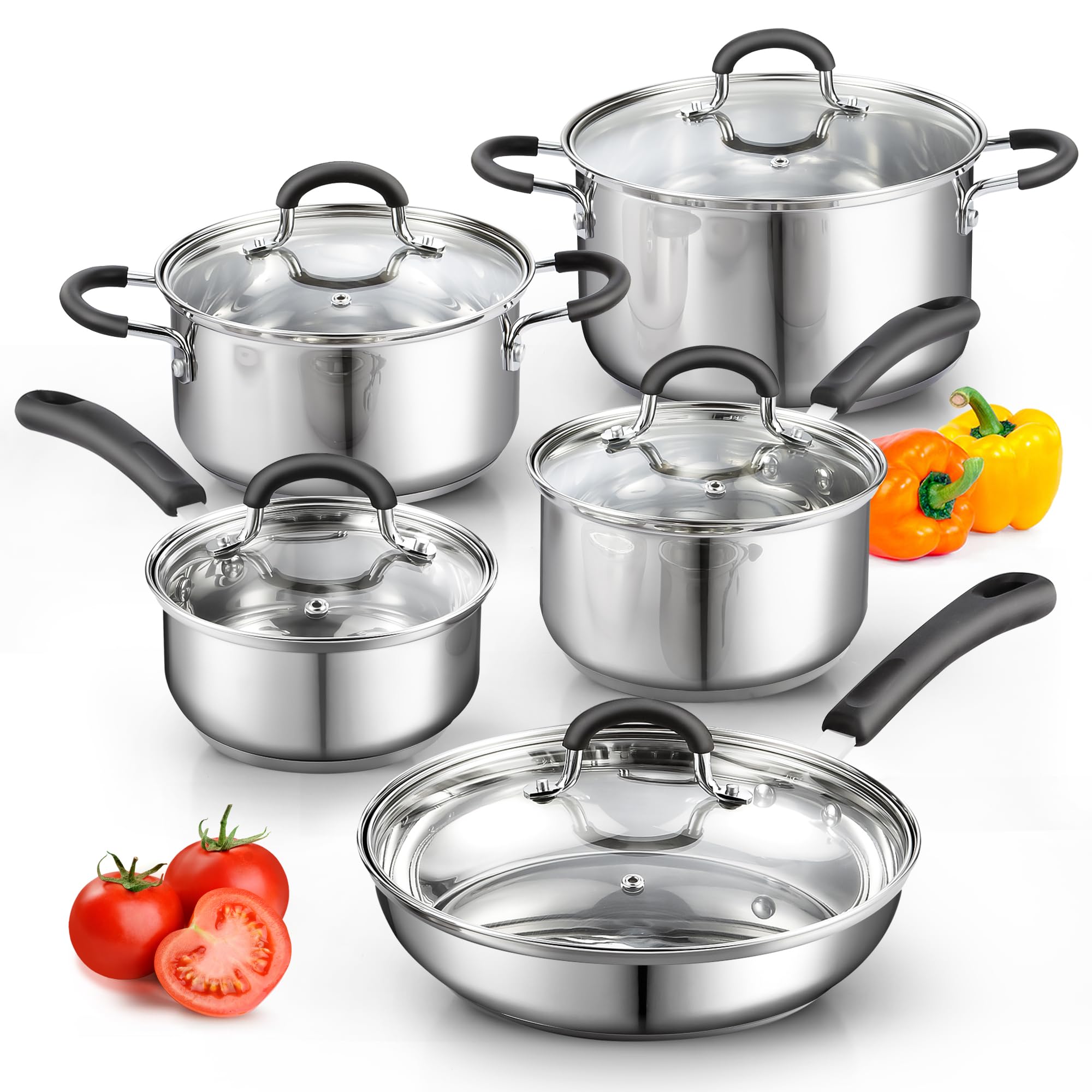
A few simple tools and the right oil make this easy and repeatable. Gather your pan, a heat source, a high-smoke-point oil, a paper towel or lint-free cloth, tongs, and good ventilation. Choose oils like refined avocado oil, grapeseed oil, or refined peanut oil because they polymerize cleanly at high heat. Knowing how to season stainless steel cookware means using the right tools from the start to avoid smoke and sticky results.
Step-by-step: how to season stainless steel cookware
Follow these numbered steps for consistent results. Keep each step short and steady.
- Clean the pan
- Wash with hot, soapy water to remove factory oils and dust.
- Rinse well and dry completely with a towel or low heat on the stove.
- Heat the pan gently
- Place the dry pan on medium heat for 1–2 minutes until it’s warm.
- A few drops of water should bead and dance across the surface.
- Add a thin layer of oil
- Pour about 1 teaspoon to 1 tablespoon of your chosen oil in the center.
- Use a paper towel and tongs to spread oil in a thin, even coat across the bottom and sides.
- Bring oil to smoking point
- Raise heat to medium-high until the oil shimmers and just starts to smoke.
- Let it smoke for 30–60 seconds; this helps polymerize the oil into a stable layer.
- Cool and wipe
- Remove from heat and let cool until comfortable to touch.
- Wipe the surface with a clean paper towel to remove excess oil.
- Repeat for a stronger layer
- For a more durable finish, repeat steps 3–5 two or three times.
- Test by frying an egg; if it releases easily, your seasoning is effective.
These steps show precisely how to season stainless steel cookware so the surface gains practical nonstick-like benefits without chemical coatings.
Best oils and heat settings
Pick oils with a high smoke point to avoid burnt residue. Refined avocado oil (smoke point 520°F), grapeseed oil (420°F), and refined safflower or sunflower oils work well. Avoid butter, olive oil, or unrefined oils for seasoning since they smoke and leave sticky films. Use medium to medium-high heat so the oil polymerizes but does not burn violently. Proper heat control is key to how to season stainless steel cookware successfully.
Troubleshooting common problems
If the layer is uneven, sticky, or brittle, small fixes can help. Sticky residue usually means the oil layer was too thick or the wrong oil was used; clean with hot soapy water and start again with a thinner coat. If food still sticks, re-season with two light coats rather than one heavy coat. For dark spots or uneven color, scrub gently with a paste of baking soda and water, then re-season. Understanding these fixes helps maintain how to season stainless steel cookware long-term.
Maintenance: care after seasoning
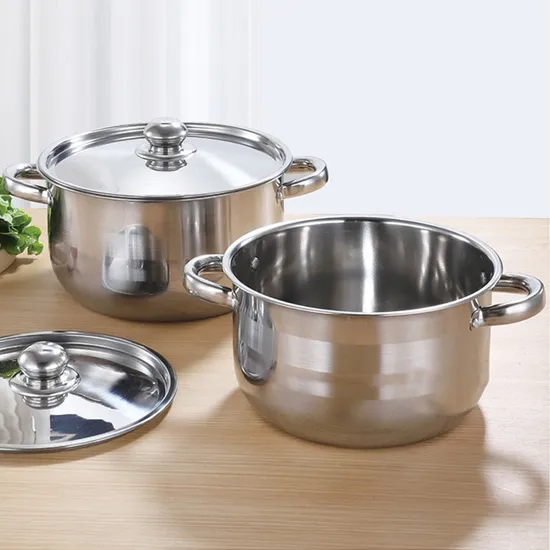
Treat seasoned stainless steel like a finished pan, but adapt cleaning methods. Clean with hot water and a soft sponge. For stuck food, add warm water and simmer briefly to loosen bits. Avoid harsh steel wool that removes the polymerized layer; a nylon scrubber is fine. Re-season lightly after deep scrubbing or if food starts sticking. Regular care keeps the benefits of how to season stainless steel cookware intact.
My experience and lessons learned
I once tried to speed up seasoning by adding lots of oil. It left a gummy finish that required full stripping. The lesson: thin coats are better than thick ones. I also learned that pans with mirror finishes take longer to show benefits, but they respond the same to repeated light coats. Try small test pans first. These personal trials taught me practical tips for how to season stainless steel cookware without wasting time.
Quick PAA-style questions
How long does it take to season a stainless steel pan?
A basic seasoning takes about 10–15 minutes, including cleaning and up to three short oil-heating cycles. Full durability improves after repeated use and occasional re-seasoning.
Can I use olive oil to season stainless steel?
Avoid olive oil. Its low smoke point can burn and leave sticky residue. Use refined oils with higher smoke points instead.
Will seasoning change my pan’s appearance?
Seasoning may darken the cooking surface slightly. The change is normal and reflects a thin, protective polymer layer.
Frequently Asked Questions of how to season stainless steel cookware
How often should I season stainless steel cookware?
Season once after deep cleaning and then as needed when food starts to stick; many cooks re-season every few months of regular use.
Will seasoning make stainless steel nonstick?
Seasoning reduces sticking but does not create the same nonstick level as Teflon. It helps sear and release food better than bare steel.
Can I use my oven to season stainless steel cookware?
Yes. Heat the pan in a 400–450°F oven with a light oil coat for 10–20 minutes, but watch smoke and ventilate well.
How do I remove a bad seasoning layer?
Use hot soapy water and a scrub pad or a paste of baking soda and water. For persistent buildup, use a vinegar soak or a commercial cleaner, then re-season.
Is seasoning safe for food?
Yes. Proper polymerized oil layers are food-safe. Use high-smoke-point oils and allow the oil to polymerize fully before cooking.
Conclusion
Seasoning stainless steel cookware is a simple skill that improves cooking and cleaning. Use thin coats of high-smoke-point oil, control heat, and repeat cycles for a stable layer. If you make mistakes, clean and try again—seasoning is cheap and forgiving. Try seasoning one pan this week and notice the difference in sticking and browning. Share your results, ask questions, or subscribe for more practical cookware tips.