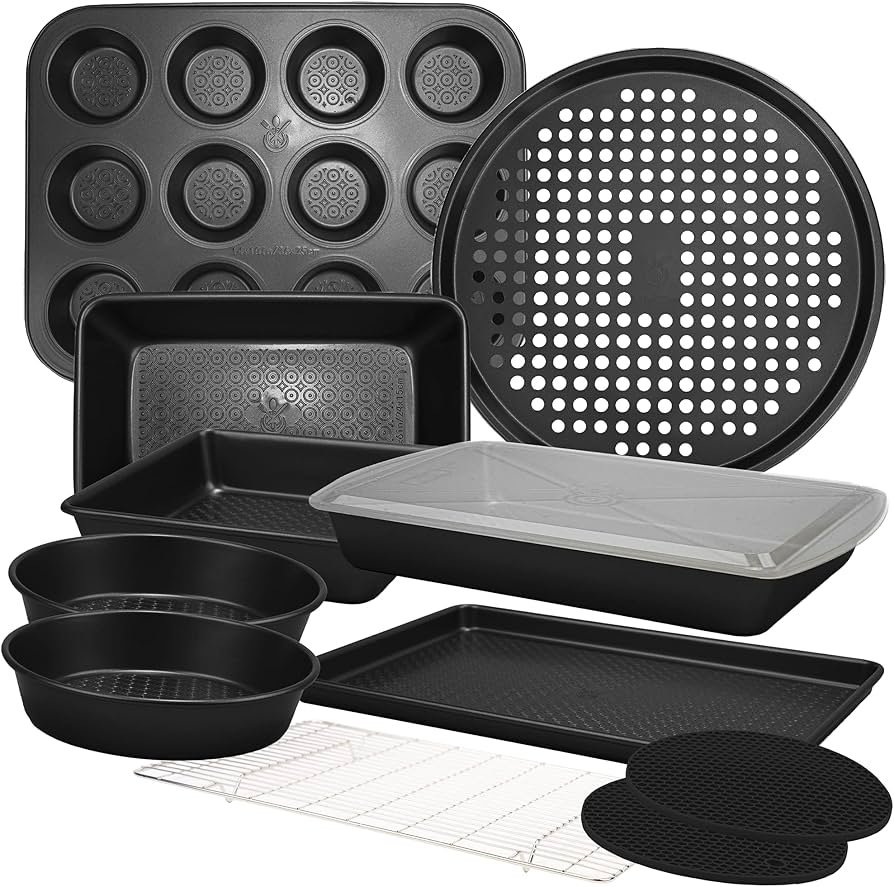
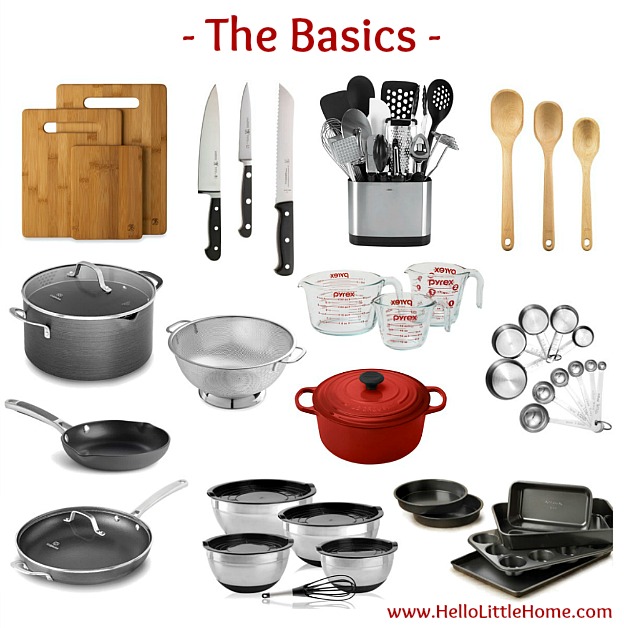
A basic set: a skillet, saucepan, stockpot, baking sheet, and good knives.
I’ve spent years cooking in small apartments and test kitchens. I know what a new cook needs. This cookware essentials list for new kitchen will guide you from one-pot meals to baking. You’ll get clear picks, material pros and cons, care tips, and budget advice. Read on and you’ll save time, money, and a lot of guesswork.
Core cookware essentials every new kitchen needs
Start with the basics. These items cover most meals and save space. Below is a simple, practical cookware essentials list for new kitchen that fits most lifestyles.
- Frying pan (10–12 inch) — for eggs, searing, and stir-fries.
- Saucepan (2–3 quart) — for sauces, grains, and small stews.
- Stockpot (6–8 quart) — for soups, pasta, and boiling.
- Dutch oven (4–6 quart) — for braises, bread, and casseroles.
- Baking sheet (rimmed) — for roasting, cookies, and sheet-pan dinners.
- Baking dish (9×13 or similar) — for casseroles and oven meals.
- Mixing bowls (set of 3) — for prep, salads, and marinating.
- Good chef’s knife (8 inch) — the most used tool in the kitchen.
- Paring knife — for small jobs and peeling.
- Cutting board (wood or plastic) — durable and safe.
- Measuring cups and spoons — for accuracy in recipes.
- Colander — for draining pasta and rinsing produce.
- Tongs, wooden spoons, and spatula — for cooking and serving.
- Can opener and peeler — small tools that make a big difference.
- Oven mitts and trivets — for safety when handling hot cookware.
This cookware essentials list for new kitchen gives you coverage for most recipes. Start small and add specialty pieces later.
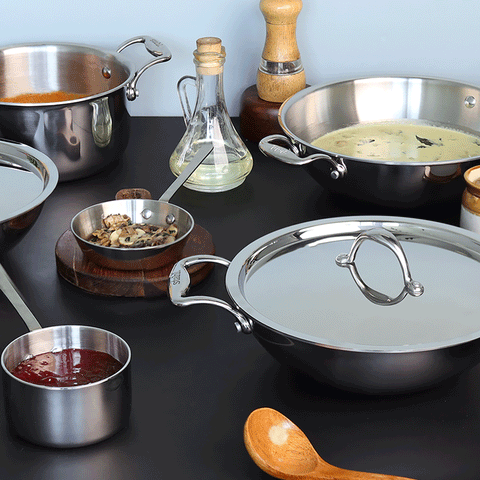
Pots and pans breakdown: which sizes and why
Choose sizes that match how you cook. The right size saves space and heat.
- Frying pan 10–12 inch
- Use for: eggs, pancakes, searing meat, stir-fry.
- Tip: a 10-inch handles most tasks. Get 12-inch if you cook for 3+ people.
- Saucepan 2–3 quart
- Use for: sauces, rice, reheating soup.
- Tip: a lid is essential for simmering and steaming.
- Sauté pan 3–5 quart
- Use for: sauces, pan sauces, browning with higher sides.
- Tip: straight sides help when making pan sauces.
- Stockpot 6–8 quart
- Use for: soups, pasta, boiling vegetables.
- Tip: larger pots are handy for batch cooking.
- Dutch oven 4–6 quart
- Use for: slow-cooked stews, roasting, baking bread.
- Tip: cast iron enamel works on stovetop and in oven.
This cookware essentials list for new kitchen focuses on practical size choices. Pick one versatile piece in each category and you’ll be able to cook most recipes.
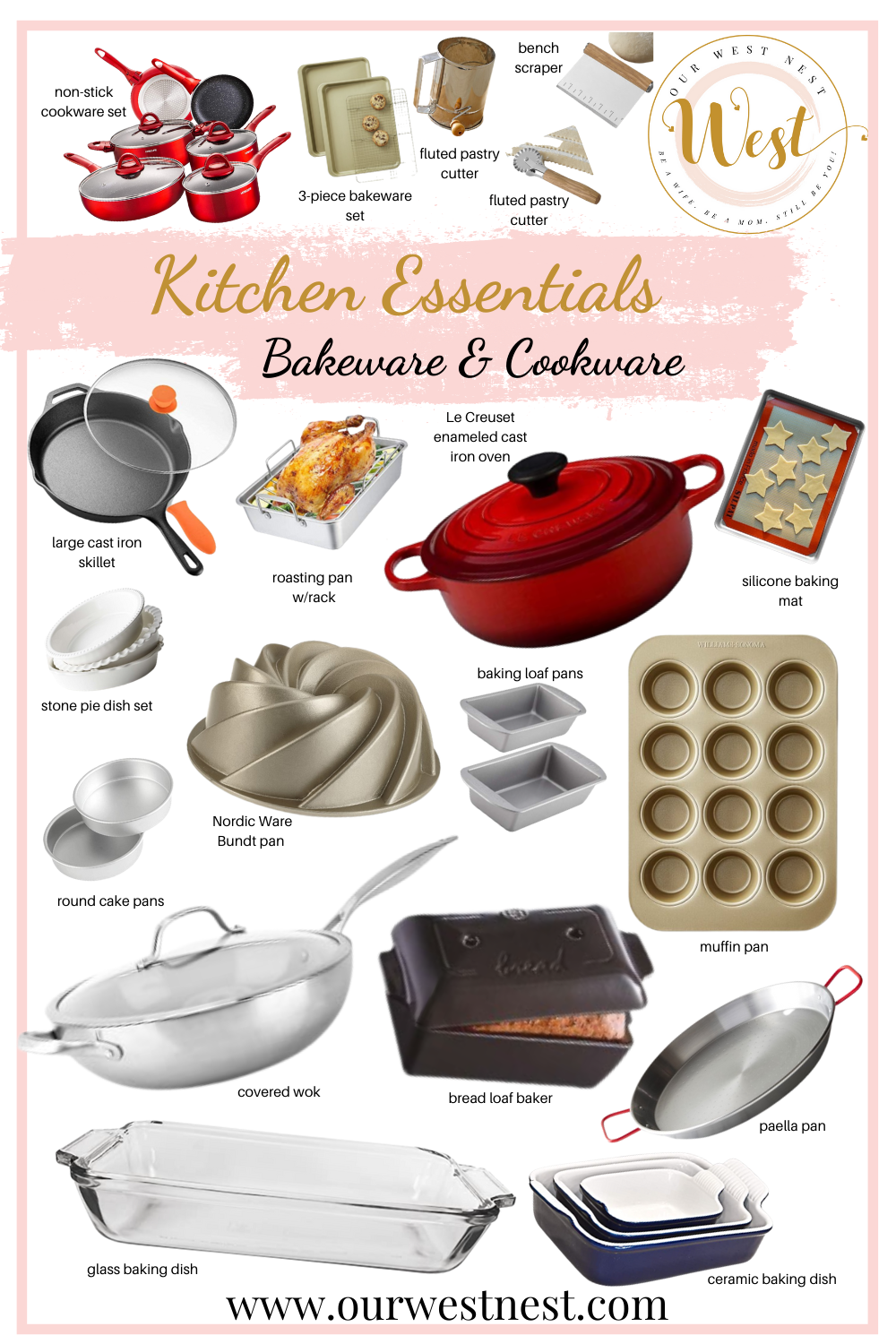
Bakeware, essential tools, and gadgets
You don’t need a crowded drawer to be functional. Choose quality over quantity.
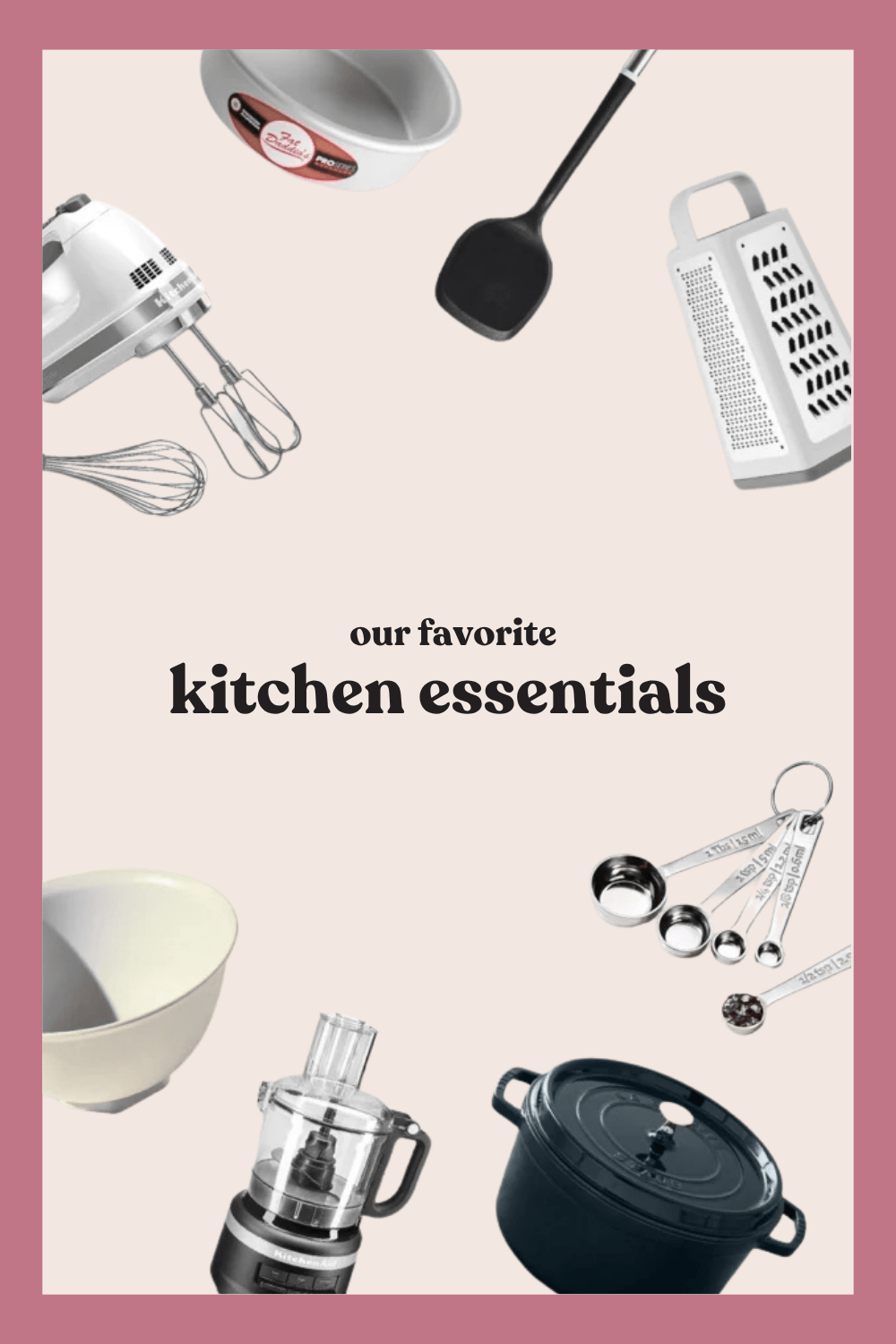
- Rimmed baking sheet (half-sheet) — multipurpose for roasting and baking.
- 9×13 baking dish — casseroles, lasagna, and brownies.
- Loaf pan — bread and meatloaf.
- Muffin pan — muffins and mini quiches.
- Cooling rack — prevents soggy bottoms.
- Whisk and mixing spoons — simple, durable tools.
- Silicone spatula — flexible and heat resistant.
- Box grater — for cheese, zest, and vegetables.
- Kitchen timer — helps with consistent results.
This cookware essentials list for new kitchen includes items that support both stovetop and oven cooking. You’ll be surprised how often you use a good baking sheet.
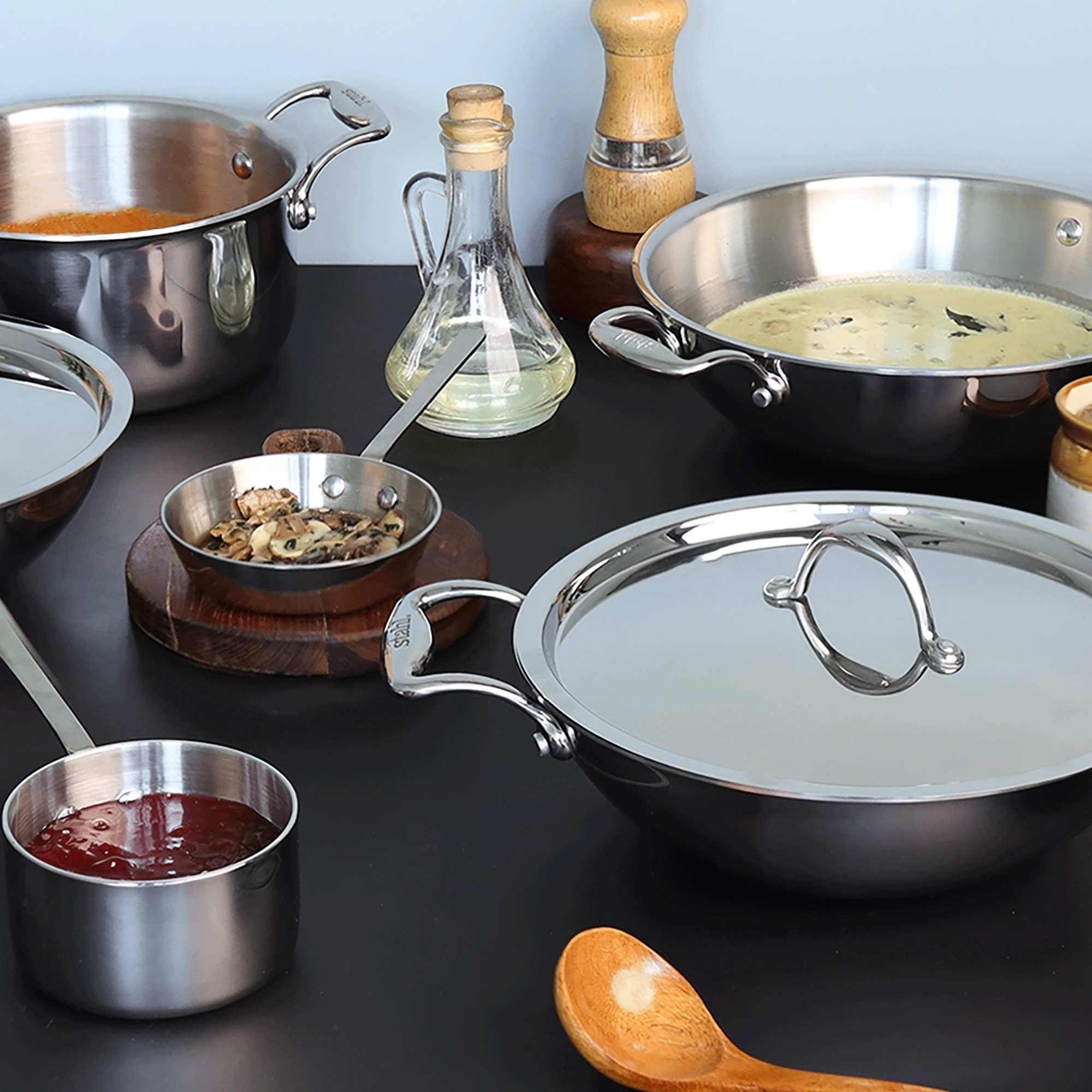
Cookware materials guide: pros and cons
Material affects cooking, care, and price. Know these basics to make smart picks.
- Stainless steel
- Pros: durable, non-reactive, works well for browning.
- Cons: can stick without enough fat; heat spots on thin pans.
- Nonstick (PTFE)
- Pros: easy release, great for eggs and low-fat cooking.
- Cons: can wear over time; avoid high heat and metal tools.
- Cast iron (seasoned)
- Pros: great heat retention and natural nonstick when seasoned.
- Cons: heavy and needs drying to avoid rust.
- Enameled cast iron
- Pros: no seasoning; great for braises and oven use.
- Cons: heavy and costly.
- Hard-anodized aluminum
- Pros: light, durable, and often nonstick-friendly.
- Cons: usually not oven-safe to very high temps.
- Copper
- Pros: fastest, most precise heat control.
- Cons: expensive and reactive unless lined.
When building your cookware essentials list for new kitchen, mix materials. Use stainless for searing, nonstick for eggs, and cast iron for long cooks.
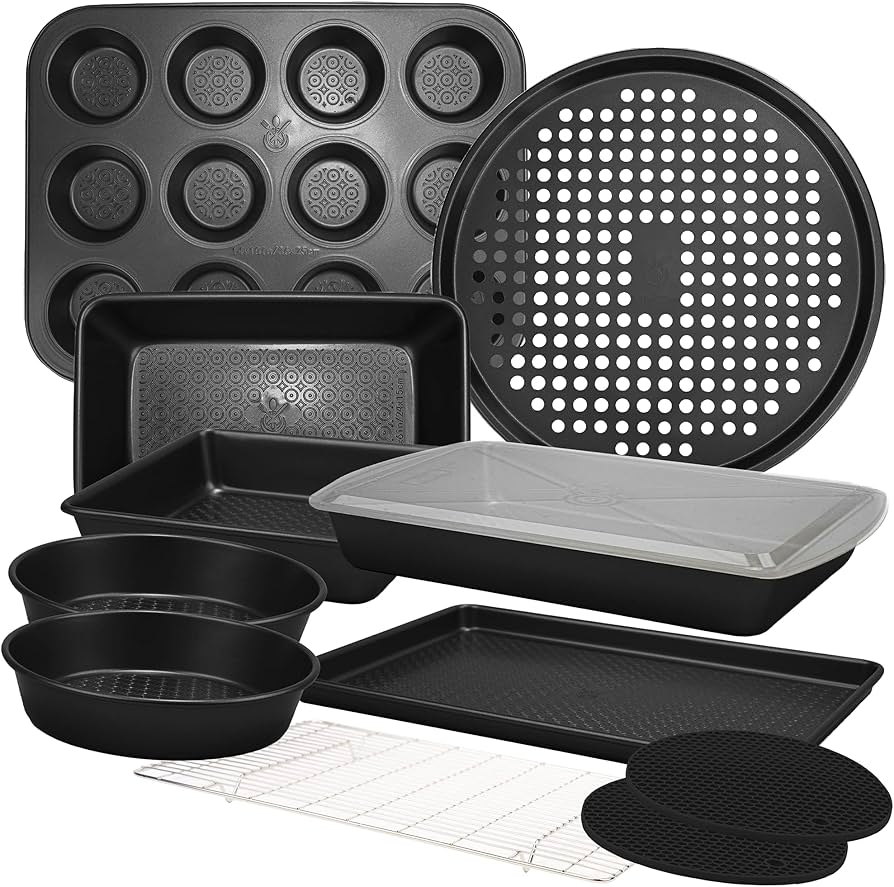
Care, maintenance, and safety tips
Good care makes cookware last. Follow basic rules for safety and longevity.
- Clean right away when possible to avoid stains.
- For stainless steel, use a gentle scourer for stuck food.
- Season cast iron regularly and dry it after washing.
- Don’t cook on high heat with nonstick pans.
- Use wood or silicone tools to protect surfaces.
- Store lids separately or stack pans with liners to avoid scratches.
- Check handles and rivets periodically for safety.
I learned early to treat my cookware well. A simple routine of cleaning and drying lengthened the life of my tools. This is the practical side of any cookware essentials list for new kitchen.
Shopping and budget tips: what to buy now and later
Buy smart and avoid clutter. A few rules help.
- Start with the core set from the cookware essentials list for new kitchen.
- Buy a good chef’s knife first. It improves prep speed and safety.
- Consider one higher-end item you’ll use daily, like a Dutch oven or skillet.
- Avoid cheap nonstick that flakes quickly.
- Look for lifetime warranties on stainless sets if budget allows.
- Thrift stores and outlet sales often have quality pieces at low cost.
Quick questions you might ask:
- Do I need a full set?
- No. A mix-and-match approach often works best. Buy the key pieces first.
- Should I splurge on cookware?
- Spend more on items you will use daily, like a skillet or Dutch oven.
- Is weight important?
- Yes. Heavy pans hold heat well; light pans heat fast and are easier to handle.
These tips will help you build a practical cookware essentials list for new kitchen without overspending.
How to build your cookware essentials list for new kitchen over time
A phased plan keeps your kitchen functional and budget-friendly.
- Phase 1 — First month:
- Buy frying pan, saucepan, chef’s knife, cutting board, baking sheet.
- Phase 2 — Next 3–6 months:
- Add stockpot, Dutch oven, mixing bowls, measuring tools.
- Phase 3 — 6–12 months:
- Add specialty items like a sauté pan, loaf pan, or a splurge piece.
- Replace and upgrade slowly as you learn what you use most.
From experience, buying one great pan beats owning many poor ones. This staged approach builds a sensible cookware essentials list for new kitchen over time.
Frequently Asked Questions of cookware essentials list for new kitchen
What is the absolute minimum cookware for a new kitchen?
A 10-inch frying pan, 2–3 quart saucepan with lid, and a 6–8 quart stockpot cover most needs. Add a chef’s knife and cutting board for food prep.
Should I buy a cookware set or individual pieces?
Buy individual pieces to match your cooking style and avoid duplicates. Sets can be tempting, but they often include items you will never use.
How do I choose between stainless steel and nonstick?
Use stainless steel for browning and deglazing. Use nonstick for eggs and delicate foods. Both together cover most cooking tasks.
How often should I replace nonstick pans?
Replace nonstick pans when the coating is scratched or flaking. That usually happens after 2–5 years depending on use and care.
Is cast iron worth it for a new cook?
Yes. Cast iron is versatile and long-lasting. It can be heavy, but it improves with age and regular use.
Can I use metal utensils on stainless steel?
Yes, stainless steel tolerates metal tools, though softer utensils help maintain appearance over time. Avoid metal on nonstick surfaces.
Conclusion
Build a practical cookware essentials list for new kitchen one piece at a time. Start with a skillet, saucepan, stockpot, and a few tools. Mix materials to match your favorite recipes and care for pieces to make them last. Take action today: pick one missing item, buy well, and try a new recipe this week. Share your progress or ask a question in the comments — I’d love to help you pick the next tool.