Use soft tools, gentle cleaners, and smart storage to prevent scratches on cookware.
I’ve spent years testing pans and talking with chefs and home cooks about care. This guide on how to prevent scratches on cookware packs clear, practical steps you can use today. I cover why scratches form, how different materials react, daily habits, tools to buy, storage tips, quick fixes, common mistakes, and short answers to common questions. Read on to keep your pots and pans looking and cooking their best.
Why cookware gets scratched
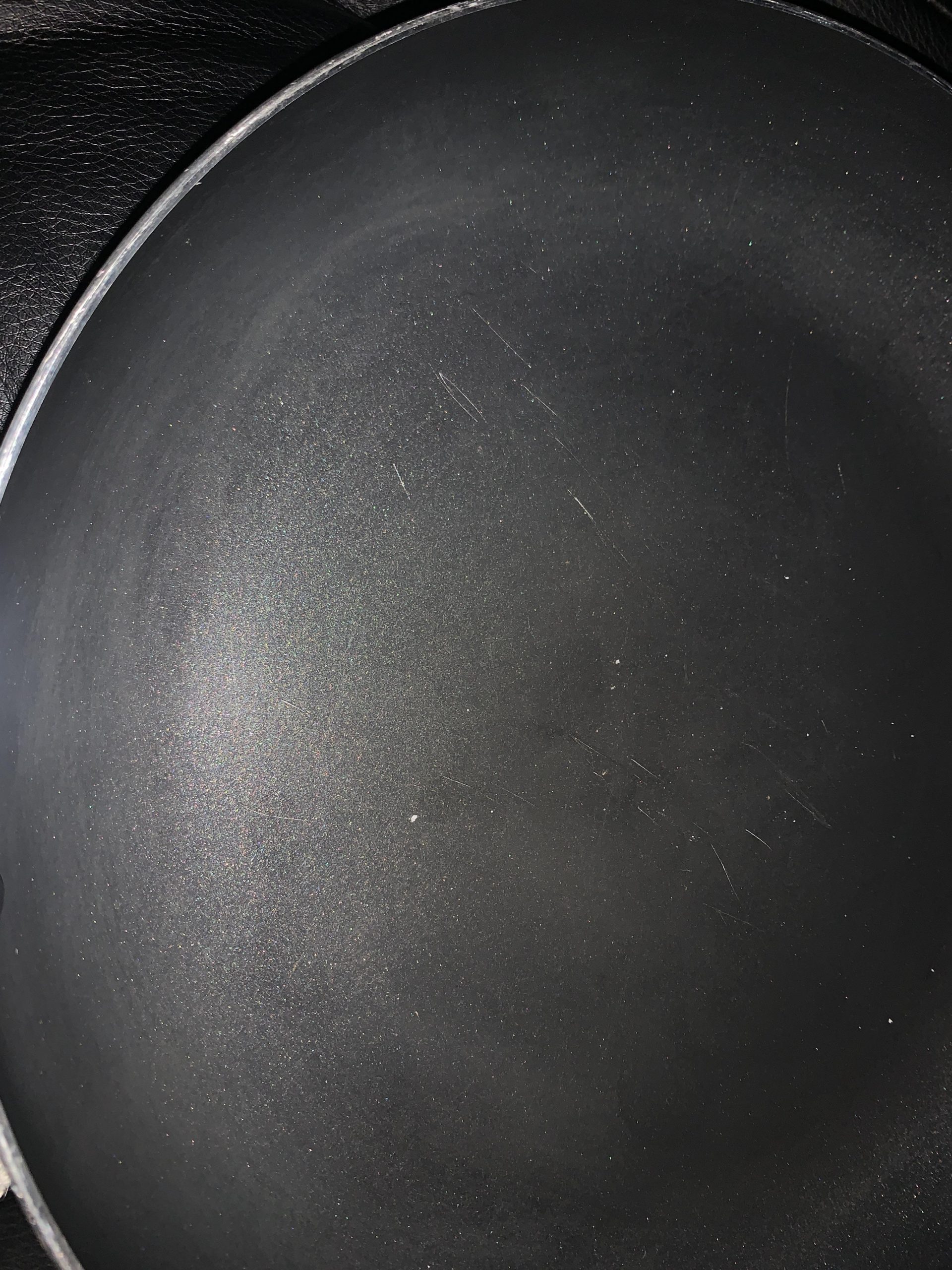
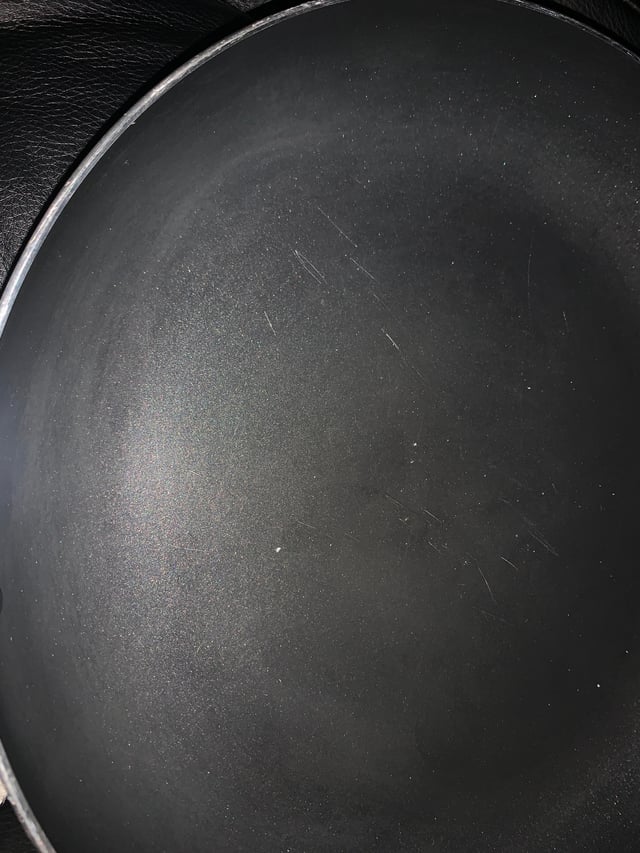
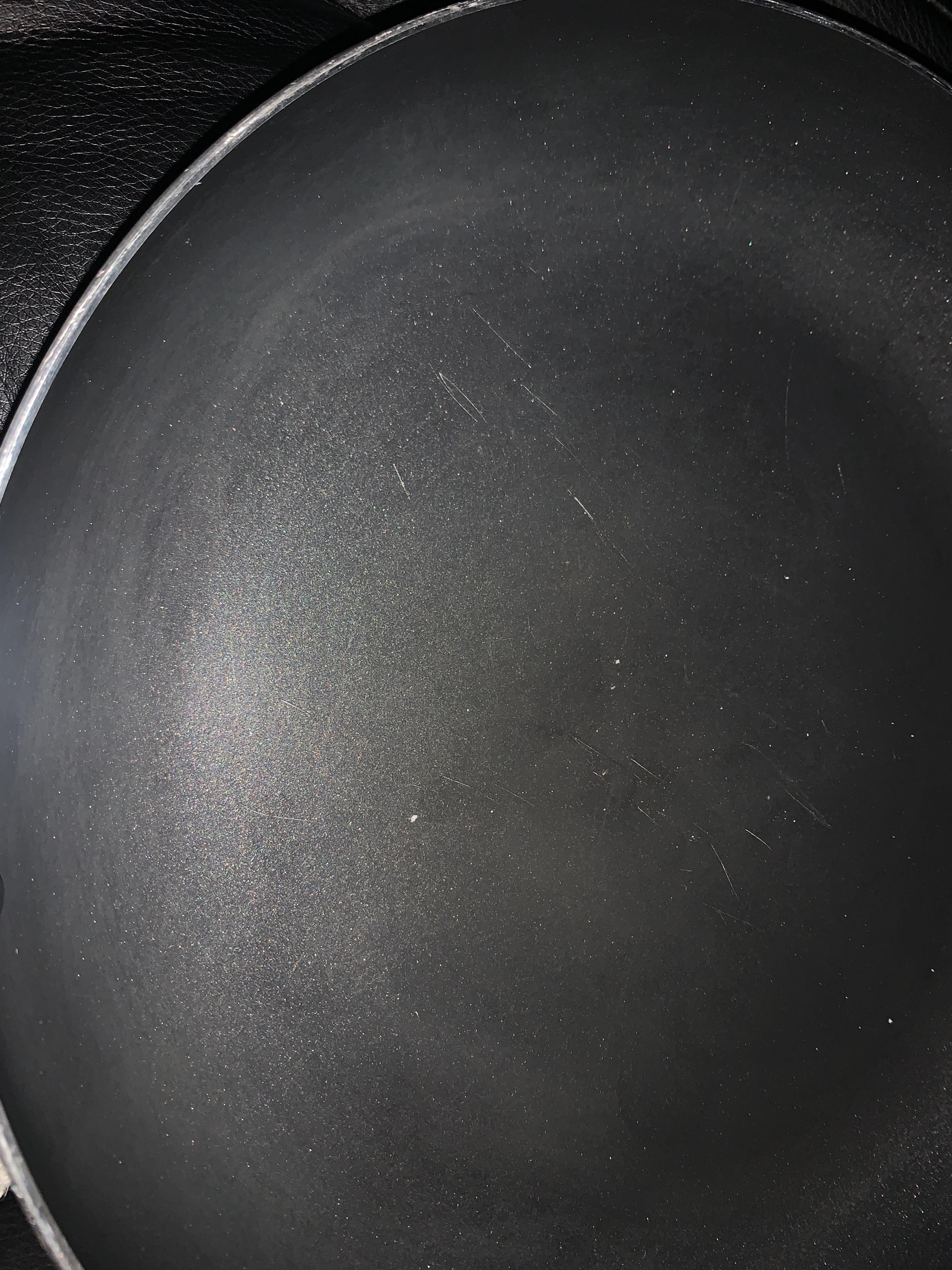
Scratches form when a harder surface rubs a softer finish. Metal utensils, stacked pans, abrasive cleaners, and rough scrubbers are common causes. Heat can also weaken coatings so they chip more easily. Knowing the root causes helps you stop damage before it starts.
Key causes
- Metal-on-coating contact that digs into nonstick or enamel.
- Rough scrubbing or steel wool that abrades finishes.
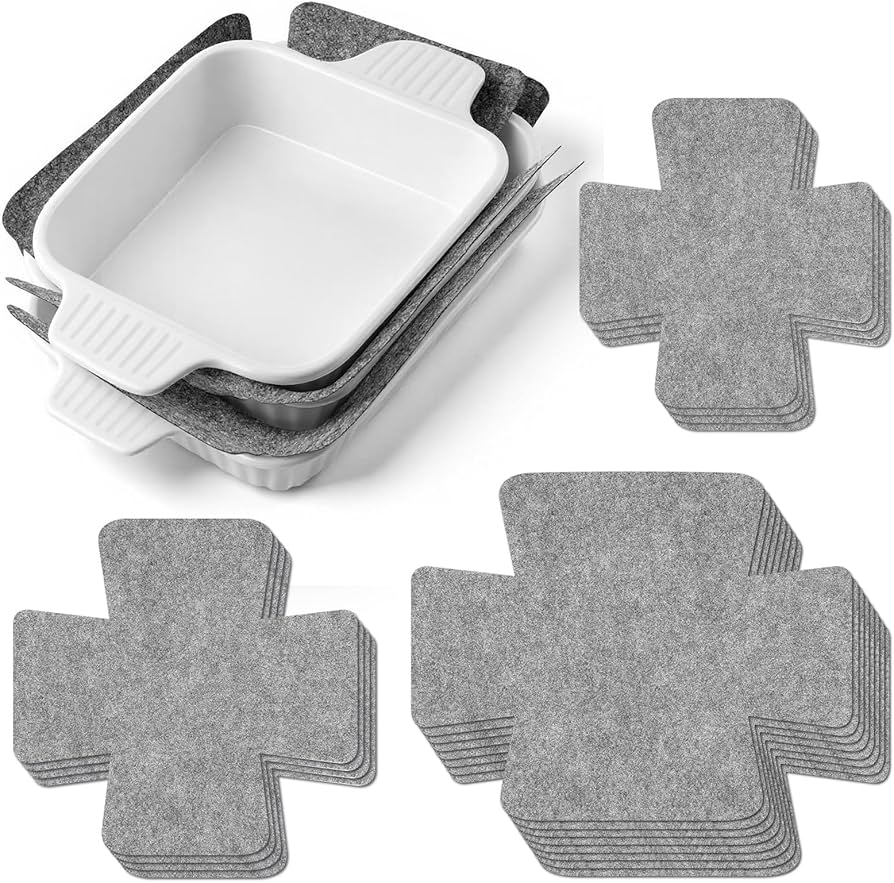
- Stacking pots without protection that rub against each other.
- High heat or thermal shock that weakens finishes over time.
What scratch damage does
- Reduces nonstick performance and food release.
- Allows food to stick, which makes cleaning harder.
- Exposes base metal, which can rust or discolor.
- Shortens the life of the cookware and hurts resale value.
Know your cookware materials
Different materials scratch in different ways. Match care to the material to protect the finish.
Common materials and notes
- Nonstick (PTFE or ceramic): Very easy to scratch with metal tools. Use soft tools and low abrasive cleaners.
- Stainless steel: Hard and scratch resistant, but shows metal marks and wears if scoured with abrasive pads.
- Cast iron and carbon steel: Can develop scratches or pits if rust forms. Seasoning fills micro-scratches.
- Enameled cookware: Chip or scratch at edges if hit. Avoid stacking without cushions.
- Copper: Soft and marks easily. Polishing can hide fine scratches but won’t fix deep ones.
How material affects prevention
- Harder metals tolerate metal utensils better. Still, small scratches add up.
- Coated surfaces need the gentlest care. Treat them like glass.
Daily habits to prevent scratches on cookware
Small daily choices add up. Use these habits to keep pans scratch-free.
Safe utensil choices
- Use wooden, silicone, or nylon spoons and spatulas when using nonstick or enameled pans.
- Reserve metal spatulas for stainless steel pans only.
Routine handling tips
- Lift pans instead of dragging them across metal racks or burners.
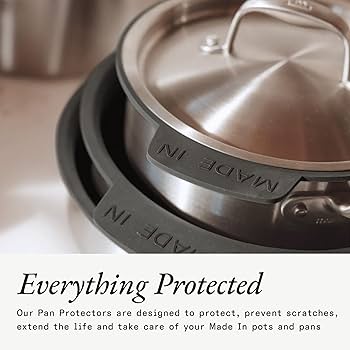
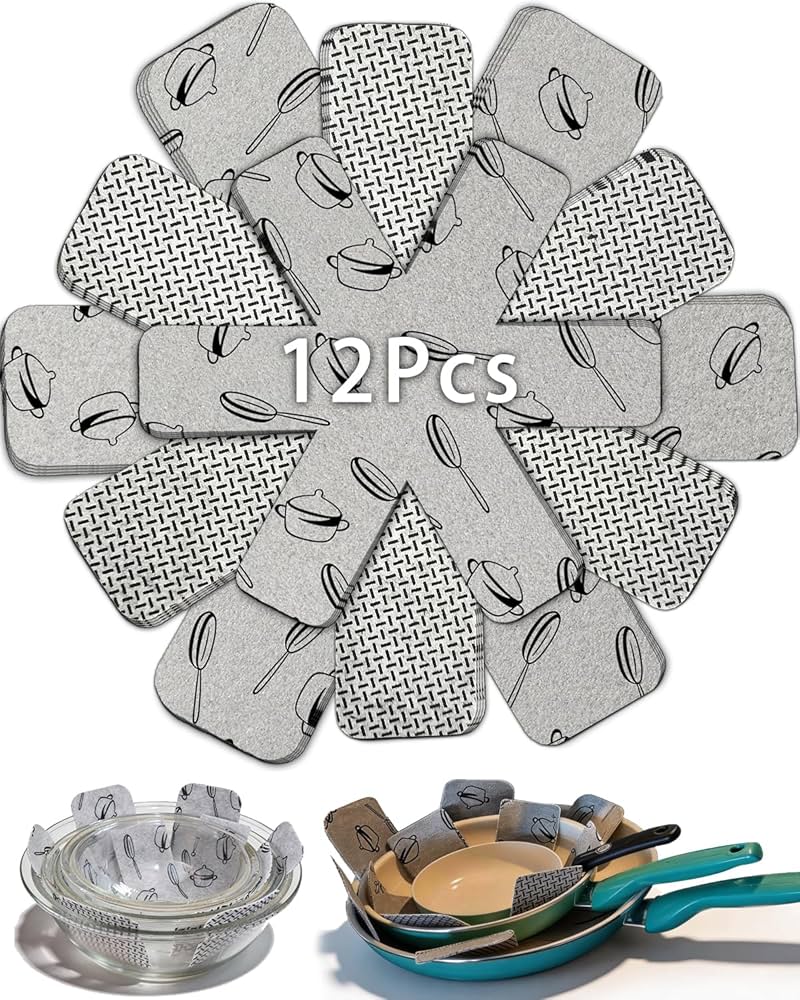
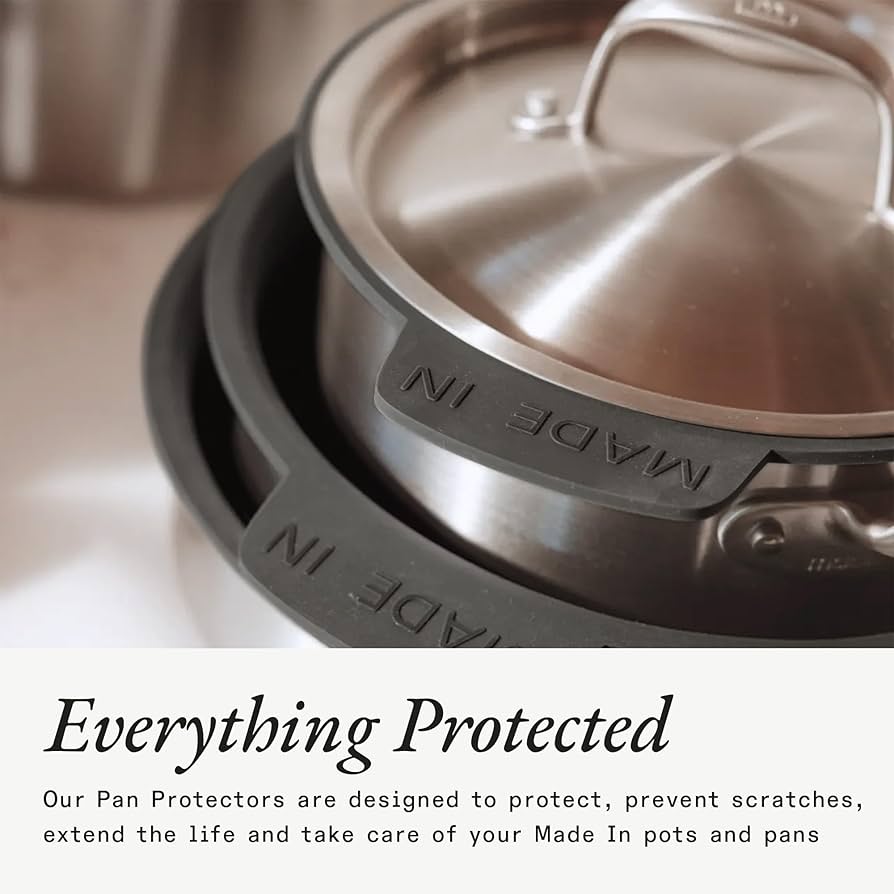
- Avoid stacking pans directly. Place a cloth or pan protector between them.
- Don’t overfill dishwashers with pots that will rub against other items.
Cooking habits that help
- Use moderate heat. Very high heat can degrade nonstick coatings and make them more vulnerable to scratching.
- Let pans cool slightly before washing. Thermal shock can harm coatings and enamel.
Personal note
I once ruined a nonstick pan by using a metal spatula while trying to flip pancakes fast. I learned to keep a small set of soft tools in a drawer next to the stove. It saves time and protects the pans.
Cleaning tools and methods
Choose the right tools and routine cleaners. This stops scratches and keeps surfaces smooth.
Gentle cleaning tools
- Soft sponges or cloths work well for most pans.
- Non-scratch scrubbers suit stuck-on food on stainless or enameled cookware.
- Soft-bristle brushes help clean grooves without abrading.
Cleaning steps
- Cool the pan slightly before washing.
- Soak with warm, soapy water for a few minutes if food is stuck.
- Wipe with a soft sponge or brush and rinse thoroughly.
- Dry immediately to prevent water spots and rust.
What to avoid
- Steel wool or wire pads on nonstick or enamel surfaces.
- Harsh abrasive powders used frequently on delicate finishes.
- Dishwasher use on some nonstick and enameled pieces—check manufacturer guidance.
Quick PAA-style questions
Can vinegar scratch cookware?
Vinegar itself is not abrasive and won’t scratch metal when diluted. Concentrated acid over long time can dull some finishes, so rinse well after use.
Is it okay to use a metal spatula on stainless steel?
Yes. Stainless steel handles metal utensils well, but avoid dragging or scraping aggressively to limit surface marks.
Will dishwasher detergent scratch pans?
Dishwasher detergents are strong and can dull some coatings. For nonstick or enameled cookware, hand washing is often safer.
Storage and handling strategies
How you store pans matters. Proper storage prevents rubbing and impact damage.
Storage tips
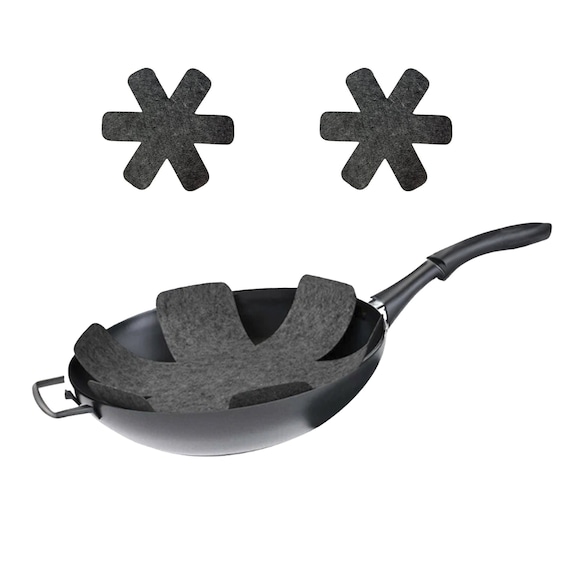
- Use pan protectors, soft cloths, or paper towels between stacked pans.
- Hang stainless steel pans by handles to avoid stacking.
- Store lids separately on a rack or inverted to prevent pressure on surfaces.
Transport and movement
- Avoid slamming pots into sinks or onto racks. Even single impacts can chip enamel.
- Use pan carriers or padded totes if you move cookware for events or travel.
Repairing and minimizing existing scratches
Not all scratches are final. Some fixes can restore function and look.
Minor scratch fixes
- For stainless steel, a scotch-brite pad used lightly in the grain can reduce visible marks.
- For enameled chips, food-safe enamel repair kits can fill and seal small chips.
- For nonstick, deep scratches are unsafe to cook on; consider replacing the pan.
When to replace
- Replace nonstick pans if coating flakes or peels.
- Replace any pan where deep scratches expose reactive base metal that could contaminate food.
Common mistakes to avoid
Avoid these habits that cause most everyday damage.
Mistakes that lead to scratches
- Using metal tools on nonstick cookware.
- Stacking pans without protection.
- Using aggressive scouring pads on delicate finishes.
- Leaving cookware to soak without considering water quality that may accelerate wear.
How to correct bad habits
- Keep two sets of utensils—one soft and one for stainless steel.
- Make a small storage routine to keep pan protectors handy.
- Do a monthly check of your cookware to catch wear early.
Frequently Asked Questions of how to prevent scratches on cookware
How do I stop nonstick pans from scratching?
Use wooden, silicone, or nylon utensils and wash by hand with a soft sponge. Avoid high heat and do not use abrasive cleaners.
Can I use metal utensils on stainless steel pans?
Yes, stainless steel tolerates metal utensils, but avoid aggressive scraping to reduce visible marks. Use a thin metal spatula when needed.
Is it okay to stack pots and pans?
Stacking is fine if you place a soft liner or cloth between each pan to prevent rubbing and impact. Hanging or separate racks are safer long-term.
Will cooking sprays damage nonstick surfaces?
Frequent use of aerosol sprays can leave a residue that is hard to remove and may pave the way for scratching during cleaning. Use a small amount of oil instead.
How do I clean stuck-on food without scratching?
Soak the pan in warm, soapy water to loosen food, then use a soft sponge or brush. For stubborn spots, simmer water and a little vinegar, then clean gently.
Conclusion
Protecting your cookware is a small habit that pays back with better food, longer life, and less waste. Use soft tools, gentle cleaning, mindful storage, and match care to the material. Start one change this week—swap metal tools for silicone or add pan protectors—and watch your pans stay in prime shape. Share your tips or questions below, or subscribe for more kitchen care guides.