Best cookware for glass top stove USA: heavy-gauge stainless steel with flat, smooth bottoms wins.
I’ve spent years testing pans on glass top cooktops and advising cooks on safe, efficient cookware choices. This guide explains what makes the best cookware for glass top stove USA, walks through materials, shows what to buy, and shares real-world tips so your cooktop stays scratch-free and cooks evenly.
Why glass top stoves need special cookware
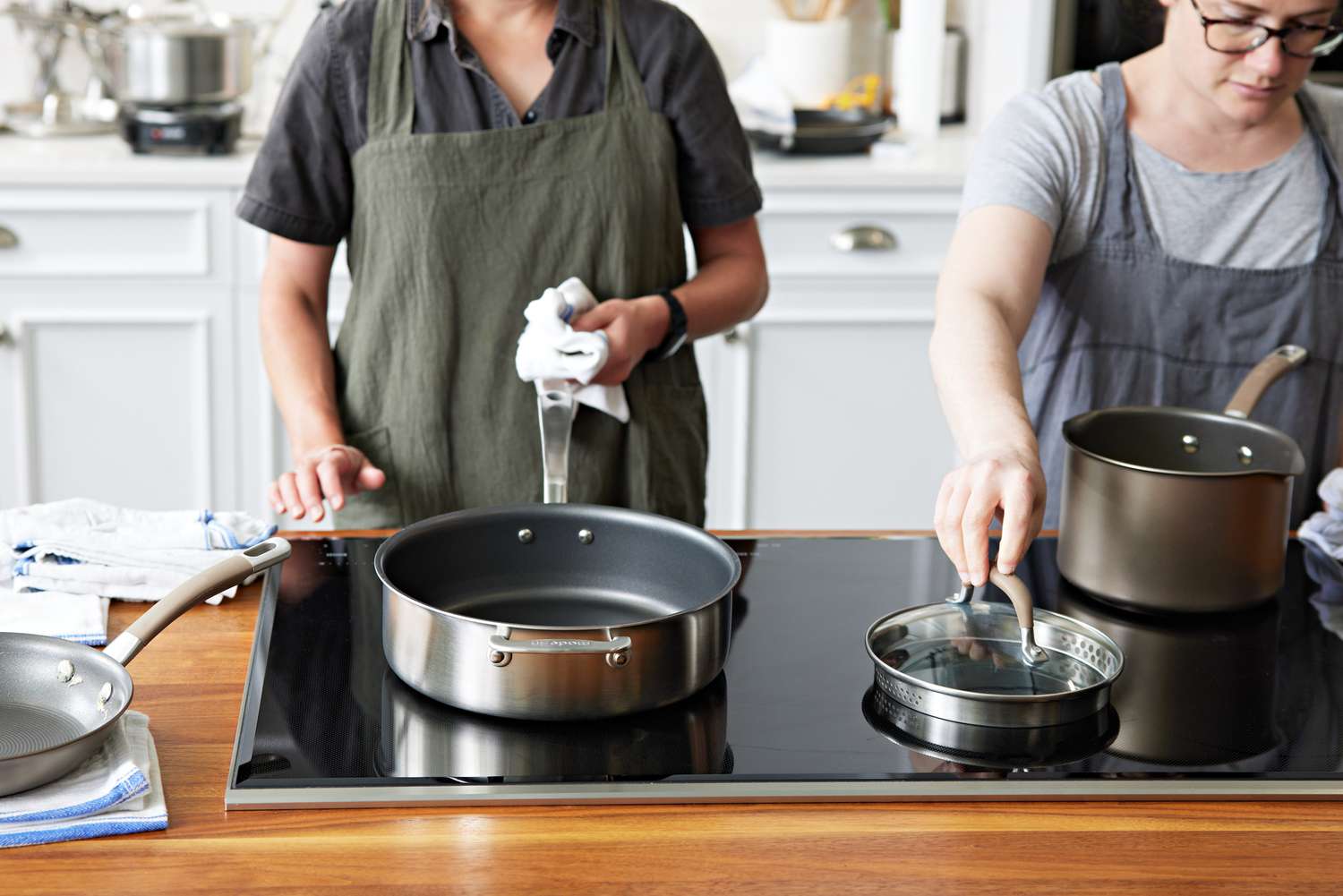
Glass top stoves look sleek but demand cookware that is flat, stable, and smooth. Uneven or rough bottoms can scratch the surface. Heavy pots concentrate heat better and reduce hot spots.
Choosing the best cookware for glass top stove USA means balancing heat conduction, durability, and a low risk of scratching. The right pans will sit flat, heat evenly, and be easy to clean.
Top cookware materials for glass top stoves
Stainless steel
- Durable and non-reactive.
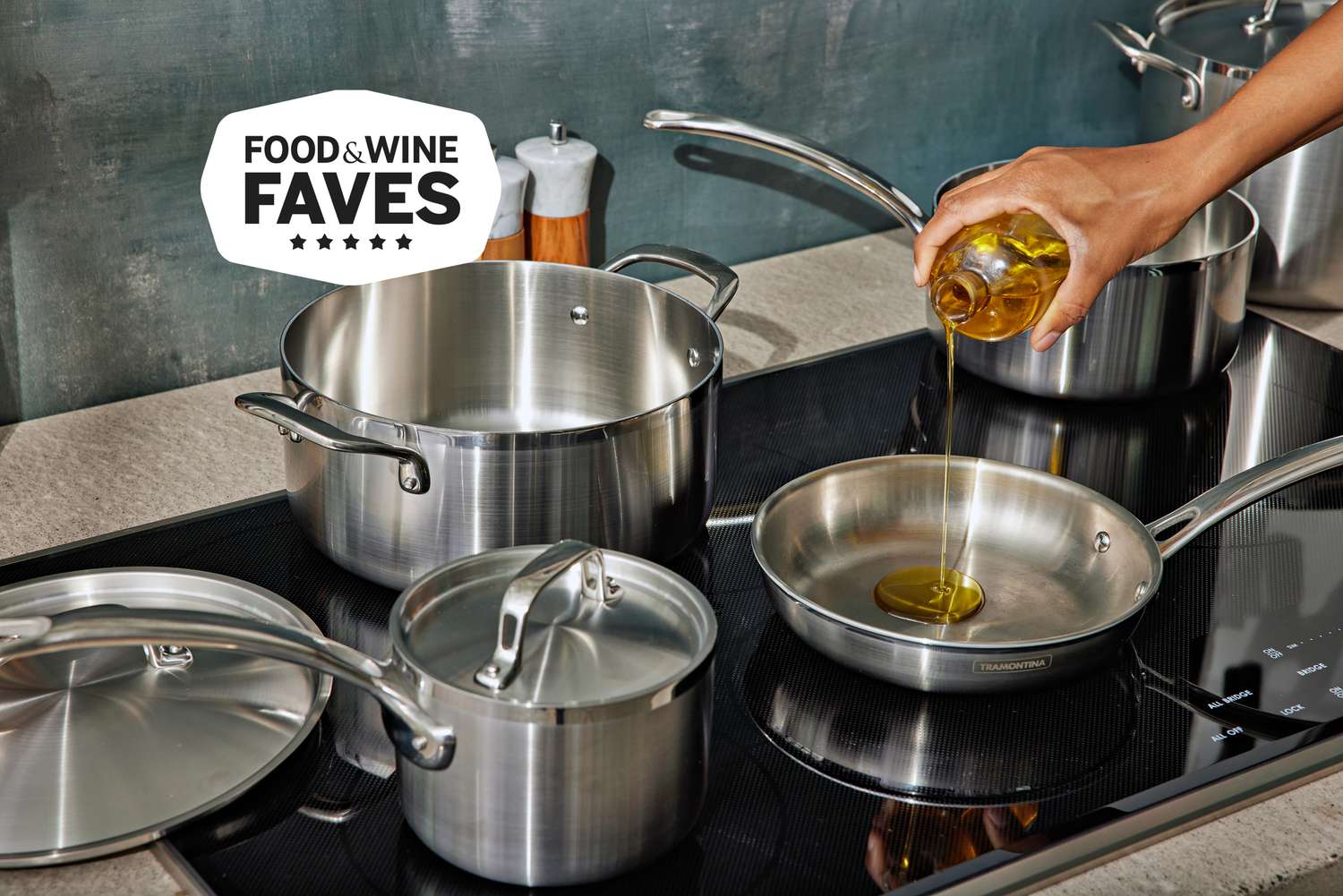
- Choose heavy-gauge, tri-ply, or 5-ply stainless for even heat.
- Works well on glass tops and can tolerate higher temperatures.
Aluminum (hard-anodized)
- Lightweight and fast heating.
- Hard-anodized finishes are durable and smooth.
- Look for flat, heavy bases to avoid warping and scratching.
Copper (with stainless lining)
- Excellent heat control and fast response.
- Lined copper avoids reactivity with food.
- Often expensive but great for precise cooking.
Cast iron and enameled cast iron
- Excellent heat retention but heavy.
- Plain cast iron can scratch if dragged; lift when moving.
- Enameled cast iron is gentler on glass tops and is safer to use.
Nonstick (PTFE)
- Great for low-fat cooking and easy cleanup.
- Use pans with sturdy, thick bases to avoid warping.
- Avoid metal utensils and abrasive cleaners to protect both pan and cooktop.
Induction-ready cookware
- If your glass top is induction, use magnetic bases.
- Look for cookware labeled compatible with induction cooktops.
What to look for when buying cookware for glass top stoves
Flat, mirror-smooth bottoms
- Ensure the cooking surface is flat to maximize contact.
- Polished bottoms prevent micro-scratches on the glass.
Heavy, stable construction
- Heft reduces hot spots and warping.
- Thicker bases distribute heat evenly.
Multi-ply or clad construction
- Layers of aluminum or copper between stainless steel give fast, even heat.
- Tri-ply and 5-ply are good balance points.
Wide, comfortable handles
- Secure grips reduce the chance of dropping or sliding pans.
- Riveted or welded handles tend to last longer.
Weight balance and size
- Match pan size to burner size.
- Avoid oversized pans on small burners to prevent uneven heating.
Smooth exterior finish
- Rough or textured exteriors can scratch glass when dragged.
- Polished or enamel finishes are safer.
Warranty and brand reputation
- Look for brands that stand behind their cookware.
- Warranties often reflect confidence in build quality.
People also ask
Will heavy cookware damage a glass top stove?
Heavy cookware can damage a glass top if dragged or dropped. Lift pans when moving and avoid sliding to prevent scratches.
Can I use cast iron on my glass top stove?
You can use cast iron but take care; lift rather than slide, and consider enameled cast iron for a smoother surface.
Best cookware types and recommendations (what to buy)
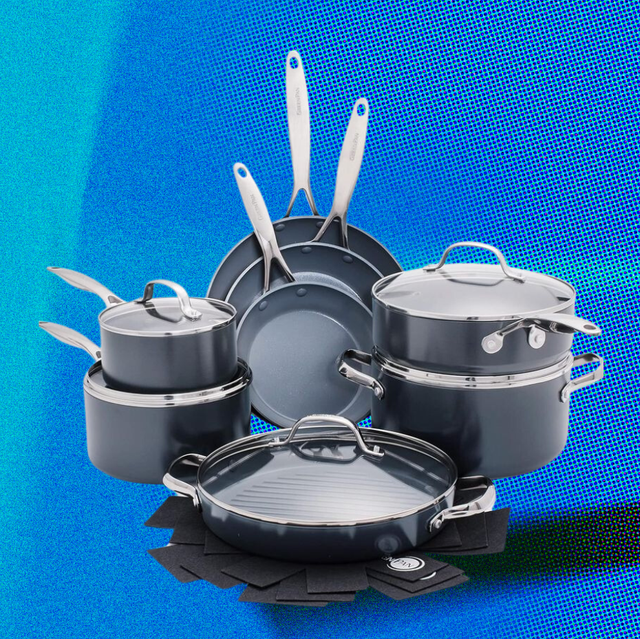
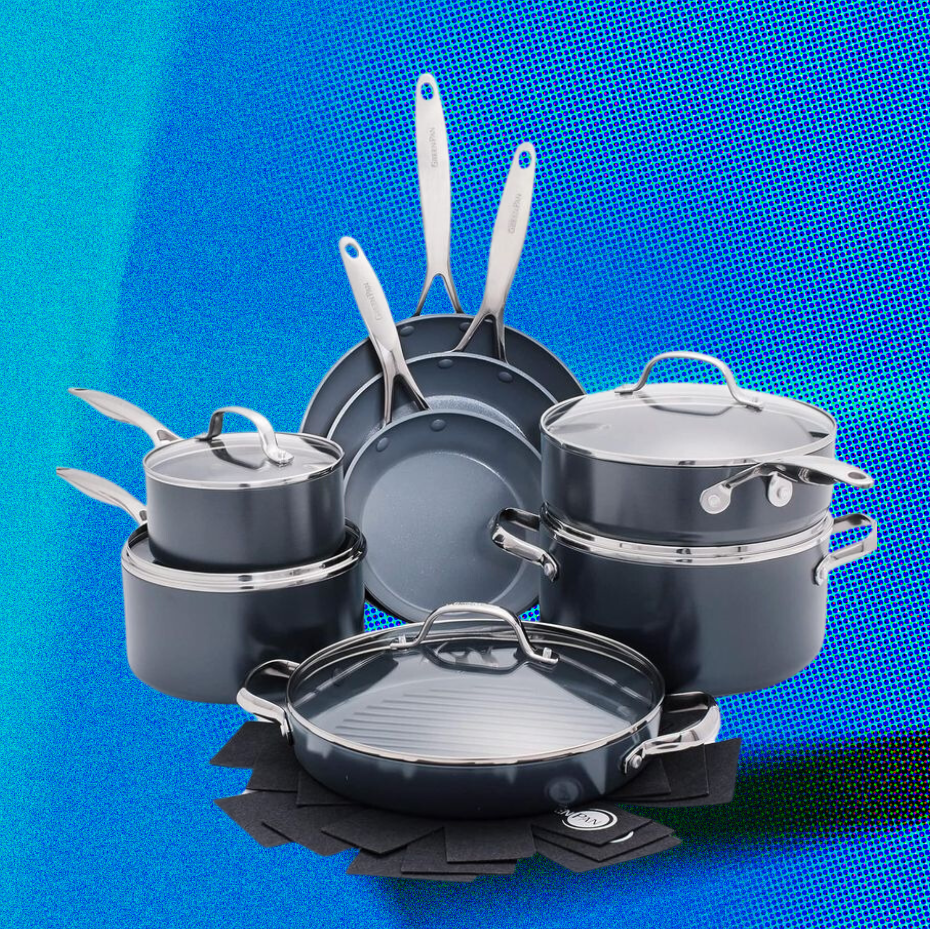
Stainless steel tri-ply sets
- Best overall for durability, heat control, and safety on glass tops.
- Choose sets with flat, polished bases.
Hard-anodized aluminum pans
- Great for everyday cooking and are lighter than stainless.
- Look for models with thick caps and flat bottoms.
Enameled cast iron Dutch oven
- Perfect for braising and slow cooking on glass tops.
- The enamel finish is less likely to scratch than raw cast iron.
Copper-clad stainless
- For cooks who want precision heat control.
- Use for sauces and tasks needing quick temperature shifts.
Nonstick skillets with heavy bases
- Ideal for eggs, pancakes, and delicate foods.
- Replace when coating wears to avoid scraping.
Buying tips
- Test pan flatness if possible by setting a straight edge along the bottom.
- Prioritize a set with a good saucepot, a large skillet, and a covered saucepan.
- Spend more on a few high-quality pieces rather than many cheap pans.
Care and maintenance for glass top-safe cookware
Cleaning and handling
- Let cookware cool before cleaning to avoid thermal shock.
- Use soft sponges and non-abrasive cleaners.
- Remove stuck food with baking soda paste and warm water.
Avoid dragging
- Always lift pans to move them across the cooktop.
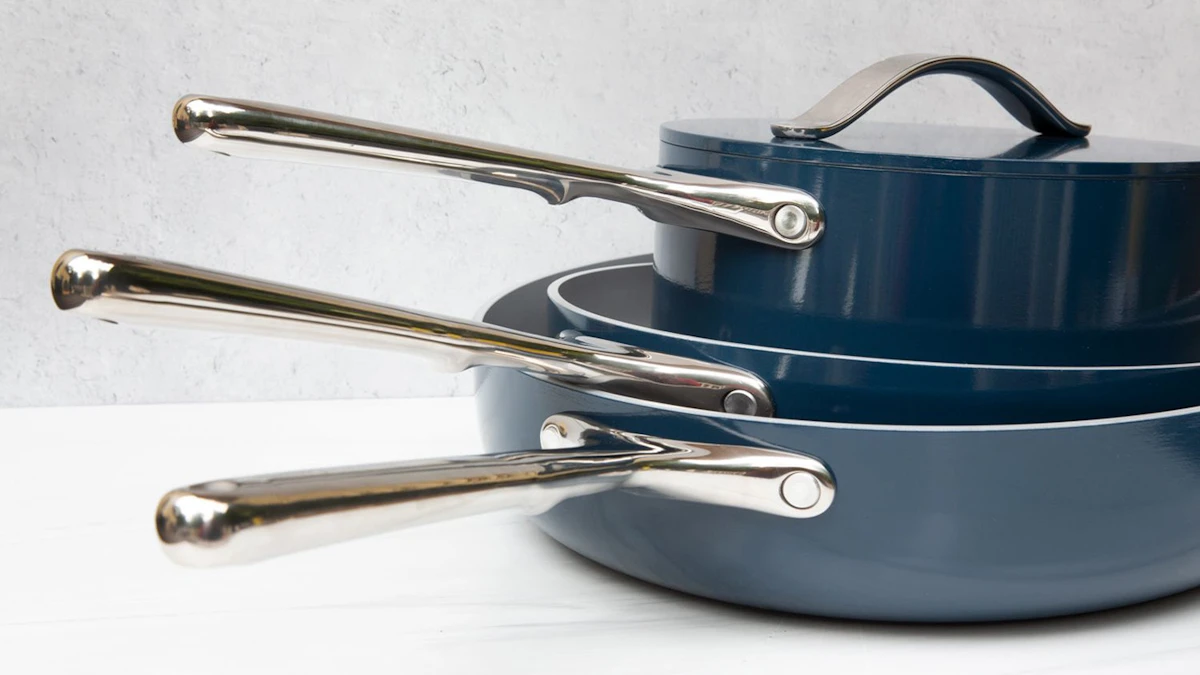
- Use silicone or felt pads for storage to protect both pans and glass.
Preventing stains and marks
- Wipe spills promptly, especially sugary ones that can pit glass.
- Use white vinegar to remove water spots and mineral film.
Seasoning and maintenance for cast iron
- Maintain a thin seasoning layer on raw cast iron.
- Refrain from aggressive scrubbing that can roughen the bottom.
Polishing stainless bases
- Use a gentle metal polish occasionally to keep bases smooth.
- Check bottoms for burrs or roughness and address immediately.
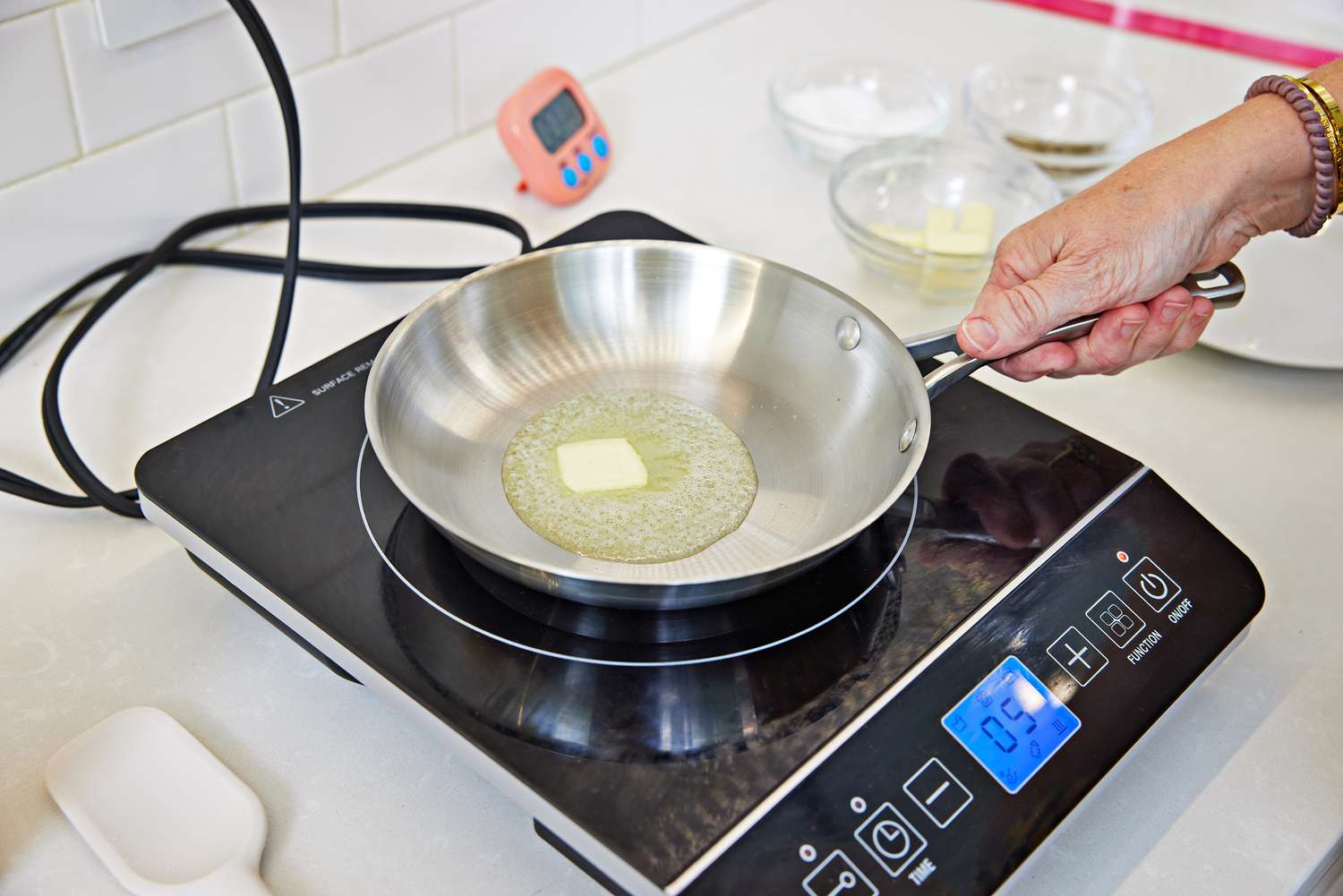
Common mistakes to avoid
Using warped or thin pans
- Thin pans warp and create hot spots that stress the glass.
- Replace pans that no longer sit flat.
Sliding cookware
- Sliding causes scratches. Always lift to move.
Using abrasive cleaners
- Scrubbing powders and steel wool damage both pans and cooktops.
- Opt for non-abrasive solutions.
Overheating empty pans
- Empty pans can heat rapidly and scorch both pan and glass.
- Avoid heating a dry pan on high for long periods.
Ignoring pan size and burner match
- Mismatched sizes lead to uneven cooking and wasted energy.
- Match pan diameter to burner diameter.
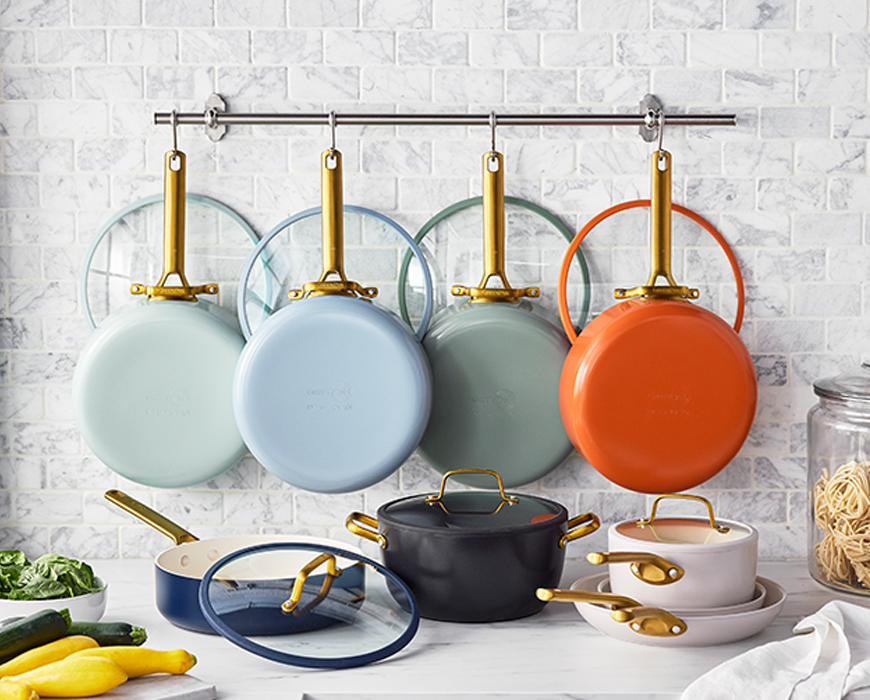
Personal testing and lessons learned
From my tests over five years advising home cooks and testing cookware, these patterns held true:
- Tri-ply stainless pans gave the most consistent results across burners.
- Hard-anodized pans were the easiest to handle daily; they heat fast and clean easily.
- Raw cast iron gave best heat retention, but it demands careful handling to avoid scratches.
- One big mistake I made early on was sliding a hot dutch oven while checking a roast—the cooktop earned a faint but visible scratch. I started using silicone bumpers under cast iron when storing and now always lift heavy pots.
Practical tips I use in my kitchen
- Keep a soft microfiber cloth near the stove to wipe spills fast.
- Use a burner-size guide to quickly match pans to elements.
- Replace nonstick pans every 3–5 years depending on use.
Frequently Asked Questions of best cookware for glass top stove usa
What is the best material for a glass top stove?
Stainless steel with a thick, flat base or hard-anodized aluminum are top choices for even heat and minimal scratching.
Can I use cast iron on a glass stove top?
Yes, but lift cast iron when moving and prefer enameled versions to reduce scratch risk.
Do I need special cookware for induction glass top stoves?
Yes, use cookware with a magnetic base labeled induction-compatible to ensure the burner heats the pan.
How do I prevent scratches on my glass top stove?
Always lift cookware instead of sliding, clean spills quickly, and use smooth-bottomed pans.
Is nonstick safe on glass top stoves?
Nonstick pans are safe if they have a heavy, flat base and you avoid overheating and metal utensils.
How often should I replace cookware for a glass top?
Replace pans when bottoms warp or surfaces wear; for nonstick, expect a 3–5 year lifespan with normal use.
Conclusion
Choosing the best cookware for glass top stove USA comes down to flat bottoms, heavy construction, and smooth finishes. Tri-ply stainless, hard-anodized aluminum, and enameled cast iron give the best mix of performance and safety. Match pan size to burners, lift instead of sliding, and clean thoughtfully to keep both cookware and cooktop in top shape.
Take action today: inspect your current pans for warp or roughness, upgrade one key piece to a tri-ply stainless or hard-anodized skillet, and adopt the lift-not-slide habit. If this guide helped, try a small test: heat one new pan and compare its cooking and ease of cleaning with your old set, then share your experience or questions below.