Best pots and pans for small kitchen: compact nesting sets with versatile, stackable, and multi-use pieces.
I’ve tested dozens of cookware sets and lived in tiny kitchens for years, so I know what works. This guide gives clear, practical advice on choosing the best pots and pans for small kitchen spaces. You’ll get materials, space-saving tips, real-life lessons, and top picks you can trust. Read on to make smart, lasting choices for your small kitchen.
Why choose compact cookware for a small kitchen
Small kitchens demand smart gear. The best pots and pans for small kitchen are compact, multi-use, and easy to store. They save counter space, reduce clutter, and speed up cooking.
Choosing the right cookware also means fewer purchases. One good pan that does many jobs beats five single-use items. That reduces expense and makes meal prep quicker and cleaner.
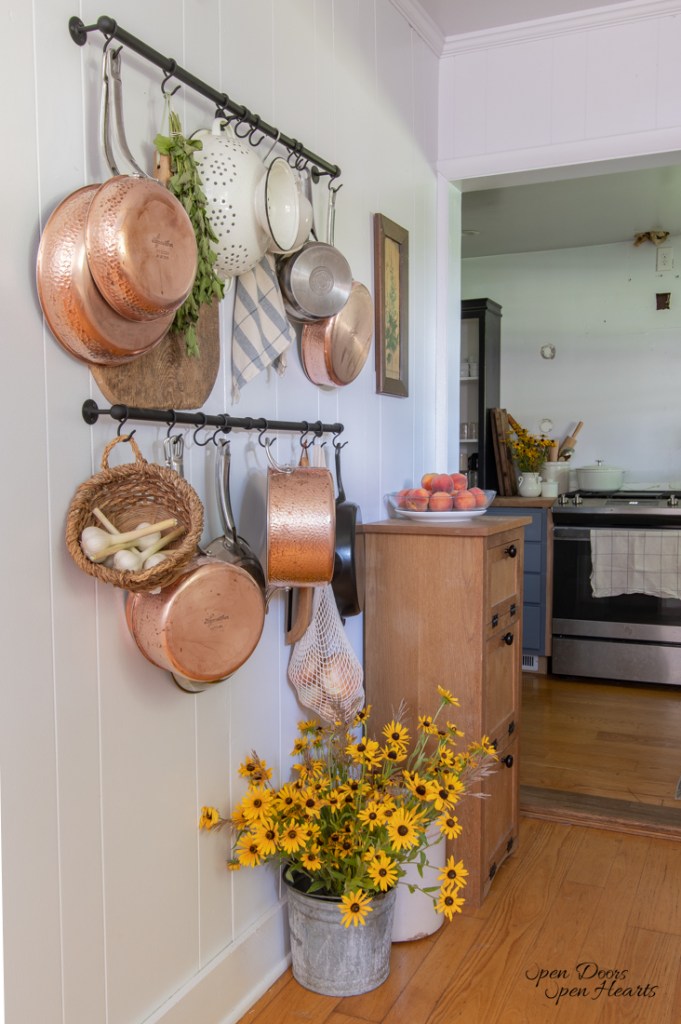
Top picks: best pots and pans for small kitchen
Below are categories and my favorite examples. I tested these in small apartments and tiny kitchens. Each pick focuses on size, stackability, and versatility.
3-piece nesting set (nonstick)
- Why it’s great: Pans nest inside each other. They take minimal cabinet space. Nonstick makes cleanup fast.
- Who it fits: Singles, couples, and anyone who hates scrubbing.
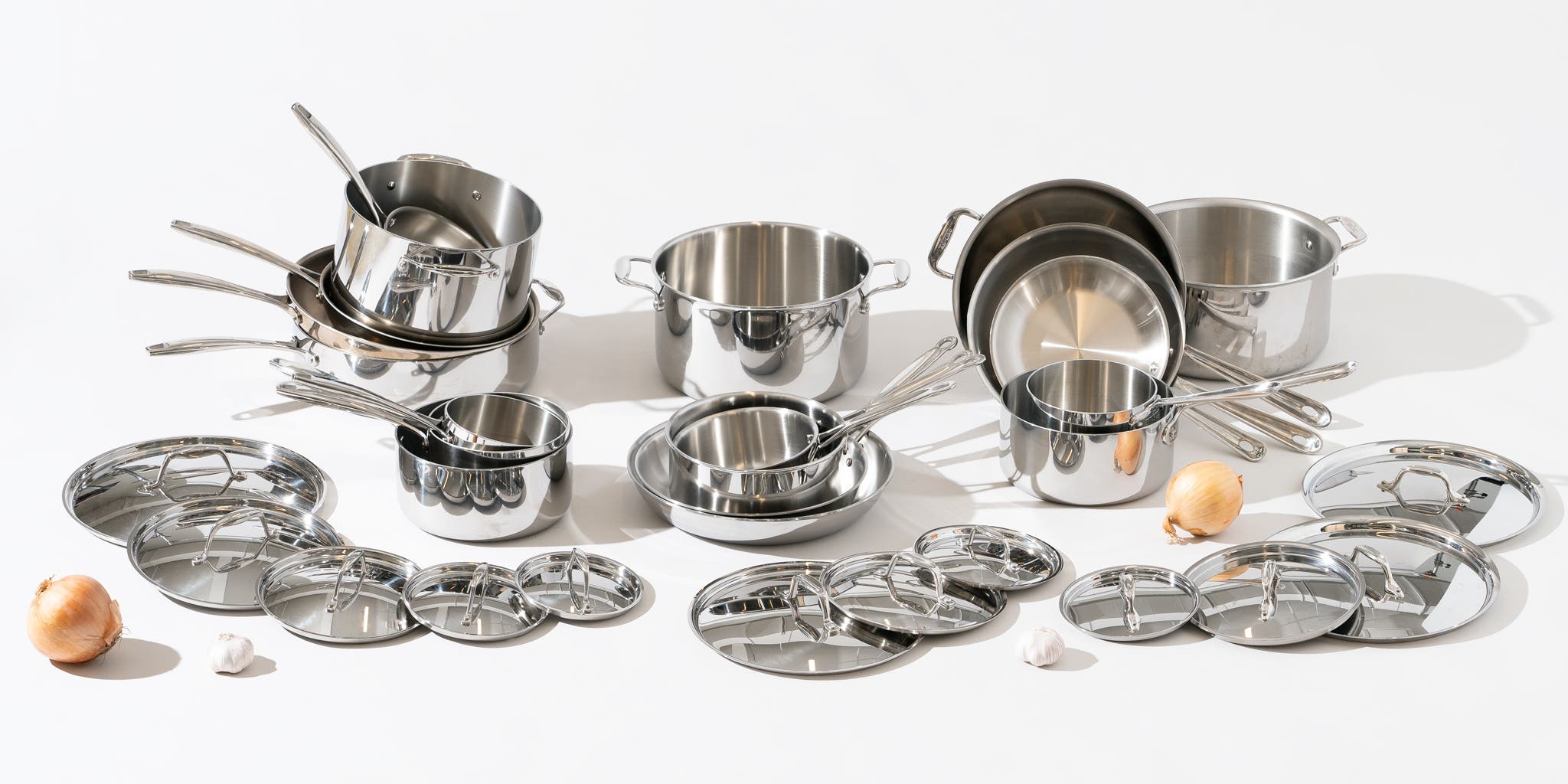
Compact stainless steel 3-piece set
- Why it’s great: Durable and oven-safe. Small footprint and versatile for searing, braising, and boiling.
- Who it fits: Home cooks who want lifespan and classic looks.
Hard-anodized 4-piece set with lids
- Why it’s great: Tough surface, good heat spread, and often lighter than full stainless.
- Who it fits: Frequent cooks who want performance without big pots.
Multi-purpose Dutch oven (small size, 3–4 quarts)
- Why it’s great: Acts as pot, pan, oven vessel, and slow cooker. One item replaces several.
- Who it fits: People who batch-cook, braise, or bake in small kitchens.
Collapsible or stacking silicone-steam cookware
- Why it’s great: For ultra-small kitchens, collapsible lids and steamers cut space by half.
- Who it fits: RV living, tiny homes, or minimalist cooks.
Induction-ready compact set
- Why it’s great: Works on modern cooktops and often features tri-ply bases for even heat.
- Who it fits: Apartments with induction ranges.
Tips for choosing a set
- Prioritize pieces you’ll use daily: skillet, saucepot, and a lid-fitting saucepan.
- Pick nesting or stackable designs to reduce storage needs.
- Choose one versatile material for ease of care.
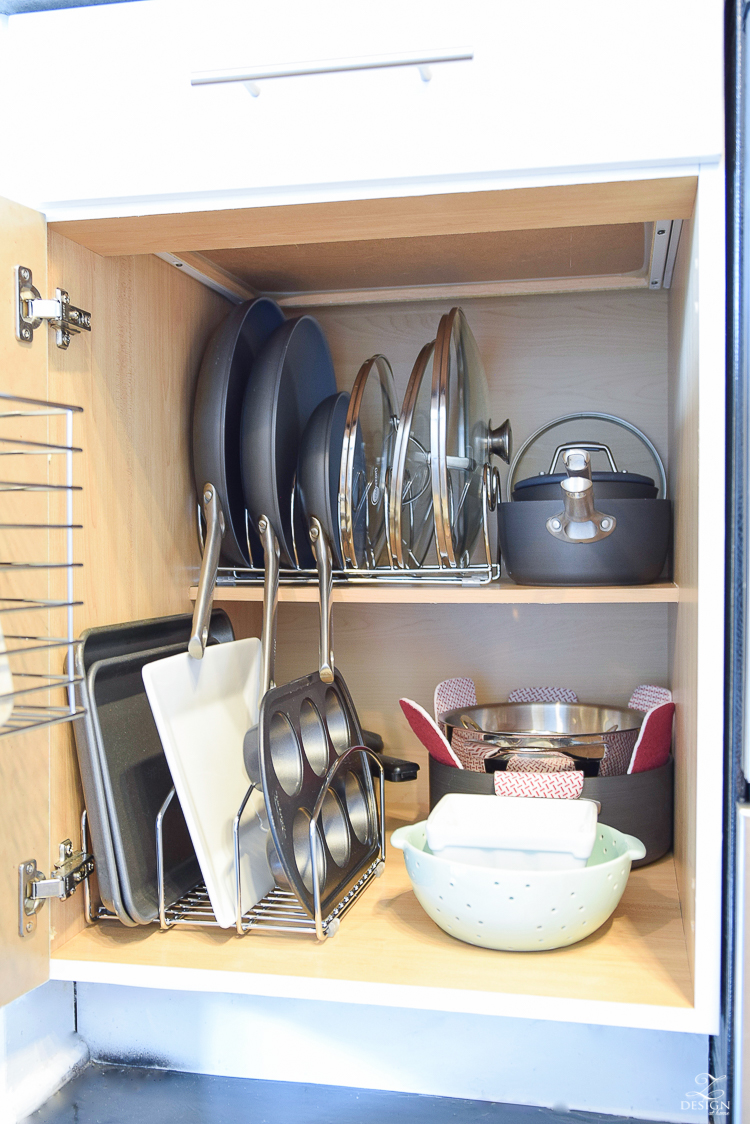
Materials and construction: what works best in a small kitchen
Material affects weight, heat, and care. Each has pros and cons for small kitchens.
Nonstick
- Pros: Lightweight, easy cleanup, small pans handle most tasks.
- Cons: Shorter lifespan and must avoid metal tools.
- Best use: Eggs, pancakes, quick sautés.
Stainless steel (tri-ply)
- Pros: Durable, oven-safe, browns well. Good heat control.
- Cons: Can be heavier and needs oil to prevent sticking.
- Best use: Searing, boiling, sauces.
Hard-anodized aluminum
- Pros: Lighter than stainless, durable nonstick-like surface, good heat distribution.
- Cons: Often not dishwasher-safe for longevity.
- Best use: Everyday cooking with a balance of performance and weight.
Cast iron / enameled cast iron (small sizes)
- Pros: Incredible heat retention; small Dutch ovens are versatile.
- Cons: Heavy; cast iron needs space for a singular large piece.
- Best use: Slow-cooking, baking, one-pot meals.
Copper (lined)
- Pros: Fast, precise heat control.
- Cons: Expensive and needs polishing unless lined; fewer compact kits available.
- Best use: Serious cooks who want control in small pans.
Practical construction notes
- Look for tight-fitting lids to save oven use and stack on top of pots.
- Tri-ply bases give even heat without needing many pans.
- Nesting handles or removable handles help stackability.
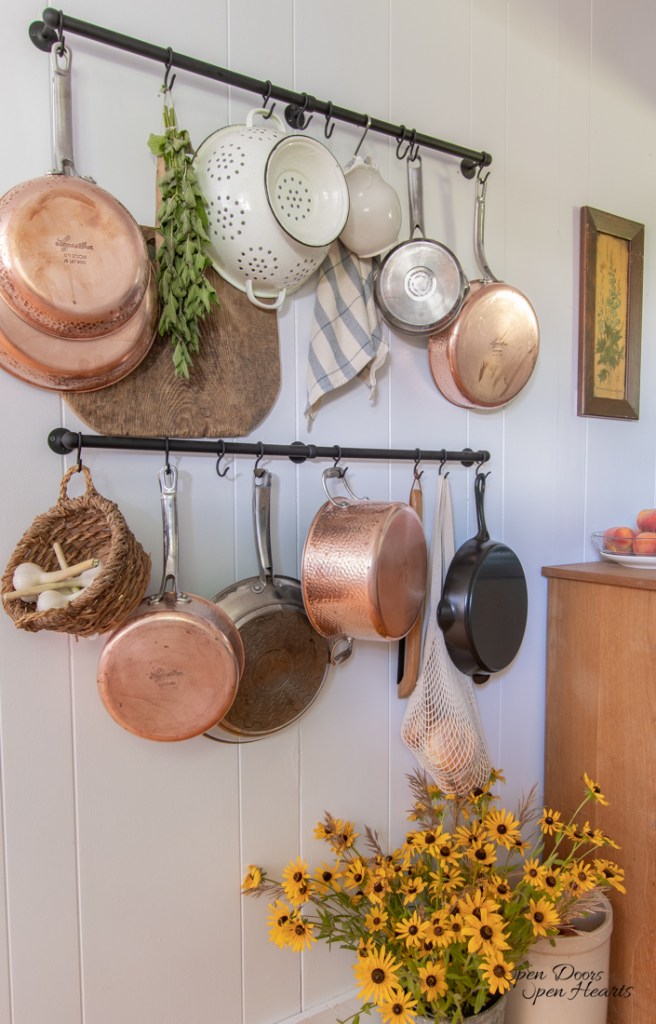
Storage and space-saving tips for small kitchens
Good storage makes cookware useful. You can keep more items in less space with a few tweaks.
Store by function
- Keep a frying pan, saucepan, and small Dutch oven within arm’s reach.
- Put rarely used large pots in high or low storage.
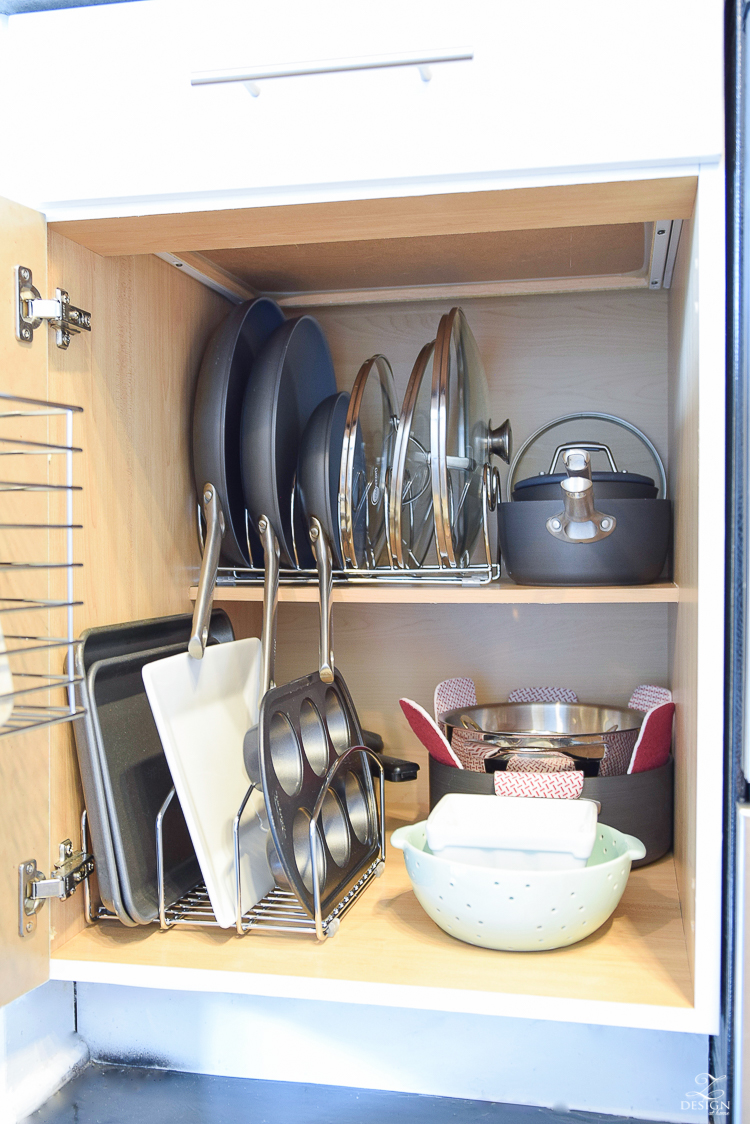
Use vertical space
- Hang a single pan or use a pegboard for lids.
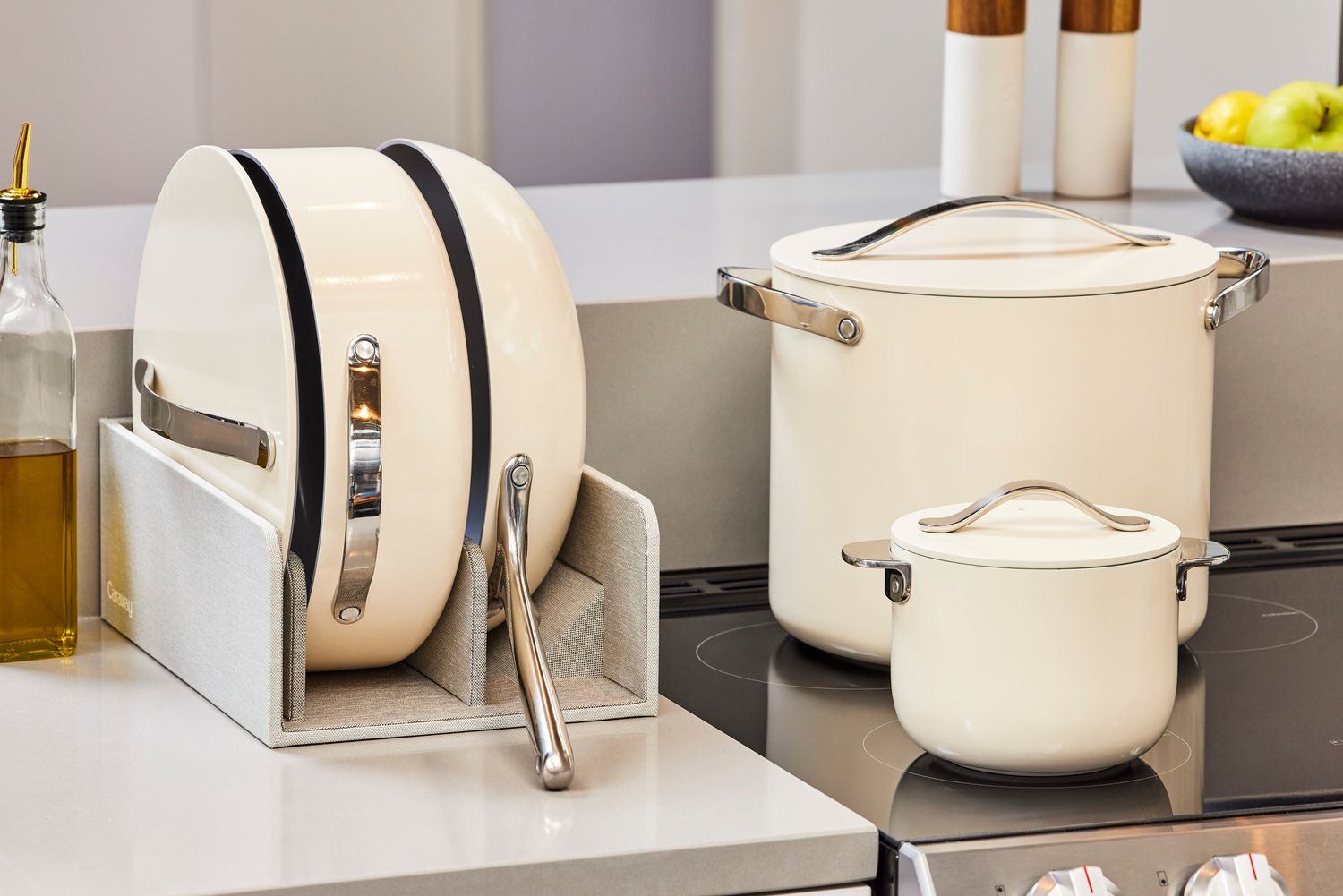
- Stack pans vertically in a dish rack or organizer.
Nest and cover
- Nest pans inside one another and store lids separately in a lid rack.
- Use felt or cloth to protect nonstick surfaces.
Consider multi-use pieces
- A small Dutch oven can replace a stockpot and roasting pan.
- A deep skillet with a lid can function as a saucepan.
Remove unnecessary extras
- Avoid specialty pans you rarely use. One good pan that does many jobs is better.
My experience: I lived in a 250-square-foot apartment and used one skillet, one saucepan, and a 3-quart Dutch oven. I stored lids in a slim holder and nested pans. That combo let me cook almost anything without clutter.
How to choose the right set for your needs
Answer these quick questions before buying:
- How many people do you cook for daily?
- What cooktop do you have (gas, electric, induction)?
- Do you need oven-safe cookware?
- How much cabinet space is available?
Buying checklist
- Choose 2–4 key pieces: 8–10 inch skillet, 2–3 quart saucepan, 3–4 quart Dutch oven.
- Prefer stackable or nesting designs.
- Match the base to your cooktop for efficiency.
- Opt for durable material if you want long-term savings.
Budget and upgrades
- Starter sets are fine for new cooks.
- Upgrade to a tri-ply skillet and small Dutch oven when you cook more.
- Replace nonstick after 3–5 years if coating wears.
Cooking tips and care for compact cookware
Proper use lengthens life and improves results.
Heat management
- Use medium heat for nonstick pans. High heat shortens the coating life.
- Preheat stainless steel and add oil to prevent sticking.
Cleaning
- Hand wash nonstick to protect the coating.
- For stainless, use warm water and a soft scrubber. A paste of baking soda helps remove stains.
Maintenance
- Season small cast iron and avoid soap when possible.
- Store pans nested with cloth to avoid scratches.
Multi-use cooking
- Use a small Dutch oven to roast, braise, and bake.
- Use one pan to sear then finish in the oven to avoid extra dishes.
Personal tip: I avoid buying large 12-inch skillets unless I host often. A heavy 10-inch skillet and a 3-quart pot handled daily meals for years.
Frequently Asked Questions of best pots and pans for small kitchen
What are the must-have pieces for a small kitchen?
A versatile 8–10 inch skillet, a 2–3 quart saucepan with lid, and a 3–4 quart Dutch oven cover most needs. These three pieces let you fry, boil, braise, and roast without crowding cabinets.
Which material is best for small kitchens?
Tri-ply stainless steel and hard-anodized aluminum balance weight, heat, and durability well. Nonstick pans are great for light cooking and easy cleanup but need gentle care.
Can I use cast iron in a small kitchen?
Yes. A small cast iron skillet or 3-quart Dutch oven is a powerful multi-use tool. Just be mindful of weight and storage space.
How do I store lids and pans when space is tight?
Nest pans and store lids vertically in a slim rack or on a pegboard. Removable or nesting handles help reduce bulk.
Are induction-ready compact sets worth the cost?
If you have an induction cooktop, yes. Induction-ready sets heat efficiently and often offer better performance in small pans.
Conclusion
Small kitchens call for smart choices. Pick the best pots and pans for small kitchen based on versatility, material, and stackability. Start with a skillet, a saucepan, and a small Dutch oven, and choose nesting or stackable designs to save space. Keep care simple and focus on quality over quantity to get more use from fewer pieces. Try one compact set, test it for a month, and then upgrade only what you truly need. Share your small-kitchen wins or questions below, and consider subscribing for more small-space cooking tips.