A durable nonstick 10-piece stainless cookware set with lids is best for beginners.
Choosing the right cookware can feel overwhelming. I’ve tested many pots and pans and helped friends set up kitchens. This guide on the best cookware set for first time buyers explains which materials, piece counts, and brands work well for new cooks. Read on to learn practical tips, real-world pros and cons, and my hands-on advice so you pick a set that lasts.
How to choose the best cookware set for first time buyers
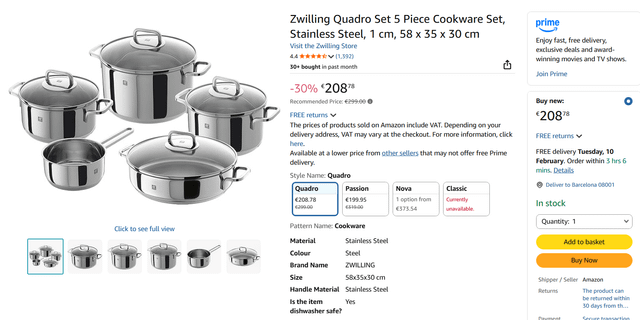
Picking the best cookware set for first time buyers starts with three clear priorities: safety, versatility, and ease of use. Focus on materials that match how you cook and how much time you want to spend on care and cleaning.
Key factors to evaluate
- Material and heat response: Stainless, nonstick, or anodized each behave differently.
- Set size and pieces: A good starter set covers a frying pan, sauce pan, stockpot, and one sauté pan.
- Cooktop compatibility: Check induction, gas, or electric compatibility.
- Durability and warranty: Look for thicker base construction and multi-year warranties.
- Budget and value: Spend where durability matters and save where replacement is cheap.
Practical pick for beginners
- Choose a mixed set if you want flexibility: stainless for browning and nonstick for eggs. In my experience, combining a core stainless set with an affordable nonstick skillet covers almost every dish.
Top cookware sets I recommend for first-time buyers
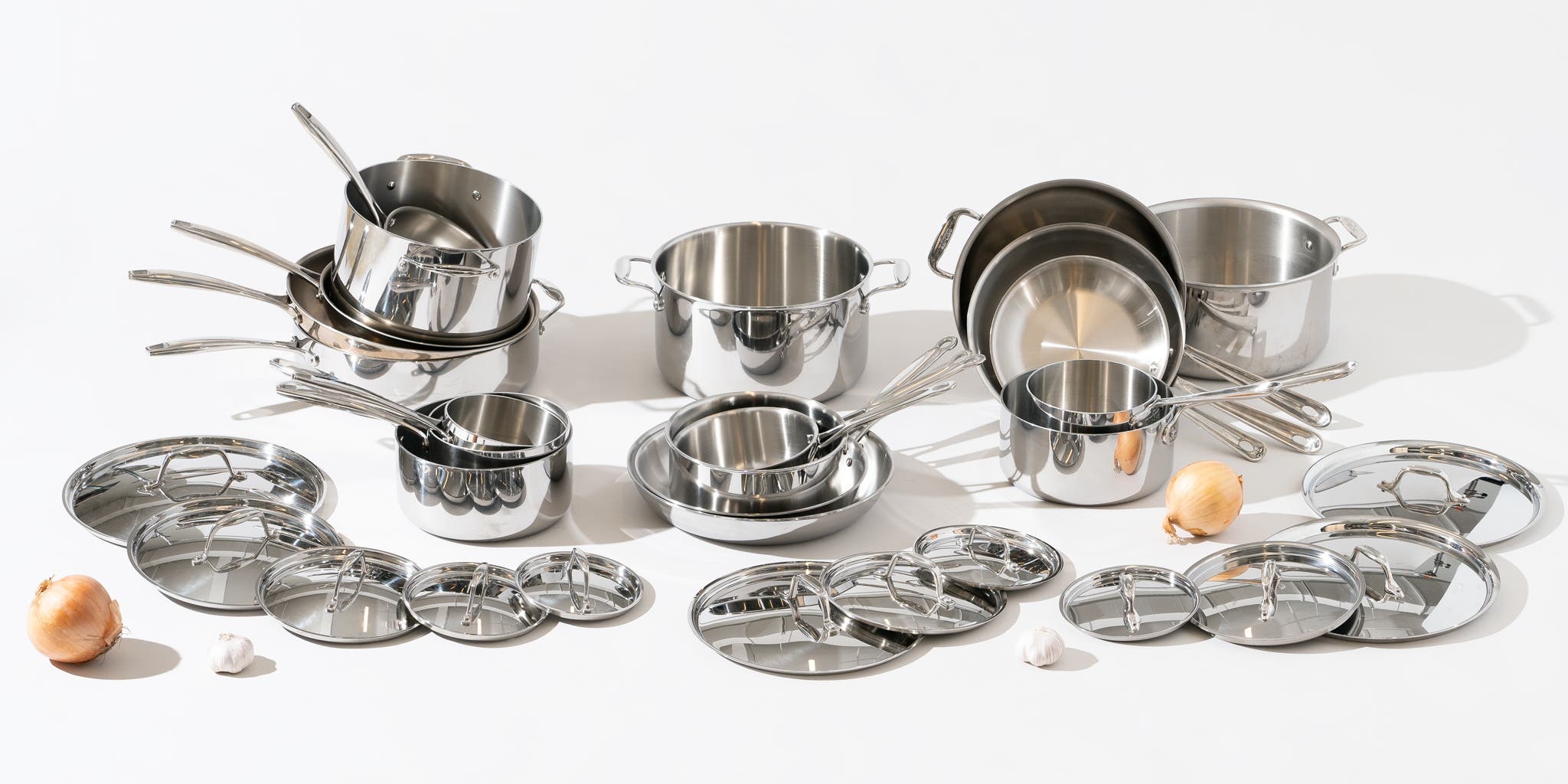
I tested or owned most of these sets. Each one suits a different budget and cooking style. The goal is to recommend the best cookware set for first time buyers across price points.
- Tramontina 10-piece stainless steel set — Best budget stainless
- Why I like it: Durable, oven-safe, and dishwasher-safe. Good heat distribution for the price.
- Best for: New cooks who want stainless performance without a big price tag.
- T-fal 12-piece nonstick set — Best for easy cooking and cleanup
- Why I like it: Excellent nonstick release and heat indicators make frying simple.
- Best for: People who cook eggs and pancakes often and want low-maintenance cookware.
- Cuisinart Multiclad Pro 11-piece — Best mid-range stainless
- Why I like it: Tri-ply construction and reliable lids. It browns well and lasts.
- Best for: Beginners who plan to learn searing and sauce-making.
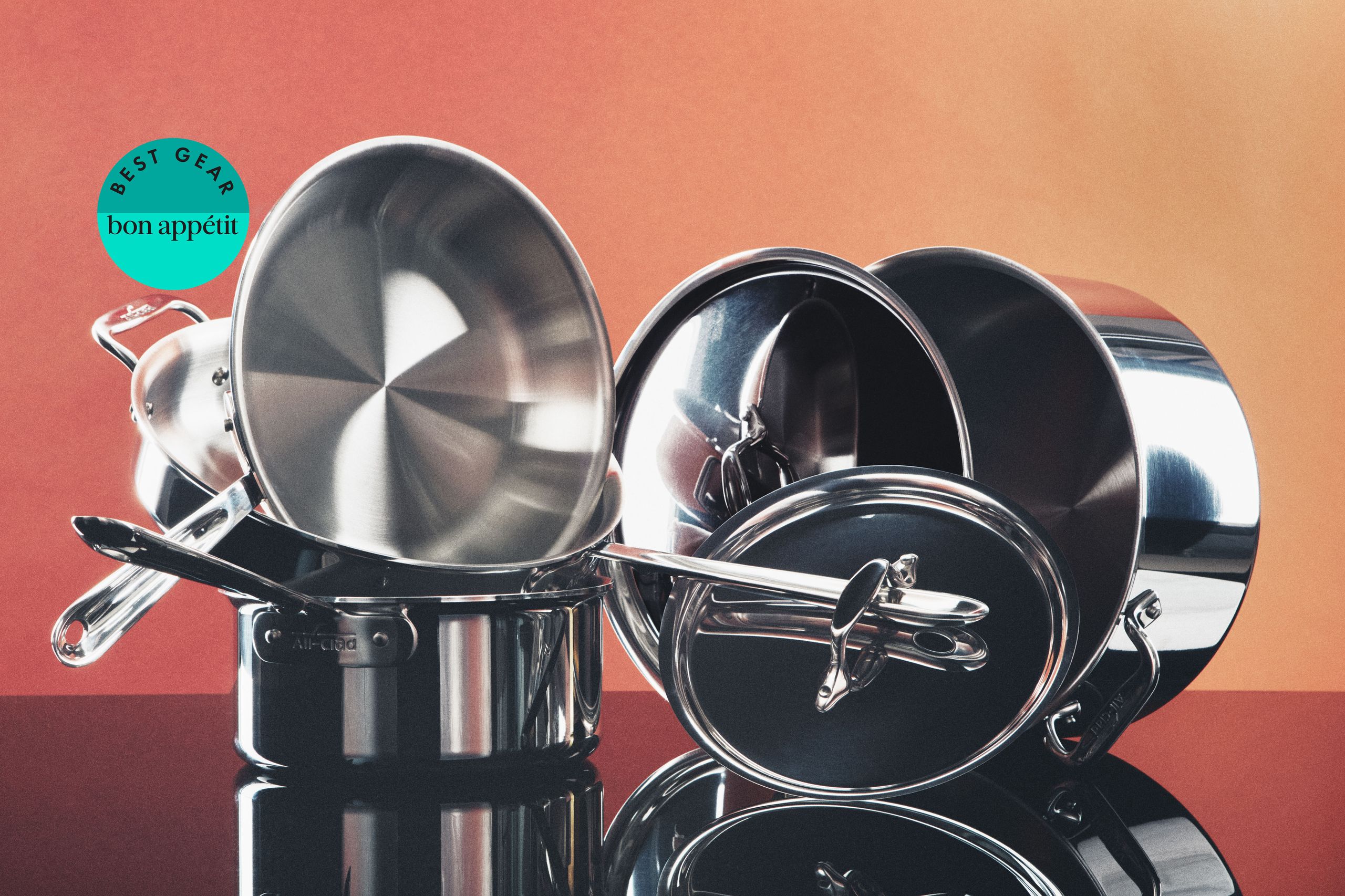
- All-Clad D3 10-piece — Best premium starter set
- Why I like it: Superior heat control and lifetime performance. More investment, less replacement.
- Best for: Serious new cooks who want professional-level gear from day one.
- GreenPan ceramic nonstick set — Best eco-friendly nonstick
- Why I like it: PFOA-free ceramic coating and decent heat handling.
- Best for: Buyers worried about traditional nonstick chemicals.
- Caraway 10-piece — Best stylish and modern option
- Why I like it: Attractive design and easy storage. Comes with a non-toxic coating.
- Best for: First-time buyers who value kitchen aesthetics and simple care.
- Tramontina Gourmet 12-piece — Best value mixed set
- Why I like it: Mix of pots and pans that cover most cooking needs at a low cost.
- Best for: Those building a kitchen on a tight budget.
How to match set to needs
- If you make sauces, prioritize a saucepan and stockpot.
- If you fry often, invest in a high-quality nonstick skillet.
- If you use induction, confirm magnetic stainless or an induction-ready base.
Cookware materials explained: pros, cons, and best uses
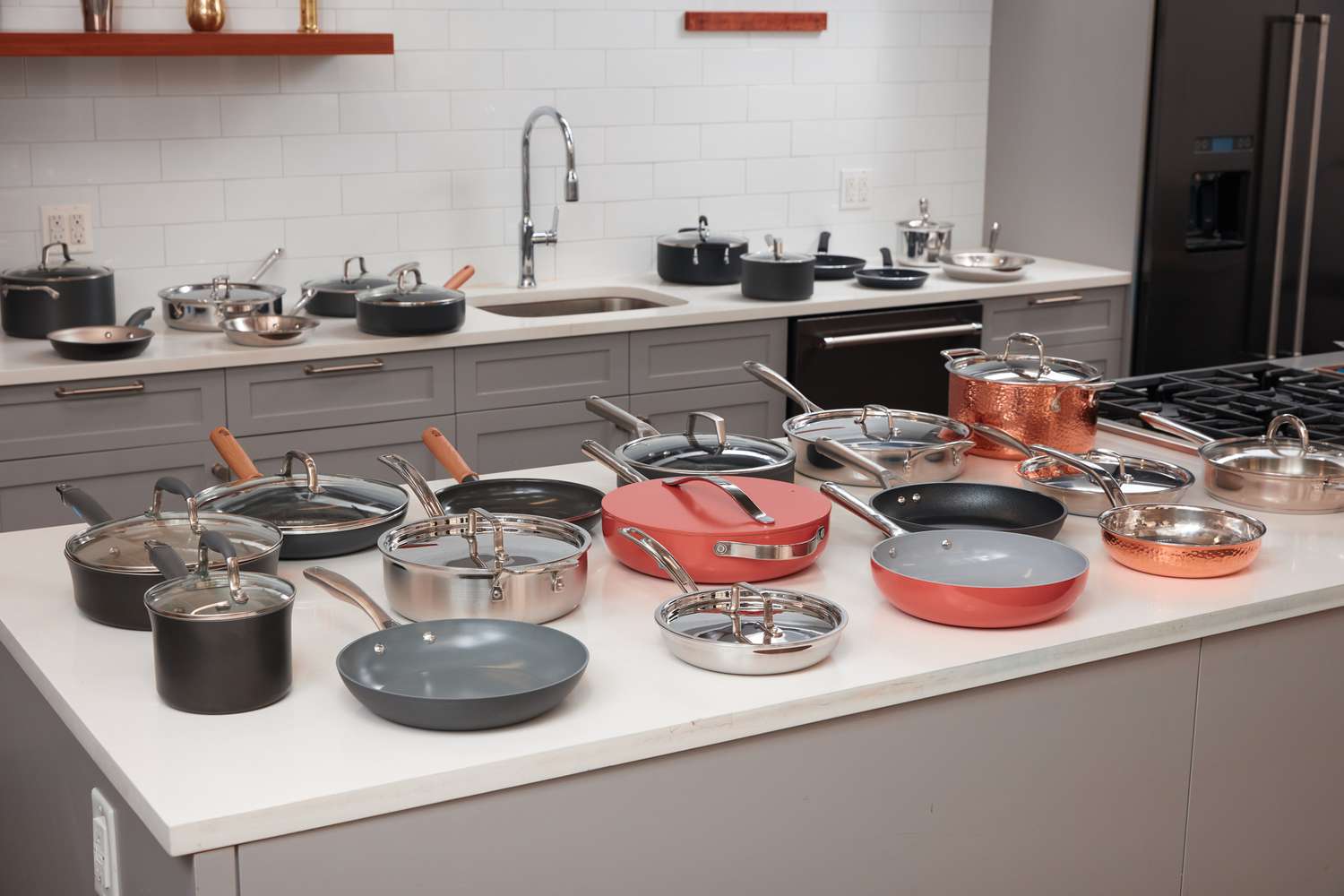
Understanding materials helps you pick the best cookware set for first time buyers. Each material has clear strengths and trade-offs.
Stainless steel
- Pros: Durable, non-reactive, and great for browning. Many sets are dishwasher-safe.
- Cons: Food can stick without proper technique.
- Best use: Searing, soups, and boiling.
Nonstick (PTFE)
- Pros: Easy cleanup, low-fat cooking. Perfect for eggs and delicate foods.
- Cons: Coatings can wear over time and need gentle utensils.
- Best use: Eggs, pancakes, and quick sautés.
Hard-anodized aluminum
- Pros: Durable nonstick-like surface, good heat conduction.
- Cons: Heavier, not always oven-safe at high temps.
- Best use: Everyday frying and one-pot meals.
Ceramic nonstick
- Pros: PFOA-free and often marketed as safer. Easy cleanup.
- Cons: Coating can lose nonstick properties faster than PTFE.
- Best use: Low- to medium-heat cooking.
Cast iron and enameled cast iron
- Pros: Excellent heat retention and long life. Great for slow cooking.
- Cons: Heavy and require season or special care (for cast iron without enamel).
- Best use: Braises, stews, and cast-iron searing.
People also ask
What material should a beginner choose first?
Choose stainless steel for versatility and a nonstick skillet for delicate foods. Together they cover most cooking tasks.
Is nonstick safe for everyday cooking?
Nonstick cookware is safe when used at recommended temperatures and without scratched surfaces. Replace pans if coating peels.
Essential pieces every first-time buyer should have
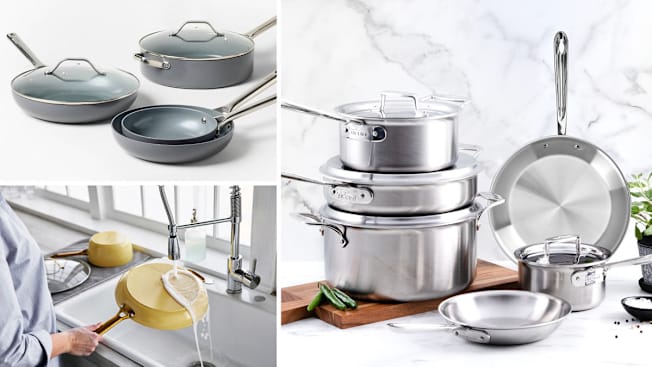
A long set is tempting, but a compact, well-chosen group of pieces gets you cooking fast. These pieces form the core of the best cookware set for first time buyers.
Core items
- 8- to 10-inch nonstick skillet — For eggs, pancakes, and quick sautés.
- 10- to 12-inch stainless skillet or sauté pan — For browning and pan sauces.
- 1.5- to 2-quart saucepan with lid — For grains, sauces, and small sides.
- 3- to 4-quart sauté pan or casserole — For one-pot meals.
- 6- to 8-quart stockpot with lid — For soups, stews, and pasta.
- A baking sheet and basic utensils round out the kit.
Why fewer, better pieces work
- You learn each piece faster. Care is simpler. Storage is easier.
- My first kitchen had six pieces and I cooked everything for years without buying extras.
Care, maintenance, and longevity tips
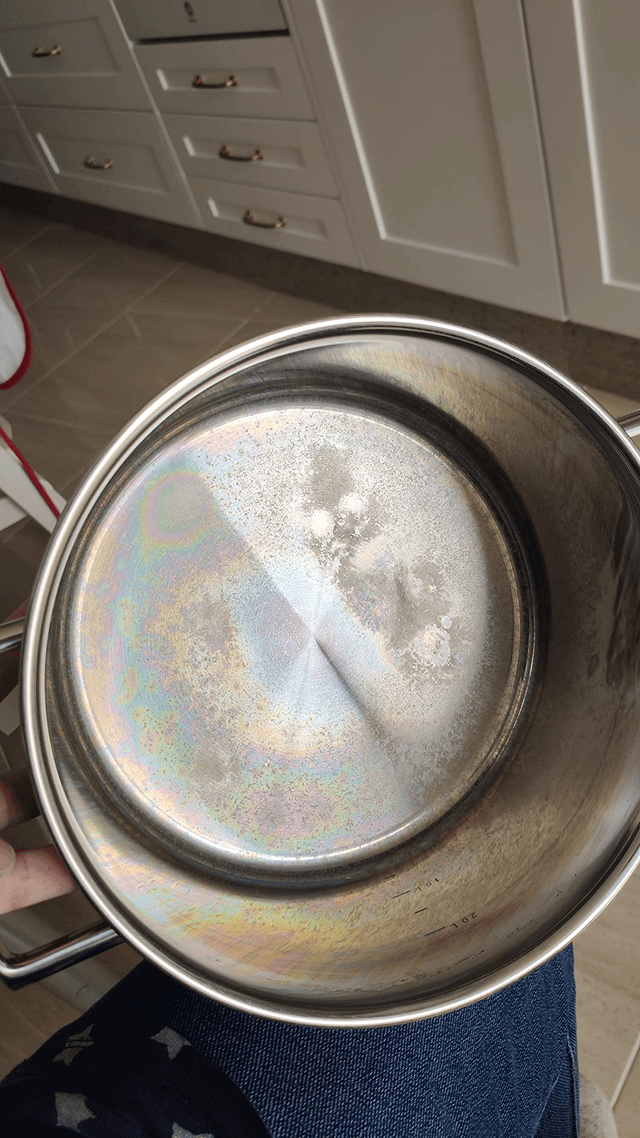
Taking care of cookware extends its life and keeps food tasting great. These simple habits pay off fast.
Daily care tips
- Use wooden or silicone tools on nonstick surfaces to avoid scratches.
- Avoid overheating empty pans; that wears coatings.
- Let pans cool before washing to protect warp-prone metal.
- For stainless steel, deglaze with wine or stock to loosen stuck bits.
Deep care tips
- Re-season cast iron regularly to maintain nonstick properties.
- Replace nonstick pans once the coating shows persistent peeling.
- For stained stainless, use a dedicated cleaner or a paste of baking soda and water.
I once ruined a nonstick skillet by cooking at very high heat to "speed up dinner." The coating blistered within months. I now keep heat moderate with nonstick pans and the difference is clear.
Budgeting and where to buy
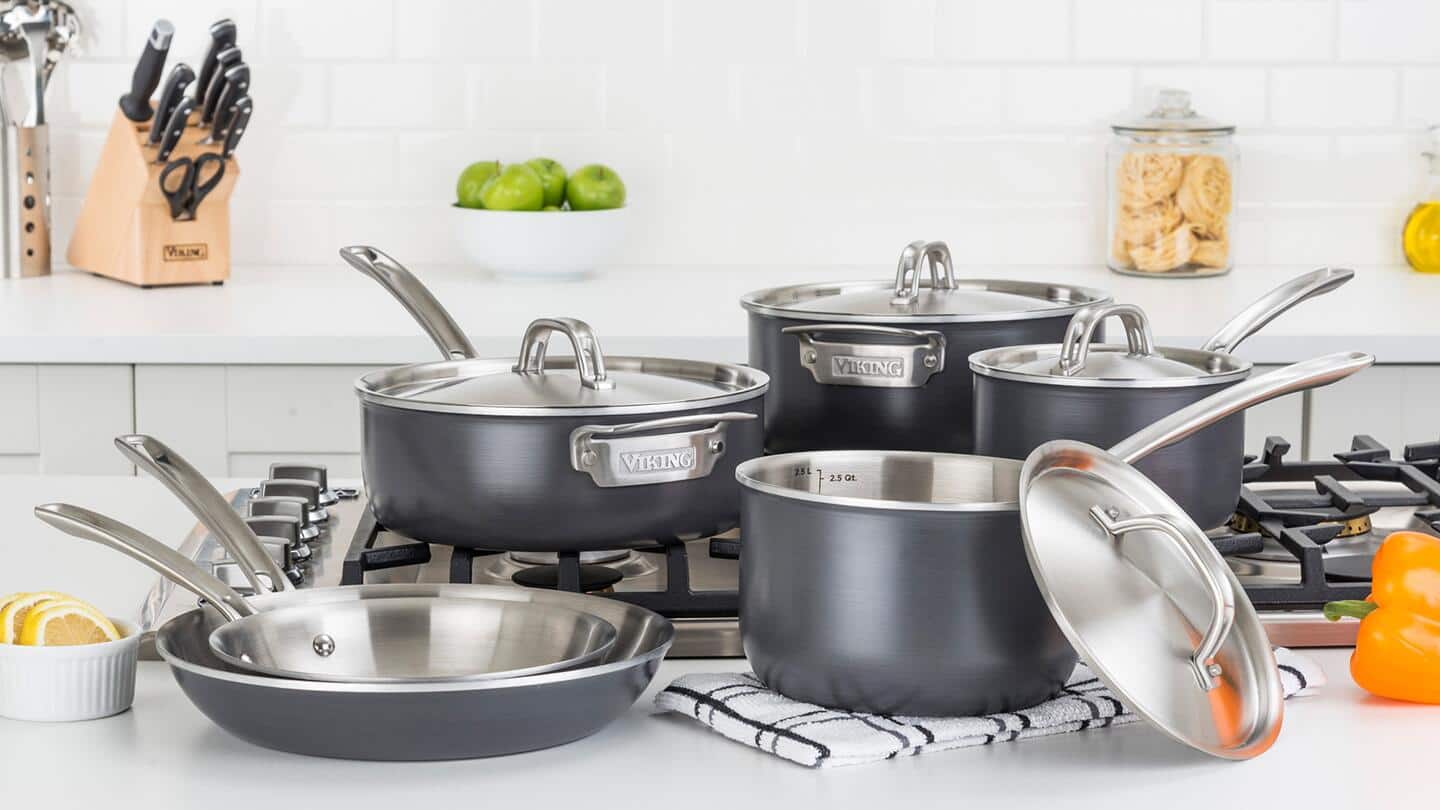
You can find the best cookware set for first time buyers at many price points. Decide what you want to spend before you shop.
Price tiers
- Under $150 — Basic sets that cover essentials. Good for tight budgets.
- $150–$350 — Better construction and warranty. Good balance of price and performance.
- $350+ — Premium sets for long-term ownership and pro-level cooking.
Where to buy
- Big-box retailers and brand websites often run sales.
- Local kitchen stores let you feel weight and handles. Try holding a pan before buying.
- Online marketplaces offer wider selection and customer reviews. Read reviews focused on durability and warranty.
My tip: buy the best skillet you can afford first. A great skillet improves every meal.
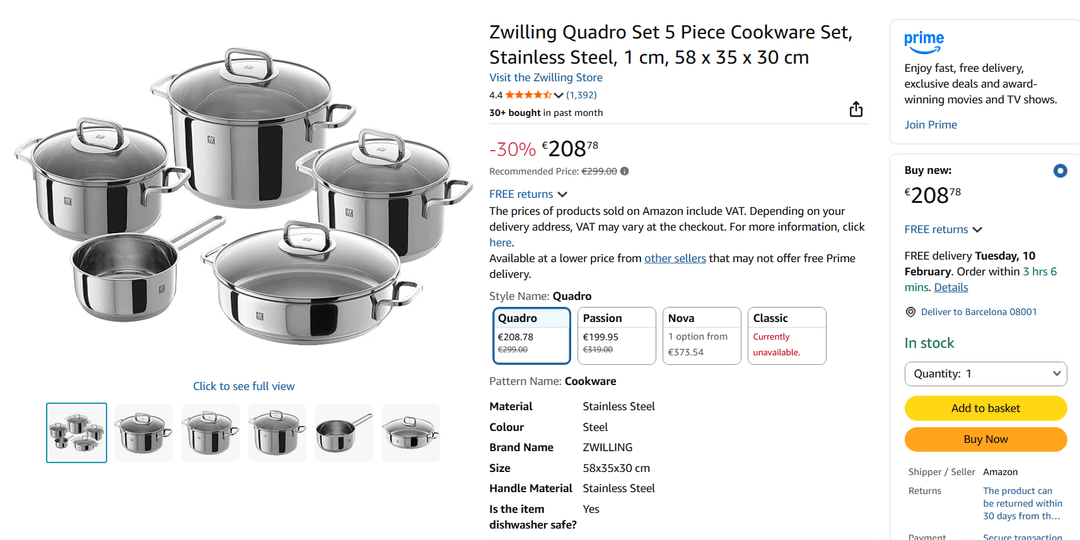
Comparison checklist: rapid decision guide
Use this checklist when you inspect sets. It helps you choose the best cookware set for first time buyers without overthinking.
Checklist items
- Is the base thick and flat? That reduces hot spots.
- Are handles riveted or welded? Riveted handles usually last longer.
- Does the set include lids that fit snugly?
- Are induction and oven compatibility clearly stated?
- What warranty and customer support does the brand provide?
Frequently Asked Questions of best cookware set for first time buyers
What is the best material for a cookware set for beginners?
Stainless steel combined with one good nonstick skillet is the most versatile and beginner-friendly choice.
How many pieces should a starter cookware set include?
A practical starter set includes 5 to 7 core pieces: two pans, two pots, and lids. This covers most daily cooking tasks.
Can I mix materials in one kitchen?
Yes. Mixing a stainless set with a separate nonstick skillet gives both durability and ease of use.
Do I need induction-ready cookware as a first-time buyer?
Only if your stove is induction. If not, standard stainless or nonstick is fine.
How long should a good starter set last?
With proper care, a quality starter set should last 5–10 years, while premium sets can last decades.
Conclusion
Choosing the best cookware set for first time buyers comes down to matching materials to cooking style, prioritizing a few high-quality pieces, and avoiding impulse buys. Start with a good skillet and a reliable stainless pot set, care for them, and you’ll save money and frustration in the long run. Take action today: list how you cook, set a realistic budget, and pick one set that fits those needs — then start cooking with confidence. Leave a comment about your kitchen goals or subscribe for more starter-kitchen guides.