Yes — stainless steel cookware is safe for most people when used and cared for properly.
I have tested and cooked with many stainless sets over a decade. I know how they perform in real kitchens. This article answers is stainless steel cookware safe with clear science, practical tips, product advice, and simple rules to keep you cooking with confidence. Read on to learn how stainless steel works, when small metal traces can appear in food, who should take care, and how to pick and care for cookware that lasts.
How stainless steel cookware is made and why it matters
Stainless steel is an alloy of iron, chromium, and often nickel. The chromium makes the surface resist rust. Nickel improves shine and formability. Common grades are 18/8 or 18/10, meaning about 18% chromium and 8%–10% nickel.
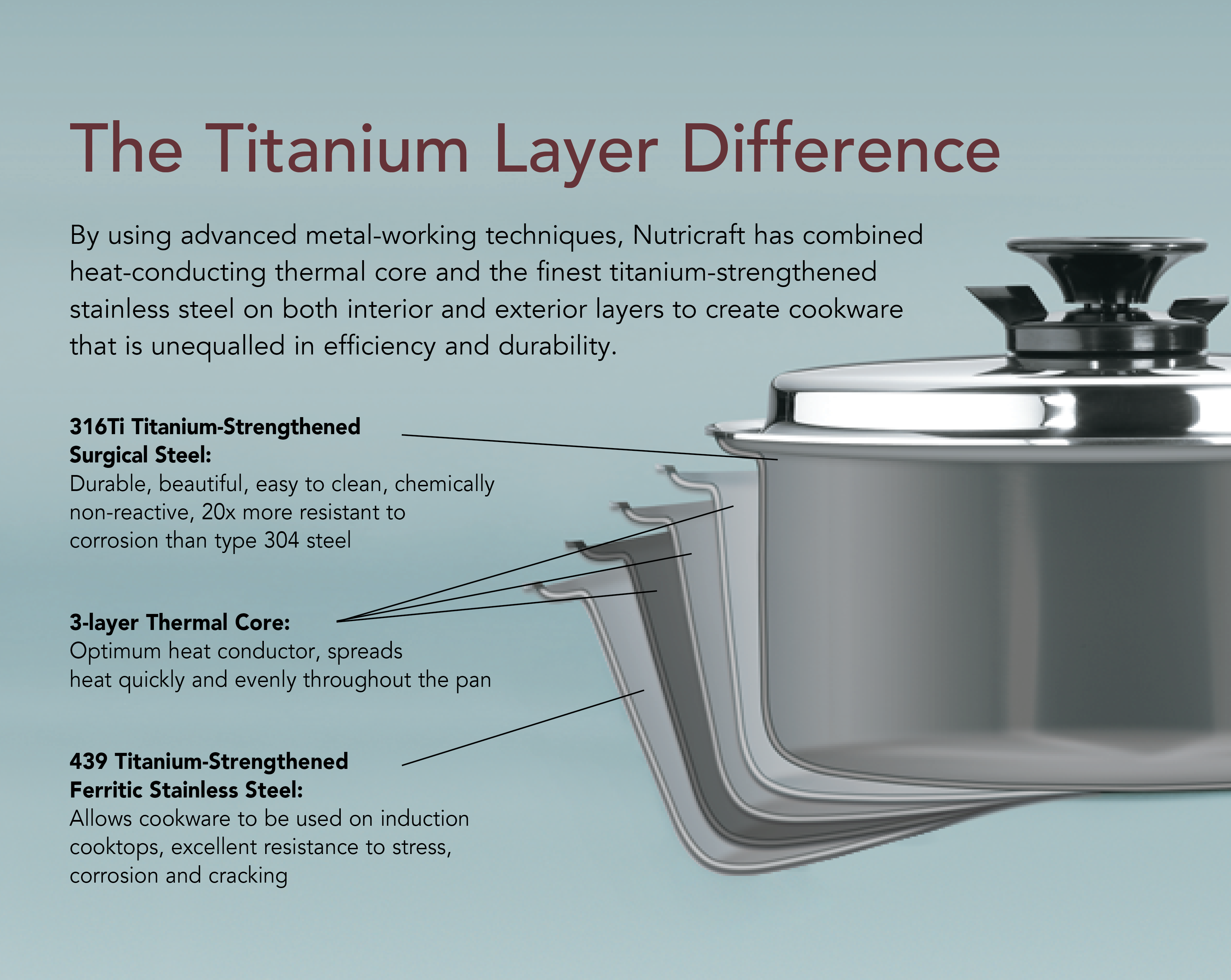
Manufacturers make cookware as single-layer steel or as multi-ply (clad) with aluminum or copper cores. Multi-ply pans heat better and reduce hotspots. The surface is called the passive oxide layer. This layer limits direct contact between food and base metals. That layer is the key reason people ask is stainless steel cookware safe.
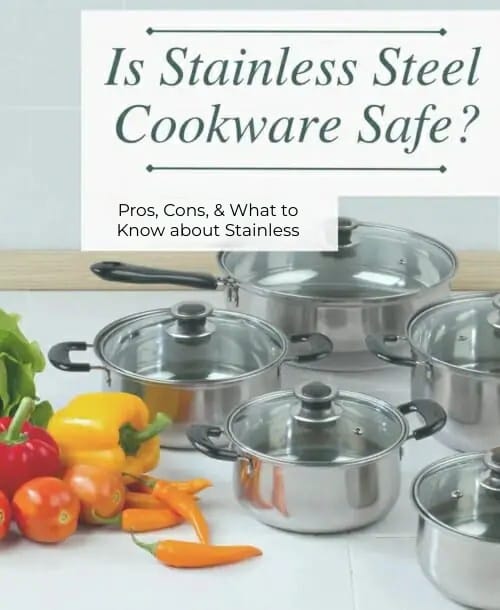
Health and safety: is stainless steel cookware safe?
Stainless steel is generally non-reactive. Most foods do not change flavors or color when cooked in stainless. That is why chefs use it for sauces and searing.
Small amounts of chromium and nickel can leach into food. Leaching rises when:
- Food is very acidic, such as tomato sauce or citrus.
- The pan is new and unseasoned.
- The surface is scratched, pitted, or worn.
- You overheat an empty pan.
For most people, the tiny metal traces are far below safe daily limits set by health authorities. People with nickel allergy can react to nickel in food. If you wonder is stainless steel cookware safe for you, test by eating foods cooked briefly in stainless and watch for symptoms. If you are allergic or especially sensitive, choose nickel-free stainless (ferritic grades) or different cookware.
Benefits of stainless steel cookware
Stainless steel is popular for many practical reasons:
- Durability. It resists dents, warping, and rust.
- Non-reactive surface. It keeps flavors pure for most foods.
- High-heat performance. It tolerates searing and oven use.
- Easy to clean. It can handle scrubbing and many pieces are dishwasher safe.
- Recyclable. Stainless is widely recyclable at end of life.
Those strengths explain why people repeatedly ask is stainless steel cookware safe compared with nonstick or aluminum. In many kitchens, stainless is the go-to for long-term value.
Limitations and risks to consider
No material is perfect. Know these limits when you decide if is stainless steel cookware safe for your needs:
- Stick risk. Food can stick without proper heat and oil.
- Heat spots on thin pans. Low-quality single-ply pans may cook unevenly.
- Metal leaching. Acidic foods and wear raise leaching slightly.
- Weight. Quality clad pans can be heavy.
- Nickel allergy. Some people must avoid nickel-containing grades.
These are manageable. Simple habits cut most risks.
How to use and care to keep stainless steel safe
Using stainless steel right reduces leaching and sticking. Try this practical checklist:
- Preheat the pan gently before adding oil. This forms a smoother cooking surface.
- Use enough oil or liquid to limit direct stick contact.
- Deglaze with liquid after searing to lift fond and avoid excessive scrubbing.
- Avoid storing highly acidic food long-term in the pan.
- Replace pans with deep pits, heavy scratches, or rust.
- Hand wash when possible. A soft scrub pad and baking soda handle stains well.
- Avoid heating empty pans to a glowing hot state.
These habits keep the passive oxide layer intact. They also extend pan life and cooking quality.
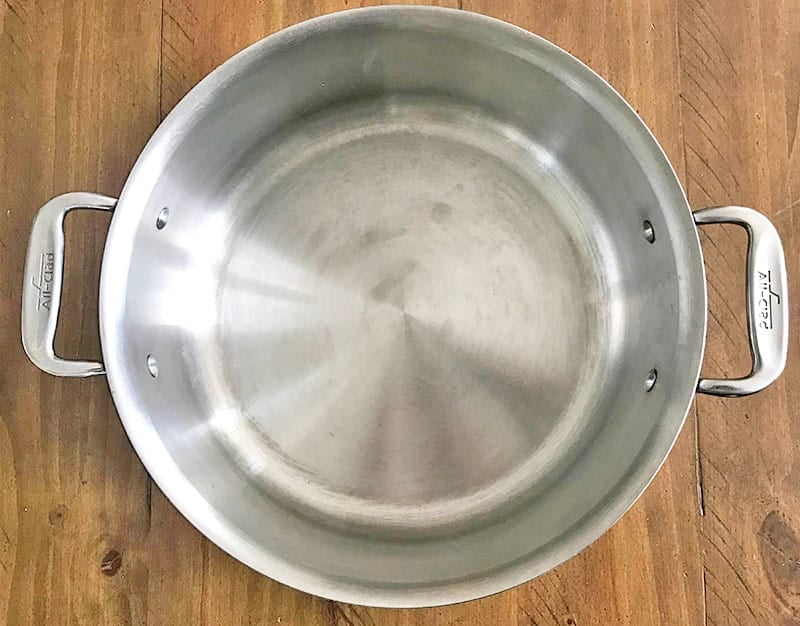
How to choose safe stainless steel cookware
When shopping, look for clear grade and build details. Use these quick criteria:
- Check grade: 18/8 or 18/10 is common and stable. 304 or 316 indicate good corrosion resistance.
- Prefer multi-ply (clad) designs for even heat.
- Confirm induction compatibility if you need it.
- Avoid vague labels that do not list alloy content.
- Consider warranty and brand reputation.
If you are worried about nickel, seek ferritic stainless (nickel-free) or non-steel options. Knowing the exact alloy helps answer is stainless steel cookware safe for your household.
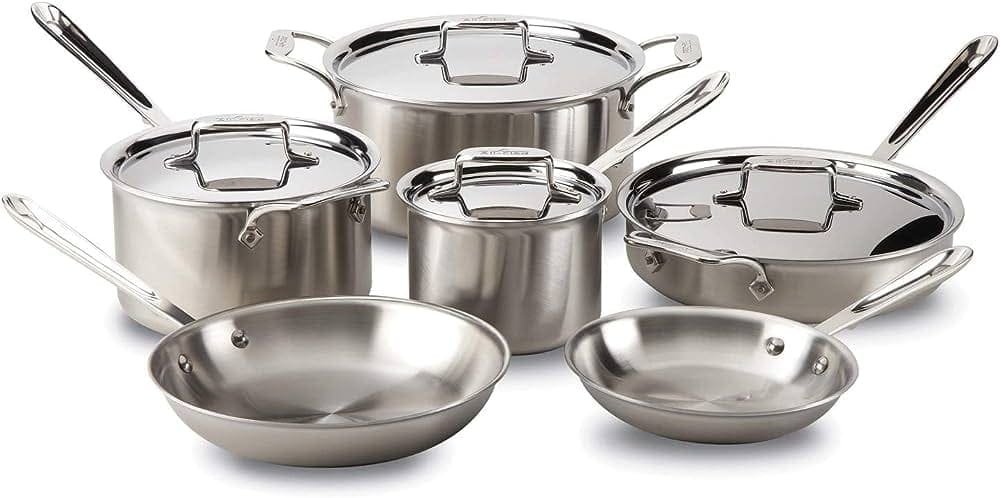
Personal experience and practical tips from the kitchen
I have used sets of 18/10 clad cookware for years. I sear, braise, and make tomato sauces daily. I rarely see any change in taste. Once, I cooked long-simmered tomato sauce in an old scratched pan and noticed a faint metallic note. After replacing the pan and using a clad set, the flavor returned to normal. Lesson learned: take care of the surface.
My go-to tips:
- Preheat and use oil for searing.
- Deglaze right after browning to make cleaning easy.
- Replace pans once they show pitting or deep scratches.
These small steps kept my pans safe and reliable for years.
Frequently Asked Questions of is stainless steel cookware safe
Is stainless steel cookware toxic?
Stainless steel cookware is not toxic for most people. Only tiny amounts of metals may leach under certain conditions, and they are usually well below safety limits.
Can stainless steel leach nickel or chromium into food?
Yes, small amounts can leach, especially with acidic foods or worn surfaces. For most people these amounts are negligible and not harmful.
Is stainless steel cookware safe for acidic foods like tomato sauce?
Stainless steel is generally safe for acidic foods, but leaching can be slightly higher. Use a well-maintained, high-grade pan and avoid storing acidic food in it for long.
Should people with nickel allergy avoid stainless steel?
People with nickel allergy may react to nickel-containing stainless grades. Choose nickel-free options or other materials if you have a confirmed sensitivity.
Does stainless steel release toxins at high heat?
Stainless steel does not release toxins like some coatings when heated, but overheating empty pans can degrade the surface and raise metal traces. Avoid extreme dry heat for long periods.
How long does stainless steel cookware last?
With proper care, stainless steel cookware can last decades. Clad pans and good maintenance are keys to long life.
Conclusion
Stainless steel is a safe, durable, and versatile choice for most cooks. Small metal traces can occur under specific conditions, but these are usually minor and preventable with proper use and care. If you have a nickel allergy or deep concerns, choose nickel-free steel or alternate materials. Try the practical tips here: preheat gently, use oil, avoid long storage of acidic foods, and replace worn pans.
Take action today: inspect your pans, follow the care tips, and pick cookware that lists its grade. If this article helped, subscribe for more kitchen-tested advice or leave a comment with your cookware questions.