Best daily cookware in the USA: stainless steel, ceramic nonstick, and seasoned cast iron are top picks.
I’ve cooked daily meals for years in both tiny apartments and busy family kitchens, testing cookware across budgets and stoves. This guide walks you through the best cookware for daily use USA cooks trust, with clear recommendations, hands-on tips, and what to avoid. You’ll learn which materials perform best, which sets give the most value, and how to care for your pieces so they last. Read on to make smart, confident choices for everyday cooking.
Why choosing the right cookware matters for daily cooking
Picking the best cookware for daily use USA kitchens changes how food cooks, how long tools last, and how easy cleanup is. Right cookware saves time, improves flavor, and cuts long-term costs.
Daily cooking needs focus on durability, even heat, safety, and ease of cleaning. I test pans weekly and prefer pieces that balance those traits. A good set turns routine meals into reliable results.
Top cookware materials and what they offer
Choosing the right material is the first step to finding the best cookware for daily use USA households. Below are common options with clear pros and cons.
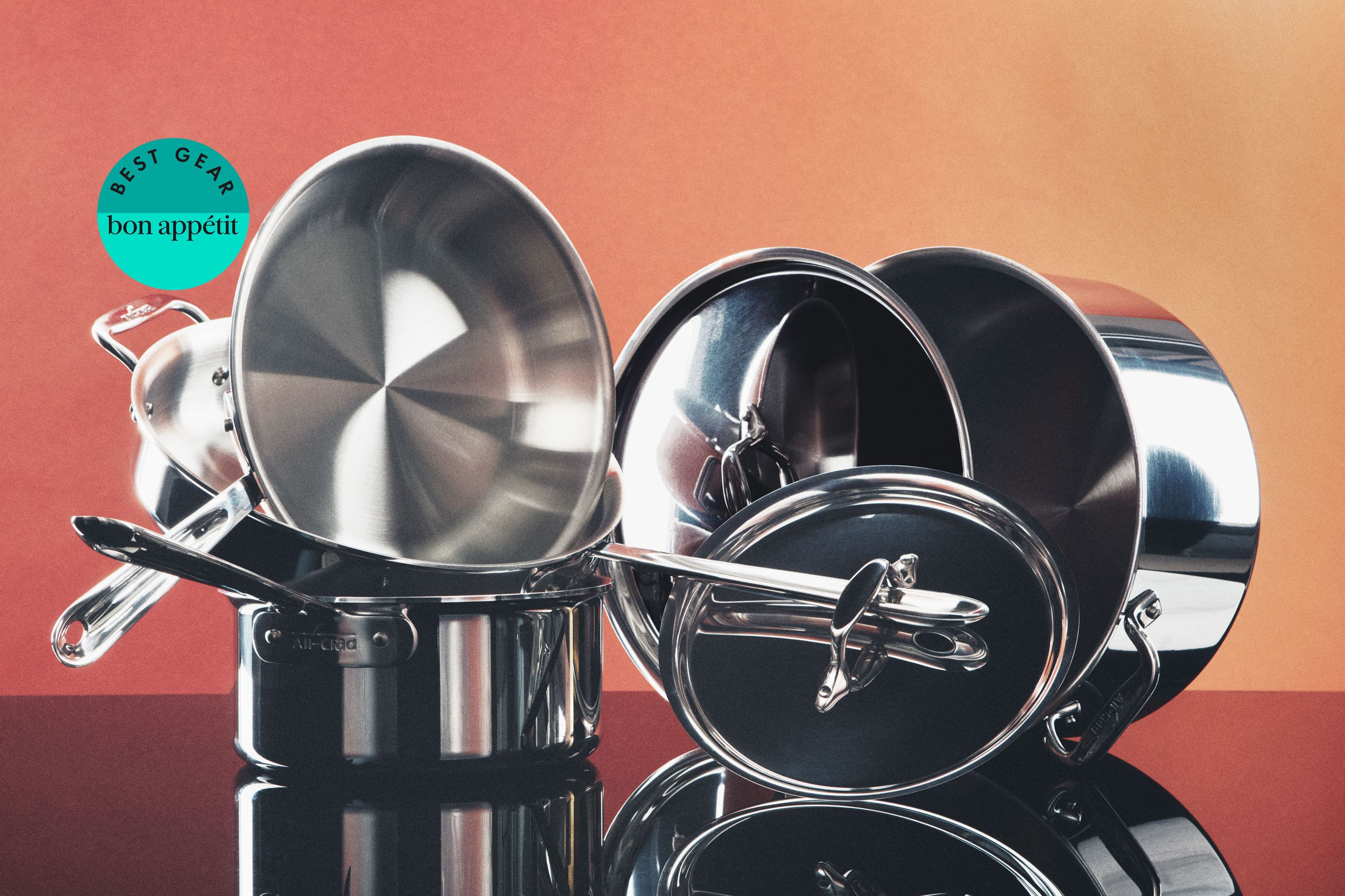
Stainless steel
- Pros: Durable, nonreactive with acidic foods, oven-safe, and often dishwasher safe.
- Cons: Poor natural nonstick; needs good oiling or higher heat.
- Best for: Searing, deglazing, and everyday pots and pans.
Aluminum (anodized)
- Pros: Excellent heat conduction, lighter weight, and often affordable.
- Cons: Bare aluminum can react with food; anodized fixes this.
- Best for: Quick heating tasks and affordable sets.
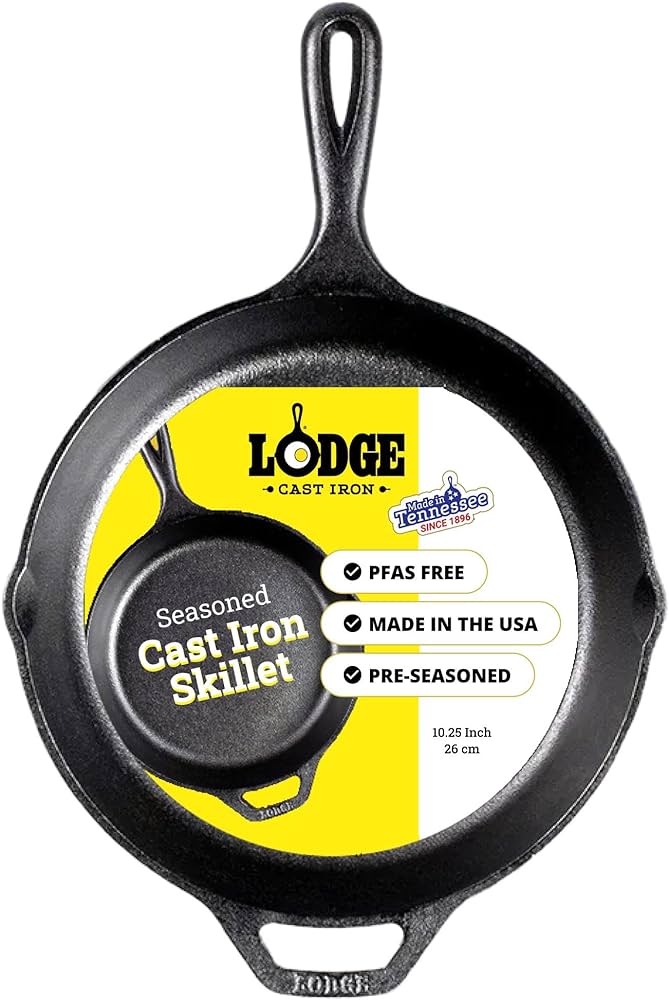
Cast iron
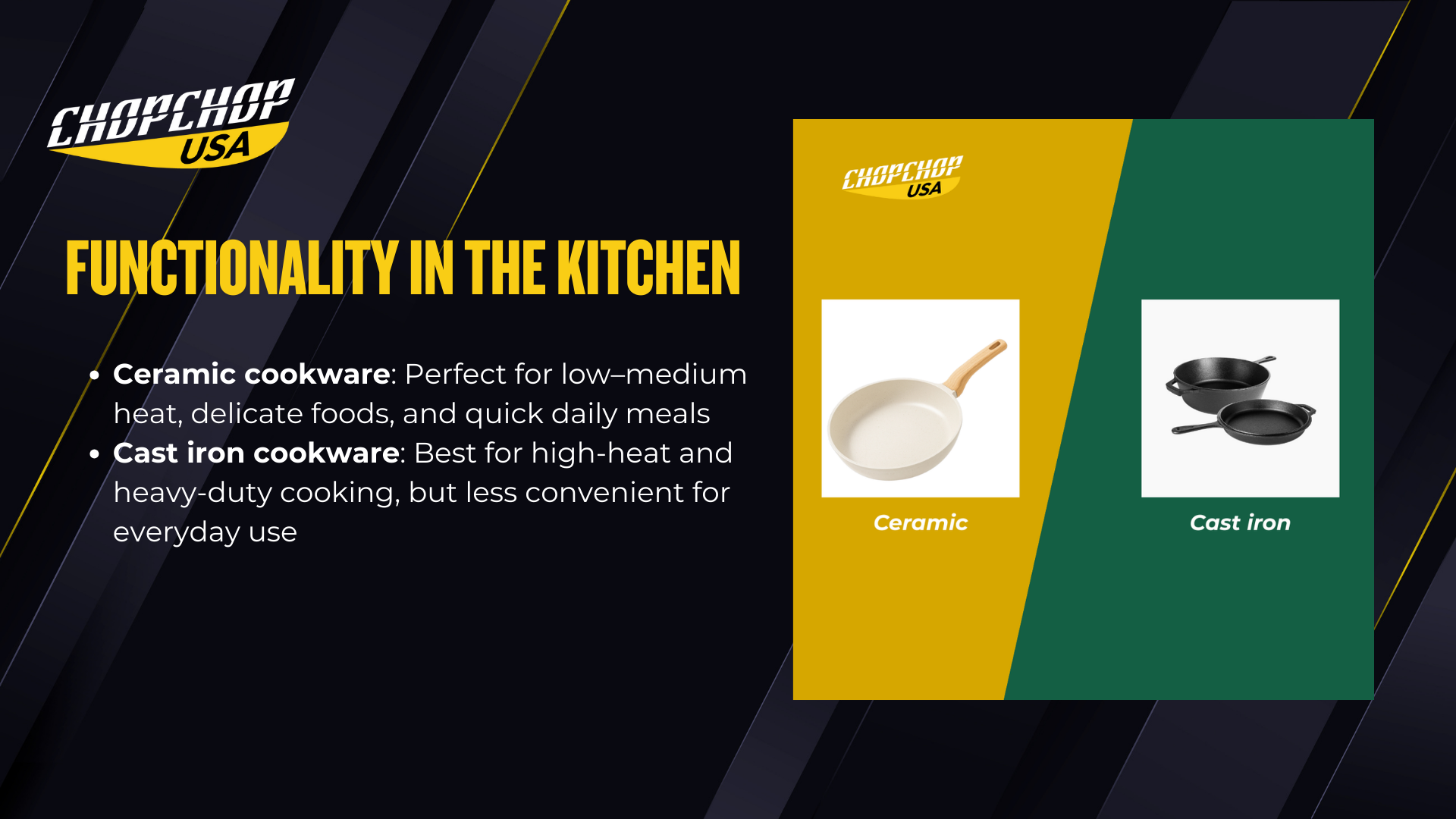
- Pros: Superb heat retention, naturally nonstick when seasoned, and long-lasting.
- Cons: Heavy and needs maintenance to stay seasoned.
- Best for: Searing, slow-cooking, and stovetop-to-oven recipes.
Enameled cast iron
- Pros: No seasoning needed, great heat retention, and attractive.
- Cons: Heavier and can chip if dropped.
- Best for: Stews, braises, and hands-off cooking.
Ceramic nonstick
- Pros: Low-fat cooking with easy cleanup and often free from PFAS.
- Cons: Coating can wear faster than metal; avoid high heat.
- Best for: Eggs, pancakes, and low-oil cooking.
Hard-anodized cookware
- Pros: Durable, scratch-resistant, and offers good nonstick performance.
- Cons: More expensive than basic nonstick; often not fully induction compatible.
- Best for: Busy cooks who want nonstick durability.
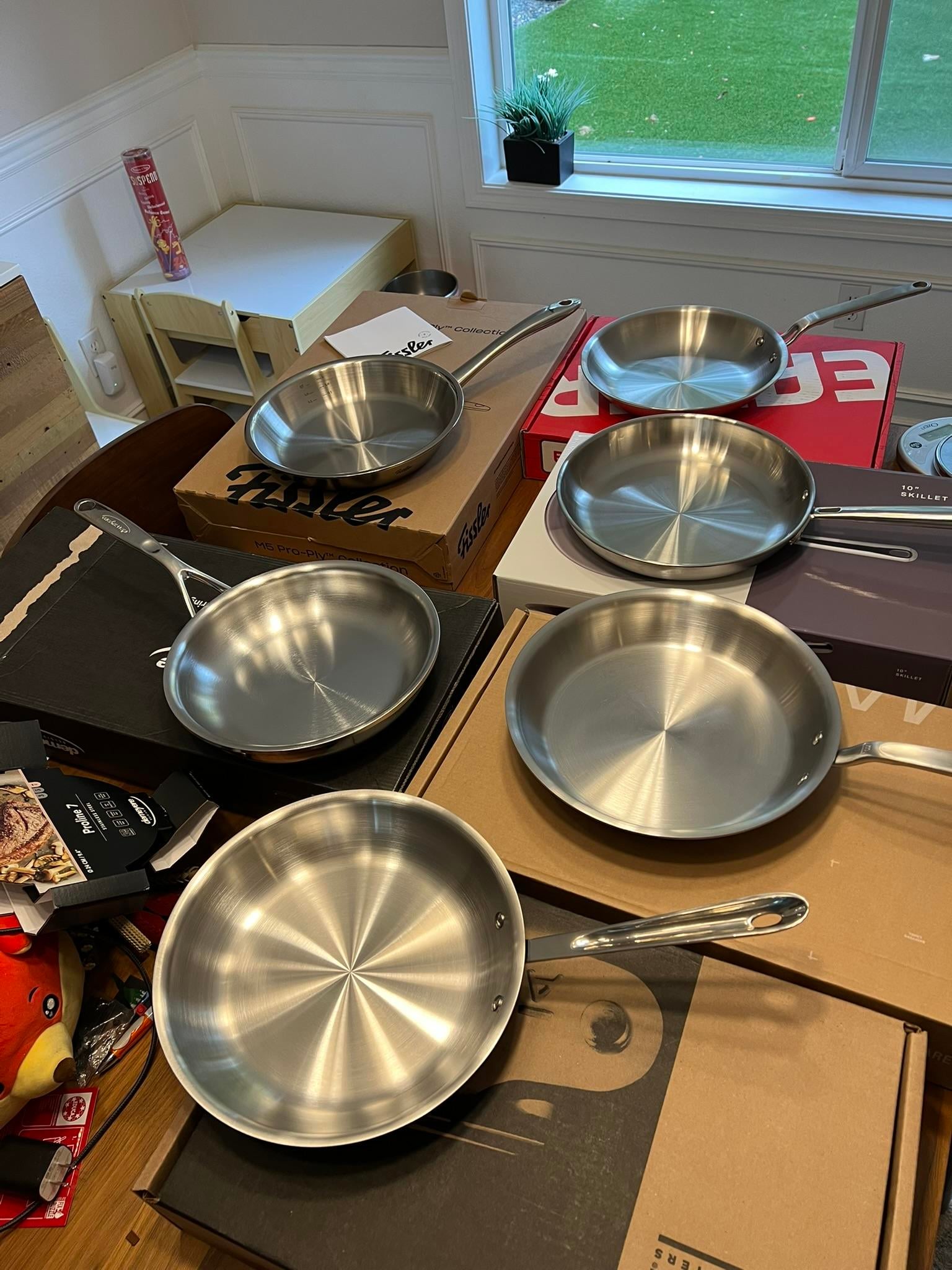
Tri-ply or multi-ply bonded cookware (stainless core with aluminum)
- Pros: Best balance of heat conduction and durability.
- Cons: Higher price point, but often a worthwhile investment.
- Best for: Those seeking the best cookware for daily use USA kitchens that demand performance.

Source: reddit.com
Best cookware sets and individual pieces for daily use in the USA
Buying a full set or a few key pieces depends on how you cook. For most households, a mix of pieces works best.
Essential pieces to own
- 8–10 inch skillet for sautéing and eggs.
- 10–12 inch skillet for family meals and searing.
- 2–3 quart saucepan for sauces and grains.
- 6–8 quart stockpot for soups, pasta, and boiling.
- Dutch oven or enameled cast iron for braises and roasts.
Set vs. buying a la carte
- Sets provide matched lids and storage convenience, and can save money.
- A la carte lets you choose higher-quality core pieces and avoid redundant sizes.
Recommendations by use
- For durability and performance: tri-ply stainless steel set with lids. This often rates among the best cookware for daily use USA kitchens.
- For low-fat and easy cleanup: ceramic nonstick skillet plus a stainless steel saucepot.
- For heavy-duty cooking: seasoned cast iron skillet and an enameled Dutch oven.
Personal note: my daily rotation includes a tri-ply stainless 10-inch skillet, a 3-quart saucepan, and a seasoned 12-inch cast iron. That combo covers 90% of meals and feels reliable for daily use.
How to choose based on stove type, cooking style, and budget
Match cookware to your stove and habits to get the most value from your purchase.
Consider your stove
- Gas: Responds well to all materials; choose pieces with flat bottoms for even flame contact.
- Electric coil: Use flat, heavy bottoms for stability and heat transfer.
- Glass/ceramic cooktops: Avoid rough-bottomed cast iron that can scratch; use smooth stainless or anodized aluminum.
- Induction: Look for magnetic-base cookware like stainless steel with an induction plate or cast iron.
Match cookware to cooking style
- Quick cooks and low-fat diets: ceramic nonstick makes life easy.
- Frequent searing and browning: stainless steel or cast iron performs best.
- One-pot meals: Dutch ovens and large stockpots simplify prep.
Budget tiers
- Budget: Hard-anodized or mid-range nonstick sets. Expect 2–5 years of good service with proper care.
- Mid-range: Tri-ply stainless sets offer long life and strong performance.
- Premium: High-end bonded stainless and professional-grade cast iron for cooks who want lifetime gear.
Buying tip: invest in the best you can afford for your most-used piece. The skillet you reach for daily should be durable and reliable. This principle helps you assemble the best cookware for daily use USA kitchens without overspending.
Care, maintenance, and getting the most life from your cookware
Proper care extends life and performance. Small habits matter.
Stainless steel care
- Use moderate heat and preheat pan before adding oil.
- Remove stuck food with simmering water and a gentle scrubber.
- Avoid harsh metal scouring pads that damage finish.
Cast iron care
- Clean with hot water and a stiff brush. Dry thoroughly and apply a thin oil layer after each use.
- Re-season if food begins to stick or if rust appears.
Nonstick and ceramic care
- Use wooden or silicone tools and avoid high heat.
- Replace when coating wears or flaking begins.
General tips
- Avoid thermal shock: don’t plunge a hot pan into cold water.
- Use correct-sized burners for even heat.
- Store carefully to avoid scratches; use pan protectors if stacking.
Small investments like soft scrubbers, magnetic trivets, and a good quality lid can protect your investment and make your cookware last decades — essential when choosing the best cookware for daily use USA kitchens.
People also ask
How do I pick the single best pan for everyday cooking?
- Choose a 10–12 inch skillet in stainless or cast iron. It covers eggs, searing, and one-pan meals without crowding.
Is stainless steel or nonstick better for daily use?
- Stainless steel wins for durability and searing, while nonstick excels at low-fat, delicate cooking. Many cooks use both.
Can I use cast iron on glass stove tops?
- Yes, but be careful; smoother-bottomed cast iron and lifting rather than sliding helps prevent scratches.
How often should I replace nonstick cookware?
- Replace when the coating peels or performance drops, usually every 2–5 years depending on use and care.
Does more expensive cookware cook better?
- Often yes, because of better materials and construction. But matching cookware to your needs gives better value than price alone.

Source: chopchopusa.com
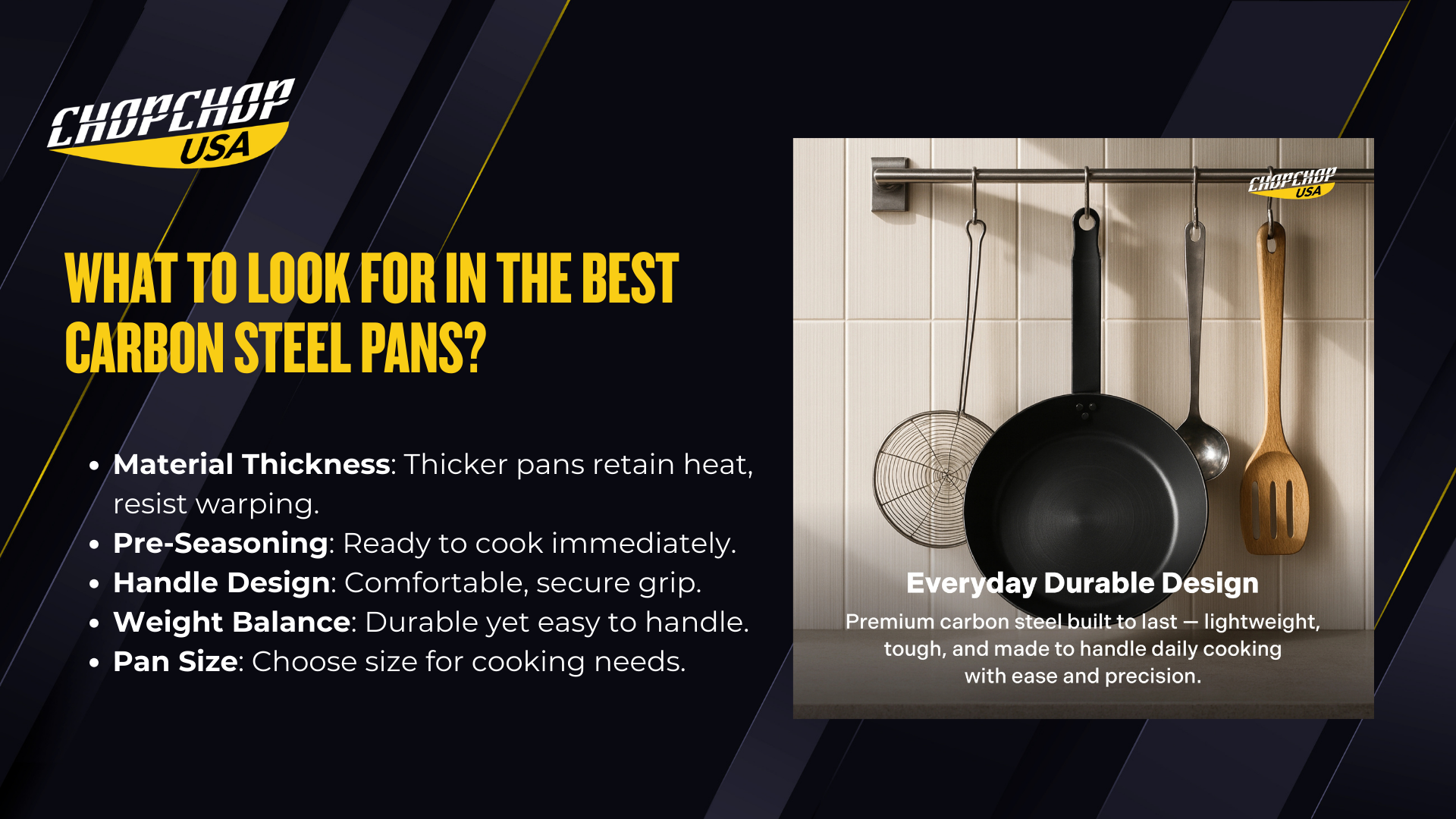
Frequently Asked Questions of best cookware for daily use usa
What is the single most versatile cookware piece?
A 10–12 inch skillet is the most versatile. It handles breakfasts, dinners, and quick sautés with ease.
Is it safe to use nonstick every day?
Yes, when used properly at moderate temperatures and with intact coatings. Replace once the coating shows wear.
Will a full set be better than buying pieces slowly?
Full sets offer convenience and matched lids, but buying key pieces slowly lets you choose higher-quality items for daily use.
How do I keep stainless steel from discoloring?
Avoid overheating, use gentle cleaners for stains, and polish lightly with a paste of baking soda and water.
Can I use metal utensils on hard-anodized pans?
Light metal contact is usually okay, but prefer silicone or wooden utensils to maximize surface life.
Are heavy pans always better?
Heavier pans often heat more evenly and retain heat, but they can be tiring to handle. Balance weight with your comfort.
How important is a tight-fitting lid?
Very important; tight lids help control moisture and speed cooking for rice, stews, and braises.
Do I need different pans for baking and stovetop?
Cast iron and oven-safe stainless pieces handle both well. Check manufacturer limits for lid and handle heat resistance.
Can I put dishwasher-safe cookware in the dishwasher daily?
Yes for dishwasher-rated items, but hand washing often extends coating life and finish.
What should I avoid to protect nonstick coatings?
Avoid high heat, metal utensils, and abrasive pads to prevent premature wear.
Conclusion
Choosing the best cookware for daily use USA kitchens means matching materials, pieces, and care to your cooking style and stove. Start with a reliable skillet, a saucepan, and a stockpot, then add specialty pieces like a Dutch oven or nonstick pan as needed. Invest in quality where you cook most and care for pieces with simple routines to extend their life. Try one change this week: pick the one pan you use most and upgrade to a piece that truly performs for your daily meals. Leave a comment about your favorite cookware or subscribe for more hands-on kitchen tips.