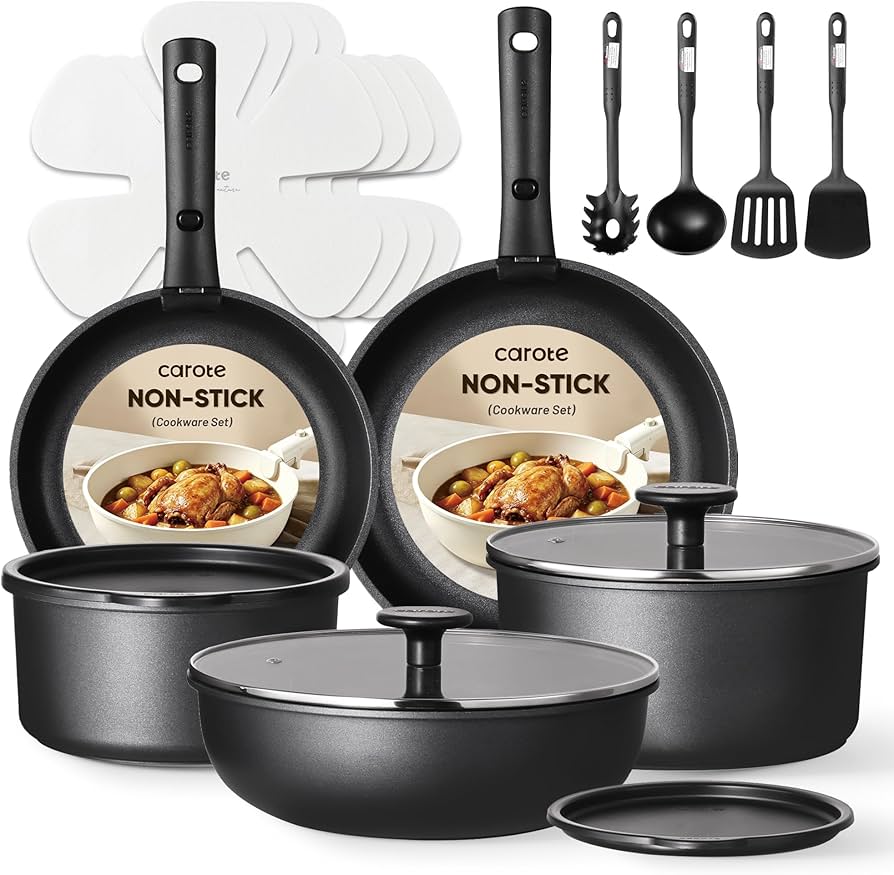
Best RV cookware: lightweight, nestable stainless steel and hard‑anodized nonstick sets with induction-ready options.
I’ve cooked across dozens of campsites and learned what truly matters when choosing the best cookware for rv cooking usa. This guide blends hands‑on experience, practical tests, and buyer-friendly advice to help you pick pots and pans that save space, handle varied heat sources, and last for miles. Read on for clear buying criteria, real-world setups, care tips, and smart picks so your next RV meal is easy, tasty, and stress‑free.
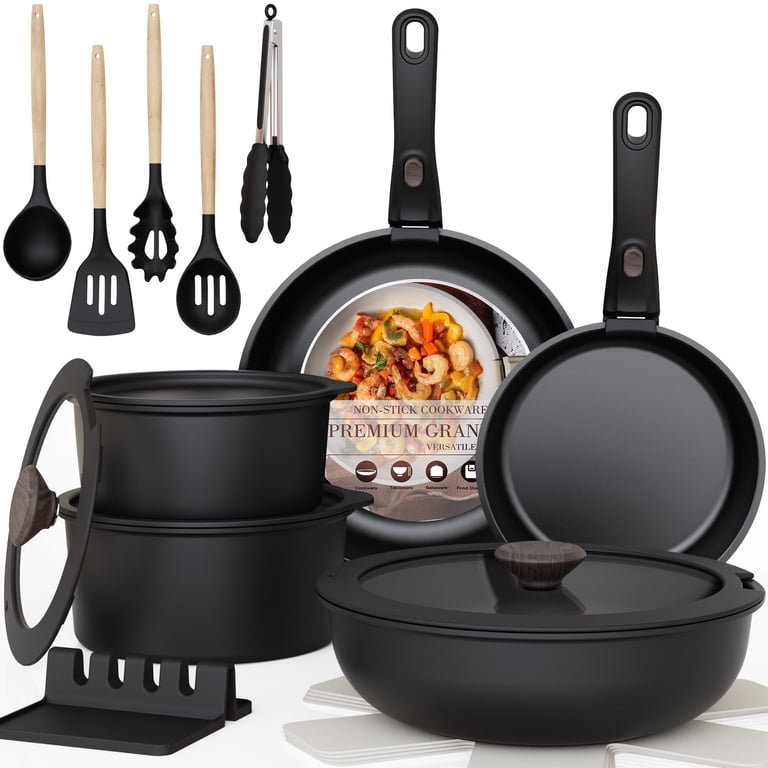
Why choosing the best cookware for rv cooking usa matters
Choosing the best cookware for rv cooking usa changes how you cook on the road. Space, weight, and multiple cooktop types make RV cooking different from home kitchens. The right set saves storage space, reduces wear on small burners, and cuts cleanup time.
Good RV cookware improves safety. Light pans with secure lids reduce spills on bumpy roads. Nestable sets lower shifting in cabinets. Durable finishes resist scratches from metal utensils and rough travel. Investing in purpose-built cookware makes camping meals quicker and more enjoyable.
Key features to look for in the best cookware for rv cooking usa
Picking cookware for RV life needs focus. Look for these features first.
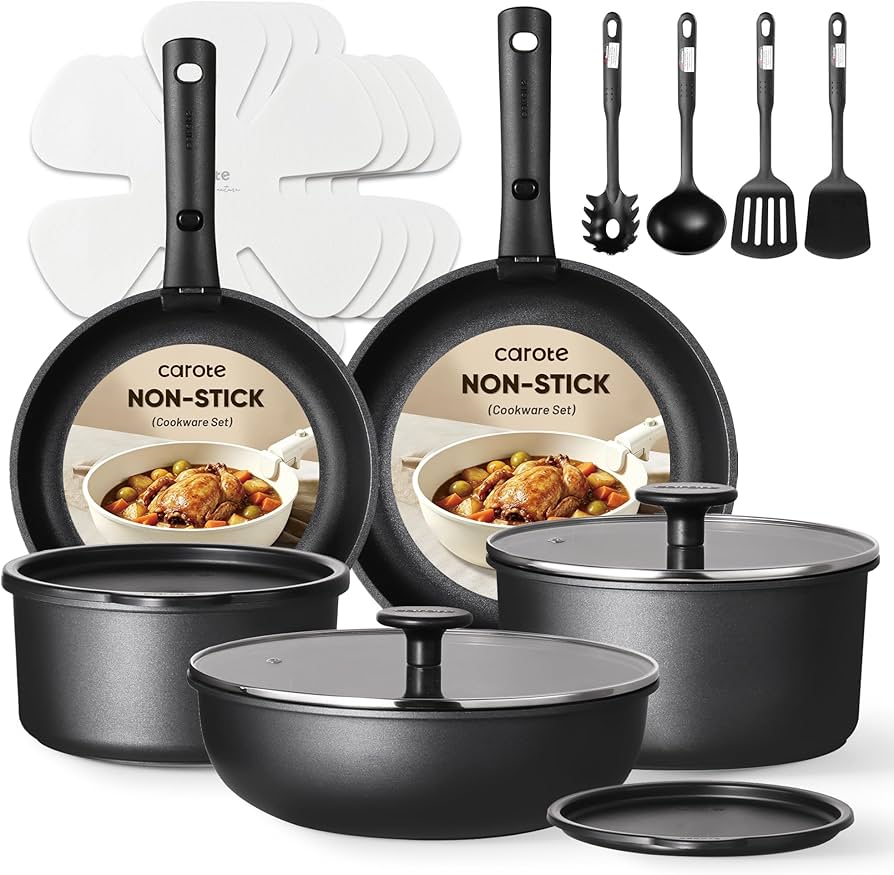
- Lightweight and durable construction. Choose aluminum or hard‑anodized steel for light weight and strength.
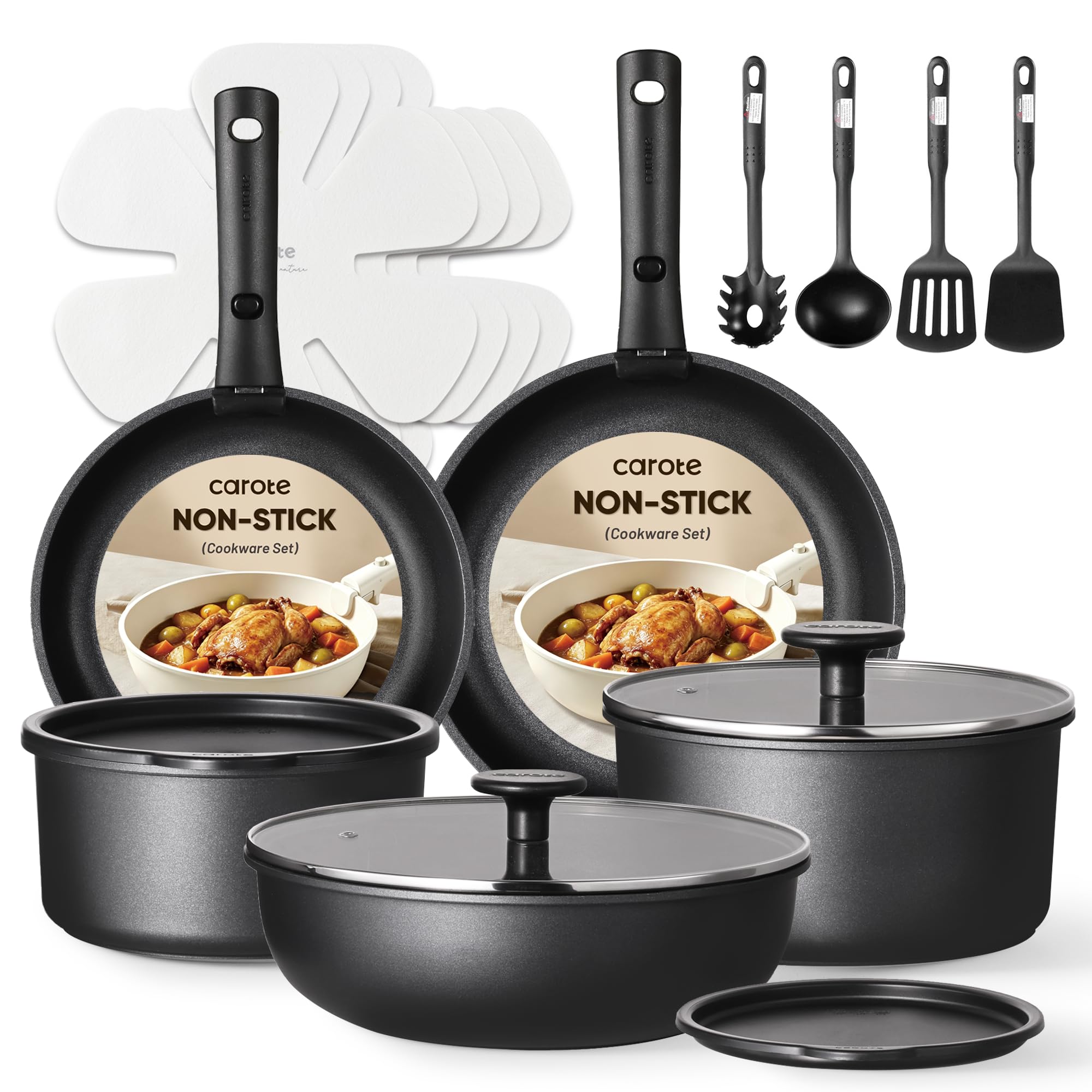
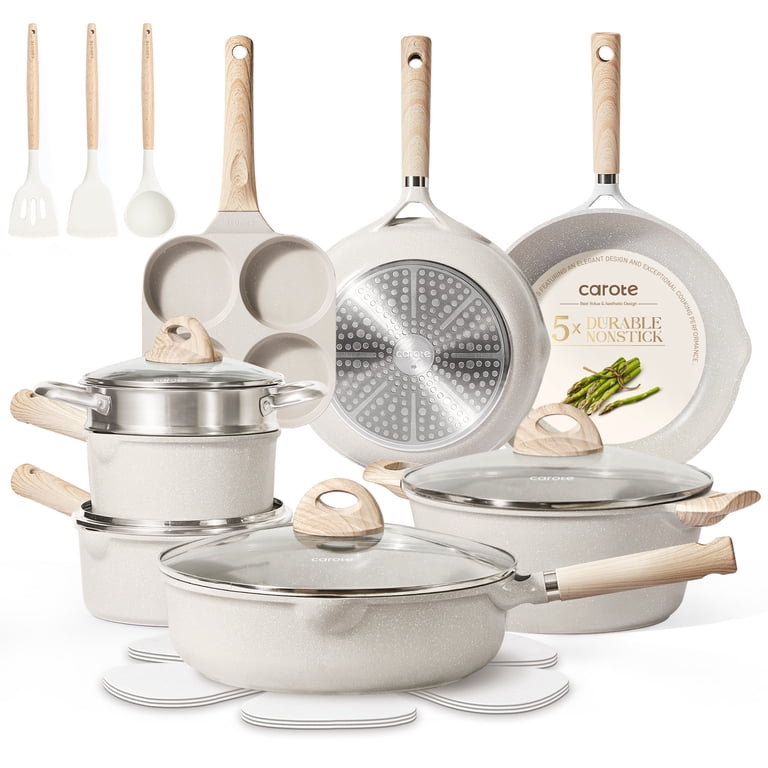
- Nestable design to save cabinet space. Cookware that stacks tightly is essential in small kitchens.
- Flat bottoms and even heat distribution. Small RV burners need pans that sit flat and heat evenly.
- Multi‑fuel compatibility. Induction readiness or gas/ceramic compatibility matters depending on your RV stove.
- Tight lids and cool handles. Lids that seal and handles that stay cool prevent spills and burns.
- Easy to clean surfaces. Nonstick or polished stainless help with fast, water‑saving washes.
- Oven safety and compact lids. If you use your RV oven, check max temperatures and lid shapes.
These traits define the most practical options for the best cookware for rv cooking usa. Prioritize what you use most—skillet, saucepan, or one‑pot meals—to limit bulk.
Best types of cookware for rv cooking (and when to use each)
Different materials fit different travel styles. Below are the top choices for RV cooks.
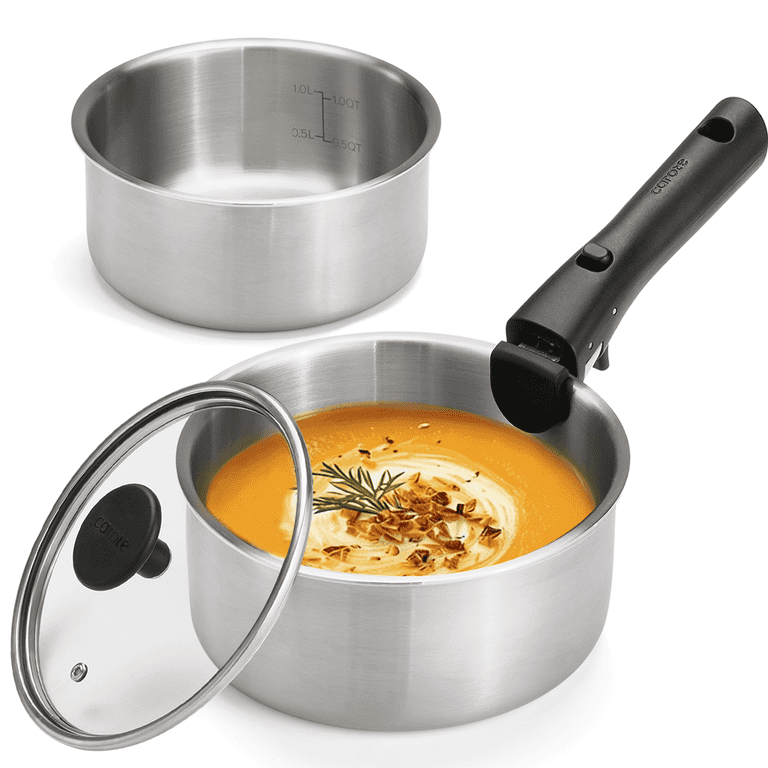
Stainless steel (multi‑layer)
- Pros: Durable, nonreactive, good for searing and sauces.
- Cons: Heavier than aluminum; needs layered base for even heat.
- Best for: Cooks who want long life and versatile pots.
Hard‑anodized aluminum
- Pros: Lightweight, scratch resistant, heats evenly.
- Cons: Not induction ready unless layered; can be pricier.
- Best for: Everyday RV use where weight and durability matter.
Nonstick coated pans
- Pros: Easy cleanup, low oil cooking, great for eggs and pancakes.
- Cons: Coating can wear over time; avoid high heat.
- Best for: Quick breakfasts and minimal cleanup trips.
Enameled cast iron and small cast iron skillets
- Pros: Excellent heat retention and oven use.
- Cons: Heavy; needs careful storage to avoid rattle.
- Best for: Stationary cooks or those with larger RVs who prioritize flavor and heat retention.
Titanium and nesting camp cookware
- Pros: Extremely light and often nestable.
- Cons: Poor heat spread; usually more expensive.
- Best for: Ultralight travelers and short trips where weight is critical.
By matching material to your travel pattern, you’ll find the best cookware for rv cooking usa for your needs.
Top RV cookware setups and practical picks
Here are compact setups that work well in most U.S. RVs. I include what I’ve used and why it worked.
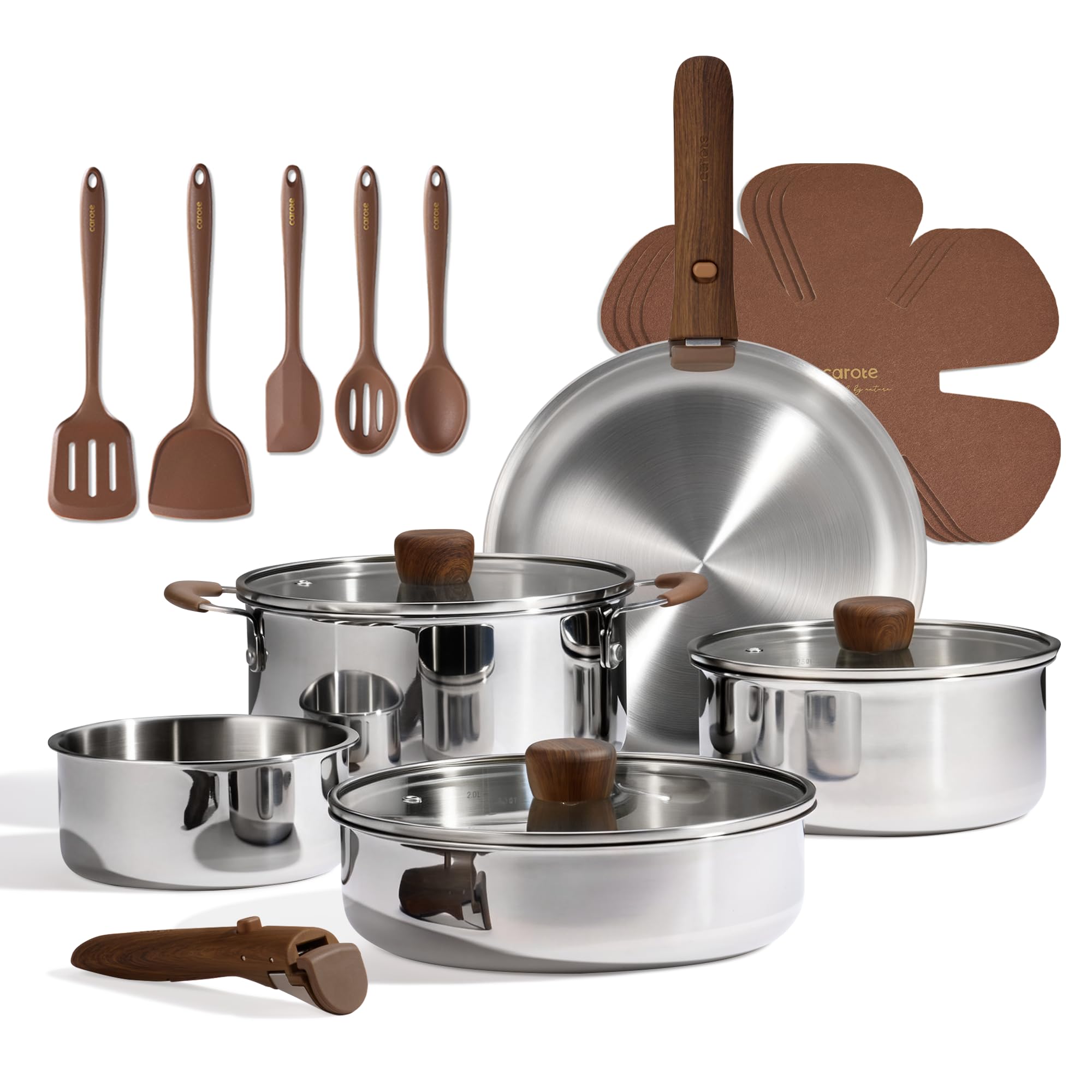
- Minimalist 3‑piece set
- One 8–10 inch skillet, one 2‑3 quart saucepan, one medium pot.
- Why it works: Covers most meals and nests for storage.
- Family camping set
- 10‑inch skillet, 3‑quart saucepan with lid, 6‑quart stockpot.
- Why it works: Batch meals and stews for groups.
- One‑pot system
- Large Dutch oven or multi‑purpose pot with tight lid.
- Why it works: Makes risottos, stews, and one‑pan dinners with minimal washup.
- Lightweight solo/travel kit
- Titanium nesting pot, small pan, foldable handle.
- Why it works: Cuts weight and packs small for solo trips.
Personal note: I used a hard‑anodized nesting set for three years in a Class B. It reduced cabinet clutter and survived rough roads. My biggest mistake was keeping a full cast‑iron skillet loose in a cupboard—its weight wore the cabinet floor. I now use a silicone liner and a pan protector when storing heavy items.
Practical tips for using and caring for RV cookware
Smart habits extend gear life and improve cooking results.
- Match pan size to burner. Small burners waste energy if the pan is oversized.
- Preheat gently. RV stoves can be hotter; moderate heat prevents food from burning.
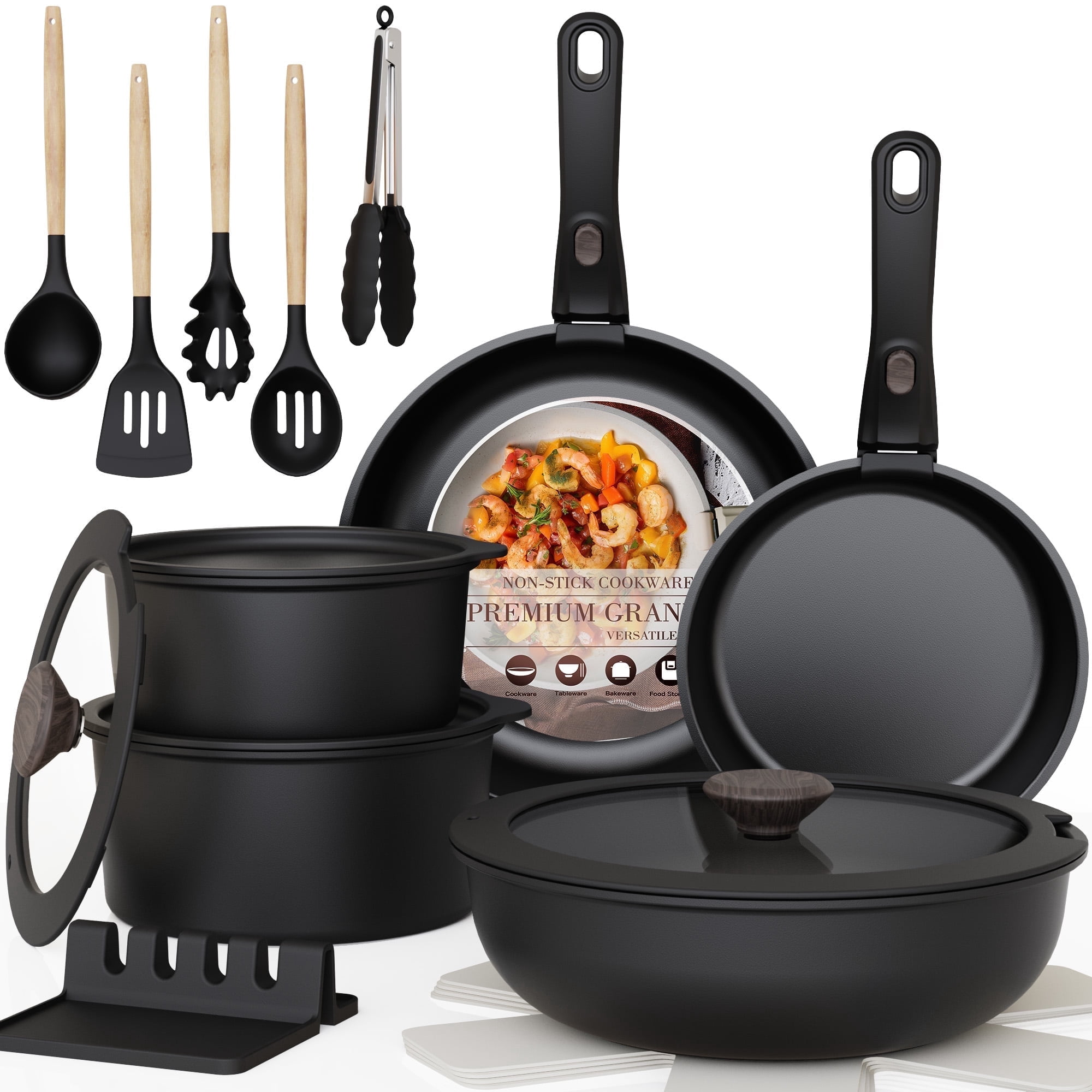
- Use silicone or wood utensils. These protect nonstick surfaces.
- Store pans nested with liners. Use dish towels or pan protectors to avoid scratches.
- Limit detergent use on nonstick. Rinse with warm water and use mild soap.
- Check vendor care instructions. Some pieces are dishwasher safe, many are not.
Can I use regular home cookware in an RV?
Yes, but bulky items may not store well. Choose pans with flat bottoms and consider weight.
Is cast iron practical for RV use?
It’s excellent for cooking but heavy. Use small skillets and secure storage if you choose cast iron.
Do I need induction cookware for RV stoves?
Only if your RV has an induction cooktop. Otherwise, choose gas/ceramic compatible materials.
How to choose the best cookware for rv cooking usa by RV type and cooking style
Your RV model and cooking habits should guide choices.
- Small trailers and pop‑ups
- Prioritize light, nestable sets and nonstick options.
- Class B vans
- Go ultra‑compact with one‑pot systems and stackable pans.
- Large motorhomes and fifth wheels
- You can keep heavier items like cast iron or full stainless sets.
- Frequent boondockers
- Choose pans that conserve fuel: efficient heat spread and tight lids help.
Make a checklist: storage space, fuel type, typical meal size, and weight limit. Compare this with product specs to pick the best cookware for rv cooking usa that matches your life.
Frequently Asked Questions of best cookware for rv cooking usa
What is the best overall material for RV cookware?
Hard‑anodized aluminum often hits the sweet spot for weight, durability, and heat spread in RV kitchens. Stainless steel with an aluminum base is a good all‑rounder too.
How do I store cookware safely in an RV?
Nest items, use pan protectors or towels between pieces, and secure lids and handles to prevent shifting while driving. Tight cabinet latches help.
Can I use nonstick pans at high heat in an RV?
Avoid very high heat with nonstick pans. Moderate heat preserves the coating and prevents off‑gassing from older nonstick surfaces.
Is induction cooking common in RVs?
Some modern RVs offer induction cooktops, but many still use propane or electric coil stoves. Verify your RV stove type before buying induction cookware.
How often should I replace RV cookware?
Replace when the surface shows significant wear or warping, or when nonstick coatings flake. With good care, quality pieces last years.
Conclusion
Choosing the best cookware for rv cooking usa comes down to matching material, size, and design to your RV and how you like to cook. Prioritize nestable, lightweight, and durable pieces for small rigs. If you camp with family, add larger pots and a sturdy skillet. My advice: start with a compact, multiuse set, then add specialty pieces as you discover needs on the road. Try a setup, cook a few meals, and tweak from there. Ready to upgrade your RV kitchen? Pick one small change today—like a nesting set or a tight‑fitting lid—and see how much easier mealtime becomes.