Best cookware: a high-quality stainless steel or ceramic nonstick skillet, well-heated and oiled properly.
I’ve cooked eggs every morning for years and tested dozens of pans. This guide explains the best cookware for frying eggs without sticking, why some pans fail, and how to buy, use, and care for the right skillet. Read on for clear, experience-based advice, simple tests you can try at home, and practical tips to stop sticky eggs for good.
Why eggs stick and cookware basics
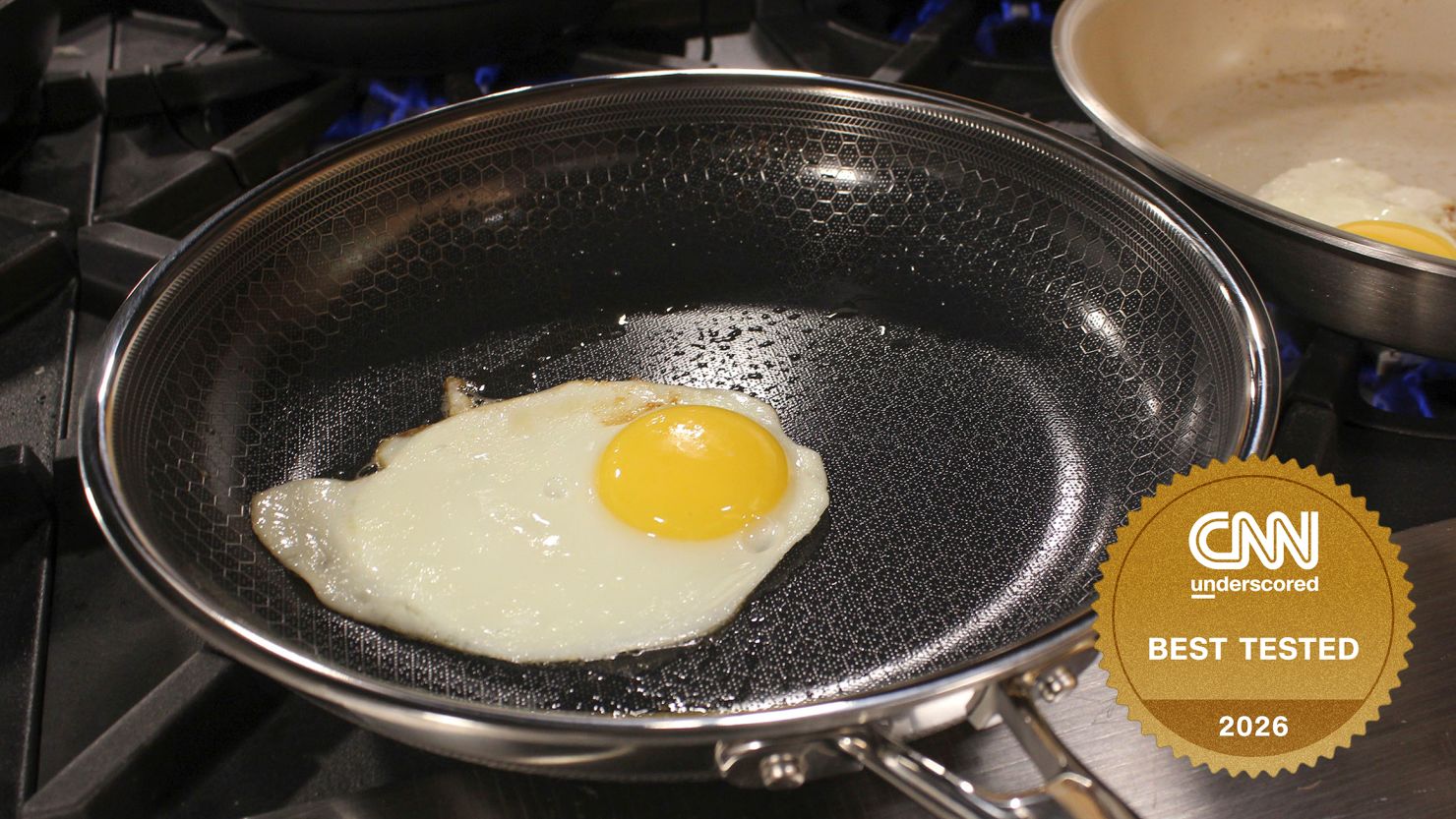
Eggs stick when proteins bond to hot metal or when oil fails to create a slip layer. Heat, surface texture, and oil type all matter. The best cookware for frying eggs without sticking balances surface coating, heat control, and maintenance. Understanding these basics helps you choose a pan that makes eggs release easily every time.
Top cookware types for frying eggs (pros and cons)
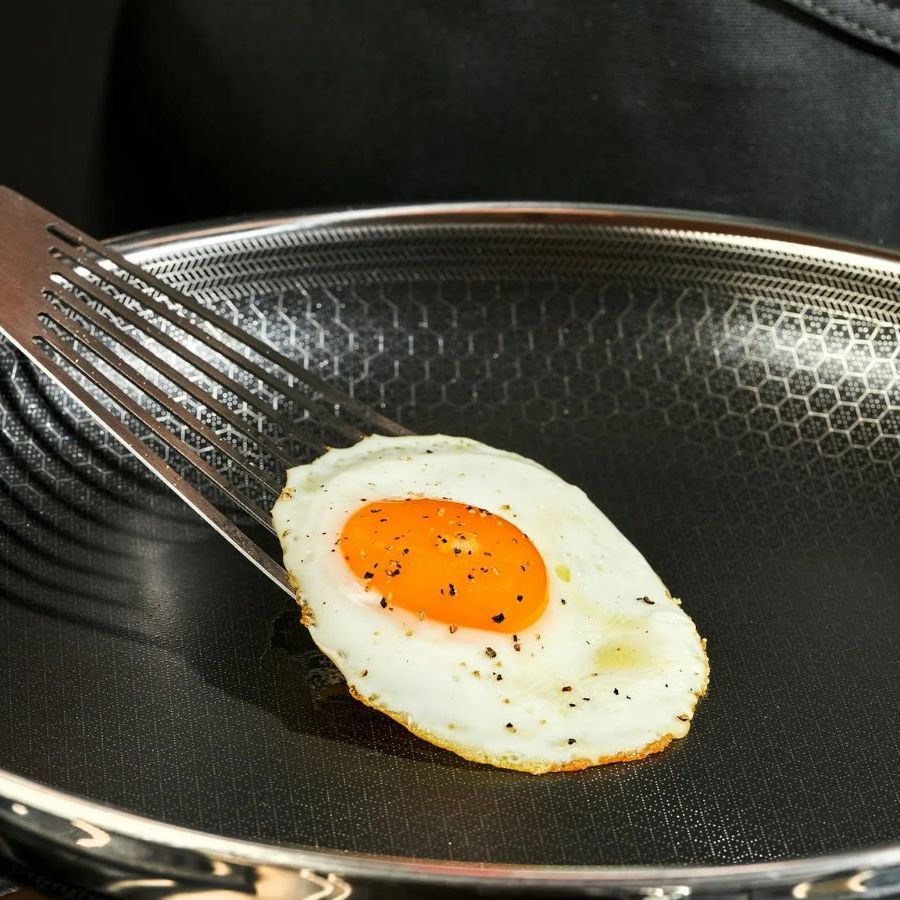
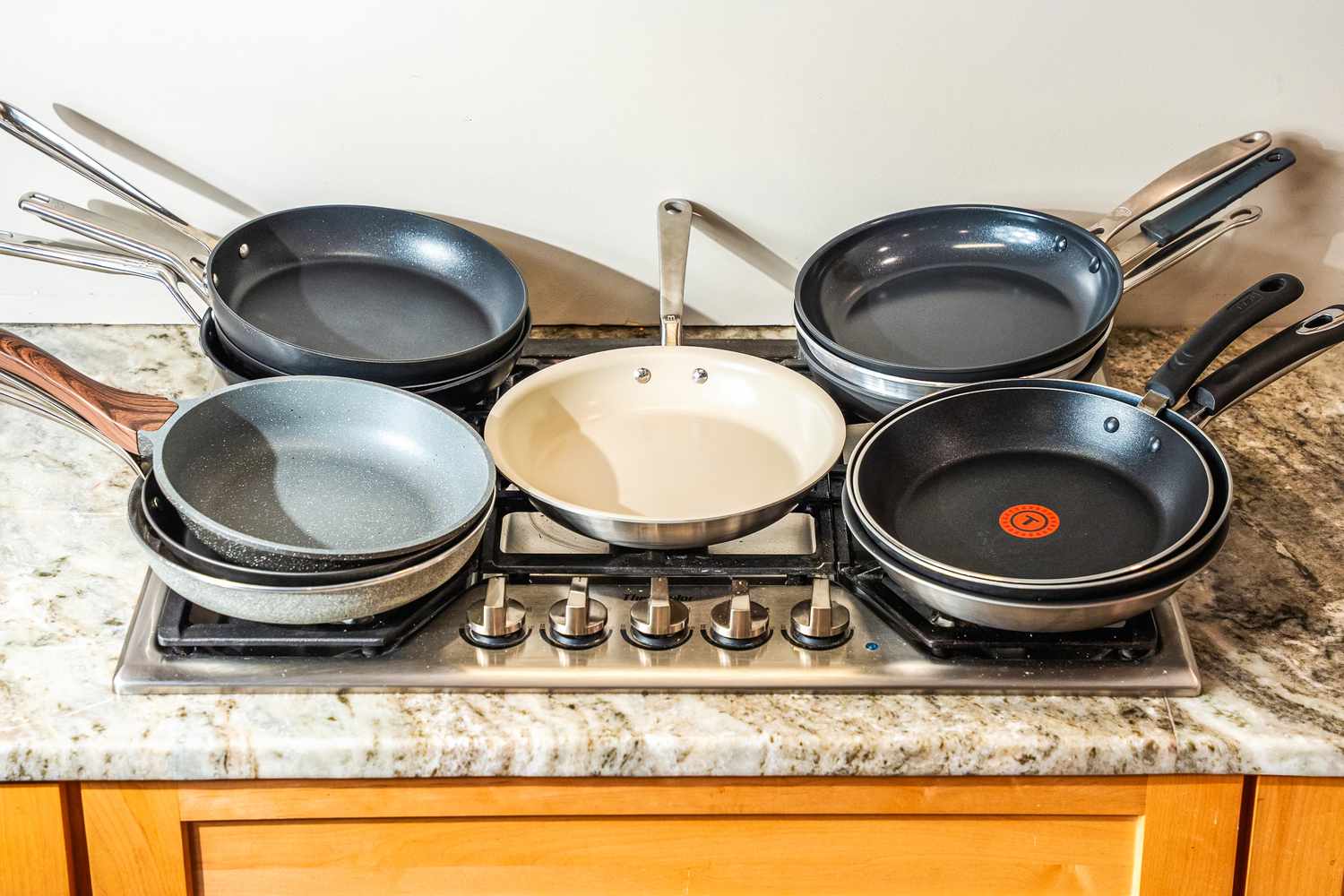
Below are the main pan types for eggs. Each section explains how they behave with eggs and why they may be the best cookware for frying eggs without sticking.
Nonstick (PTFE) pans
- Pros: Very easy release for eggs. Low oil needed. Great for beginners.
- Cons: Coating can wear if overheated or scratched. Not ideal for high-heat searing.
- Best use: Low to medium heat eggs and gentle cooking.
Ceramic nonstick pans
- Pros: Metal-free coating. Good release when new. Looks clean and modern.
- Cons: Coating can degrade faster than PTFE. Performance varies by brand.
- Best use: Low to medium heat eggs for users avoiding PTFE.
Stainless steel pans
- Pros: Durable and versatile. Can give excellent release when preheated and oiled correctly.
- Cons: Eggs will stick if pan not heated or if oil is insufficient. Learning curve exists.
- Best use: If you want a long-lasting pan and are willing to learn technique.
Cast iron pans
- Pros: Superb heat retention. Properly seasoned cast iron can be near nonstick.
- Cons: Heavy. Needs seasoning and care. Not instantly nonstick when new.
- Best use: If you like rustic pans and will maintain seasoning.
Carbon steel pans
- Pros: Lighter than cast iron and fast heating. Can develop a great nonstick patina.
- Cons: Requires seasoning and upkeep. Reacts to acidic foods.
- Best use: Cooks who maintain pans and want excellent performance over time.
Anodized aluminum
- Pros: Durable, responsive to heat, often comes with a good nonstick surface.
- Cons: Can be pricier. Coating quality varies.
- Best use: Those who want a happy medium between stainless steel and PTFE nonstick.
The best cookware for frying eggs without sticking depends on your priorities: ease, longevity, or technique. I recommend a good-quality PTFE nonstick or a well-seasoned stainless steel or carbon steel pan for most cooks.
How to choose the best cookware for frying eggs without sticking
Choose a pan by weighing these factors. Use short checks to help decide.
- Surface type: Pick PTFE nonstick for instant release, or stainless/carbon steel for long-term durability and technique.
- Size: 8 to 10 inch pans fit 1–3 eggs well.
- Weight: Too light pans heat unevenly. Too heavy pans are hard to manage.
- Handle: Look for a comfortable, riveted handle that stays cool.
- Oven safety: If you like finishing eggs in the oven, check max temp.
- Price vs. lifespan: Higher price often means better coating or thicker metal.
Quick buying steps:
- Decide if you want nearly no-fuss release (choose PTFE) or a pan you can master over time (choose stainless or carbon steel).
- Check user reviews and warranty for coating durability.
- Pick a trusted brand with good return policies.
PAA-style question: Which pan type gives the fewest sticky eggs for beginners?
Answer: Nonstick PTFE pans give the fewest sticky eggs for beginners because they release eggs easily at low heat.
PAA-style question: Can stainless steel be as nonstick as nonstick pans?
Answer: Yes, stainless steel can perform like nonstick when the pan is preheated properly and the right amount of oil is used.
How to fry eggs without sticking: step-by-step cooking tips
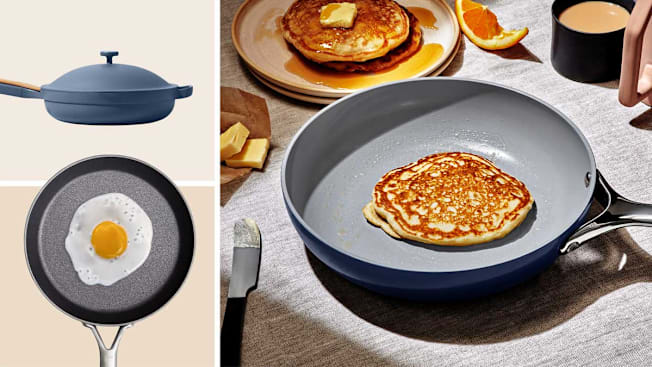
Follow these simple steps to stop eggs from sticking regardless of pan choice.
- Preheat the pan. Heat the pan on medium-low for one to two minutes.
- Add fat. Use butter, clarified butter, or neutral oil. Add enough to coat the surface.
- Test heat. Drop a small water droplet—if it sizzles gently, it’s ready.
- Crack and cook. Crack eggs into a bowl then slide into the pan. Reduce heat as needed.
- Let set before moving. Wait until white edges release naturally, then gently lift.
Extra tips:
- For sunny-side up, cover the pan briefly to set tops.
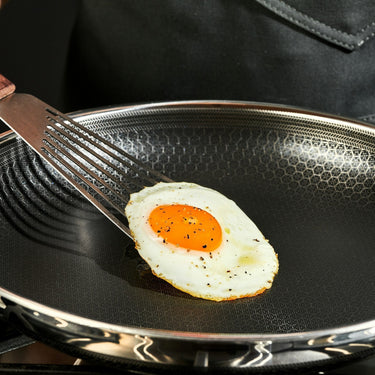
- Use a thin, flexible spatula for flipping.
- Avoid overcrowding. Too many eggs drop the pan temperature and increase sticking.
These techniques work with any good pan and are essential to making the best cookware for frying eggs without sticking actually perform.
Care, seasoning, and maintenance to keep eggs from sticking
Good care extends a pan’s release and lifespan. Follow these rules.
- Season cast iron and carbon steel: apply thin oil layers after cleaning and heat until smoke point, repeat a few times.
- Clean gently: avoid abrasive pads on coated pans. Use soft sponges and warm soapy water.
- Recondition nonstick: if a nonstick pan loses release, try a light oil slick and low-heat re-seasoning before replacing.
- Avoid metal utensils on coated surfaces. Use silicone, wood, or nylon.
These steps ensure your cookware remains effective for frying eggs and keeps the kitchen routine low-stress.
My personal tests and recommendations
I’ve cooked eggs daily for over a decade. I tested pans side-by-side. Here are what I learned from experience.
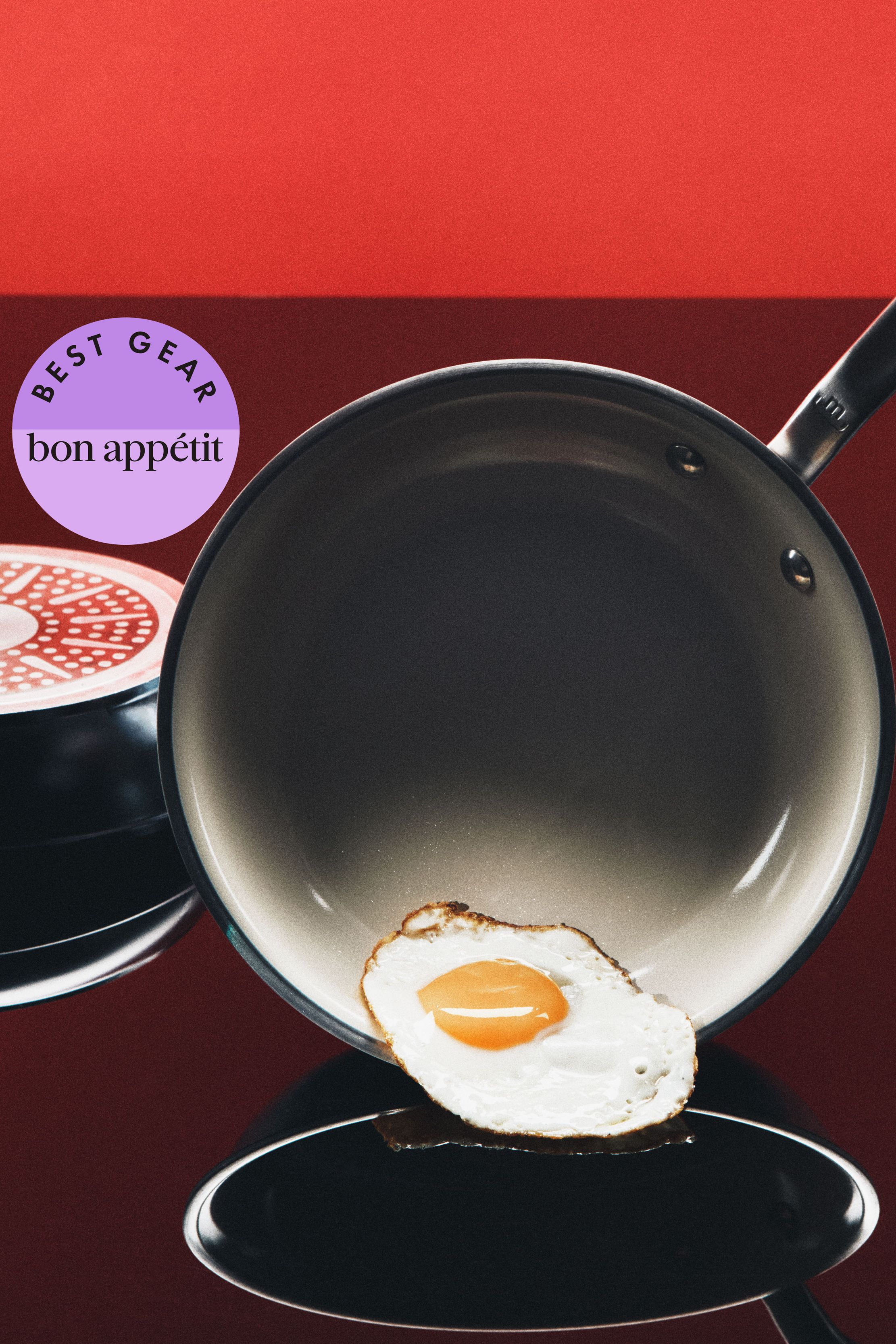
- Best instant release: a mid-priced PTFE nonstick skillet warmed on low heat. Eggs slid out cleanly with very little oil.
- Best long-term performer: carbon steel properly seasoned over months. It required work at first but rewarded with near-nonstick results.
- Best all-rounder: a heavy-gauge stainless steel pan. With a short preheat and the right oil, it released eggs reliably and lasted years.
Common mistakes I made:
- Using high heat on nonstick pans. That ruined a couple of coatings.
- Skip seasoning steps on carbon steel. That caused initial sticking and frustration.
- Not preheating stainless steel. That caused immediate sticking even with oil.
My recommendation: If you want fuss-free mornings, buy a quality nonstick skillet. If you like learning to cook, pick carbon steel or stainless steel and practice preheat and oil technique.
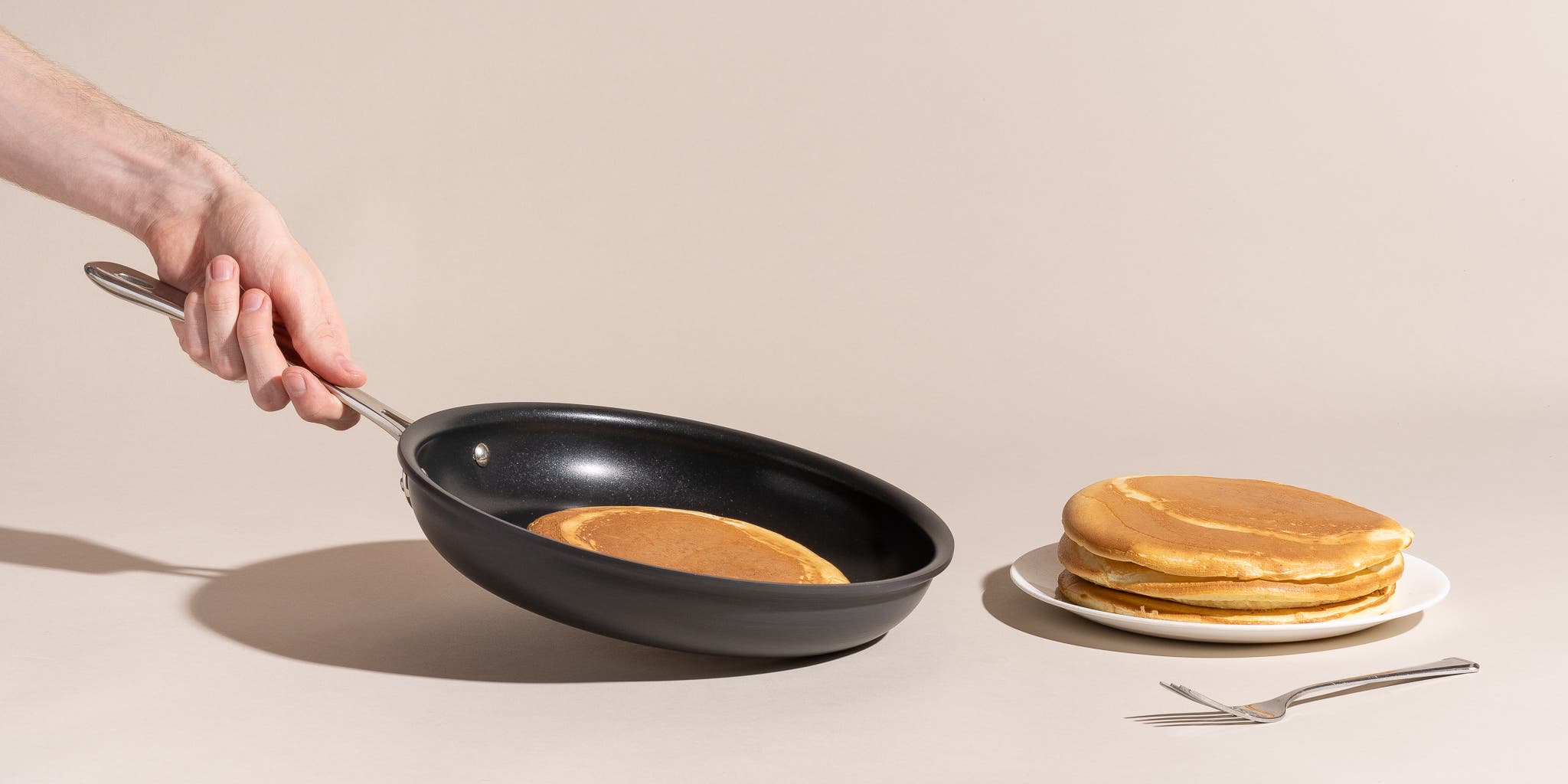
Frequently Asked Questions of best cookware for frying eggs without sticking
What is the easiest pan for frying eggs without sticking?
A quality PTFE nonstick skillet is the easiest choice. It releases eggs with minimal oil and little technique.
Can stainless steel be nonstick for eggs?
Yes. Preheat stainless steel properly and add the right amount of oil. With practice, eggs will release cleanly.
Is cast iron good for frying eggs without sticking?
Yes, when well-seasoned. Cast iron needs maintenance but can offer excellent nonstick performance over time.
How much oil should I use to prevent sticking?
Use a thin, even coat of oil or a small pat of butter per egg. Enough to cover the cooking surface is key.
Will metal utensils ruin nonstick pans?
Yes. Metal tools can scratch and damage the coating. Use silicone, wood, or nylon spatulas instead.
How often should I replace a nonstick pan?
Replace when the coating flakes or performance seriously declines. With good care, many nonstick pans last several years.
Conclusion
Choosing the best cookware for frying eggs without sticking comes down to your cooking habits. Pick a good nonstick for ease, or choose stainless, carbon steel, or cast iron if you want longevity and control. Learn basic preheat and oil steps, and care for your pan. Try one of the simple tests from this guide to find the right fit for your kitchen. Share your experience, subscribe for more tips, or leave a comment about which pan works for your eggs.