Most metal, glass, ceramic, and properly rated stoneware are oven safe up to their stamped limits.
I’ve cooked for years and tested pans, roasters, and bakeware to learn exactly what cookware is oven safe and why it matters. This guide explains which materials tolerate heat, how to read temperature limits, what to avoid, and practical tips from my kitchen trials so you can bake, roast, and broil with confidence.
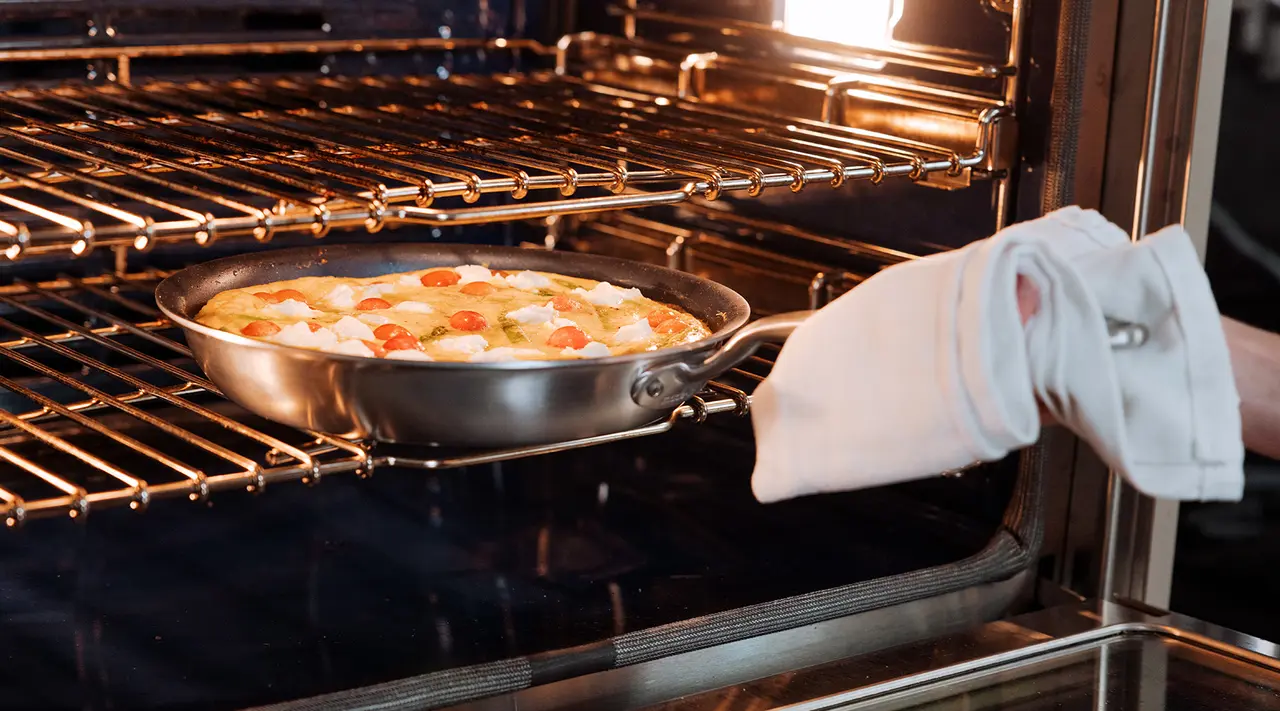
What cookware is oven safe: common oven-safe materials
Understanding what cookware is oven safe starts with the material. Many pieces are oven-ready, but each has limits.
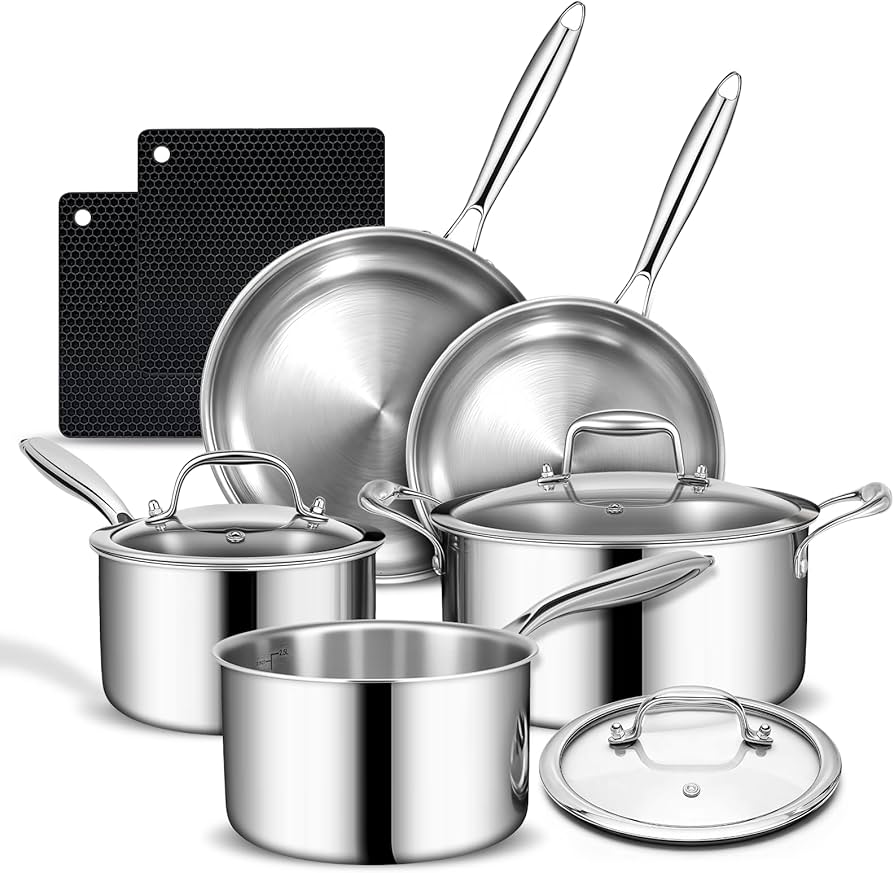
- Stainless steel
- Often oven safe to high temps (450–600°F) if handles and lids are metal.
- Cast iron
- Excellent oven safety and heat retention. Most cast-iron skillets and Dutch ovens are oven safe without limit except the enamel on some.
- Enameled cast iron
- Oven safe to manufacturer limits, commonly 400–500°F. Avoid thermal shock from cold liquids.
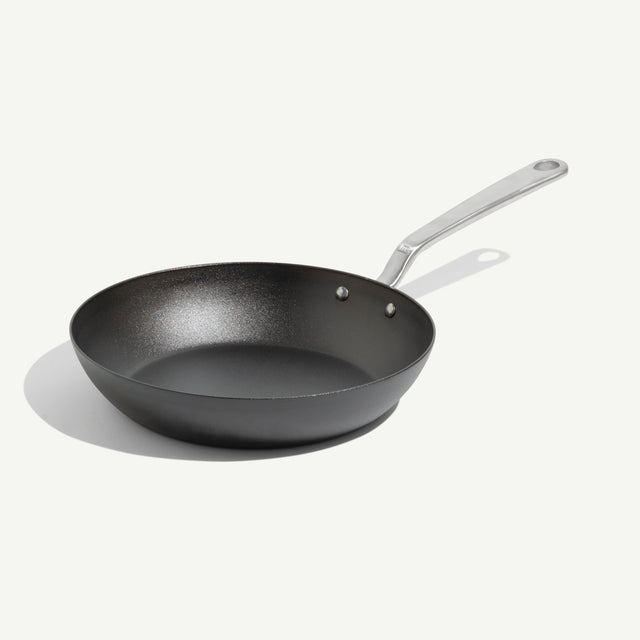
- Carbon steel
- Typically oven safe and lighter than cast iron. Check handle design.
- Hard-anodized aluminum
- Many are oven safe to around 400–500°F. Look for manufacturer guidance.
- Plain aluminum
- Conducts heat well; many pieces are oven safe but check coatings and handles.
- Oven-safe glass (borosilicate or tempered)
- Good for baking. Watch temperature limits and avoid direct stovetop use.
- Ceramic and stoneware
- Many items are oven rated. Avoid sudden temperature changes.
- Stainless or metal lids and racks
- Usually oven safe unless they contain plastic or rubber parts.
What cookware is oven safe varies by brand and design. Always check the manufacturer’s stamp or manual for exact temperature ratings.
Materials and parts to avoid in the oven
Knowing what not to put in the oven prevents damage and safety hazards.
- Plastic and silicone parts
- Many plastics melt under oven heat. Some high‑temp silicones are oven rated up to 428°F or more; verify the rating.
- Wooden handles and lids
- Wood can scorch or catch fire. Some wood is treated but still not meant for ovens.
- Nonstick coatings without oven ratings
- Cheap or unknown nonstick pans can degrade at high heat and release fumes.
- Decorative trims and glued elements
- Paint, glue, or trim may fail or emit odors.
- Thermometer probes and electronic parts
- Remove any electronics before oven use.
If a handle or lid contains mixed materials, it can make an otherwise oven-safe pan unsafe. When in doubt, remove removable parts or use an oven-safe alternative.
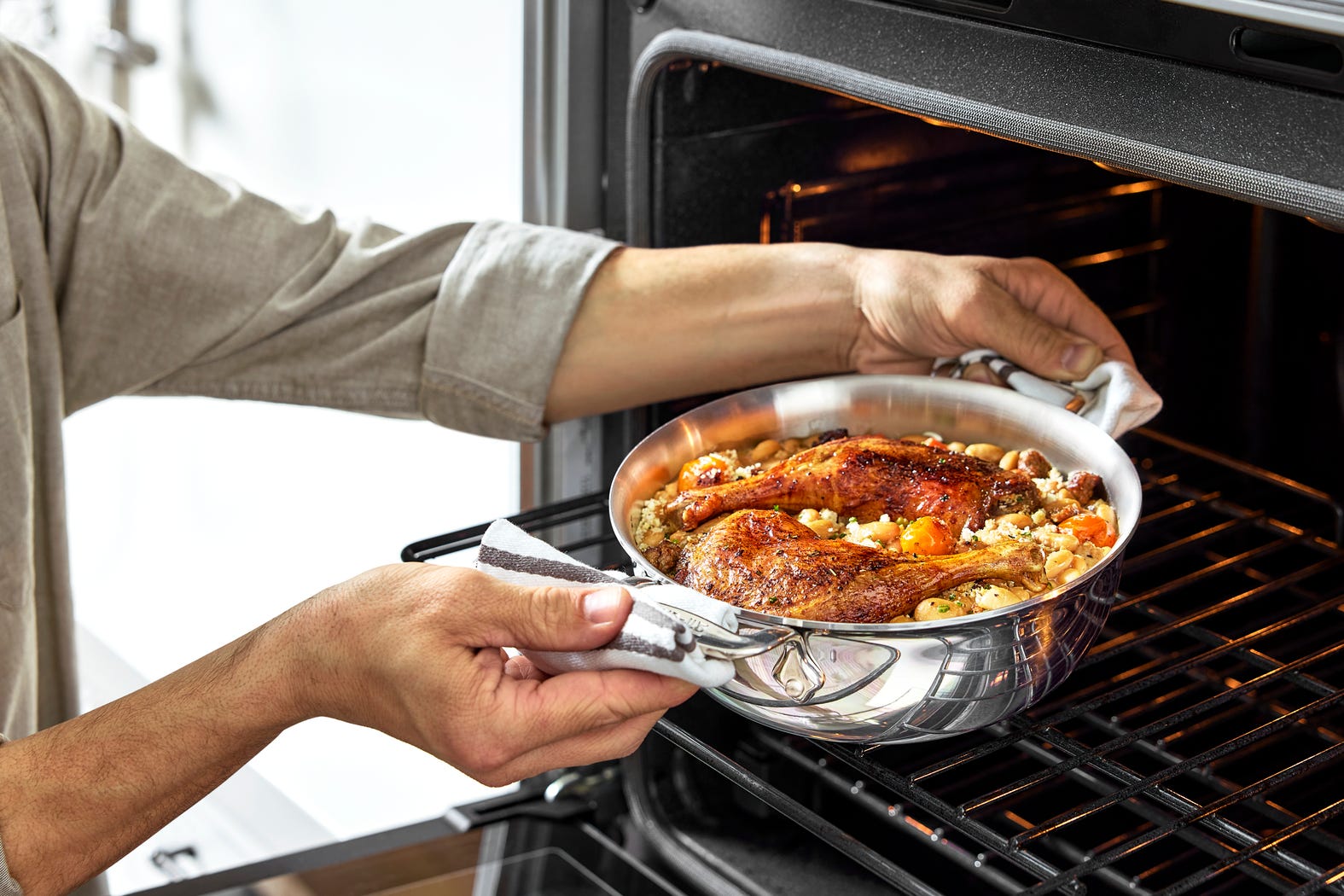
How to read temperature limits and labels
Manufacturers often mark bake-safe limits on the base or label. Learn to read them.
- Look for a stamped temperature or “oven safe” marking on the bottom.
- Consult the user manual or product page when available.
- If no label exists, assume the cookware is not oven safe or test cautiously at low temperature.
- Remember that lids, handles, and knobs may have different ratings than the body.
I once put a skillet with a 400°F-rated plastic knob into a 450°F oven. The knob melted and ruined the lid. Lesson learned: always check both the pan and the accessories.
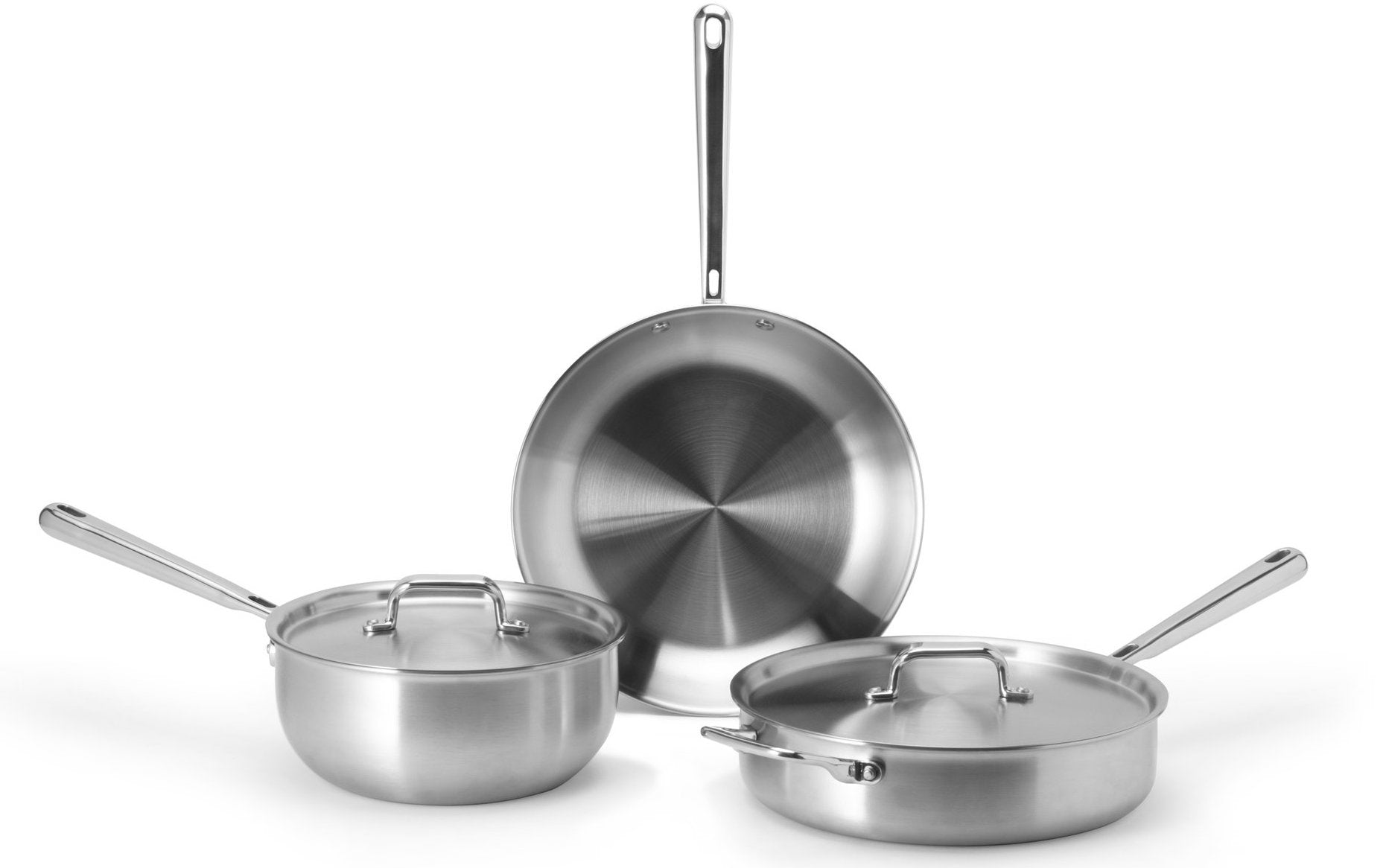
Using lids, handles, and accessories safely
Even if the pot is oven safe, accessories might not be.
- Metal lids and handles
- Safe generally to the same temperature as the cookware.
- Glass lids
- Often oven safe but may have lower temp limits than the pan.
- Silicone handles
- Check the rated temperature; many are safe to 400–450°F.
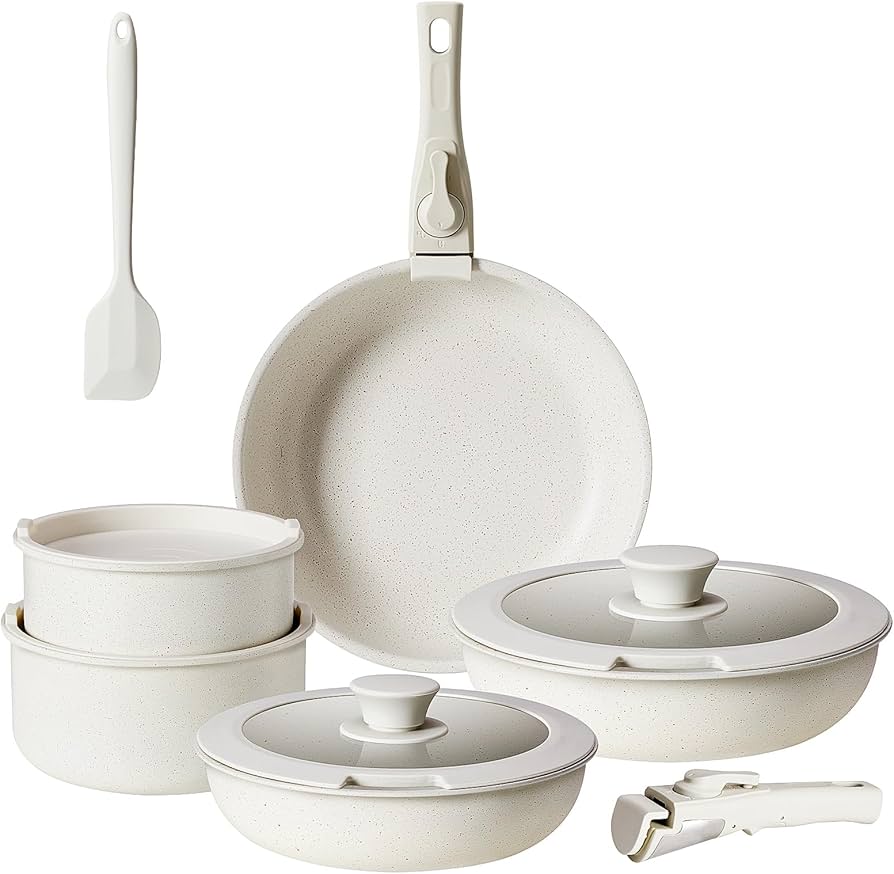
- Removable handles
- Safer option. Remove handles if unsure before oven use.
- Thermometer probes
- Use oven-safe probes only and avoid leaving wired electronics inside.
If you plan to broil or use very high oven temperatures, choose cookware with full-metal construction for safety.
Practical tips for everyday use and cleaning
Good habits extend the life of your oven-safe cookware.
- Preheat slowly after placing cookware in the oven for fragile items.
- Avoid putting cold pans directly into a hot oven to prevent thermal shock.
- Hand-wash when recommended to protect finishes and coatings.
- Use oven mitts and protect hands from hot handles and lids.
- Store cookware properly to avoid chipping glass or ceramic pieces.
From experience, giving enameled cast iron time to warm with the oven prevents glaze cracks. Simple care keeps oven-safe cookware safe and long-lasting.
Choosing the right oven-safe cookware for recipes
Match the pan to the cooking method. Different recipes favor different oven-safe materials.
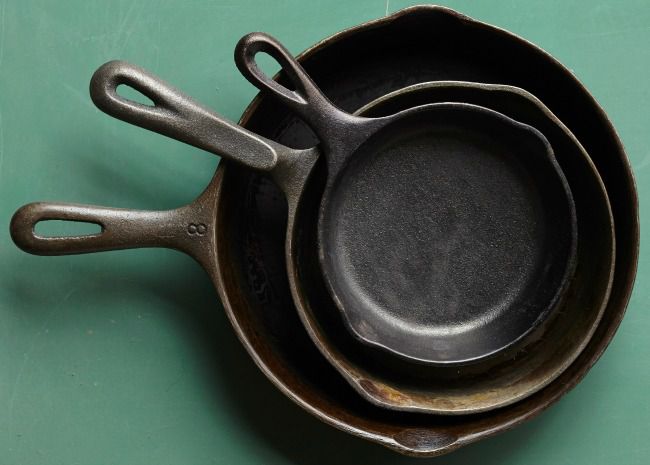
- Roasting whole meats
- Use cast iron or stainless steel roasting pans for high heat and even browning.
- Baking casseroles and gratins
- Ceramic, stoneware, or oven-safe glass for even baking and presentation.
- Searing then baking (stovetop to oven)
- Use cast iron or ovenproof stainless steel that tolerates both cooktop and oven heat.
- Broiling
- Only use cookware rated for broiler temps; many glass and some ceramics are not broiler safe.
- Baking delicate items
- Use light-colored metal or ceramic for even bake color.
I prefer a heavy cast iron skillet for stovetop searing then transferring to the oven. It gives consistent results and needs no special prep.
Personal experience and common mistakes to avoid
I’ve made every mistake at least once. Here are lessons from my kitchen tests.
- Mistake: Assuming a pan is oven safe because it’s metal.
- Some metal pans have plastic handles or nonstick coatings that fail.
- Mistake: Broiling in glass bakeware.
- Glass can crack under direct high heat.
- Tip: Keep a small set of fully metal cookware for high-heat jobs.
- Tip: Label or store oven-rated lids with their pots to avoid confusion.
These simple habits prevent ruined cookware and burned dinners.
Frequently Asked Questions of what cookware is oven safe
What cookware is oven safe for high-heat broiling?
Most heavy-duty metal pans like cast iron, stainless steel, and broiler-safe metal racks are safe for broiling. Avoid glass, ceramic, and pans with plastic parts when using the broiler.
Can I put a nonstick pan in the oven?
You can if the manufacturer states it is oven safe and gives a temperature limit. Many nonstick pans are safe up to 350–500°F; exceed that and the coating can degrade.
Is Pyrex safe in the oven?
Tempered glass bakeware marked oven safe is fine for regular baking. Do not move it from cold to very hot surfaces quickly to avoid thermal shock.
Are silicone handles oven safe?
High-quality silicone handles are often oven safe to about 400–450°F. Always check the product rating before trusting them at high temperatures.
How do I know if a lid is oven safe?
Check the lid material and manufacturer guidance. Metal lids usually match the pot’s rating; glass lids may have lower limits.
Can I bake with a skillet that has a wooden handle?
Not unless the handle is removable or rated for oven use. Wood can scorch or catch fire under high heat.
Conclusion
Knowing what cookware is oven safe keeps food tasting great and prevents accidents or ruined gear. Check labels, respect temperature limits, and choose full-metal or rated glass and ceramics for high-heat cooking. Start by inspecting your cookware and reading manuals, then build a small set of trusted oven-safe pans for reliable results. Try a simple stovetop-to-oven recipe this week to test your gear, and share your findings or questions below.