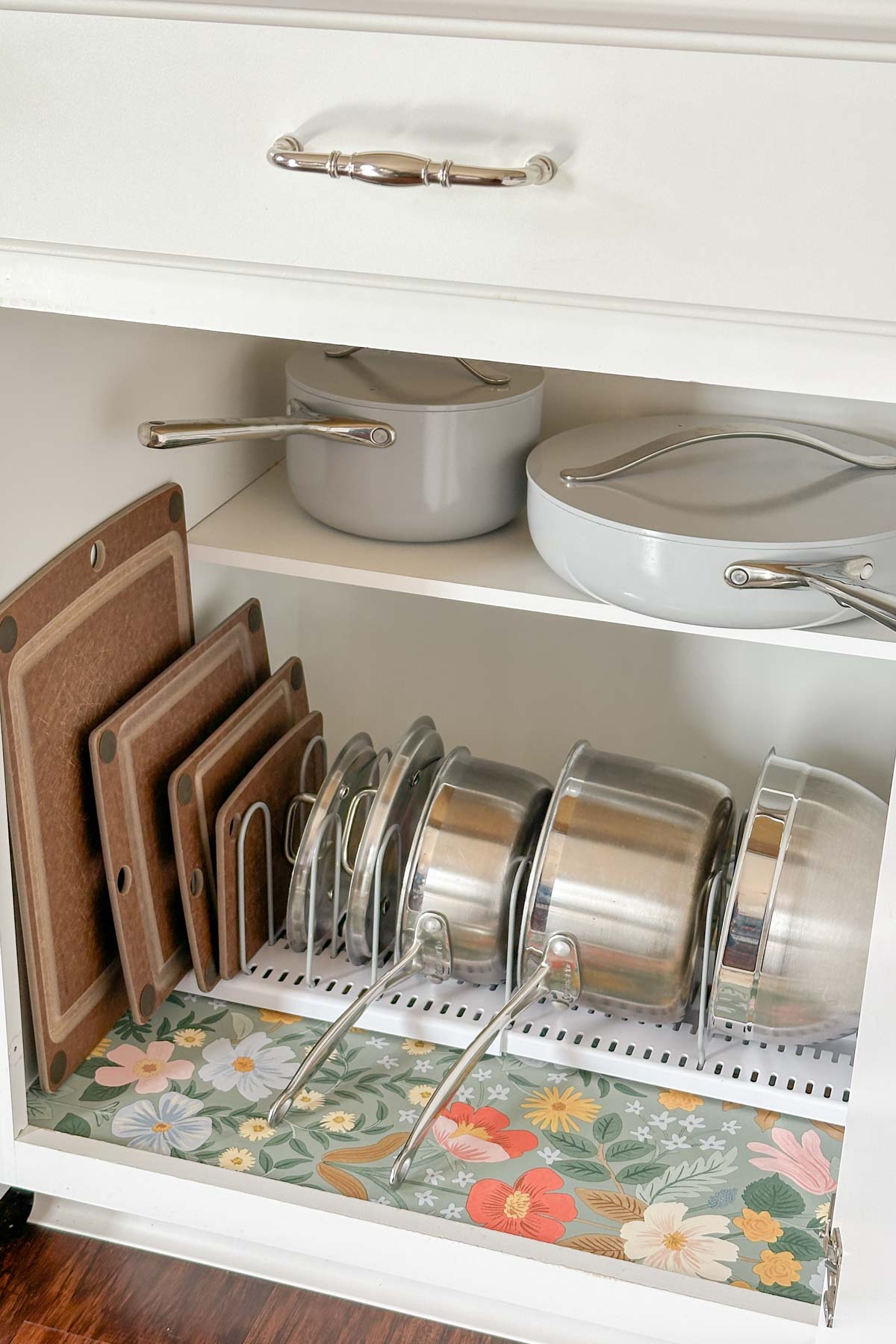
Organize pots and pans efficiently by grouping, nesting, and using vertical storage with clear access.
I’ve spent years helping busy kitchens run smoothly, so I know what works. This guide shows you exactly how to organize pots and pans efficiently with step-by-step choices, real tests, and simple builds. Read on for smart layouts, tools, and habits that make cooking faster and your cabinets calm.
Why organizing pots and pans matters
Well-organized cookware saves time, protects pots, and reduces clutter. Knowing how to organize pots and pans efficiently makes daily cooking easier and cuts stress in the kitchen.
Good organization protects nonstick coatings and heavy cast iron. It also prevents scratched lids, bent handles, and lost pieces. When you set a clear system, cooking flows better and cleanup is faster.
Step 1 — Assess, declutter, and prioritize
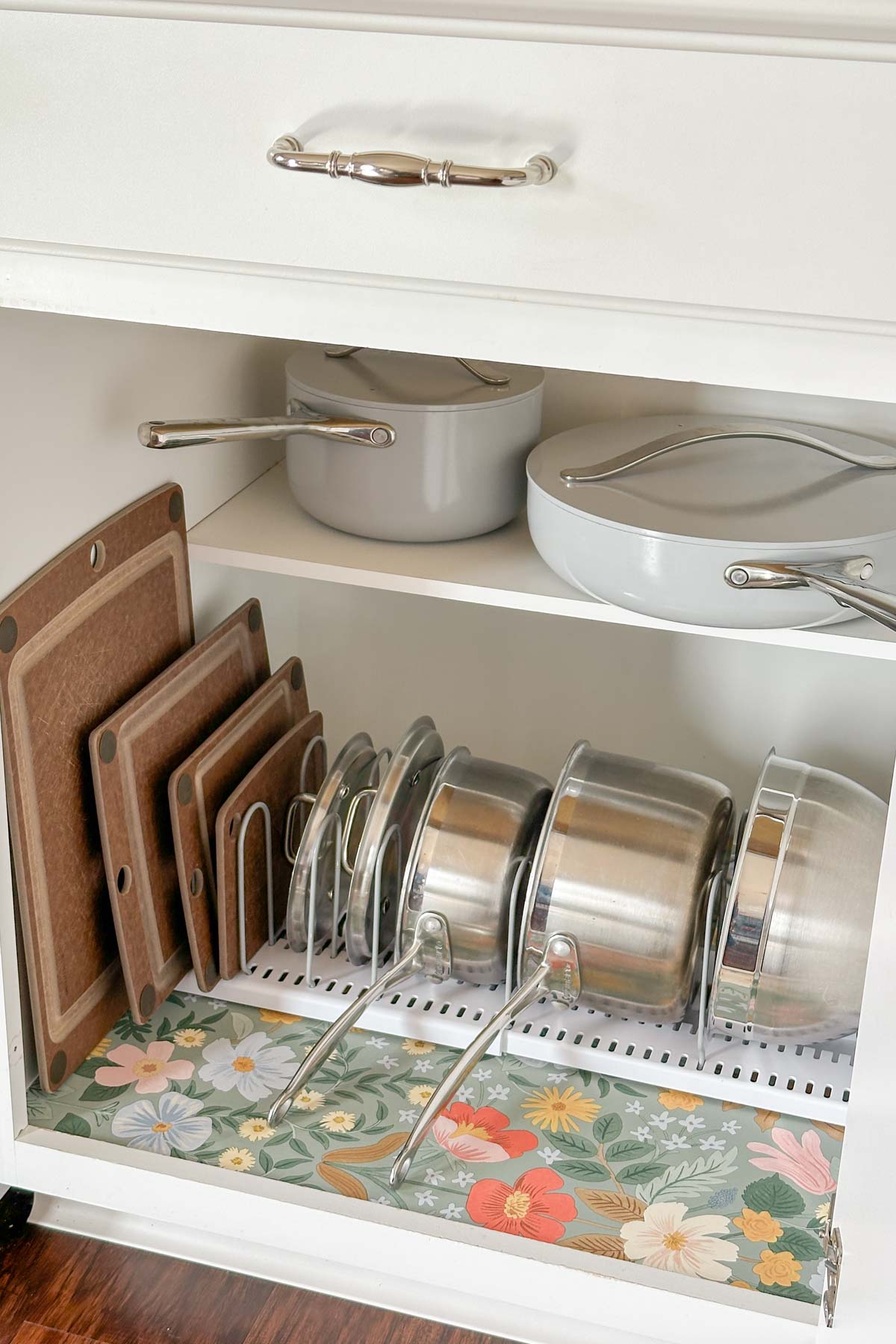
Start with a quick inventory. Empty the cabinet or drawer and group like items: stockpots, saucepans, skillets, lids, steamers.
Decide what you use. Toss warped pans, donate duplicates, and keep only what fits your cooking style. If you rarely use a specialty pan, store it elsewhere.
Prioritize by use and size. Keep daily-use pans at arm’s reach. Store large or seasonal pots in less-used spaces. This simple triage is the first key to knowing how to organize pots and pans efficiently.
Step 2 — Choose the right storage systems
Pick a system that fits your kitchen layout and tools. Here are common, practical options.
Drawer organizers
- Shallow, wide drawers with adjustable dividers let you stack and separate pans.
- Use felt or silicone liners to prevent scratches.
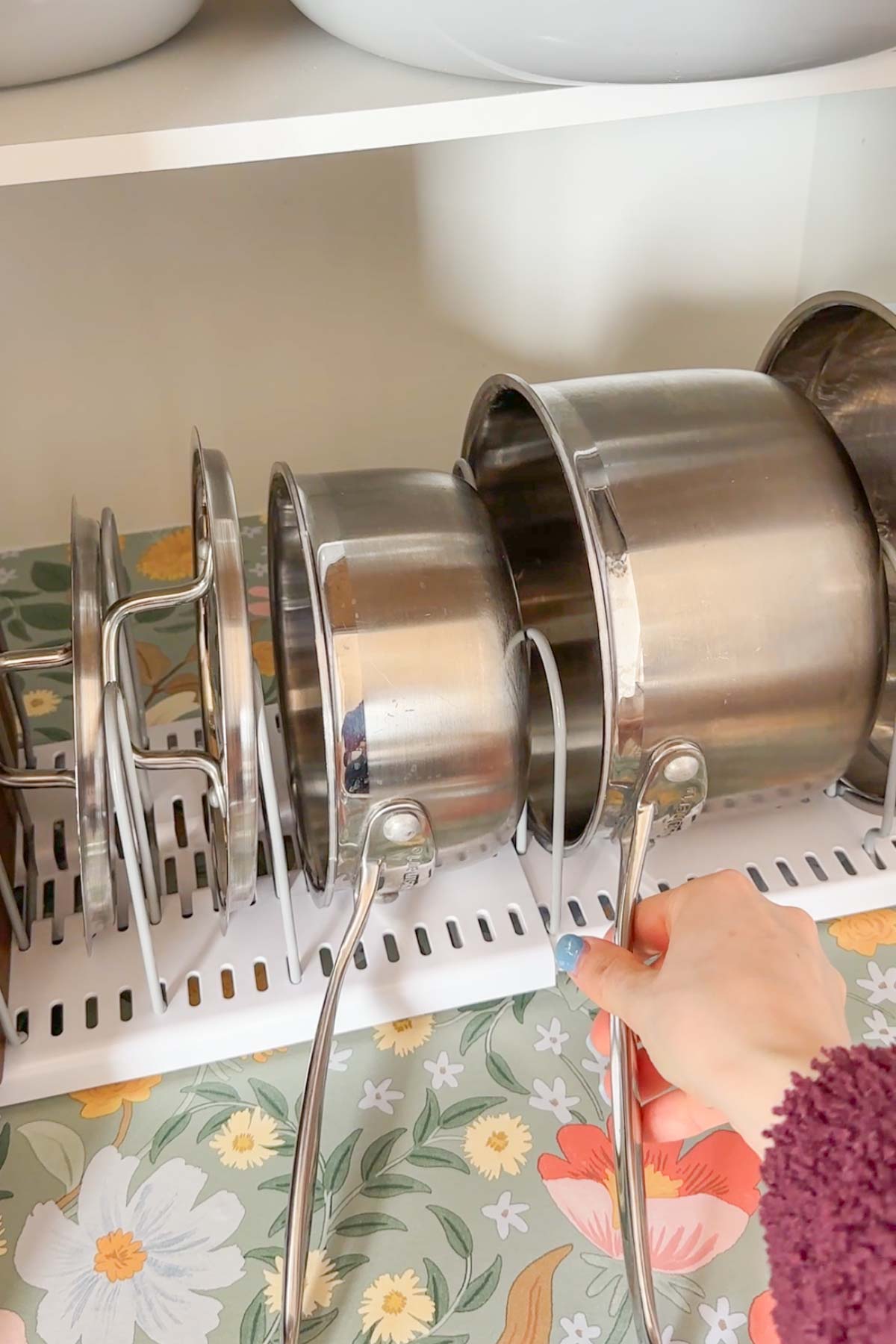
Vertical pan racks
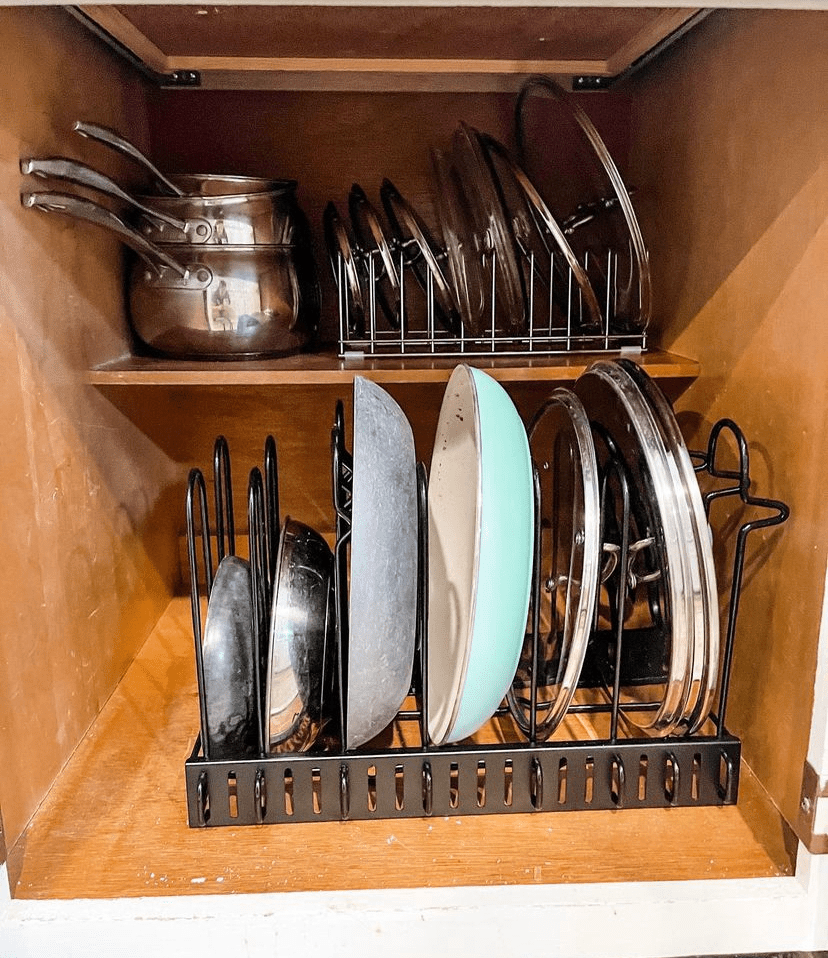
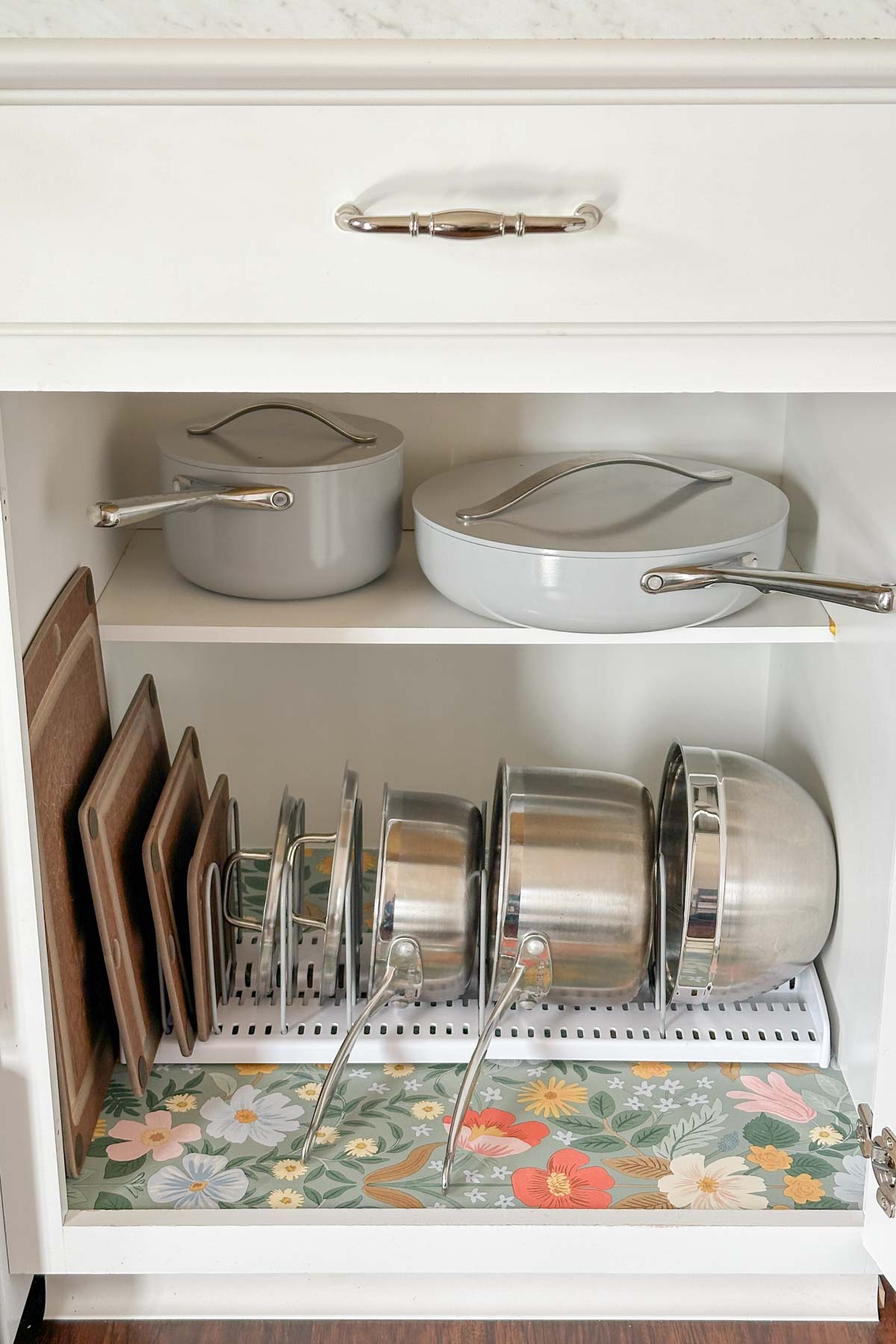
- Insert a rack to store pans vertically like books. Easy access and saves space.
- Good for nonstick and metal pans that you want to avoid stacking.
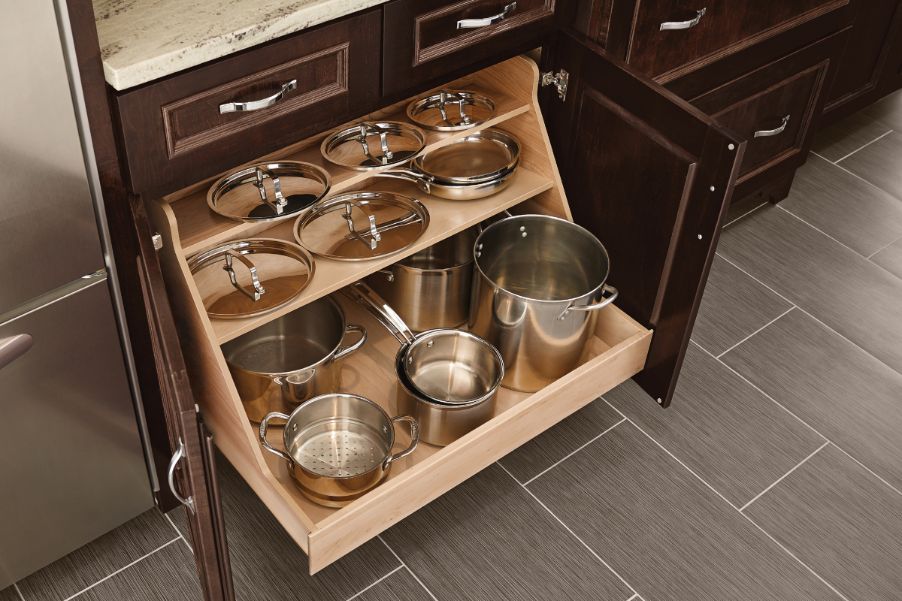
Pull-out shelves and trays
- Pull-out shelves bring pans to you. Install soft-close slides to protect edges.
- Great for deep cabinets and corner spaces.
Hanging rails and pegboards
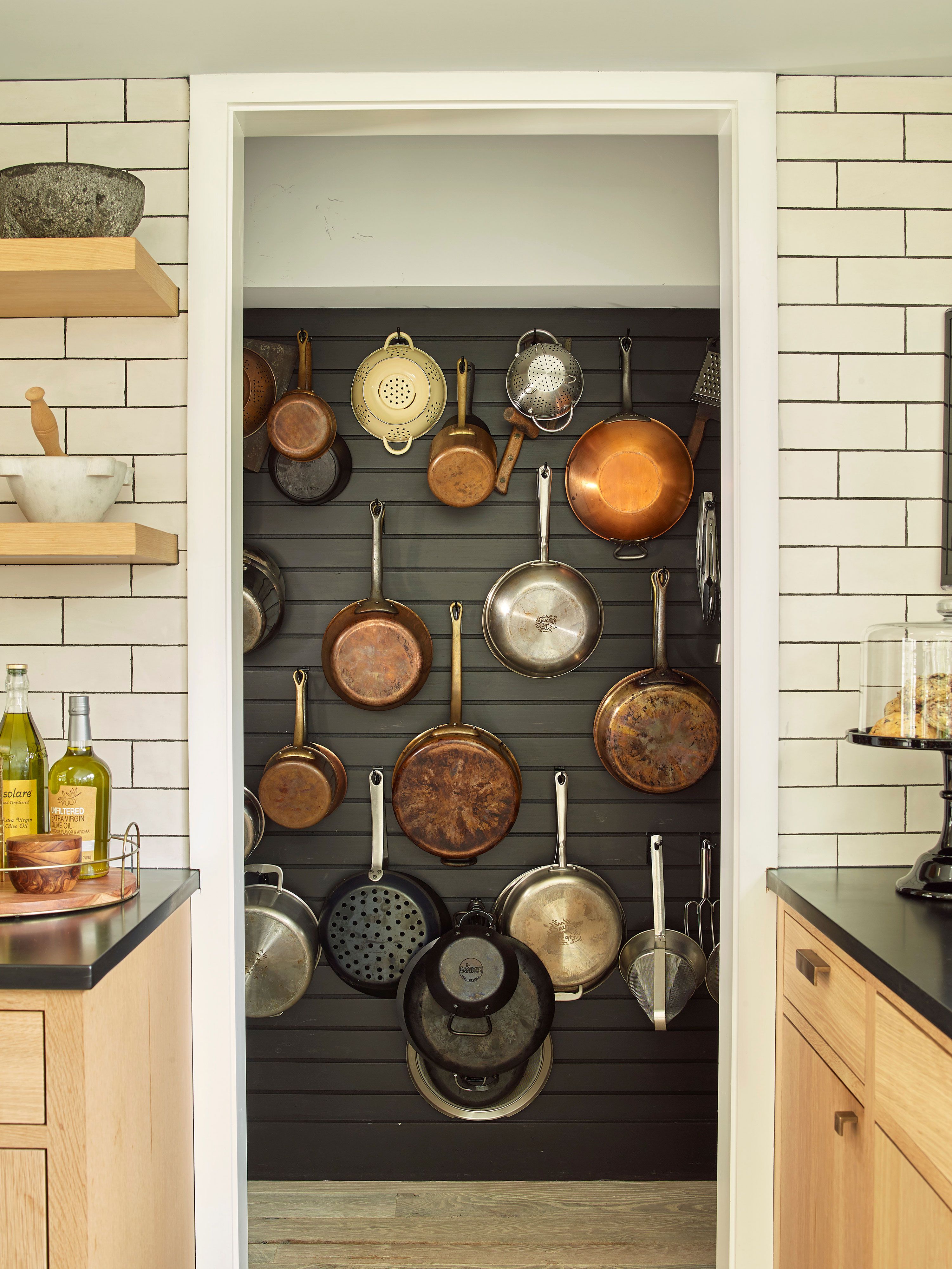
- Hang frequently used pans on wall rails or pegboards. This frees cabinet space.
- Use S-hooks and labels for quick lookup.
Pan organizers and pot lid holders
- Use lid racks inside cabinet doors or on walls to keep lids separate.
- Pan separators keep stacked pans from rubbing.
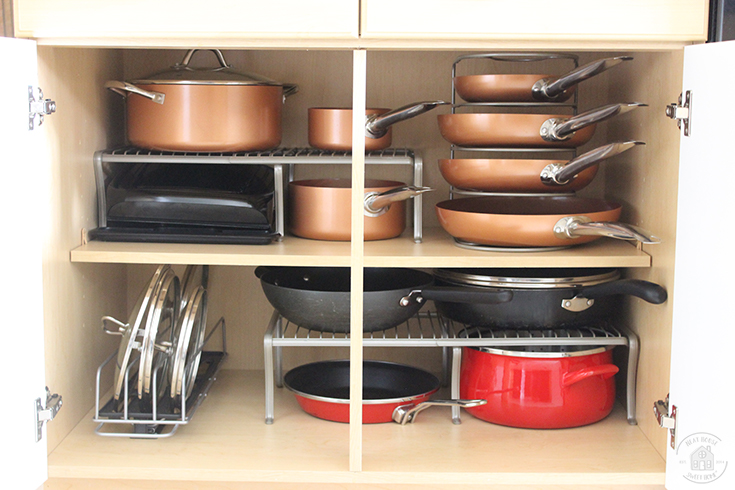
Each option supports how to organize pots and pans efficiently in different layouts. Mix and match systems for best results.
Step 3 — Measure, plan, and map your space
Measure cabinet height, depth, and drawer width. Note shelf adjustability and door swing.
Draw a quick plan. Place items by frequency: daily pans near the stovetop, stockpots lower, lids on doors. A simple sketch avoids mistakes.
Plan clear pathways for handles and lids. If nesting pans, leave 1–2 inches between stack layers with liners. This step makes your setup last.
Smart placement tips and rules of thumb
Follow a few simple rules to keep things useful and safe.
- Keep everyday pans within one or two steps of the cooktop.
- Store heavy pots low to avoid lifting injuries.
- Stack similar-size pans together for neat nesting.
- Store lids separately or upright to save space and cut searching.
- Avoid overcrowding; give each pot room to prevent scratches.
These tips form a practical checklist for how to organize pots and pans efficiently without overthinking.
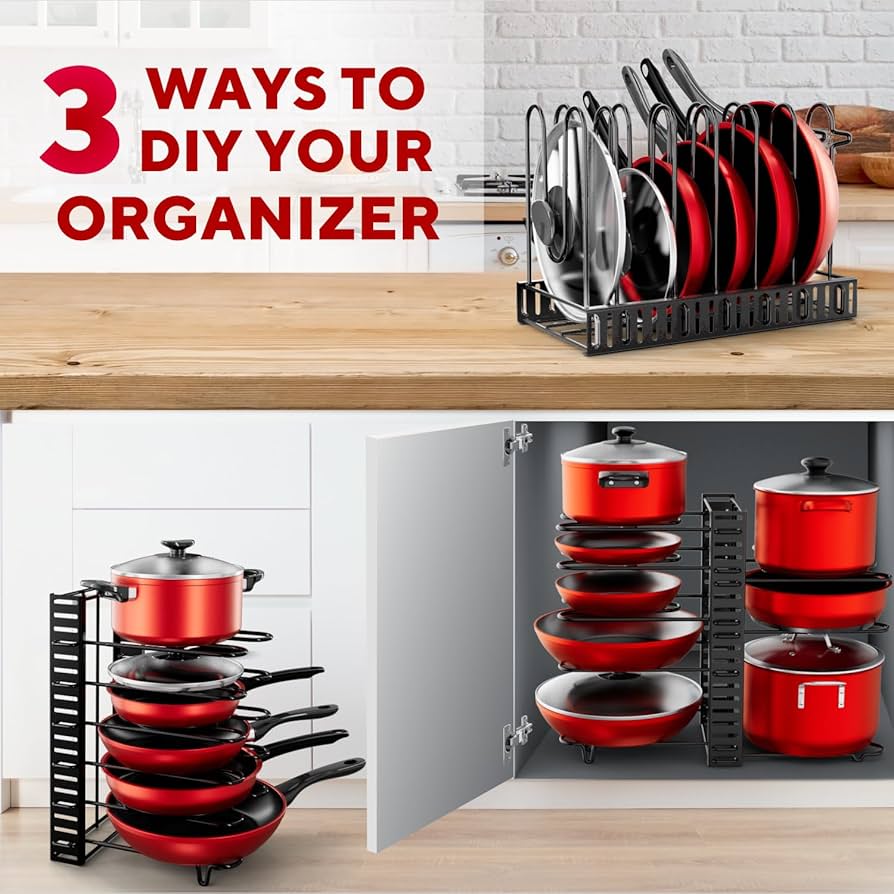
DIY projects that save money
Simple builds can transform storage on a budget.
Vertical divider board
- Add thin plywood dividers inside a cabinet to create slots for pans.
- Line slots with rubber or cork to protect finishes.
Slide-out tray
- Attach furniture slides to a plywood tray for a DIY pull-out shelf.
- Use this for heavy cast iron or a set of saucepans.
Door-mounted lid rack
- Screw a small metal rack to the inside of a cabinet door to hold lids upright.
- Use foam pads where needed to prevent rattling.
I built a plywood divider in my extra cabinet. It cut search time and stopped lid clatter. Small projects like these show how to organize pots and pans efficiently without costly tools.
Maintenance, rotation, and simple habits
Good systems need simple habits to stay tidy.
- Return each pan to its assigned spot after use.
- Clean and dry items completely to avoid rust and odor.
- Do a quick monthly check to re-fold, re-stack, or donate seldom-used pans.
- Rotate seasonal cookware to avoid wasting cabinet space.
These small actions keep the system working and save you time in the long run.
Space-specific strategies
- Use vertical racks, hanging rails, and drawer inserts.
- Store odd or large items in a pantry or a high shelf.
Large kitchens
- Create zones: baking, stovetop, and extra storage for specialty pans.
- Use a dedicated pot rack above an island for easy access.
Rental kitchens
- Use removable solutions like over-the-door racks and freestanding carts.
- Avoid permanent fixtures unless you plan to keep them when you move.
These tailored plans help decide how to organize pots and pans efficiently for any space.
Safety and cookware care
Store heavy pans low and secure hanging racks properly. Use felt or silicone between pans to protect coatings. Never stack cast iron with nonstick pans; the cast iron will damage softer coatings.
Keep lids secure. Upright lid storage reduces chips and makes lids easy to match. These care steps protect your cookware and extend its life.
Cost, time, and expected payoff
Budget a small amount and a weekend to rework storage. Basic organizers and hooks cost little. Built-in pull-outs and custom racks cost more but offer long-term ease.
Expect to save minutes per meal. Better flow and less breakage pay off quickly. This shows the practical value of learning how to organize pots and pans efficiently.
PAA-style questions
How many pots and pans should I keep?
Keep what you use regularly plus one or two specialty pieces. A typical set includes a sauté pan, skillet, saucepan, and a stockpot.
Is vertical storage better than stacking?
Vertical storage is easier on finishes and lets you grab what you need fast. Stacking saves space but can cause scratches if not separated.
Can I hang cast iron?
Yes, but use sturdy hooks and ensure the mounting and ceiling or wall support the weight. Alternatively, store cast iron on a low, strong shelf.
Frequently Asked Questions of how to organize pots and pans efficiently
How do I stop pans from scratching each other?
Place cloth or silicone liners between pans when stacking. Use pan protectors or felt rounds for extra protection.
What is the best place to store lids?
Store lids upright on a door-mounted rack or in a vertical slot near the pans. This makes matching lids fast and keeps them neat.
Can I use tension rods in cabinets?
Yes, tension rods make low-cost dividers for pans and lids. They are renter-friendly and easy to adjust.
How do I store odd-shaped cookware?
Keep odd pieces in a separate shelf or on a pegboard. Group them by frequency of use to avoid clutter.
Should I organize by material or size?
Organize first by frequency, then by size and material. Frequency keeps daily tools close, while size helps nesting and safety.
Conclusion
A clear plan, simple tools, and a few easy habits will change how you use your kitchen. Start by decluttering, pick systems that match your space, and set up zones near the stove. Small DIY fixes and regular maintenance make how to organize pots and pans efficiently a practical, low-cost upgrade.
Try one change this week: measure a cabinet, add a divider or a hook, and test it for a few days. If it works, expand the idea. Share your results, subscribe for more tips, or leave a comment about your favorite storage hack.