A lightweight stainless steel nesting set plus a seasoned cast-iron skillet makes the best cookware for camping and outdoor cooking.
I’ve spent years cooking on backcountry stoves, at car-camping sites, and over open flames. This guide pulls together hands-on experience, field-tested tips, and clear buying advice so you pick the best cookware for camping and outdoor cooking that fits your trip, stove, and menu. Read on for materials, must-have pieces, packing tips, simple recipes, and mistakes I made so you don’t repeat them.
Why the right cookware matters
Choosing the right gear affects fuel use, meal speed, food taste, and cleanup. The best cookware for camping and outdoor cooking saves weight, cooks evenly, and lasts through rough use. A bad choice can mean burnt dinners, wasted fuel, or heavy packs.
From my time guiding trips, I learned that simple, rugged pieces beat fragile "all-in-one" sets. The right pots let you make warm meals fast and keep morale high on long days.
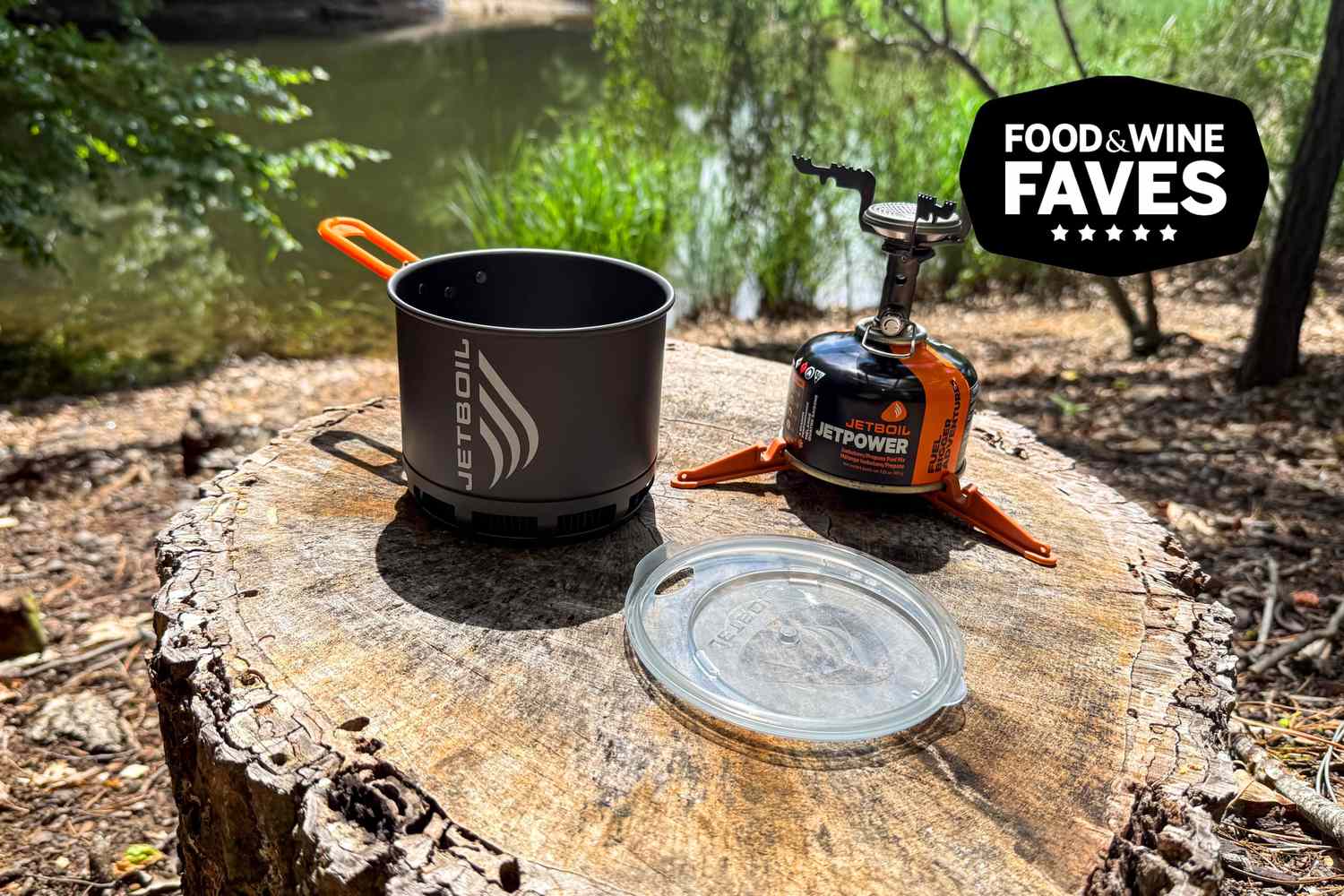
Key features to look for
Use these features to judge any set or pan. Match them to your style of camping and preferred meals.
- Weight and packability: Choose low weight for backpacking and roomier, heavier gear for car camping.
- Heat source compatibility: Confirm the cookware works on gas, wood, or open fire.
- Durability: Look for scratch and dent resistance for long life.
- Heat distribution: Even heat prevents hotspots and burnt food.
- Lid and nesting design: Lids that fit well cut fuel use. Nesting saves pack space.
- Ease of cleaning: Nonstick helps, but hard-anodized or stainless steel are easier to maintain in the field.
- Multi-function use: Pieces that double as plates, bowls, or kettles add value.
The best cookware for camping and outdoor cooking balances these features for your needs.
Materials: pros and cons
Material choice is key. Below are the common options and what they mean in the field.
Stainless steel
- Pros: Tough, scratch-resistant, good for boiling and acidic foods.
- Cons: Heats unevenly unless layered with a heat core. Can be heavy.
Using stainless steel pots, I could make coffee and soup without worrying about damage.
Hard-anodized aluminum
- Pros: Lighter than steel, good heat spread, durable finish.
- Cons: Not as light as titanium. Some finishes can be damaged by metal tools.
Hard-anodized pans held up well across many trips.
Aluminum (thin)
- Pros: Very light, cheap, fast heating.
- Cons: Warps on high heat, less durable.
Thin aluminum works when weight is king.
Titanium
- Pros: Extremely light and strong, corrosion-proof.
- Cons: Poor heat distribution and expensive.
I use titanium bowls on long hikes where every ounce counts.
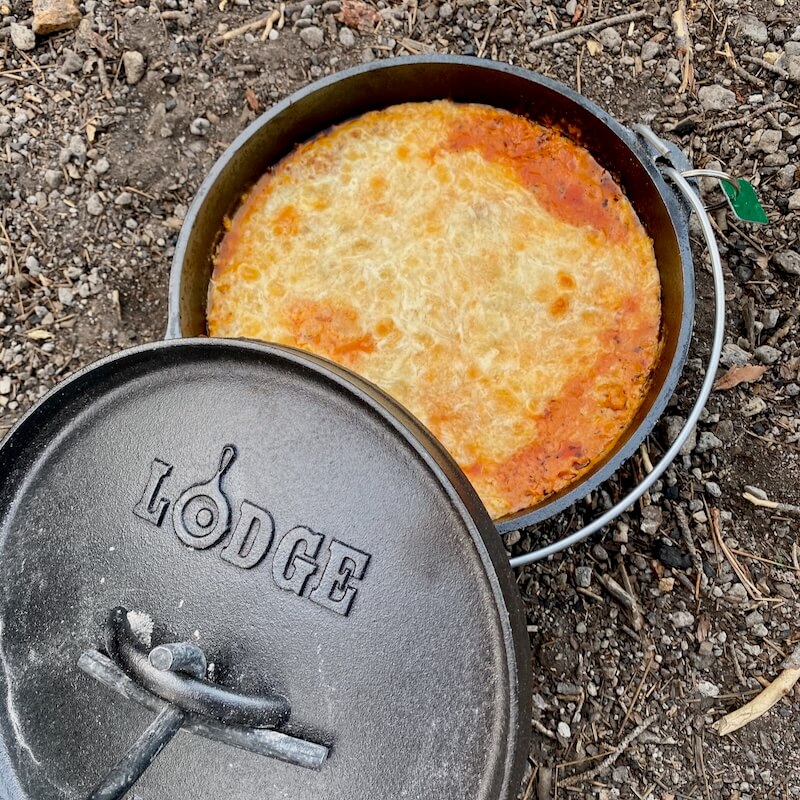
Cast iron
- Pros: Superb heat retention and browning. Doubles as a griddle and oven.
- Cons: Very heavy, needs seasoning.
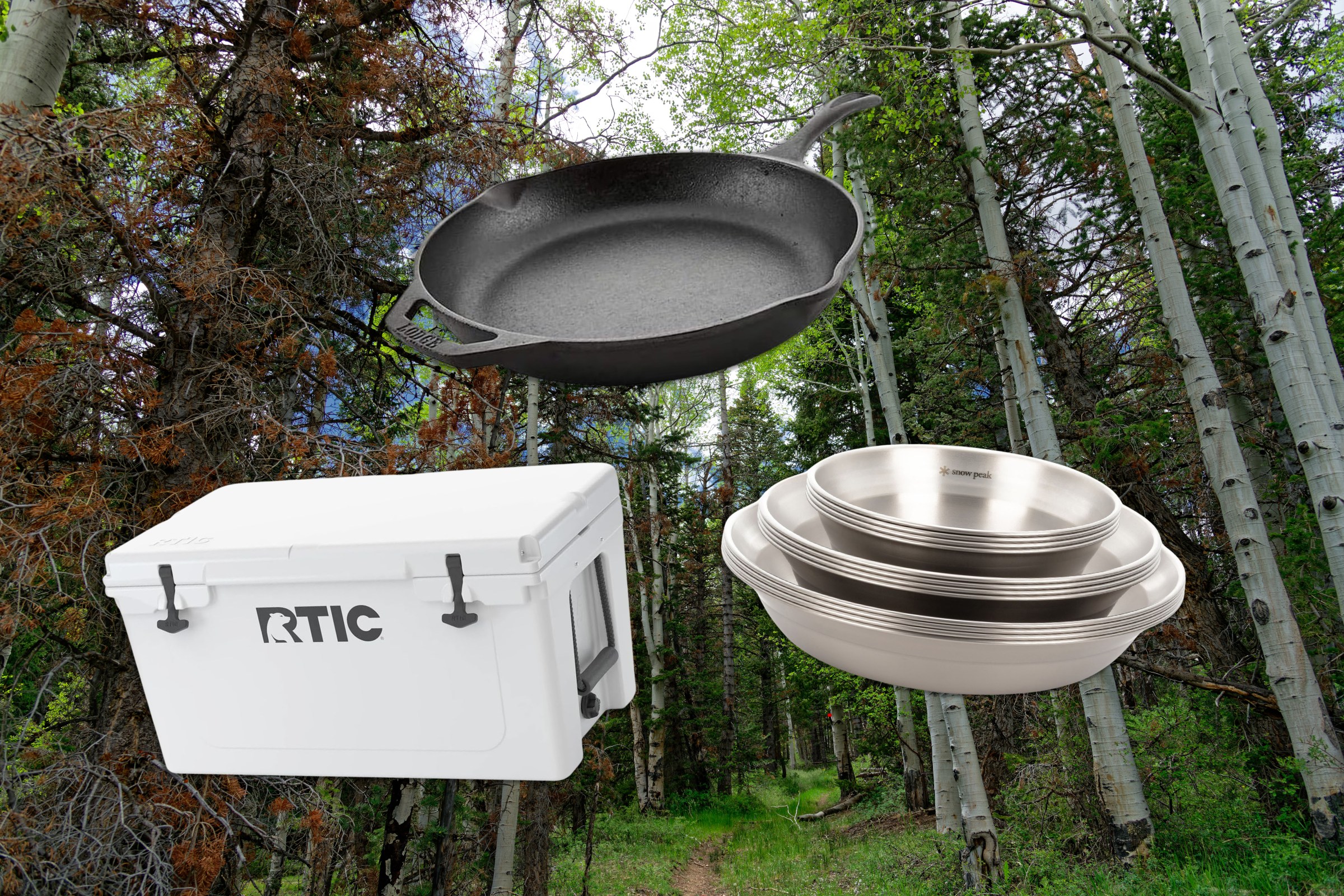
A small cast-iron skillet gave me the best pancakes at base camp. It is worth the weight for car camping.
Enamel-coated cast iron
- Pros: Easier to clean than bare cast iron, great for stews.
- Cons: Heavier and can chip if dropped.
Nonstick (PTFE ceramic)
- Pros: Easy cooking and cleaning.
- Cons: Coating can wear with metal tools and high heat.
Nonstick is a treat for eggs and fish when you want quick cleanup.
Source: bibliotecaoscura.com
Top cookware sets and single pieces for camping
Here are practical picks by use case. I name types, not brands, so you can shop to fit budget.
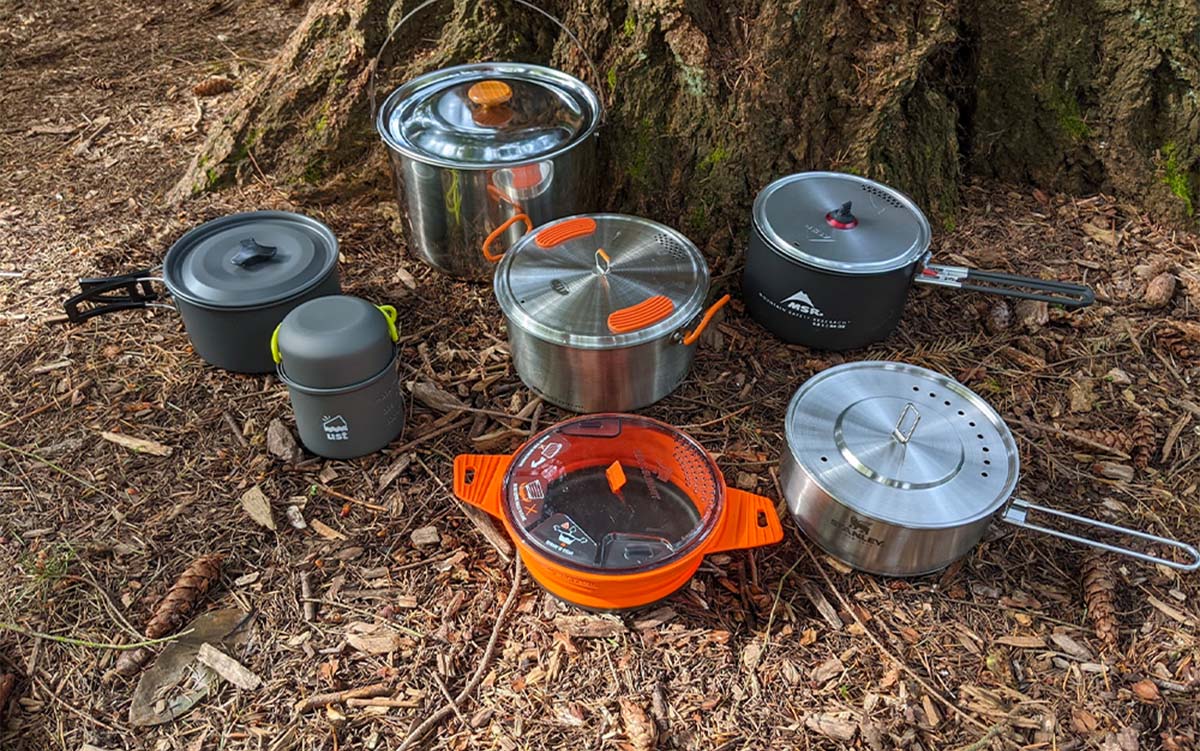
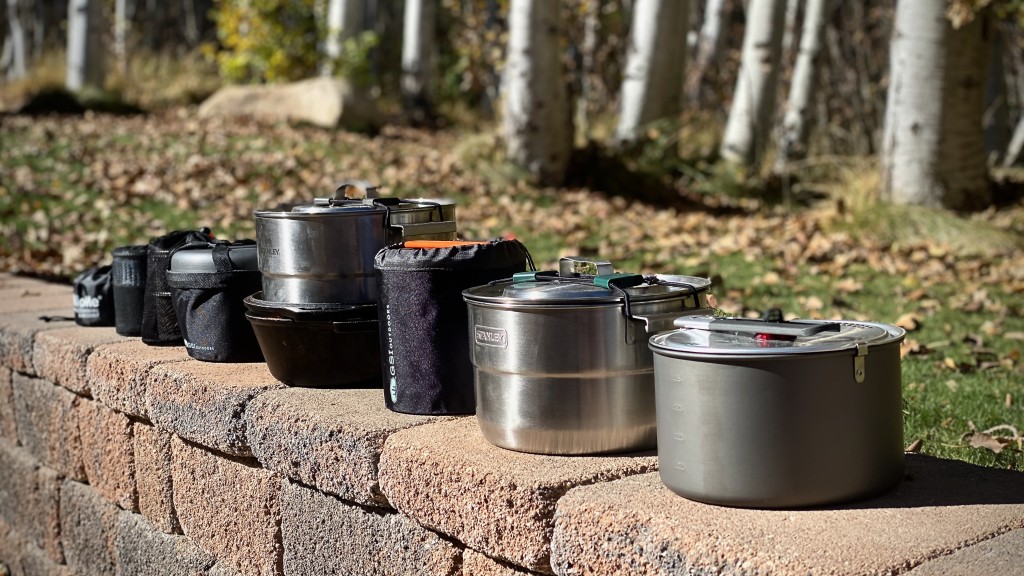
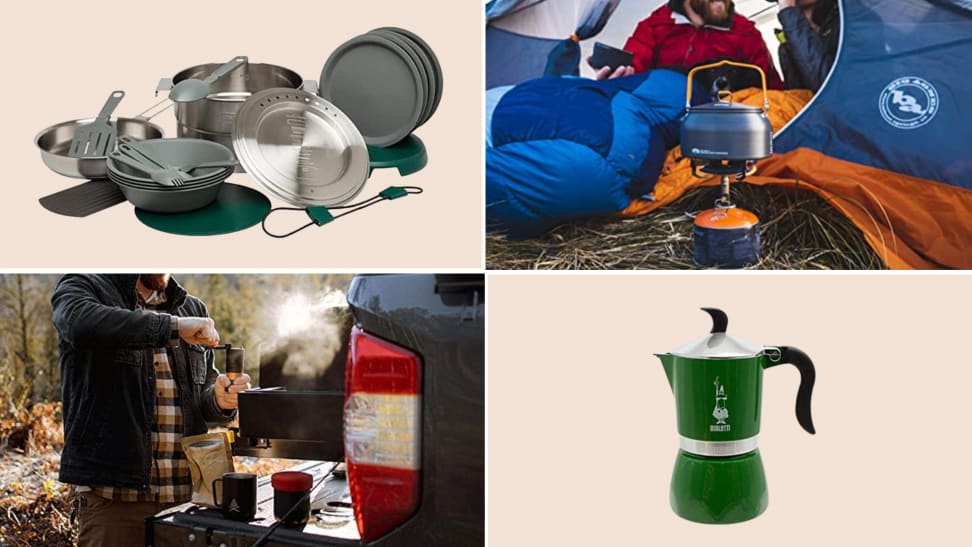
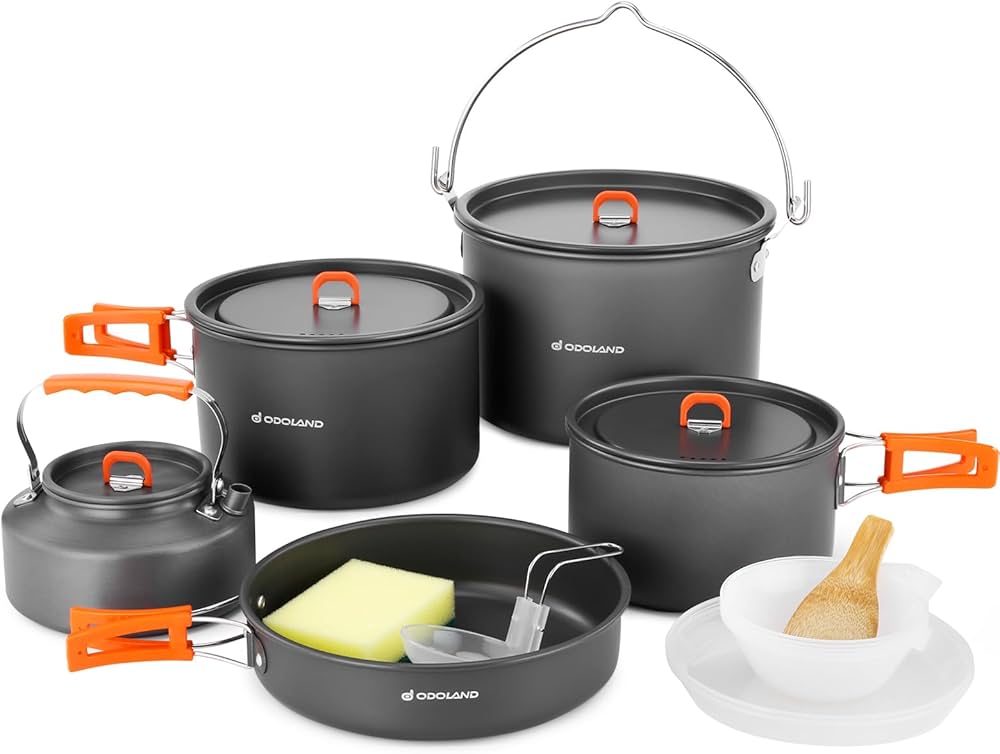
Nesting stainless set
- Why: Packs small, covers boiling, frying, and serving.
- Best for: Weekend car campers and small groups.
Titanium pot and mug combo
- Why: Ultra-light and durable.
- Best for: Minimalist backpacking and fast solo trips.
Cast-iron skillet (small)
- Why: Best browning, works on campfire coals.
- Best for: Car camping, hunters, and cooks who want sear and crust.
Enamel Dutch oven
- Why: Slow cooks, bakes bread, stews without sticking.
- Best for: Group cooking and long camp meals.
Hard-anodized frying pan
- Why: Durable, better heat spread than thin aluminum.
- Best for: Frequent use on propane or wood stoves.
Collapsible kettle or pot
- Why: Saves space for boiling water.
- Best for: Families and campers who need quick hot water.
Foldable grill or cast-iron griddle
- Why: Broad cooking surface for pancakes, burgers, and veggies.
- Best for: Campsite breakfasts and group cookouts.
Coffee pot or percolator
- Why: Reliable hot coffee with simple cleanup.
- Best for: Anyone who needs a morning boost.
Any of these can form a core kit. The best cookware for camping and outdoor cooking depends on trip length, sleep system, and appetite. Choose one or two versatile pieces for most trips.
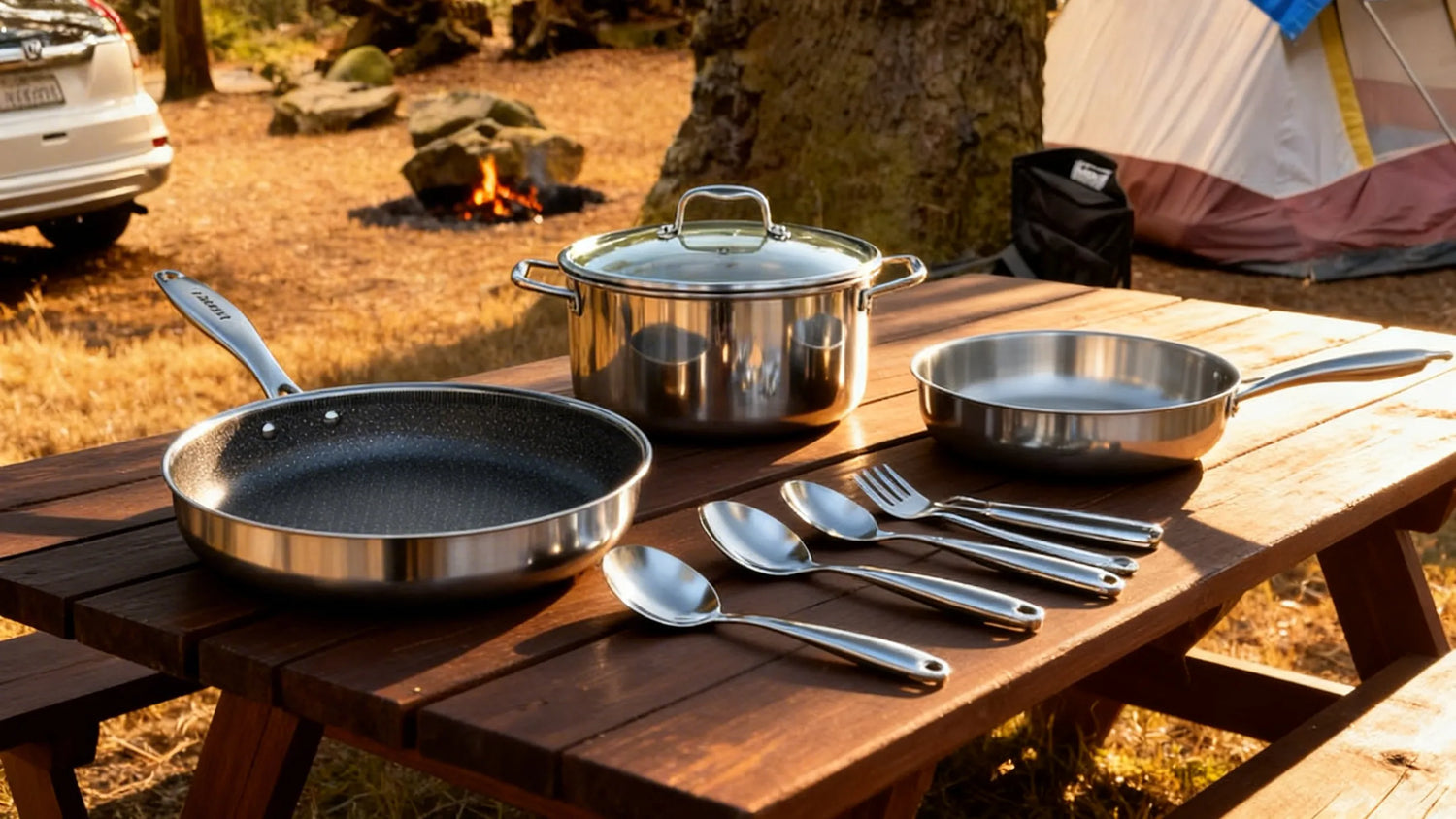
How to pack, care for, and maintain cookware
Smart packing protects gear and saves time. Care extends the life of your cookware.
- Pack wet items last: Keep clean items dry by packing pots inside dry stuff sacks.
- Nest items: Place small items like sporks inside mugs to save space.
- Protect fragile pieces: Wrap enamel or glass-lidded items in clothing.
- Clean early: Rinse pots before food dries to avoid hard scrubbing.
- Use biodegradable soap sparingly: Follow Leave No Trace rules.
- Season cast iron: Dry fully and coat with oil to prevent rust.
- Repair tips: Sand and re-season small rust spots. Replace damaged nonstick pans when coating peels.
From real trips, I learned to bring a small scrubber and a tiny bottle of soap. It made late-night cleanup faster and kept pests away.
Easy outdoor cooking techniques and simple recipes
Use these methods to get great meals with minimal tools.
One-pot pasta
- Method: Boil pasta with sauce ingredients in one pot until done.
- Why: Saves dishes and fuel.
Foil packet meals
- Method: Layer protein, veggies, oil, and spices; seal and cook on coals.
- Why: No pans to clean and great flavor.
Pan-seared fish or steak
- Method: Preheat skillet, add fat, sear on high, finish on cooler coals.
- Why: Cast iron or heavy pan gives the best crust.
Camp skillet breakfast
- Method: Cook bacon, then use leftover fat to fry eggs and hash.
- Why: Efficient and morale-boosting.
Simple stew in dutch oven
- Method: Brown meat, add liquid and veg, cook in coals for 1–3 hours.
- Why: Hands-off, warming meal for groups.
Try the one-pot pasta on a rainy night. It saved my group time and made everyone smile.
Price vs weight: choose what matters to you
Decide what you value: light weight, low cost, or durability. Your trip style decides the trade-offs.
- Backpacking: prioritize weight, then durability. Titanium or thin aluminum works.
- Car camping: prioritize function and taste. Cast iron and heavy pans win.
- Family trips: favor capacity, easy cleanup, and safe lids.
- Budget buyers: look for used enamel or stainless sets with simple repairs.
I once carried a heavy skillet for three days because we wanted great pancakes. Lesson learned: match cookware to trip goals, not to what looks cool.
Frequently Asked Questions of best cookware for camping and outdoor cooking
What is the lightest option for backpacking cooking?
Titanium pots and cups are the lightest common option and resist corrosion. They are best when weight matters more than even heat.
Can I use cast iron over a campfire?
Yes, cast iron is ideal for open flames and coals because it holds heat well. It is heavy but great for searing and one-pot meals.
Is nonstick cookware safe for outdoor use?
Nonstick is safe if you avoid high, sustained heat that can degrade the coating. Use it for low-heat items like eggs and clean gently to preserve the surface.
How do I clean cookware without much water?
Scrape food while warm, use a small amount of biodegradable soap, and rinse with minimal water. For stubborn residue, simmer a little water in the pot to loosen bits.
What cookware should I buy for family camping?
Choose a nesting stainless set for variety, a medium cast-iron pan for searing, and a dutch oven for big stews. These cover most meals and group sizes.
How do I season a cast-iron pan in the field?
Clean the pan, dry it, apply a thin coat of oil, and heat it over a stove or coals until it smokes lightly. Repeat as needed to build a protective layer.
Do I need specialty lids or accessories?
Good lids cut cooking time and save fuel. A trivet, pot gripper, and a small scrub pad are helpful accessories for safety and cleanup.
Conclusion
Picking the best cookware for camping and outdoor cooking comes down to matching material, weight, and function to your trips. Start with one versatile pot and one reliable pan. Test gear on a short trip before a long outing, and pack smart to protect your tools. Try one new setup this season and tweak based on what you like. Share what you cook or ask questions below to learn from others and refine your kit.