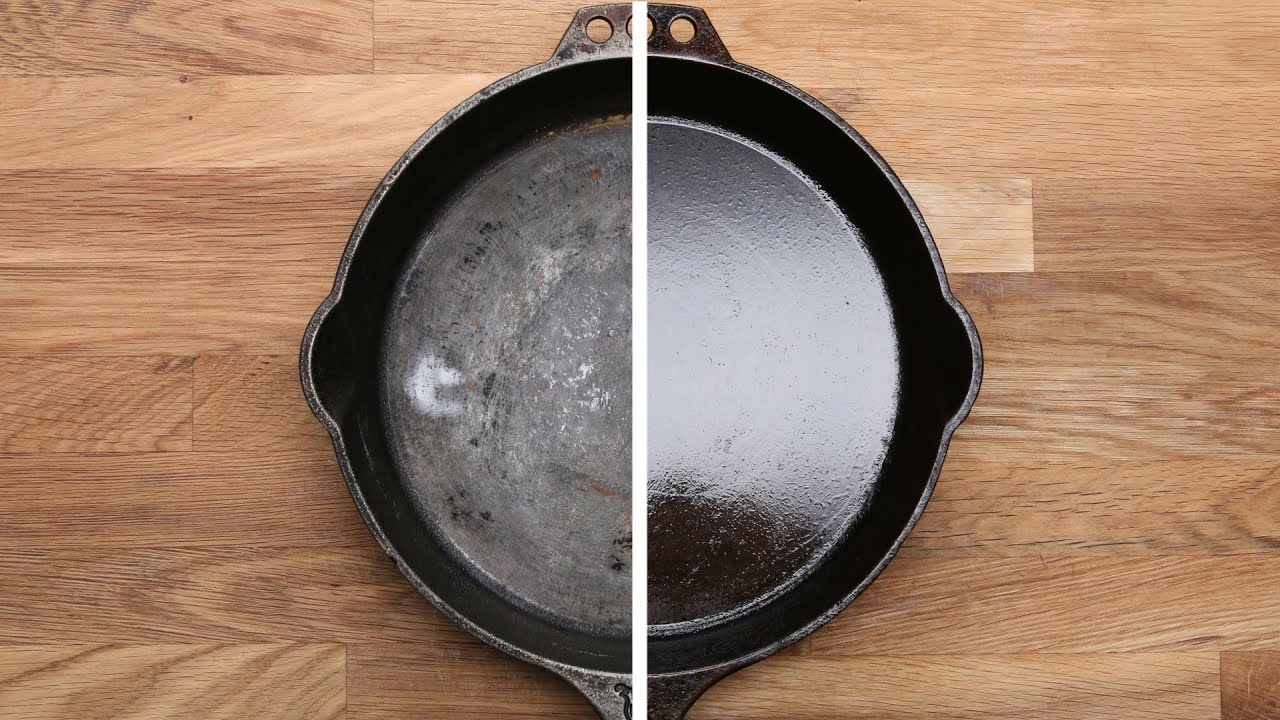
Season thin, even coats of high-smoke-point oil and bake at 450°F until shiny.
I’ve seasoned dozens of pans and taught others to care for theirs. This clear guide explains how to properly season a new cast iron skillet so you get a long-lasting, nonstick surface. I blend hands-on tips, science, and easy steps so you can start cooking with confidence.
Why season cast iron and what seasoning does
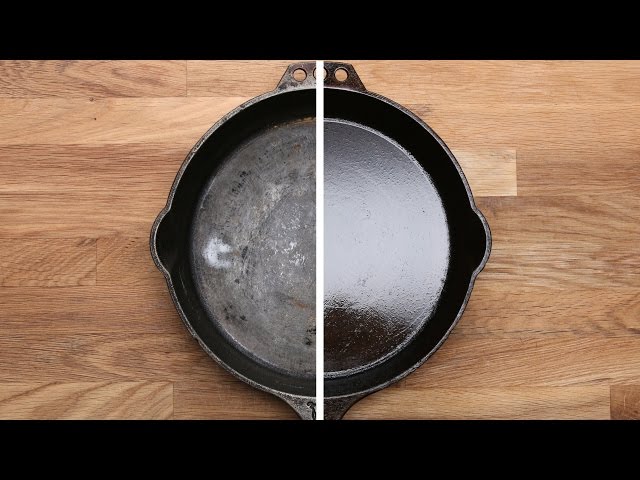
Seasoning is a thin, baked-on layer of polymerized oil. It protects the metal from rust and builds a slick, nonstick surface over time.
Seasoning happens when oil is heated past its smoke point. The oil breaks down and its molecules bond to the iron. That creates a hard, plastic-like coating that improves with use. Knowing how to properly season a new cast iron skillet helps you get that coating right from the first use.
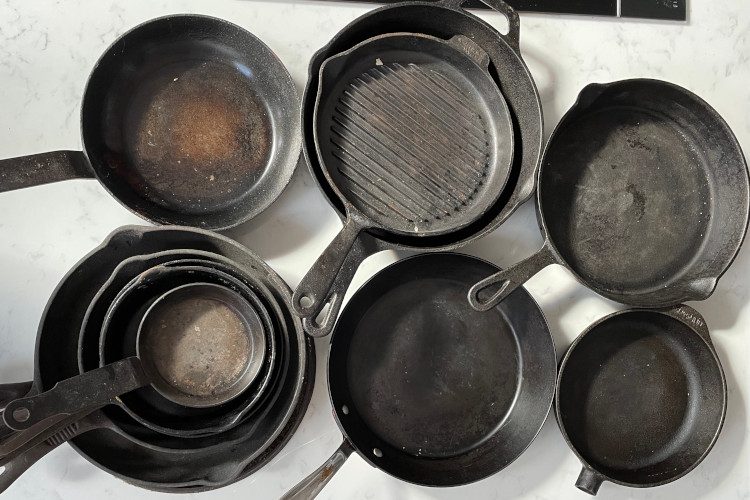
Tools, oils, and prep you need
Use simple, easy-to-find items. Choose a good oil and basic tools before you start.
- A clean new or stripped skillet.
- A high-smoke-point oil such as flaxseed oil, grapeseed oil, canola oil, or vegetable oil.
- Oven that reaches at least 450°F (232°C).
- Thin lint-free cloth or paper towel.
- Aluminum foil or a baking sheet to catch drips.
- Stove or heat source for initial cleaning if needed.
I prefer grapeseed or refined avocado in daily work. Flaxseed gives a glassy finish but can flake if applied too thick. Picking the right oil is part of learning how to properly season a new cast iron skillet.
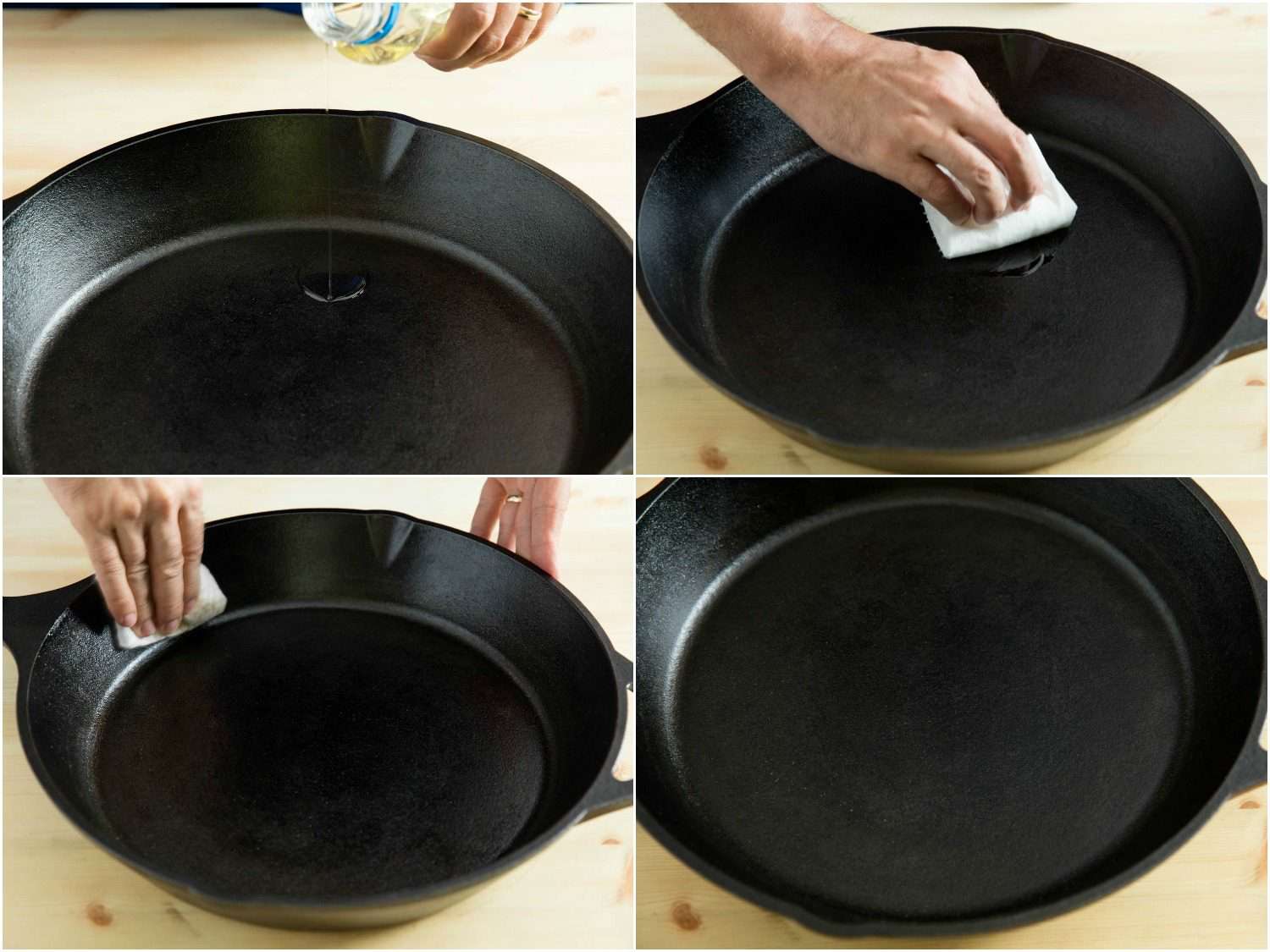
Step-by-step: How to properly season a new cast iron skillet
Follow these clear steps. Work slowly and use very thin coats.
Clean the skillet. Wash new factory-coated pans with hot water and mild soap. Scrub any factory coating or residue until metal looks raw. Dry completely with heat on the stove or in the oven for a few minutes.
Preheat your oven. Set the oven to 450°F to 500°F. High heat helps oils polymerize into a durable layer.
Apply oil sparingly. Put a teaspoon of oil in the pan. Rub it with a cloth so a thin, even sheen covers every surface. Wipe off excess until the pan looks almost dry.
Bake upside down. Place foil on the lower rack to catch drips. Put the skillet upside down on the rack. Bake for 60 minutes.
Cool in the oven. Turn off oven and let the skillet cool fully inside. This slow cool helps the coating harden.
Repeat 2–3 times. For a new pan, do two or three thin layers. Each layer adds strength. Thin is better than thick.
I once used too much oil on a brand-new pan. It pooled and left sticky spots. After re-cleaning and doing three thin bakes, the surface became smooth and durable. That experience taught me the value of very thin coats when learning how to properly season a new cast iron skillet.
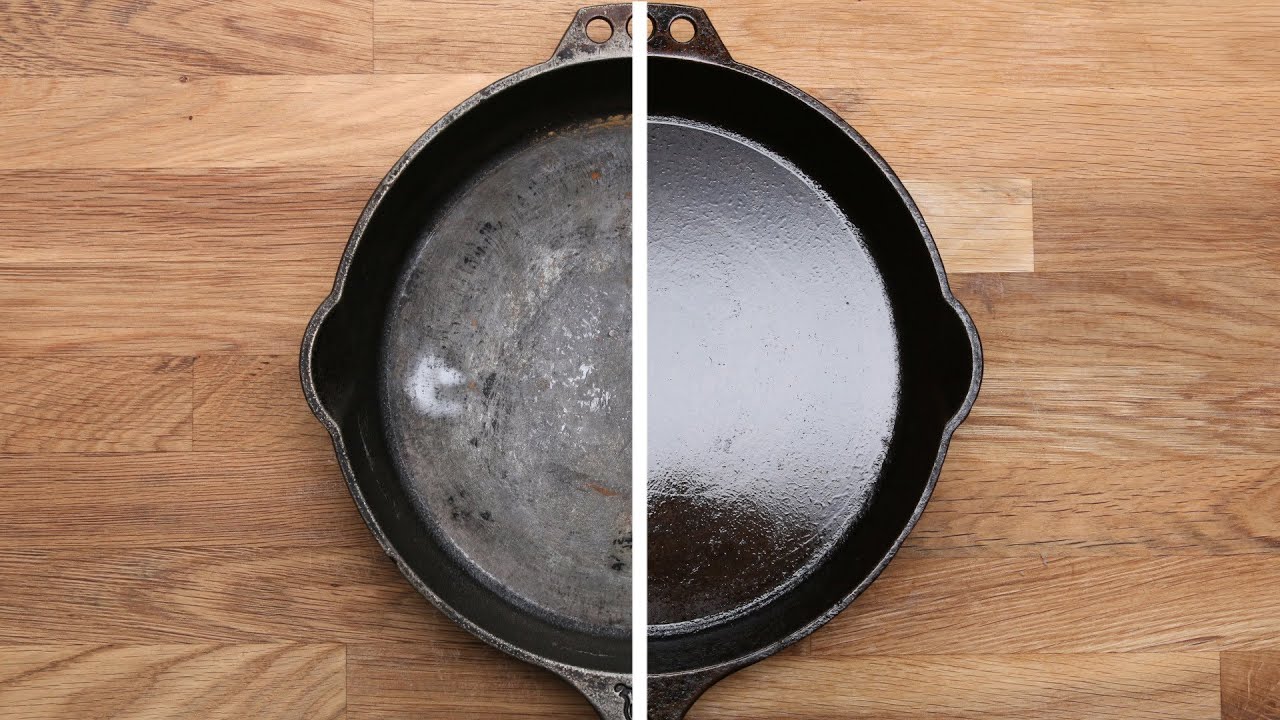
Common mistakes and how to avoid them
Avoid these pitfalls. They are easy to fix and prevent.
- Using too much oil. Excess oil pools and becomes sticky. Always wipe to near-dry before baking.
- Baking at too low a temperature. Low heat won’t fully polymerize the oil. Use 450°F or higher.
- Skipping drying. Moisture causes rust under the coating. Dry well before oiling.
- Rushing layers. Let each baked layer cool before adding the next.
These habits help you succeed when you season and care for your skillet. Knowing how to properly season a new cast iron skillet starts with avoiding common mistakes.
Maintenance, everyday use, and re-seasoning
Seasoning grows with use. Simple care keeps it strong.
- Clean with hot water and a brush. Avoid harsh soap. Mild soap is fine now and then.
- Dry right away and oil lightly after use. A drop of oil wiped on keeps seasoning healthy.
- Cook fatty foods first. Bacon and eggs help build seasoning fast.
- Re-season as needed. If food sticks or the surface looks dull, repeat a thin bake cycle.
From my kitchen, pans used weekly rarely need full re-seasoning. A quick wipe of oil after drying keeps them slick. This is part of mastering how to properly season a new cast iron skillet for long-term use.
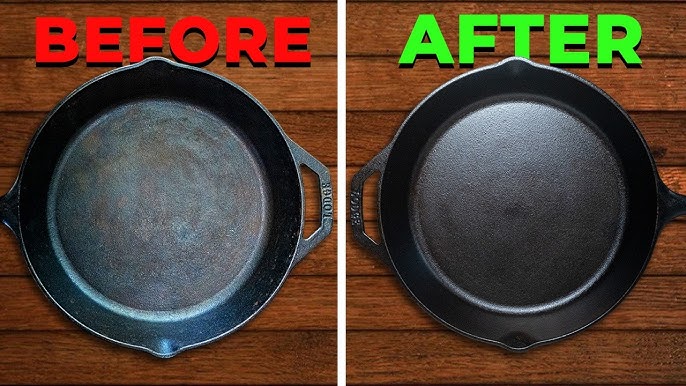
Troubleshooting: rust, sticky residue, and uneven finish
Fix the common problems quickly.
- Rust spots. Scrub with steel wool to bare metal, dry, and re-season with thin layers.
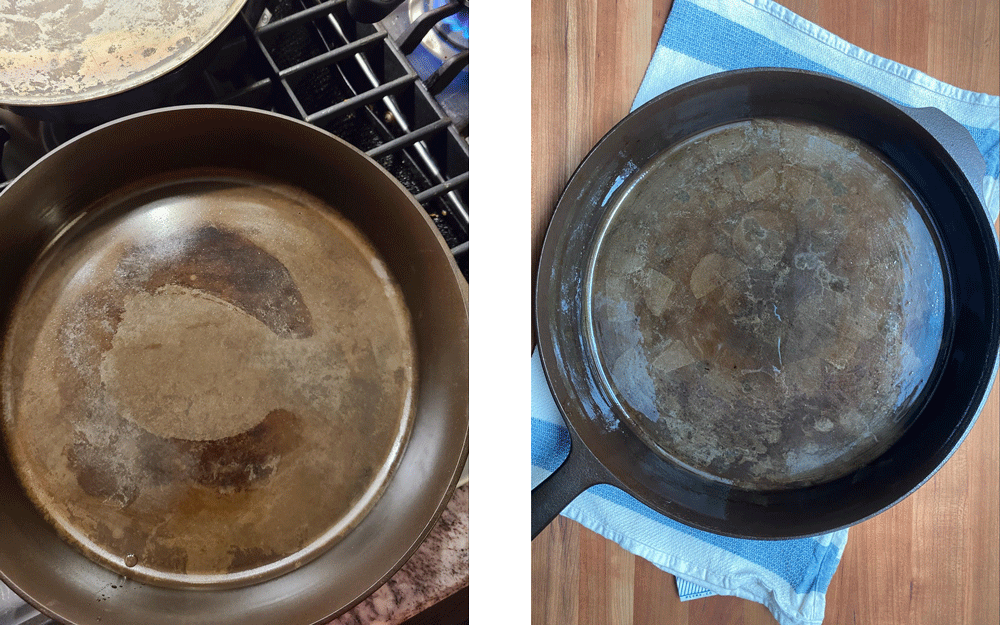
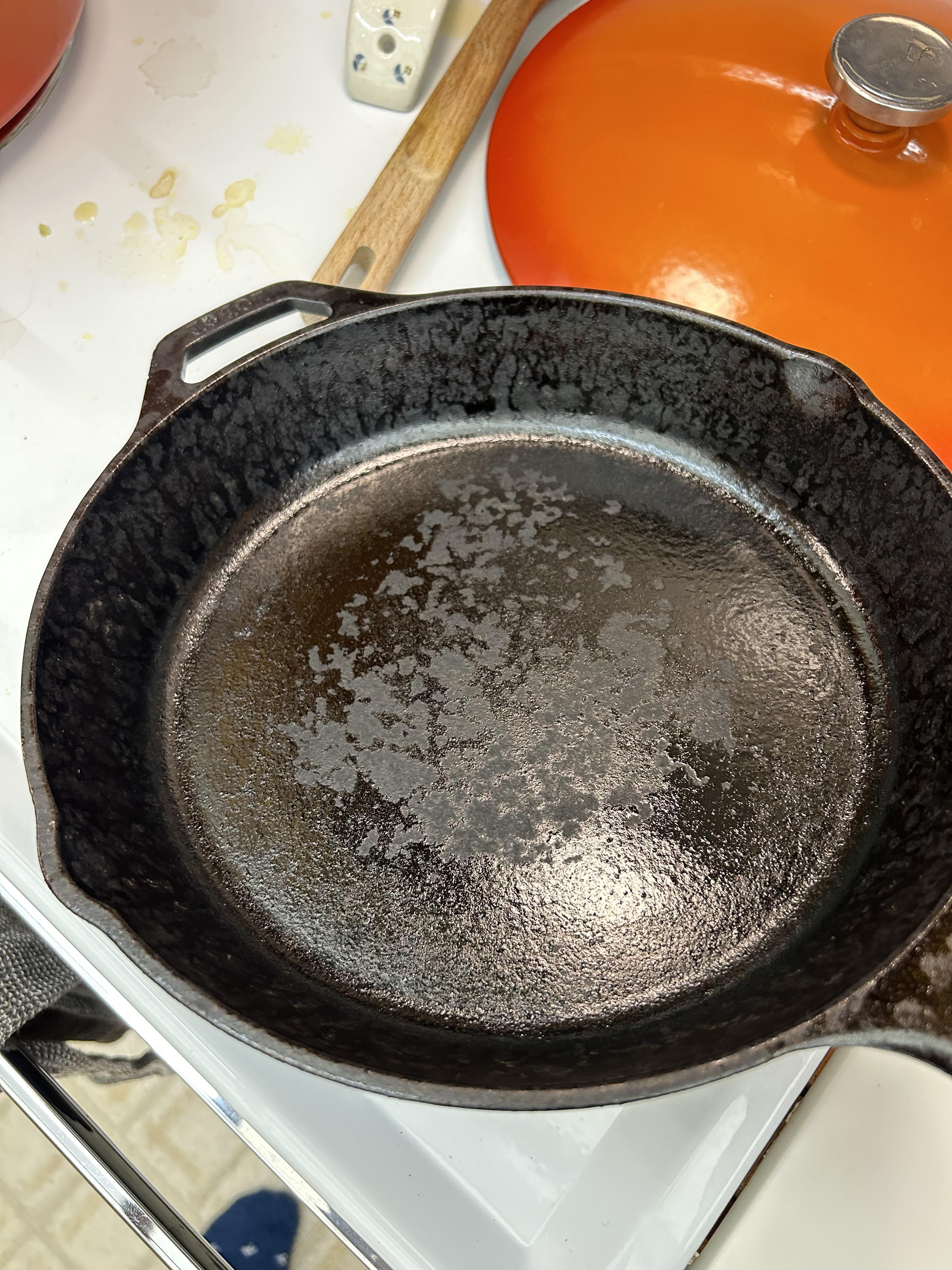
- Sticky or tacky finish. Clean with hot water and a stiff brush, remove excess oil, and re-bake thinly at high heat.
- Patchy or uneven coating. Do full clean, dry, and repeat two thin seasoning cycles.
These fixes restore the pan without costly steps. Knowing these repairs makes learning how to properly season a new cast iron skillet less stressful.
2–3 quick user questions (PAA-style)
Q: Will soap ruin seasoning?
A: Mild soap won't ruin a good seasoning. Heavy scrubbing or harsh detergent can remove layers, so use sparingly.
Q: Can I season on the stovetop?
A: You can heat and oil on the stovetop for small touch-ups, but oven baking gives the best, even polymerization.
Q: Is flaxseed oil the best?
A: Flaxseed forms a hard finish, but other refined oils work well and are less likely to flake. Choose what fits your routine.
Personal tips and lessons learned
Here are brief, real-life tips from my kitchen.
- Start small. Seasoning is a habit, not a one-time fix.
- Use thin coats. I learned thin coats beat thick ones every time.
- Cook oily foods early. It speeds seasoning growth.
- Store pans dry and lightly oiled. This prevents rust and builds the finish.
These tips reflect mistakes I made and corrected. They make how to properly season a new cast iron skillet easier for beginners.
Frequently Asked Questions of How to properly season a new cast iron skillet?
How often should I season a new cast iron skillet?
Season a new cast iron skillet with 2–3 thin oven bakes up front. After that, do a light oil wipe after each use and re-season only when the surface dulls or food sticks.
What is the best oil for seasoning a skillet?
Use a high-smoke-point oil like grapeseed, refined avocado, canola, or vegetable oil. Flaxseed works but needs thin layers and care.
Can I use my new skillet right away after seasoning?
Yes. After the final cool-down, the pan is ready for use. Cooking fatty foods first helps build the nonstick layer faster.
Why is my skillet sticky after seasoning?
Sticky residue means too much oil was applied or baking temperature was too low. Strip the sticky layer, then reapply very thin coats and bake hotter.
Is it okay to use soap on seasoned cast iron?
Mild soap is okay occasionally. Avoid heavy scrubbing that strips layers. Dry fully and oil lightly after washing.
How do I remove rust from a new cast iron skillet?
Scrub rust to bare metal with steel wool, rinse, dry, and then re-season with thin, baked layers. Prevent future rust by keeping it dry and oiled.
Conclusion
Seasoning a new cast iron skillet is simple in steps but powerful in results. Clean well, apply very thin coats of high-smoke-point oil, bake hot, and repeat a few times. Care with daily cooking and light oiling keeps the surface improving for years.
Try the steps this week. Season your skillet, cook something fatty, and notice the surface improve. If this guide helped, leave a comment or share your seasoning wins and questions.