Nonstick ceramic pans and well-seasoned cast iron are the best cookware for healthy cooking without oil.
I have tested dozens of pans and pots while advising home cooks and nutrition-conscious families. This guide explains which cookware helps you cook without oil, why it works, and how to use each piece safely. Expect clear buying tips, practical techniques, and real-life notes from my kitchen so you can choose the best cookware for healthy cooking without oil and start cooking cleaner meals today.
Why choose the best cookware for healthy cooking without oil?
Cooking without oil lowers calories and reduces added fats. The right pan keeps food from sticking. It also helps preserve nutrients and avoids smoke from overheated oils. Choosing the best cookware for healthy cooking without oil lets you sauté, sear, and roast with minimal or no fats. I’ll explain materials, methods, and the small habits that make oil-free cooking easy and tasty.
Top cookware types for healthy cooking without oil
Here are the main materials that work well for oil-free cooking. I list pros, cons, and best uses.
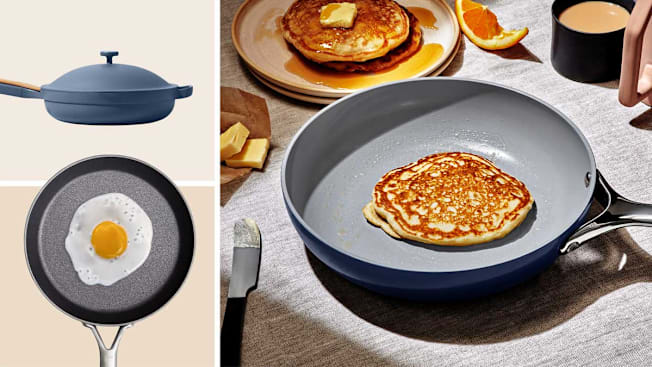
- Ceramic nonstick pans — Smooth, PTFE-free surfaces. Great for eggs, pancakes, and delicate fish. Heat gently to extend life.
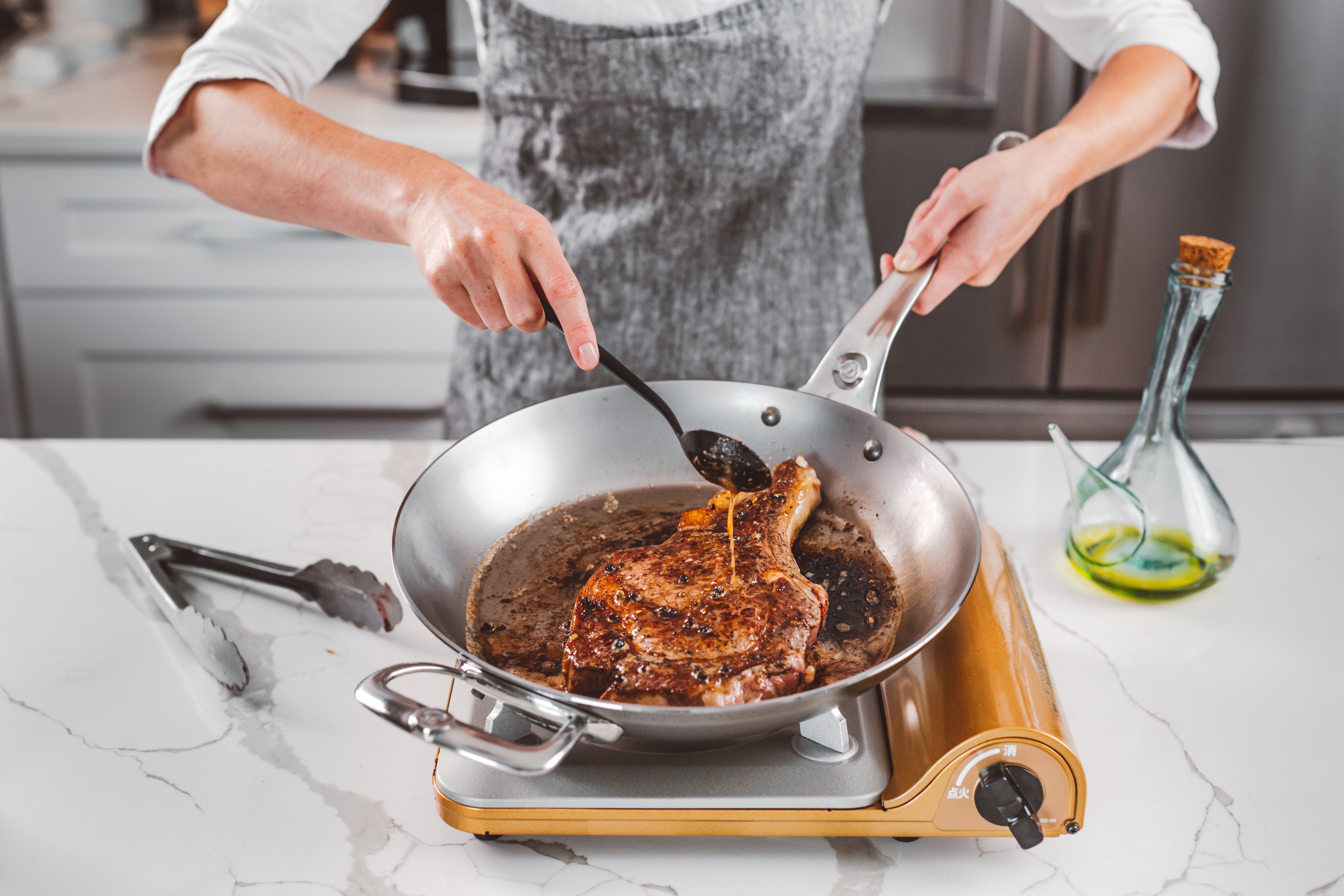
- Well-seasoned cast iron — Natural nonstick when kept seasoned. Excellent for high-heat searing and oven use. Heavy but long-lasting.
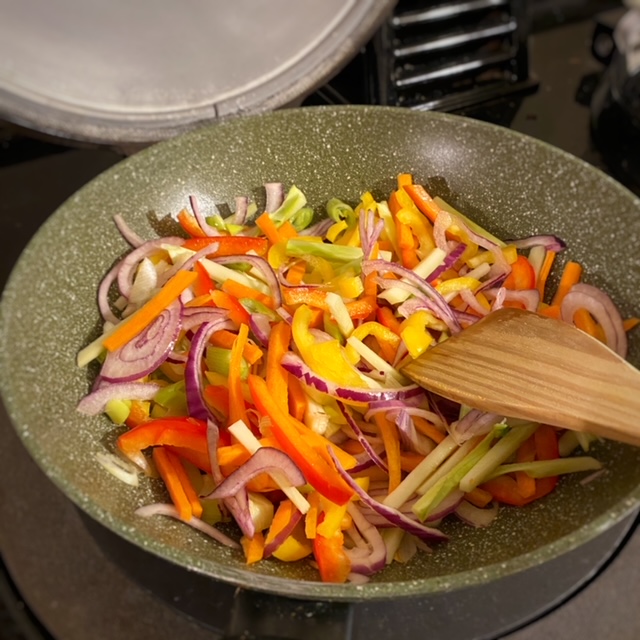
- Carbon steel skillets — Lighter than cast iron. They season like cast iron and handle high heat well. Best for stir-fries and fast sears.
- Enameled cast iron — No seasoning needed. Good for braises and oven cooking. Not as slick as seasoned iron for oil-free frying.
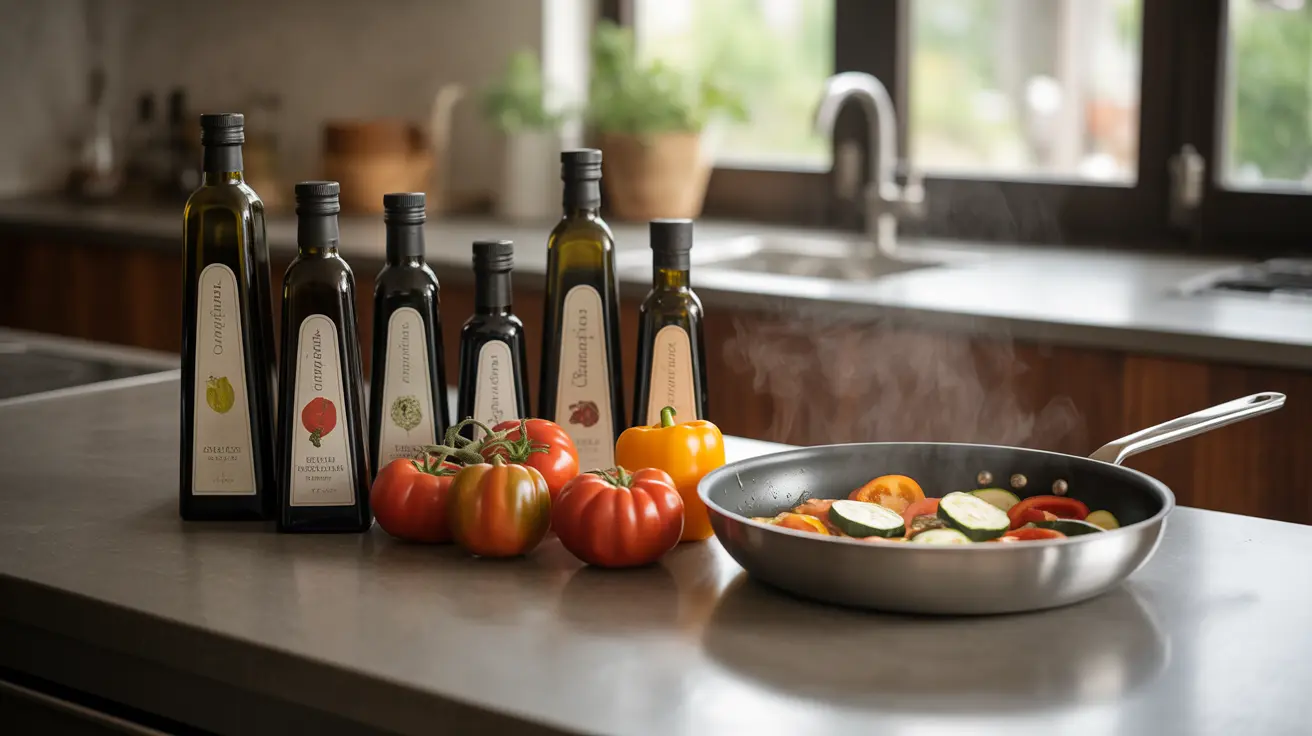
- High-quality stainless steel — Durable and great for browning if you use water or broth to deglaze. Use proper heat control to avoid sticking.
- Hard-anodized aluminum — Even heating and more scratch resistant than basic aluminum. Works well with low-fat cooking but check coating safety.
- Steamer inserts and bamboo steamers — Perfect for vegetables, fish, and dumplings with zero oil.
- Silicone bakeware and mats — For baking with no added fats. Nonstick and easy to clean.
I have used ceramic pans for omelets and carbon steel for wok-style stir-fries. Each material changes your technique. The best cookware for healthy cooking without oil depends on the food and the heat you need.
How to cook without oil using different cookware
Techniques matter as much as cookware. Here are clear methods that work across pans.
- Water-sauté or steam-fry — Add a tablespoon of water or broth to the pan. Stir often until food is cooked and lightly browned.
- Dry-sear on seasoned iron or carbon steel — Heat pan until hot, add food, and resist moving it. Food will release when it forms a crust.
- Use steam for vegetables — Place a steamer insert over simmering water. Cover and cook until tender-crisp.
- Oven roasting on silicone mats — Roast vegetables at high heat for caramelization without oil.
- Braising with liquids — Slow cook meats or vegetables in stock or tomato sauce to add flavor and moisture.
- Use an air fryer or convection oven — Achieves crisp textures without oil or with a tiny spray.
Can I fry without oil? Yes. Use nonstick or very hot seasoned iron, or use small amounts of water to prevent sticking.
Will food taste bland without oil? No. Use acids, herbs, spices, and proper browning to build flavor.
What to look for when buying the best cookware for healthy cooking without oil
A short buying checklist helps you spend wisely.
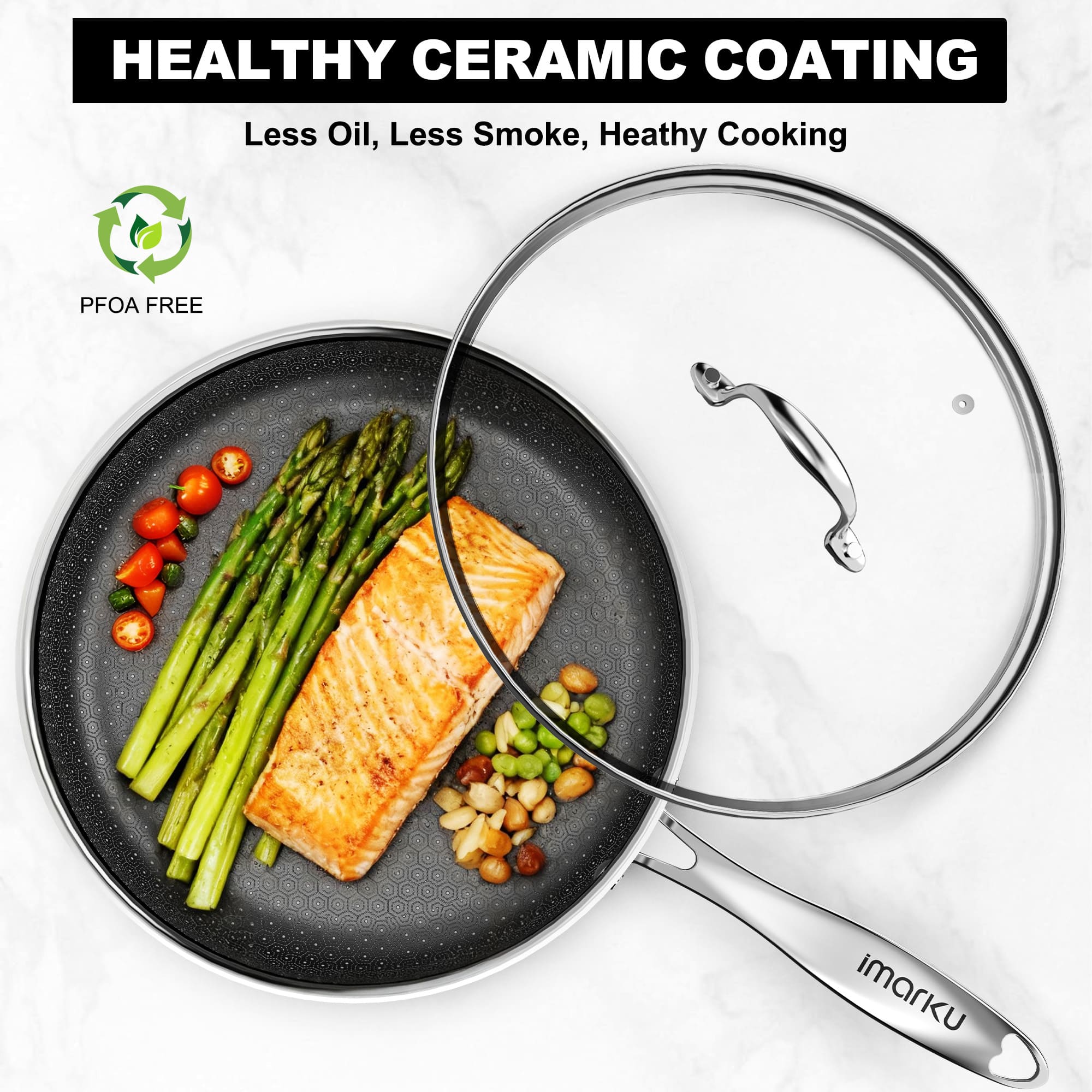
- Material and coating — Choose PTFE-free ceramic, seasoned iron, or high-quality stainless steel depending on use.
- Heat distribution — Look for thick bases or multi-layer construction for even cooking.
- Size and weight — Pick pans you can lift easily. Heavy pans give even heat but can be hard to handle.
- Lid and oven safety — Lids help steam food. Check max oven temperature for each item.
- Ease of cleaning — Dishwasher-safe may be convenient but hand wash often extends life of nonstick surfaces.
- Warranty and brand transparency — Good brands offer clear coating and material data.
From my tests, a 10-inch ceramic skillet, a 10–12 inch seasoned cast iron, and a medium stainless saucepan cover most oil-free needs. Choosing the best cookware for healthy cooking without oil saved me time and improved meal quality.
Maintenance and safety tips for oil-free cookware
Caring for pans keeps them nonstick and safe.
- Season carbon steel and cast iron regularly — Apply a thin oil layer and heat to build a stable surface.
- Avoid overheating nonstick ceramic — High heat breaks down coatings faster. Use medium heat.
- Use wood, silicone, or nylon utensils — Prevent scratches on delicate surfaces.
- Clean gently — Soak stuck food and use soft sponges. Avoid steel wool on nonstick.
- Replace damaged nonstick — Chips or flaking surfaces signal time to replace the pan for safety.
- Store pans properly — Stack with padding or hang to avoid scratches.
I once ruined a ceramic pan by preheating it empty on high. Now I preheat with a small splash of water to test readiness. These habits keep cookware performing, so the best cookware for healthy cooking without oil stays effective longer.
Personal picks: recommended cookware pieces for oil-free cooking
My daily picks for a kitchen aiming to cook without oil.
- 10-inch ceramic nonstick skillet — Best for eggs and pancakes with minimal fat.
- 12-inch seasoned cast iron skillet — Best for searing, oven finishing, and high-heat tasks.
- Carbon steel wok or skillet — Best for fast stir-fries and one-pan meals.
- 3-quart stainless steel saucepan with lid — Best for steaming, simmering, and sauces.
- Steamer insert or bamboo steamer — Best for quick, healthy veggies and fish.
- Silicone baking mat — Best for oil-free roasting and baking.
- Air fryer or convection oven — Best for crispy textures without oil.
I keep all these within reach. They let me switch from steaming to searing quickly. The right mix helped me cut oil while keeping flavor. These picks represent practical choices for the best cookware for healthy cooking without oil.
Frequently Asked Questions of best cookware for healthy cooking without oil
What is the safest nonstick option for oil-free cooking?
Ceramic nonstick and well-seasoned cast iron are safe and effective. Avoid scratched or flaking coatings and replace pans when they show damage.
Can I use stainless steel to cook without oil?
Yes, with water-deglazing, proper heat control, and patience you can sauté and brown food in stainless steel without oil.
How do I keep cast iron nonstick without oil?
Season regularly by applying a very thin oil layer and heating the pan. Cook fatty foods occasionally to maintain the seasoning.
Is air frying better than pan frying without oil?
Air frying gives crisp textures with little or no oil. It uses hot air circulation, which is ideal for fried-like results without added fat.
Will food stick to ceramic pans over time?
Ceramic pans can lose their slickness with use and high heat. Use medium heat, avoid metal utensils, and replace when performance declines.
How do I prevent smoke when cooking without oil?
Use lower to medium heat and add liquid in small amounts when needed. Choose cookware that disperses heat evenly to avoid hotspots.
Can I roast vegetables without oil and still get browning?
Yes. Bake at high heat on a silicone mat or roasting tray, and use occasional splashes of broth or a syrup of balsamic to aid browning.
Conclusion
Choosing the best cookware for healthy cooking without oil helps you eat cleaner without losing flavor. Pick a few versatile pieces like a ceramic skillet and a seasoned cast iron pan. Learn simple techniques like water-sauté and steaming. Start small: replace one pan, practice a few oil-free recipes, and build confidence. Try an oil-free week and note how meals taste. Share your results, subscribe for more tips, or leave a comment about your favorite oil-free cookware.