Soak, scrub with baking soda and dish soap, then rinse, dry, and re-season if needed.
I’ve spent years cleaning pans in busy kitchens and at home, so I know exactly how to deep clean greasy cookware without damaging it. This guide shows step-by-step methods for stainless steel, nonstick, cast iron, aluminum, and copper. Read on for practical tips, safe products, and tricks that work every time.
Why grease clings to cookware
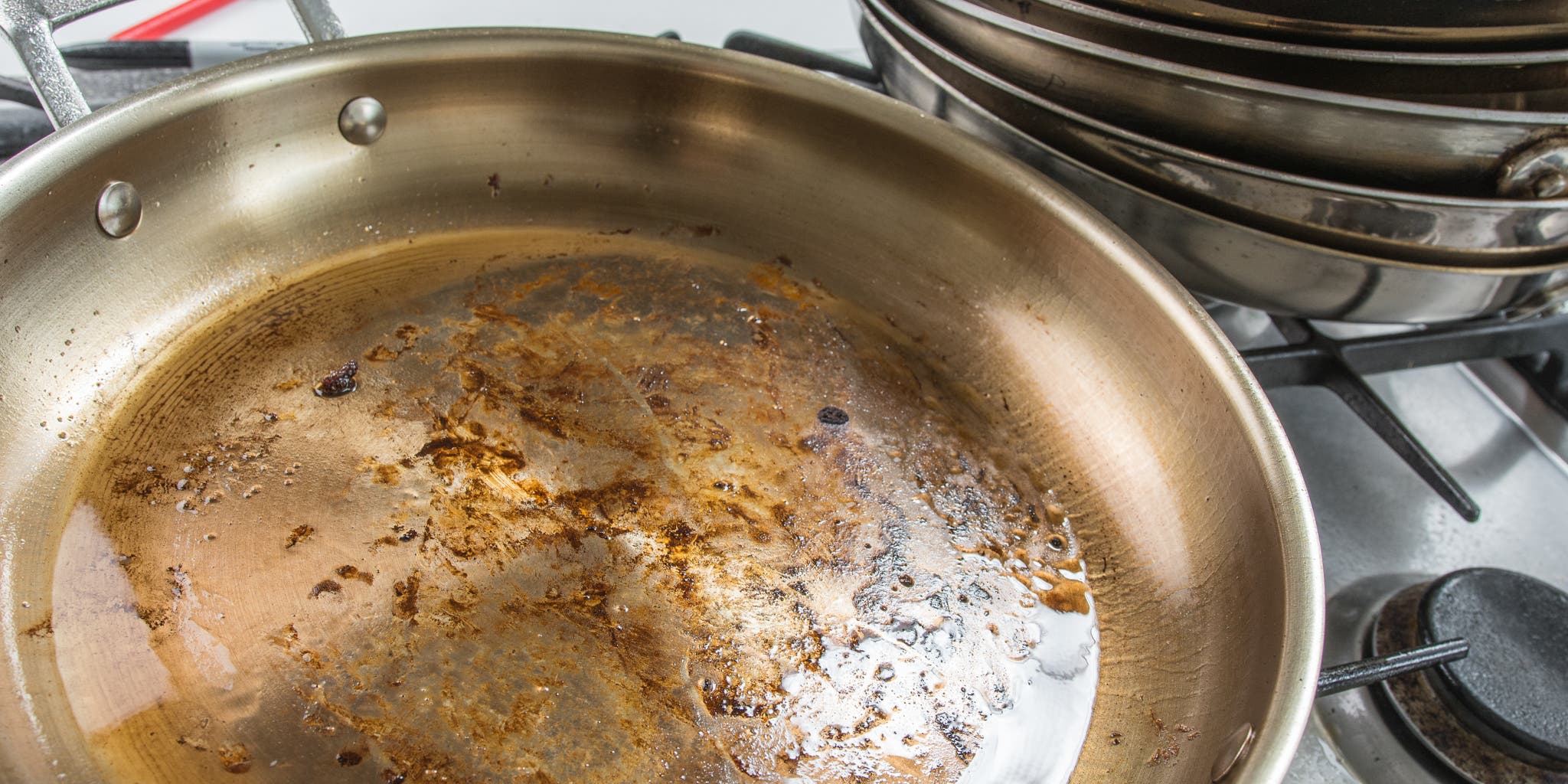
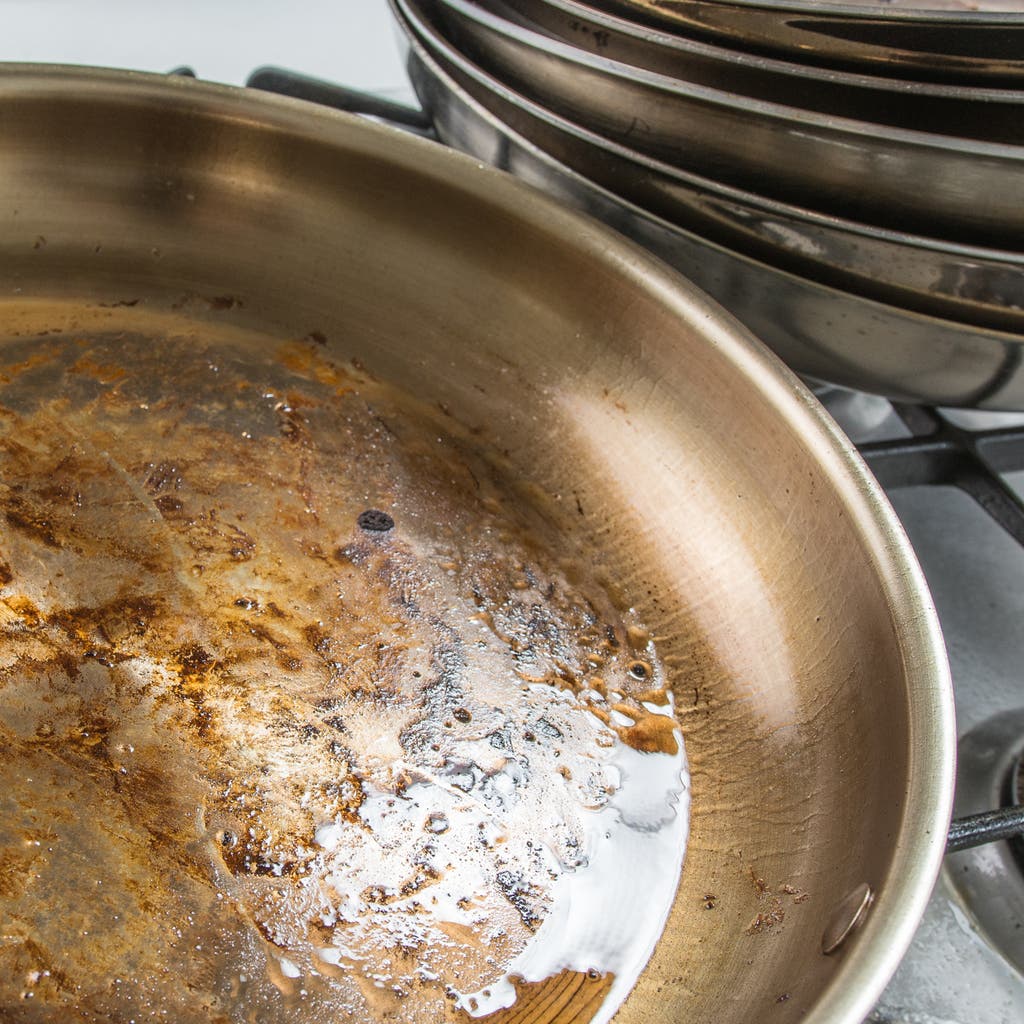
Grease is mostly fat and oil. These molecules form a thin film that bonds to metal and polymer surfaces. Heat helps fats change structure and stick harder. Sugars and protein in food can caramelize and glue grease in place.
Understanding the chemistry helps you pick the right cleaner and method. Hot water loosens fat. Alkaline cleaners break down oils. Abrasives remove stubborn layers but can damage finishes.
Essential tools and materials
Use simple, safe items you likely own. Here are the basics:
- Dish soap with degreasing power.
- Baking soda for mild abrasion and odor removal.
- White vinegar to dissolve mineral buildup and cut grease.
- Salt for scrubbing cast iron or copper.
- Soft sponges and non-scratch scrubbers.
- Steel wool only for heavy-duty stainless pans.
- Plastic scraper or spatula to remove stuck food.
- Rubber gloves to protect hands.
- Microfiber or clean towel for drying.
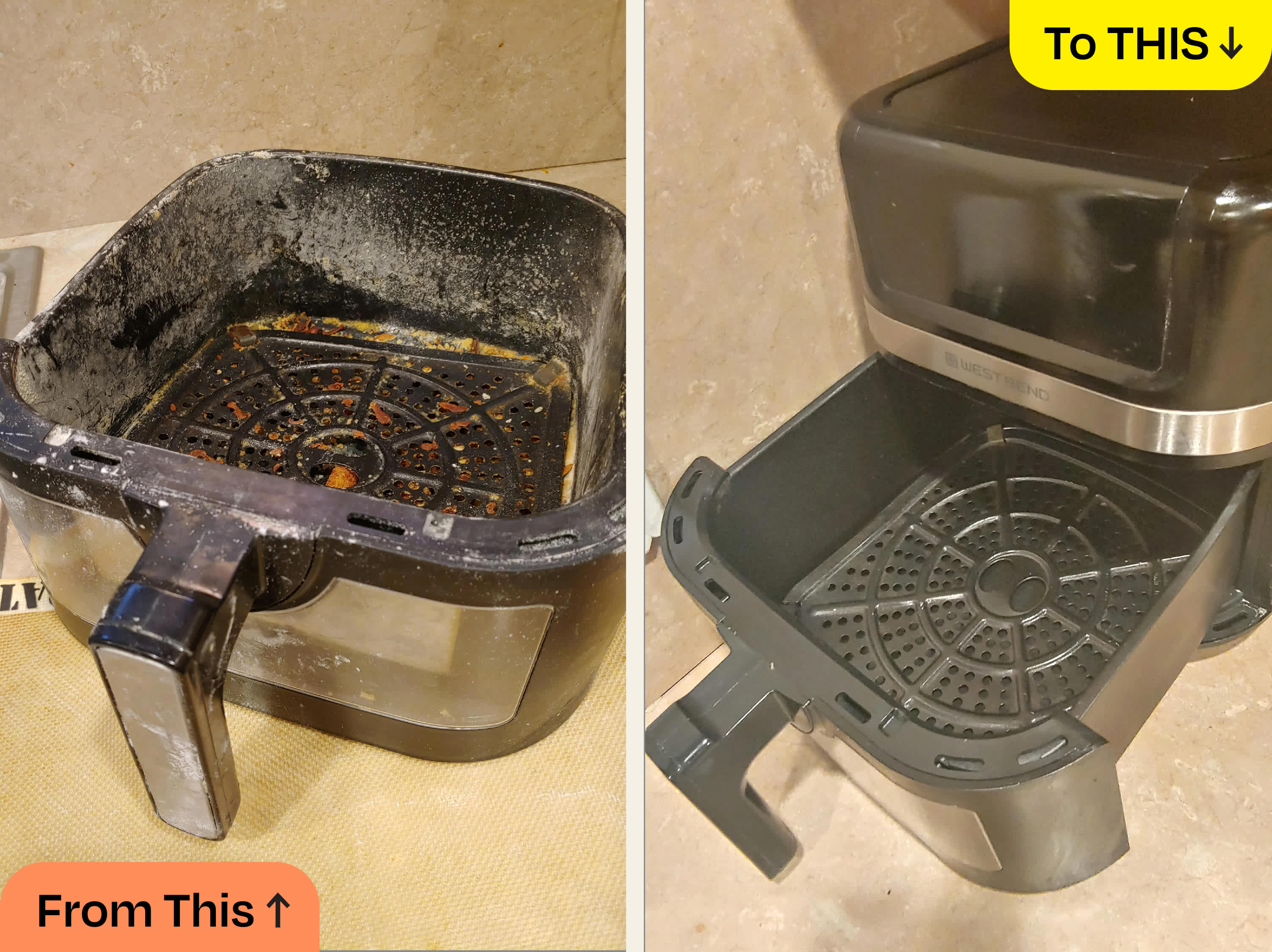
I keep a small kit in my kitchen. When I’m short on time, a 30-minute soak in hot, soapy water plus a scrub usually does the trick.
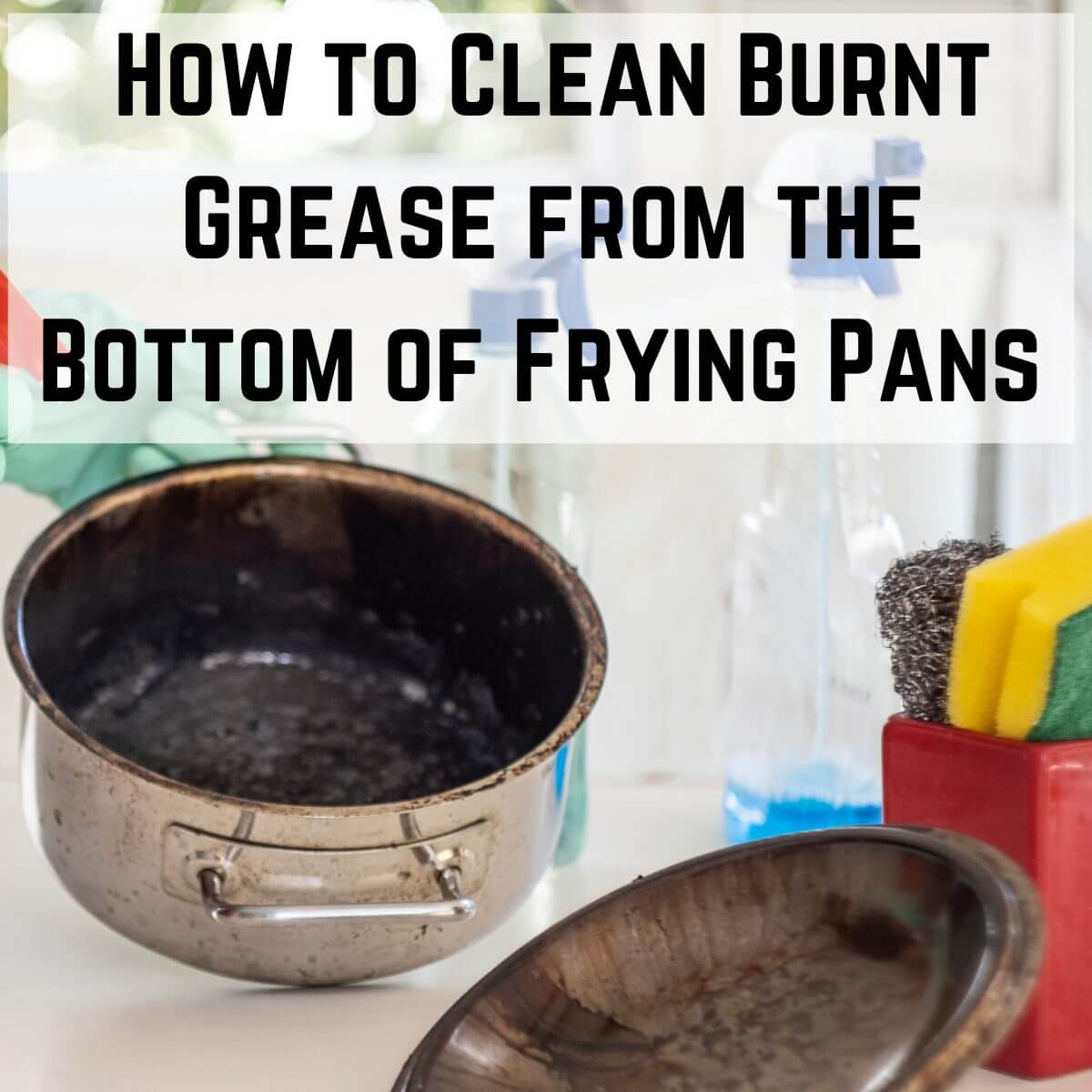
General step-by-step method for how to deep clean greasy cookware
Follow these simple steps for most pans and pots. This is my go-to routine when grease is the main problem.
- Cool the cookware to a safe temperature.
- Remove loose food with a scraper.
- Fill the sink with very hot water and add a good squirt of dish soap.
- Soak cookware for 15–30 minutes. For heavy grease, soak longer or use hot distilled vinegar.
- Sprinkle baking soda on wet surfaces and scrub with a non-scratch pad in circular motions.
- Rinse with hot water and repeat if needed.
- Dry thoroughly with a towel to prevent spots and rust.
For extra grease, boil a water plus dish soap mixture in the pan for 10 minutes, then let it cool slightly and scrub.
PAA-style question: Can you use vinegar and baking soda together?
Yes. They react to lift grime and deodorize. Use them in sequence: soak in vinegar, then sprinkle baking soda and scrub.
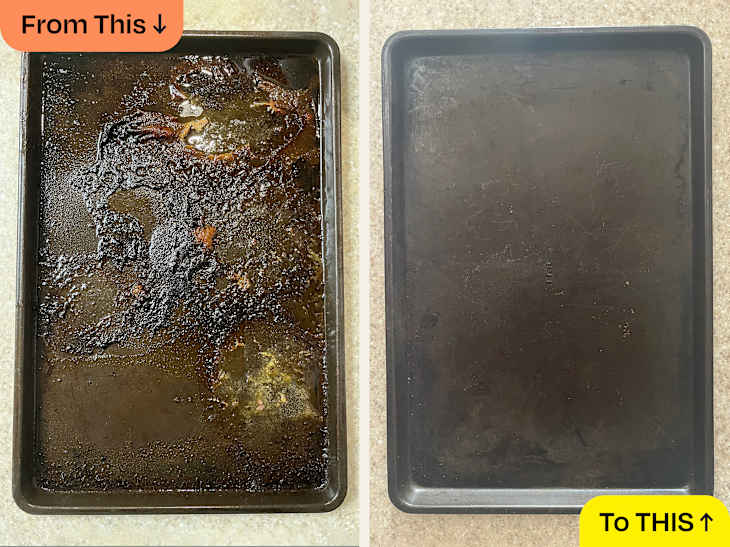
Deep cleaning by cookware type
Stainless steel
- Use hot, soapy water first.
- For baked-on grease, boil water with a tablespoon of dish soap.
- Use baking soda for mild scrubbing.
- Use a stainless-safe abrasive for stubborn spots.
- Polish with a little vinegar to restore shine.
I once removed a blackened, greasy layer from a large stockpot by boiling water with dish soap, then carefully scrubbing with baking soda. It saved me from harsh chemicals.
Nonstick
- Avoid high abrasives and steel wool.
- Soak in hot, soapy water.
- Use a soft sponge and baking soda paste only for light stains.
- If coating is flaking, replace the pan—don’t risk ingesting flakes.
I ruined one nonstick pan years ago by scrubbing too hard. Replace instead of risking health.
Cast iron
- Do not soak for long or use soap often.
- Scrape food, then scrub with coarse salt and a paper towel or brush.
- Rinse, dry, and re-season with a thin layer of oil heated in the oven.
- For heavy grease, boil water and scrape, then re-season.
Seasoning protects and hides grease; always re-season after deep cleaning cast iron.
Aluminum and copper
- Use mild soap and a soft scrub.
- For copper, use a paste of salt and vinegar or lemon to lift grease and tarnish.
- Avoid strong alkalines that can pit soft metals.
I refinish an old copper pan with lemon and salt. It’s an easy, natural method.
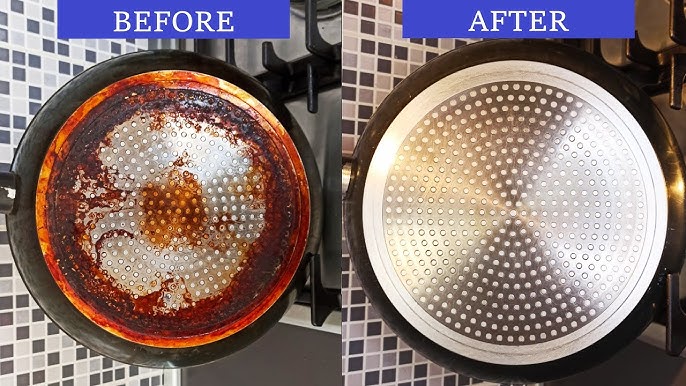
Tough, baked-on grease and stubborn stains
For severe buildup, use stronger methods carefully:
- Oven or grill pans: Use baking soda paste, let sit overnight, then scrub.
- Boiling method: Boil water and a few tablespoons of baking soda for 10–15 minutes to loosen carbonized grease.
- Commercial degreasers: Use according to label; ventilate the area and wear gloves.
- Oven cleaner: Effective but harsh. Use only on heavy-duty pieces and rinse thoroughly.
Safety tips:
- Never mix bleach and ammonia.
- Avoid lye unless you know what you’re doing.
- Test a small area before using strong cleaners.
I solve the toughest pans with a baking soda boil, followed by a firm scrub. It rarely fails.
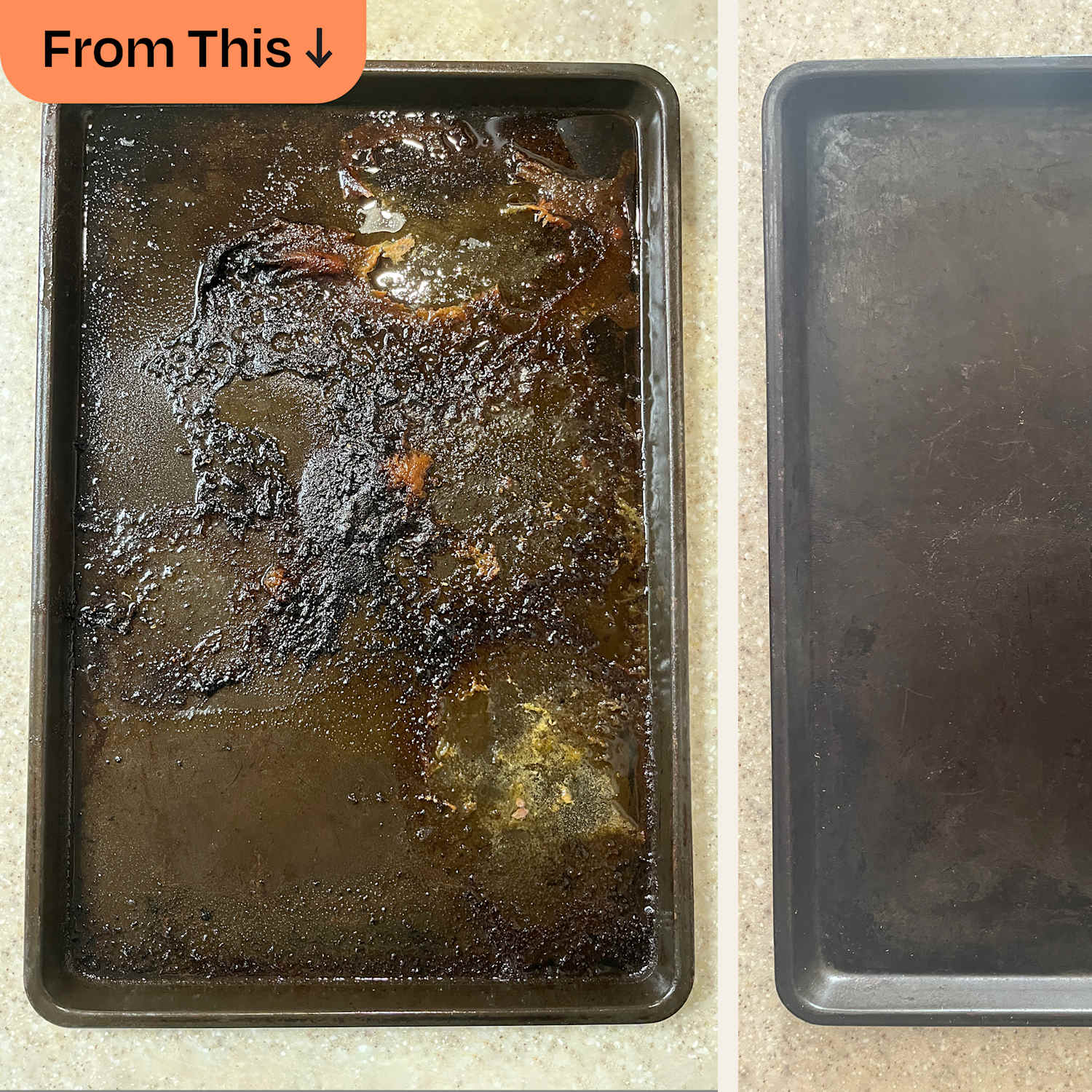
Eco-friendly and safe degreasing options
If you prefer greener choices, try these:
- Baking soda and vinegar in sequence to lift grime.
- Castile soap or biodegradable dish soap for soaking.
- Citrus-based degreasers for tough spots.
- Hot water and elbow grease—the simplest, low-impact method.
I prefer eco options for daily cleaning. They work well when you stay on top of messes.
Prevention and maintenance
Simple habits reduce the need to deep clean greasy cookware:
- Wipe pans soon after use, once safe to touch.
- Use splatter screens for frying.
- Clean gently after each use to avoid buildup.
- Re-season cast iron regularly.
- Store pans dry and stacked with protectors.
A little care after cooking saves a lot of scrubbing later.
Common mistakes to avoid
- Using harsh abrasives on nonstick or soft metals.
- Letting greasy pans sit for weeks.
- Mixing cleaners that produce toxic fumes.
- Over-soaking cast iron or putting it in the dishwasher.
- Skipping re-seasoning for cast iron after deep cleaning.
I learned the hard way by putting a cast iron pan in the dishwasher. It cost me time to restore the seasoning.
Frequently Asked Questions of how to deep clean greasy cookware
How long should I soak greasy cookware?
Soak in hot, soapy water for 15–30 minutes for light grease. For heavy buildup, soak several hours or overnight.
Is baking soda safe for all pans?
Baking soda is safe for stainless, cast iron, and many surfaces, but use it gently on nonstick and soft metals to avoid scratches.
Can I put greasy pans in the dishwasher?
Some pans are dishwasher-safe, but dishwasher cycles can strip seasoning from cast iron and damage nonstick finishes.
What removes burnt grease without scrubbing?
Boiling water with a bit of dish soap or a baking soda boil can loosen burnt grease so it wipes away with little scrubbing.
When should I replace cookware instead of cleaning it?
Replace pans if nonstick coating flakes, if metal is warped, or if damage poses a safety or health risk.
Are commercial degreasers safe to use at home?
Many are safe when used per instructions with good ventilation and gloves. Avoid mixing products and follow label warnings.
How do I re-season cast iron after deep cleaning?
Dry the pan thoroughly, apply a thin coat of oil, and bake upside down at 450°F for an hour. Cool in the oven.
Conclusion
Cleaning greasy cookware is a skill that saves time, money, and waste. Use heat, soap, and gentle abrasives first. Reserve strong chemicals for true emergencies, and protect delicate finishes. My best tip: clean regularly, and treat cast iron carefully—small maintenance prevents big jobs. Try the baking soda boil method on your next greasy pan, and leave a note about what worked for you or subscribe for more kitchen care tips.