Cast iron and stainless steel excel on gas; flat, thick-based pans work best on electric.
I have cooked on both gas and electric ranges for years. I test pans, note heat behavior, and help people pick the right kit. This guide explains the best cookware for gas stove vs electric with clear, practical advice. Read on for expert tips, material comparisons, and real-world buying advice to match your stove and style.
How gas and electric stoves differ — and why cookware matters
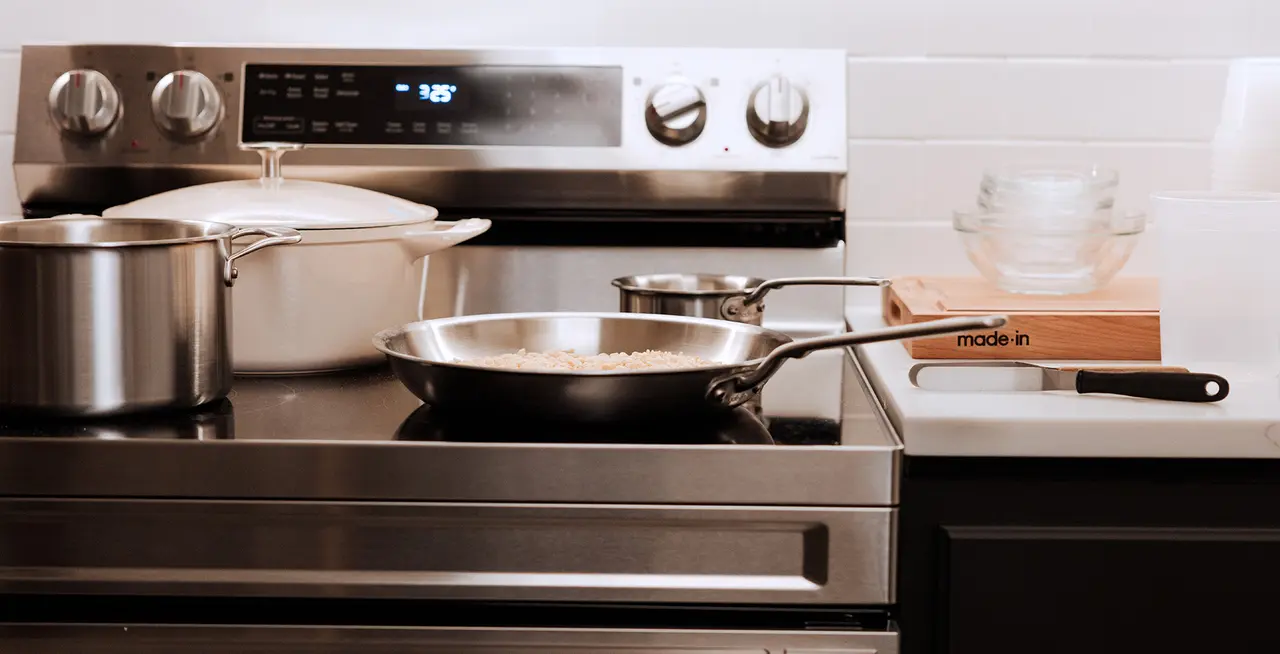
Gas gives instant, visible flame and fast temperature shifts. Electric heats through a hot plate or coil and keeps heat steady but slower to change. These differences change how cookware performs and how evenly food cooks. Knowing this helps you choose the best cookware for gas stove vs electric for reliable results and less frustration.
Common PAA-style questions
Which stove type heats faster?
Gas heats fast and responds quickly to changes. Electric takes longer to change temperature but holds heat more steadily.
Does flatness of the pan matter?
Yes. Flat, smooth bottoms contact electric elements better. On gas, shape matters less but stability over the grate still counts.
Best cookware types for gas stoves
Gas favors materials that handle direct flame and rapid change. Cast iron and stainless steel with heavy bases are top picks. Copper and carbon steel also work well for fast heat control. For nonstick needs, use high-quality nonstick in hard-anodized aluminum with metal-safe handles for safety.
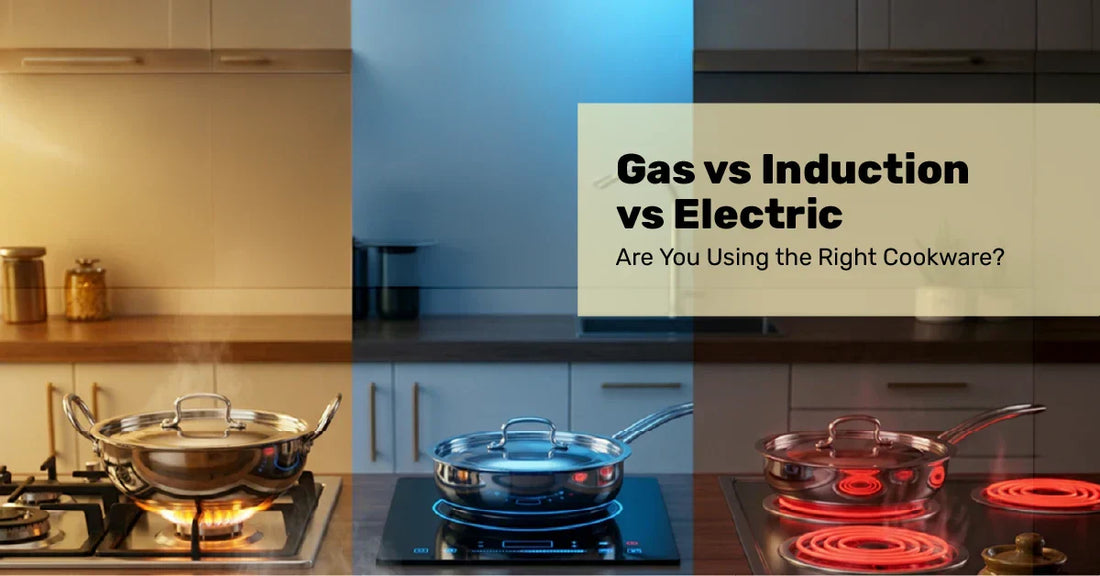
- Cast iron: Great heat retention and searing; ideal for slow-cook and high-heat steps.
- Stainless steel with aluminum or copper core: Durable, responsive, and safe for deglazing.
- Carbon steel: Lighter than cast iron, heats quickly, great for stir-fry and crepes.
- Copper: Fast, precise control; needs lined interiors to prevent reactivity.
- Hard-anodized nonstick: Use for eggs and delicate foods; avoid very high flames.
Best cookware types for electric stoves
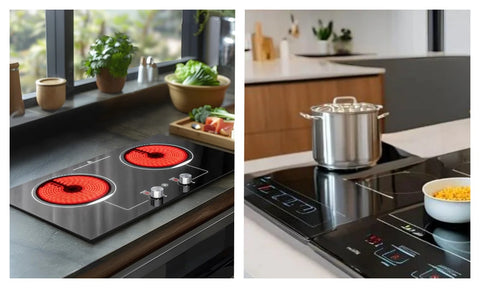
Electric needs flat, thick bottoms to ensure even contact and prevent hotspots. Heavy gauge stainless steel or clad pans with full-bottom conduction work best. Glass or ceramic-bottom cookware can be used but avoid warped pieces. Induction cooktops need magnetic bases, so check compatibility.
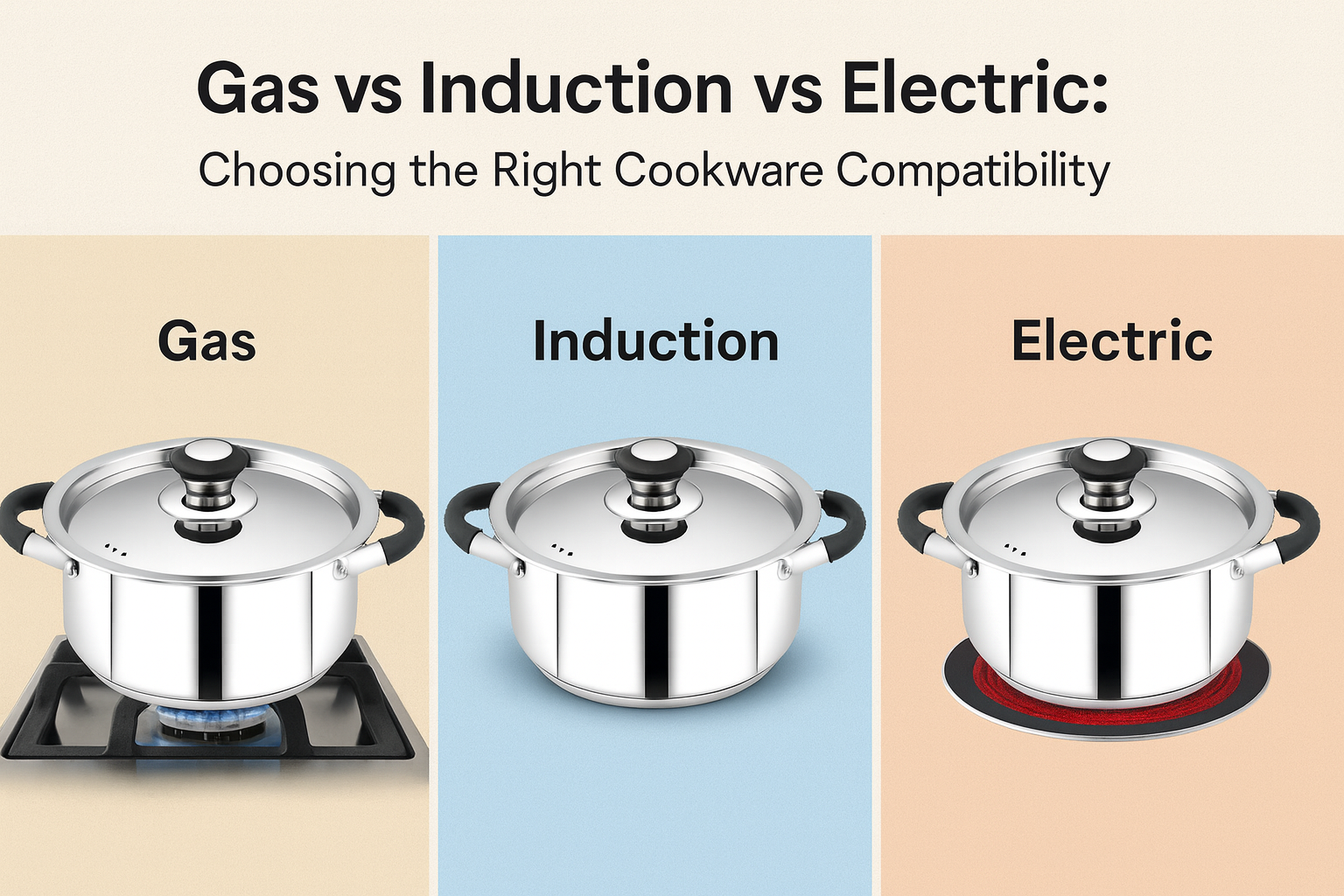
- Fully-clad stainless steel: Smooth contact and even heat across electric plates.
- Cast iron with flat bases: Holds heat well but may be slow to respond to temp changes.
- Thick aluminum or hard-anodized pans: Good conduction and even heating.
- Ceramic-coated pans: Fine for low-to-medium heat; watch for slow recovery after high heat.
Cookware materials compared: strengths and limits
Here’s a simple look at common materials and what they offer for gas and electric users. This helps pick the right set based on your cooking style.
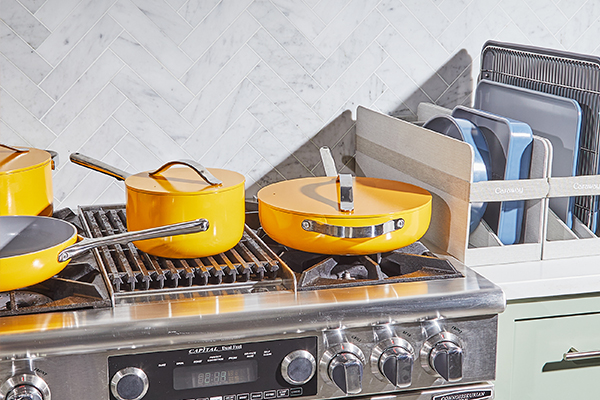
- Stainless steel
- Strengths: Durable, non-reactive, good for browning with clad cores.
- Limits: Poor conductor alone; needs layered cores for best results.
- Cast iron
- Strengths: Exceptional heat retention and even sear on gas.
- Limits: Heavy; electric can be slow to change temp.
- Carbon steel
- Strengths: Lightweight, quick heat response; favored by pros.
- Limits: Requires seasoning; reactive with acidic foods.
- Copper
- Strengths: Top-tier heat control and responsiveness.
- Limits: Expensive, reactive unless lined; needs polishing.
- Aluminum and hard-anodized
- Strengths: Fast conduction, lighter weight, good nonstick options.
- Limits: Bare aluminum reacts with acids; non-anodized aluminum can warp.
- Ceramic and glass
- Strengths: Non-reactive and easy to clean.
- Limits: Poor conduction for high-heat searing; risk of cracking with thermal shock.
Practical buying guide: what to look for
Choose pans that match stove type and your cooking habits. Focus on the following traits when you shop.
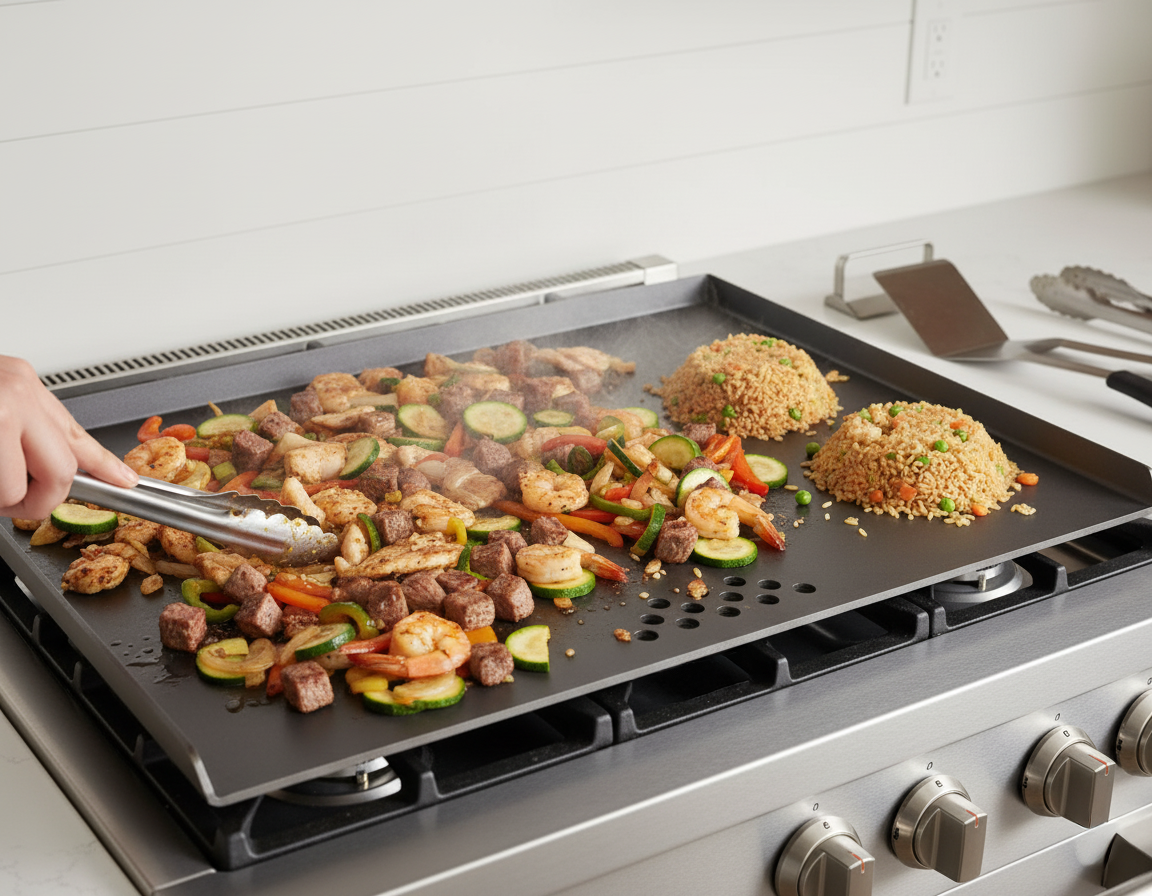
- Flat, thick base: Essential for electric; improves contact and heat spread.
- Even thickness or full-clad construction: Avoid thin single-layer pans.
- Weight balance: Heavy enough to stay stable, not so heavy you strain when lifting.
- Handle design: Stay-cool, riveted handles are best for safety and durability.
- Lid fit and materials: Tight lids help simmer; glass lids add visibility.
- Compatibility: Check if pans work with induction if you may upgrade.
- Warranty and brand reputation: Good backing often equals better quality.
Care and maintenance tips by stove type
Proper care extends cookware life and keeps food tasting right. Follow these simple routines.
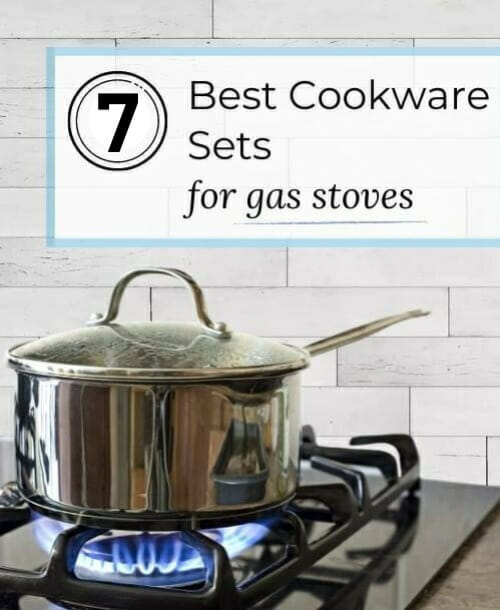
- For gas
- Clean soot and grease from outer surfaces regularly.
- Avoid sudden temperature shocks that can warp pans.
- Re-season cast and carbon steel regularly for nonstick performance.
- For electric
- Use pans with smooth, flat bottoms to protect the element or glass surface.
- Lift pans instead of sliding to prevent scratching.
- If glass-top, avoid rough bottoms and use cleaner designed for cooktops.
Personal experience and tips from the kitchen
I have owned both gas and electric ranges for cooking tests and home use. My notes come from searing steaks, frying eggs, and simmering sauces on both. Small details made big differences.
- On gas, cast iron gave perfect sears and stayed stable when I pushed heat high. I learned to lower the flame quickly to avoid burning.
- On electric, a heavy-clad stainless steel pan saved me from hot spots; thin pans burned sauces.
- I once bought a cheap "universal" set that warped on my electric coil. Don’t skimp on base thickness.
- For nonstick work, I keep a hard-anodized skillet for eggs and a stainless pan for sauces. That mix serves both stoves well.
Cost and longevity trade-offs
Price and lifespan vary widely by material and brand. Investing smartly saves money over time.
- Budget sets may warp and lose performance in months. Investing in quality clad cookware lasts years.
- Cast iron needs little replacement and can last generations with care.
- Copper and high-end stainless cost more but deliver precise control and longevity.
- Factor warranty, replaceable parts, and return policies into your buying decision.
Choosing cookware for specific cooking styles
Match cookware to the way you cook and the stove you own. This saves frustration and improves results.
- Searing and frying
- Best: Cast iron, stainless steel with heavy base for gas; thick-clad pans for electric.
- Simmering and sauces
- Best: Heavy-bottomed stainless or enameled cast iron to hold steady heat.
- Stir-fry and high-heat quick cooking
- Best: Carbon steel or wok on gas; flat-bottomed wok or large skillet on electric.
- Baking and oven finishing
- Best: Oven-safe stainless, cast iron, or enamel for both stove types.
Frequently Asked Questions of best cookware for gas stove vs electric
What is the best overall cookware for mixed use on gas and electric?
A fully-clad stainless steel set with an aluminum or copper core works well on both. It offers even heat and durability for varied cooking.
Can I use cast iron on electric stoves?
Yes. Cast iron works but heats slower and may take longer to adjust temperature. Use flat-bottomed pieces for best contact.
Is nonstick safe on high heat with gas?
Most nonstick coatings break down at very high heat. Use medium heat and choose high-quality hard-anodized nonstick for better safety.
Do I need magnetic bottoms for induction?
Yes. Induction requires magnetic cookware. Test with a magnet to confirm compatibility before buying.
How do I avoid warped pans on electric coils?
Pick pans with thick, flat bottoms and avoid rapidly heating thin aluminum. Properly sized pans help distribute heat evenly.
Conclusion
Choosing the best cookware for gas stove vs electric comes down to matching material and design to your stove and cooking style. Favor flat, thick bases for electric and robust, flame-tolerant materials for gas. Invest in a few well-made pieces, care for them, and you will see better, more consistent results in the kitchen. Try one change at a time: replace a thin pan with a heavy-clad model, test it, and note the difference. If this guide helped, share your experience or ask a question below — I’d love to hear what you cook and what works for your stove.