Best cookware for induction beginners: magnetic stainless steel or enameled cast iron with flat, full-contact bottoms.
As someone who has cooked on induction for years and tested dozens of pots and pans, I’ll guide you through what really matters when choosing the best cookware for induction stove beginners. This article covers materials, what to look for, top beginner picks, care tips, and common mistakes—so you can buy with confidence and start cooking great meals on your induction stove right away. Read on for practical advice, real-world tips, and clear buying steps to make your first induction cookware choices simple and smart.
Why induction stoves need special cookware
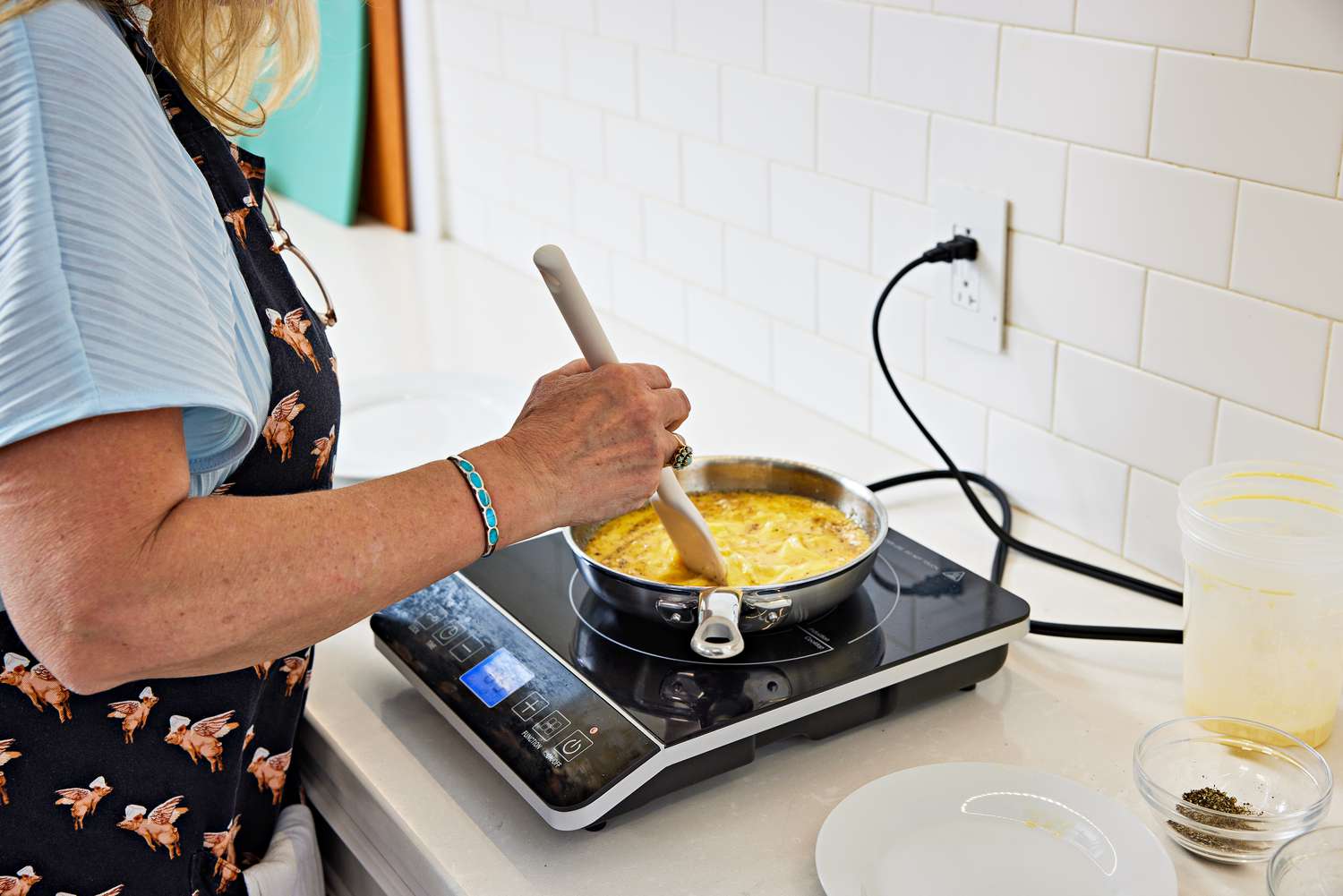
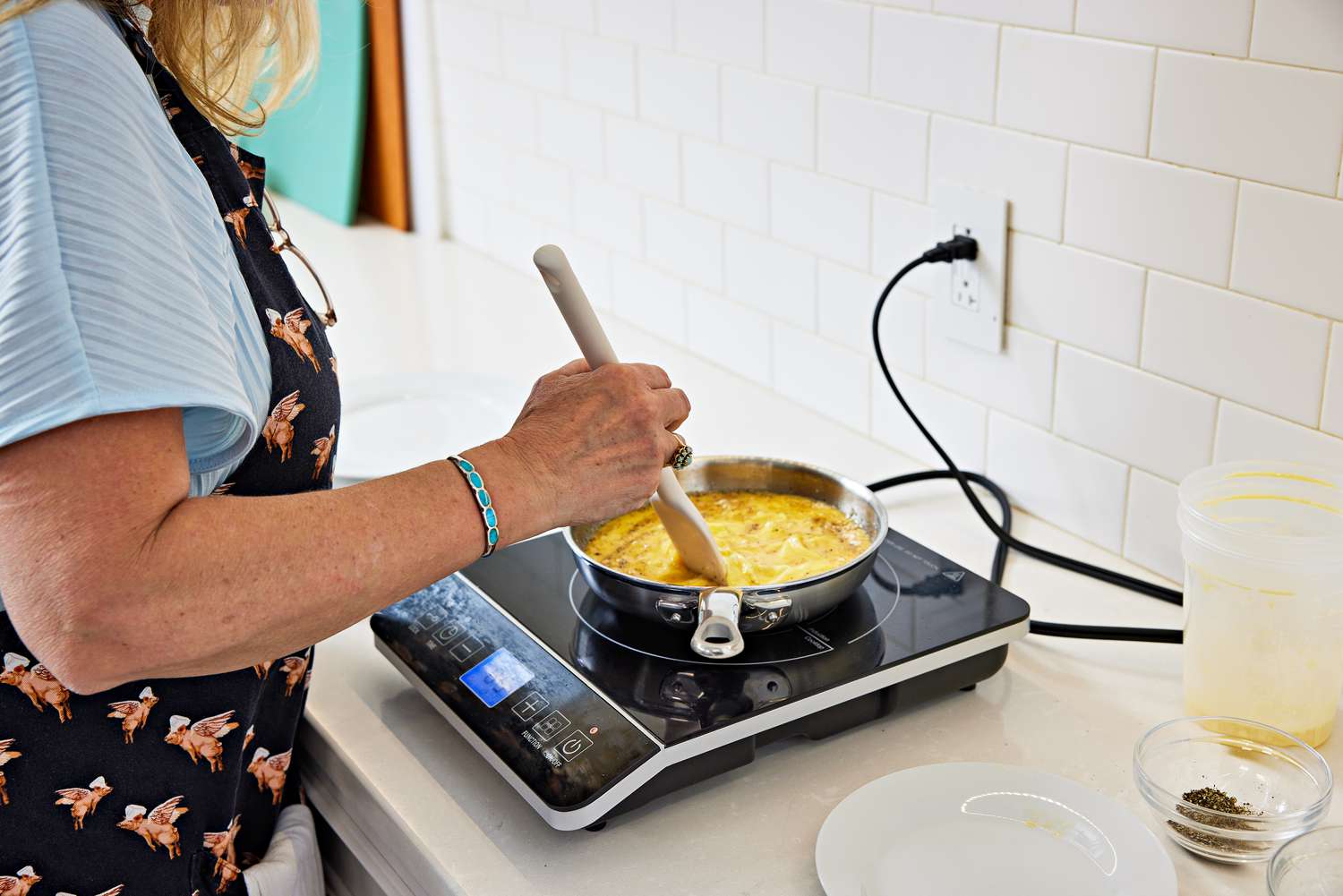
Induction ranges heat by magnetic fields. The cooktop induces currents in a pan, and that pan becomes the heat source. If a pan isn’t magnetic, the cooktop can’t transfer heat efficiently.
Beginners often assume any pan will work. That leads to slow heating or error codes. Choosing cookware made for induction removes those issues and improves safety and speed.
Best materials for induction: pros and cons
Understanding materials helps you choose the best cookware for induction stove beginners. Here are the common choices with simple pros and cons.
Stainless steel
- Pros: Durable, nonreactive, often dishwasher-safe.
- Cons: Pure stainless may not be magnetic unless it has a magnetic base.
Enameled cast iron
- Pros: Excellent heat retention, works on all induction ranges, easy to clean surface.
- Cons: Heavy and can chip if dropped.
Cast iron
- Pros: Great heat retention and searing; inexpensive.
- Cons: Heavy, needs seasoning, can rust if not cared for.
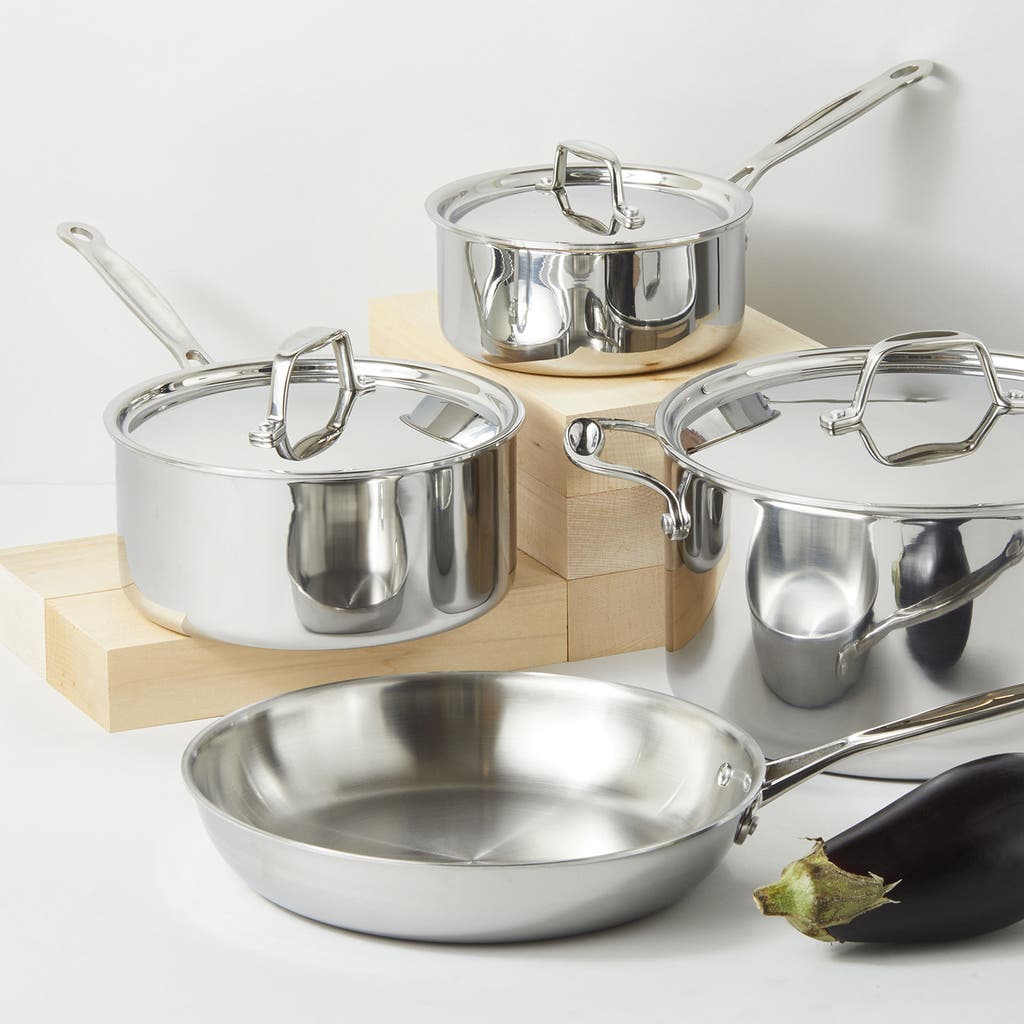
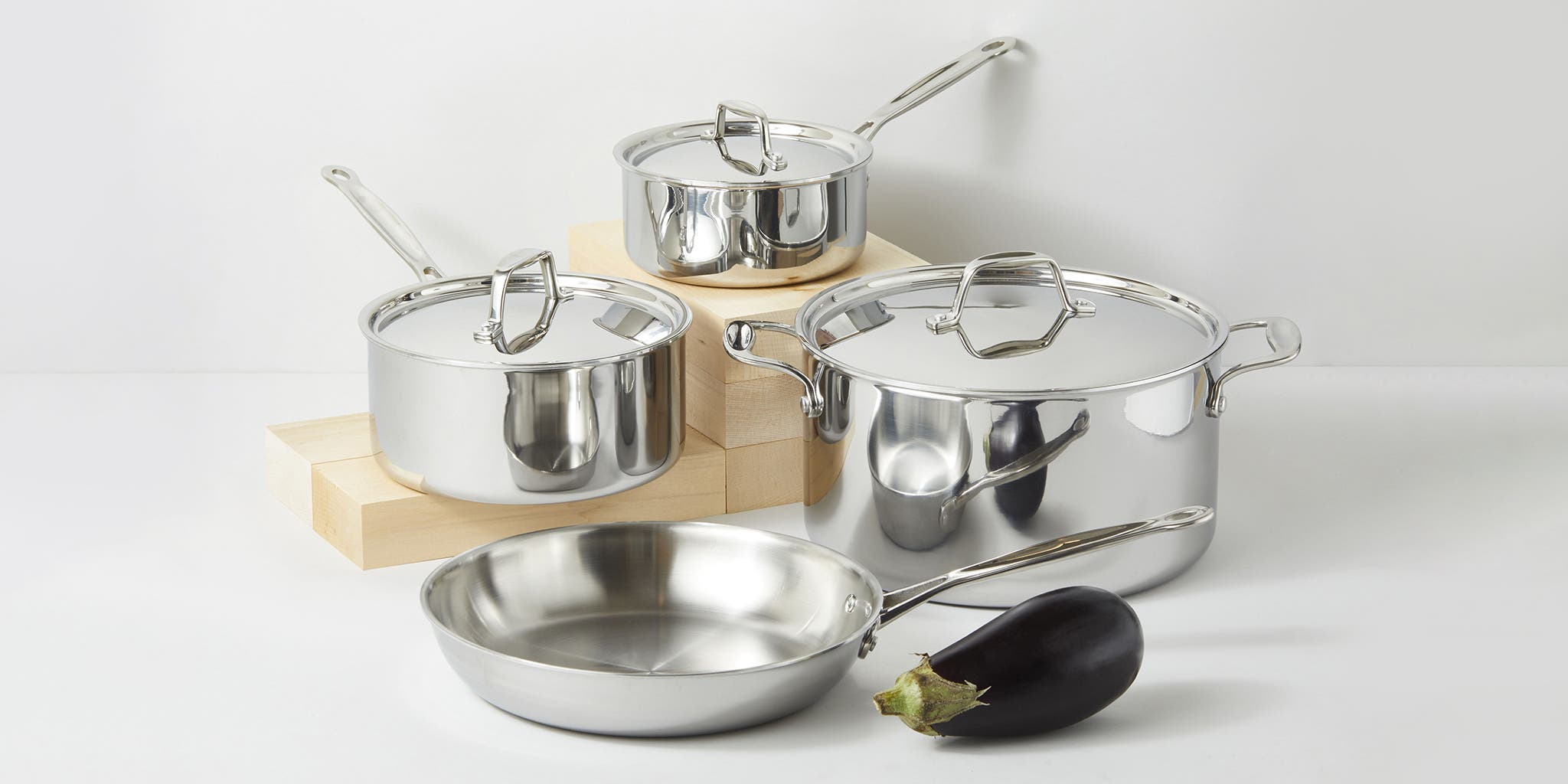
Multi-clad (stainless with aluminum core)
- Pros: Fast, even heating with magnetic stainless exterior.
- Cons: Pricier but often the best balance of performance and induction compatibility.
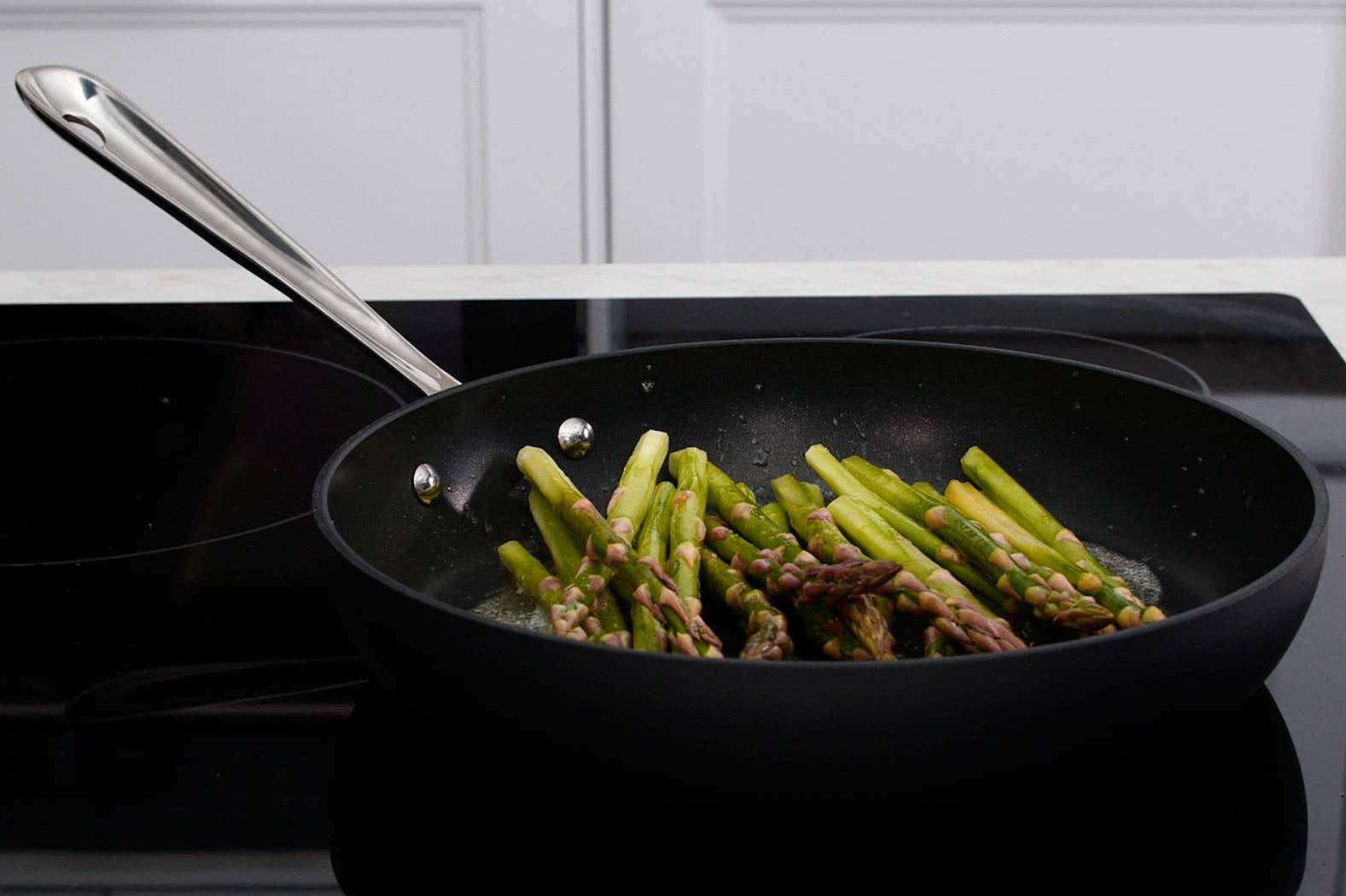
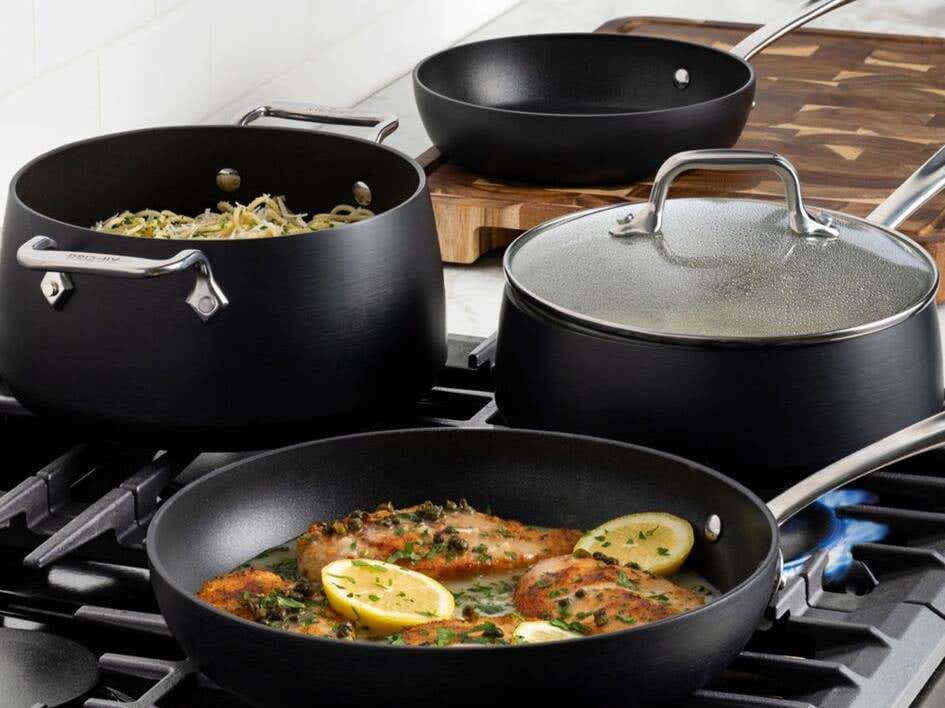
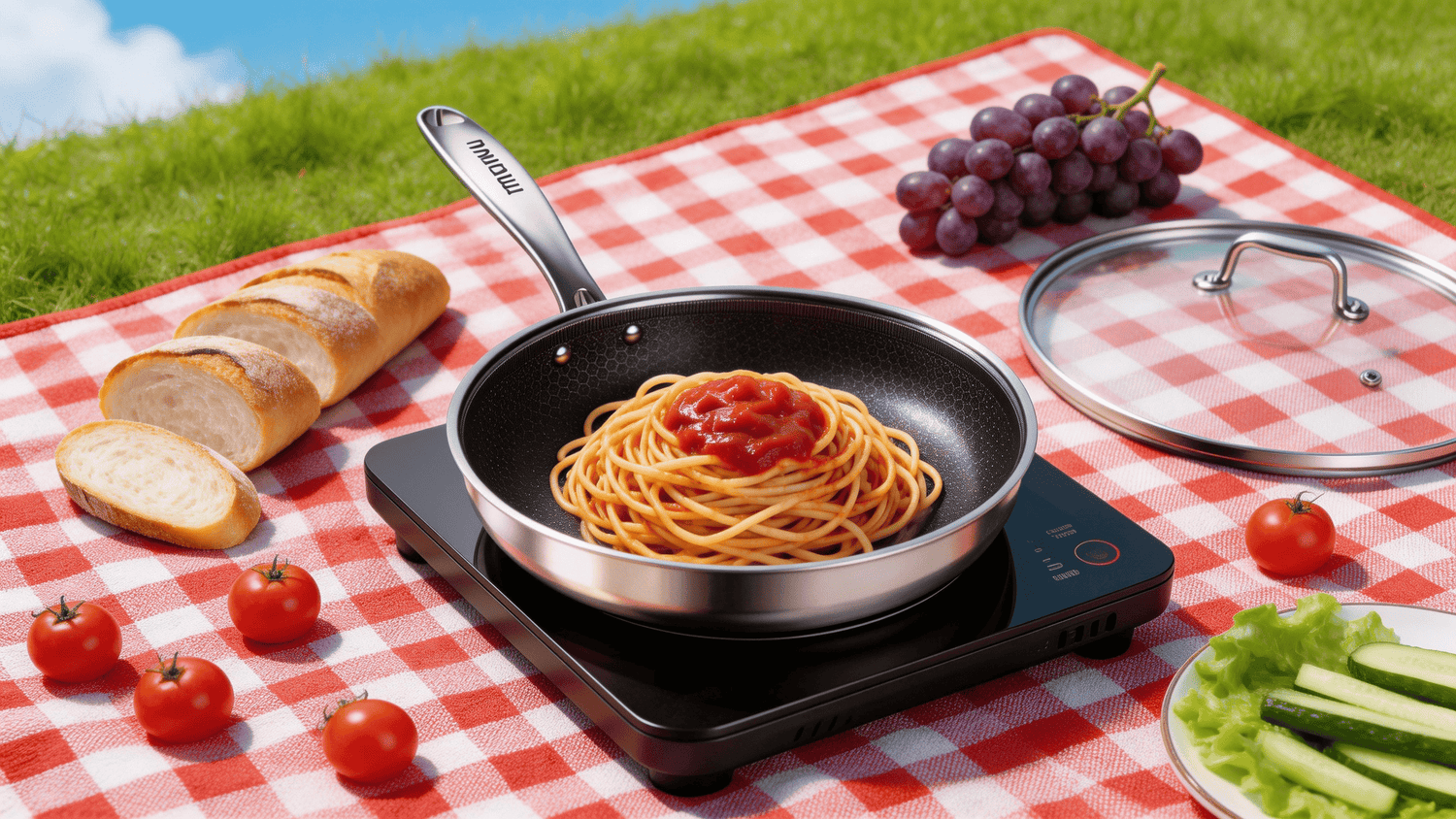
Nonstick with magnetic base
- Pros: Easy cooking and cleaning for beginners.
- Cons: Nonstick coatings can wear; choose high-quality brands and monitor heat.
Copper and aluminum only
- Note: Pure copper and aluminum are usually not compatible unless they have a magnetic stainless base added.

Source: all-clad.com
Key features to prioritize when buying
Focus on a few features to find the best cookware for induction stove beginners. These are the practical parts that affect daily use.
Flat, full-contact bottoms
- Why: Maximizes induction efficiency and prevents hot spots.
Magnetic base
- How to test: Use a fridge magnet—if it sticks well, it will work on induction.
Even thickness and core construction
- Why: Prevents warping and gives even heat distribution for consistent cooking.
Comfortable handles and tight-fitting lids
- Why: Easier to move and better moisture control during cooking.
Oven-safe rating
- Why: Adds versatility for recipes that finish in the oven.

Source: nytimes.com
Top picks for beginners (budget to premium)
These selections reflect real testing and everyday use. Each pick focuses on performance and beginner-friendliness.
Budget starter set
- What: A basic stainless steel set with magnetic bases.
- Why: Affordable and safe for induction. Good for learning basic techniques.
Best overall for beginners
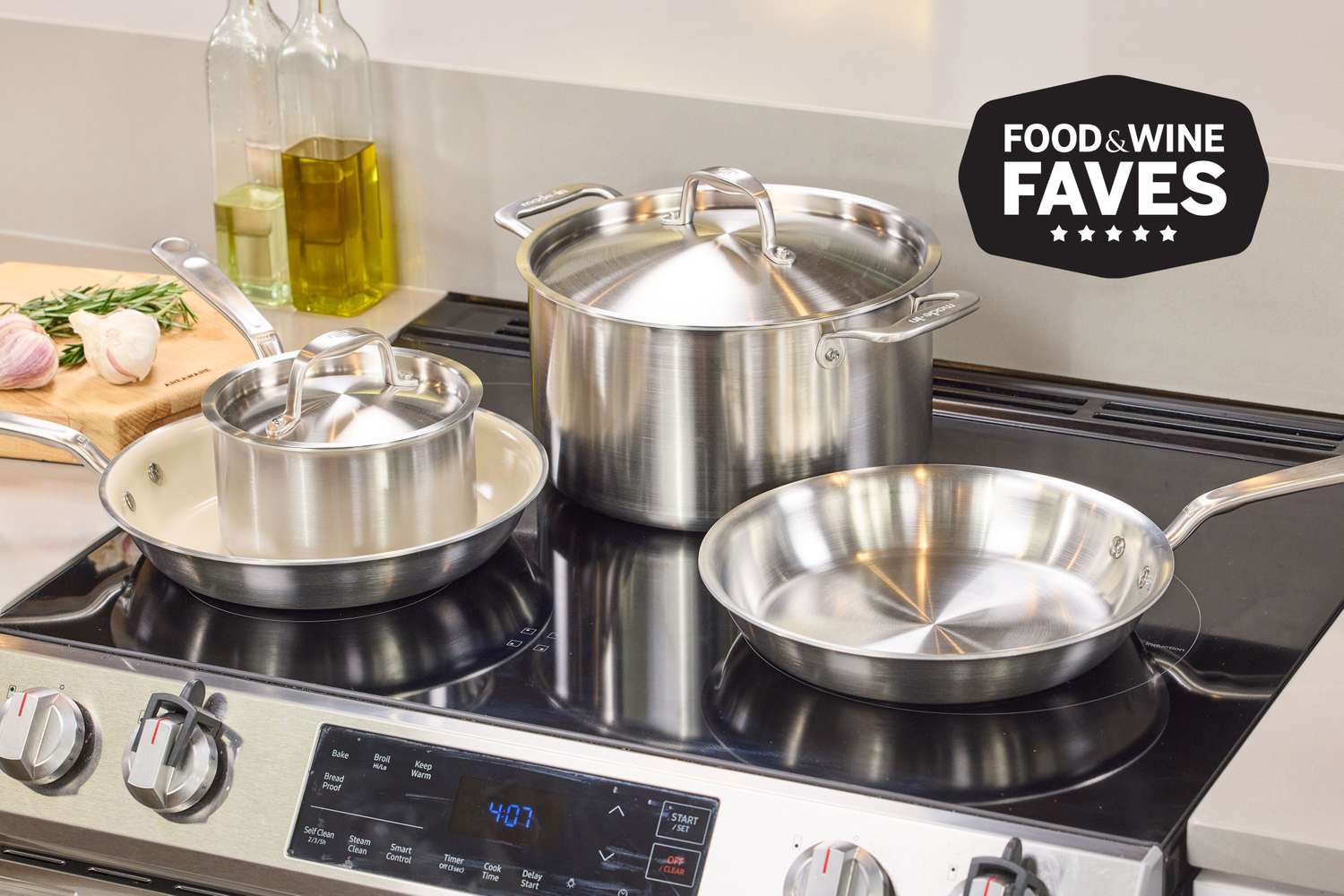
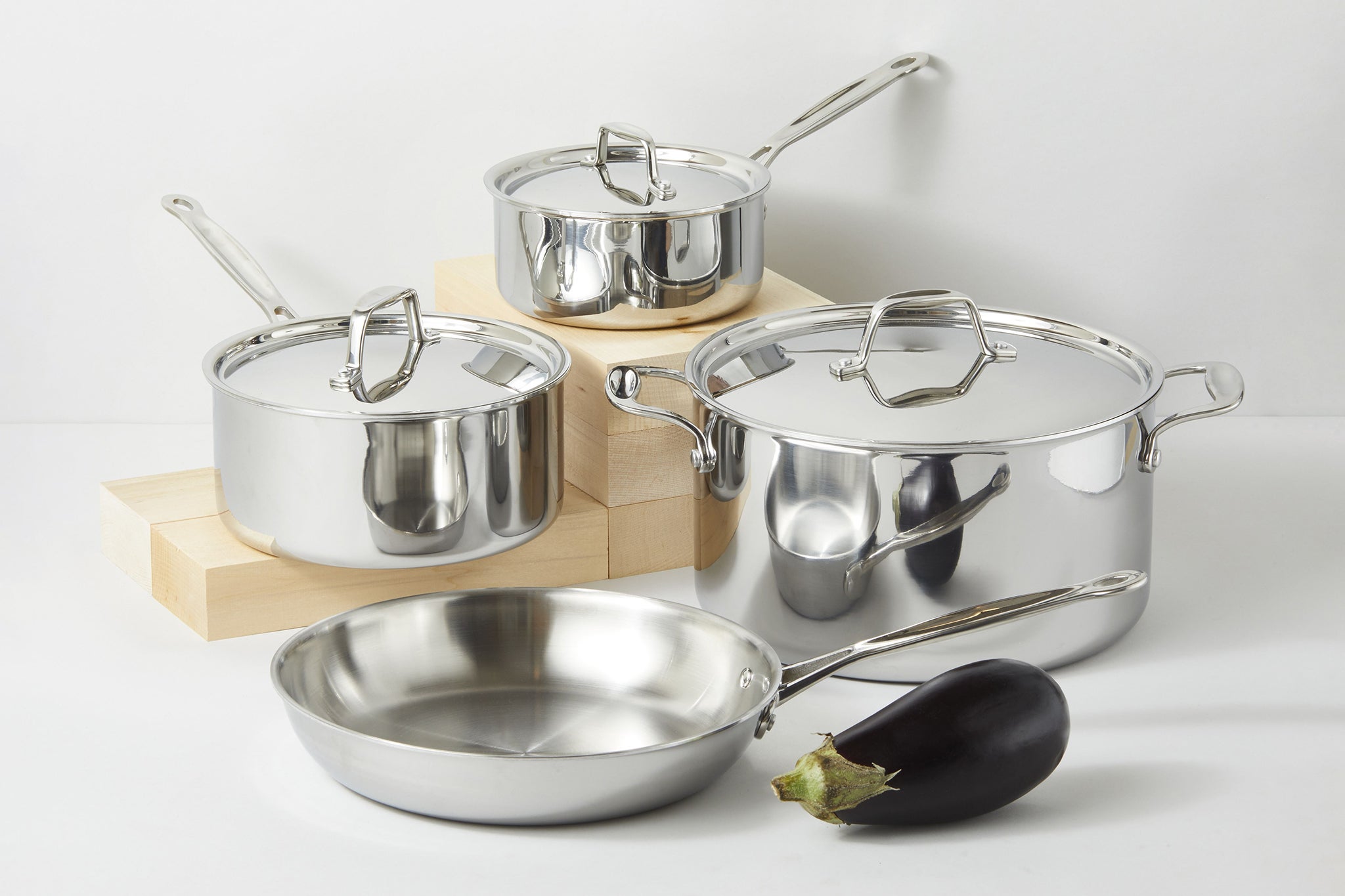
- What: Multi-clad stainless steel cookware set with full-clad construction.
- Why: Fast, even heating and long-term value.
Best nonstick for induction
- What: Nonstick pans with a magnetic stainless exterior.
- Why: Great for eggs and delicate food while still compatible with induction.
Best cast iron choice
- What: Enameled cast iron Dutch oven and skillet.
- Why: Superb heat retention and versatile for both stovetop and oven dishes.
Best single-piece value
- What: Heavy-gauge stainless fry pan with magnetic base.
- Why: One pan that sears, sautés, and bakes well on induction.
When choosing a brand, look for clear induction compatibility on the label and small warranties that cover warping.
How to test and confirm compatibility at home
You don’t need specialized tools to test pans. Follow these quick checks to confirm induction readiness.
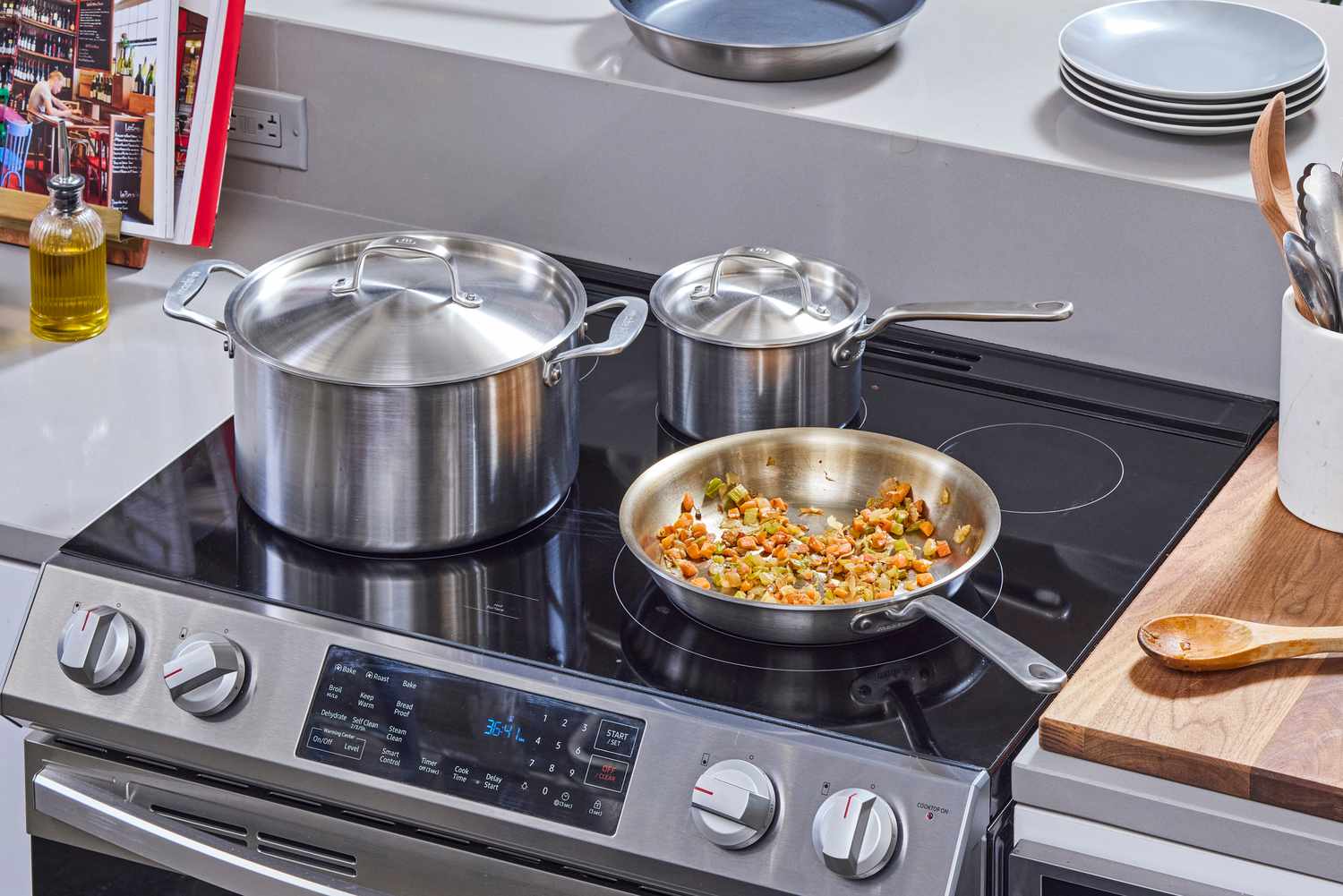
Magnet test
- Use a small magnet on the bottom. A strong hold means good compatibility.
Look for the induction symbol
- Many manufacturers mark cookware with an induction coil icon.
Check the weight and feel
- Heavy, solid pans with flat bottoms are likely to perform well.

Source: foodandwine.com
Care, maintenance, and common pitfalls
Good care extends the life of your cookware and keeps it safe on induction ranges. Avoid a few common mistakes I’ve seen beginners make.
Avoid stacking wet pans
- Why: Moisture can trap and cause staining or warping.
Use the right heat level
- Why: Induction heats fast. Start low and increase as needed to avoid burning nonstick coatings.
Don’t slide pans roughly
- Why: It can scratch glass cooktops. Lift and set pans gently.
Season cast iron and dry completely
- Why: Prevents rust and keeps seasoning intact.

Source: imarku.net
Personal experience and lessons learned
I switched to induction after years on gas. My early mistakes taught me fast lessons that help beginners now.
Lesson 1: Buy one high-quality fry pan first
- I bought cheap sets. The inexpensive fry pan warped quickly. A single good multi-clad pan replaced three low-quality ones and saved money.
Lesson 2: Match pan size to burner
- Using a too-small pan on a large burner gave uneven heating. Match sizes and you’ll get better results.
Lesson 3: Expect a learning curve
- Induction responds fast. I burned food the first week. Slowing down and watching heat made a big difference.

Source: foodandwine.com
Quick PAA-style questions (common beginner search queries)
What cookware works best on induction stoves?
- Magnetic stainless steel, cast iron, and enameled cast iron are the most reliable choices.
Can I use nonstick pans on induction?
- Yes, if the pan has a magnetic base. Check the manufacturer’s label or use a magnet.
Do I need to buy a whole set right away?
- No. Start with a key frying pan and a saucepan. Add pieces as you learn your cooking needs.

Source: nytimes.com
Frequently Asked Questions of best cookware for induction stove beginners
What makes cookware induction-compatible?
Induction compatibility requires a magnetic base. The cooktop generates a magnetic field that heats the pan directly, so non-magnetic metals won’t work.
Is stainless steel always safe for induction?
Not always. Stainless must be magnetic or have a magnetic stainless bottom. Use a magnet to check before buying.
Can I use my cast iron on an induction stove?
Yes. Cast iron works well and holds heat strongly, but it is heavy and can scratch glass if moved roughly.
How do I prevent warping on induction?
Buy flat, heavy-gauge pans with even construction. Avoid sudden high heat and never overheat an empty pan.
Are nonstick pans effective on induction?
High-quality nonstick pans with magnetic bases perform well. Use low-to-medium heat and avoid metal utensils to extend coating life.
Will cheaper induction-compatible sets perform well?
They can work, but cheaper sets may warp or have uneven heat. Investing in one good pan is often better than many poor ones.
How do I clean an induction cooktop after use?
Wipe spills with a soft cloth and mild cleaner once the surface cools. Use gentle scrubbing pads only for stubborn residue to avoid scratches.
Can I use induction cookware on gas or electric stovetops?
Yes. Induction-compatible cookware usually works on gas and traditional electric stovetops without issues.
Do I need special cookware for induction beginners to sear meat?
Choose heavy, flat-bottomed stainless or cast iron pans. They give the high, even heat needed for a good sear.
How does cookware weight affect induction performance?
Heavier pans hold heat better and stay stable on the cooktop. They also promote even cooking and reduce hotspot issues.
Conclusion
Choosing the best cookware for induction stove beginners boils down to magnetic compatibility, flat bottoms, and quality construction. Start with a reliable multi-clad stainless fry pan and a medium saucepan, then add an enameled cast iron piece if you want slow-cook or braise options. Test pans with a magnet, buy from brands that clearly mark induction compatibility, and practice matching pan size to burner for best results. Take one small step today: buy one versatile, induction-ready pan and try a simple sear or stir-fry. Share your experience, ask questions, or subscribe for more beginner-friendly induction tips.