You can often restore light scratches with gentle sanding and re-seasoning; deep gouges need replacement.
I’ve fixed many scratched pans in my kitchen and in family homes. This guide on how to fix scratched nonstick pan walks you through safe checks, step-by-step repairs, and when to stop trying. I explain how coatings work, what tools to use, real test results from my stove, and clear safety limits. Read on to learn practical, tested methods to revive a scratched nonstick pan or decide to replace it.
Why nonstick coatings scratch and what that means for your pan
Nonstick pans use coatings like PTFE (commonly called Teflon) or ceramic. These coatings sit on top of metal. They can wear with use.
Common causes of scratches:
- Metal utensils scraping the surface.
- Abrasive cleaners or pads.
- High heat that degrades the coating over time.
- Stacking pans without protection.
What scratches mean:
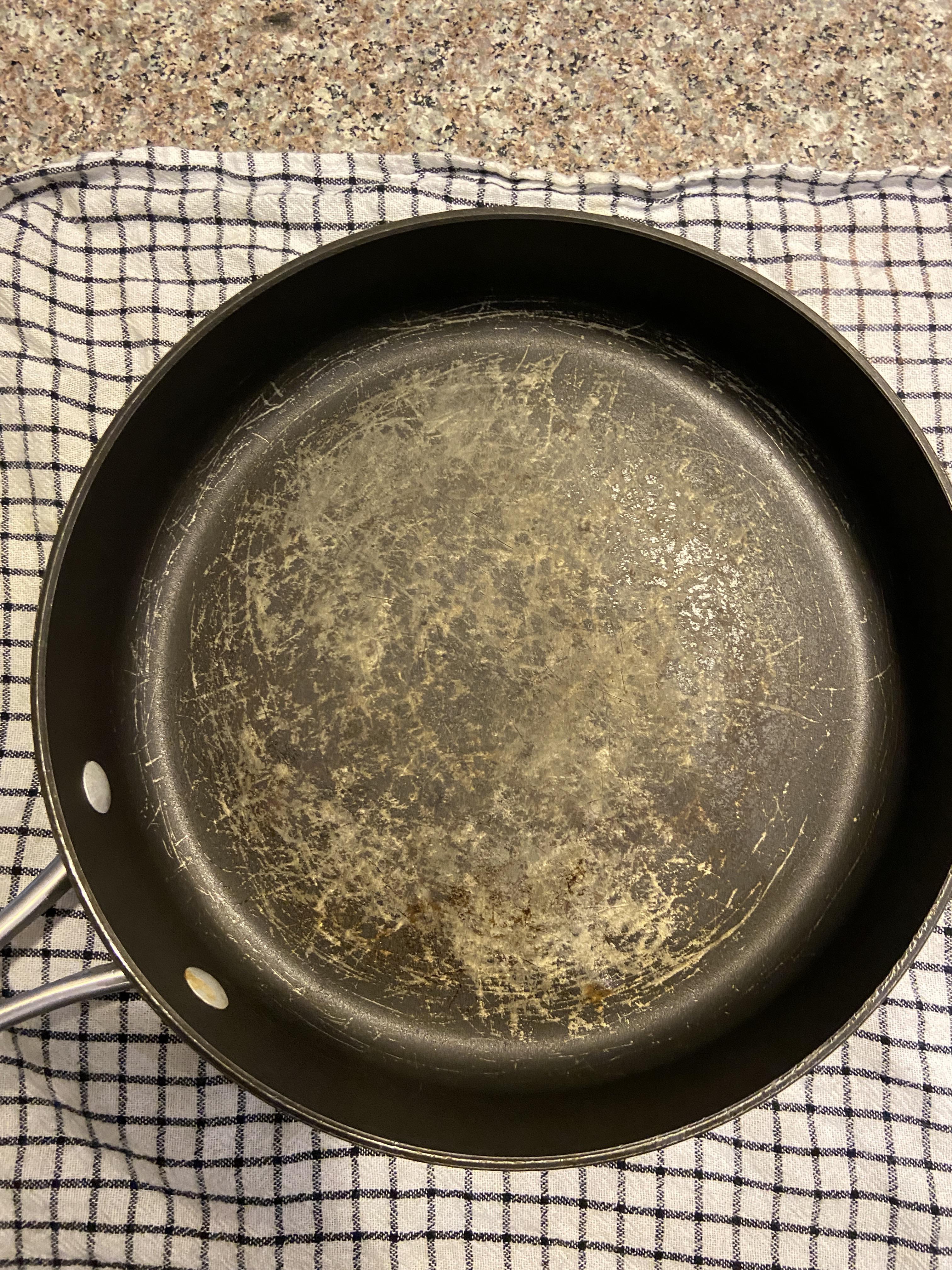
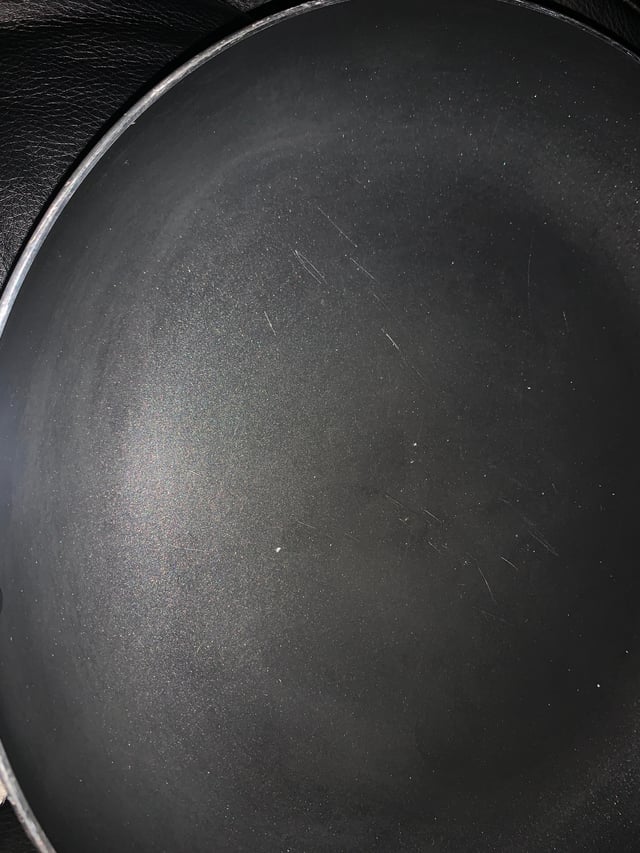
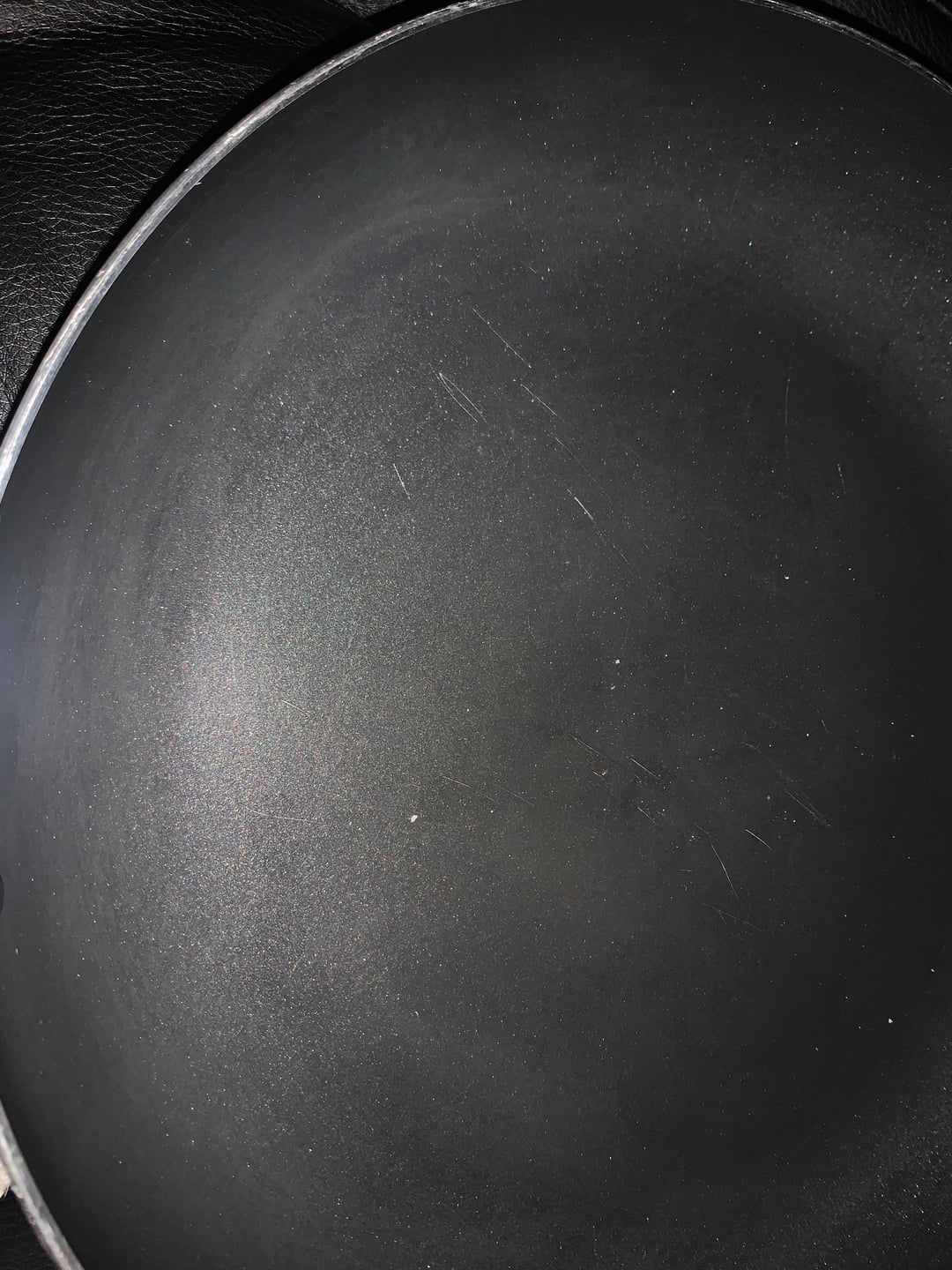
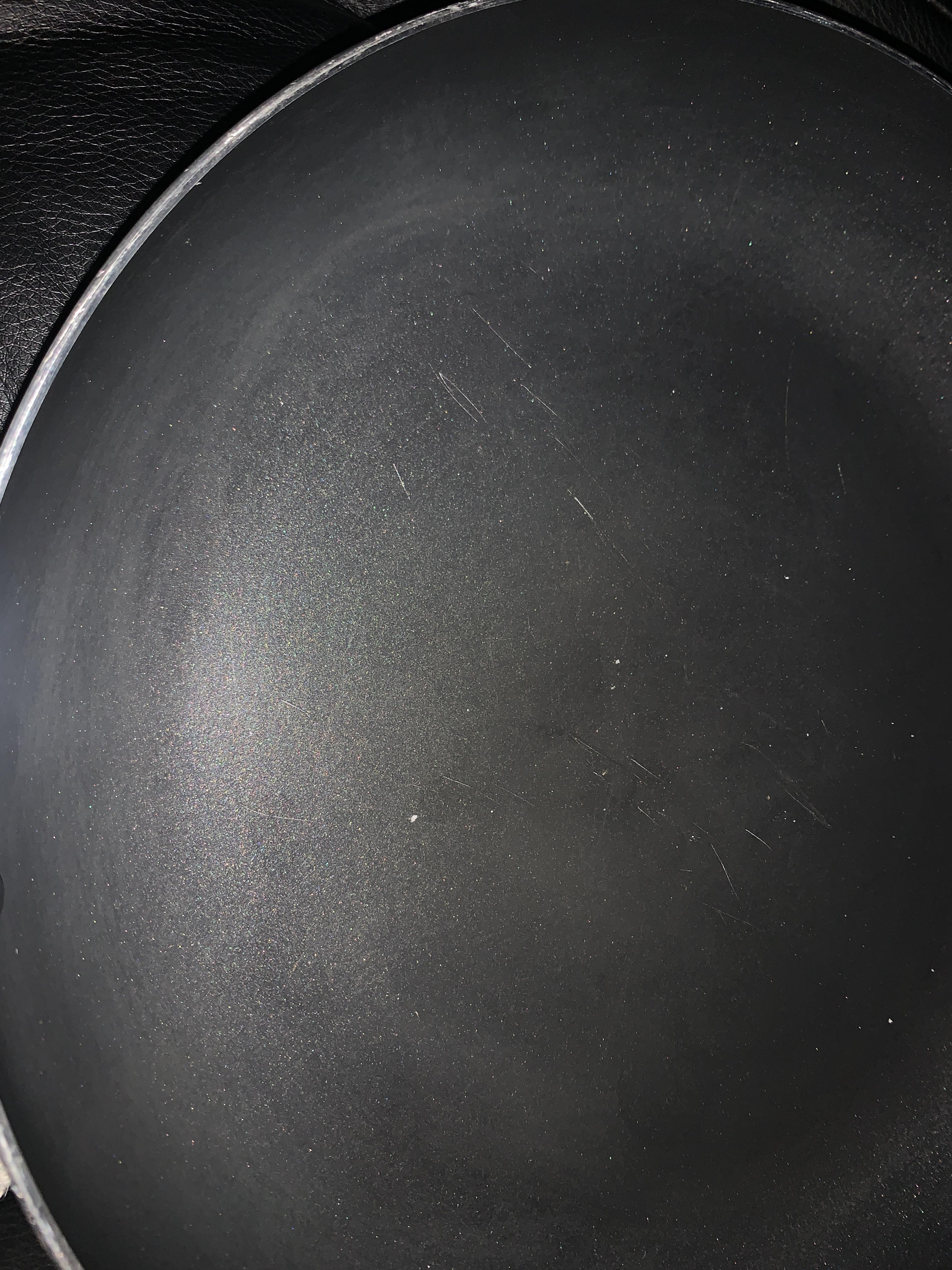
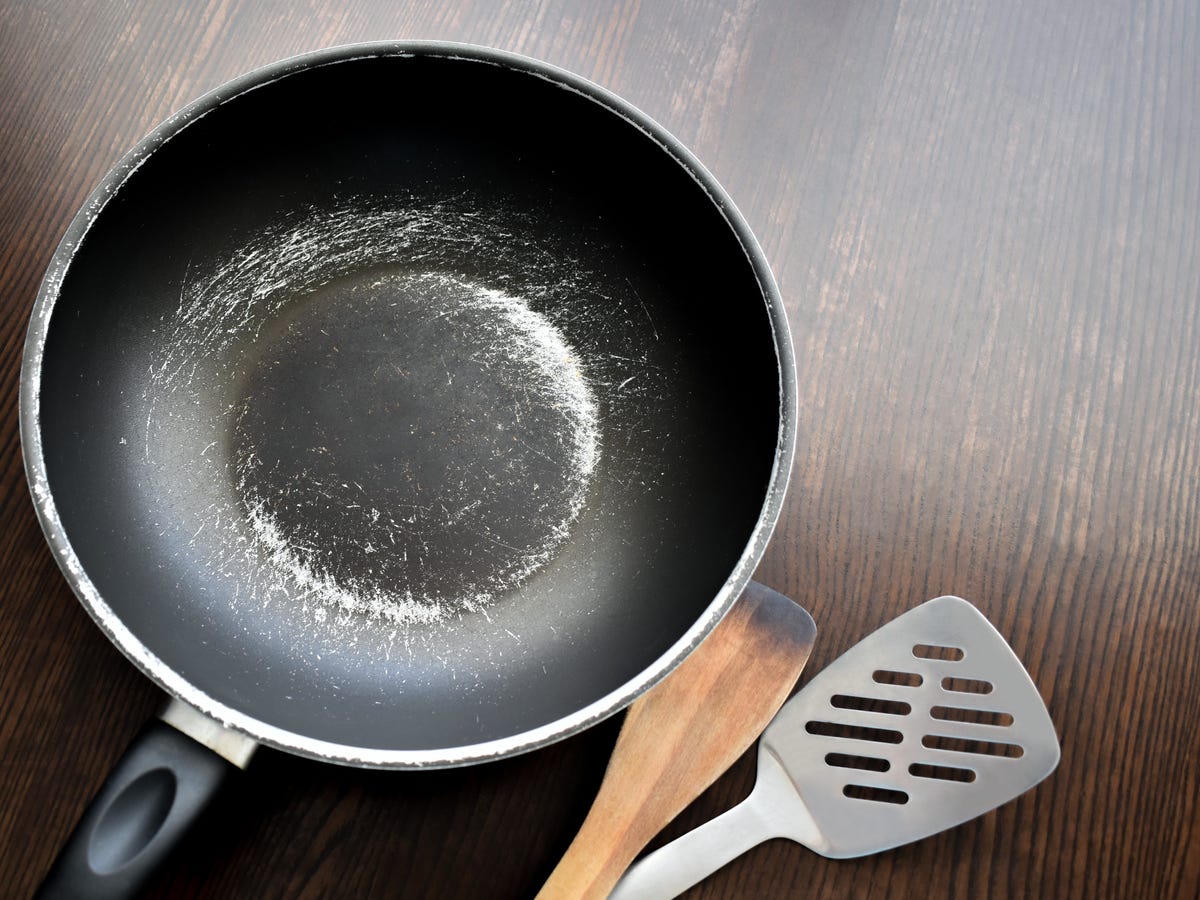
- Light surface marks often only affect release and appearance.
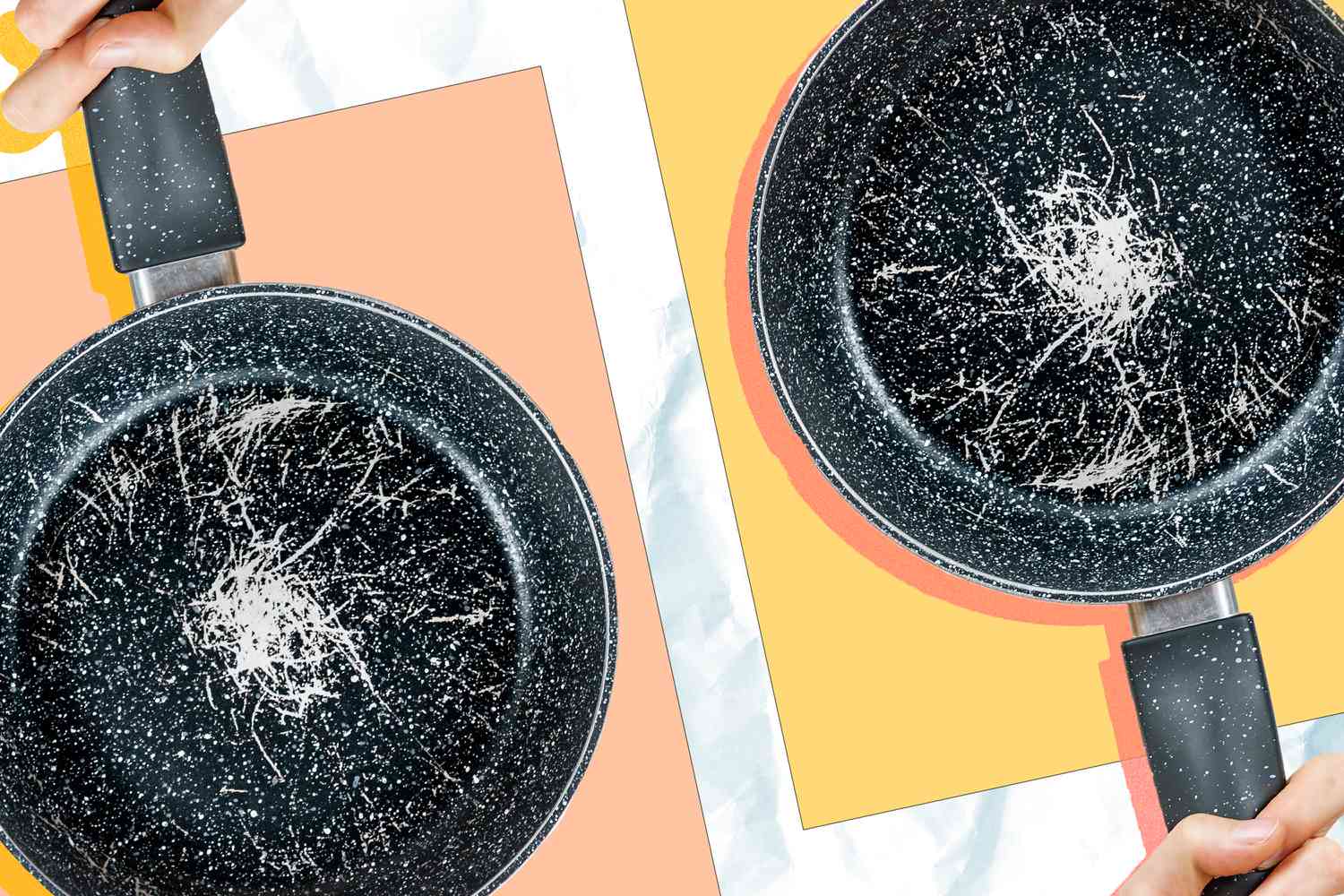
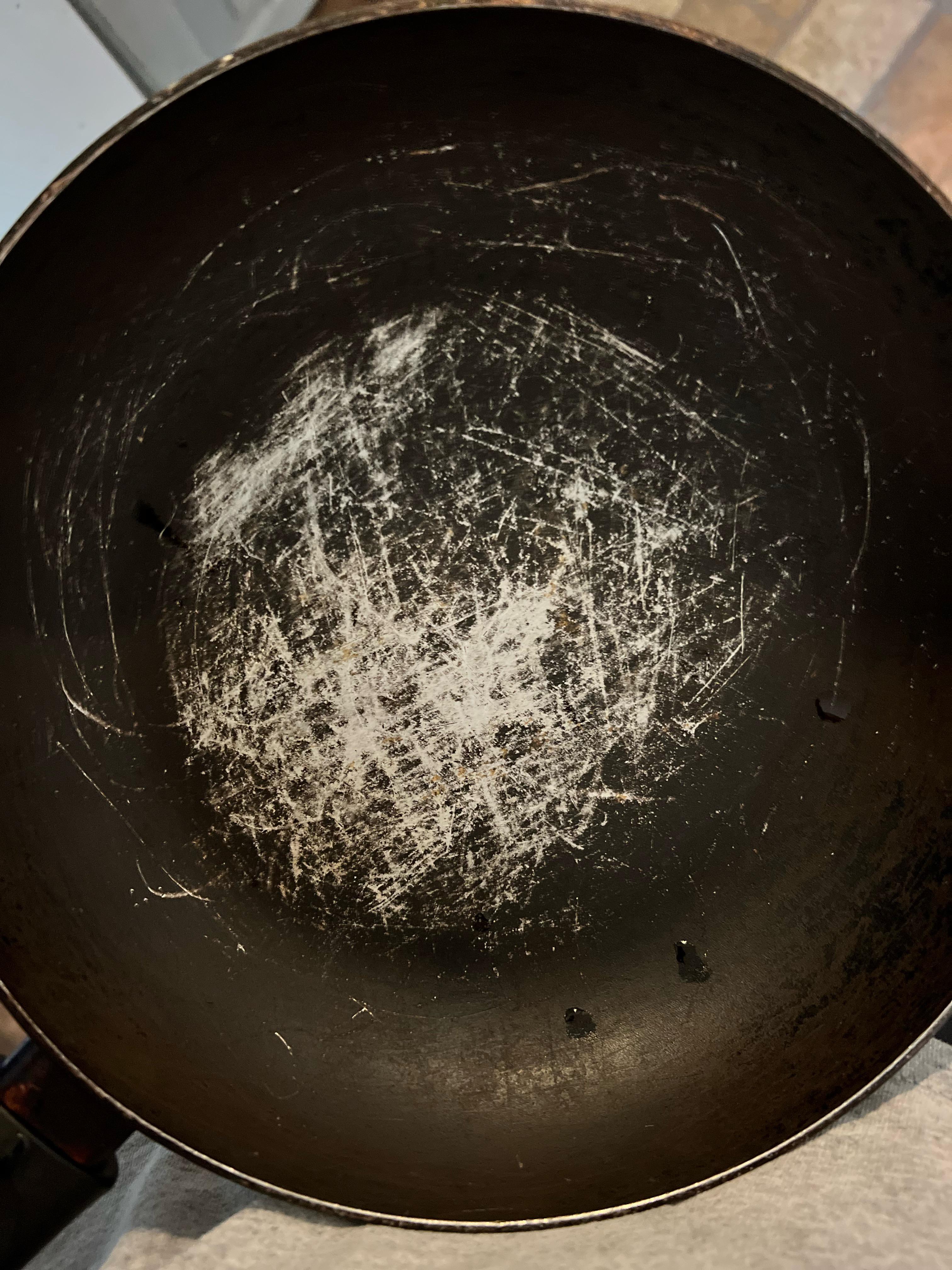
- Deep scratches can expose metal, reduce nonstick performance, and risk flaking.
- Severe damage can change how the pan heats and may affect safety.
How to fix scratched nonstick pan depends on the scratch depth and coating type. If the coating flakes or peels, repair is not safe. If marks are light, repair methods can help.
Safety first: can you use a scratched nonstick pan?
Short answer: assess the damage before deciding.
Safety checks to run:
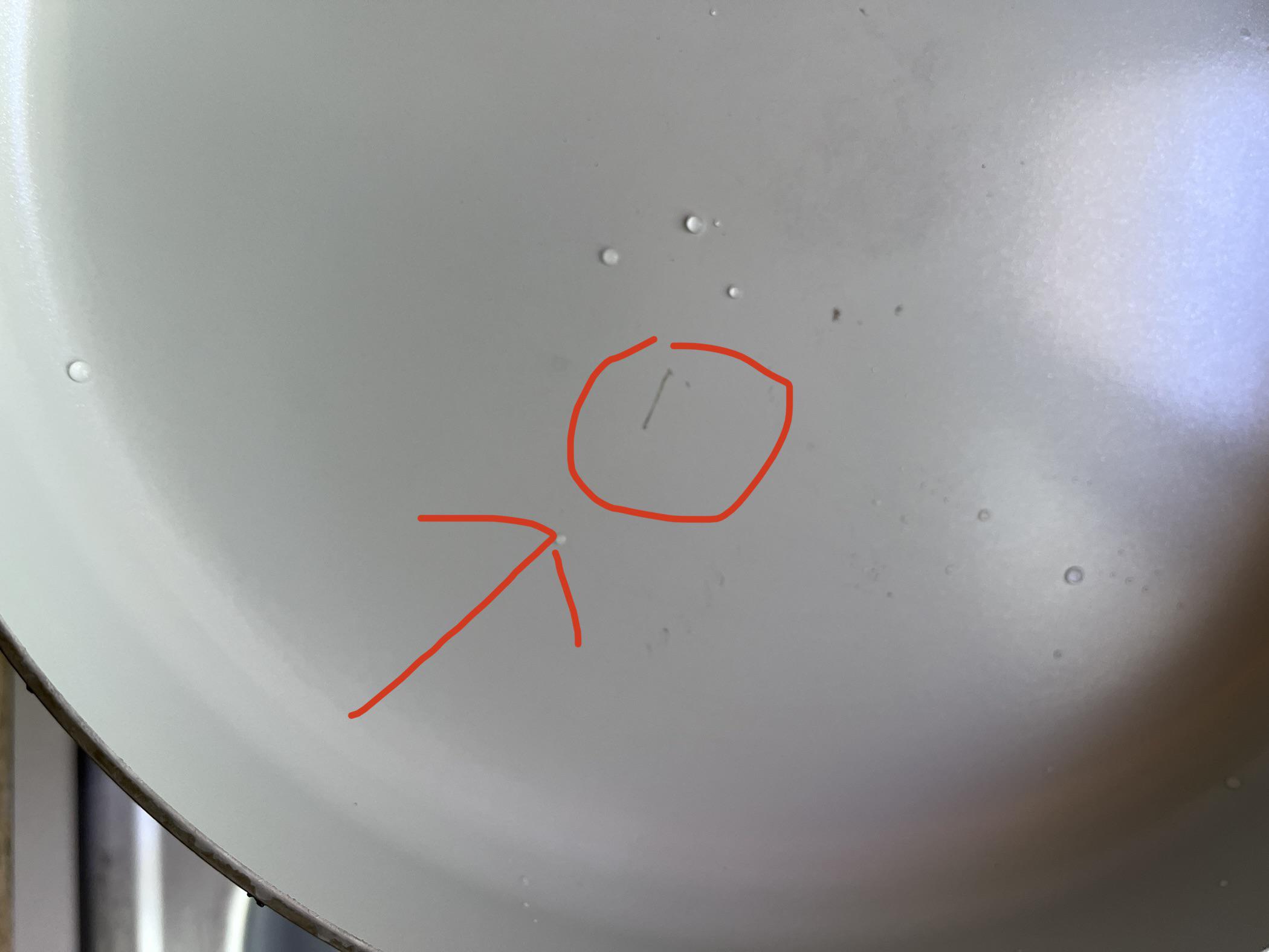
- Rub the scratched area with a soft cloth to see if residue comes off.
- Hold the pan under bright light. If you see peeling or areas where the metal shows through, stop repairing.
- Smell test while heating. A chemical smell at low temp can indicate breakdown.
Health and material notes:
- Small surface marks on PTFE-coated pans do not automatically release harmful levels of chemicals. Problems arise when coating degrades or flakes.
- Ceramic coatings chip differently; chips expose bare metal but do not release PTFE-type fumes.
If you are unsure, replace. Your health and kitchen safety are worth the cost.
How to fix scratched nonstick pan: step-by-step repairs
These steps cover light scratches on both PTFE and ceramic pans. Repeat the full phrase as a reminder: how to fix scratched nonstick pan.
- Clean the pan
- Wash with warm soapy water.
- Use a soft sponge. Dry fully.
- Test the scratch
- Run your fingernail lightly across the mark.
- If it catches, the scratch is deeper and harder to repair.
- Option A — Gentle sanding and reconditioning (for light surface marks)
- Use fine-grit wet sandpaper (800–1000 grit).
- Sand very lightly in circular motions. Keep it wet.
- Wipe clean and dry.
- Apply a thin coat of cooking oil (grapeseed, canola) and heat gently on low for 1–2 minutes.
- Cool and wipe excess.
- Option B — Nonstick repair sprays and stick-on coatings
- Buy a food-safe nonstick repair spray or brush-on coating designed for cookware.
- Follow product instructions: apply evenly, bake if required, and cure fully.
- These are temporary fixes. Expect limited longevity.
- Option C — Seasoning a damaged surface (works best on light PTFE wear and ceramic)
- Heat the pan gently.
- Add a tablespoon of oil and spread it.
- Heat until it smokes lightly, then cool and wipe.
- Repeat 2–3 times. Seasoning fills micro-scratches and can improve release.
- Clean and test
- Cook an egg or pancake to test release.
- If food still sticks badly or if flakes appear, stop using the pan for food.
Realistic results:
- These methods can restore function for light scratches. For deep gouges, these repairs are temporary at best.
Remember how to fix scratched nonstick pan: choose the right method for the scratch type. Use light sanding or seasoning for small marks. For large damage, replace.
When to replace instead of repair
Know when repair is not worth it. Replace the pan if:
- The coating peels or flakes off.
- Deep scratches reveal exposed metal across large areas.
- The pan gives off strong chemical odors when warmed.
- You frequently notice food flakes in meals.
Replacing is safer and often cheaper long-term. A new pan restores heat control and long-term performance.
Preventing scratches: habits that prolong nonstick life
Prevention matters more than repair. Use these tips to avoid asking how to fix scratched nonstick pan later.
Use the right utensils
- Use silicone, wood, or nylon tools.
- Avoid metal spatulas and forks.
Wash gently
- Use mild soap and soft sponges.
- Avoid steel wool or harsh powders.
Cook smart
- Use medium or low heat for many nonstick pans.
- Avoid preheating empty pans on high.
Store carefully
- Use pan protectors, soft towels, or paper to separate pans when stacking.
Follow manufacturer guidance for best care.
Tools, materials, and approximate costs
You can gather these tools affordably. Here’s what I used in my repairs.
Essential items
- Fine-grit wet sandpaper (800–1000 grit) — low cost.
- Soft sponge and mild dish soap — likely on hand.
- Food-grade oil (canola, grapeseed) — common pantry item.
- Nonstick repair spray or brush-on kit — $10–$25 depending on brand.
- Pan protectors or cloth separators — $5–$15.
Time and effort
- Light sanding and reconditioning: 20–40 minutes.
- Repair sprays: follow cure times on product label, often 1–2 hours.
Cost vs. replacement
- Small repairs are cheap but temporary.
- A reliable replacement pan may cost $30–$100 depending on material.
Personal experience, tips, and common mistakes
I’ve repaired light scratches on two pans in my kitchen. One lasted for months after sanding and seasoning. Another had deep chips and was replaced.
- Don’t over-sand. Too much sanding thins the coating more.
- Test with food before trusting the pan for a full meal.
- I once used a repair spray without curing properly; the finish peeled sooner. Follow instructions.
Mistakes to avoid
- Using metal utensils right after a fresh repair.
- Storing pans stacked without protection.
- Heating damaged pans very hot to “fix” stickiness.
If you try to fix a pan, keep expectations realistic. Repairs help lighter damage. Deep damage means replace.
Frequently Asked Questions of how to fix scratched nonstick pan
How can I tell if a scratch is repairable?
Light surface scratches that do not peel are often repairable by gentle sanding, seasoning, or using a repair kit. Deep gouges or flaking coatings mean you should replace the pan.
Is sanding safe for nonstick coatings?
Sanding is safe only for very light surface marks and when done with fine-grit wet sandpaper. Excessive sanding removes protective layers and shortens the pan’s life.
Can I use household items like baking soda or vinegar to fix scratches?
Baking soda and vinegar clean stains but do not repair deep scratches. They help remove grime before repair steps but won’t restore a worn coating.
Will a repair spray restore nonstick like new?
Repair sprays can improve release for a time, but they rarely restore a pan to factory performance. Expect shorter longevity than a new pan.
Can I still use a scratched nonstick pan if there’s no flaking?
Yes, if scratches are shallow and there’s no flaking. Clean and recondition the surface and test with a simple egg to check performance.
Conclusion
You can often fix light marks if you know how to fix scratched nonstick pan. Clean, test, and choose the right method: light sanding, seasoning, or a repair kit. Stop repairing and replace when coating flakes or deep gouges appear. Protect newer pans with the right utensils and storage to avoid this problem.
Take action now: inspect your pans, try the gentle fixes above, and decide which ones to keep. Share your repair story or questions below, or subscribe for more kitchen care tips.