Pans warp because of rapid or uneven heating, poor materials, and sudden temperature shocks.
I’ve spent years in small kitchens testing pans and teaching others how to cook. If you are asking why is my pan warping on stove, you are not alone. This guide explains the real reasons pans warp, how different stoves and pans behave, and what you can do to stop it. I will share hands-on tips, clear tests, and simple fixes so you can keep your cookware flat and cook with confidence.
Common causes of pan warping on stove
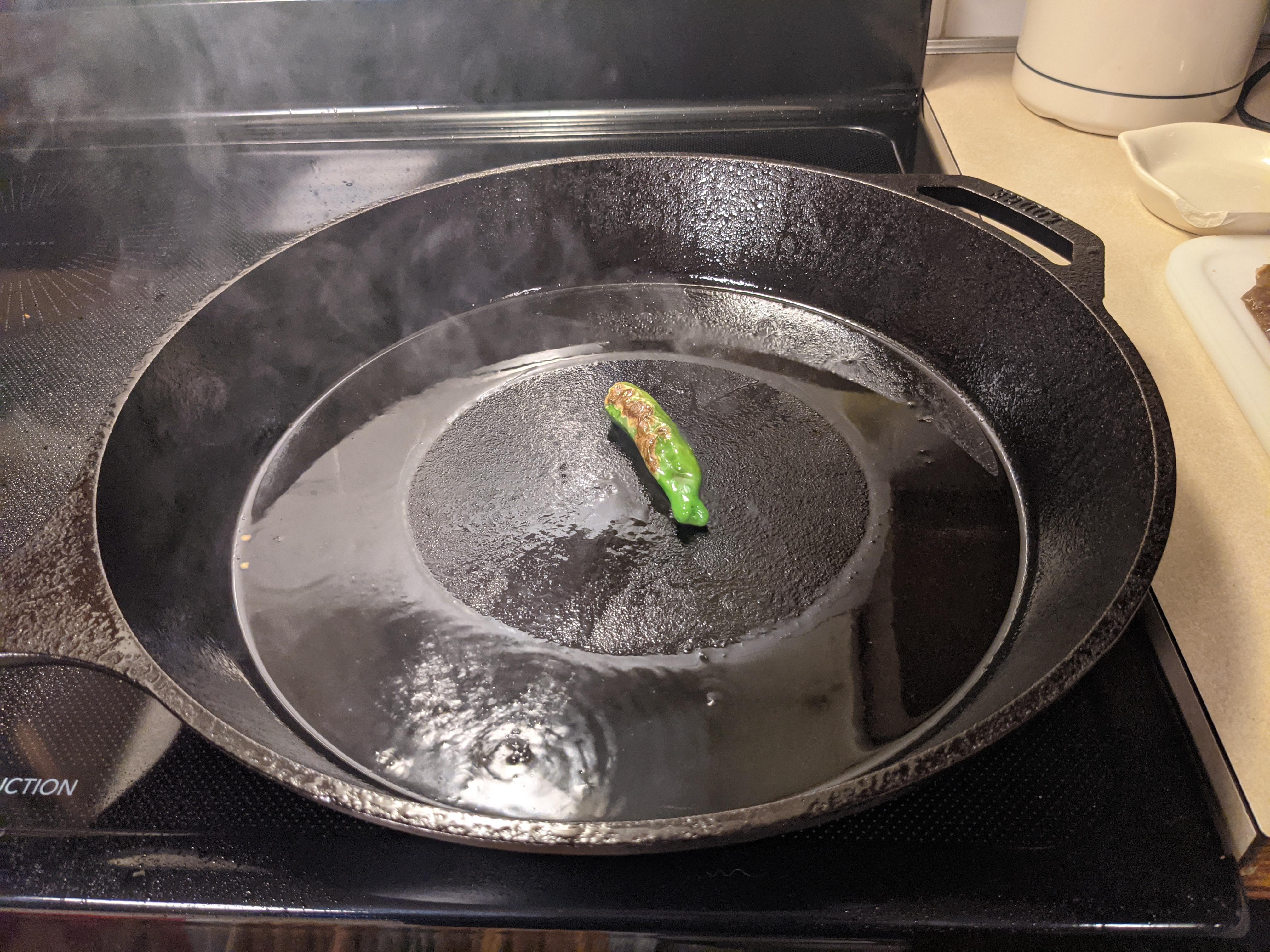
Many cooks wonder why is my pan warping on stove. The causes are usually simple. Most warping comes from uneven heat, sudden temperature change, or low-quality metal. Thin pans heat fast in spots. Thick pans resist warping better. Glass and ceramic stoves need pans with flat, stable bottoms. High heat over long times can also stress metal.
Common triggers
- Uneven heat distribution on the burner causes one area to expand more than another.
- Thermal shock from rinsing a hot pan with cold water.
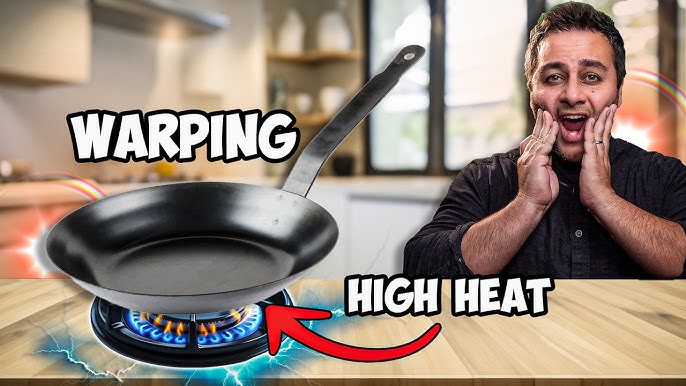
- Very high heat right from cold, such as preheating empty pans.
- Cheap or thin metals and pans with poor construction.
- Mismatched burner and pan size that leaves the pan unsupported.
If you ask why is my pan warping on stove, check for fast heating, thermal shock, and poor pan quality first. These three explain most cases.
How warping happens: the science in simple terms
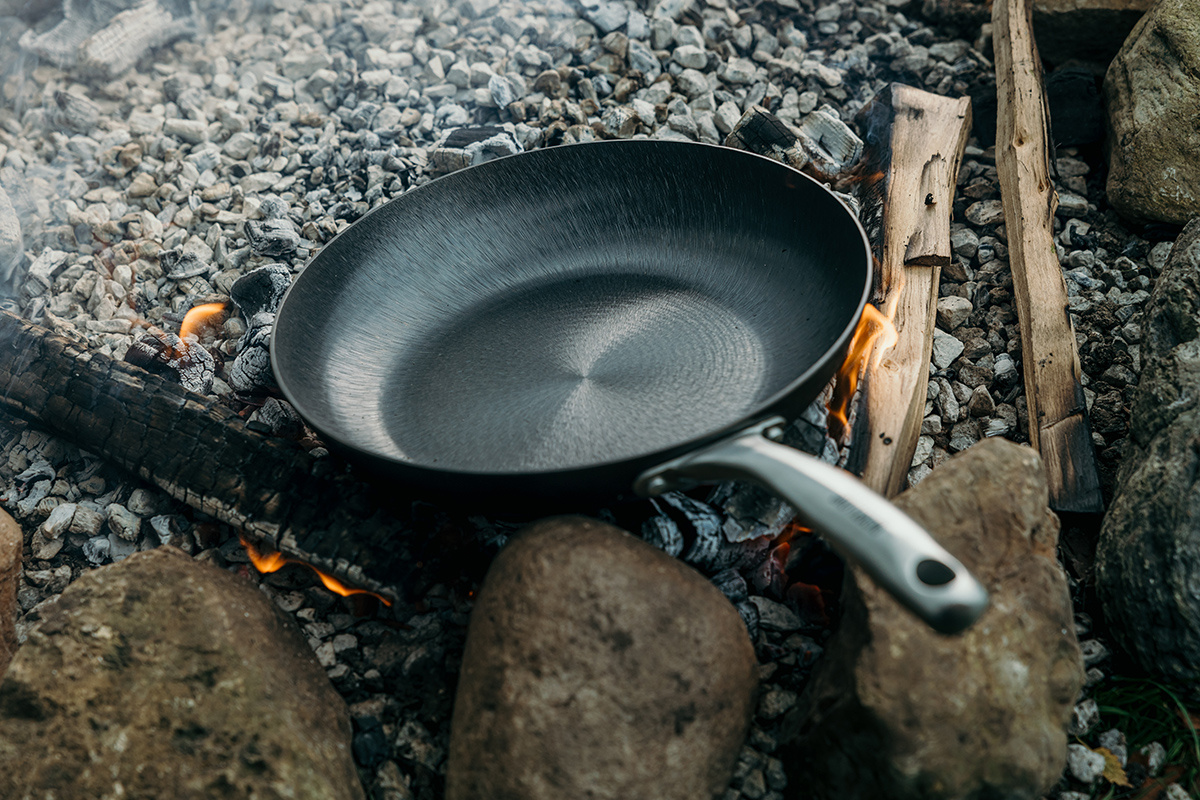
When metal heats, it expands. When different parts of the pan expand at different rates, the shape shifts. That shift is warping. Warping can be permanent if the metal is pushed past its elastic limit. Repeated cycles of hot and cold cause tiny changes that add up.
Key factors in the process
- Temperature gradient: One side hotter than the other bends the metal.
- Material properties: Aluminum expands more than stainless steel under heat.
- Construction: Multi-layer pans may warp less if layers are bonded well.
- Thickness: Thin metal has less structural integrity and warps faster.
Answering why is my pan warping on stove using this view helps you choose better pans and change habits to protect cookware.
Types of pans and how prone they are to warping
Different pans behave differently on the stove. Knowing which ones warp helps you pick and care for them.
Aluminum pans
- Lightweight and great for quick heating.
- Warp easily when overheated or shocked.
Stainless steel pans
- Stronger and resist warping better.
- Thin stainless can still warp under high heat.
Copper-bottom pans
- Excellent heat spread but layered construction matters.
- Poor bonding between layers can lead to warping.
Nonstick pans
- Often have thin cores and can warp if used on high heat.
- Avoid preheating empty nonstick pans on high.
Cast iron
- Rarely warps due to thickness and mass.
- Still susceptible to cracking with extreme thermal shock.
If you are wondering why is my pan warping on stove, check the material and thickness before blaming the stove.

Preventing pan warping: practical habits that work
You can stop warping with simple routine changes. These steps are easy and effective.
Practical tips
- Match pan size to burner size to avoid unsupported edges.
- Heat pans gradually instead of blasting high heat from cold.
- Avoid putting cold water on a hot pan; let it cool first.
- Use medium heat for thin pans; reserve high heat for heavy pans.
- Preheat pans for a short, steady time with a little oil to spread heat.
- Choose quality pans with thicker bases or fully-clad construction.
Small habits fix many problems. If you still ask why is my pan warping on stove after trying these, the pan may be damaged or made cheaply.
PAA-style questions (People also ask)
Why does my pan warp only on certain burners?
- Burners vary in heat output and size. A small, hot burner can create hotspots that cause warping if the pan doesn’t sit flat.
Can a warped pan be fixed?
- Sometimes slight warps can be flattened by a professional or with careful mechanical force, but this can weaken the pan. Often replacement is safer.
Is it safe to cook with a warped pan?
- Small warps are usually safe but may cause uneven cooking. Severe warps can make pans unstable or cause food to burn.

What to do if your pan has already warped
If your pan warped, assess how severe it is and whether it affects cooking.
Steps to evaluate and act
- Put the pan on a flat surface to see how much it rocks.
- Test on the stove: measure heat spread and look for hotspots.
- Try gentle reshaping only on rigid metals; heating then cooling can help a bit, but do not shock the pan.
- Consider professional repair for expensive cookware. Repair can restore flatness but may cost more than a new pan for cheap models.
- Replace nonstick or thin pans that warp, especially if coating is damaged.
When deciding, balance cost, safety, and cooking quality. If you keep asking why is my pan warping on stove after repair, replacement is often the most practical choice.
When to replace your pan and what to buy next
Not all warped pans are worth keeping. Replace when safety, coating integrity, or cooking performance is compromised.
Buy smart
- Look for fully-clad stainless steel or heavy-gauge aluminum with welded lids.
- Choose pans with a flat, thick base for stove use.
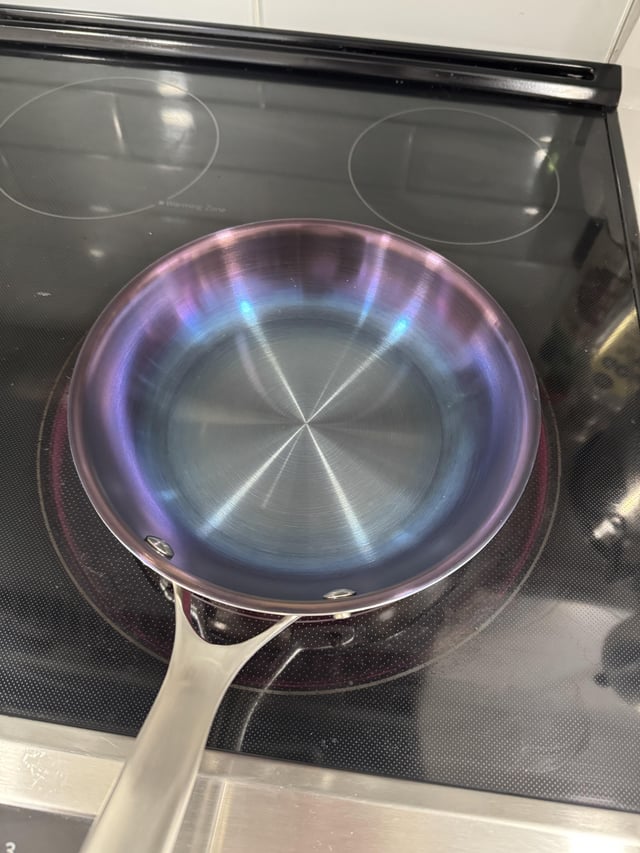
- For glass stovetops, pick pans labeled flat-bottomed or glass-top compatible.
- Avoid thin, ultra-cheap pans that warp easily.
As someone who has tested many brands, I found that a mid-range fully-clad pan lasted years without warping. Spending a bit more upfront often saves money and frustration later.
Light troubleshooting checklist (quick steps)
If you need a fast check, follow these steps.
Checklist
- Match pan to burner size.
- Avoid high heat on thin cookware.
- Let hot pans cool before washing.
- Replace pans with deep warps or damaged coatings.
- Invest in quality pans when possible.
These simple checks answer many questions about why is my pan warping on stove and prevent future issues.
Frequently Asked Questions of why is my pan warping on stove
Why does my stainless steel pan warp on the stove?
Thin stainless steel pans can warp under uneven heat or sudden temperature changes. High heat and small burners create hotspots that bend the metal.
Will warping damage the nonstick coating?
Warping can crack or flake nonstick coatings, making the pan unsafe for cooking. If the coating peels or bubbles, replace the pan.
Can I fix a warped pan at home?
Minor warps might be gently reshaped, but home fixes can weaken the pan. Professional repair is better for costly pans; replace cheap pans.
Does the type of stove affect warping?
Yes. Gas and electric coils can create hotspots; glass-ceramic stoves need very flat pans. Induction requires magnetic, flat bottoms and usually reduces warping.
How do I test if my pan is flat?
Place the pan on a known flat surface or burner to see if it rocks. Pour a thin layer of water in the pan on low heat to check for even coverage.
Conclusion
Pans warp because of uneven heat, thermal shock, and weak construction. You can prevent most warping by matching pan and burner size, heating slowly, avoiding sudden cooling, and choosing quality cookware. If a pan warps beyond minor rocking, consider repair for high-end pieces or replace lower-cost pans. Start applying the tips here today to protect your cookware and improve your cooking. Try one change now: heat more gently and watch how your pans behave — then share your experience or subscribe for more kitchen-tested tips.