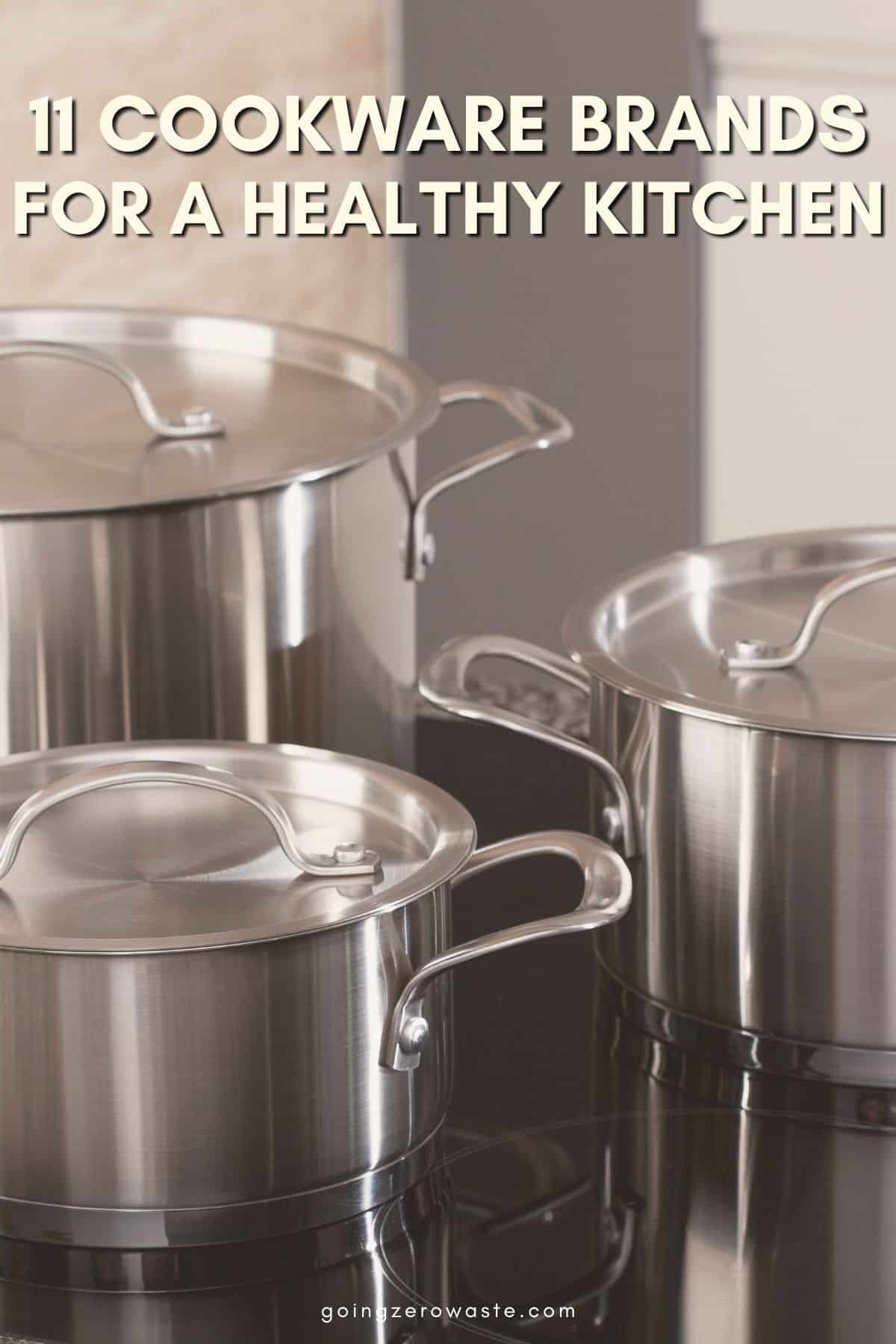
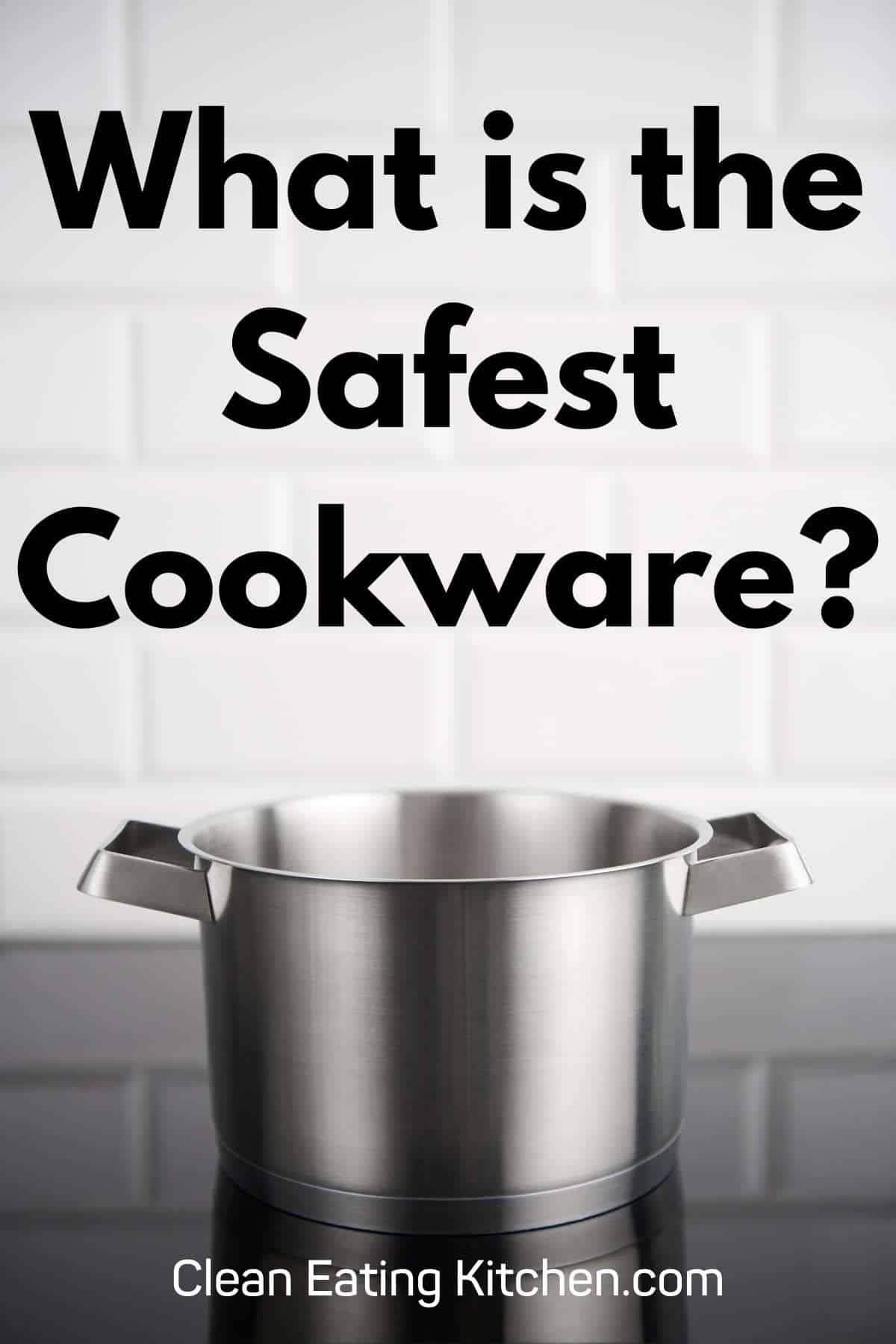
The healthiest cookware to use is high-quality stainless steel, well-seasoned cast iron, or glazed ceramic cookware.
I’ve spent years testing pans in home kitchens and teaching cooking classes. I will show what is the healthiest cookware to use, why it matters, and how to pick and care for safe pans. Read on for clear comparisons, real-life tips, and simple rules you can trust.
Why cookware choice matters for your health
Choosing cookware affects what ends up in your food. Metals and coatings can leach into meals when pans heat or scratch. Good cookware reduces exposure to unwanted chemicals and helps you cook safer meals.
I will explain what is the healthiest cookware to use by looking at reactivity, durability, and real health risks. These simple criteria make it easier to choose pans you’ll use for years.
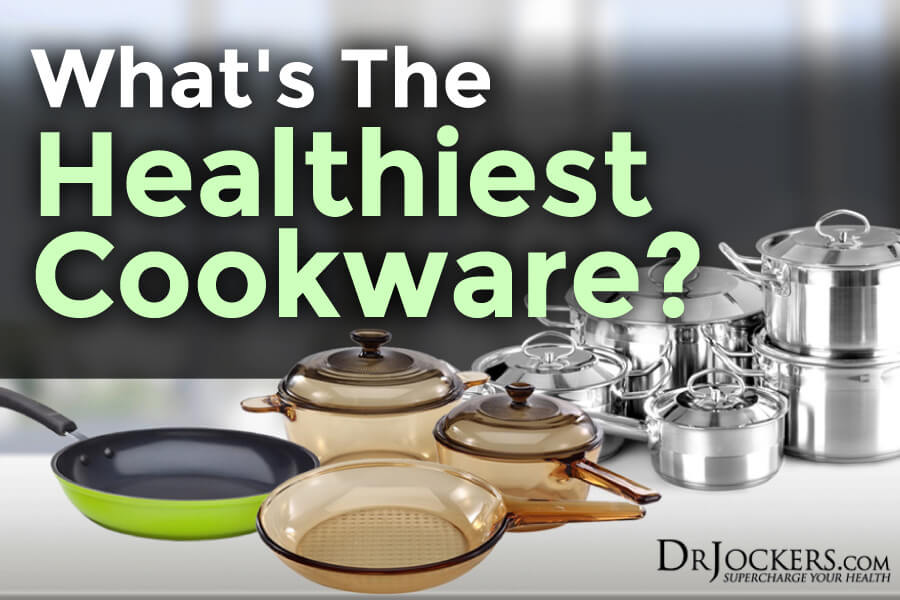 factors to consider when choosing healthy cookware”
style=”max-width: 100%; height: auto; border: 2px solid black; border-radius: 10px; display: block; margin: 0 auto;”
loading=”lazy”
/>
Key factors to consider when choosing healthy cookware
Use these simple filters when asking what is the healthiest cookware to use. Each point helps you weigh safety and performance.
- Reactivity and leaching
- Reactive metals like aluminum can affect acidic foods. Nonreactive surfaces keep food taste and chemistry stable.
- Surface durability
- Durable surfaces resist scratching and peeling. Scratched coatings can release particles into food.
- Heat distribution and efficiency
- Even heat reduces burnt spots and excess oil. This matters for both taste and nutrition.
- Ease of maintenance
- Easy care helps you keep pans in good shape. Well-maintained pans stay safer longer.
- Proven safety record
- Pick materials that have long-term studies or widespread use without major health signals.
What is the healthiest cookware to use depends on balancing these factors. Focus on materials with low reactivity and strong durability.
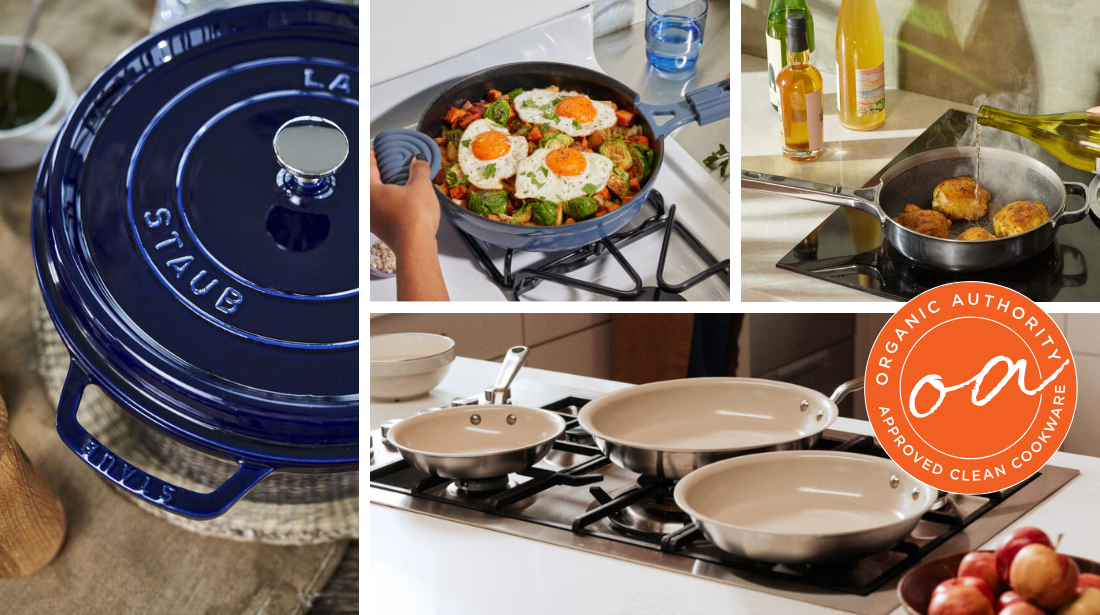
Top healthiest cookware options, ranked and explained
Here are the best choices based on safety, performance, and longevity. I include pros, cons, and real use tips for each.
1. Stainless steel
- Why it’s healthy
- Nonreactive surface. It won’t leach into most foods.
- Pros
- Durable. Good for searing and deglazing.
- Cons
- Poor heat conduction on thin builds. Food can stick if not used properly.
- Practical tip
- Use oil and preheat the pan to reduce sticking.
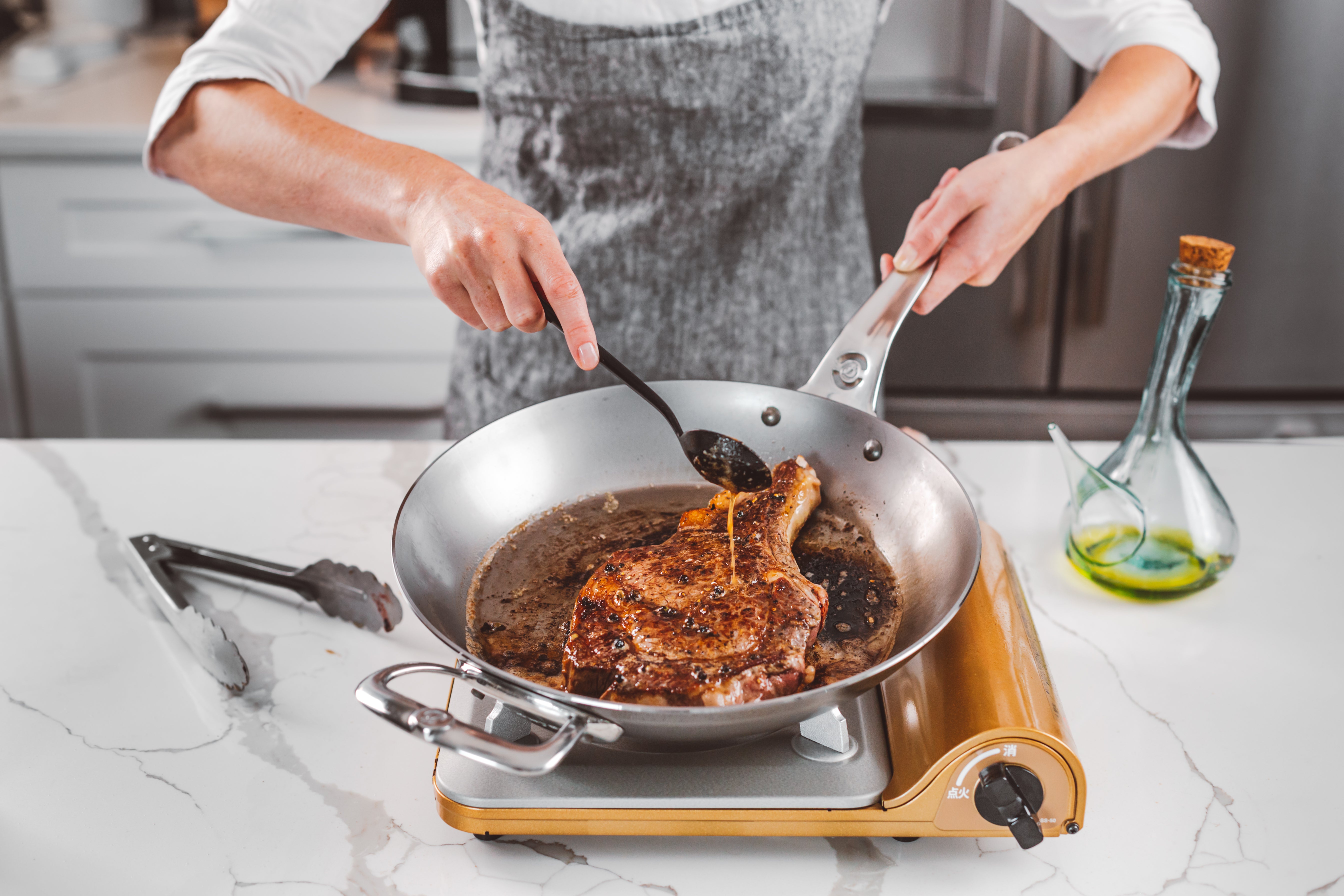
I often reach for stainless steel. It handles high heat and stays neutral. This is a top answer when people ask what is the healthiest cookware to use.
2. Well-seasoned cast iron
- Why it’s healthy
- Adds small, often beneficial amounts of iron to food.
- Pros
- Extremely durable. Great heat retention.
- Cons
- Reactive with very acidic dishes if seasoning is thin.
- Practical tip
- Keep a strong seasoning layer and avoid long tomato simmers in new pans.
Cast iron has been my go-to for steaks and cornbread for years. It’s one of the clear choices for what is the healthiest cookware to use when you want durability and minimal synthetic coatings.
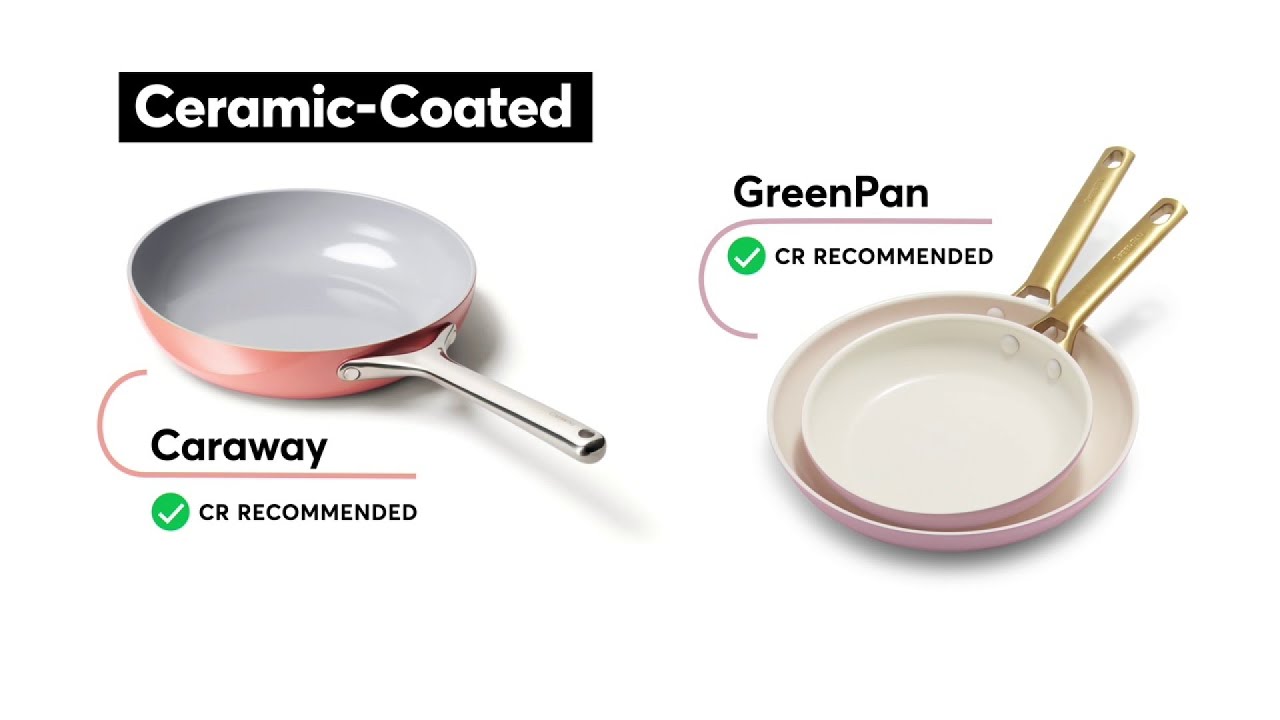
3. Glazed ceramic and enamel-coated cast iron
- Why it’s healthy
- Nonreactive glass-like glaze prevents leaching.
- Pros
- Easy to clean and safe for acidic foods.
- Cons
- Enamel can chip if dropped. Chipped spots expose the metal base.
- Practical tip
- Inspect glazing regularly and avoid metal utensils on thin enamel.
Glazed ceramic nails the balance between safety and ease. It often answers the question of what is the healthiest cookware to use for low-maintenance cooks.
4. Hard-anodized aluminum (with intact surface)
- Why it’s healthy
- Anodizing creates a hard, stable surface that reduces leaching.
- Pros
- Good heat distribution. Durable finish.
- Cons
- If the surface is scratched deep, underlying aluminum may be exposed.
- Practical tip
- Replace pans if the coating wears thin.
Hard-anodized pans are valuable when you want performance with a safer aluminum option.
5. Carbon steel
- Why it’s healthy
- Like cast iron, it can be seasoned and becomes nonstick over time.
- Pros
- Lighter than cast iron and excellent for high-heat cooking.
- Cons
- Requires seasoning and care to avoid rust and reactivity.
- Practical tip
- Keep it dry and well-oiled after use.
Carbon steel is my favorite for quick high-heat searing and is a practical answer to what is the healthiest cookware to use for many cooks.
6. Avoid unlined aluminum and some cheap nonstick pans
- Why to be careful
- Uncoated aluminum can leach, especially with acidic foods. Cheap nonstick coatings can flake.
- Practical tip
- If you use nonstick for eggs, choose reputable PTFE-based brands and avoid overheating.
When people ask what is the healthiest cookware to use, I warn about cheap pans. Short-lived cookware can create small risks over time.
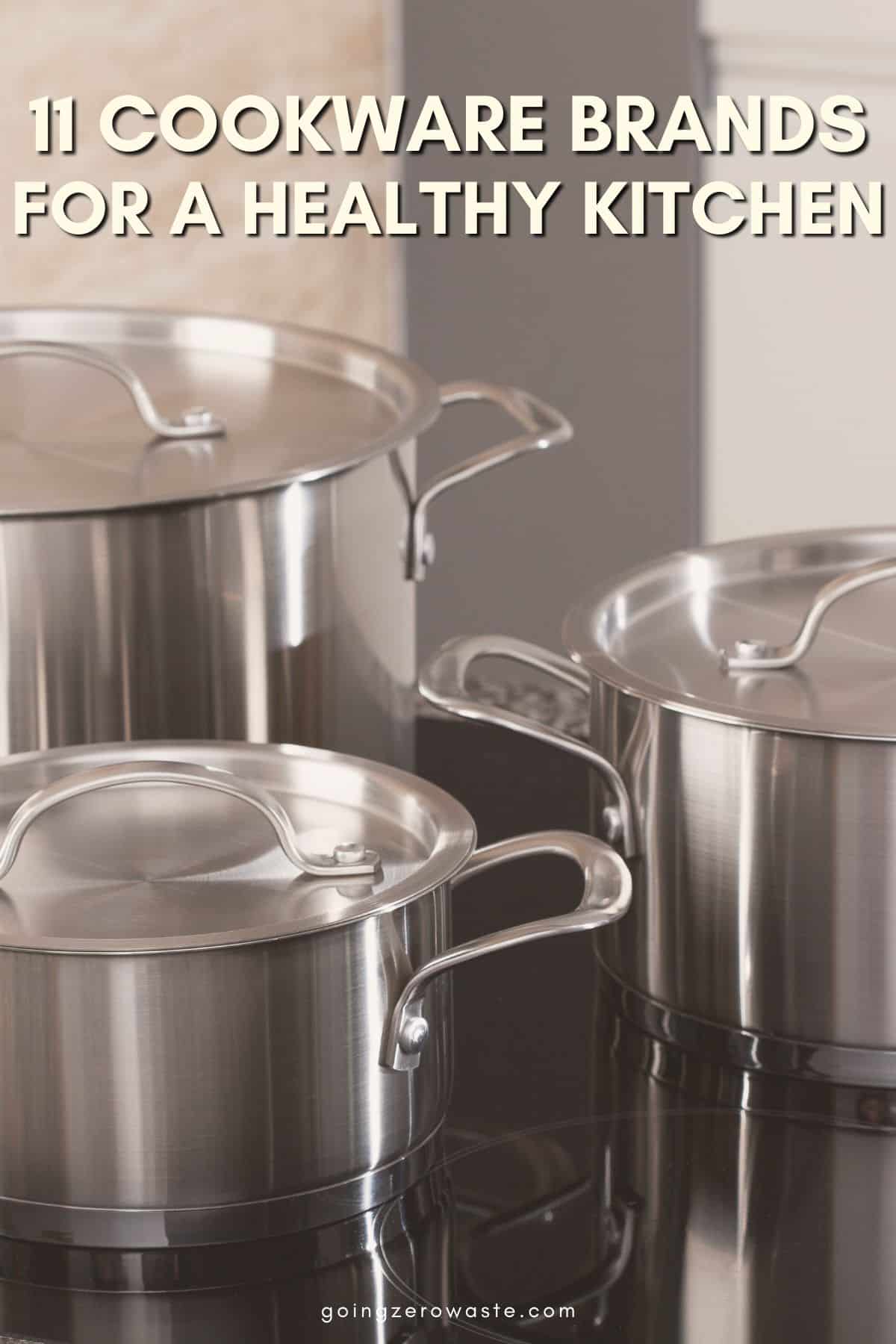
How to pick the right pan for your cooking style
Choosing cookware is also personal. Ask yourself these simple questions to decide what is the healthiest cookware to use for you.
- What do I cook most often?
- High-heat searing favors cast iron or carbon steel.
- Do I want low maintenance?
- Glazed ceramic and stainless steel are easier to care for.
- Am I avoiding certain metals?
- If so, pick glass, ceramic, or fully glazed enamel.
My experience: keep two or three reliable pans. A stainless skillet, a cast iron or carbon steel pan, and a glazed Dutch oven cover almost everything. This trio answers what is the healthiest cookware to use for most home cooks.
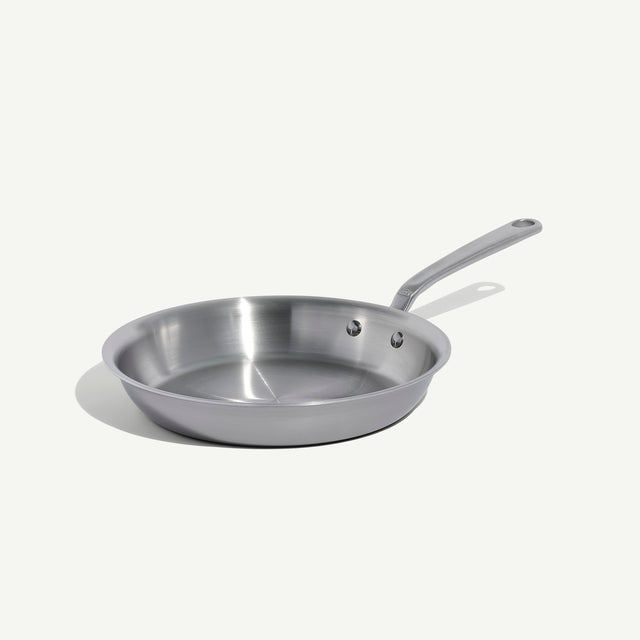
Care and use tips to keep cookware healthy and long-lasting
Safe use extends the life of your pans and reduces risks. Follow these simple, practical steps.
- Preheat pan properly to reduce sticking and oil use.
- Use the right utensil to avoid scratches. Wooden or silicone is kind to surfaces.
- Don’t overheat nonstick pans. Keep them on medium or low heat.
- Re-season cast iron or carbon steel when food starts to stick.
- Replace cookware when coatings flake, chip, or show deep scratches.
I learned the hard way that replacing a cheap nonstick pan often is better than risking flakes in food. These simple habits help keep your cookware aligned with what is the healthiest cookware to use.
What to avoid and common myths
Here are things to skip and myths to ignore when you decide what is the healthiest cookware to use.
- Avoid
- Cheap, scratched nonstick pans with visible flaking.
- Unlined aluminum for long acidic cooks.
- Myths
- Stainless steel always adds harmful metals. Reality: small uptake can occur, but it’s typically minimal and not harmful for most people.
- Nonstick is always unsafe. Reality: modern PTFE coatings are safe below high temperatures when used correctly.
I once used a warped pan for years. It wasted energy and food. Upgrading to proper materials made my cooking safer and tastier.
People also ask (PAA-style questions)
These quick answers help cover common search intent around what is the healthiest cookware to use.
- What is the healthiest cookware to use for everyday cooking?
- Stainless steel or glazed ceramic are great daily choices for safety and ease.
- Is cast iron the healthiest cookware to use for nutrition?
- Cast iron can add dietary iron, which can be beneficial but may not be ideal for everyone.
- Is nonstick cookware safe if used correctly?
- Yes, modern nonstick pans are safe if not overheated and if the coating is intact.
Frequently Asked Questions of what is the healthiest cookware to use
What cookware leaches the least into food?
Stainless steel and glazed ceramic leach the least. Well-seasoned cast iron also remains relatively stable during normal use.
Is ceramic cookware safer than nonstick?
Glazed ceramic is generally safer for high-heat cooking. Nonstick is fine for low-heat use if the coating is undamaged.
Can cookware choices affect my nutrient intake?
Yes. Cast iron can raise iron content in food. Most other cookware does not significantly change nutrient levels.
How often should I replace cookware for safety?
Replace when coatings flake, chips appear, or metal is deeply scratched. Regular pans can last years if cared for.
Is glass cookware a healthy option?
Glass is nonreactive and safe for baking and reheating. It’s not ideal for high-stovetop heat due to poor heat conduction.
Conclusion
Choosing what is the healthiest cookware to use comes down to materials, care, and how you cook. Stainless steel, cast iron, and glazed ceramic lead the list for safety and performance. Pick pans you will care for and use often, and replace them when wear appears. Try a small upgrade and test a pan for a month to see how it changes your cooking and confidence. Share your experience below, subscribe for more guides, or ask a question in the comments.