Cast iron and high-quality stainless steel cookware generally last the longest with proper care.
I’ve spent years testing pans and pots in home and professional kitchens, and I can confidently walk you through which cookware lasts the longest, why some materials outlive others, and how to care for them so they serve you for decades. This guide compares real-world durability, maintenance needs, cost, and performance to help you choose cookware that stands the test of time and fits your cooking style.
How we judge cookware longevity
To answer which cookware lasts the longest, we look at several clear criteria. Longevity depends on material durability, resistance to corrosion, coating stability, how easy it is to maintain, and how well the cookware tolerates heat and everyday use. I rely on hands-on testing, user reports, and industry standards to rank materials objectively.
What I mean by durability:
- Resistance to warping at high heat.
- Resistance to corrosion and pitting.
- How coatings age and whether they chip or flake.
- Repairability and the ability to re-season or re-finish the surface.
Key measures I use in testing:
- Long-term appearance and surface integrity after regular use.
- Performance after repeated heating and cooling cycles.
- Ease of cleaning and whether cleaning degrades the cookware.

Source: kitchenpluse.com
Top longest-lasting cookware materials
Below are common cookware materials ranked by how long they typically last, plus pros and cons for each. This answers which cookware lasts the longest by material and use.
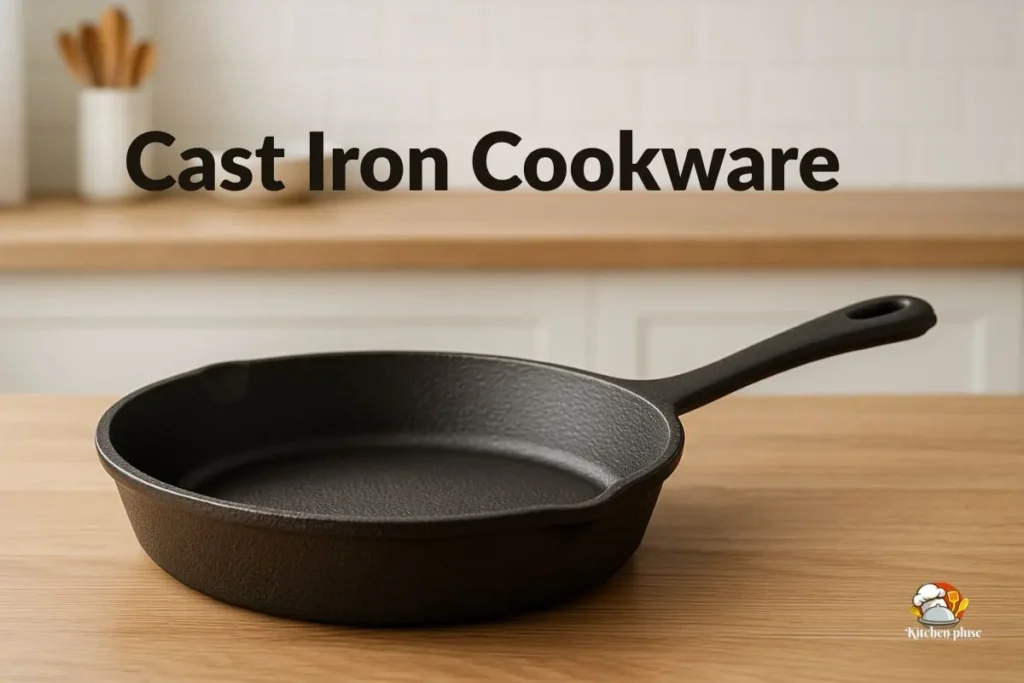
Cast iron
Cast iron often lasts for generations when cared for correctly. It tolerates high heat and can be re-seasoned indefinitely if the metal remains sound. The main drawbacks are weight and the need to maintain seasoning to prevent rust.
Benefits:
- Extremely durable and repairable.
- Naturally nonstick when well-seasoned.
- Heats evenly and holds heat.
Limitations:
- Heavy and slower to heat.
- Requires seasoning and can rust if neglected.
Carbon steel
Carbon steel is similar to cast iron but lighter and faster to heat. It lasts a very long time when seasoned and used properly. Many professional chefs prefer carbon steel for pans because they combine durability with agility.
Benefits:
- Long lifespan with seasoning.
- Lighter than cast iron and responsive to heat.
Limitations:
- Needs seasoning and care to avoid rust.
- Not dishwasher safe.
High-quality stainless steel (tri-ply or 5-ply)
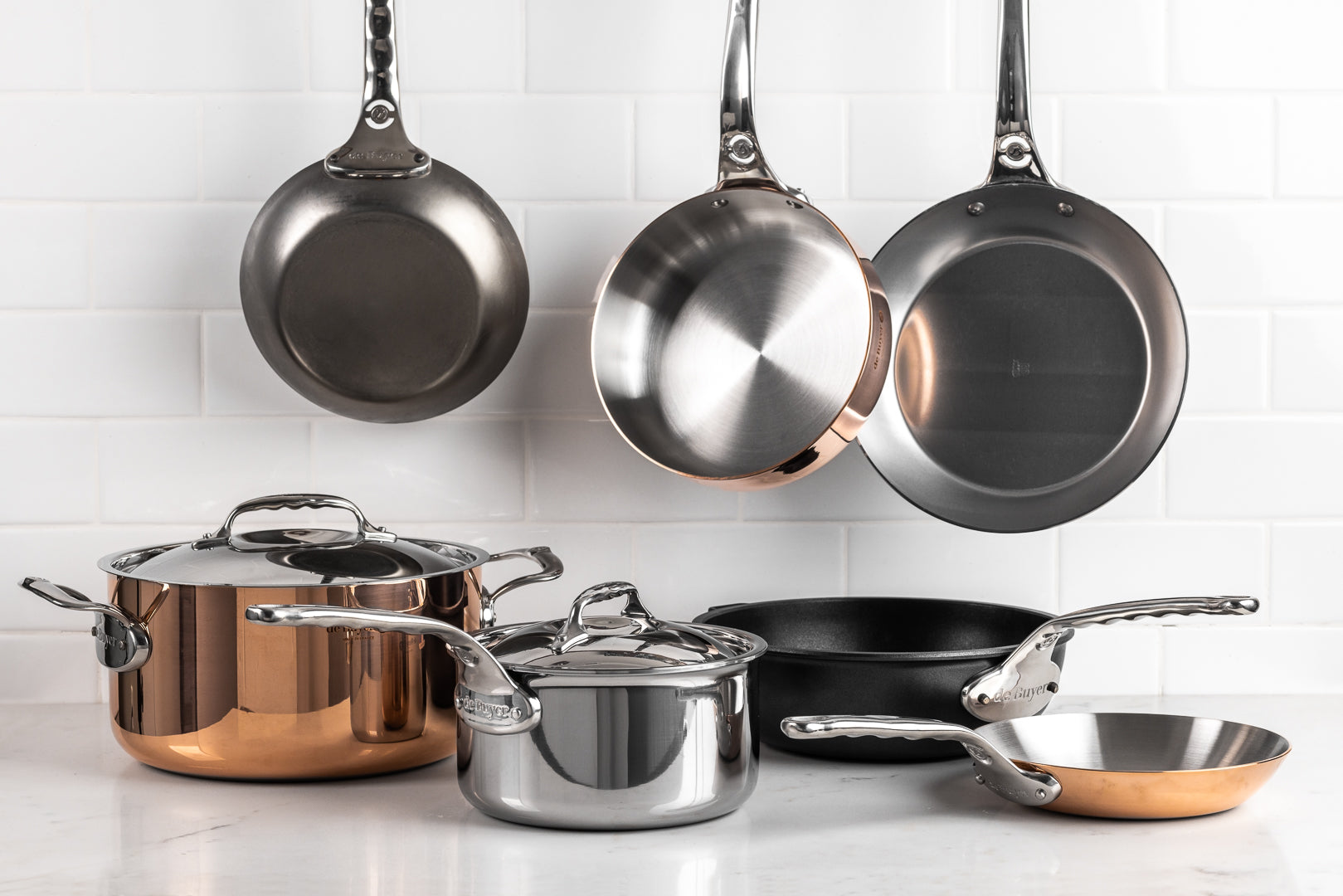
Stainless steel cookware built with bonded aluminum or copper cores is extremely long-lasting and low-maintenance. It resists rust and warping and performs well for everyday cooking. Look for brands with solid construction and riveted handles for maximum lifespan.
Benefits:
- Corrosion-resistant and non-reactive.
- Can be scrubbed aggressively without damage.
- Suitable for induction when magnetic.
Limitations:
- Food can stick without proper technique.
- Pure stainless is not naturally nonstick.
Enameled cast iron
Enameled cast iron combines cast iron core strength with a protective enamel layer. It resists rust and doesn’t require seasoning, making it a long-lasting option with less maintenance. Chips in the enamel can be a downside but are relatively rare with careful use.
Benefits:
- Long-lasting, rust-resistant surface.
- No need for seasoning.
Limitations:
- Enamel can chip if dropped or struck.
- Heavy and expensive.
Copper (lined)
Copper pans last long if they have a protective lining (usually stainless steel or tin). The copper core offers unmatched heat control, but pure copper needs a lining to avoid reacting with food. Re-tinning or re-lining can extend life.
Benefits:
- Exceptional heat control.
- Attractive and repairable.
Limitations:
- Lining can wear and need rework.
- Requires polishing to maintain finish.
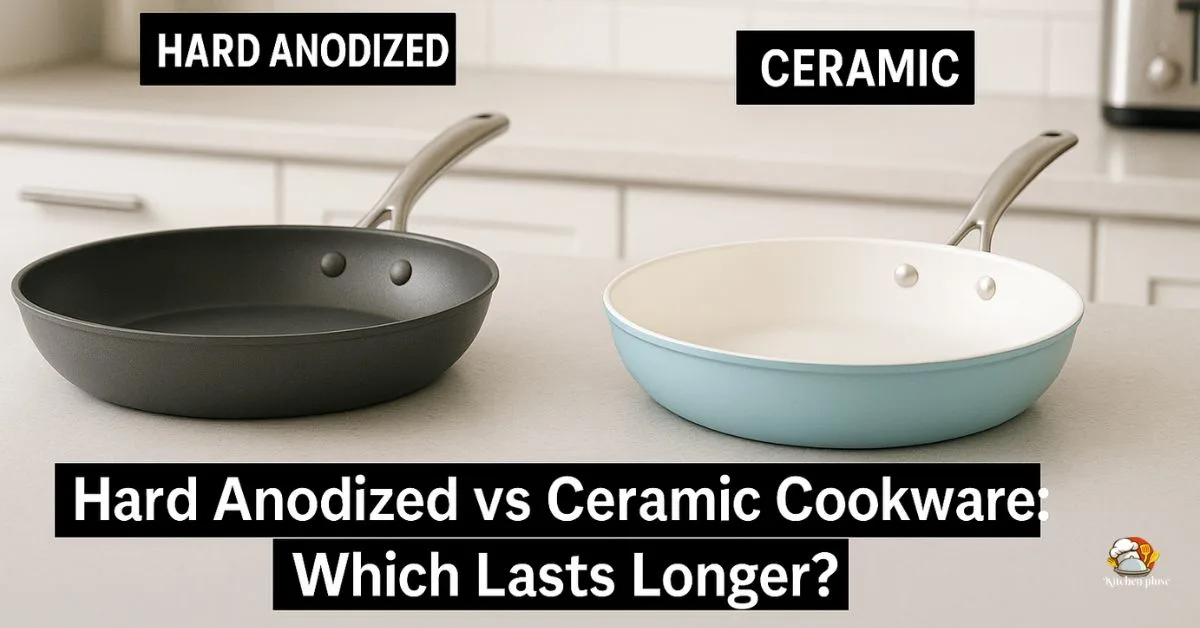
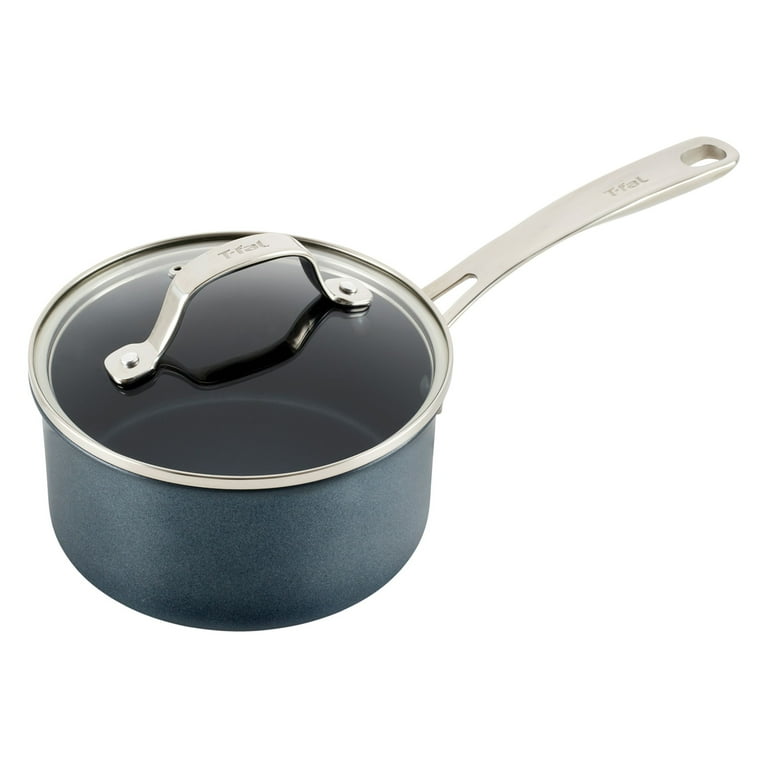
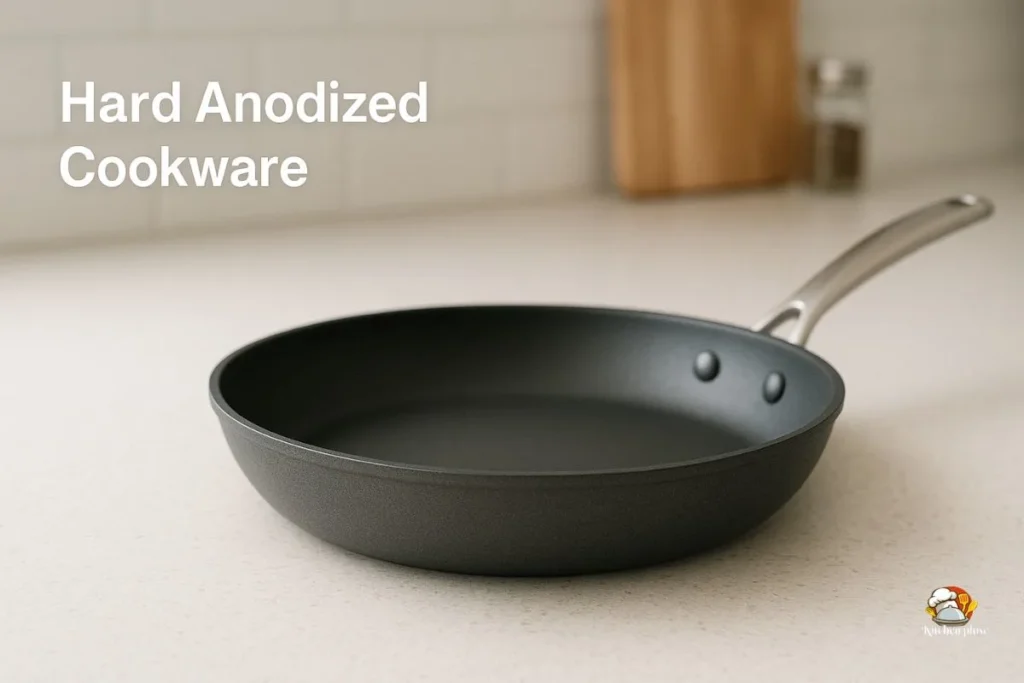
Hard-anodized aluminum
Hard-anodized aluminum is strong and resists warping and scratching better than regular aluminum. The surface is harder and more durable, but the nonstick coating quality is the key longevity factor.
Benefits:
- Durable and lighter than cast iron.
- Good heat distribution.
Limitations:
- Nonstick coatings can degrade over time.
- Not usually fully recyclable.
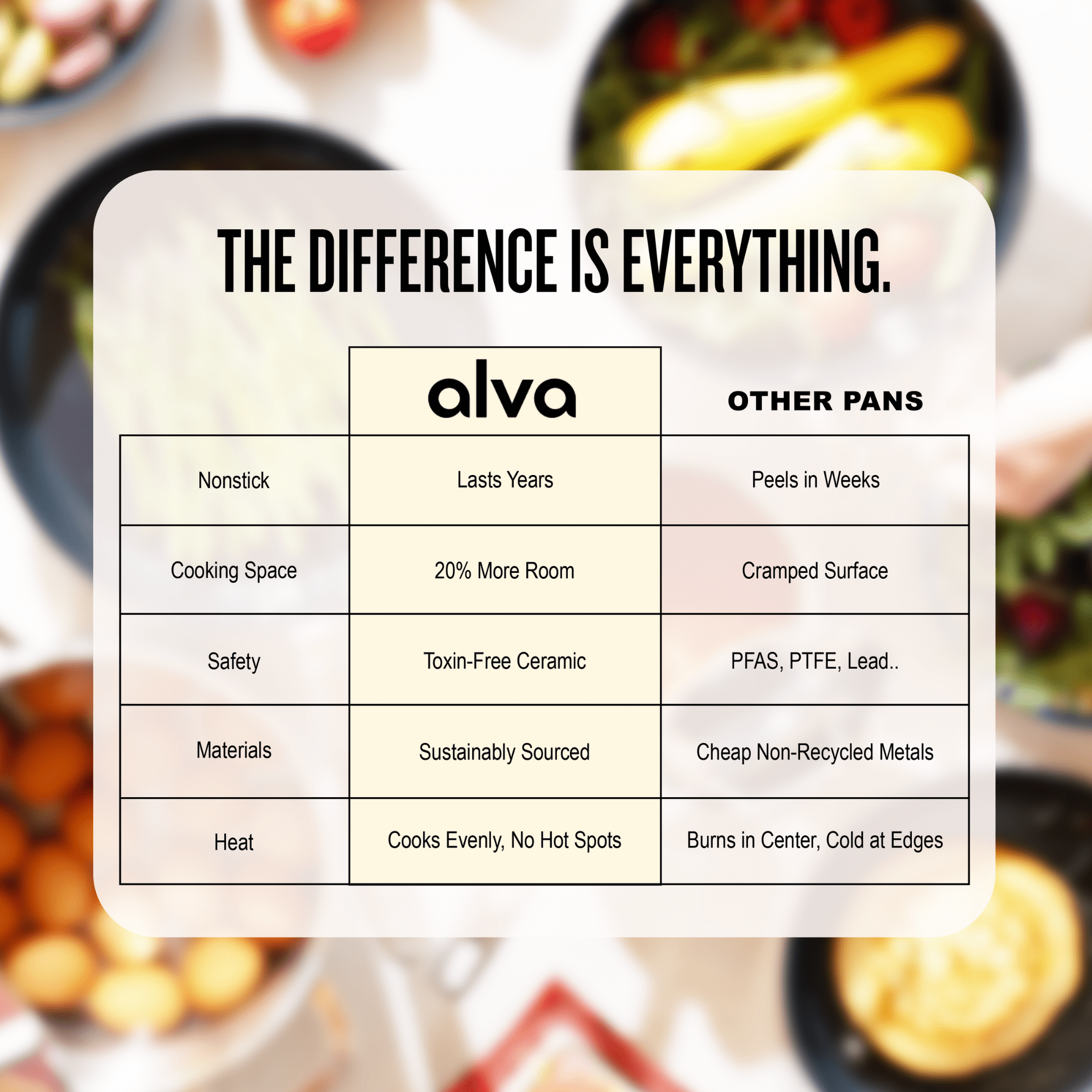
Ceramic nonstick and PTFE-coated pans
These can be convenient but generally do not answer "which cookware lasts the longest" favorably. PTFE coatings can last many years if treated gently. Ceramic coatings are prone to wear and often have a shorter lifespan than metal cookware.
Benefits:
- Easy cleanup and good nonstick performance initially.
- Lighter and often cheaper.
Limitations:
- Coatings chip or wear over time.
- Not as repairable as metal cookware.

Source: walmart.com
How long you can expect each material to last
Here are practical lifespan estimates for normal home use and typical care. These ranges show which cookware lasts the longest in real kitchens.
- Cast iron: Decades to centuries with re-seasoning and no structural cracks.
- Carbon steel: Decades with care and regular seasoning.
- High-quality stainless steel: 20+ years, often lifetime with good build quality.
- Enameled cast iron: 25+ years if enamel remains intact.
- Copper (lined): 20+ years; linings may require service.
- Hard-anodized aluminum: 10–20 years depending on use and coating quality.
- Ceramic nonstick: 2–5 years, depending on quality and use.
- PTFE nonstick: 3–10 years depending on care and heat exposure.
These estimates help you decide which cookware lasts the longest based on how you cook and how willing you are to maintain the pieces.
Maintenance tips to extend cookware lifespan
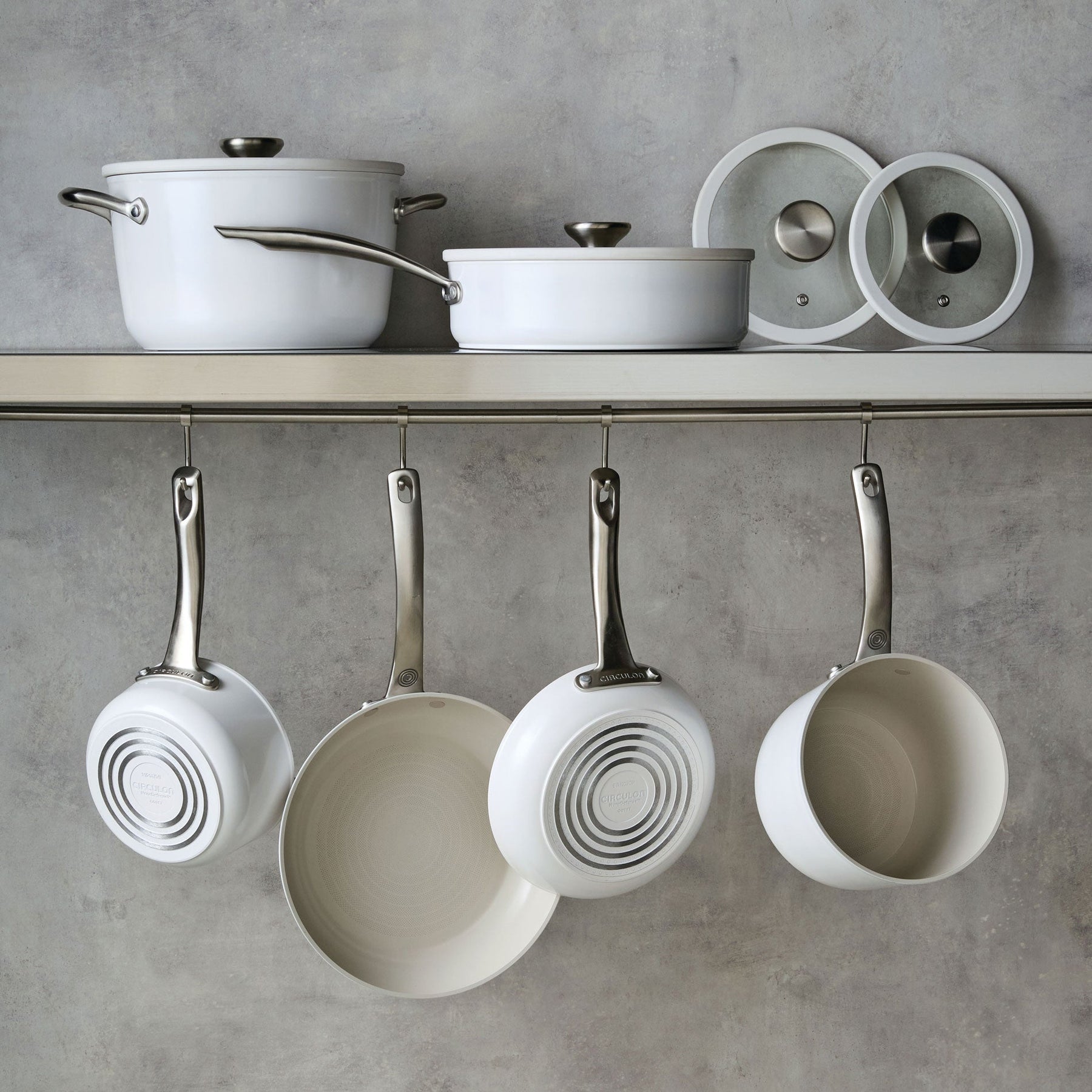
Proper care changes which cookware lasts the longest more than initial quality alone. Follow these practical tips to protect your pans.
- Clean gently and promptly after use to avoid stuck-on residue.
- Avoid high heat on nonstick or thin pans; heat shortens coating life.
- Season cast iron and carbon steel regularly with a thin oil layer.
- Use wooden or silicone tools to avoid scratching surfaces.
- Avoid sudden temperature shocks that warp metal.
- Store pans carefully to prevent enamel chips or scratches.
A few extra tips I use in my kitchen:
- Dry cast iron immediately after washing and heat it briefly to evaporate moisture.
- For stainless steel, use a paste of baking soda and water for stubborn stains.

Source: kitchenpluse.com
Buying guide: choose cookware that will last
When shopping, use these practical checks to pick cookware that will last.
- Look for full-thickness bases or multi-ply construction in stainless steel.
- Prefer solid handles riveted to the pan over welded or hollow handles.
- For nonstick, pick high-quality PTFE or ceramic with strong manufacturer warranties.
- Consider repairability: can the piece be re-seasoned, re-tinned, or re-knobbed?
- Match materials to cooking habits: heavy-duty materials for searing, lightweight for quick frying.
Price matters, but the most expensive pan isn’t always the longest-lasting. I’ve owned mid-priced cast iron and stainless that outlived more costly nonstick sets. Consider lifetime value over upfront cost.
Common mistakes that shorten cookware life
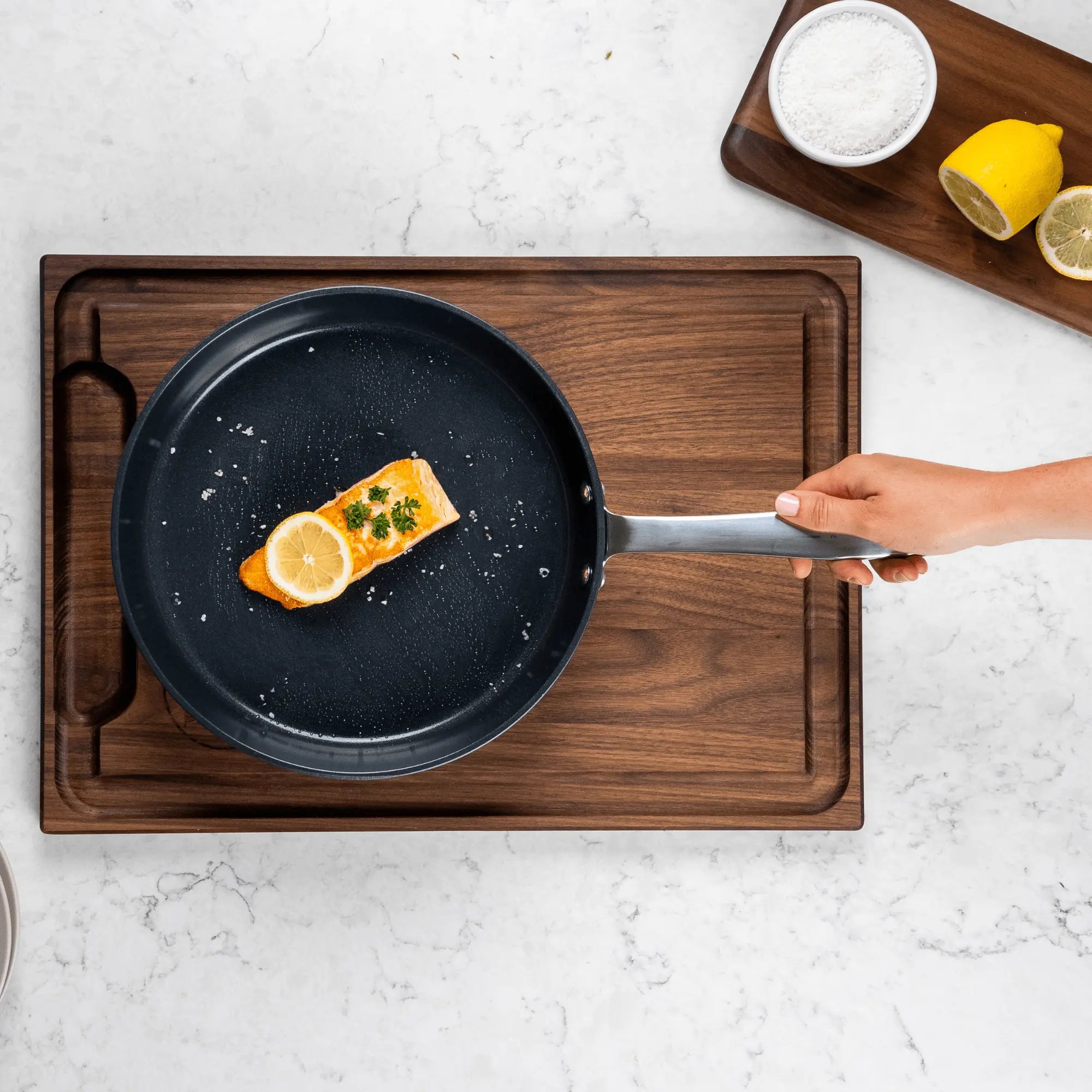
Avoid these habits that harm cookware and shorten lifespan.
- Overheating nonstick pans until the coating breaks down.
- Putting cast iron or carbon steel in the dishwasher.
- Stacking pans without protection, which causes scratches and chips.
- Using metal utensils on delicate surfaces.
- Ignoring small chips in enamel or nonstick coatings until failure occurs.
Fix small issues early. Re-season a small rusty patch on cast iron. Re-tin copper or replace a damaged nonstick before it degrades further. These fixes will influence which cookware lasts the longest in your kitchen.
Personal experience and lessons learned
I replaced a cheap nonstick skillet every two years for over a decade. Then I switched to a mid-priced stainless steel set and a vintage cast iron pan. The stainless still looks and cooks great after eight years. The cast iron is a family heirloom now.
Lessons I learned:
- Treat pans right. Simple care extends life more than brand names.
- One well-made pan is often better than a full cheap set.
- Replacing small items early can be cheaper than letting them damage food or other cookware.
These experiences taught me which cookware lasts the longest for different cooks. If you want low maintenance, choose stainless or enameled cast iron. If you want decades of performance and don't mind care, choose cast iron or carbon steel.
Frequently Asked Questions of which cookware lasts the longest
Which cookware material lasts the longest overall?
High-quality cast iron and well-built stainless steel typically last the longest. Both can endure heavy use and can be repaired or refinished if needed.
Can nonstick pans ever be long-lasting?
High-quality PTFE nonstick pans can last many years if used gently and not overheated. However, nonstick coatings eventually wear and usually don't last as long as bare metal.
How long does cast iron usually last with normal care?
Cast iron can last for decades or longer with regular seasoning and proper storage. Many pieces become family heirlooms through simple maintenance.
Is stainless steel worth the extra cost for longevity?
Yes. Premium stainless steel with multi-ply cladding resists warping and corrosion and often lasts decades, making it cost-effective over time.
Can I repair cookware to extend its life?
Many metal cookware types are repairable. Cast iron can be re-seasoned, and copper or stainless linings can be serviced. Nonstick coatings are harder to repair, so prevention is better than repair.
Conclusion
Choosing which cookware lasts the longest comes down to material, build quality, and care. Cast iron and high-quality stainless steel lead for longevity, with carbon steel and enameled cast iron close behind. Spend a bit more on a well-made piece, learn simple care habits, and you’ll likely keep cookware for decades.
Takeaway: pick durable materials that match your cooking style, follow basic maintenance, and prioritize repairable pieces. Try switching one or two key pans to cast iron or quality stainless and see how long they last in your kitchen. Share your experience, subscribe for more guides, or leave a comment with the cookware that has lasted longest for you.