Most cookware materials suit specific cooks; choose by heat, durability, and care needs.
I’ve cooked with stainless steel, cast iron, nonstick, copper, and more for years. I will walk you through cookware materials explained for beginners in clear, practical steps. You’ll learn what each material does, when to use it, and how to care for it. This guide blends hands-on tips and easy science so you can pick the right pan with confidence.
Why cookware materials matter
Cookware materials change how food cooks and how pans wear. Heat response, stick resistance, weight, and cleaning all come from the material. Choosing the right material saves time, improves results, and cuts replacement costs. This section explains the core reasons to care about cookware materials explained for beginners.
Common cookware materials explained for beginners
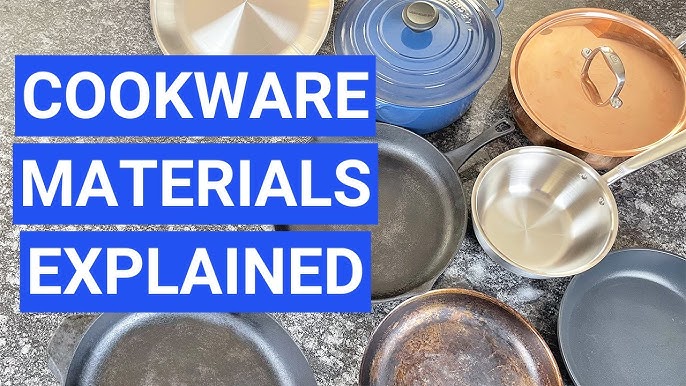
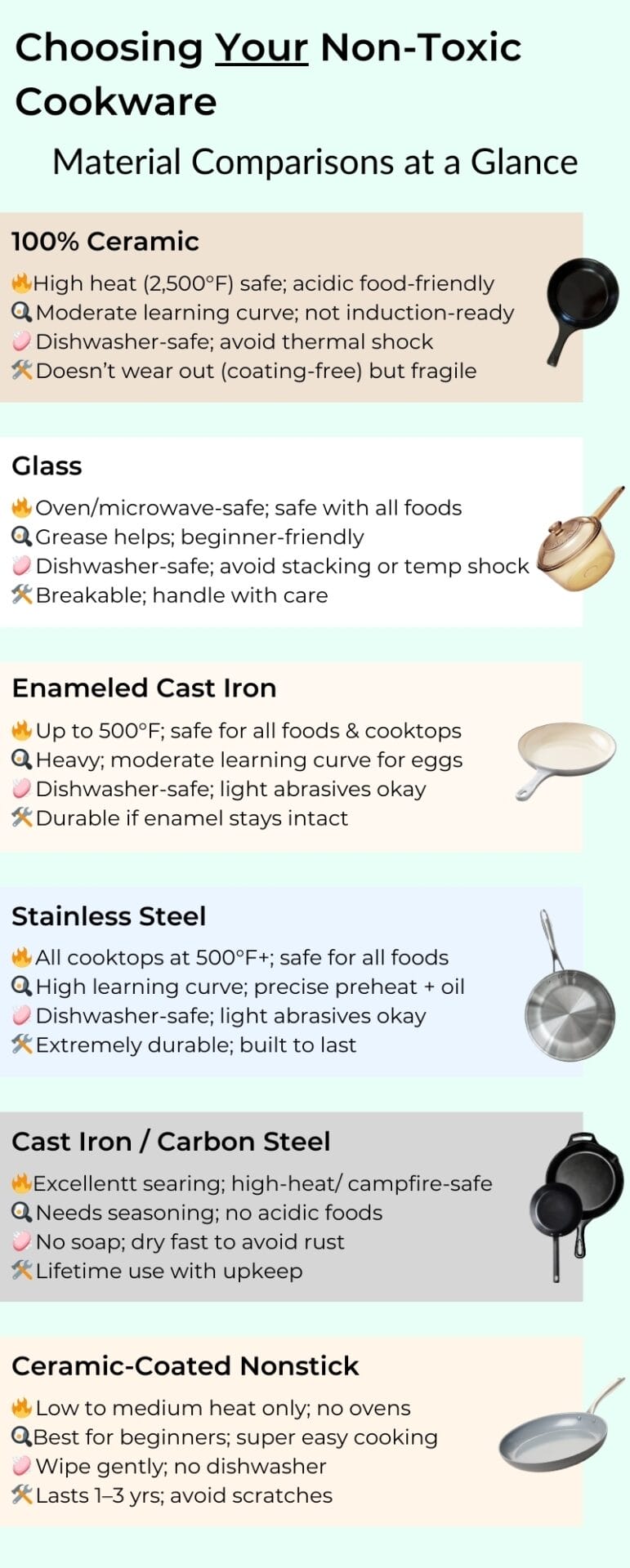
Below are the main materials you will see. I show what each does, its strengths, limits, and typical uses. Read these short profiles to match pan type to the food you cook.
Stainless steel
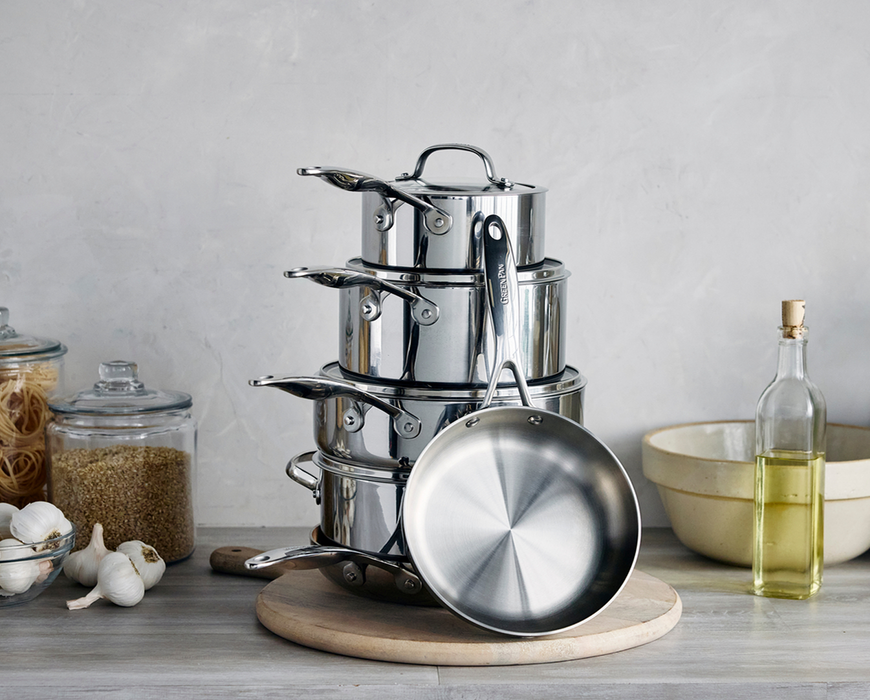
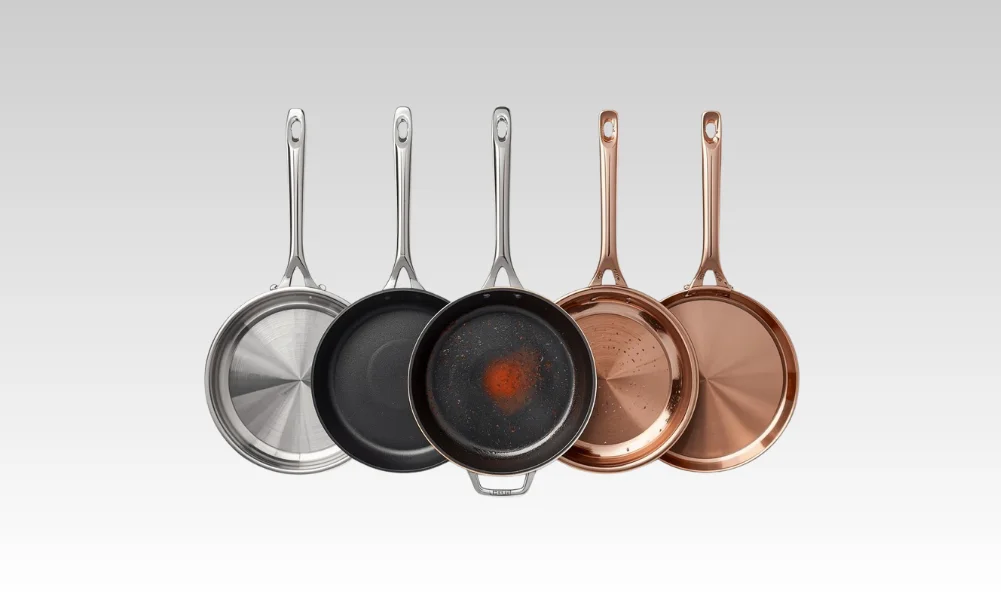
Stainless steel is durable and nonreactive. It won’t change acidic food flavor. It is great for browning, deglazing, and sauces. Look for layered bases (clad) with an aluminum core for better heat distribution.
Cast iron
Cast iron holds heat long and builds a natural nonstick surface when seasoned. It’s heavy and great for searing, frying, and oven use. It can rust if not dried and oiled, and it reacts with very acidic foods.
Enameled cast iron
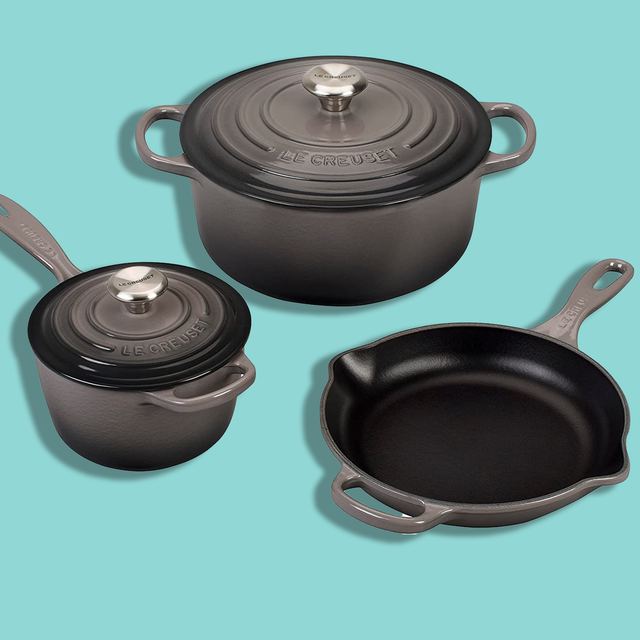
Enameled cast iron adds a glass-like coating to cast iron. It won’t require seasoning and will not react with acids. It is easier to clean but heavier and more costly than untreated cast iron.
Carbon steel
Carbon steel heats fast and gets slick when seasoned. It is lighter than cast iron and preferred for stir-fry and crepes. It can rust and needs seasoning like cast iron.
Nonstick (PTFE/Teflon)
Nonstick coatings make cooking and cleanup easy with little oil. They are ideal for eggs and delicate foods. Avoid high heat and metal utensils to preserve the coating.
Ceramic nonstick
Ceramic-coated pans offer a PTFE-free nonstick surface. They can handle slightly higher heat but degrade faster than traditional nonstick. They are a good choice if you want a more “natural” nonstick option.
Copper
Copper conducts heat quickly and gives superb control. It is often the choice of chefs for precise cooking. Copper can react with acidic foods, so most copper cookware is lined with stainless steel.
Aluminum
Aluminum conducts heat well and is lightweight. Untreated aluminum can react with acidic foods, so most cookware uses anodized or clad aluminum to prevent reactions and increase durability.
Glass and stoneware
Glass and stoneware are common for baking and slow cooking. They don’t conduct heat as fast as metal, so they’re good for even, gentle cooking. They are fragile and can crack with sudden temperature changes.
How to choose cookware for your cooking style
Match material traits to how you cook. If you sear and brown often, pick cast iron or stainless steel. If you make eggs and pancakes, choose nonstick or carbon steel. For quick temperature control and sauces, favor copper or clad stainless steel. Think about weight, stove type, oven use, and how much cleaning you will tolerate. Also consider the lifespan you want and how often you cook.
Care and maintenance by material
Basic care keeps pans working well. Follow these short, targeted tips for each material.
Stainless steel
- Clean with warm soapy water and a soft scrubber.
- Use a paste of baking soda for stuck bits.
- Avoid harsh abrasives on polished surfaces.
Cast iron
- Wipe clean and dry immediately.
- Oil lightly after each use to preserve seasoning.
- Re-season if food starts sticking.
Enameled cast iron
- Use nonmetal utensils to avoid chipping enamel.
- Clean with mild detergent and a sponge.
- Avoid thermal shock from cold water on hot cookware.
Carbon steel
- Season like cast iron and dry fully.
- Use light oil and store in a dry place.
- Re-season after heavy scrubbing.
Nonstick (PTFE)
- Use silicone or wood utensils.
- Avoid high heat and preheating empty pans.
- Replace when coating visibly degrades.
Ceramic nonstick
- Hand-wash for longer life.
- Avoid metal utensils and harsh cleaners.
- Expect gradual loss of slickness over time.
Copper and aluminum
- Clean copper with a gentle polish if you like shine.
- Avoid acidic, long-simmering sauces in unlined copper.
- Anodized aluminum needs no special care beyond hand-washing.
Buying guide and budget considerations
Set a realistic budget before you shop. Quality cookware can be an investment, but you do not need to overspend to get good performance. Consider these steps.
Prioritize what you use most
- Buy one high-quality skillet if you sear often.
- Add a good sauté pan and a saucepot next.
Mix materials for balance
- Use cast iron for searing, nonstick for eggs, stainless for sauces.
- A mixed set often covers most needs cost-effectively.
Check warranty and construction
- Look for fully clad bases and riveted handles.
- Read warranty terms on coatings and warping.
Think long term
- Durable materials cost more up front but save money over time.
- Replace only when safety or performance declines.
Personal experience and practical tips
I learned to match pans to food by trial and error. Early on, I ruined eggs in a cheap stainless pan. After switching to a reliable nonstick, breakfast became easy. I also keep a well-seasoned cast iron for steaks and breads. My tips from years of cooking:
- Invest in one strong skillet first.
- Avoid stacking coated pans to prevent scratching.
- Test a pan at home: heat it, add a drop of water—if it dances, the pan conducts well.
- Label care routines for family members to prevent accidental damage.
These small habits cut costs and improve cooking results. They make the idea of cookware materials explained for beginners practical and real.
Frequently Asked Questions of cookware materials explained for beginners
What cookware material is best for beginners?
Stainless steel and nonstick are great starter choices. Stainless steel is versatile; nonstick makes eggs and pancakes easy.
Can I use metal utensils on stainless steel?
Yes. Stainless steel tolerates metal utensils well and will not scratch like coated pans do.
Is cast iron better than nonstick?
They serve different needs. Cast iron holds heat and sears well; nonstick is best for delicate foods and low-fat cooking.
How often should I replace nonstick pans?
Replace nonstick pans when the coating peels or scratches. That usually happens after a few years with heavy use.
Are copper pans worth the price?
If you cook often and need fine temperature control, copper is worth it. Otherwise, clad stainless offers a good balance at lower cost.
Does aluminum cookware react with food?
Untreated aluminum can react with acidic foods. Anodized or clad aluminum prevents this reaction and is safe for most cooking.
How do I know if a pan is oven-safe?
Check manufacturer details for max oven temperature. Cast iron and stainless steel are usually oven-safe; many nonstick pans are not safe at high heat.
Can I use cookware on induction stoves?
Only magnetic materials work on induction. Look for cookware labeled induction-ready or test with a magnet.
Is ceramic cookware nonstick?
Ceramic-coated pans offer nonstick properties, but they wear faster than PTFE nonstick. They need gentler care.
Should I season all my pans?
Only carbon steel and cast iron require seasoning. Stainless, enamel, and nonstick do not.
Conclusion
Choosing cookware materials explained for beginners means matching material traits to how you cook. Focus on your main tasks, pick one or two core pieces, and learn simple care habits. Start with a reliable skillet and add specialized pans as needed. Try small tests at home to confirm heat and stick behavior, and replace or upgrade when performance drops. If this guide helped, try one recommended pan this month, subscribe for updates, or leave a comment with your cooking needs.