Keto diet and intermittent fasting are popular weight management strategies that restrict carbs and eating times. These approaches promote fat burning and may improve metabolic health.
Harnessing the power of the ketogenic diet alongside intermittent fasting can turbocharge your fitness goals. The keto diet heavily focuses on high-fat, low-carbohydrate foods which can lead to a state of ketosis, where the body becomes incredibly efficient at burning fat for energy.
Intermittent fasting, a pattern of eating that cycles between periods of fasting and eating, complements the keto diet by potentially accelerating fat loss and enhancing insulin sensitivity. Merging these methods creates a synergy that can optimize weight loss, boost mental clarity, and support better overall health. Adopting this combined regimen requires careful planning to ensure your body receives adequate nutrition while adhering to the unique restrictions of both dietary patterns.
Synergy Of Keto And Intermittent Fasting
The combination of a Ketogenic (Keto) diet and Intermittent Fasting can amplify health benefits and weight loss. The Keto diet focuses on high-fat, adequate-protein, and low-carbohydrate foods, while Intermittent Fasting alternates between eating and fasting periods. This dynamic duo works together to help the body become more efficient at burning fat and improving overall health.
Enhanced Fat Burning
The Keto diet trains the body to burn fat for energy instead of carbs. By also practicing Intermittent Fasting, the body burns stored fat during fasting periods. This means even more fat loss.
- Fasting periods increase ketone levels, boosting the metabolic shift to fat burning.
- Eating windows align with when the body is best prepared to process food, enhancing energy use.
Improved Metabolic Markers
Keto alongside Intermittent Fasting can improve various metabolic markers. This includes blood sugar levels, cholesterol, and blood pressure. Key benefits include:
- Better insulin sensitivity: Blood sugar levels become more stable during and after fasting.
- Healthy cholesterol levels: The Keto diet has been shown to balance HDL and LDL cholesterol.
- Regulated blood pressure: Weight loss from Keto and fasting helps normalize blood pressure.
Check Out for Top Offers 4 Offers: Fat Burning Kitchen, 101 Anti-Aging Foods, TruthAboutAbs, etc
Keto Diet Essentials
Delving into the world of the Keto Diet brings a promise of weight loss and improved health. But to make the most of this diet, understanding the essentials is key. Here, we break down everything from macros to meals. Let’s simplify your journey into a successful Keto lifestyle.
Macronutrient Breakdown
Keto focuses on a low-carb, high-fat dietary approach. This means adjusting your daily intake to fit a precise macronutrient ratio. To thrive on Keto, remember the golden rules: 70-80% fats, 15-20% protein, and only 5-10% carbs.
| Macronutrient | Percentage |
|---|---|
| Fats | 70-80% |
| Protein | 15-20% |
| Carbohydrates | 5-10% |
Foods To Eat And Avoid
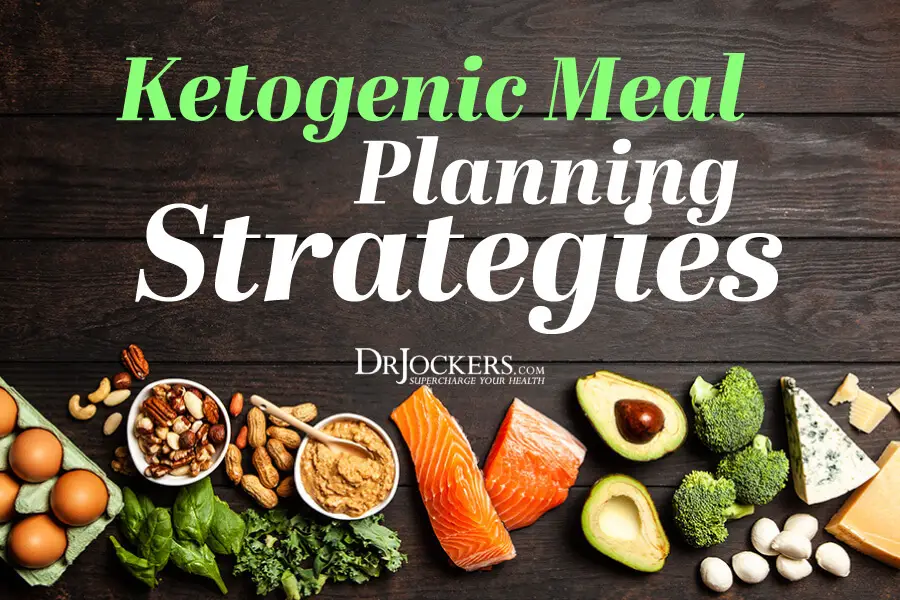
Eating the right foods is crucial for Keto. Fats are your friends, and carbs are not. Fill your plate with avocados, cheese, and fatty meats. Wave goodbye to sugar, bread, and high-carb fruits. Staying Keto-friendly is manageable with the right food choices!
- Enjoy: Meats, leafy greens, above-ground vegetables.
- Relish: High-fat dairy, nuts and seeds, avocados.
- Limit: Berries, if any fruits, but in moderation.
- Avoid Grains, sugar, most fruits, and tubers.
Ketosis Explained
Ketosis, the goal of Keto, is when the body switches from carbs to fat for energy. By slashing carbs, we compel our bodies to tap into fat – an efficient energy source. Achieving ketosis means you’re on track. Monitor your ketone levels and feel the energy soar!
- Measure ketosis: using breath, blood, or urine tests.
- Stay consistent: Keep carbs low to maintain ketosis.
- Watch for signs: Increased energy, reduced appetite, more focus.
Intermittent Fasting Basics
Imagine eating within a set time and fasting for the rest. That’s the core of intermittent fasting, a pattern that alternates between periods of eating and fasting. It’s not about the foods you eat, but when you eat them. This timing strategy has its roots in human history, where food wasn’t always readily available. Today, it aligns with our bodies’ natural hunger cycles, offering potential benefits for weight management and overall health.
Popular Fasting Windows
Various fasting windows cater to different lifestyles. Let’s explore some common ones:
- 16/8 Method: Fast for 16 hours, eat during an 8-hour window.
- 14/10 Method: A gentler option, with 14 hours of fasting and a 10-hour eating period.
- 20/4 Method: Known as the ‘Warrior Diet’, eat within a 4-hour window.
- 5:2 Diet: Eat normally for five days, and restrict calories to 500-600 for two non-consecutive days.
The Science Of Fasting
Fasting triggers a process called autophagy, where cells clean and repair themselves. It reduces insulin levels, causing your body to burn fat for energy rather than glucose. Such a shift can improve metabolic flexibility and efficiency.
Potential Health Benefits
Intermittent fasting isn’t just about weight loss. Here are other potential perks:
- Enhanced brain health
- Lowered risk of type 2 diabetes
- Improved heart health
- Increased longevity
- Reduction in inflammation
Limited Offers for Keto and Paleo-Friendly Baking Mixes perfect for your health-conscious reader list! Get Right Now!!
Combining Keto With Intermittent Fasting
Imagine merging two powerful lifestyle changes into one transformative diet. Combining keto with intermittent fasting might just be the game-changer. This duo works together like superheroes to kickstart your metabolism and blaze through fat. Experience a fresh wave of well-being and watch your body transform.
Starting The Combo Diet
Ready for a health reboot? Merging a ketogenic diet with intermittent fasting requires a strategic start. First, ease into a ketogenic lifestyle. Give your body time to adjust to burning fat for fuel. Once comfortable with keto, introduce fasting intervals. Begin with shorter fasting windows, like 16 hours, gradually extending the time as you adapt.
Meal Planning And Timing
Planning is key. Focus on high-fat, low-carb meals that fit within your eating windows. Use these tips:
- Create a meal schedule that aligns with your fasting period.
- Prep keto-friendly meals to prevent hasty food choices.
- Eat nutrient-dense foods during your eating windows for sustained energy.
Monitoring Your Progress
Keep track of your journey with a simple progress log. Note changes in:
| Aspect | Details |
|---|---|
| Weight | Weekly check-ins |
| Energy Levels | Daily observations |
| Appetite | Adjustments to eating windows |
Remember, consistency brings results. Keep a positive mindset, and embrace the changes to your body and health!
Addressing Challenges And Misconceptions
Ensure to add relevant keywords and meta description for SEO before publishing the introductory Paragraph
Embarking on a Keto Diet combined with Intermittent Fasting can transform your health. Yet, this journey comes with pitfalls and myths. Below, we’ll unveil truths and give tips to tailor this lifestyle to you.
Common Pitfalls
Common Pitfalls
- Ignoring hydration and electrolytes.
- Not balancing the intake of fats, proteins, and carbs.
- Skipping on fiber-rich veggies for a healthy gut.
Busting Diet Myths
Busting Diet Myths
| Myth | Truth |
|---|---|
| Keto and fasting reduce muscle mass. | Proper protein intake and exercise maintain muscles. |
| Fasting leads to starvation. | Fasting is controlled and can boost metabolism. |
| Keto is a no-veggie diet. | Veggies are key for nutrients and fiber on keto. |
Adapting the Diet to Your Lifestyle
Adapting The Diet To Your Lifestyle
- Plan meals around your schedule.
- Choose fasting windows that work for you.
- Mix up foods to keep your diet exciting.
Real-world Success Stories
People worldwide are achieving remarkable weight loss and health gains through the Keto Diet and Intermittent Fasting. Let’s dive into these “Real-World Success Stories”.
Personal Narratives
Countless individuals have turned around their lives with these lifestyle changes. Emma, a school teacher, lost 50 pounds by combining a low-carb Keto diet with 16:8 Intermittent Fasting. She shares:
“The scale victory feels great, but the energy levels are the real win.”
Lessons Learned
John, a software developer, underscores the importance of consistency. Having shed 30 pounds, he advises:
- Meal prep to avoid temptation
- Focus on high-quality foods
- Use apps to track progress
“You don’t change overnight”, he notes. “It’s one choice at a time.”
Motivation And Sustainability
Success stories often highlight motivation tactics. Ava, a personal trainer, integrates Keto and Intermittent Fasting into her daily routine. She keeps herself motivated by:
| Strategy | Benefit |
|---|---|
| Setting Small Goals | Tracks progress |
| Joining Online Communities | Stays engaged |
| Celebrating Milestones | Keeps spirits high |
She states, “Find what excites you about your health journey and cling to it.”
Check Out for Top 4 Offers: Fat Burning Kitchen, 101 Anti-Aging Foods, TruthAboutAbs, etc
Frequently Asked Questions On Keto Diet And Intermittent Fasting
Can Keto Diet Boost Intermittent Fasting Results?
Yes, combining a keto diet with intermittent fasting can enhance results. This synergy pushes the body into ketosis quicker, improving fat burn and metabolic health. It can aid weight management and increase mental clarity.
What Are Common Keto Intermittent Fasting Schedules?
Common schedules include the 16/8 method, eating during an 8-hour window and fasting for 16 hours, or the 5:2 approach, where two days a week calorie intake is significantly reduced. Both are compatible with the keto diet.
Are There Risks To Keto Diet And Intermittent Fasting?
Yes, there can be risks, particularly for those with pre-existing health conditions. Possible side effects include nutrient deficiencies, low blood sugar, and heightened stress levels. It’s important to consult healthcare providers before starting.
How To Start Intermittent Fasting On A Keto Diet?
Start by gradually increasing fasting windows and decreasing eating periods. Focus on high-fat, low-carb keto-friendly foods during eating windows. Stay hydrated and monitor your body’s response to ensure the transition is healthy and sustainable.
Conclusion
Embracing the keto diet alongside intermittent fasting can transform your health journey. By combining these two strategies, you harness a powerful duo for weight management and improved metabolic health. Remember to consult a healthcare professional before starting, and embark on a path to a revitalized you.