Check material, build, weight, and a simple sear test to verify cookware quality.
I have tested pots and pans for years in home kitchens and in stores. I will show you exactly how to test cookware quality before buying. This guide breaks tests into simple checks you can do in-store and at home. Read on and you will buy cookware that lasts and cooks well.
Why testing cookware matters
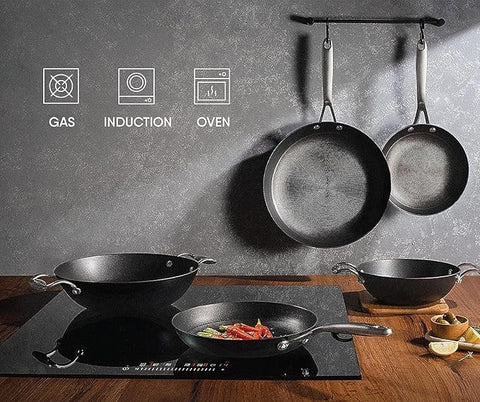
Good cookware saves time and improves meals. Poor cookware can warp, stick, or fail after a few months. Knowing how to test cookware quality before buying helps you avoid returns and wasted money. I draw on hands-on experience and common industry checks to give clear, practical steps.
Quick checklist: how to test cookware quality before buying
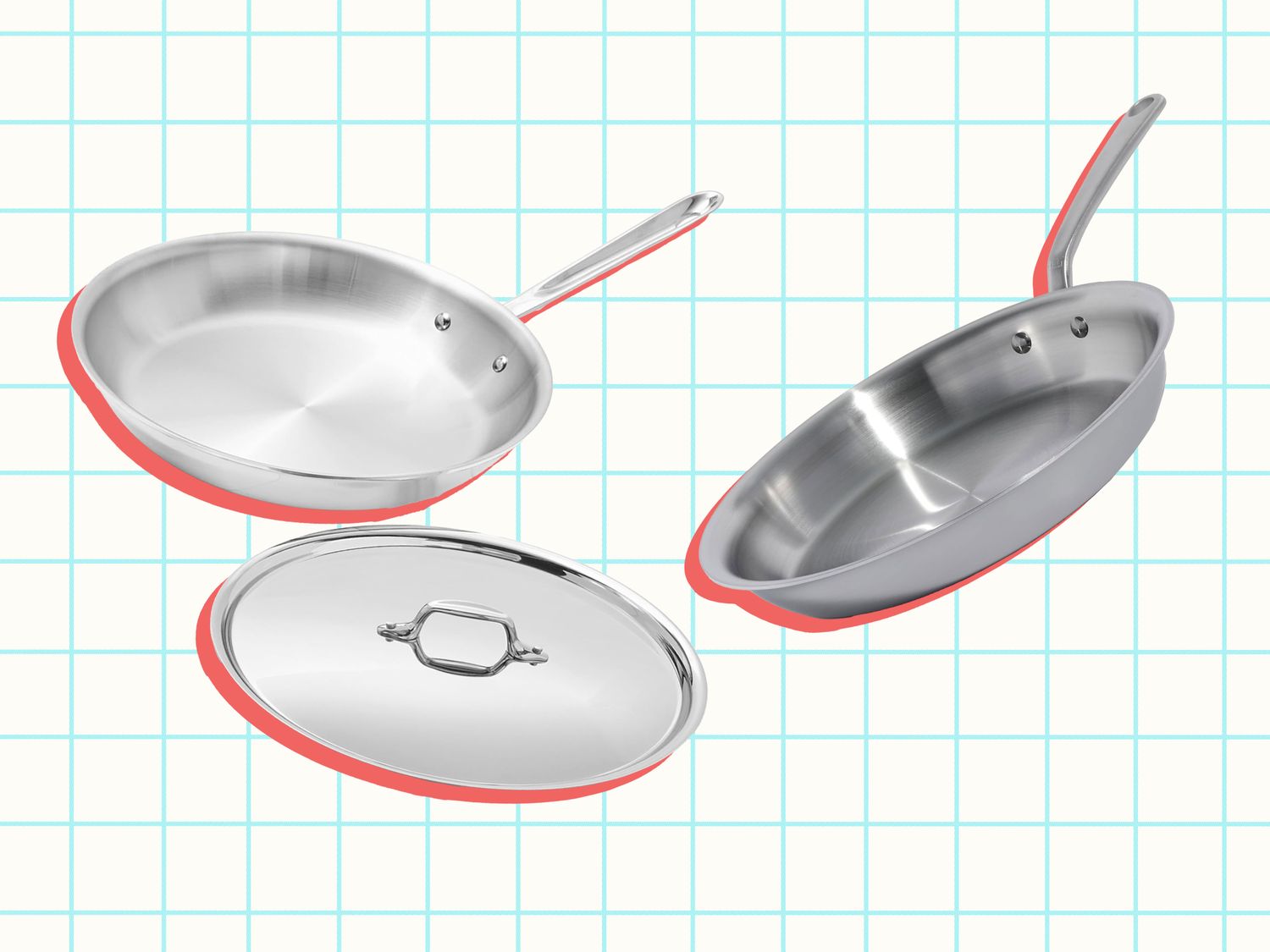
Use this short checklist in stores or when comparing products online. It covers the core tests you can do fast.
- Check the material and layers. Look for stainless, clad, cast iron, copper, or ceramic labels.
- Do the magnet test for stainless steel. A magnet shows if the steel is magnetic and hints at grade.
- Feel the weight. Heavier often means thicker and more stable heat.
- Inspect handles and rivets. Look for tight fittings and solid welds.
- Look for manufacturer stamps and oven-safe markings. These indicate quality control.
- Ask about warranties and return policies. A long warranty signals confidence.
Repeat these checklist steps when you need a quick answer on how to test cookware quality before buying.
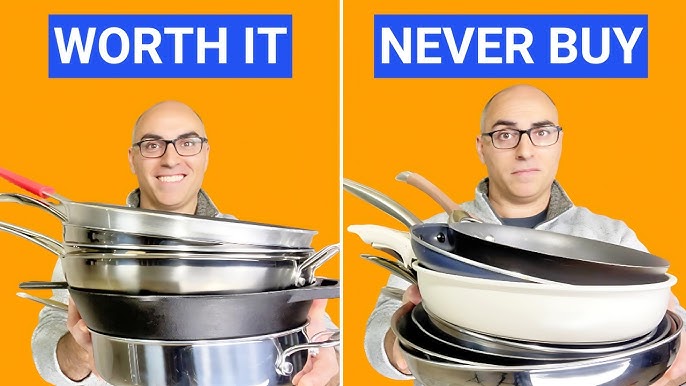
Material and construction tests
Material determines performance and care. Each material has simple tests you can do.
- Stainless steel
- Magnet test: If a magnet sticks to the bottom, you have magnetic stainless. That often means good compatibility with induction.
- Check for layered construction: Clad or tri-ply sides and bases improve heat spread. Look at the rim to see if layers are bonded.
- Cast iron and carbon steel
- Look for thick walls and smooth machining. Thin cast iron chips or warps.
- Check for pre-seasoning quality or factory coating. Poor factory seasoning flakes early.
- Copper
- Inspect for solid copper or copper-clad. Solid copper is expensive but conducts heat best. Clad copper is cheaper but still good.
- Nonstick and ceramic
- Look for even coating and no bubbles or chips. Test edges where coating meets metal for gaps.
When you ask how to test cookware quality before buying, start with material and construction. These factors often decide long-term value and performance.
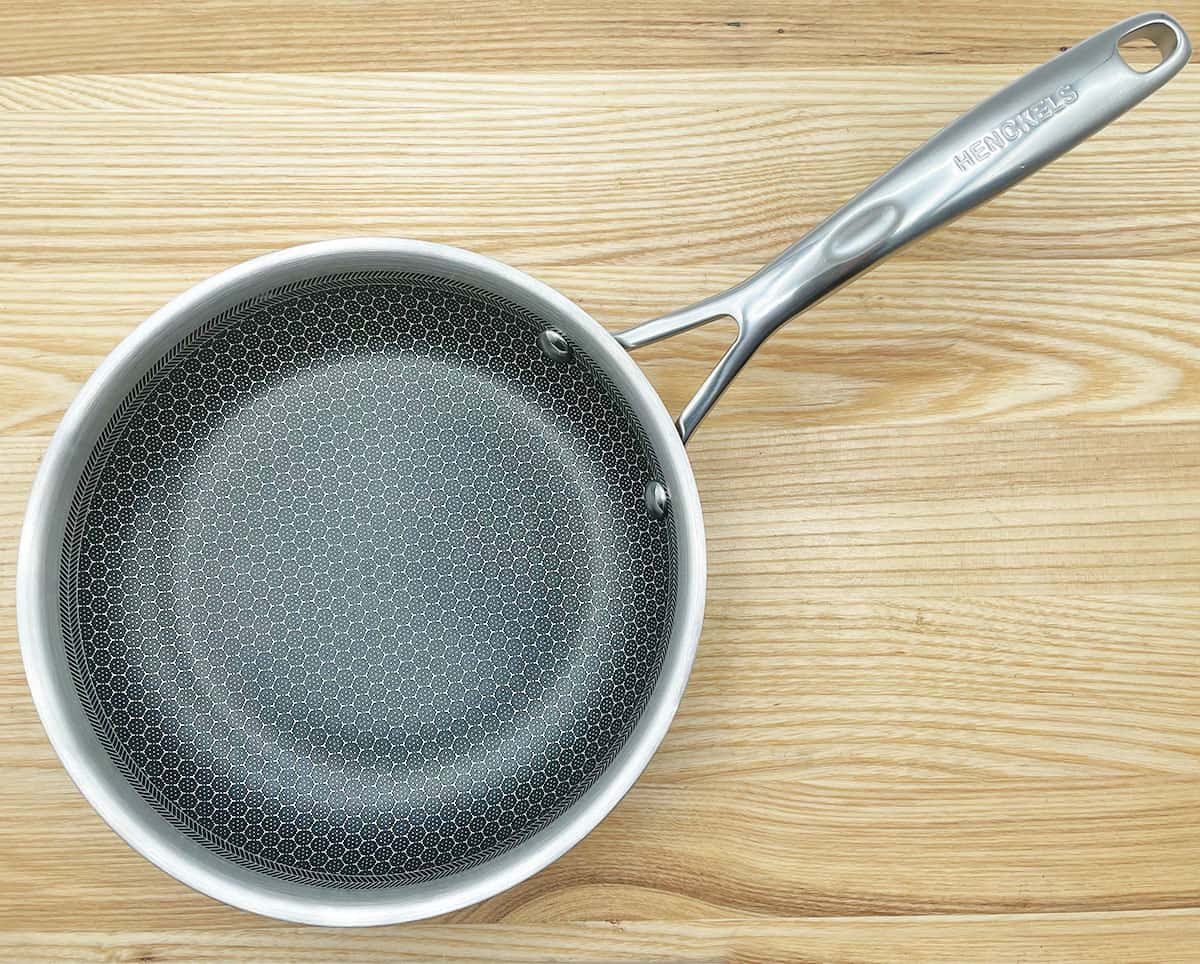
Surface and coating checks
Coatings affect cooking and cleaning. Test surfaces carefully without damaging them.
- Visual inspection
- Look for smooth, uniform coating. Blemishes or uneven color are red flags.
- Adhesion check
- Gently press a fingernail into the edge of a nonstick surface in a discreet spot. It should not flake. Do not scratch widely.
- Safety markings
- Check labels for PFOA-free or PTFE info and oven temperature limits. Reliable makers state limits clearly.
- Nonstick performance test
- Ask to see or try a demo if the store allows. Cook a quick egg or pancake if possible. It shows release and heat response.
Surface issues are central to learning how to test cookware quality before buying, especially for nonstick pans. Choose coatings that match your cooking style.
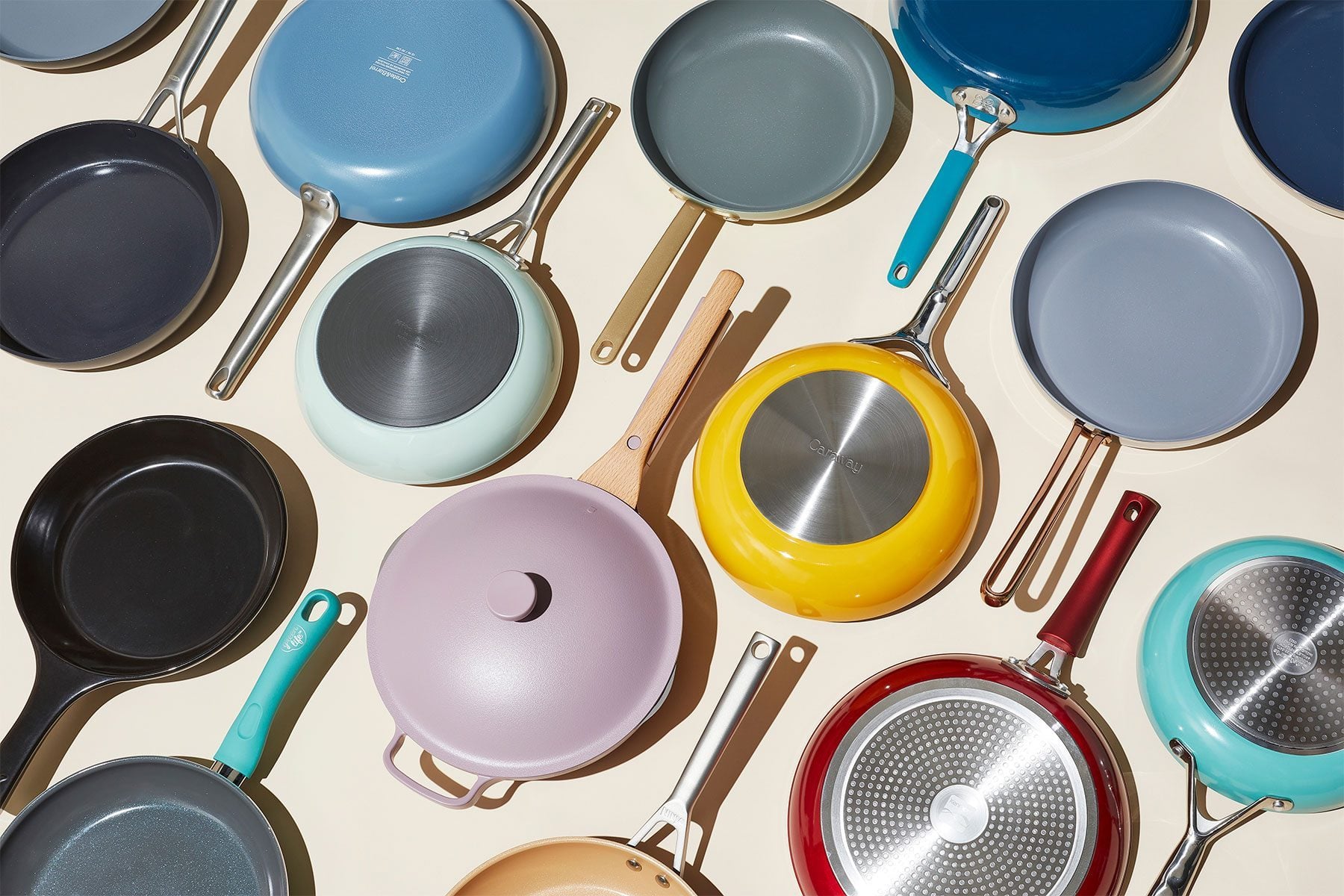
Weight, balance, and handle inspection
Comfort matters as much as performance. Small checks help you pick a pan you’ll enjoy using.
- Lift the pan
- Does it feel solid or flimsy? Heavier pans often have thicker bases.
- Balance test
- Tilt the pan slightly. Does it wobble on the base? A flat base should sit flush on the cooktop.
- Handle fit and feel
- Wiggle the handle. It should not move. Check for solid rivets or seamless welds.
- Heatproof design
- See if the handle has cool-touch material or metal that stays cool longer. Confirm oven-safe temps.
These checks show you how to test cookware quality before buying for comfort and safety. A pan you hate to lift will sit unused no matter how good it cooks.
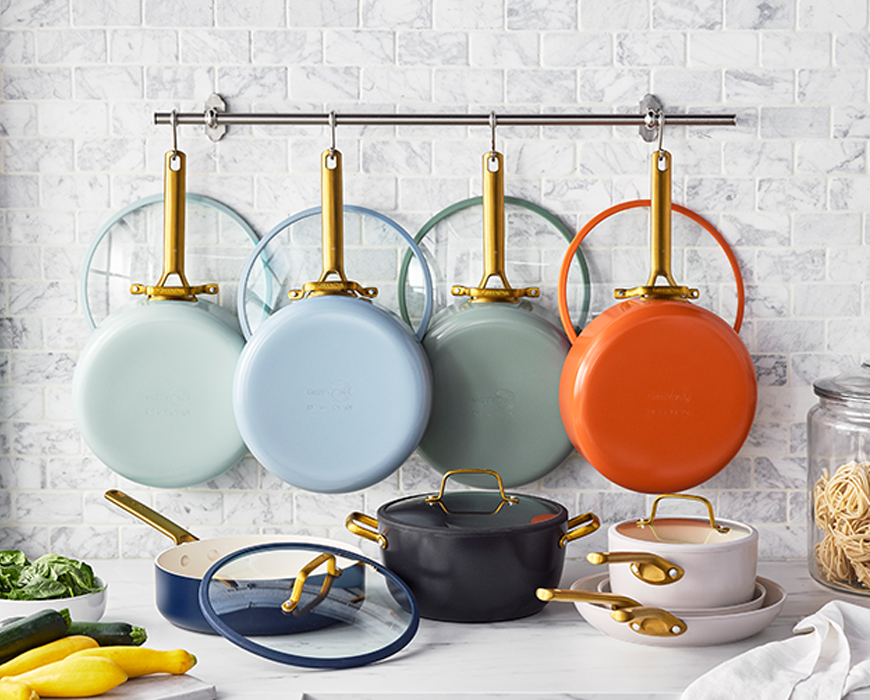
Performance tests: simple cook trials
Real cooking tests reveal heat distribution and nonstick behavior. Try these at home or during store demos.
- Water boiling test
- Bring a thin film of water to a boil. Watch how bubbles form. Even bubbling means even heat.
- Sear test
- Heat the pan, add a small piece of meat or a cut of vegetable. A good pan gives a quick, even sear with little sticking.
- Egg test
- Fry one egg with no oil on nonstick or with light oil on seasoned cast iron. Easy release shows good surface performance.
- Simmer and sauce test
- Simmer water or sauce and watch for hot spots or burning. Watch edges and center for consistent simmer.
Use these tests to answer how to test cookware quality before buying for real-life cooking, not just specs. I learned this the hard way after buying a shiny pan that burned sauces in spots. These tests prevent that regret.

Durability, warranty, and long-term value
Quality includes how a product ages. Check warranty fine print and manufacturer reputation.
- Warranty details
- Look for coverage on warping, delamination, and coating failure. Full warranties are better.
- Consumer reports and tests
- Industry tests and long-term reviews show how cookware holds up. Look for sustained performance over months.
- Maintenance needs
- Stainless and cast iron need different care. Be honest about how much upkeep you will do.
- Replacement parts and customer service
- Check if handles, lids, or replacement pieces are available. Good service boosts long-term value.
Understanding warranty and care helps you decide how to test cookware quality before buying with future use in mind.
Common red flags and sales traps
Sellers use trends and buzzwords to hide low quality. Watch for these issues.
- Too-good-to-be-true prices for claimed premium materials.
- Vague material claims like "stainless-like" without grade info.
- No oven temperature listed or missing care instructions.
- Heavy marketing for coating without mentioning durability tests.
- No warranty or only short, limited coverage.
Spotting these red flags helps you avoid bad buys and teaches you how to test cookware quality before buying with skepticism and care.
Buying guide by cookware type
Different pans need different tests. Use specific checks for each type.
- Stainless steel
- Look for tri-ply or multi-clad and a heavy base. Magnet and rim inspection matter.
- Cast iron and carbon steel
- Check thickness, machining, and factory seasoning. Look for even surface texture.
- Nonstick
- Inspect coating uniformity and test a gentle release with an egg. Ask about maximum heat rating.
- Copper
- Verify whether it is solid copper or copper-clad. Check lining (tin or stainless) and solder joints.
- Ceramic-coated
- Look for even glaze and scratch resistance. Test edges for chipping.
These focused checks teach you how to test cookware quality before buying for the specific material you need.
Personal tips from my experience
I have bought and tested dozens of pans over the years. Here are lessons I still use.
- Never buy just on looks. I once chose a shiny pan that warped in two months. Now I test for flatness.
- Try a real cooking test at home when possible. Small eggs and sears reveal big differences.
- Pay a little more for a trusted warranty. It saved me twice when coatings failed.
- Match the pan to your cooking habits. I cook a lot of searing, so I prefer heavy stainless and cast iron.
- Keep receipts and take photos of issues early. That makes warranty claims easier.
These personal notes show practical ways to test cookware quality before buying and to avoid common mistakes.
Frequently Asked Questions of how to test cookware quality before buying
How can I tell if stainless steel cookware is high quality?
High-quality stainless cookware usually has multi-ply construction and a stamped grade or brand. A magnet test can reveal the alloy and compatibility with induction.
Does weight always mean better cookware?
Weight often means thicker metal and better heat stability, but not always. Very heavy pans can be hard to handle, so balance weight with comfort.
How do I test nonstick coating without damaging it?
Perform a gentle visual inspection and a light fingernail test at the edge if allowed. Prefer store demos or short home tests like an egg test rather than scratching.
Can I check for warping in the store?
Yes. Set the pan on a flat surface and look for gaps or wobble. A flat base sits evenly and does not rock.
What warranties should I look for?
Look for warranties that cover warping, delamination, and coating failure for multiple years. A clear, long warranty often signals better manufacturing standards.
Is induction compatibility easy to test?
Yes. Use a magnet on the base. If the magnet sticks, the cookware is likely induction-compatible.
Final thoughts
Testing cookware before you buy saves money and frustration. Use simple checks for material, construction, surface, weight, and performance. Try a water boil, sear, or egg test when you can. Trust warranties and clear maker information. Start small: pick one pan and apply these tests to learn what you like. Share your experiences, ask questions, or subscribe for more buying tips.