Ceramic is generally safer for health, while Teflon excels at long-lasting nonstick performance.
I’ve tested pans, read studies, and repaired scratched cookware. I’ll walk you through ceramic vs teflon cookware which is better based on safety, cooking results, durability, maintenance, cost, and real-world use. Read on to learn which coating fits your cooking style and how to get the best performance from whichever you choose.
How ceramic and Teflon coatings work
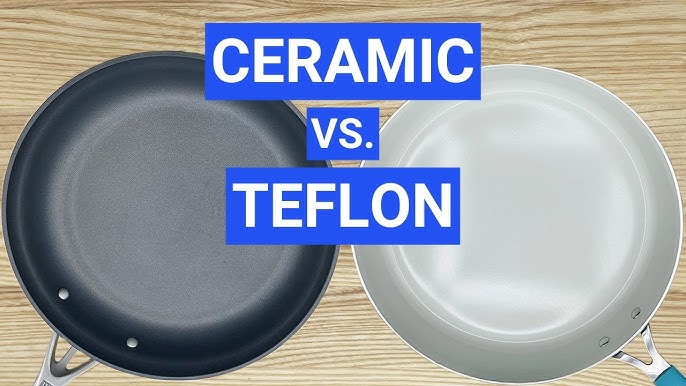
Ceramic coatings are usually a silica-based layer bonded over metal. They create a hard, smooth surface that resists sticking when new. Ceramic nonstick is often marketed as PTFE-free.
Teflon is a brand name for polytetrafluoroethylene, or PTFE. It forms a slick, low-friction surface that food slides off easily. Modern Teflon coatings are multi-layered for durability.
Quick questions people ask:
How long do coatings last?
Lifespan depends on heat, utensils, and care. Teflon often lasts longer under normal kitchen use.
Do coatings need seasoning?
No. Both ceramic and Teflon are ready to use out of the box, though light oiling improves performance.
Can I use metal utensils?
Avoid metal on both. Ceramic is less tolerant, but repeated metal use damages either coating quickly.
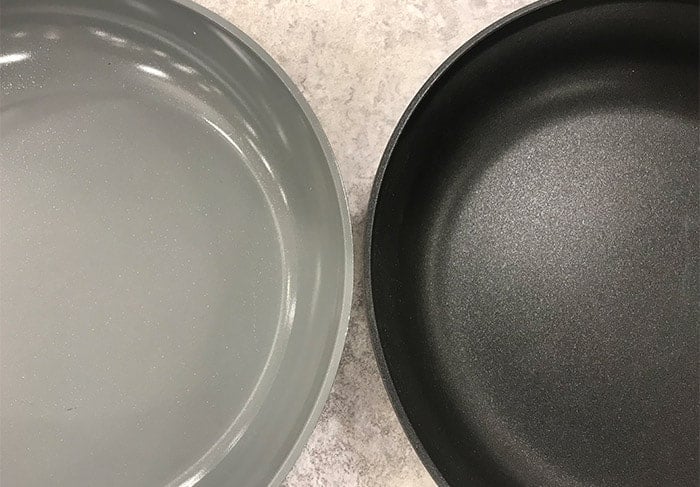
Pros and cons of ceramic cookware
Pros:
- Health-focused marketing: No PTFE or PFOA in many ceramic lines.
- Good initial nonstick: Works well for low- to medium-heat cooking.
- Clean look: Bright colors and glossy surfaces fit modern kitchens.
Cons:
- Durability: Ceramic coating wears down faster than Teflon.
- Heat sensitivity: High heat can degrade the coating and reduce nonstick ability.
- Price vs lifespan: Some ceramic pans cost as much as Teflon but last less.
Personal note: I once used a ceramic pan daily for eggs and noticed stickiness after about six months. Light oiling helped but did not fully restore the initial release.
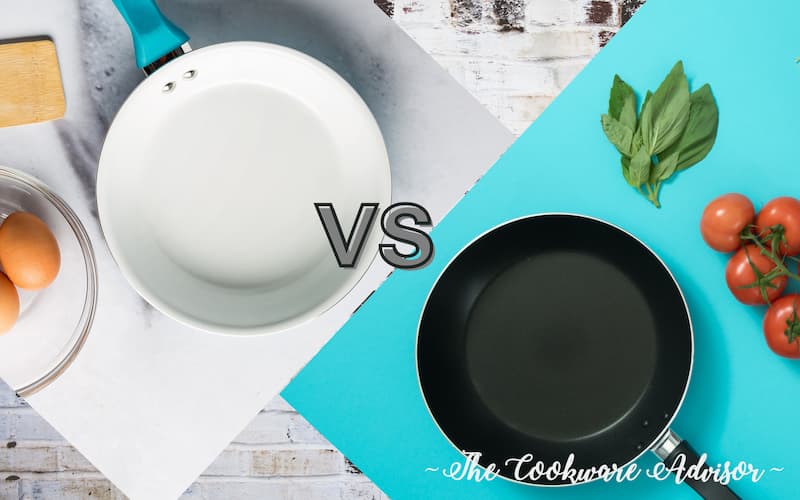
Pros and cons of Teflon (PTFE) cookware
Pros:
- Excellent nonstick release: Ideal for eggs, crepes, and sticky sauces.
- Longevity: High-quality Teflon coatings can last several years with proper care.
- Lower oil needed: You can cook with very little fat, which helps low-calorie cooking.
Cons:
- Heat limits: PTFE breaks down at very high heat and should not be overheated.
- Misconceptions: Past concerns about PFOA are largely resolved, but confusion remains.
- Scratching: Old or thin coatings can peel if abused with metal utensils.
Personal note: My best-performing nonstick pan for everyday cooking was Teflon. It released food consistently for over three years with careful use.
Safety and health considerations
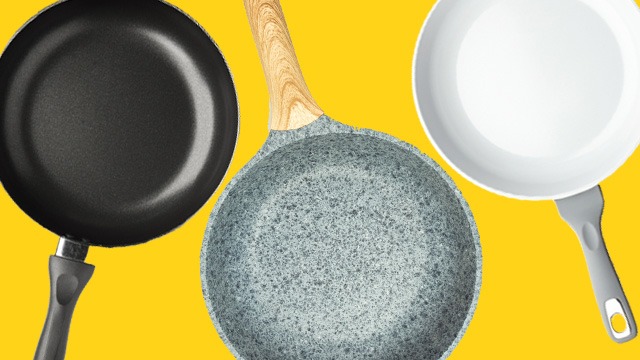
Ceramic vs teflon cookware which is better for safety depends on how you use them. Ceramic markets itself as chemical-free, which appeals to many buyers. However, “ceramic” covers many formulations, and not all are equally durable.
Teflon is safe when used properly. Keep heat below manufacturer limits. Avoid overheating empty pans. If Teflon peels and flakes, stop using the pan.
Practical safety tips:
- Use medium or low heat with either coating.
- Replace pans when coating shows scratches, chips, or flaking.
- Ventilate the kitchen if a pan overheats to avoid fumes.
Performance and everyday cooking results
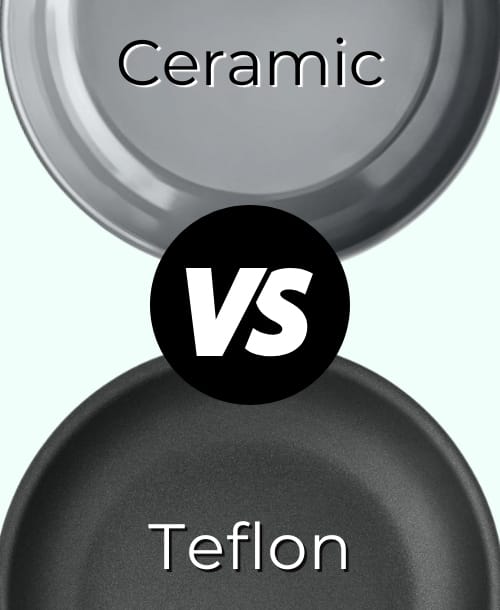
Teflon wins for routine nonstick reliability. Eggs, pancakes, and fish are easiest in Teflon pans. Ceramic is fine for low-heat tasks and looks better on the countertop.
Heat distribution matters too. A heavy aluminum or hard-anodized base helps both coatings perform. Thin cookware with either coating will cook unevenly.
Cooking tips:
- Preheat gently on low to medium heat.
- Add oil or butter for best flavor and additional release.
- Use wooden or silicone tools to protect the coating.
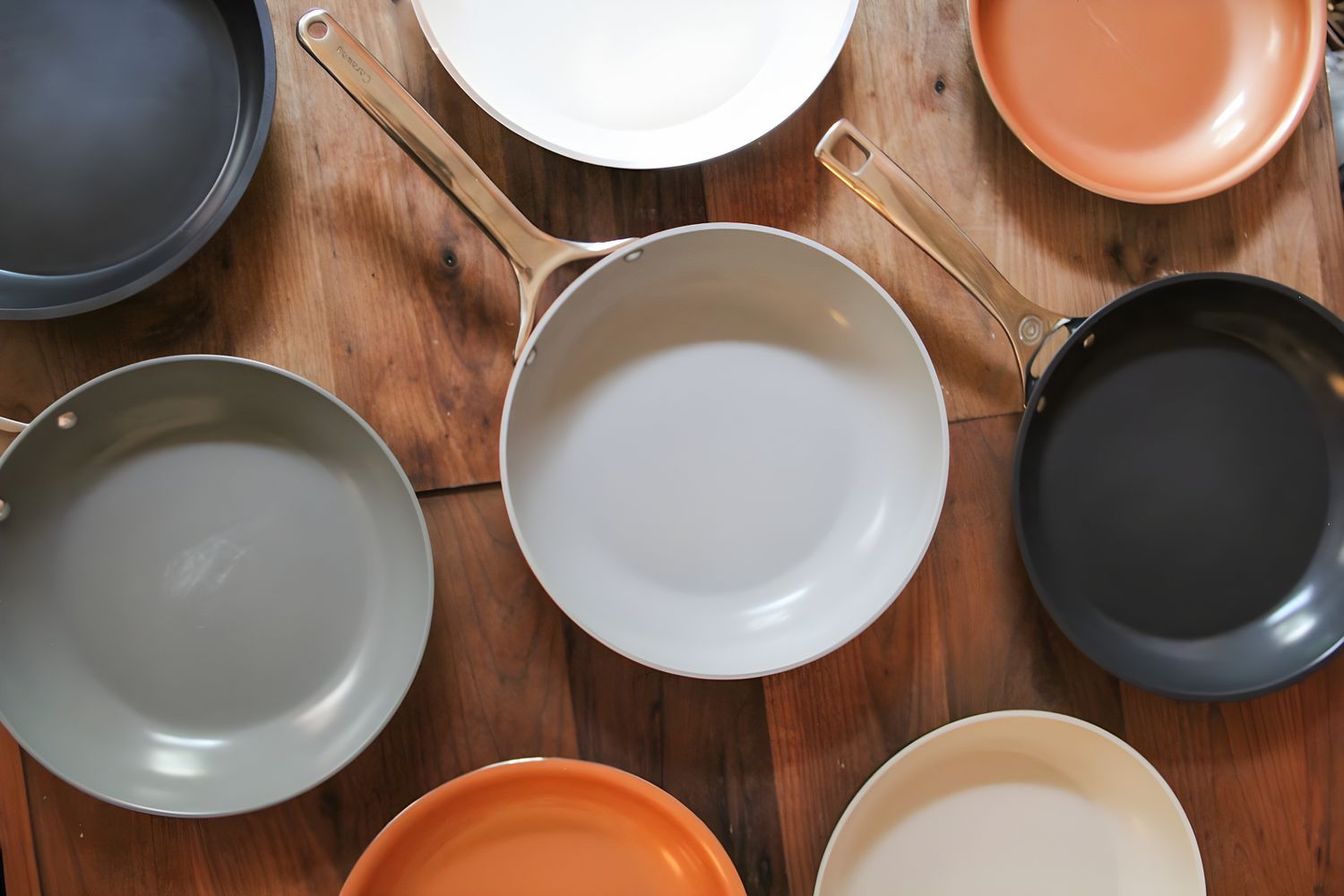
Durability and maintenance
Teflon typically lasts longer if you follow care rules. Ceramic often loses nonstick properties sooner, especially with high heat or abrasive cleaning.
Maintenance checklist:
- Hand wash both types when possible to extend life.
- Avoid harsh scrubbing pads on ceramic surfaces.
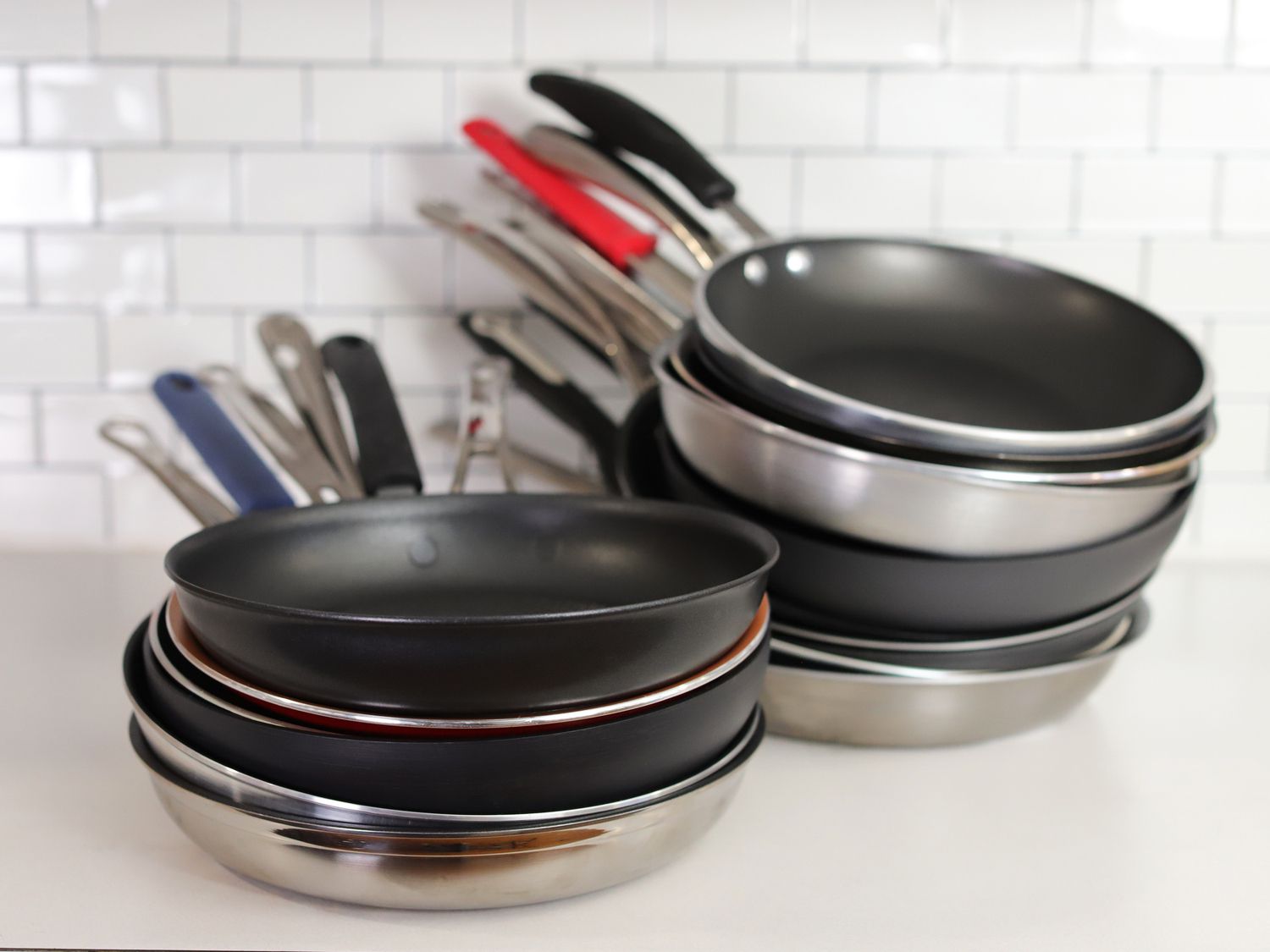
- Store pans carefully to prevent scratches.
From my testing, pans stored with protective liners or cloth between them stayed usable far longer.
Cost, value, and warranty
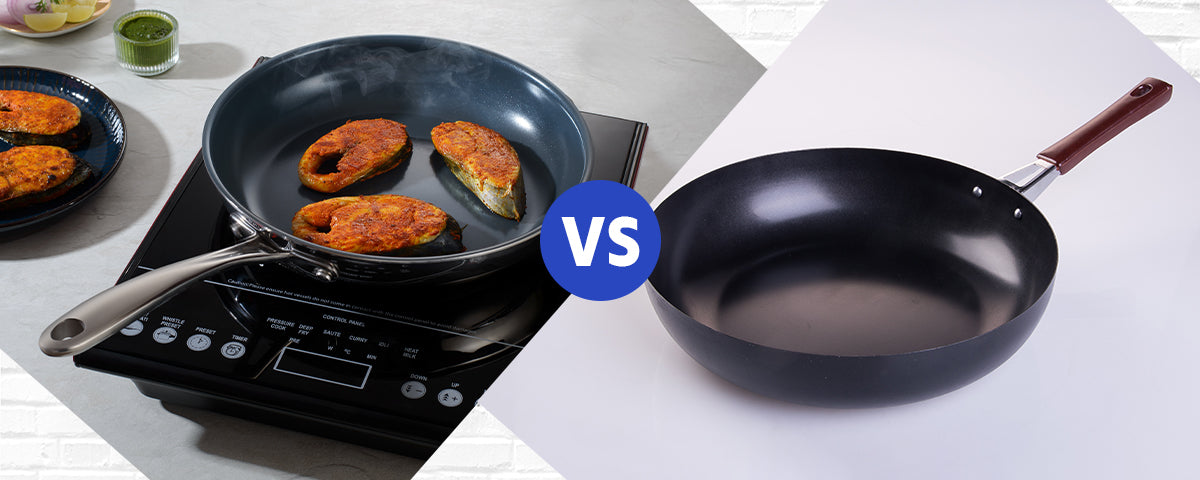
Price ranges vary widely. Entry-level ceramic and Teflon are similar in cost. Premium Teflon pans with multi-layer coatings can be pricier but often offer longer warranties.
Value considerations:
- Look at warranty length and terms.
- Consider frequency of use; heavy users benefit from higher-end Teflon.
- For occasional cooks, ceramic can be a good short-term value.
Environmental impact and manufacturing
Ceramic coatings are often marketed as eco-friendly. But manufacturing, resource use, and lifespan matter. Short-lived ceramic pans may create more waste.
Teflon production has improved since older PFOA concerns. Still, manufacturing involves fluorinated compounds. Choose brands that disclose manufacturing practices and recycling options.
How to choose: a simple decision guide
Consider these questions to decide which is better for you:
- Do you cook daily and want long-lasting release? Choose Teflon.
- Do you prefer a PTFE-free option and cook mostly low-heat meals? Choose ceramic.
- Are you budget-conscious and cook lightly? Ceramic may be fine.
- Do you need a pan for high-heat searing? Neither coating is ideal; use stainless steel or cast iron.
My rule of thumb: pick the pan that matches your main cooking routine, not the trend. If you only cook eggs and pancakes, Teflon serves best. If you mainly simmer or steam, ceramic may be enough.
Personal experience, tips, and mistakes to avoid
What I learned:
- Avoid high heat with both coatings. It shortens life.
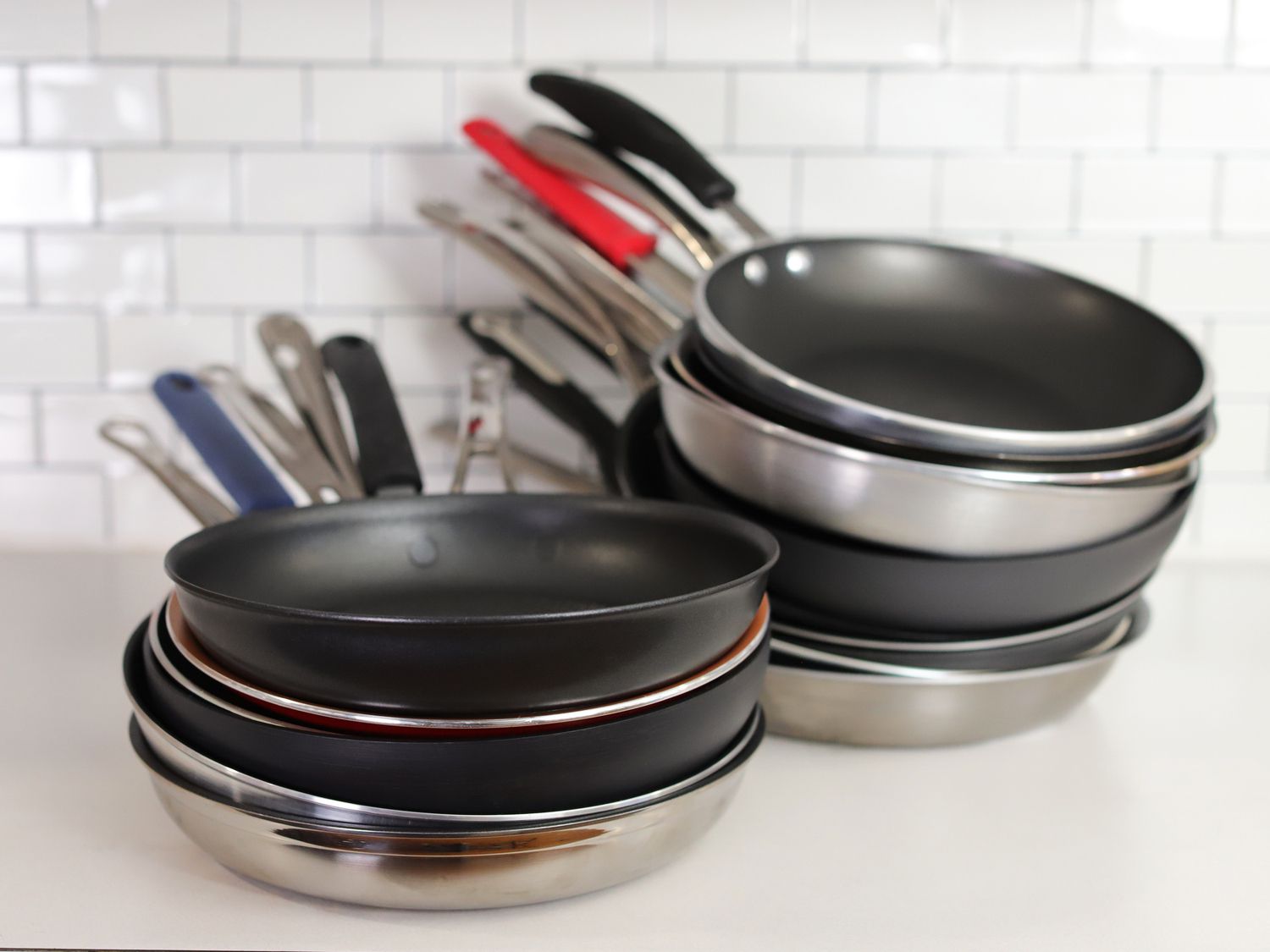
- Never store pans stacked without protection. Scratches add up fast.
- Buy better-quality base materials; coating quality alone won't save a thin pan.
Mistakes to avoid:
- Using metal spatulas on a new nonstick pan.
- Putting a hot nonstick pan into cold water. Thermal shock damages coating.
- Expecting ceramic to perform like Teflon after months of use.
PAA-style user questions (short answers)
Is ceramic safer than Teflon?
Ceramic is marketed as PTFE-free, which appeals to safety-minded cooks. Teflon is safe when used below high temperatures and without damage to the coating.
How long does Teflon last compared to ceramic?
High-quality Teflon can last several years with care. Ceramic often starts losing nonstick power within months of heavy use.
Can I use metal utensils on ceramic or Teflon?
No. Both coatings are best preserved with wooden, silicone, or nylon utensils.
Frequently Asked Questions of ceramic vs teflon cookware which is better
Is ceramic or Teflon better for omelets?
Teflon is better for omelets because it releases eggs more reliably and needs less oil.
Can Teflon release toxic fumes?
Teflon can release fumes if overheated well above normal cooking temperatures. Use moderate heat to avoid this risk.
Do ceramic pans contain harmful chemicals?
Most ceramic coatings are free of PTFE and PFOA, but quality and formulation vary. Check manufacturer details.
How do I know when to replace a nonstick pan?
Replace when the coating is scratched, flaking, or food consistently sticks despite proper care.
Which pan saves more oil or butter?
Teflon saves more oil because it provides superior nonstick release at low amounts of fat.
Are there hybrid options between ceramic and Teflon?
Yes. Some manufacturers offer reinforced ceramic or PTFE blends to balance durability and safety claims.
Conclusion
Both ceramic and Teflon have clear strengths. Ceramic appeals to those seeking PTFE-free options and lighter use. Teflon excels for consistent nonstick performance and longer life under daily use. Match your choice to your cooking habits, care routines, and priorities. Try one pan, test it for a few months, and upgrade based on real use. Leave a comment with your experience, subscribe for more buying guides, or try both types to see which suits your kitchen best.