Enameled cast iron Dutch ovens are the best cookware for soups and stews for most home cooks.
I’ve spent over a decade cooking, testing pots, and teaching others how to make rich soups and hearty stews. In this guide I’ll explain why certain materials and shapes work best, how to choose the best cookware for soups and stews for your kitchen, and which pieces I recommend from real-world use. Read on for clear, hands-on advice you can apply today.
Why the right cookware matters for soups and stews
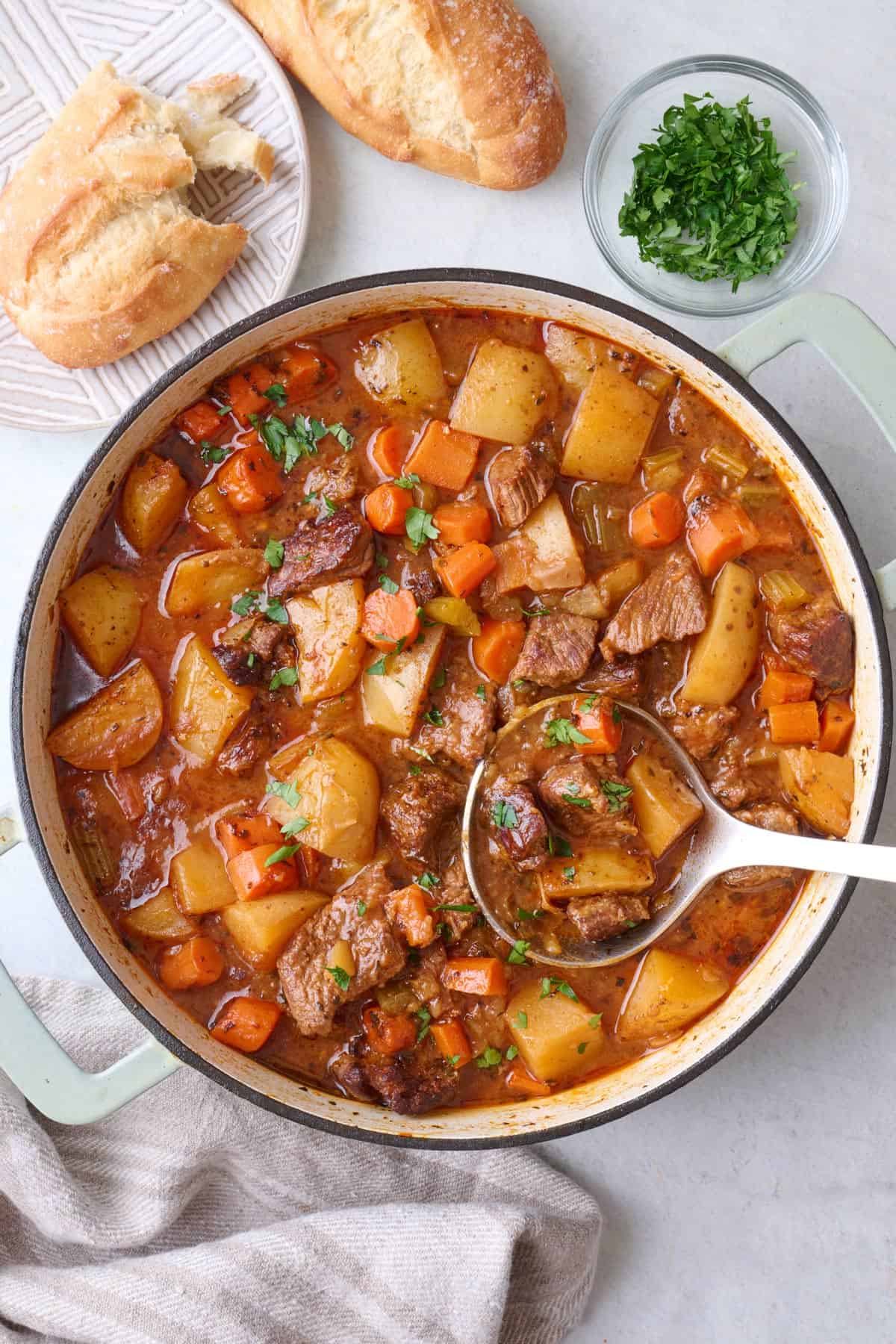
The right pot shapes heat, retains temperature, and lets flavors build slowly. A good pot will brown ingredients, hold steady simmering heat, and release heat evenly to prevent scorching. Using the best cookware for soups and stews improves texture, deepens flavor, and saves time.
A few quick reasons to prioritize the best cookware for soups and stews:
- Even heat distribution prevents hot spots and burnt broth.
- Tight lids trap steam and concentrate flavors.
- Thick walls and weight help maintain a steady simmer for hours.
- Durable materials handle acidic tomatoes, long cooking, and regular use.
Choosing suitable cookware reduces frustration and helps you make better soups and stews faster.
Top cookware types for soups and stews
Different pots excel for different styles. I list materials and explain why they matter when choosing the best cookware for soups and stews.
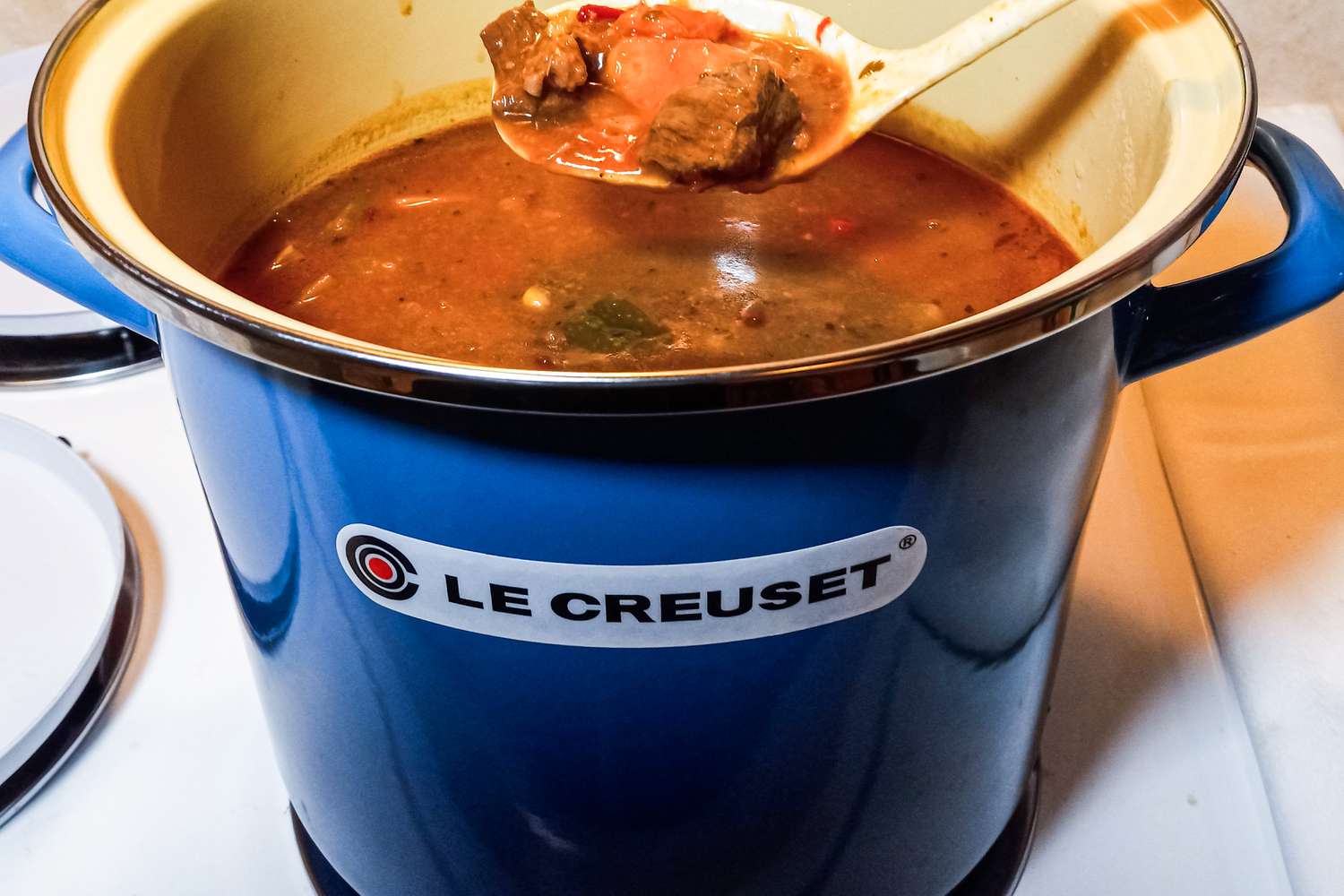
Enameled cast iron Dutch oven
- Strengths: Excellent heat retention and distribution. Great for braising, long simmering, and one-pot stews.
- Best use: Long-simmered stews, braises, and soups that start on stovetop and finish in oven.
Bare cast iron
- Strengths: Superb heat retention and durability.
- Limitations: Reactive with acidic foods unless well-seasoned; heavier than enameled.
- Best use: Rustic stews and deep browning before adding liquid.
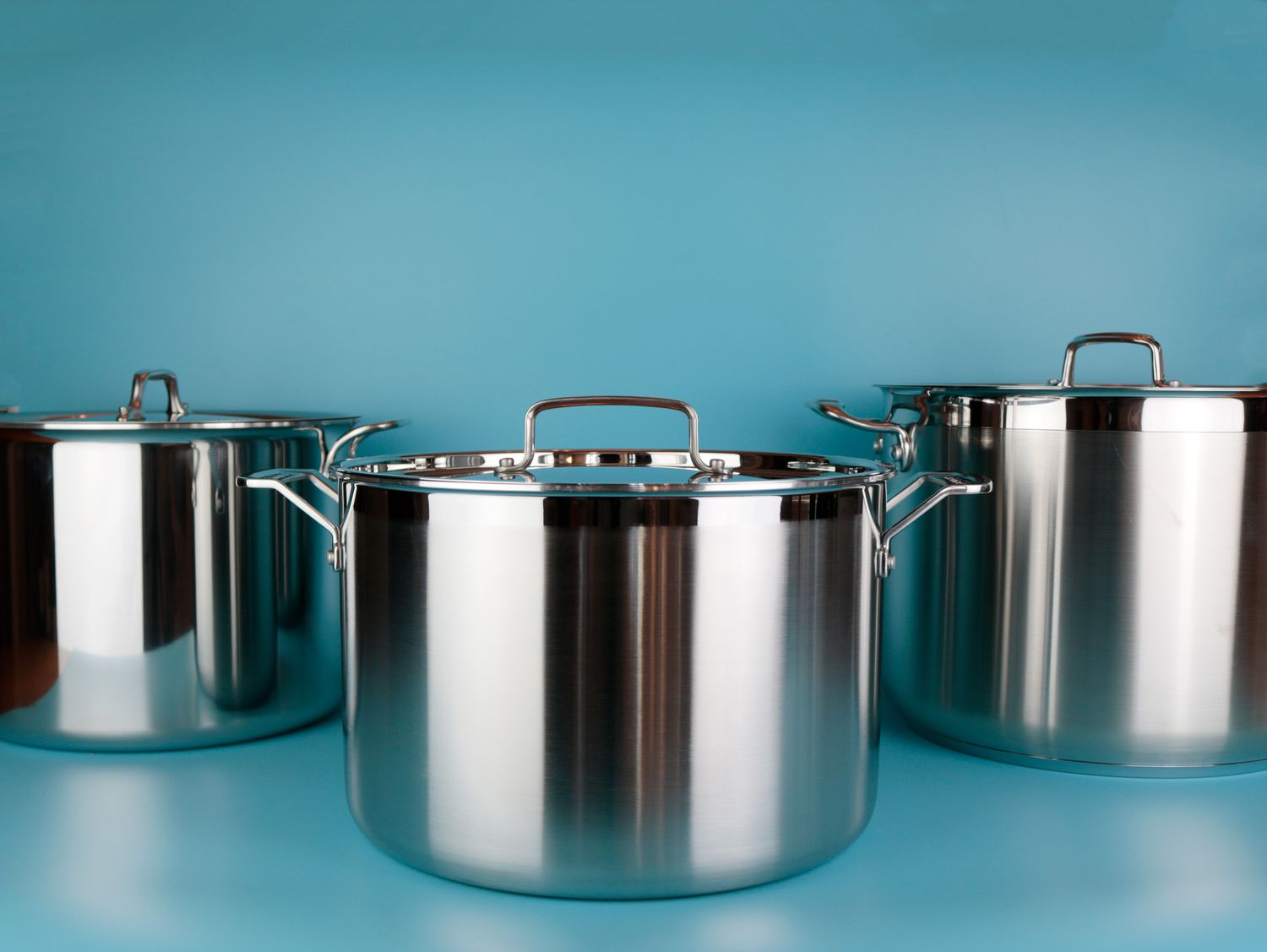
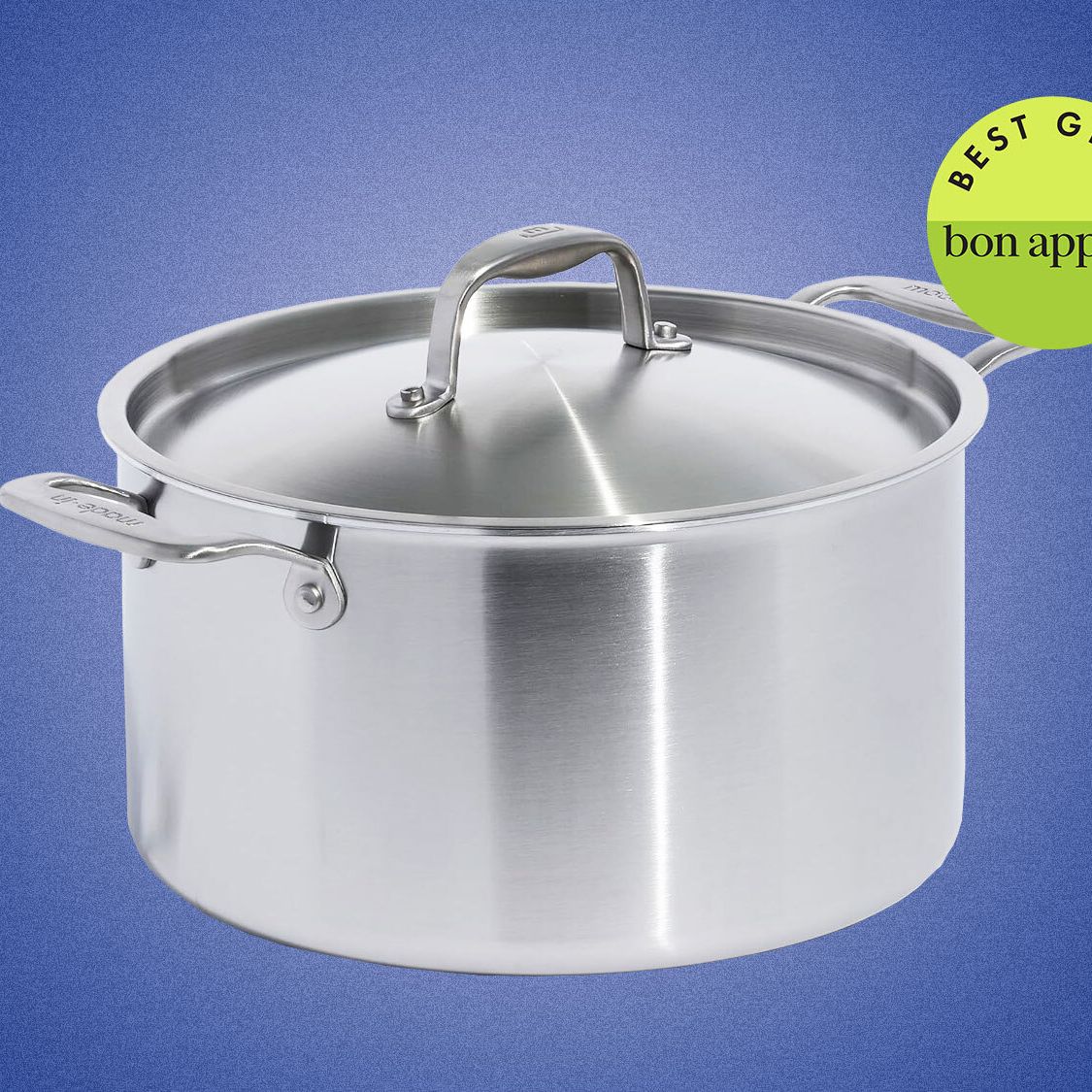
Stainless steel stockpot with an aluminum or copper core
- Strengths: Nonreactive, durable, and often lighter than cast iron. Good for clear broths and large batches.
- Best use: Making stock, clear soups, and large family stews.
Heavy-gauge aluminum pots
- Strengths: Fast, even heating and light weight.
- Limitations: Can react with acidic food unless anodized.
- Best use: Everyday soup cooking when you need fast, even heat.
Nonstick pots
- Strengths: Easy cleanup and low-fat cooking.
- Limitations: Not ideal for high-heat browning; coatings can wear.
- Best use: Gentle soups or reheating stews.
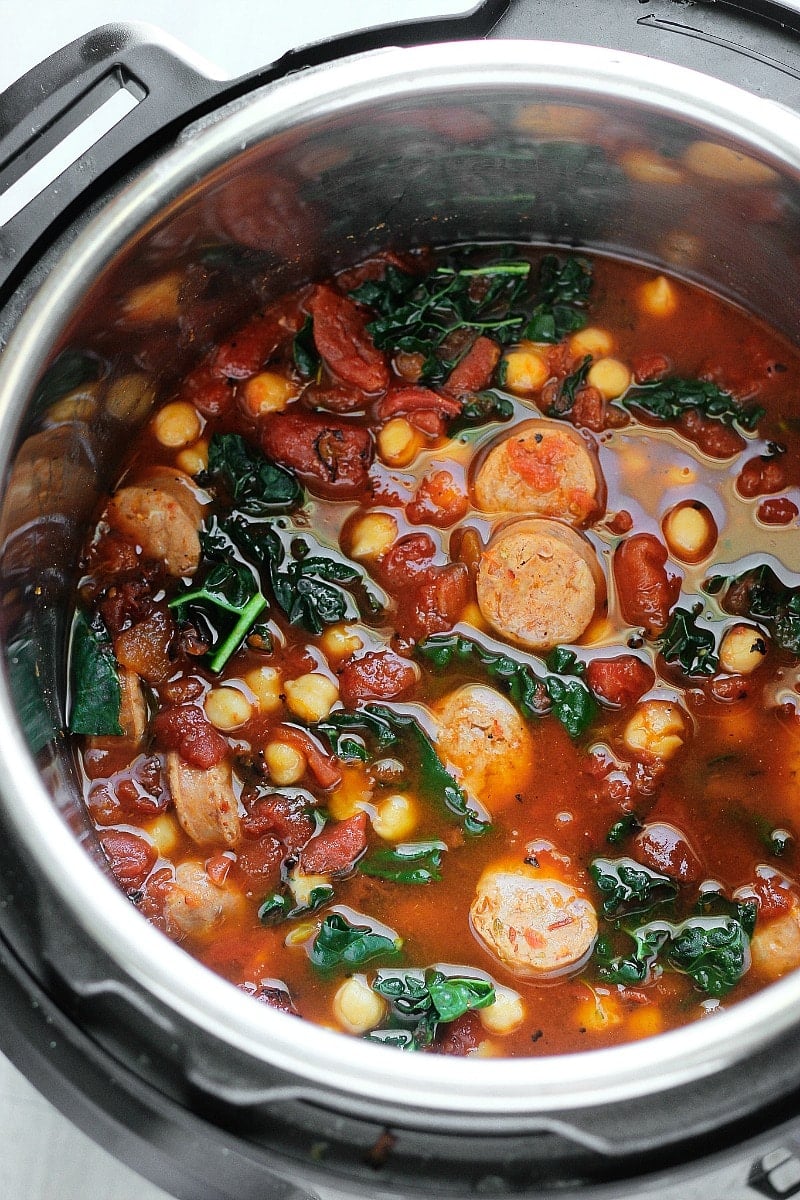
Multi-cookers and slow cookers
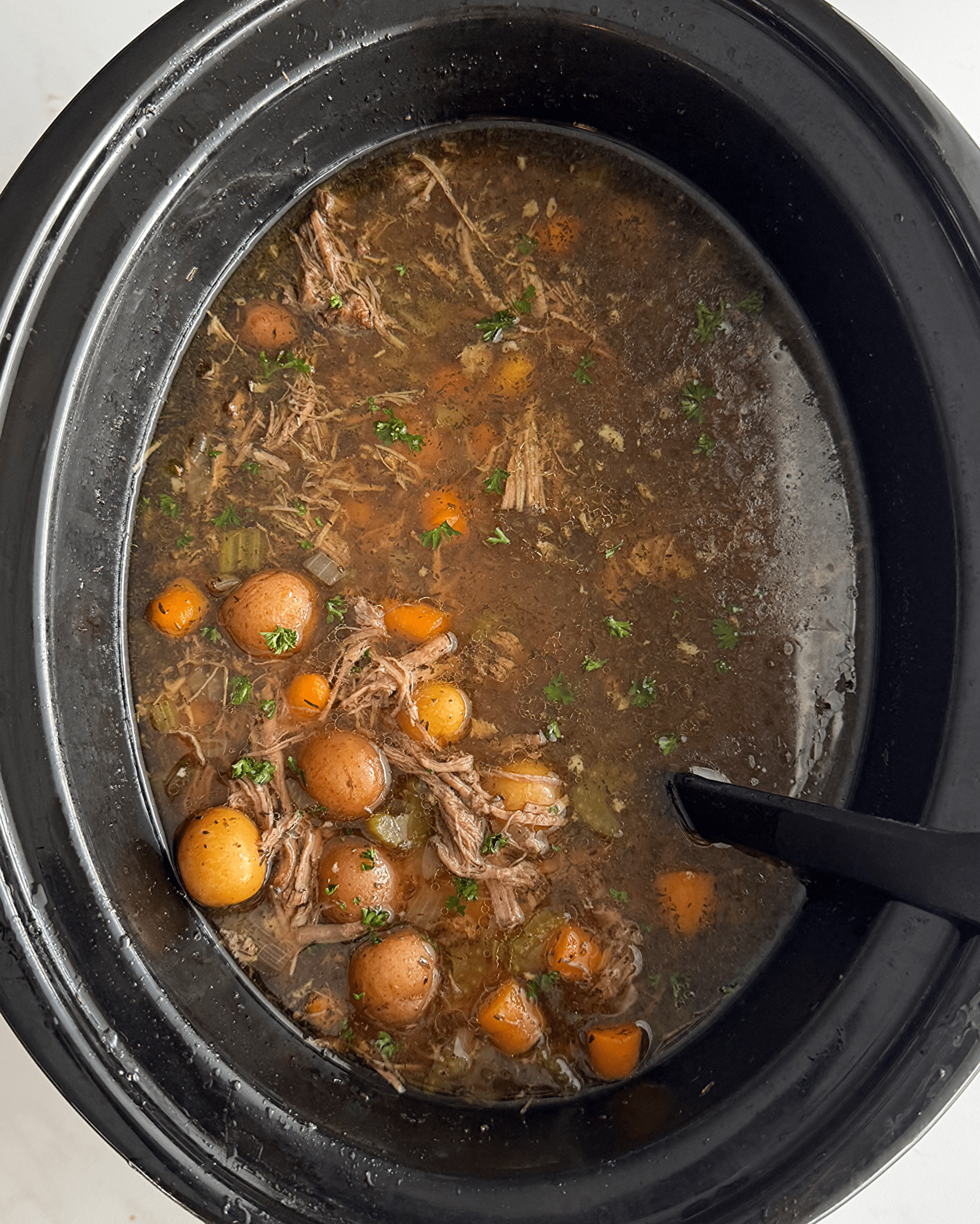
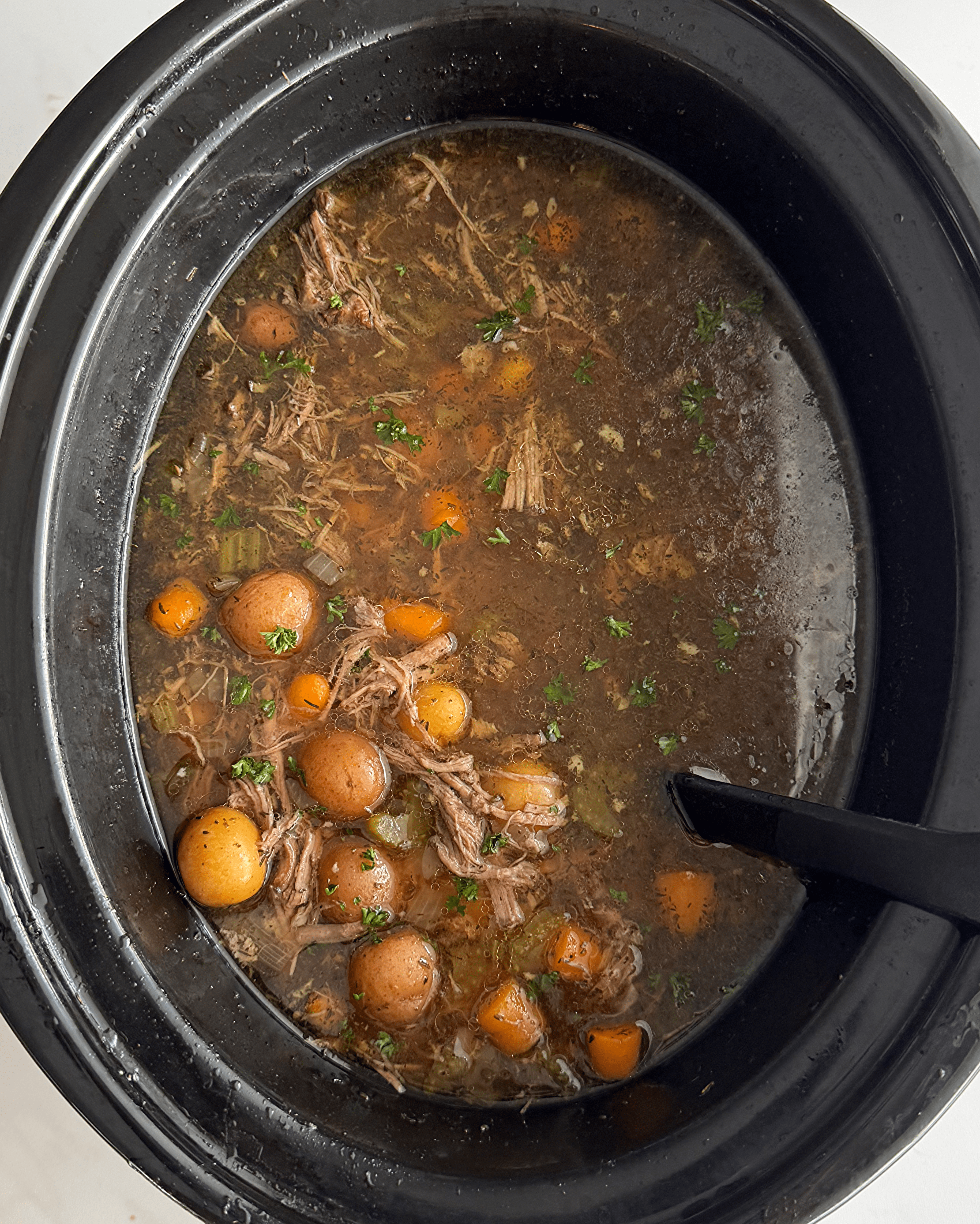
- Strengths: Excellent for unattended, low-and-slow cooking; great for weeknight stews.
- Limitations: Less control over browning; texture differs from stovetop braising.
- Best use: Set-and-forget soups and tender meat stews.
Pressure cookers and electric pressure cookers
- Strengths: Fast, tender results in a fraction of the time; great for beans and tougher cuts.
- Limitations: Less evaporation, different flavor concentration.
- Best use: Quick stews, bone broths, and beans.
Each of these choices can be the best cookware for soups and stews depending on your cooking style and needs.
How to choose the best cookware for soups and stews: factors to weigh
When picking cookware, think about size, material, lid fit, and kitchen habits. Here’s a checklist I use for every purchase.
Capacity and shape
- Pick a pot that fits your usual batch size. A 5- to 7-quart Dutch oven suits most families.
- Tall stockpots work best for large volumes and long-boned stock.
Material and heat behavior
- For slow, flavor-building cooking choose materials with high heat retention like enameled cast iron.
- For quick heating and lighter weight choose aluminum or anodized aluminum.
Lid quality
- Tight-fitting lids reduce evaporation and concentrate flavors. Look for lids with a snug lip or gasket.
Durability and maintenance
- Decide if you want low-maintenance nonstick or if you don’t mind seasoning and careful cleaning for cast iron.
- Enameled surfaces are easier to clean than raw cast iron.
Stovetop compatibility
- Confirm compatibility with your stove (induction vs gas vs electric). Many stainless and cast iron pots are induction-ready.
Budget and longevity
- Investing in the best cookware for soups and stews often pays off. A quality Dutch oven can last decades.
Portability and storage
- Consider weight and whether you’ll store the pot on the stove or in a cabinet.
PAA-style questions
What size pot do I need for family soups?
- A 5- to 7-quart pot handles most family meals. For large batches or bone broth, choose 8 quarts or more.
Is an enameled Dutch oven necessary?
- Not necessary, but it’s very versatile. It combines browning, simmering, and oven use in one pot.
How does material change flavor?
- Materials control heat and evaporation. Pots that retain heat let flavors meld slowly, creating deeper-tasting soups and stews.

Source: bonappetit.com
Care and maintenance tips to keep cookware performing
Taking care of your cookware extends life and keeps flavors clean.
Enameled cast iron
- Clean gently with warm, soapy water. Avoid metal scouring pads to prevent chipping.
- Remove stubborn stains with baking soda paste.
Bare cast iron
- Dry fully and apply a thin oil layer after washing to maintain seasoning.
- Re-season if food begins to stick or flavors become metallic.
Stainless steel
- Use gentle scrubbing and a bit of vinegar or baking soda for stuck-on bits.
- Avoid chlorine bleach, which can pit surfaces.
Nonstick
- Use wooden or silicone utensils to protect the coating.
- Replace if coating shows significant wear to avoid ingestion.
Electrical cooking inserts (slow cookers, multi-cookers)
- Follow manufacturer cleaning steps and inspect seals. Replace sealing rings periodically.
Routine checks
- Watch for warping and handle looseness. Tighten handles and replace damaged lids.
- Store pots with care; place protectors between enamel lids to avoid chips.

Source: jocooks.com
My picks and real-world testing
After testing dozens of pots over years, here are reliable picks that represent the best cookware for soups and stews across budgets.
Tried-and-true enameled Dutch oven
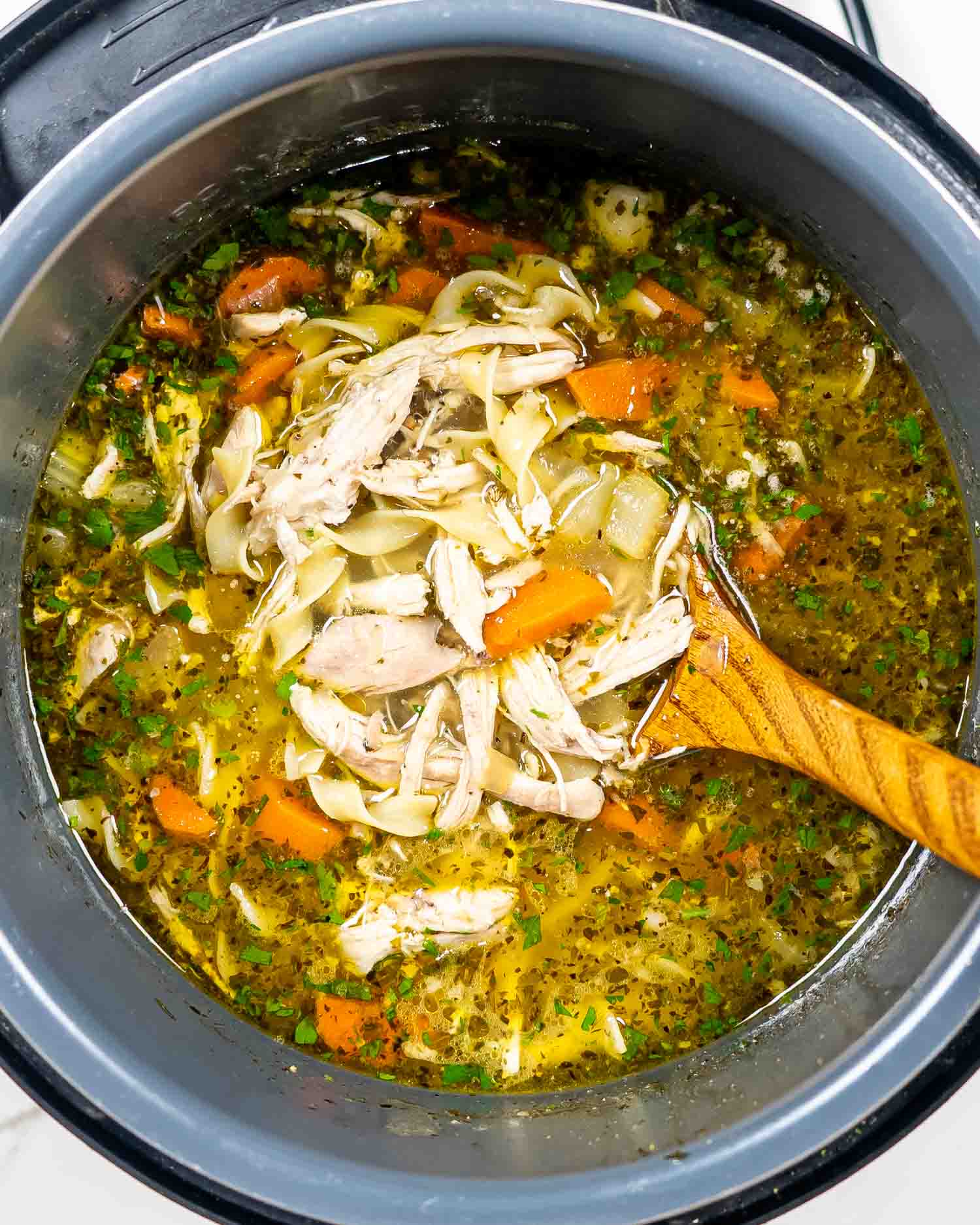
- Why I recommend it: I use it weekly for beef stew, chicken soup, and baked beans. It heats evenly and moves from stovetop to oven easily.
Large stainless steel stockpot with core
- Why I recommend it: I make bone broth in a 12-quart version. It’s neutral, wide, and handles big batches.
Electric pressure cooker
- Why I recommend it: For weeknights, it turns tough cuts into tender stew in under an hour.
Budget-friendly heavy aluminum soup pot
- Why I recommend it: Lightweight, fast heating, and perfect for everyday vegetable soups.
These picks cover most home cooks’ needs. If you want brand-specific options, choose models with thick bases, tight lids, and positive user reviews.
Common mistakes and tips to avoid
Avoid these errors I learned the hard way so you don’t repeat them.
Mistake: Starting big batches in a thin pot
- Problem: Scorching and uneven simmering.
- Fix: Use heavier material or reduce heat and stir more often.
Mistake: Skipping browning
- Problem: Flavors stay flat.
- Fix: Brown meat and vegetables in batches to build deeper flavor before adding liquid.
Mistake: Cooking at too high temperature
- Problem: Over-evaporation and tough meat.
- Fix: Aim for a gentle simmer and low, steady heat for long cooks.
Mistake: Using nonreactive pots for everything
- Problem: You miss caramelization benefits.
- Fix: Alternate between stainless and cast iron depending on the recipe.
Simple tips
- Use a ladle that reaches to the bottom for easy stirring.
- Keep a splatter screen or slightly offset the lid for controlled evaporation.
- Cool large batches before refrigerating to protect pot finishes.

Source: allrecipes.com
Frequently Asked Questions of best cookware for soups and stews
What size pot is best for making family soups and stews?
A 5- to 7-quart pot covers most family meals. For large-batch stock or gatherings, choose 8 to 12 quarts.
Is enameled cast iron really the best cookware for soups and stews?
Enameled cast iron is often the best choice because it retains heat, browns well, and works on stovetop and oven, though it is heavy.
Can I use a pressure cooker instead of a Dutch oven for stews?
Yes. A pressure cooker reduces cooking time and tenderizes tough cuts, but flavor concentration and texture will differ from long, slow braises.
How do I prevent my soup from sticking to the bottom of the pot?
Use a heavier pot with even heat, stir regularly, and cook at a gentle simmer rather than high heat.
Are nonstick pots good for soups and stews?
Nonstick is fine for gentle soups and reheating, but it limits browning and high-heat cooking needed for deep flavor.
Can I use stainless steel for tomato-based stews?
Yes. Stainless steel is nonreactive and safe for acidic foods, making it a solid option for tomato-based stews.
How often should I replace my cookware for soups and stews?
Replace when performance drops—warped lids, damaged coatings, or poor heat distribution are signs. Quality cookware can last many years with care.
Conclusion
Choosing the best cookware for soups and stews means balancing heat performance, size, maintenance, and budget. Enameled cast iron Dutch ovens and heavy stainless stockpots cover most needs, while pressure cookers and slow cookers add speed and convenience. Use the checklists and care tips here to buy well and keep your pots working for years.
Try one change this week: pick the pot that matches your recipe and cook a slow simmer. You’ll taste the difference. If this guide helped, subscribe, leave a comment with your favorite pot, or tell me which stew you’ll cook next.