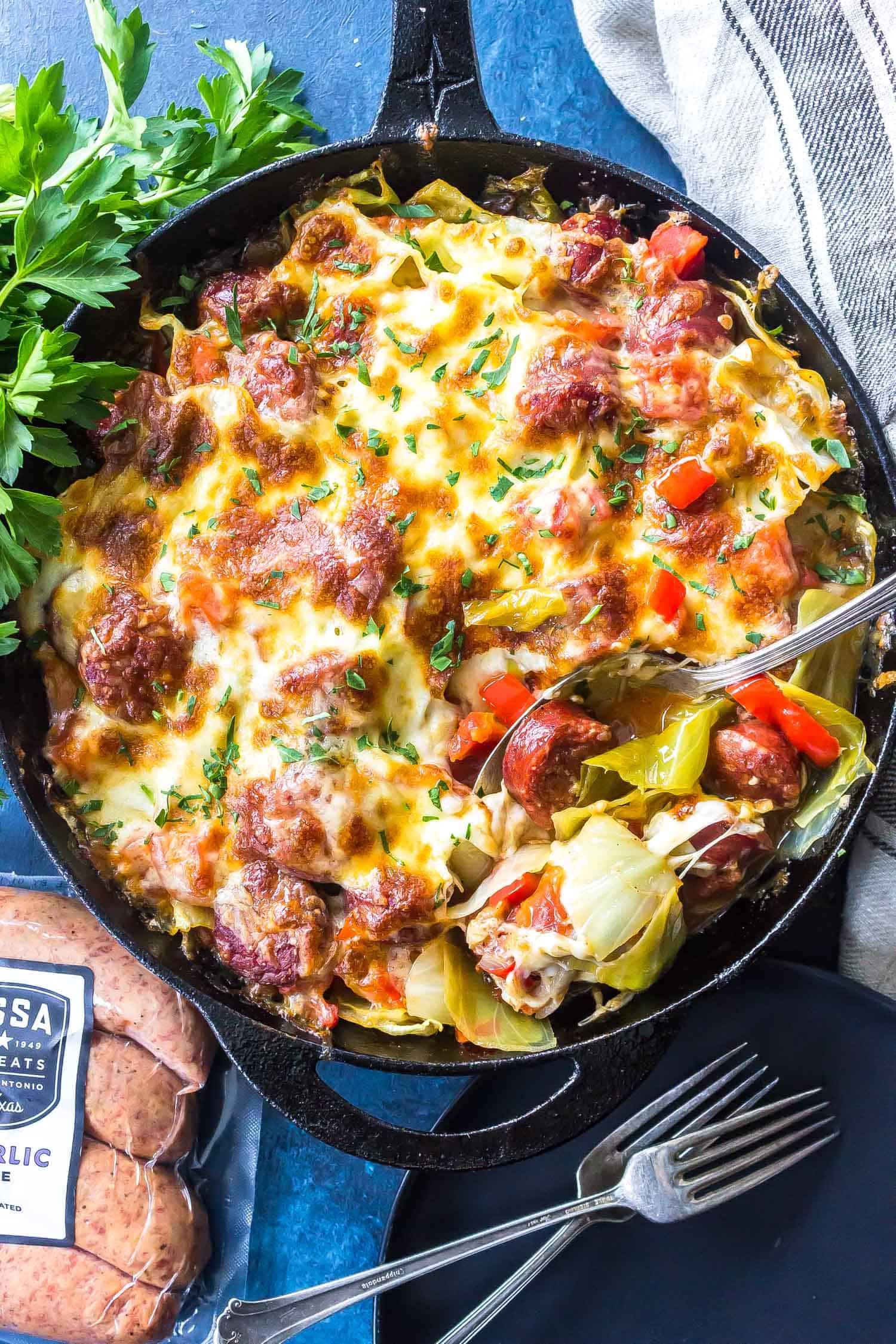
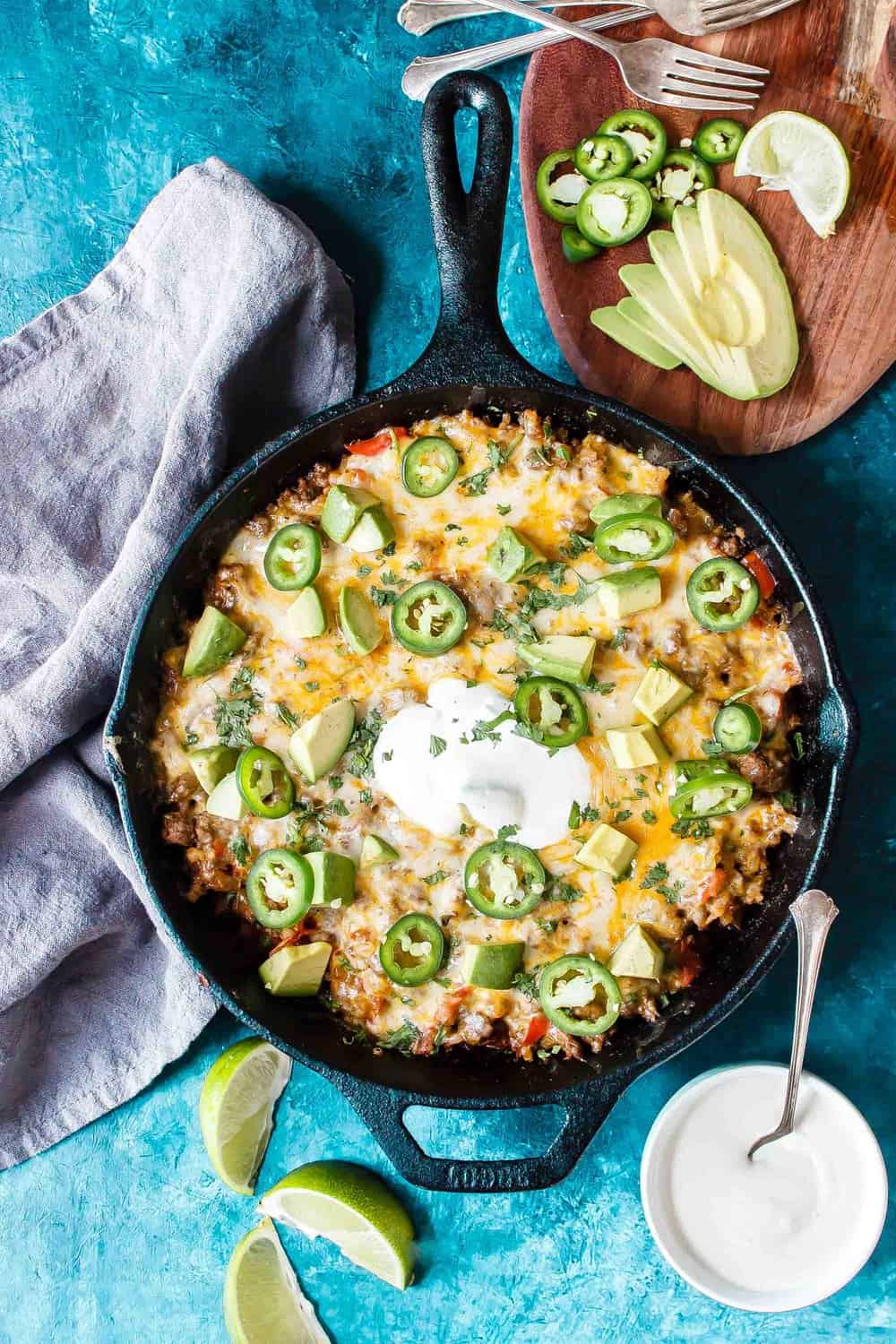
Cast iron skillets and high quality stainless steel pans are the best cookware for keto cooking.
As a cook and health-minded home chef with years of low-carb meal prep under my belt, I’ve tested dozens of pans and pots to find what works best for keto cooking. This guide explains why certain materials and designs matter for low-carb, high-fat meals. You’ll get clear advice, real-world tips from my kitchen, and practical buying and care guidance so you can choose the best cookware for keto cooking with confidence. Read on to find tools that keep fat flavor, deliver even heat, and make keto meals faster and tastier.
Why the best cookware for keto cooking matters
Keto cooking relies on fats, searing, and low-carb vegetables. The right cookware holds heat, resists sticking, and won’t react with acidic foods like tomatoes or lemon. That affects flavor, safety, and ease of cleanup.
Good cookware also reduces the need for extra oils when you don’t want them. It helps you sear meat to lock in fat and flavor. It gives predictable results for sauces, eggs, and pan-fried vegetables. Choosing the best cookware for keto cooking saves time and makes meals more enjoyable.
Top types of cookware for keto cooking
Choosing the right material matters most. Below are the best cookware classes for keto cooking and why they work.
Cast iron
Cast iron holds high heat and stays hot for searing steaks and pork belly. It’s great for high-fat cooking because it tolerates oils and crisping well. Properly seasoned cast iron gives near-nonstick performance and adds flavor over time.
Pros
- Excellent heat retention and even sear.
- Durable and versatile; moves from stovetop to oven.
- Naturally nonstick when well seasoned.
Cons
- Heavy and needs regular seasoning.
- Reactive if not seasoned; avoid cooking very acidic food for long periods.
Stainless steel (tri-ply or 5-ply)
Stainless steel heats evenly and is non-reactive. It’s ideal for making pan sauces from drippings, deglazing with cream, and simmering keto sauces. Good stainless steel tolerates high heat without warping.
Pros
- Non-reactive and durable.
- Great for browning and sauce-making.
- Easy to maintain and dishwasher safe (usually).
Cons
- Food can stick if pan isn’t hot or fat is insufficient.
- Not as naturally nonstick as cast iron or ceramic.
Carbon steel
Carbon steel combines benefits of cast iron and stainless steel. It heats quickly, seasons similarly to cast iron, and is lighter. Great for sautéing, stir-frying low-carb veggies, and high-heat searing.
Pros
- Lighter than cast iron, fast heating.
- Builds a seasoning layer that reduces sticking.
Cons
- Needs seasoning and care to avoid rust.
- Surface can react until well-seasoned.
Ceramic nonstick (PTFE-free)
Ceramic nonstick pans work well for eggs, delicate fish, and quick keto breakfasts. They require less fat to prevent sticking, which helps if you want to control calories or avoid excess oil splatter.
Pros
- Low-fat cooking; easy cleanup.
- Good for sticky or delicate foods like eggs.
Cons
- Coating may wear over time; avoid high heat.
- Not ideal for long sears that require sustained high heat.
Enameled cast iron
Enameled cast iron offers the heat retention of cast iron with a non-reactive enamel surface. It’s excellent for braises, stews, and keto casseroles that combine fats and acidic ingredients.
Pros
- No seasoning needed and non-reactive.
- Ideal for oven dishes and slow cooking.
Cons
- Can be pricey and heavy.
- Chipping risk if dropped or banged.
Copper (lined)
Copper heats and cools fast, giving precise temperature control. Lined copper (with stainless steel) is useful for delicate sauces and quick reductions used in keto sauces.
Pros
- Superb temperature control and responsiveness.
- Great for precise cooking.
Cons
- Expensive and needs polishing unless lined.
- Lining may affect long-term performance.
How to choose between them depends on what you cook most. For searing and frying choose cast iron or carbon steel. For sauces and deglazing pick stainless steel. For low-fat egg dishes pick ceramic nonstick.
Must-have pieces for a keto kitchen
You don’t need a whole showroom. A few smart pieces cover most keto meals.
- Cast iron skillet 10–12 inch
- Use for searing meats, roasting vegetables, and stovetop desserts.
- Stainless steel 3-quart saucepan
- Perfect for sauces, reductions, and reheating soups or cream-based sauces.
- Nonstick 8–10 inch skillet
- Best for eggs, omelets, and low-fat pancakes.
- Dutch oven (enameled or bare cast iron)
- Ideal for braises, bone broth, and slow-cooked keto stews.
- Baking sheet with rim
- Great for roasting low-carb vegetables and baking fat-based crackers.
These pieces together form the core of the best cookware for keto cooking. Invest in quality for longevity and better cooking results.
How to choose cookware for keto cooking: key factors
When shopping, check these attributes. They matter for fat-forward cooking and longevity.
- Heat retention and evenness
- Look for thick bases or multi-ply construction.
- Reactivity
- Use non-reactive materials for acidic recipes to avoid metallic taste.
- Nonstick performance
- Choose ceramic or well-seasoned cast iron for foods like eggs.
- Oven compatibility
- Ensure handles and lids are oven-safe for finishing dishes.
- Maintenance and durability
- Consider how much time you’ll spend seasoning or polishing.
- Safety and coating integrity
- Avoid scratched or degraded coatings; choose PTFE-free if you worry about chemicals.
Match these factors to your cooking habits. If you sear often, prioritize heat retention. If you make many delicate egg dishes, prioritize nonstick surfaces.
Care and maintenance tips for long-lasting keto cookware
Good care keeps pans safe for fatty, acidic foods and improves flavor.
- Seasoning cast iron and carbon steel
- Clean with hot water and no soap when possible. Dry and apply a thin oil layer after each use.
- Cleaning stainless steel
- Use warm soapy water and a nylon scrub for stuck bits. For stubborn fond, deglaze with water or vinegar and simmer.
- Using nonstick
- Avoid metal utensils and high heat. Wash gently to preserve coating.
- Oven and stovetop safety
- Check max temperature ratings. Avoid rapid thermal shock for enameled pieces.
- Storage
- Stack with cloth or pan protectors to avoid scratches.
My experience: early on I ruined a cast iron pan by using too much soap. I learned to clean gently and keep a thin layer of oil after each wash. That simple habit extended the pan’s life and made keto meals taste better.
Keto cooking techniques that depend on cookware
Certain styles work better with certain pans. Here are common keto techniques and the cookware that supports them.
- High-heat searing
- Use cast iron or carbon steel for a deep crust and fast fat render.
- Pan sauces and reductions
- Stainless steel collects fond and deglazes well, creating rich sauces with butter or cream.
- Low-oil frying and eggs
- Ceramic nonstick or well-seasoned cast iron reduces sticking and splatter.
- Slow braise and stews
- Use a Dutch oven for even low-temp cooking and melted fats.
- Roasting and sheet pan meals
- Heavy baking sheets and rimmed pans give even browning on vegetables and bacon.
Pair technique to pan to make keto meals efficient and tasty.
Practical buying tips and budget options
You don’t need the most expensive tools to cook keto well. Here are tips to buy smart.
- Prioritize one or two excellent pieces rather than many cheap pans.
- Look for multi-ply stainless steel with an aluminum or copper core for even heat.
- Buy a cast iron skillet new or recondition a thrift-store find by stripping and seasoning it.
- Choose ceramic nonstick for egg-heavy breakfasts but expect to replace after a few years.
- Consider cookware warranties and brand reputation for long-term value.
I once bought a cheap “nonstick” pan that warped within months. Since then I buy slightly pricier pieces with good reviews and warranties. Paying a bit more upfront saves money and frustration later.
PAA-style questions
What pan is best for searing fatty cuts like pork belly?
- Use cast iron or carbon steel for strong, even sear and fast fat rendering.
Can I use nonstick pans for keto cooking?
- Yes. Use ceramic nonstick for eggs and low-fat dishes. Avoid high heat to protect the coating.
How important is oven safety for keto cookware?
- Very. Many keto recipes start on the stove and finish in the oven, so oven-proof handles and lids add versatility.
Frequently Asked Questions of best cookware for keto cooking
What material is safest for keto cooking?
Stainless steel and cast iron are very safe choices because they are non-reactive and durable. Enameled cast iron also avoids reactivity while offering ease of use.
Can I use nonstick pans for high-fat cooking?
Nonstick pans are fine for low to medium heat and for eggs or fish. For high-heat searing of fatty cuts, cast iron or carbon steel performs better.
Do I need a Dutch oven for keto meals?
A Dutch oven is very useful for braises, bone broths, and slow cooking. It’s not required but it’s one of the most versatile keto cookware pieces.
How often should I season cast iron for keto cooking?
Season lightly after each wash by wiping with a thin layer of oil. A full re-season every few months keeps the surface smooth and nonstick.
Is ceramic nonstick better than PTFE nonstick for health reasons?
Ceramic nonstick avoids PTFE coatings and performs well for low-heat cooking, but it can wear faster. Both have safe uses if you follow manufacturer guidelines.
Can I use stainless steel for eggs?
Stainless steel can cook eggs, but you may need more fat and careful pan temperature control to prevent sticking. Nonstick is easier for delicate eggs.
Conclusion
Choosing the best cookware for keto cooking comes down to matching materials to techniques. Cast iron and stainless steel are the most versatile for high-fat searing and sauce work. Ceramic nonstick helps with eggs and delicate foods. Carbon steel and enameled cast iron fill important middle-ground roles. Invest in a few quality pieces, care for them well, and your keto cooking becomes easier and more flavorful.
Try one upgrade this month: season a cast iron skillet or buy a quality stainless sauté pan, and cook one low-carb favorite to see the difference. If you found this helpful, share your experience, subscribe for more tips, or leave a comment about your favorite keto cookware.