Choose durable, versatile cookware that fits your cooktop, budget, and daily cooking needs.
As a home cook and kitchen writer with years of hands-on testing, I’ll walk you through a practical cookware buying guide for homeowners USA. I know what matters in real homes: stovetops vary, budgets differ, and time is limited. This guide breaks down materials, must-have pieces, care tips, and smart shopping moves so you buy cookware that lasts, cooks well, and fits your life.
Why good cookware matters for homeowners
Good cookware changes how meals feel at home. It saves time, reduces waste, and makes food taste better. A thoughtful cookware buying guide for homeowners USA helps you avoid costly mistakes and replace pots less often.
I’ve tested sets and single pieces across many kitchens. A pan that heats evenly and cleans easily becomes your go-to. Buying right the first time often costs less over years.

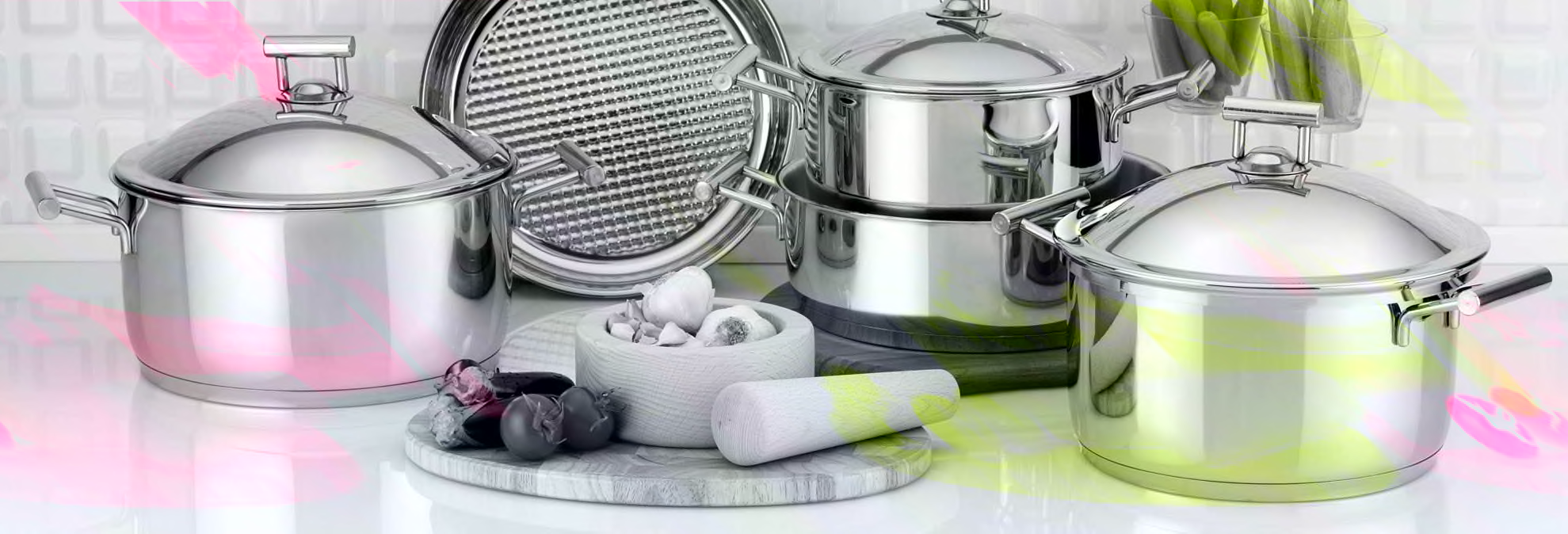
Types of cookware materials and when to choose them
Knowing materials is the base of a practical cookware buying guide for homeowners USA. Each material has clear pros and cons.
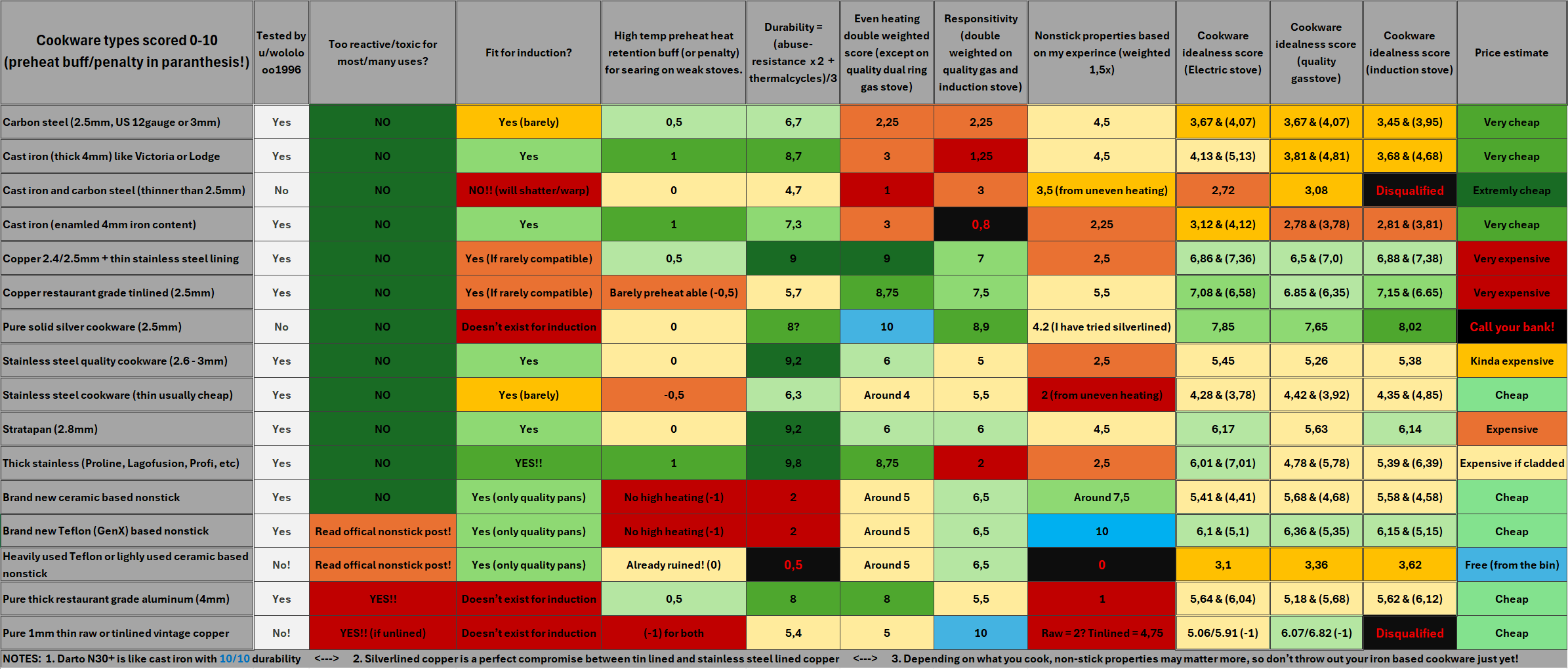
- Stainless steel — Durable and low maintenance. Great for browning and deglazing; often multilayered with an aluminum core for better heat.
- Nonstick (PTFE) — Easy cooking and cleanup. Best for eggs and low-fat cooking; avoid high heat to extend life.
- Cast iron — Long-lasting and heats evenly. Ideal for searing, baking, and oven use; needs seasoning and care.
- Carbon steel — Lightweight cousin of cast iron with fast heat response. Preferred for stir-fry and high-heat searing.
- Copper — Excellent heat control. Often pricey and requires polishing or a lined interior to prevent reactivity.
- Ceramic or enamel-coated — Attractive and easy to clean. Can chip with rough use; enamel keeps food from touching reactive metal.
Think about your common meals and cooktop. For many US homes, a mix of stainless and one nonstick or a cast-iron skillet covers most needs.
What to look for when buying cookware
Use this checklist from a practical cookware buying guide for homeowners USA when you shop.
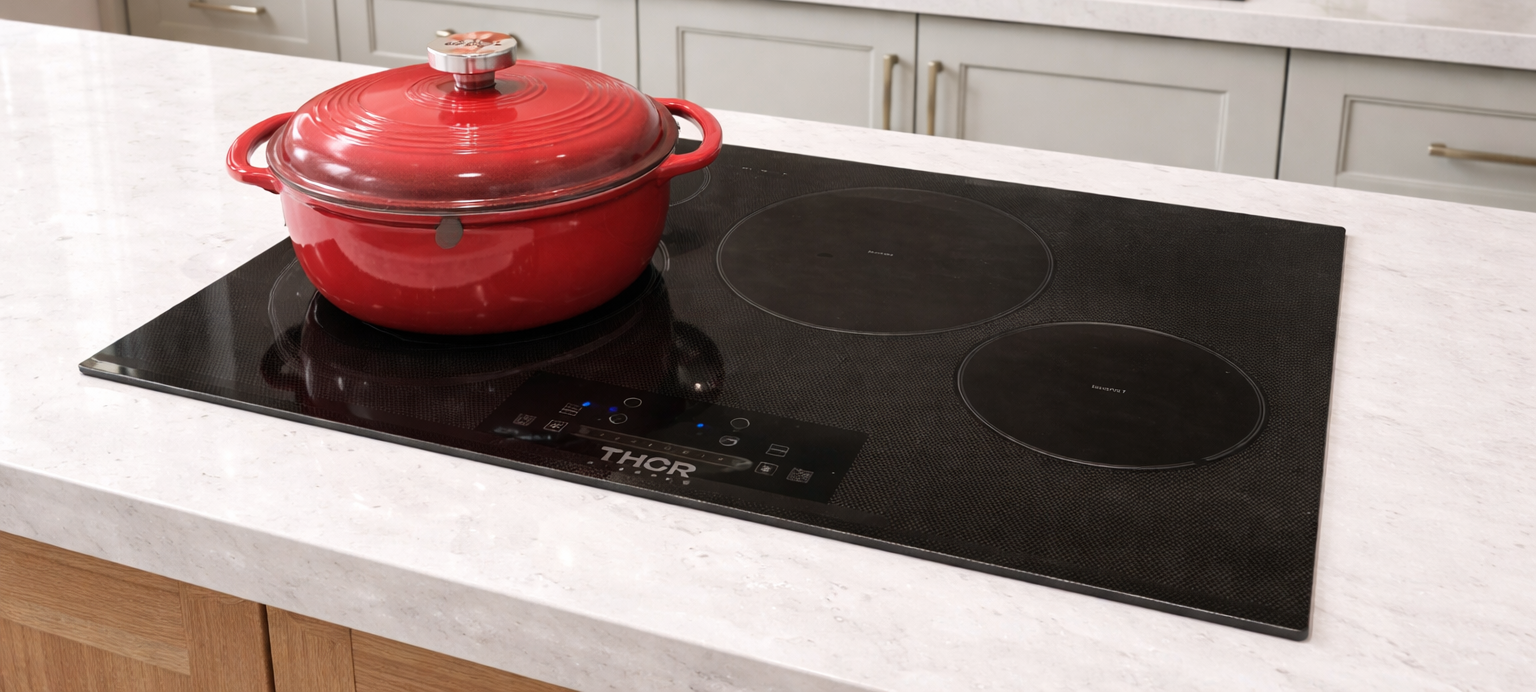
- Heat source compatibility — Check for induction-ready labels if you have an induction stove.
- Construction — Look for fully-clad or tri-ply bases for even heat. Thin bases warp easily.
- Handle comfort and durability — Handles should be secure and cool to touch or oven-safe if needed.
- Lid fit and material — Tight lids trap steam and speed cooking; glass lids let you check food.
- Oven and broiler safety — Note the max oven temperature of each piece.
- Weight — Heavier pans often mean better heat retention, but they must be manageable for you.
- Warranty and brand reputation — Longer warranties and clear terms can indicate quality.
- Care needs — Consider dishwasher-safe vs. hand wash only based on your lifestyle.
I once bought a lightweight steel pan to save money and replaced it twice in three years. Spending a bit more on thicker construction avoided that hassle.
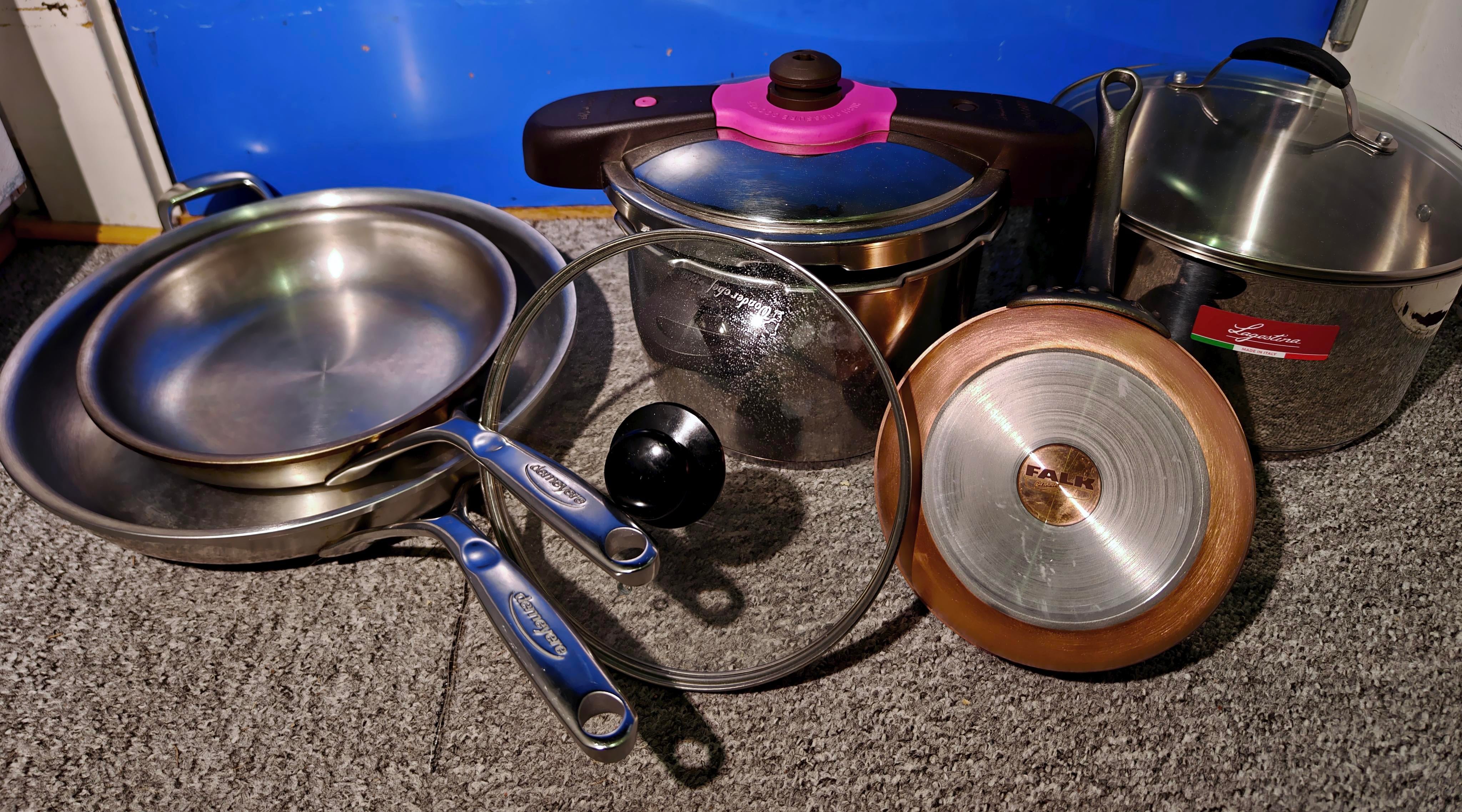
Building a core set for homeowners
A clear plan helps when following a cookware buying guide for homeowners USA. Start with essentials, then add specialty items.
Core items to own:
- 8–10 inch skillet — For eggs, pan-searing, and everyday use.
- 10–12 inch skillet — For family meals and sautés.
- 2–3 quart saucepan with lid — For sauces, grains, and reheating.
- 5–6 quart Dutch oven or stockpot — For soups, braises, and roasting.
- 3–4 quart sauté pan — Handy for stews and sauces that need surface area.
Consider buying individual high-quality pieces instead of a cheap set. A good skillet and Dutch oven provide more value than many low-grade pans.
Set vs. individual pieces
This is a key decision in any cookware buying guide for homeowners USA. Sets look convenient but can include extras you never use.
- Sets — Offer cost-per-piece savings and uniformity. Great if you need many items at once.
- Individual pieces — Let you choose quality on the pieces you use most. Better long-term value for serious home cooks.
If budget is tight, buy the skillet and Dutch oven first. Add pieces based on real cooking patterns.
Caring for cookware to extend life
Proper care is the smart side of a cookware buying guide for homeowners USA. Care keeps performance high and means fewer replacements.
- Season cast iron and carbon steel after use and avoid soap when possible.
- Wash nonstick pans gently and avoid spray oils that build residue.
- Use wooden or silicone utensils to protect nonstick and enamel surfaces.
- Avoid thermal shock by not plunging hot pans into cold water.
- Remove stuck-on food with soaking and a soft scrubber to protect finishes.
I still keep a simple maintenance kit in my kitchen: a soft scrubber, mild dish soap, and a block of kosher salt for stubborn bits. Small habits add up.
Budgeting, warranties, and where to buy
Price ranges differ wildly in a cookware buying guide for homeowners USA. Know what to expect.
- Budget ($) — Entry-level nonstick and thinner stainless. Shorter lifespan but lower cost.
- Mid-range ($$) — Thicker stainless, better nonstick, and good warranties.
- Premium ($$$) — Fully clad stainless, professional-grade cast iron, and copper options.
Buy from retailers with easy return policies. Look for lifetime or multi-year warranties. Local kitchen stores can give hands-on feel. Online shops offer wider choice and user reviews. Consider gently used or estate cookware for solid savings.
Matching cookware to your stove and lifestyle
Cookware choice depends on your cooktop and habits. This is central to any cookware buying guide for homeowners USA.
- Gas stoves — Prefer responsive pans like stainless or cast iron.
- Electric coil — Works with most pans but avoid very thin bases.
- Smooth-top electric — Use flat, smooth bottoms to prevent scratches.
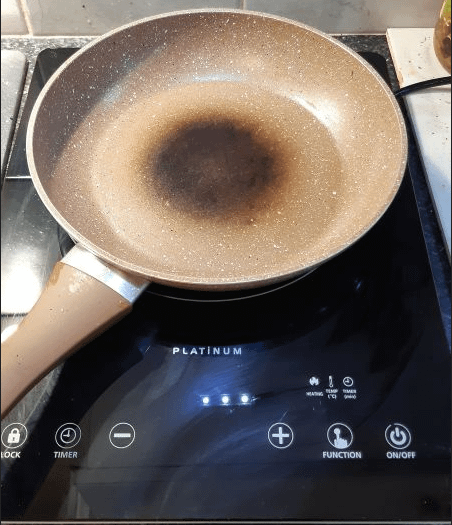
- Induction — Requires magnetic bases; check induction-ready labels.
Also match to lifestyle. If you cook quickly and for one, a high-quality nonstick satisfies. If you host and braise often, invest in a large Dutch oven.

Personal experience and mistakes to avoid
I’ve learned key lessons over years of testing and cooking. These tips reflect that hands-on experience.
- Don’t buy the cheapest nonstick set. It can peel and needs replacement often.
- Buy a heavy skillet you can lift. Too light, and it warps.
- Try before you commit when possible. Feeling the handle and lid fit matters.
- Keep one reliable cast-iron skillet. It’s saved meals more than once.
These small choices made my weeknight cooking faster and more enjoyable.
People also ask — quick answers
This short PAA section complements this cookware buying guide for homeowners USA.
What is the most versatile cookware material?
- Stainless steel with an aluminum core is the most versatile due to durability and heat control.
Do I need a full set or a few good pieces?
- Start with a few good pieces like a skillet and Dutch oven, then add items you actually use.
How long should good cookware last?
- High-quality cookware can last decades with proper care, while cheaper sets may need replacement in a few years.
Frequently Asked Questions of cookware buying guide for homeowners usa
What cookware do most homeowners need first?
Most homeowners should buy a reliable 10–12 inch skillet, a 2–3 quart saucepan, and a 5–6 quart Dutch oven. These three cover most daily cooking tasks.
Is nonstick safe for regular use?
Nonstick is safe when used as directed: avoid high heat and damaged surfaces. Replace pans when coating peels or scratches appear.
Can I use metal utensils on stainless steel?
Yes. Stainless steel tolerates metal utensils well and is scratch-resistant compared to nonstick or enamel surfaces.
How do I know if cookware is induction-compatible?
Look for an induction-ready label or test with a magnet; if a magnet sticks to the bottom, it usually works on induction.
Is buying a cookware set cheaper than buying pieces separately?
Sets can be cheaper upfront but may include items you rarely use. Buying key pieces separately often gives better long-term value.
How often should I reseason cast iron?
Reseason as needed when food starts to stick or the surface looks dull. Regular light oiling after use often prevents major re-seasoning.
Conclusion
This cookware buying guide for homeowners USA helps you choose materials, pieces, and care habits that fit real life. Start with a solid skillet and a heavy pot, match materials to your stove, and prioritize durability over trends. Small smart buys and proper care save money and time.
Takeaway: buy what you use, care for it, and upgrade deliberately. If you found this useful, try one change this week — replace a worn pan or test a new skillet — and share your experience below or subscribe for more hands-on kitchen guides.