Enameled cast iron and quality stainless steel shine as the best cookware for baking and stovetop use.
I have cooked professionally and at home for years, testing pans across ovens and stoves. This guide walks you through the best cookware for baking and stovetop use with clear picks, pros and cons, care tips, and real-life notes. I explain materials, oven-safe limits, heat performance, and buying choices so you can pick tools that last and make food taste better.
How to choose the best cookware for baking and stovetop use
Choosing the best cookware for baking and stovetop use starts with the job you cook most. Think about heat control, oven safety, weight, and how food releases from the surface. The best cookware for baking and stovetop use should handle high oven temps, move easily from flame to oven, and keep heat even.
Key decision points to check before you buy:
- Material: Each material behaves differently with heat and acid.
- Oven temperature rating: Make sure handles and lids are oven-safe to the temp you need.
- Weight and balance: Heavy pans hold heat, but too heavy can be hard to handle.
- Nonstick needs: Some nonstick finishes are great for eggs, but not ideal for high-heat baking.
- Fit with cooktop: Induction requires magnetic bases; gas and electric are more forgiving.
My take: if you bake often and also need stovetop work, choose pans that are oven-safe to at least 450°F and have sturdy handles. I learned this after warping a cheap skillet during a 425°F bake. The right pan saved me time and food waste.
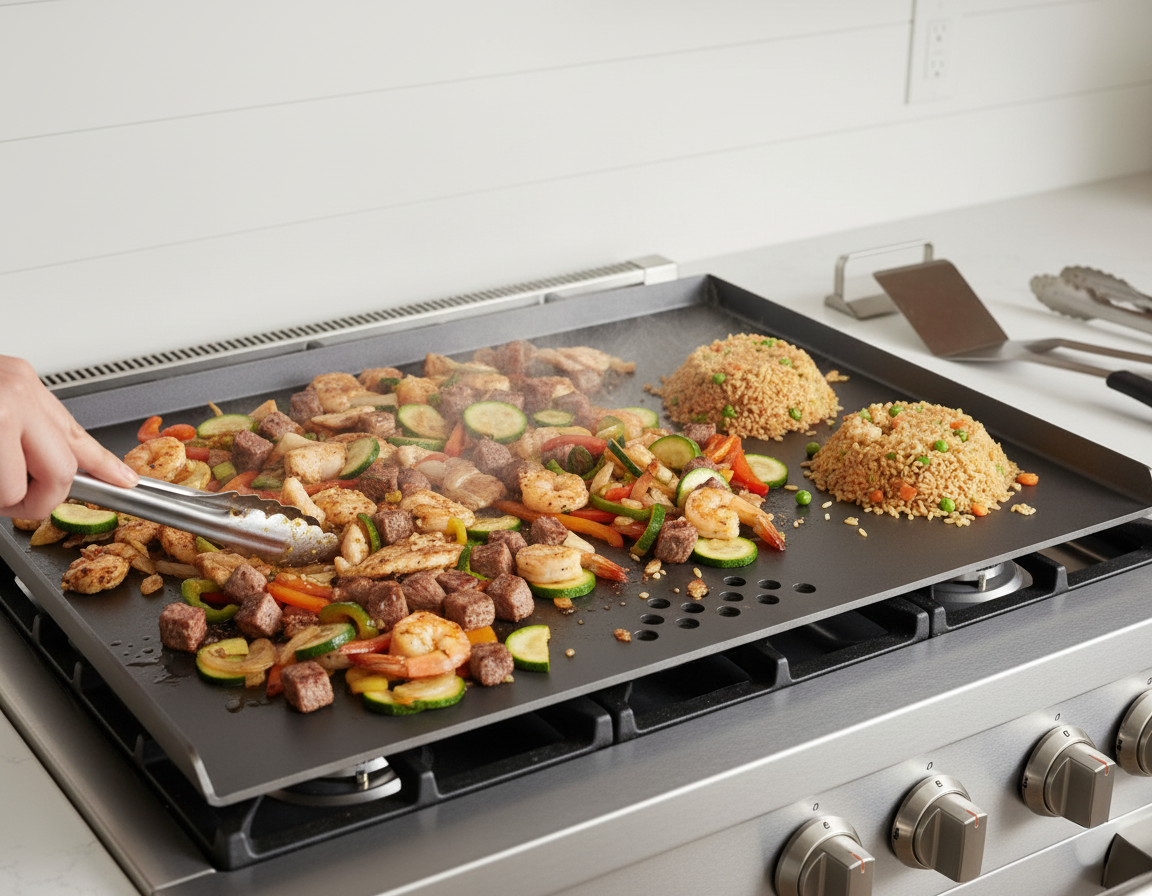
Top materials and their pros and cons
Know the main materials. Each has clear pros and cons for both oven and stovetop use.
Cast iron
- Pros: Excellent heat retention, great browning, oven-safe to very high temps.
- Cons: Heavy, needs seasoning or has enamel. Bare cast iron reacts with acid.
- Best for: Breads, braises, searing then baking.
Enameled cast iron
- Pros: No seasoning, easy to clean, great for baking and stovetop stews.
- Cons: Very heavy and can chip if dropped.
- Best for: Casseroles, Dutch oven baking, roast.
Stainless steel (multi-ply)
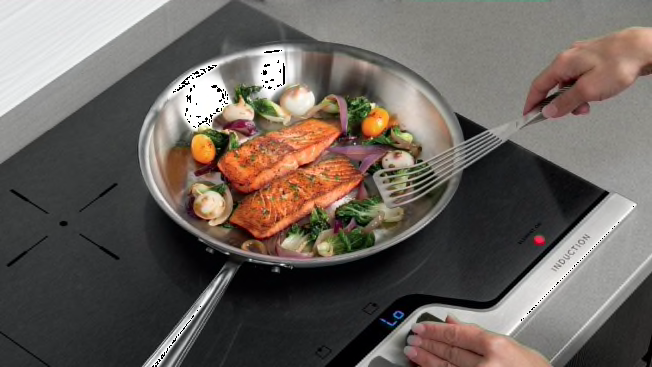
- Pros: Durable, nonreactive, often oven-safe with metal handles, works on induction.
- Cons: Food can stick if used improperly.
- Best for: Sauces, pan-to-oven dishes, searing then finishing in oven.
Carbon steel
- Pros: Heats fast, lighter than cast iron, can handle high heat.
- Cons: Needs seasoning, can rust.
- Best for: Searing, skillet-to-oven recipes, flatbreads.
Nonstick (PTFE-based)
- Pros: Great for low-fat cooking and delicate foods.
- Cons: Not ideal for high-temp baking or oven use above the manufacturer limit; coatings wear over time.
- Best for: Eggs, pancakes, low-heat baking.
Ceramic and stoneware bakeware
- Pros: Even baking, often attractive for serving.
- Cons: Not all are stovetop safe; may crack with direct heat.
- Best for: Cakes, casseroles, sheet bakes.
Stainless with aluminum or copper core
- Pros: Fast, even heat and oven safe.
- Cons: Usually pricier.
- Best for: Precision cooking, recipes requiring quick heat change.
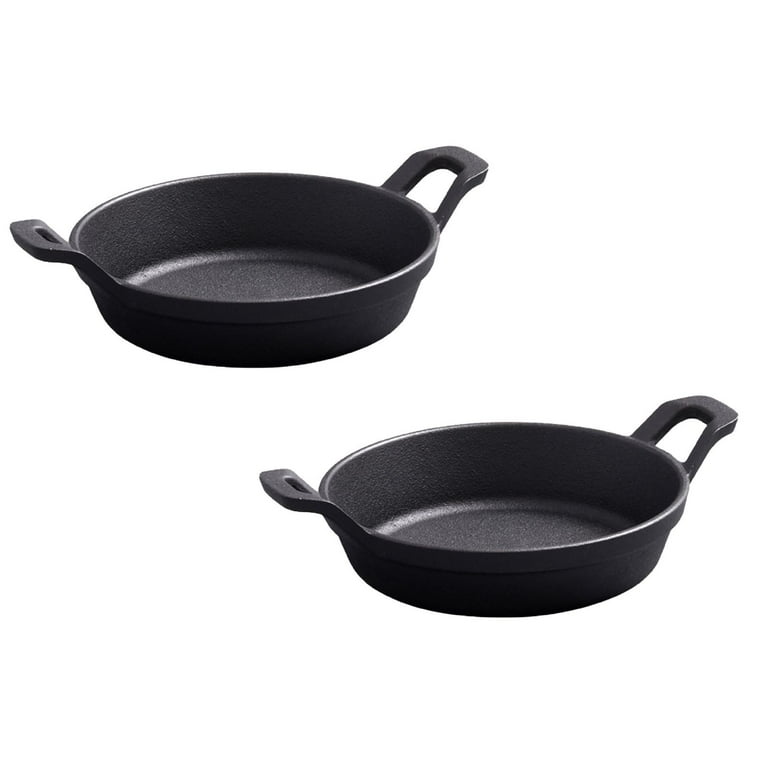
Best cookware types for combined oven and stovetop use
Certain pieces work better than others when you move from stove to oven often. Choose these for versatility.
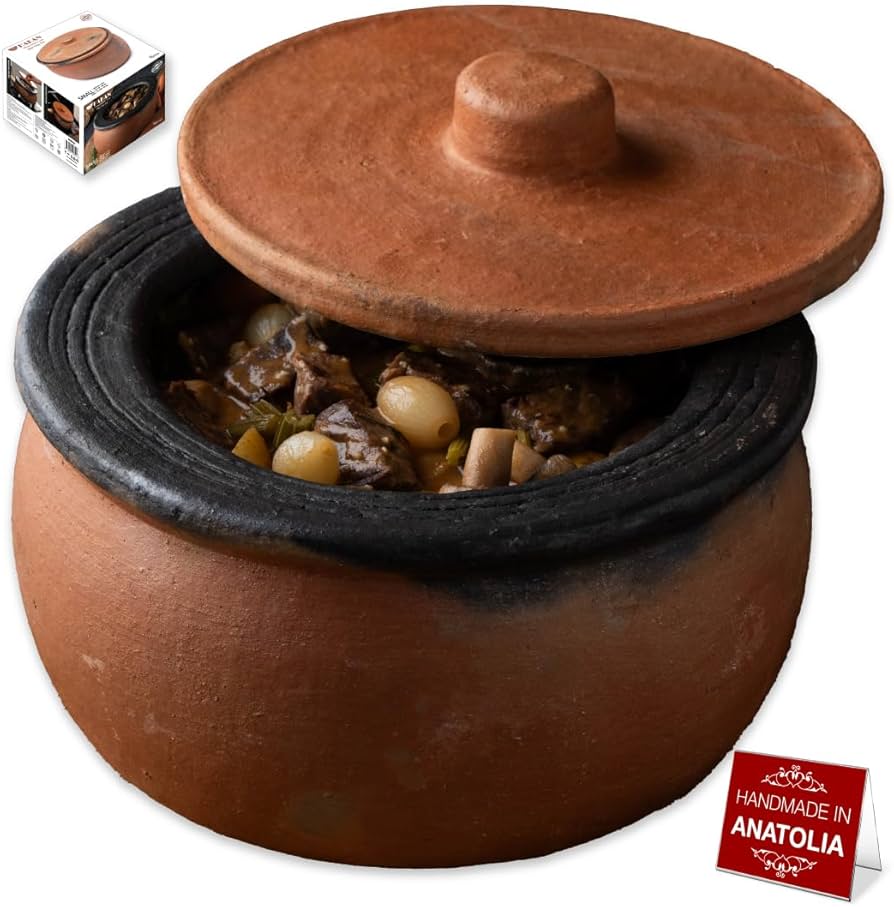
Dutch oven (enameled or seasoned)
- Why: Holds heat well and is safe in the oven. Great for braises and breads.
- Tip: Use a size that fits your oven and your recipes.
All-clad or multi-ply stainless steel pans
- Why: Move from stovetop to oven with thin to medium heat retention and no reactivity.
- Tip: Use a lid or foil for baking dishes that need steam retention.
Cast iron skillet
- Why: You can sear on the stove and finish in the oven. It browns beautifully.
- Tip: Keep one well-seasoned skillet for crusty results.
Carbon steel skillet
- Why: Lighter than cast iron and great for high-heat searing then oven finishing.
- Tip: Season and treat like cast iron.
Baking sheets and sheet pans (heavy-gauge)
- Why: Use on the stove for flatbreads on a grate or in the oven for cookies and roasting.
- Tip: Choose heavy aluminum for even heat and less warping.
Ceramic baking dishes
- Why: Excellent for oven baking; not usually used on stovetops.
- Tip: Avoid sudden temperature changes to prevent cracking.
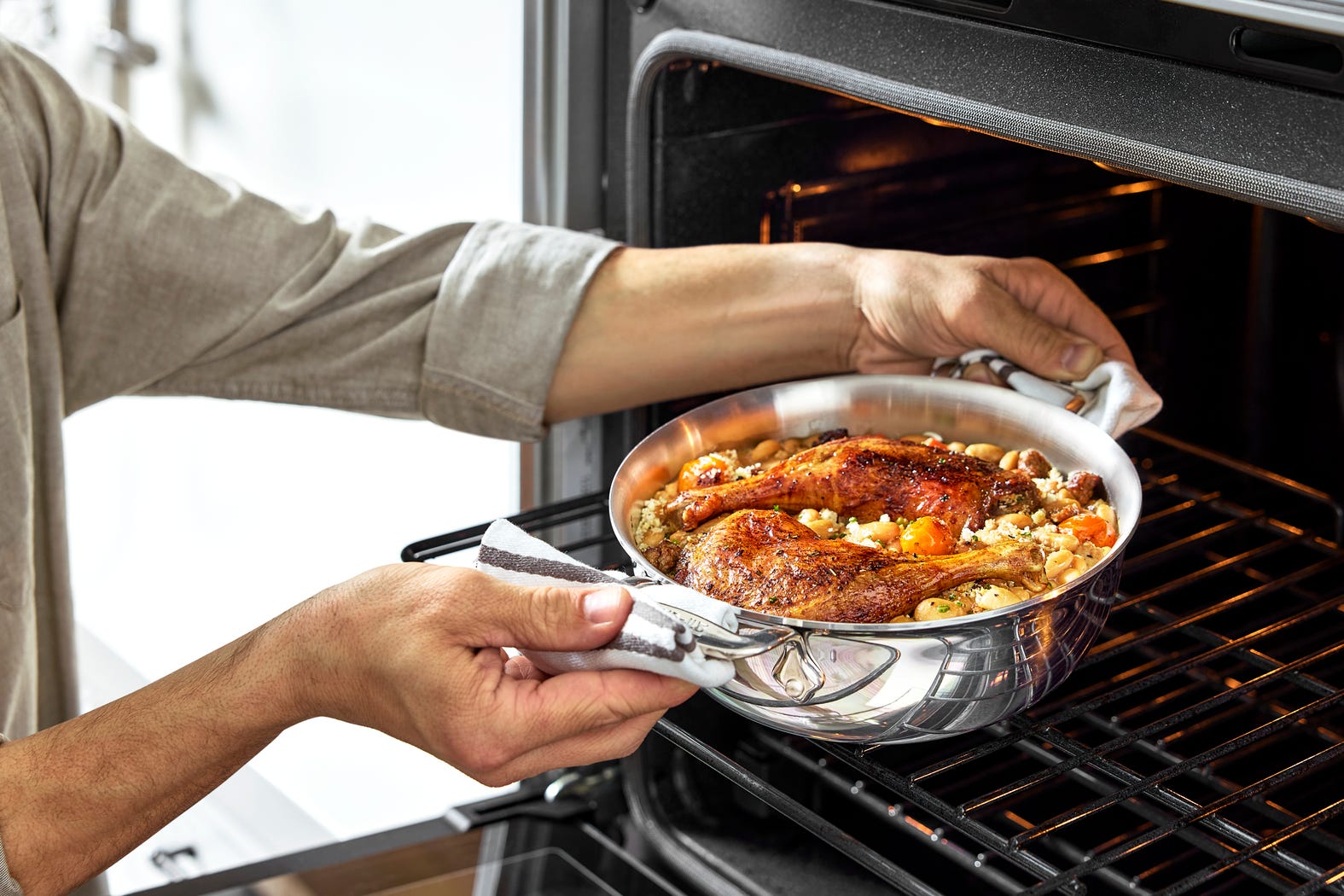
Oven safety, temps, and handle types
Not all cookware tolerates the same oven heat. Check the full oven-safe temp before you bake or roast.
Oven-safe rules to follow:
- Metal handles: Usually safe to higher temps. Works well for the best cookware for baking and stovetop use.
- Plastic or silicone handles: Watch the max temp; often limited to 350–400°F.
- Glass lids: Often safe but crack under thermal shock. Avoid moving from hot stove to cold surface.
- Nonstick pans: Check manufacturer for maximum oven temp; many top out at 350–500°F.
Practical tip: If a recipe calls for 450°F and your pan is rated 400°F, switch to a metal-handled pan or use a baking sheet under the dish to buffer heat.
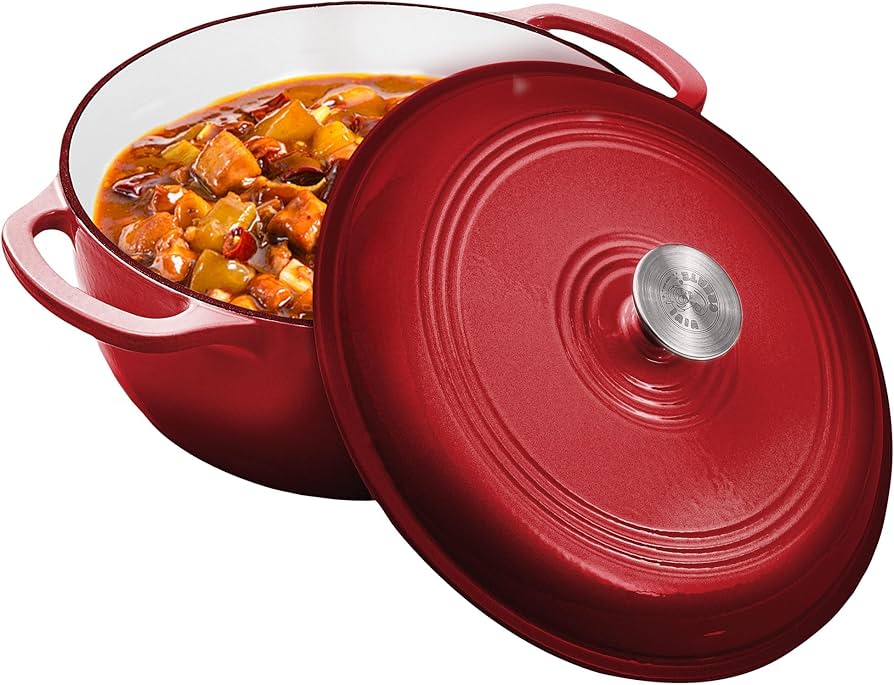
Care, seasoning, and maintenance
Good care extends life. Clean and maintain each material as needed.
Cast iron and carbon steel
- Season often and dry immediately after washing to avoid rust.
- Use oil and low heat for basic seasoning.
- Avoid soaking.
Enameled cast iron
- Clean with warm soapy water and a soft brush.
- Avoid metal tools or harsh scrubbing that can chip.
Stainless steel
- Use a splash of oil or preheat pan to reduce sticking.
- For stains, use baking soda paste or a stainless cleaner.
Nonstick
- Use low to medium heat to protect coating.
- Replace if coating peels or shows heavy scratching.
General tips
- Never heat empty nonstick pans on high.
- Use oven mitts with hot lids and handles.
- Store cookware with padding between pieces to avoid scratches.
Budget picks and high-end options
You do not need to spend a fortune to get the best cookware for baking and stovetop use. Choose based on frequency and method.
Budget-friendly choices
- Heavy-gauge aluminum baking sheets and pans: Good even heat for the price.
- Carbon steel pans: Affordable, heats fast, long-lasting if cared for.
- Basic stainless steel tri-ply pans: Mid-price but often on sale.
Mid-range and long-term investments
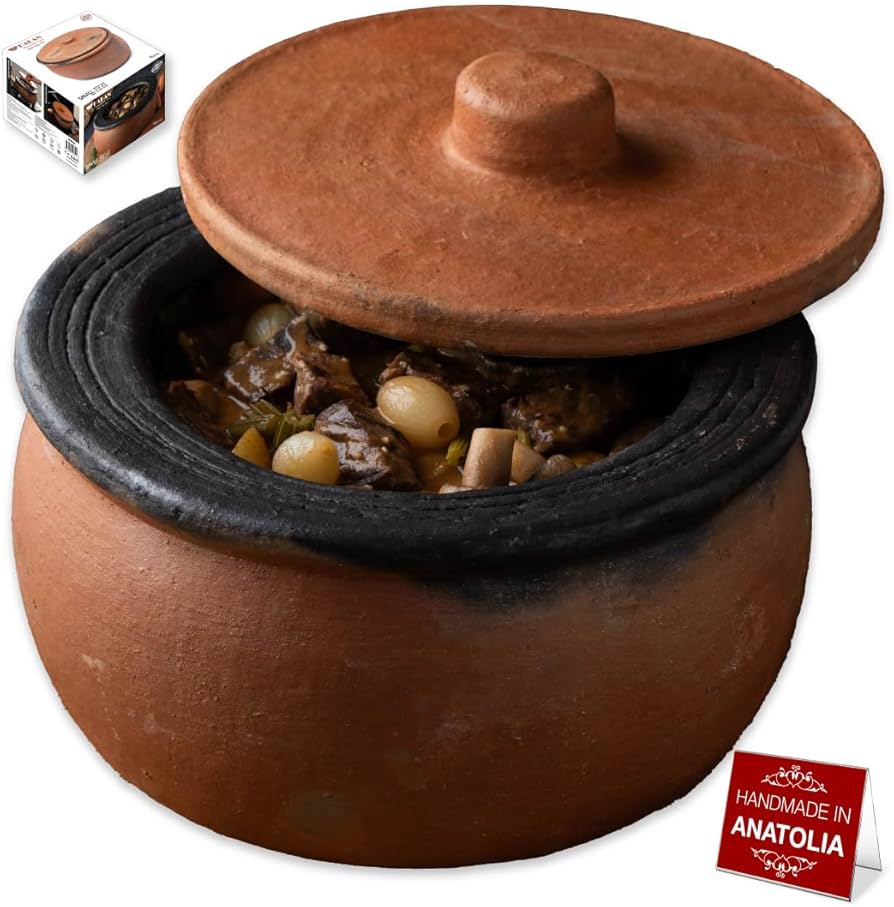
- Enameled cast iron Dutch oven: Lasts decades if you treat it well.
- Multi-ply stainless sets: Offer great all-around performance.
High-end options
- Copper-core cookware: Best heat control but costly and needs maintenance.
- Professional-grade forged skillets: Top heat response and durability.
My experience: A single good Dutch oven and a quality stainless skillet replaced most of my cheap pans. I now bake more and waste less time fixing heat issues.
Common mistakes and practical tips
Avoid these errors to get the most from your cookware.
Common mistakes
- Using nonstick at too high a heat. This shortens the coating life and can release fumes.
- Buying thin pans that warp in the oven. Look for heavy-gauge metal.
- Ignoring oven-safe labels. Handles can melt or detach.
Simple tips
- Preheat pans properly. Cold pans cause sticking with stainless steel.
- Match pan size to burner size. A small burner under a huge pan wastes energy.
- Rotate pans in the oven for even baking when needed.
Frequently Asked Questions of best cookware for baking and stovetop use
What material is best for doing both stovetop searing and oven baking?
Enameled cast iron and multi-ply stainless steel are top choices. They handle high oven temps and do well on stovetops.
Can I use nonstick pans in the oven?
Some nonstick pans are oven-safe but often to lower temps. Always check the maker’s max oven-safe temperature before use.
Do I need separate pans for baking and stovetop cooking?
Not always. Many skillets and Dutch ovens work well for both. Avoid putting ceramic bakeware directly on open flame.
How do I prevent warping when baking and stovetop cooking?
Buy heavy-gauge pans and avoid sudden temperature changes. Let pans cool before washing with cold water.
Is stainless steel good for baking?
Yes, stainless steel works well for recipes that need even heat and nonreactive surfaces. For cakes and delicate bakes, use good-quality bakeware like aluminum or ceramic for best results.
How often should I season cast iron or carbon steel?
Season after deep cleaning or when food starts to stick. Regular light oiling after use keeps the surface ready.
Conclusion
Choosing the best cookware for baking and stovetop use comes down to what you cook, how you cook, and how much care you will give the pans. Pick enameled cast iron or multi-ply stainless for most jobs, add a seasoned cast iron or carbon steel skillet for searing, and keep heavy-gauge bakeware for reliable oven results. Start with two or three versatile pieces and upgrade as your needs grow. Try a test recipe with a new pan to learn how it behaves and take notes. If this guide helped, try one recommended pan and share your experience or questions below — I’d love to help you pick the right set.