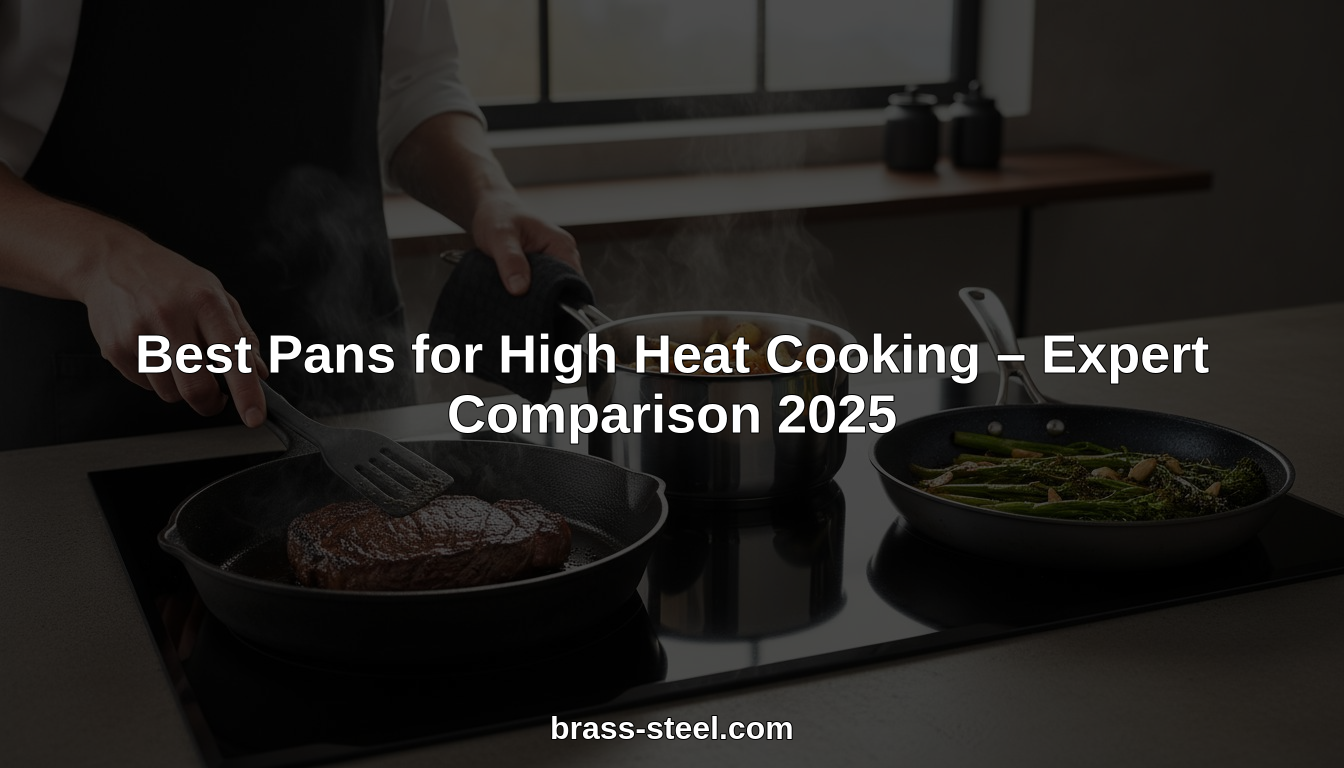
Best cookware for high heat cooking: cast iron, carbon steel, and multi-ply stainless steel shine brightest.
I’ve cooked over open flames, seared steaks at home, and taught pro classes on handling extreme heat. This guide explains which pots and pans survive and perform best under very high heat, why they work, and how to choose the right set for your kitchen. Read on for practical advice, tested tips, and clear buying guidance on the best cookware for high heat cooking.
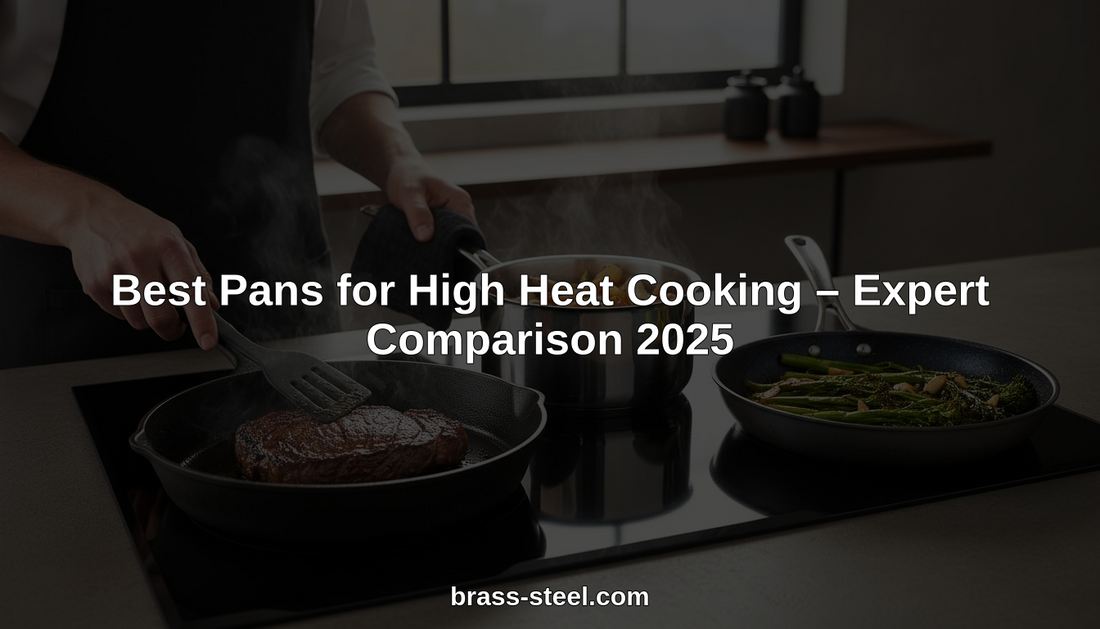
Why choosing the best cookware for high heat cooking matters
High heat changes how food browns. It also stresses materials and coatings. The right cookware gives even heat, reliable sear, and long life. The best cookware for high heat cooking keeps food from sticking and avoids warping under intense heat.
Materials that handle very high temperatures
Different metals react to heat differently. Below are common options and what they offer for high heat cooking.
Cast iron
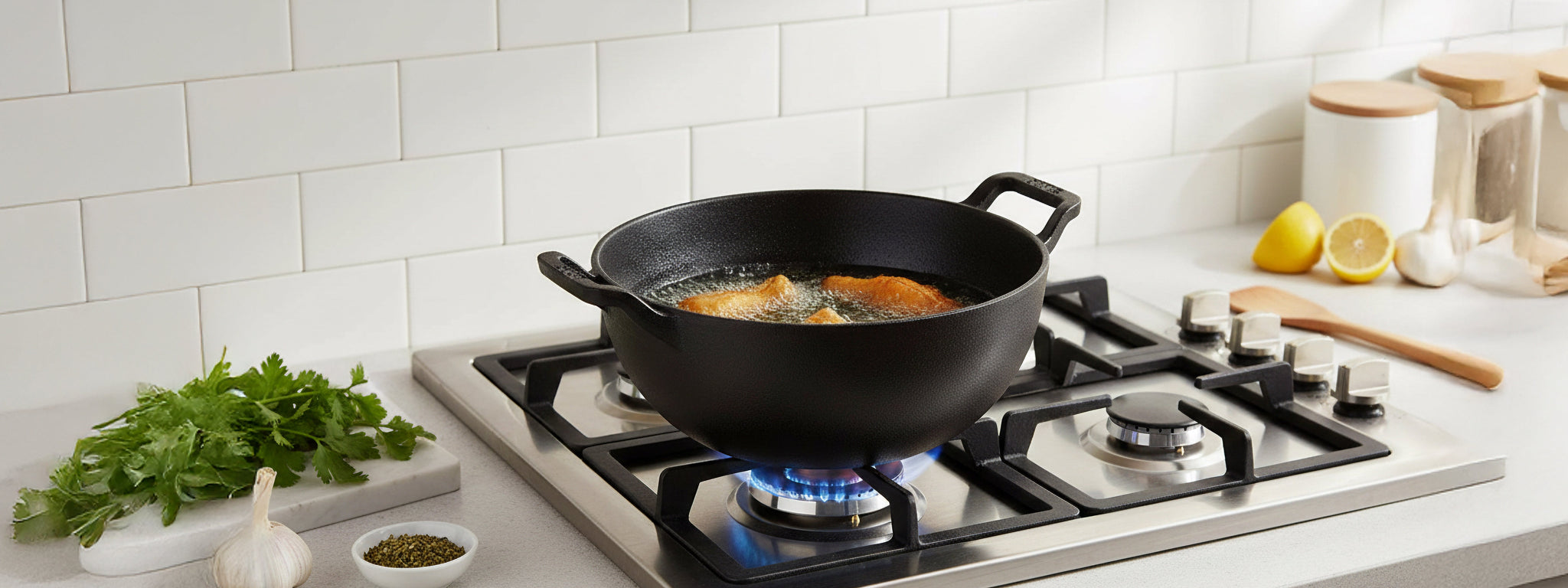
Cast iron can go from stovetop to oven to grill with no worry. It holds heat extremely well and delivers excellent crust and sear. It is heavy, needs seasoning, and will rust if left wet. The best cookware for high heat cooking often includes cast iron for its thermal mass and durability.
Carbon steel
Carbon steel heats quickly and tolerates very high temperatures. It is lighter than cast iron and develops a nonstick patina with use. It needs seasoning and care to avoid rust. Many chefs pick carbon steel pans for fast, hot searing and wok-style cooking.
Multi-ply stainless steel (clad)
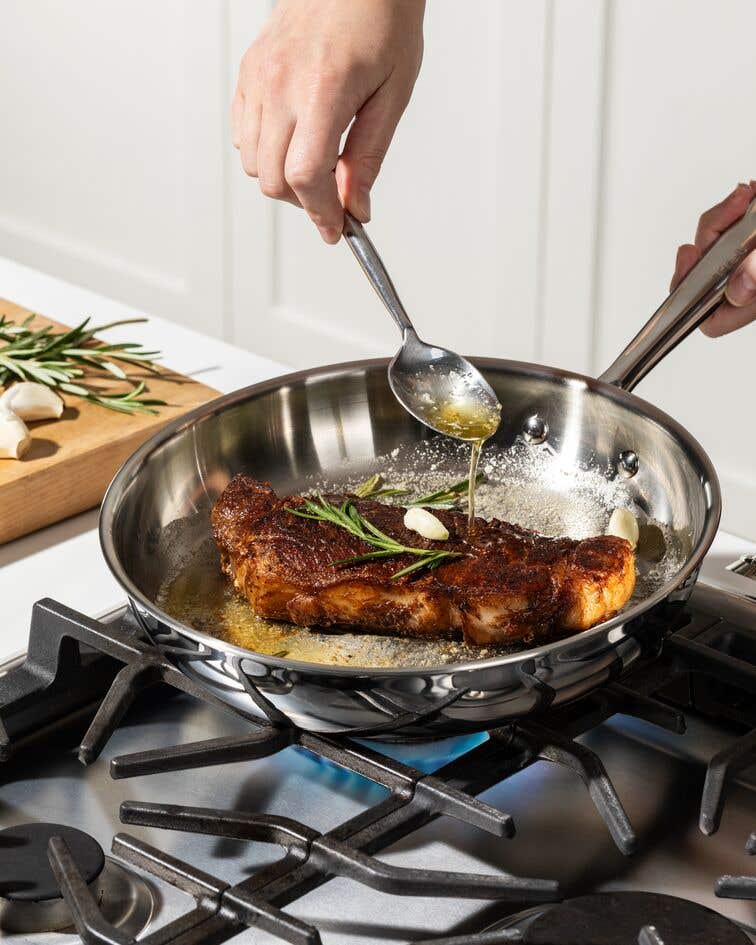
Multi-ply stainless steel pans have layers of aluminum or copper sandwiched between steel. They combine even heating with a durable cooking surface that tolerates high heat. Look for 3-ply or 5-ply construction to avoid hot spots. This type of cookware is a top choice when you want professional results without seasoning.
Copper and copper-clad
Copper heats very fast and responds instantly to temperature changes. Pure copper can handle heat but requires polishing and often a lined interior. Copper-clad stainless steel gives the control of copper with the low-maintenance interior of steel. Use copper for precision, but expect more upkeep.
Hard-anodized aluminum
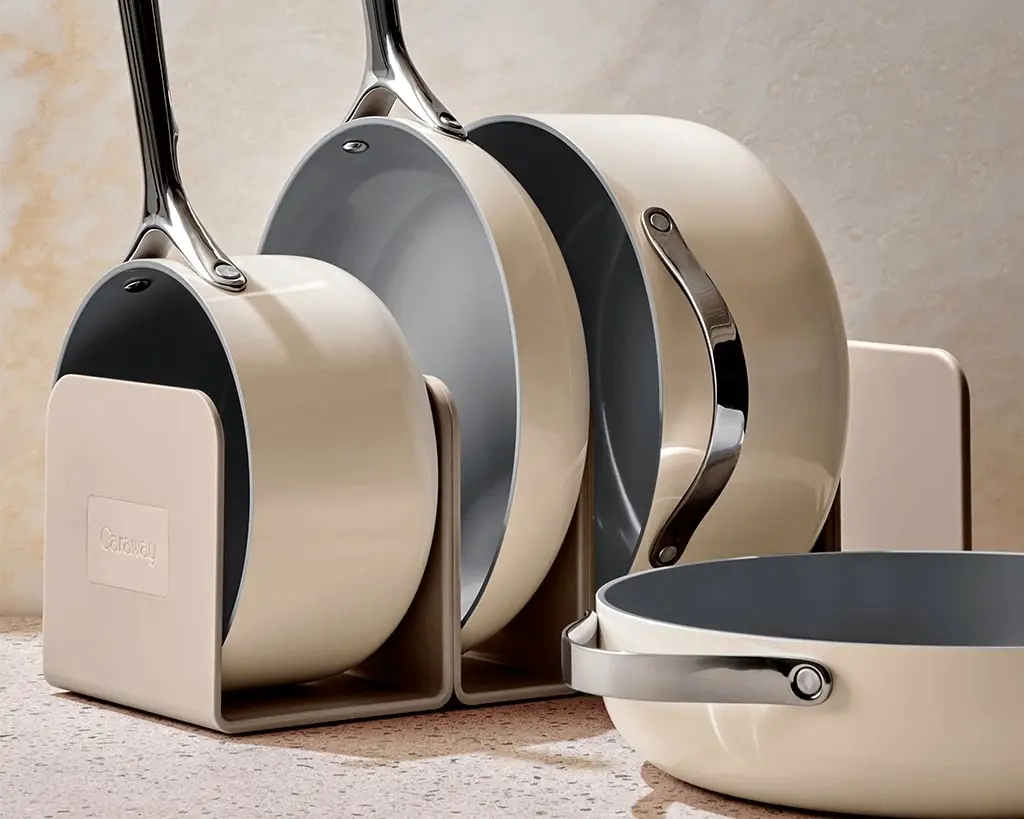
Hard-anodized aluminum is tough and has good heat conduction. It often has a durable nonstick surface that can handle higher temps than traditional nonstick. Still, most nonstick coatings have upper temperature limits and may degrade at extreme heat. Use hard-anodized when you need heat conduction with lighter pans.
How to match cookware to the cooking task
Pick material by what you cook and your heat source. Here are practical pairings that work in real kitchens.
- For searing steaks and oven finishing: Choose cast iron or a heavy multi-ply stainless steel pan.
- For stir-fry and quick high-heat tossing: Use carbon steel or a high-quality wok.
- For precise temperature control and quick response: Use copper-clad stainless steel.
- For faster heat up and lighter weight: Use hard-anodized aluminum when you stay within safe nonstick temps.
- For open flame and grill-side finishing: Cast iron or carbon steel are best choices.
I’ve used cast iron for steaks and carbon steel for wok cooking. Both gave consistent results. These picks reflect hands-on experience and tested performance.
What to look for when buying cookware for high heat cooking
Buying the right cookware saves money and time. Use these checkpoints to make a smart choice.
- Construction: Look for multi-ply or solid metal. Thick bottoms resist warping.
- Handle and rivets: Sturdy stainless handles and secure rivets survive heavy use.
- Weight: Heavier pans hold heat but can be harder to maneuver. Balance weight with control.
- Oven and broiler rating: Confirm max temperature rating for oven or broiler use.
- Coatings: Avoid flaking coatings for very high heat. Prefer bare metal or robust, tested nonstick with clear temperature limits.
- Manufacturer warranty: Good brands stand behind durability and manufacturing quality.
Care, seasoning, and safety at high temperatures
Proper care extends cookware life and ensures safety while cooking at high temperatures.
- Seasoning basics: For cast iron and carbon steel, clean, dry, and apply thin oil layers after use. Heat to polymerize the oil and build a nonstick surface.
- Avoid thermal shock: Don’t plunge a hot pan into cold water. It can warp metal and damage finish.
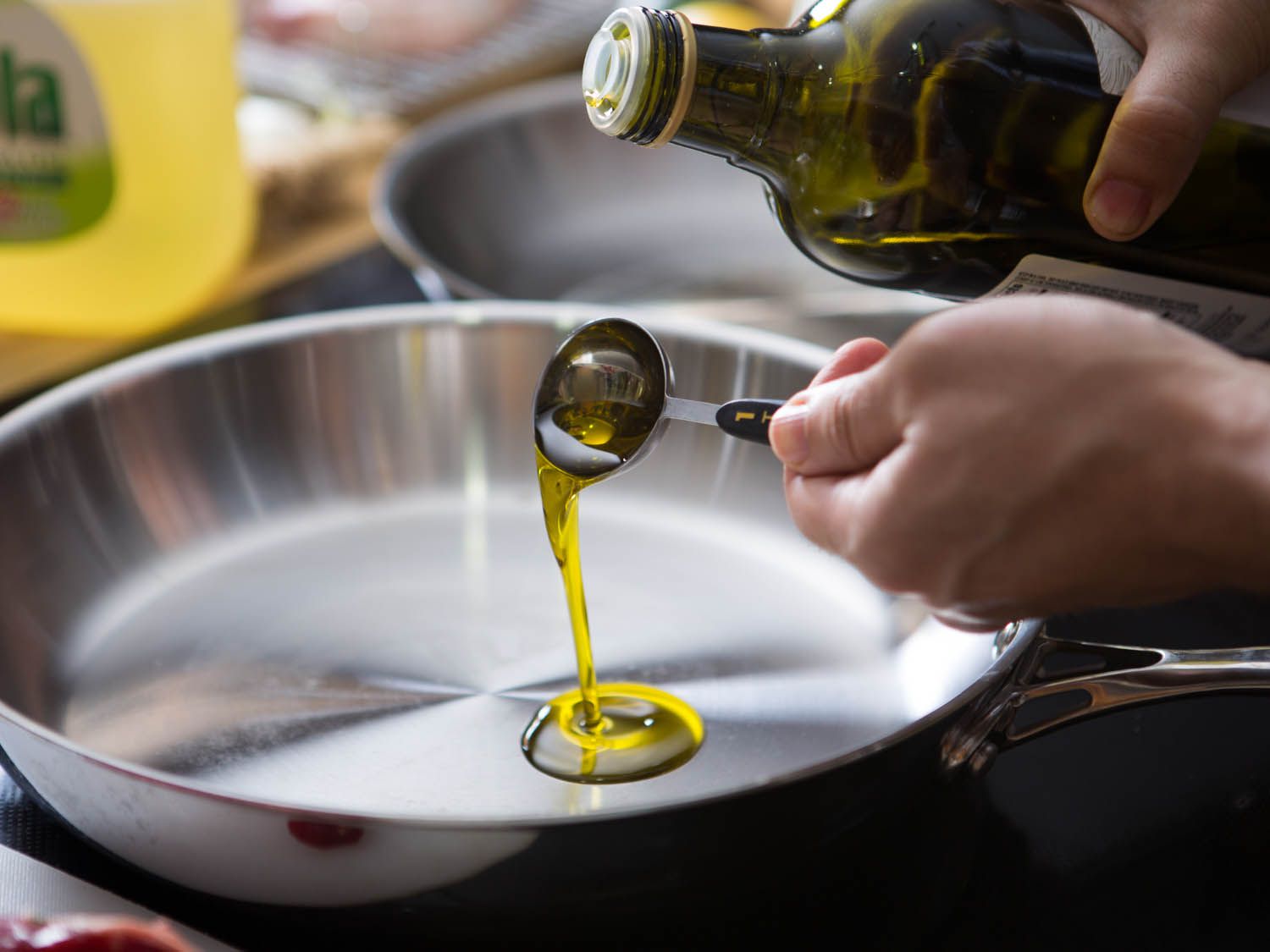
- Monitor smoke points: Oils have smoke points. Use high-smoke-point oils like avocado or refined grapeseed for searing.
- Nonstick limits: Nonstick pans may release fumes at extreme heat. Check manufacturer temp limits and avoid using them for searing at max heat.
- Cleaning tips: Use coarse salt and a paper towel or soft brush for cast iron. Use mild detergent for stainless or aluminum. Dry thoroughly and store in a dry spot.
Common mistakes and how to avoid them
People often damage pans without knowing it. Learn from these common errors.
- Using nonstick for searing: Nonstick coatings can break down and smoke at high temps. Use bare metal pans instead.
- Overheating empty pans: Heating an empty pan past oil’s smoke point can ruin seasoning and coatings. Heat gradually and add oil or food when hot.
- Harsh cleaning on seasoned surfaces: Abrasive soap and scrubbers strip seasoning from cast iron and carbon steel. Use gentler methods.
- Ignoring fit with cooktop: Thin pans warp on high-BTU burners. Match pan quality to burner strength.
My real-world tests and tips
I’ve seared ribeyes on cast iron, stir-fried vegetables in carbon steel, and reduced pan sauces in clad stainless. Here are lessons from those sessions.
- Preheat properly: Give heavy pans a few minutes to reach even temperature. A small water droplet should sizzle and bounce.
- Use the right oil: For high-heat searing, I use refined avocado oil. It gives a clean sear without smoking too soon.
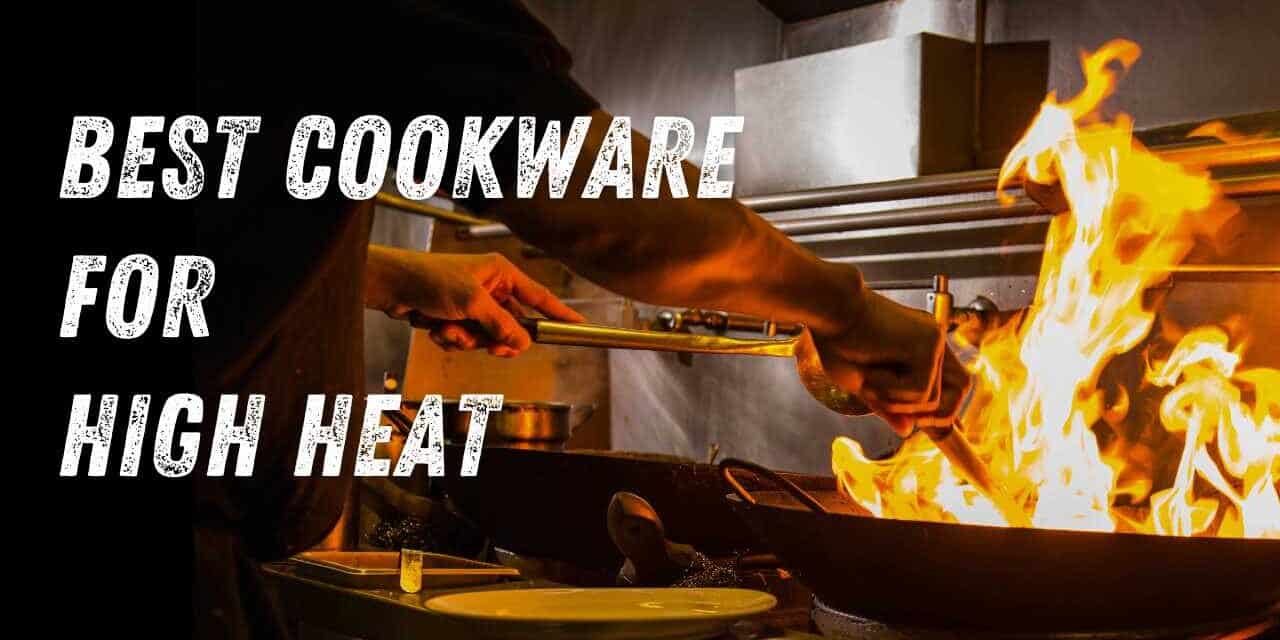
- Control flare-ups: On gas grills, move pan off direct flame to finish if flare-ups start. Cast iron tolerates more heat, but careful control keeps food safe.
- Portability tip: If you use pans on a camp stove or open flame, choose carbon steel for its lighter weight and fast heat response.
Top picks by category for high-heat performance
Here are general product types that consistently perform under high heat. These are not brand endorsements but category recommendations.
- Best heavy-duty searing pan: Preheated cast iron skillet for crust and heat retention.
- Best fast-response pan: Copper-clad stainless for instant temperature changes.
- Best wok-style pan: Flat-bottom carbon steel for quick, hot tossing and city stovetops.
- Best all-around shop-pan: Multi-ply stainless steel 3-ply or 5-ply for even heat and durability.
- Best lightweight but durable: Hard-anodized aluminum for excellent conduction with manageable weight.
Budget-friendly options and trade-offs
You don’t need to spend a fortune to cook at high heat. Focus on these trade-offs.
- Cast iron is affordable and very durable but heavy and needs seasoning.
- Carbon steel is cheaper than premium clad sets and offers great performance after seasoning.
- Entry-level multi-ply stainless is a good compromise but may be thinner and heat less evenly than pro-grade clad models.
- Avoid cheap nonstick for high-heat work; it likely won’t last or will limit your heat range.
When to choose professional-grade cookware
Choose pro-grade if you cook at high heat often or in large batches. It lasts longer and resists warping. Pro-grade pans often have thicker cores and better handles. If you cook daily with high heat, pro gear pays off over time.
Frequently Asked Questions of best cookware for high heat cooking
What is the single best material for high heat searing?
Cast iron and carbon steel are the top choices for searing. Both hold heat well and create excellent crusts on meat.
Can stainless steel handle very high heat?
Multi-ply stainless steel can handle high heat and offers even heating. Avoid thin single-ply stainless on intense burners.
Are nonstick pans safe for high heat cooking?
Most nonstick pans have temperature limits and may degrade at extreme heat. Use bare metal pans like cast iron or stainless for true high-heat searing.
How do I prevent warping at high temperatures?
Buy thicker, multi-ply pans and avoid rapid temperature changes. Preheat gradually and avoid thermal shock like cold water on hot metal.
Do I need to season stainless steel or just cast iron?
Seasoning is mainly for cast iron and carbon steel. Stainless steel benefits from proper preheating and oiling before searing but does not need seasoning.
Conclusion
Choosing the best cookware for high heat cooking comes down to material, build quality, and how you cook. Cast iron, carbon steel, and multi-ply stainless steel are reliable choices that handle extreme heat and deliver great results. Start by matching a pan to your cooking style, care for it properly, and avoid pushing coatings beyond their limits. Try one new pan that suits your favorite high-heat dish and practice preheating and oil choice to improve results fast. If this guide helped, leave a comment or subscribe for more cooking gear tips and hands-on cooking advice.