Nonstick cookware safety myths explained: Most fears are overstated; safe use and care prevent real risks.
I’ve spent years testing pans, talking with chefs, and reading the science, so I’ll cut through the noise on nonstick cookware safety myths explained. This article lays out how nonstick coatings work, which claims are supported by evidence, how to use pans safely, and how to choose the best option for your kitchen. Read on for clear, practical guidance grounded in experience and research so you can cook with confidence.
How nonstick coatings work: basics you should know
Nonstick cookware safety starts with understanding what the coating is. Most modern nonstick pans use PTFE-based coatings or ceramic-like coatings. PTFE is a synthetic polymer prized for slipperiness; ceramic coatings are silica-based and often marketed as "chem-free."
Coatings bond to metal pans with primers and layers. Damage, scratches, and extreme heat change coating behavior and can shorten pan life. Knowing how these materials react to heat and use helps you evaluate nonstick cookware safety and performance.
Common myths about nonstick cookware safety — and the facts
Below I unpack the most repeated nonstick cookware safety myths explained, one by one, with evidence-based answers and practical tips.
Myth 1: Nonstick pans release toxic gases during normal cooking
Fact: Proper-use nonstick cookware safety is high. PTFE coatings can emit fumes only when overheated above about 500°F (260°C). Normal stovetop cooking rarely reaches those levels. Avoiding empty-pan preheating on high heat keeps you well below risky temperatures.
Myth 2: All nonstick coatings contain PFOA and cause cancer
Fact: Modern nonstick cookware safety has improved. PFOA was phased out of production years ago. Most current cookware is made without PFOA, so fear based on older formulations is largely outdated.
Myth 3: Scratches make nonstick coatings dangerous immediately
Fact: A scratched pan is less nonstick and may flake, but small flakes are inert and pass through the digestive tract. Major damage indicates it’s time to replace the pan for performance, not because of acute toxicity.
Myth 4: Nonstick cookware is always better for health than stainless or cast iron
Fact: Nonstick cookware safety depends on use. Nonstick pans lower oil needs and help reduce fats, but cast iron can add dietary iron, and stainless is scratch-resistant. Each material has trade-offs; choose based on cooking style and safety habits.
Myth 5: Ceramic nonstick is always safer than PTFE
Fact: Ceramic coatings avoid PTFE, but they can degrade faster and lose nonstick quality at lower temperatures. Nonstick cookware safety compares materials based on use case, lifespan, and heat tolerance, not just label claims.
Health risks: what the evidence actually says
Researchers tested emissions from overheated PTFE and documented polymer fume fever in exposed animals and some human cases under extreme conditions. These are associated with temperatures far above normal cooking. Long-term cancer links tied to PFOA relate to production exposures in the past, not typical home cooking today.
Regulatory changes and industry shifts reduced or eliminated many harmful additives in new pans. Still, using pans correctly and replacing damaged cookware reduces any remaining risks. Overall, the strongest safety issue with nonstick cookware is overheating and misuse rather than everyday exposure.
Safe use and care: practical tips to maximize nonstick cookware safety
Follow these simple steps to keep nonstick cookware safety high in your kitchen.
- Use medium or low heat whenever possible. High heat is the main cause of coating breakdown.
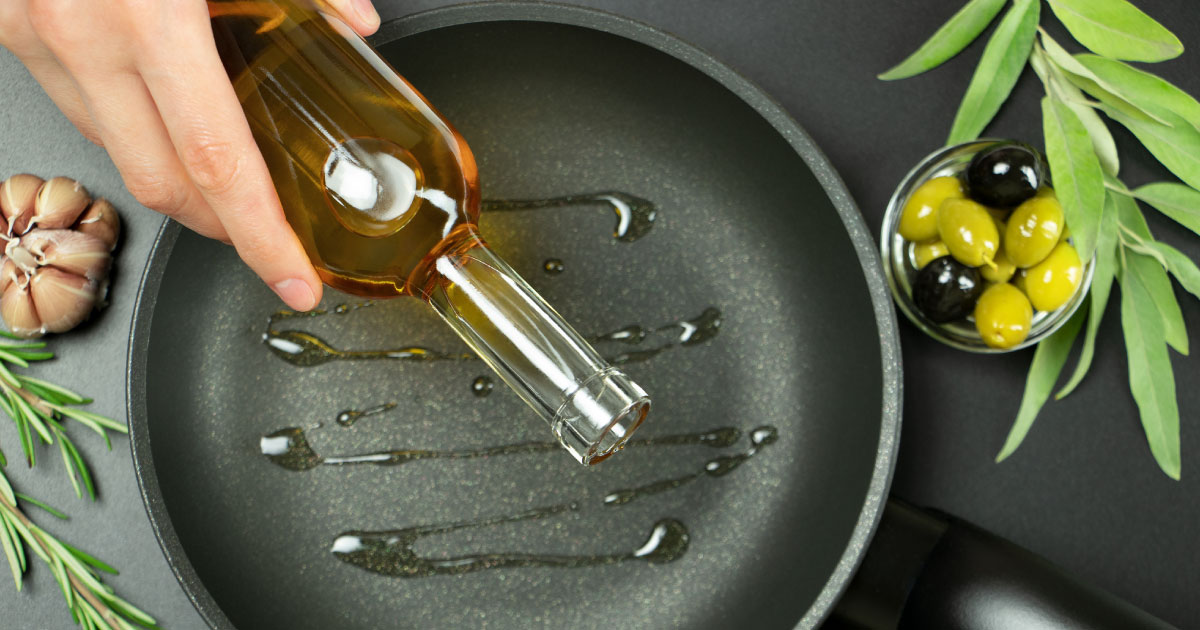
- Avoid preheating an empty nonstick pan on high. Add oil or food early to moderate temperatures.
- Use wooden, silicone, or nylon tools to avoid scratching the surface.
- Hand wash gently with nonabrasive sponges; avoid metal scouring pads.
- Replace pans when nonstick performance declines or surface damage is visible.
- Store pans with protective layers or hang them to prevent surface abrasion.
These habits extend pan life and reduce chances of overheating or degradation. They are simple and effective.
Choosing the right nonstick cookware for your needs
Consider these factors when shopping to balance performance, durability, and nonstick cookware safety.
- Coating type: PTFE for long-lasting slickness, ceramic for lower chemical concerns but shorter life.
- Base material: Aluminum for quick heat, stainless-clad for durability and even heating.
- Oven tolerance: Check max temperature; many nonstick pans are oven-safe up to a specified limit.
- Warranty and brand transparency: Brands that publish testing data and avoid older chemicals strengthen trust.
- Price vs. replacement cost: A cheaper pan may need replacing sooner, which has cost and waste implications.
I test pans by sautéing, searing, and washing them repeatedly to gauge wear. My experience shows that mid-range PTFE pans used with care often outlast many ceramic options.
Environmental and manufacturing concerns
Nonstick cookware safety includes production and disposal impacts. Chemical manufacturing historically used agents that led to environmental contamination. Newer manufacturing practices reduced problematic chemicals, but end-of-life disposal and recycling remain concerns.
To reduce environmental harm, choose pans from companies with clear chemical policies, consider repair and reuse, and recycle metal components where facilities exist. Responsible purchasing supports better industry standards and improves overall nonstick cookware safety for communities.
Personal experience: lessons from testing and daily cooking
I once overheated an empty nonstick skillet on high while distracted. The smell and smoke were unpleasant but short-lived; the pan showed no visible damage. That taught me two lessons: never heat empty pans on high, and ventilation matters.
I also found that using a mid-range PTFE pan with silicone spatulas and hand washing kept it performing well for years. Ceramic pans can be great for light cooking, but they lost slickness faster in my daily use. These small practice changes improved my nonstick cookware safety and saved money.
Frequently Asked Questions of nonstick cookware safety explained
What temperature damages nonstick coatings?
Most PTFE coatings begin to break down above about 500°F (260°C). Normal cooking temperatures are usually below this, so avoid dry overheating and high broiler or empty-pan heat.
Are scratched nonstick pans toxic to eat from?
Small flakes from a scratched pan are generally inert and pass through the digestive system. Replace pans once they lose nonstick performance or show extensive surface damage.
Is ceramic nonstick safer than PTFE?
Ceramic avoids PTFE chemistry but may degrade faster and requires gentler care. Safety depends on correct use; neither is categorically risk-free or risk-free in all contexts.
How often should I replace nonstick cookware?
Replace when the coating peels, flakes, or no longer releases food. For many users, this is every 2–5 years depending on care and frequency of use.
Can nonstick fumes harm pets?
Birds are especially sensitive to airborne fumes from overheated PTFE. Keep birds out of the kitchen during high-heat cooking and avoid overheating pans to protect pets.
Conclusion
Nonstick cookware safety centers on informed use, good care, and choosing pans from transparent makers. Most fears stem from outdated information or improper use like overheating or using abrasive tools. By following simple habits—use moderate heat, avoid empty-pan high-heat, replace damaged pans, and ventilate cooking spaces—you keep your kitchen safe and enjoy the convenience nonstick pans offer.
Take action today: check your pans for damage, adopt safer habits, and pick cookware that fits your cooking style. If you found this helpful, leave a comment, share your experience, or subscribe for more practical kitchen safety guides.