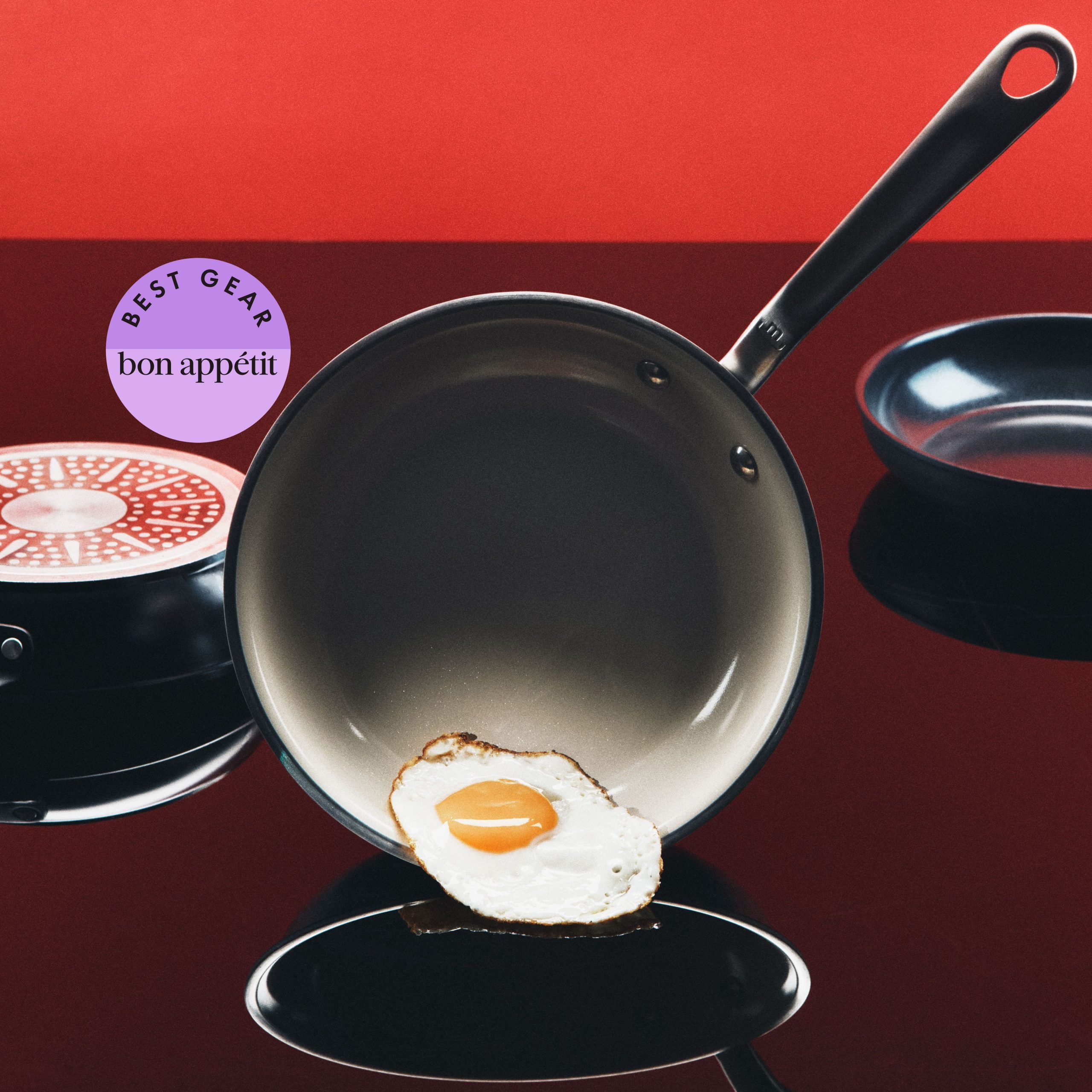
Seasoned cast iron skillet offers the best alternative to nonstick cookware: durable, naturally nonstick, and oven-safe.
I have cooked with many pans for over a decade. I test gear at home and in small teaching kitchens. In this article I explain why seasoned cast iron often beats nonstick pans. I also cover other excellent options, how to choose, care tips, and real-life pros and cons. Read on to find the best alternative to nonstick cookware that fits your needs and budget.
Why consider alternatives to nonstick cookware?
Many people move away from traditional nonstick cookware for health, durability, and performance reasons. Coatings can degrade after heavy use or high heat. Alternatives often last longer and handle higher heat safely.
You may want better browning, oven use, or a pan that improves with age. If you want cookware that can go from stovetop to oven and last for years, consider the best alternative to nonstick cookware. This guide shows which options match common cooking needs and lifestyles.
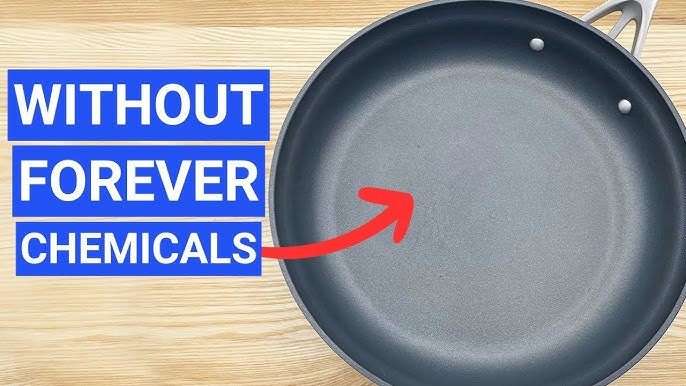
Top choices for the best alternative to nonstick cookware
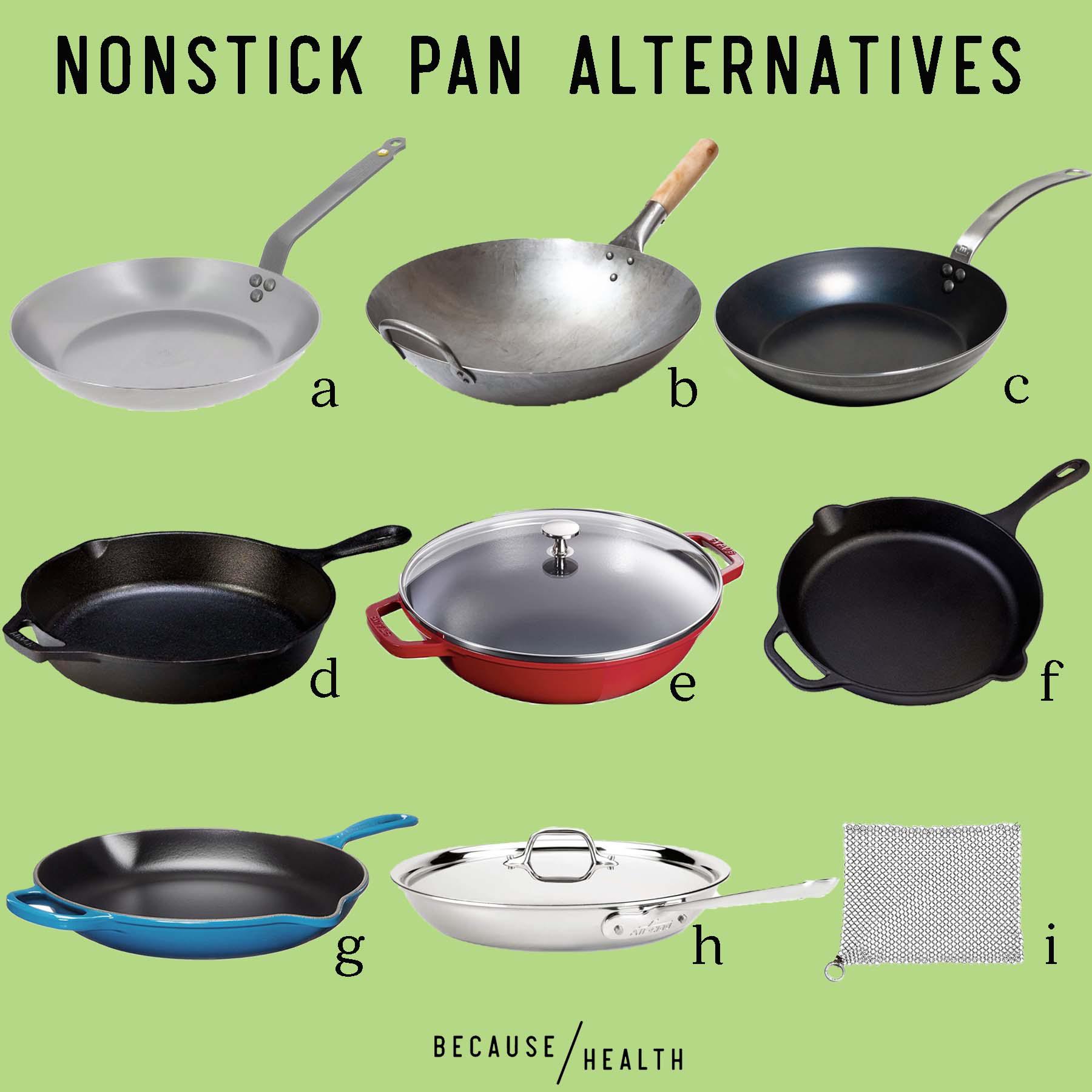
Below are the most reliable options for the best alternative to nonstick cookware. I list pros, cons, use cases, and simple care tips so you can pick one with confidence.
Seasoned cast iron
- Pros: Exceptional heat retention, naturally developing nonstick surface with use, very durable.
- Cons: Heavy, needs seasoning and proper care, can rust if not dried and oiled.
- Best for: Searing, frying, baking, oven use, and one-pan meals.
- Care tips: Clean with hot water and a brush. Dry fully and apply a thin oil layer. Re-season when food sticks.
Carbon steel
- Pros: Lighter than cast iron, builds a nonstick patina, great for high-heat searing and stir-fry.
- Cons: Requires seasoning and similar care to cast iron, reactive with acidic foods until well-seasoned.
- Best for: Searing, stir-fries, crepes, and quick-cook tasks.
- Care tips: Season before first use. Clean gently and dry. Oil lightly after use.
Stainless steel
- Pros: Nonreactive, easy to clean, great for precise browning when used with proper technique.
- Cons: Not naturally nonstick; needs heat and oil management to prevent sticking.
- Best for: Sauces, deglazing, boiling, and when you need a neutral cooking surface.
- Care tips: Preheat pan, add oil, then add food. Use medium-high heat for searing, lower heat for delicate items.
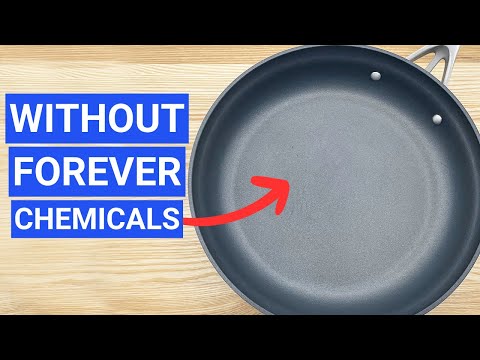
Ceramic-coated pans
- Pros: Often free of PFAS, PFOA, and PTFE, slick surface for a while, and lightweight.
- Cons: Coating can wear or chip over time, and performance declines faster than metal pans.
- Best for: Low-fat cooking, eggs, and gentle sautéing when you want a light coated option.
- Care tips: Use wooden or silicone tools. Avoid very high heat and thermal shock.
Hard-anodized aluminum
- Pros: Good heat distribution, more durable than standard nonstick, often oven-safe.
- Cons: Not truly nonstick like PTFE; some foods may stick unless oiled well.
- Best for: Everyday cooking that needs even heat and relatively low maintenance.
- Care tips: Avoid metal utensils if coated. Clean with mild soap and nonabrasive cloth.
Copper (lined)
- Pros: Fast, precise temperature control and excellent responsiveness.
- Cons: Expensive, requires polishing (if unlined), and often lined with stainless steel which changes feel.
- Best for: Sauces, delicate temperature work, and cooks who value speed and control.
- Care tips: Use gentle cleaners for the exterior. If lined, treat like stainless steel inside.
The seasoned cast iron skillet excels as the best alternative to nonstick cookware for most home cooks. It gives a real nonstick feel over time and can handle all kinds of high-heat tasks.
How to choose the right best alternative to nonstick cookware for you
Choosing the best alternative to nonstick cookware depends on cooking style, care willingness, and budget. Ask yourself simple questions before you buy.
- Do you want low maintenance or are you okay with regular care? Seasoned pans need more work.
- Do you cook often at high heat? Cast iron and carbon steel are top picks.
- Do you need light pans for quick flipping? Carbon steel or ceramic-coated pans work well.
- Is oven use important? Cast iron and stainless steel offer oven-safe versatility.
Match the material to tasks. For daily eggs and delicate items, choose ceramic or a well-used cast iron. For searing and one-pan meals, pick cast iron or carbon steel. For sauces and deglazing, choose stainless steel. These steps will help you choose the best alternative to nonstick cookware without buyer’s remorse.
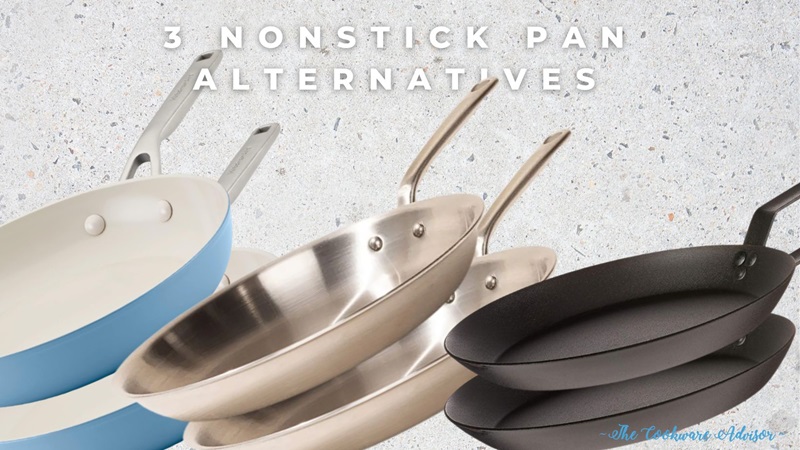
Caring for your best alternative to nonstick cookware
Good care keeps your alternative pans working well for years. Each material has simple, clear care rules.
- Cast iron and carbon steel: Avoid soap when possible. Clean with hot water and a brush. Dry fully and oil lightly to protect the patina.
- Stainless steel: Use hot water and soap. For stuck food, deglaze with water or stock and simmer to release bits. A paste of baking soda and water helps stubborn stains.
- Ceramic-coated: Use gentle cleaners. Avoid metal tools. Replace if the coating chips.
- Hard-anodized and copper: Clean gently and avoid abrasive pads. Follow maker care instructions for best results.
Simple daily habits extend life. Warm the pan before adding oil. Use the right oil for heat level. Store pans dry. These small steps make your best alternative to nonstick cookware a long-term partner.
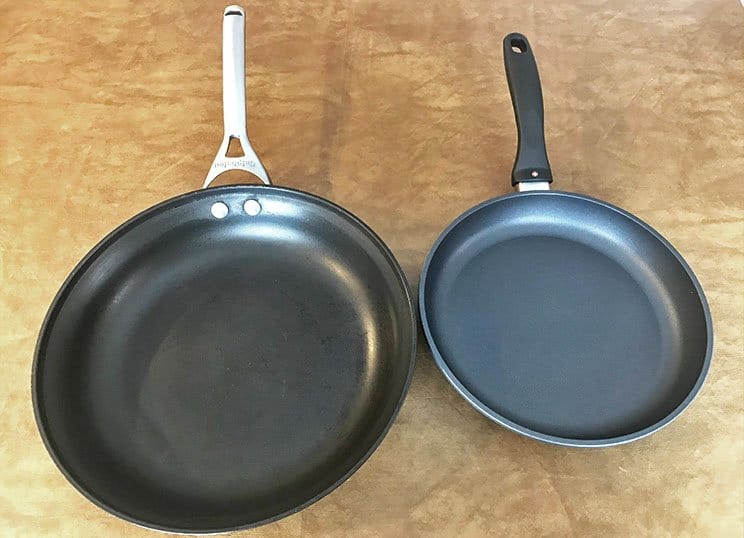
Personal experience and practical tips
I learned the hard way that heat control matters most. Early on I scorched food in a new cast iron because I used too much heat. After a few uses, the pan darkened and gained a natural release. Now I prefer cast iron for stews, roasts, and searing.
Practical tips I use often:
- Start with medium heat and test with a drop of water or oil.
- Use a thin layer of oil when cooking eggs at first; the pan will improve fast.
- Don’t rush seasoning. Several light layers are better than one heavy layer.
- For mixed kitchens, keep one stainless pan and one cast iron or carbon steel. This combo handles most recipes.
These tips come from years of home testing and teaching. They help most people switch to the best alternative to nonstick cookware with less fuss.
Frequently Asked Questions of best alternative to nonstick cookware
What is the single best alternative to nonstick cookware?
Seasoned cast iron is often the top pick for its durability, heat retention, and naturally developing nonstick surface. It works for frying, searing, and baking.
Is stainless steel a good replacement for nonstick pans?
Yes. Stainless steel is great for browning and sauces, but it requires proper preheating and oil to prevent sticking. It is easy to care for and long lasting.
Can I use cast iron for eggs without sticking?
Yes. With a well-seasoned cast iron and moderate heat, eggs can release cleanly. Use a small amount of oil while the surface continues to build.
How do I maintain a ceramic-coated pan to extend its life?
Avoid high heat and metal utensils. Clean gently with soapy water and replace the pan if the coating flakes or chips. Proper use extends its nonstick feel.
Are alternatives to nonstick cookware safe for high-heat cooking?
Many alternatives like cast iron, carbon steel, and copper are safe at high heat and can outperform standard nonstick pans in high-temperature tasks. Use care with coated items that may degrade under extreme heat.
Conclusion
Choosing the best alternative to nonstick cookware comes down to your cooking habits and how much care you will give the pan. Seasoned cast iron often wins for long-term value, heat performance, and natural nonstick development. Carbon steel, stainless steel, and ceramic-coated pans each have roles in a well-rounded kitchen. Try one or two options and build skills like seasoning and heat control.
Takeaway: start with a single pan that fits your main cooking style. Test it, learn its quirks, and enjoy food that tastes better with time. If this helped, leave a comment with your favorite pan or subscribe for more gear and cooking tips.