Ceramic cookware is generally healthier than traditional nonstick when used and maintained correctly.
I’ve spent years testing pans in home kitchens and writing about cookware safety. This guide breaks down nonstick vs ceramic cookware for health in plain, useful terms. You’ll learn what each coating is, what chemicals to watch for, how real risks play out in everyday cooking, and practical tips to keep your family safe. Read on to make a clear, confident choice for your kitchen.
Quick overview: what nonstick vs ceramic cookware for health really means
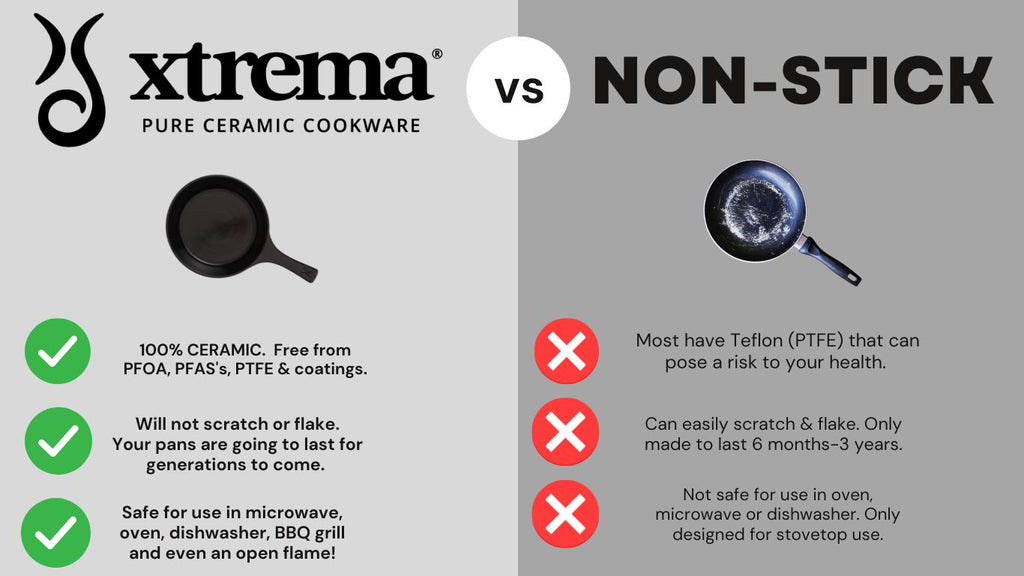
Nonstick vs ceramic cookware for health is a common search for home cooks. People want to know which pans release harmful chemicals, which last longer, and which are safe at higher heat. The short truth is that health risks depend on materials, stove use, and how you care for the pan. Both types can be safe if you follow basic rules. I’ll explain the science and give simple steps you can follow today.
What each coating is and how they differ
Nonstick (PTFE-based)
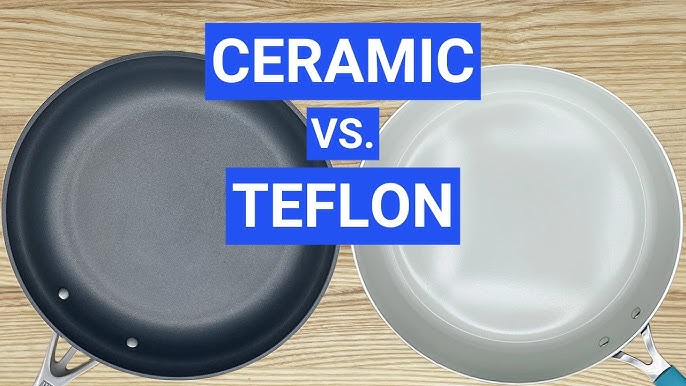
- What it is. Most modern nonstick pans use a polymer called PTFE. PTFE creates a slick surface that food won’t stick to.
- How it’s made. PTFE coatings are applied in layers and baked onto metal. Some older nonstick used PFOA in manufacturing, but that chemical is mostly phased out.
- Typical strengths. Excellent release for eggs, pancakes, and low-fat cooking. Easy to clean and great for quick tasks.
Ceramic (sol-gel or inorganic)
- What it is. Ceramic-coated pans use a silica-based coating bonded to metal. The surface is often marketed as “PTFE-free.”
- How it’s made. A liquid ceramic mix is sprayed and cured at high heat to form a hard, glossy layer.
- Typical strengths. Good for moderate heat and for cooks who avoid synthetic polymers. Ceramic can handle higher temps for short periods, but performance varies.
Both options aim to reduce the need for cooking fats. That can be healthier when you’re cutting calories, but coating choice matters for chemical exposure and durability.
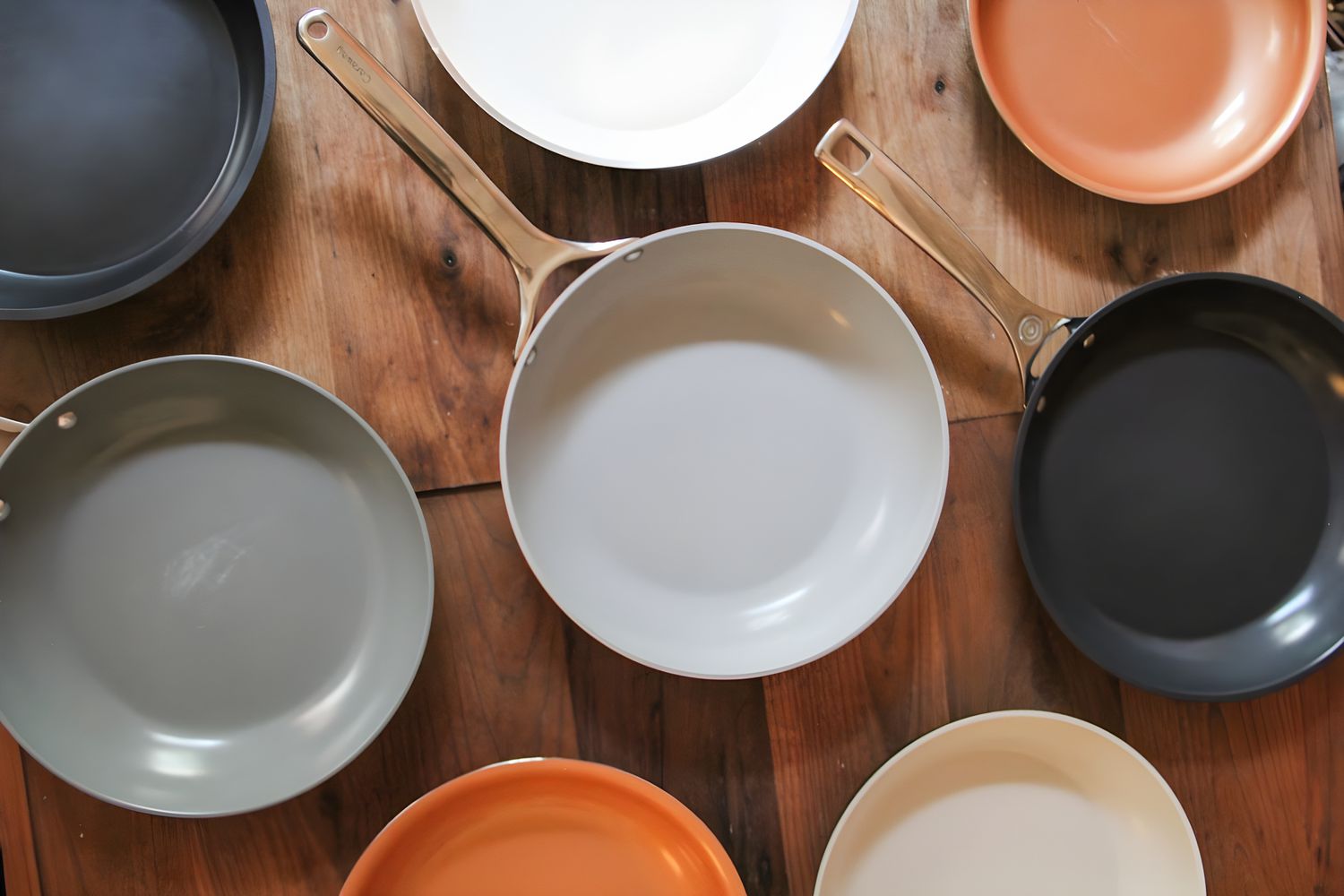
Health concerns: what to watch for
PTFE and thermal breakdown
- The risk. PTFE can break down at very high heat and release fumes. These fumes can cause flu-like symptoms in people and are deadly to pet birds.
- Practical note. Most home cooking stays below breakdown temps if you avoid heating an empty pan on high.
PFOA legacy and manufacturing residues
- The risk. PFOA was used in the past to make some nonstick coatings. It’s linked to health concerns and has been phased out in many places.
- Practical note. New nonstick pans are usually PFOA-free, but older cookware could be a concern.
Heavy metals and ceramic coatings
- The risk. Some cheap ceramic coatings may contain lead or cadmium in the glaze. These can leach into food if the coating is damaged.
- Practical note. Reputable brands test coatings to meet safety standards. Avoid chipped or flaking pans.
Durability and ingestion risk
- The risk. When any coating flakes or chips, tiny particles can enter food. The body may pass small particles, but it’s not ideal.
- Practical note. Replace pans that show wear or peeling. Don’t use abrasive cleaners or metal utensils on coated surfaces.
Real-world perspective
- Most day-to-day cooking is low risk if you don’t overheat pans, don’t use damaged cookware, and buy quality brands.
- Studies suggest that typical use poses minimal exposure to harmful compounds, but misuse raises risk.
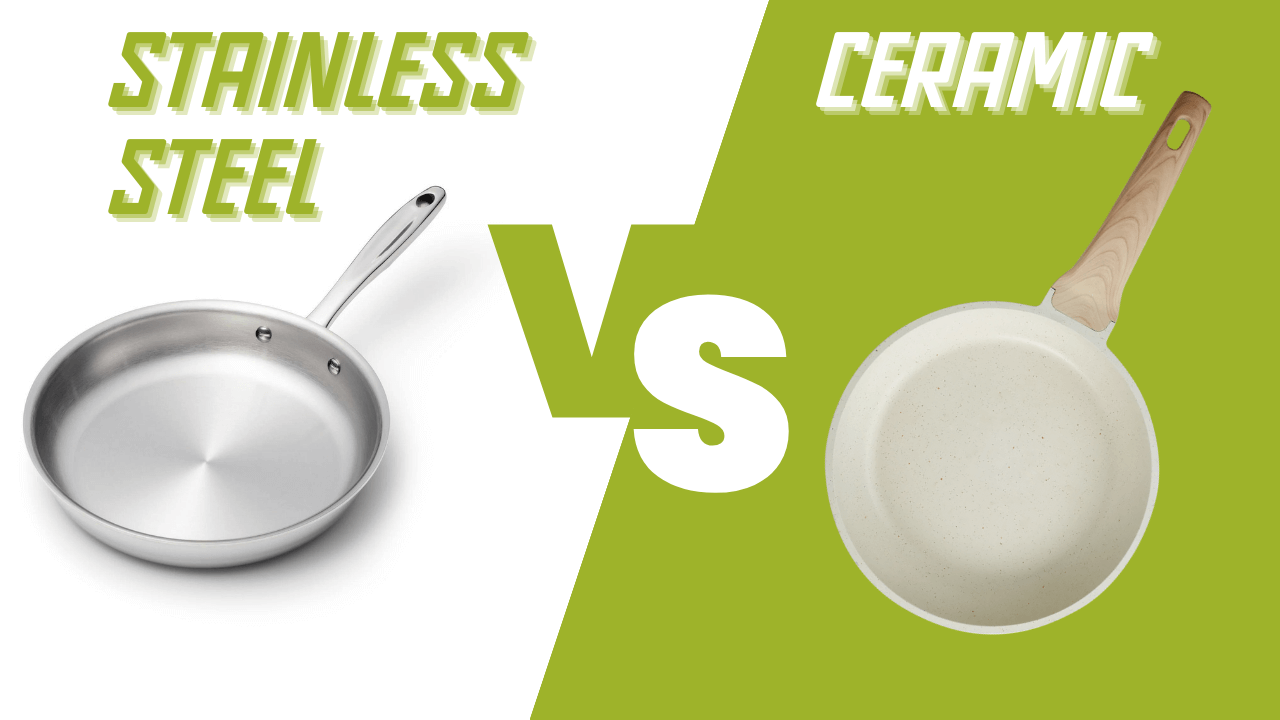
Cooking safety tips for both types
- Avoid preheating empty pans on high. This prevents overheating and chemical breakdown.
- Use medium or low heat for nonstick pans. Ceramic can tolerate higher heat briefly, but moderate heat prolongs life.
- Use wooden, silicone, or nylon utensils. Metal tools scratch coatings and speed wear.
- Replace pans that flake, chip, or warp. Worn coatings increase exposure risk and reduce performance.
- Keep ventilation on when cooking. A simple fan or open window reduces any fumes or smoke.
- Don’t microwave cookware not rated for it. Many coated pans aren’t microwave-safe.
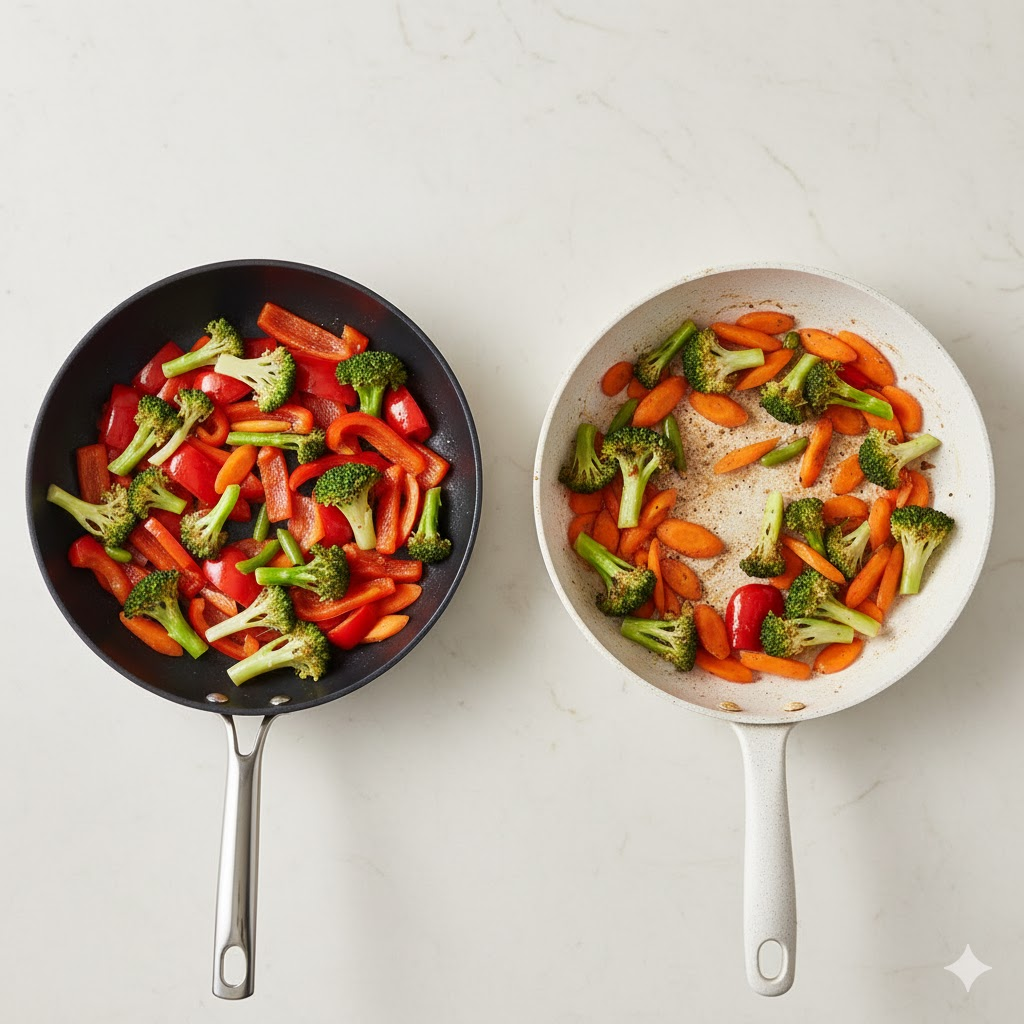
Cleaning, maintenance, and lifespan
Nonstick care
- Hand wash when possible. Gentle dish soap and a soft sponge prolong life.
- Avoid aggressive scrubbing. Scouring pads damage the surface.
- Lifespan. Expect 2–5 years depending on use and quality.
Ceramic care
- Hand wash for best results. Some claim dishwasher-safe, but machine washing shortens life.
- Avoid thermal shock. Don’t rinse a hot pan with cold water.
- Lifespan. Often shorter than high-grade nonstick, typically 1–3 years for cheaper models.
Tips to extend life
- Use little oil; it helps slip and protects surfaces.
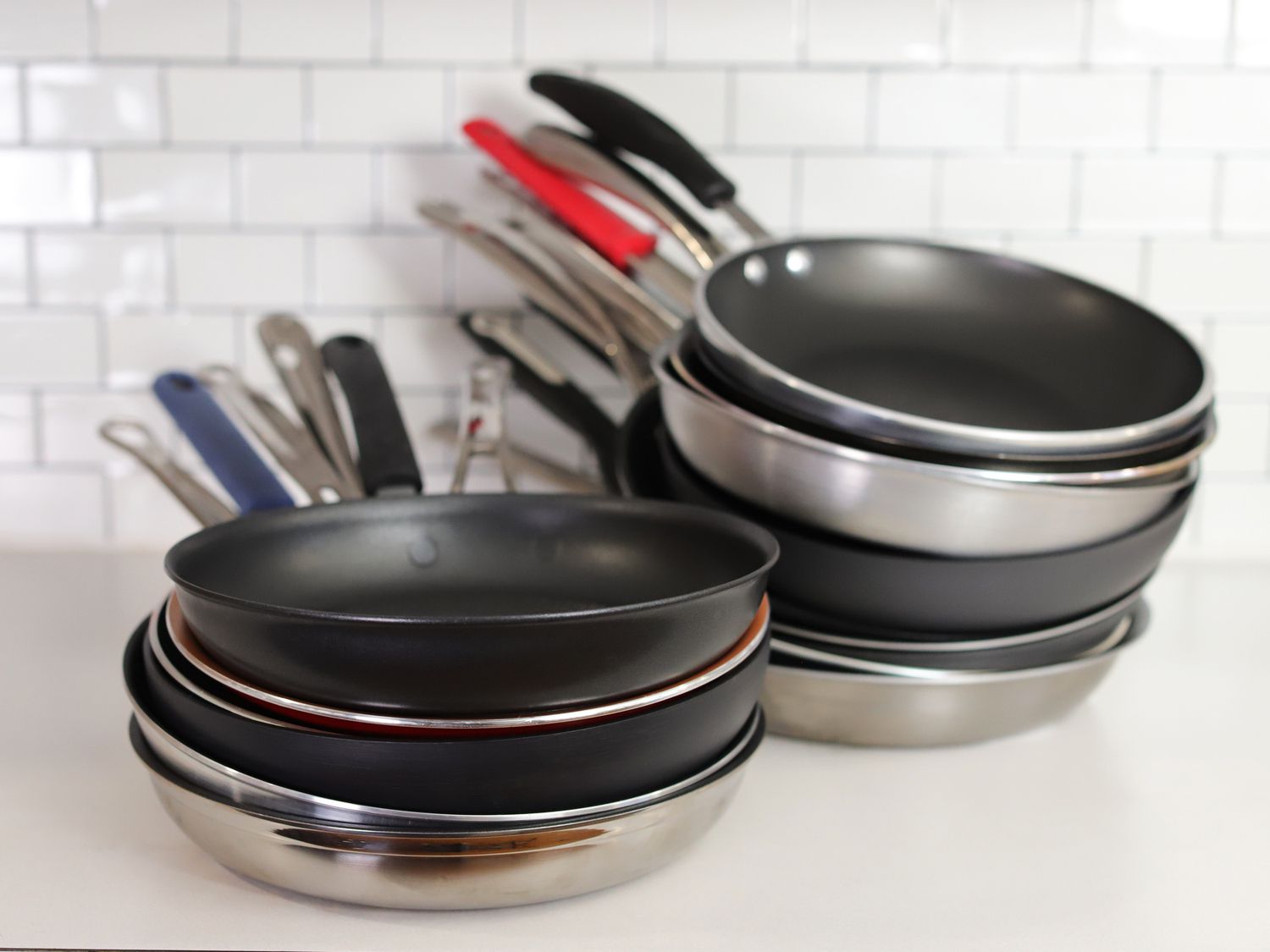
- Store pans with cloth between them to avoid scratches.
- Follow manufacturer heat limits.
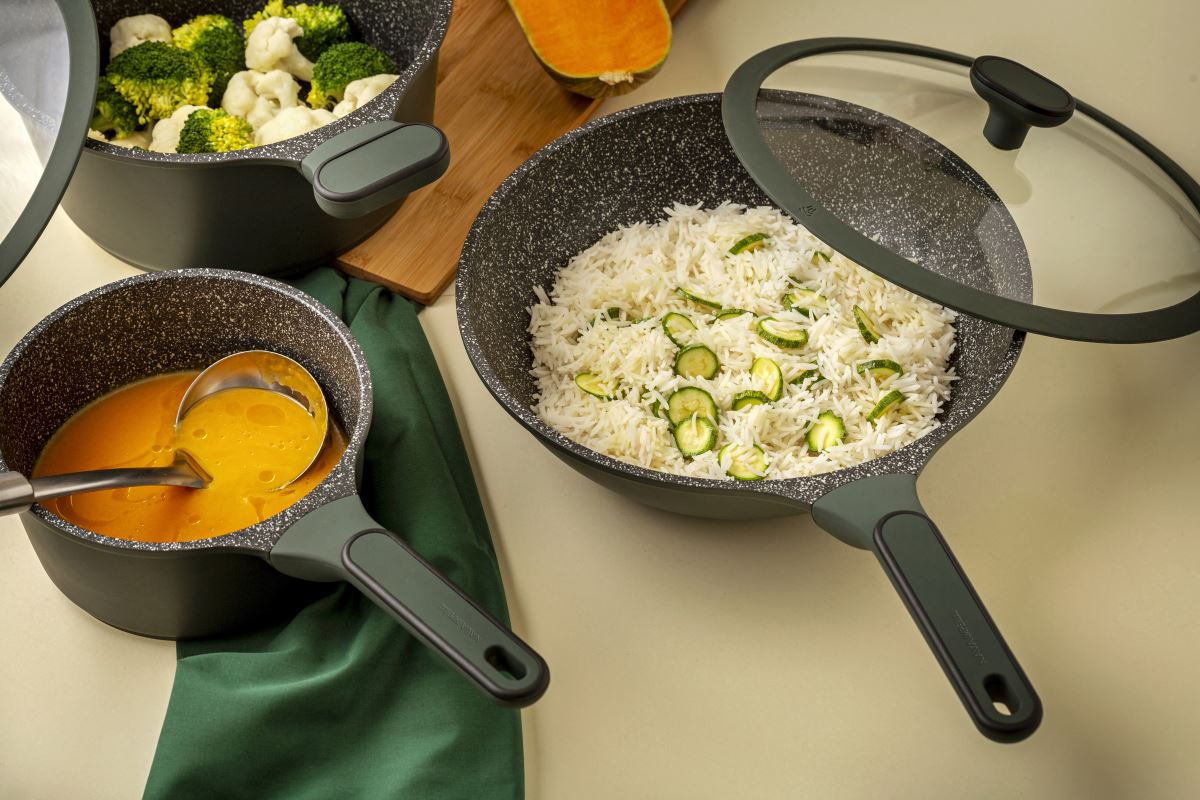
Buying guide: how to choose safe pans
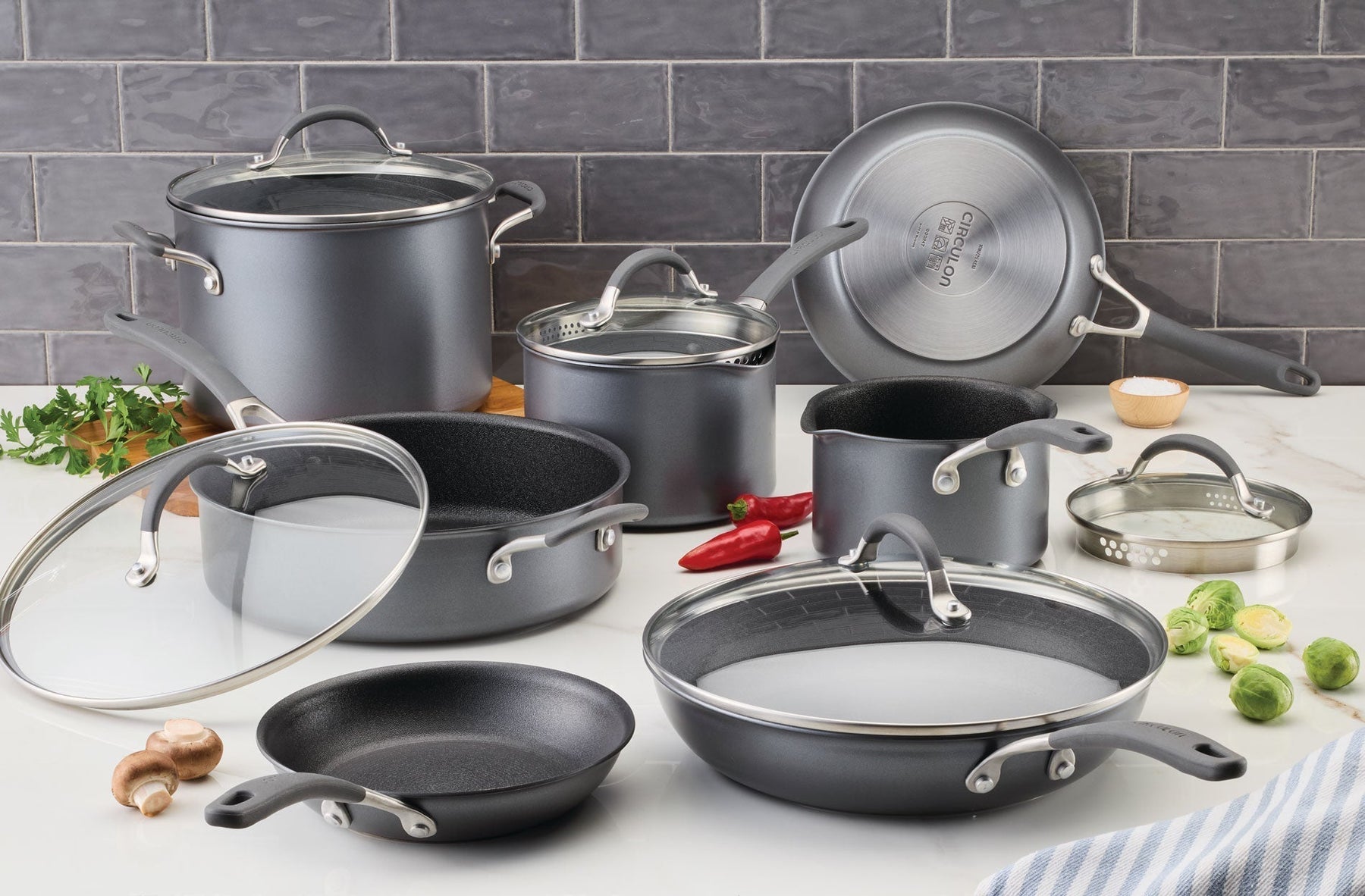
- Look for clear safety claims. Brands that state PTFE-free or PFOA-free and list testing standards are easier to trust.
- Check warranty and return policy. Good brands stand behind durability.
- Read ingredient information. Ceramic coatings should list the main compounds and safety tests.
- Avoid very cheap, unknown brands. Low price can mean poor quality control and unsafe glazes.
- Consider cookware material. Aluminum cores heat fast but can warp. Stainless cores are durable and stable.
- Buy a quality pan you’ll use. One reliable pan beats many short-lived ones.
Performance, energy use, and cooking style
Performance comparison
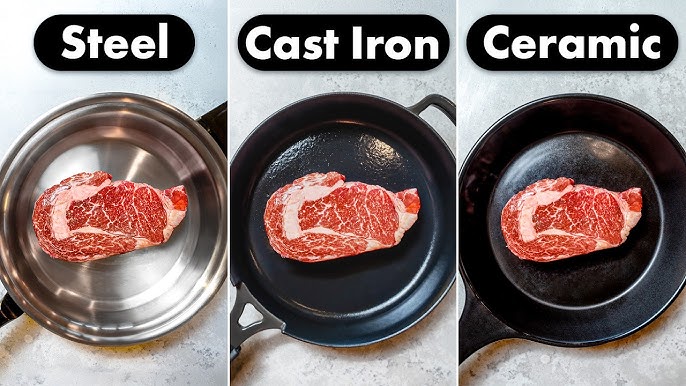
- Nonstick excels for low-fat cooking and delicate foods. Eggs and fish slide off easily.
- Ceramic can handle more heat and browning better, but performance varies by brand.
- Durability trade-off. High-end nonstick with reinforced layers may outlast inexpensive ceramic.
Energy and heat
- Nonstick works well at low to medium heat. This saves energy on quick meals.
- Ceramic tolerates higher heat for searing, but heavy use at high temps shortens life.
Choosing by cooking style
- If you cook quick breakfasts and delicate items, nonstick is convenient.
- If you sear, roast, and want a PTFE-free option, ceramic may suit you.
My personal experience and lessons learned
I’ve used both nonstick and ceramic pans for years in real kitchens. I once ruined a beloved nonstick skillet by heating it high without oil. The coating blistered and I had to replace it. I also bought a low-cost ceramic pan that chipped after a few uses. From those mistakes I learned:
- Don’t test a pan’s heat tolerance by turning the stove to max.
- Invest a bit more in trusted brands with clear safety testing.
- Treat cookware like tools. Gentle use and care make them safer and last longer.
These simple habits reduced my replacement rate and gave me safer meals. They’re easy to apply and save money over time.
Practical recommendations for families and pet owners
- If you have pet birds, avoid PTFE-coated pans or ensure strict ventilation and no overheating.
- For families with small children, choose pans without chipped coatings and replace worn cookware promptly.
- If you’re pregnant or immunocompromised, prefer pans with clear safety certifications and avoid overheated cookware.
- Rotate pans: use nonstick for quick tasks and ceramic when you need higher heat for a short time.
People also ask (quick PAA-style answers)
- Are ceramic pans truly nonstick?
Ceramic pans are nonstick when new, but their release often declines faster than coated PTFE pans. - Can nonstick pans cause cancer?
Typical home use has low risk; the main concern is exposure to high-heat breakdown products, which is avoidable. - Is ceramic cookware toxic?
Reputable ceramic cookware is generally non-toxic, but cheap versions can contain heavy metals if damaged. - Should I toss a scratched nonstick pan?
If the coating flakes or peels, replace it. Small scratches may be safe but reduce performance. - Which cookware is best for high heat?
Ceramic or stainless steel is better for sustained high-heat cooking than PTFE nonstick.
Frequently Asked Questions of nonstick vs ceramic cookware for health
Which is safer: nonstick or ceramic?
Both can be safe when used correctly. Avoid overheating nonstick and stop using any pan that chips or peels to reduce risk.
How often should I replace coated cookware?
Replace pans when you see flaking, deep scratches, or warping. For many users, that means every 1–5 years depending on quality.
Can I use metal utensils on ceramic or nonstick pans?
No. Metal utensils scratch both surfaces and shorten their life. Use wooden, silicone, or nylon tools instead.
Are all ceramic pans lead-free?
Not all. Most reputable brands test for lead and cadmium, but very cheap imports may risk contamination when the glaze deteriorates.
Is it safe to bake with nonstick or ceramic pans?
Yes, if the pan is rated for oven use and you follow the temperature limits. Avoid using nonstick pans at very high oven temps.
Final thoughts and next steps
Choosing between nonstick vs ceramic cookware for health comes down to how you cook, your care habits, and the pan’s quality. Both options can be safe. Avoid overheating, never use damaged pans, and pick reputable brands with clear safety information. Try one of each type and see what fits your routine. If you liked this guide, leave a comment with your favorite pan or subscribe for more kitchen-tested tips.