Restore old cookware at home by cleaning, de-rusting, seasoning, and gentle repairs.
I’ve spent years restoring pots and pans in my kitchen and for friends. I know how to restore old cookware at home safely and effectively. This guide walks you through proven steps for cast iron, stainless steel, copper, aluminum, carbon steel, and nonstick items. Read on to learn tools, step-by-step methods, and tips I learned from hands-on work to bring tired cookware back to life.
Why restore old cookware at home?
Restoring cookware saves money and reduces waste. Learning how to restore old cookware at home keeps heirlooms usable and improves cooking performance. You also avoid replacing items that still have life left. With basic tools and simple methods, many issues can be fixed in one afternoon.
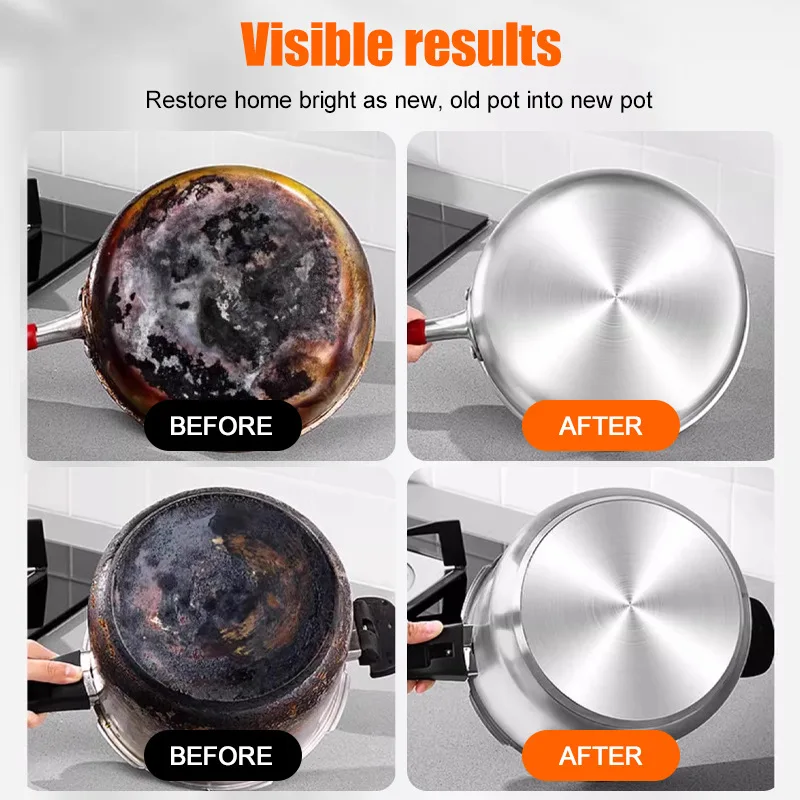
Types of cookware and how to approach restoration
Different metals need different care. Know what you have before you start. When you understand materials, you can choose the right cleaners, abrasives, and finishes.
Cast iron
- How to restore old cookware at home: remove rust, oven scrub, then reseason.
- Avoid soap after seasoning. Use chainmail scrubber or coarse salt for cleaning.
Carbon steel
- Treat like cast iron but season faster. Heat, oil, and repeat layers.
- Good for woks and crepe pans.
Stainless steel
- Focus on removing stains, discoloration, and burnt food with gentle abrasion.
- Use vinegar or baking soda for shine and scale removal.
Copper
- Clean tarnish with acid-based cleaners, then polish.
- Re-tin interior only if factory lining is gone or damaged.
Aluminum
- Avoid harsh acids that pit aluminum. Use mild alkaline cleaners and polishing cloths.
- Be cautious with scratched non-anodized aluminum; deep gouges affect performance.
Nonstick cookware
- If coating is flaking or deep-scratched, replacement is safer.
- Light surface renewal may extend life but not restore a flaking PTFE surface.

Source: alamy.com

Tools and supplies needed
Gather safe, affordable supplies before you begin restoring cookware. A clean workspace helps.
- Abrasive pads: steel wool, non-scratch pads, or fine sandpaper
- Wire brush or chainmail scrubber for cast iron
- White vinegar, baking soda, and coarse salt
- Mild dish soap and degreaser
- Vegetable oil, flaxseed oil, or shortening for seasoning
- Oven, stove, and heat source
- Gloves, goggles, and rags for safety
- Tinning kit or food-safe solder for copper if needed

Source: youtube.com
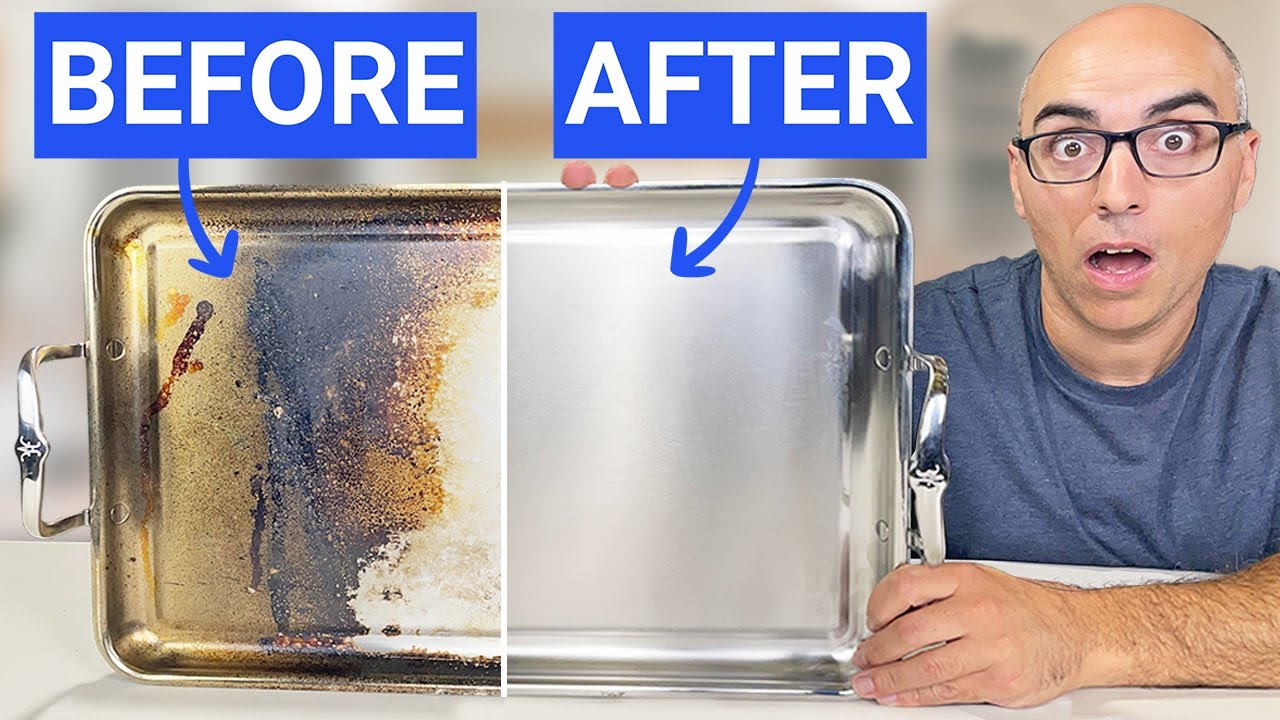
Step-by-step restoration processes
Below are clear, short workflows for common restoration tasks. Each set of steps is easy to follow.
Cleaning and degreasing
- Scrape loose food and oil with a plastic scraper.
- Soak in hot soapy water for 15–30 minutes for greasy buildup.
- Use baking soda paste to lift stains. Rinse and dry fully.
Removing rust (cast iron and carbon steel)
- Soak small pieces in a 50/50 white vinegar and water mix for 1–6 hours.
- Scrub rust away with steel wool or a wire brush.
- Rinse and neutralize with baking soda, then dry immediately.
- Reheat and apply a thin coat of oil to prevent flash rust.
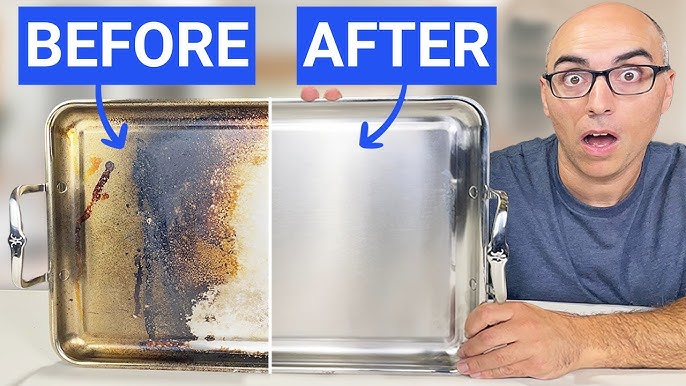
Cleaning burnt-on food (stainless steel)
- Fill pan with water and add a cup of white vinegar. Boil for 10 minutes.
- Remove from heat and add a tablespoon of baking soda; it will fizz.
- Scrub gently with a non-scratch pad. Repeat as needed.
Fixing dents and warps
- Small dents can be tapped out gently with a rubber mallet while supporting from inside.
- Severe warps often can’t be fully fixed; consider replacement if cooking performance suffers.
Reseasoning cast iron and carbon steel
- Clean to bare metal, removing rust and residue.
- Dry in oven at 250–300°F for 15 minutes.
- Apply a thin, even coat of oil to inside and outside.
- Bake upside down at 400–450°F for 1 hour. Cool in oven.
- Repeat 2–3 times for a durable layer.
Restoring copper and aluminum
- For copper, use a lemon and salt or a mild acid polish to remove tarnish.
- Re-tin copper interiors if the lining is worn; this is a technical job best done by an expert unless you have experience.
- For aluminum, use baking soda paste and soft cloths to polish. Avoid acidic long soaks.
Dealing with nonstick surfaces
- If nonstick is scratched but intact, clean gently and avoid abrasive tools.
- Replace pans when the coating peels or flakes; it’s safer than risky repairs.

Source: instantpot.com
Common problems and fixes
Here are frequent issues and simple fixes you can try at home.
Rust on cast iron
- Remove with vinegar soak and scrub, then reseason.
Stained stainless steel
- Use vinegar and baking soda, or a paste of cream of tartar.
Sticky residue after cooking
- Heat with water and baking soda; boil and scrape.
Pitted copper or aluminum
- Light polishing helps, but deep pits may need professional repair.
Flaking nonstick
- Replace the pan. Don’t continue to cook with flaking surfaces.
Smelly cookware
- Simmer water with lemon slices or vinegar to deodorize.

Source: ebay.com
- Simmer water with lemon slices or vinegar to deodorize.
Care after restoration
Maintenance keeps your work useful for years. Regular care prevents repeat damage.
- Season regularly for cast iron and carbon steel. A thin oil wipe after each use helps.
- Avoid dishwashers for restored and seasoned pans. Hand wash only.
- Use wooden or silicone tools to protect surfaces.
- Store cookware dry and with good air flow to prevent rust.
- Reapply polish or tinning when metal linings show wear.

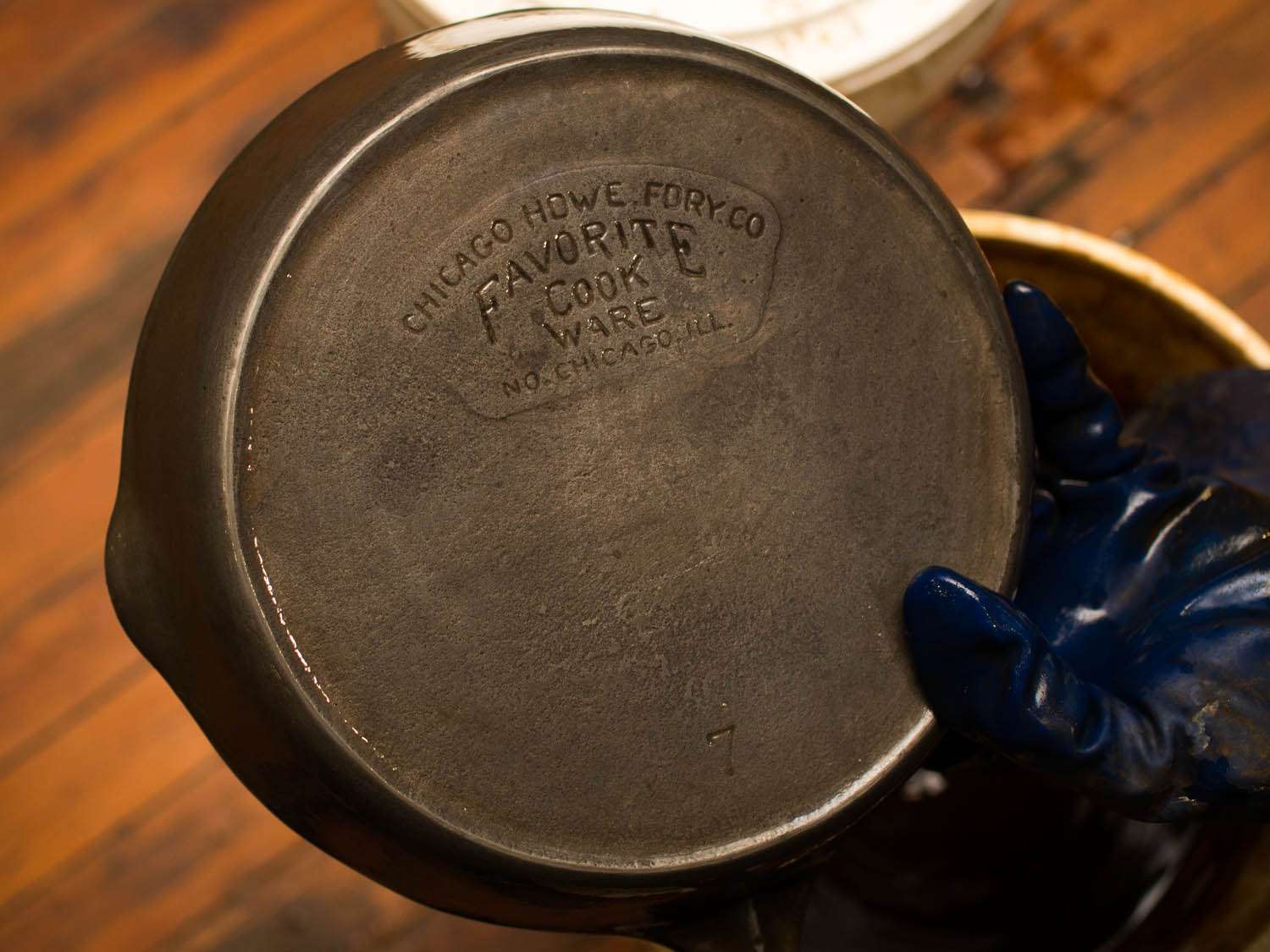
Source: seriouseats.com
Frequently Asked Questions of how to restore old cookware at home
What is the safest way to remove rust from cast iron?
Soak small items in a 50/50 white vinegar and water mix for a short time, then scrub with steel wool. Neutralize with baking soda, dry, and reseason immediately.
Can I restore a flaking nonstick pan?
No. If the nonstick coating is flaking, replace the pan to avoid ingesting particles. Light scratches can be managed, but flaking is unsafe.
How often should I reseason cast iron after restoration?
Reseason two to three times during initial restoration, then touch up monthly with a light oil coat after use. Frequent use and light oiling builds a strong layer.
Is it safe to re-tin a copper pan at home?
Tinning can be done at home but requires skill and food-safe materials. If you are unsure, seek a professional to ensure food safety.
Will sanding stainless steel ruin the finish?
Aggressive sanding can change the finish. Use fine non-scratch pads and test a small area first. Polishing restores shine after light abrasion.
Conclusion
Restoring old cookware at home saves money and honors useful tools. Start by identifying the metal and then follow the right cleaning, rust removal, and seasoning steps. My hands-on experience shows simple repairs often bring items back to full use within an afternoon. Try one small restoration project this weekend. If it helps, share a photo or comment to tell the story and learn more tips.