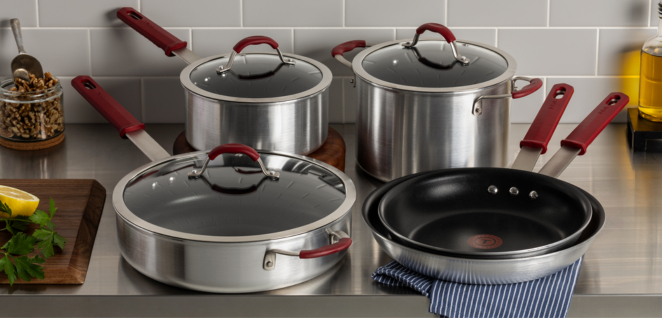
Professional chefs at home usually choose stainless steel, cast iron, and carbon steel.
I’ve cooked in restaurant kitchens and at home for years, so I know what works. This guide explains what cookware do professional chefs use at home, why they pick each piece, and how to get the same results in a home kitchen. Read on for clear, tested advice, shopping tips, and care routines that make pro cookware last.
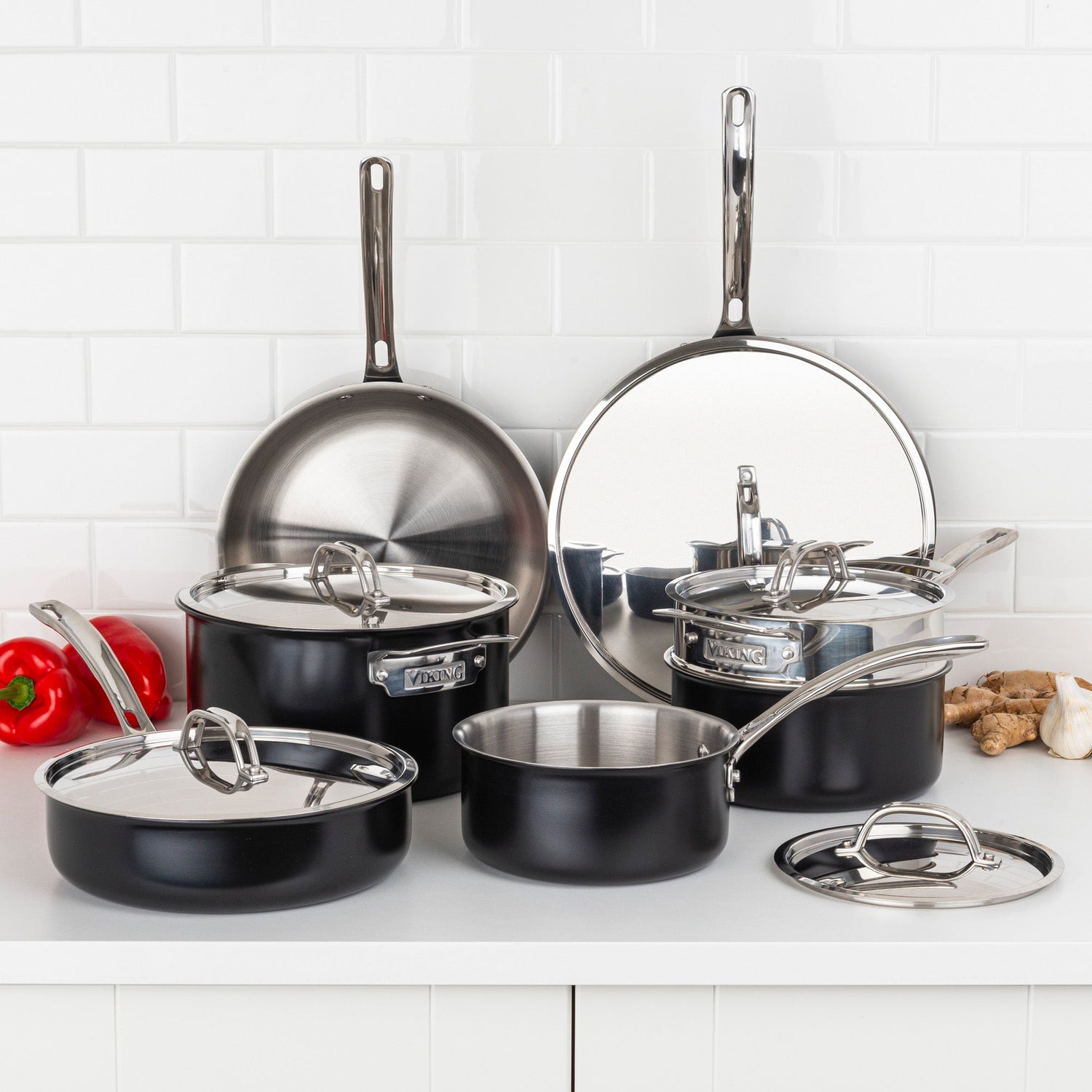
Why chefs pick specific cookware
Chefs pick cookware for heat control, durability, and versatility. They want pans that respond quickly to temperature changes and that survive heavy use. When thinking about what cookware do professional chefs use at home, focus on materials and construction first. Good cookware makes simple techniques repeatable and reliable.
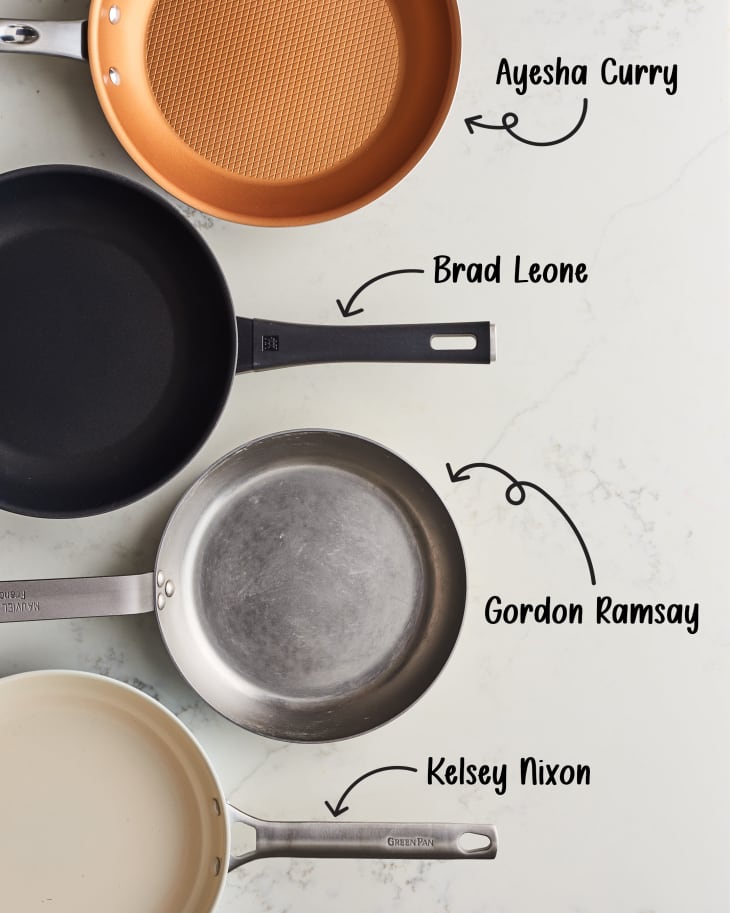
Materials explained and what they do
Choosing the right material is the core decision. Below I break down common materials and how chefs use them at home.
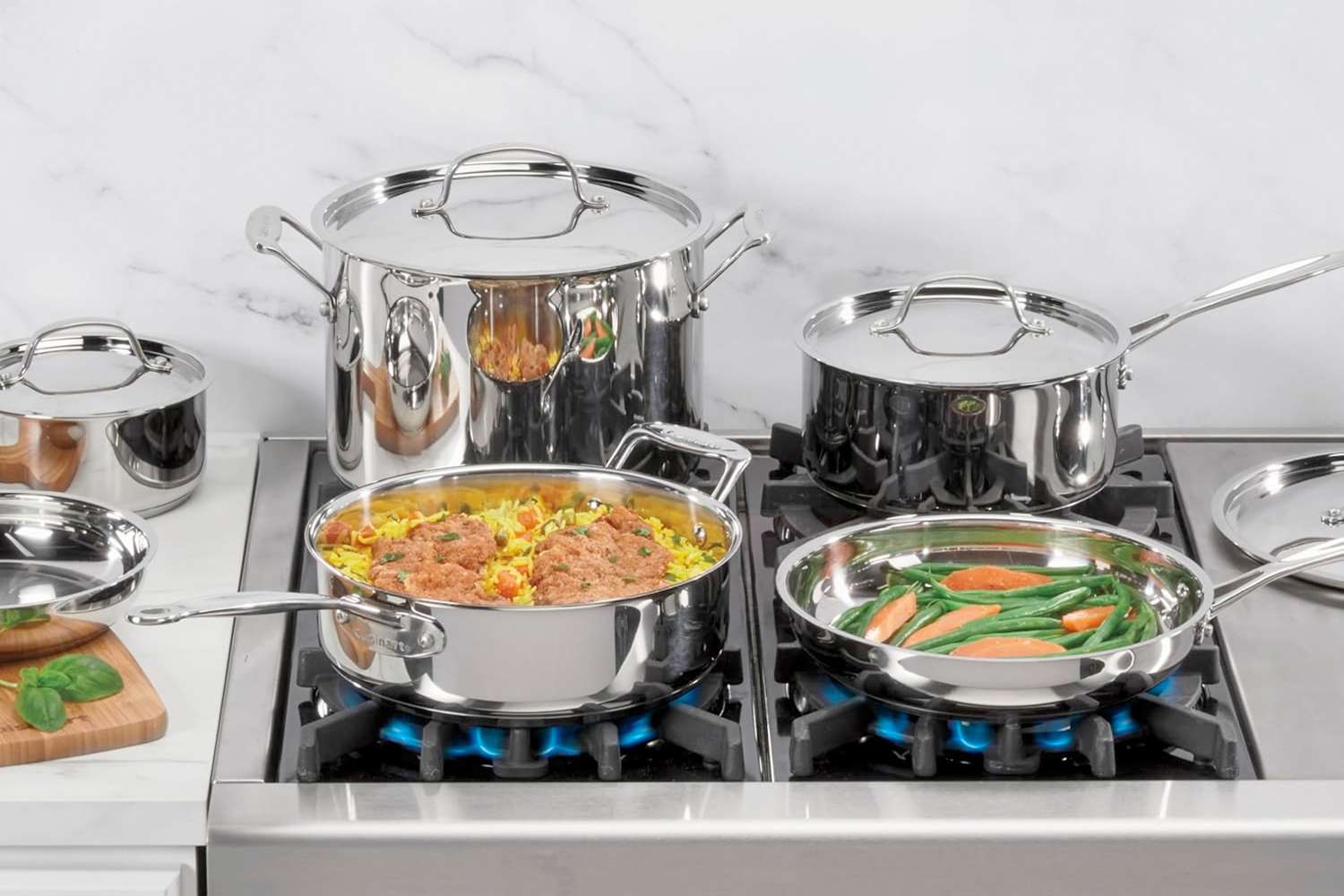
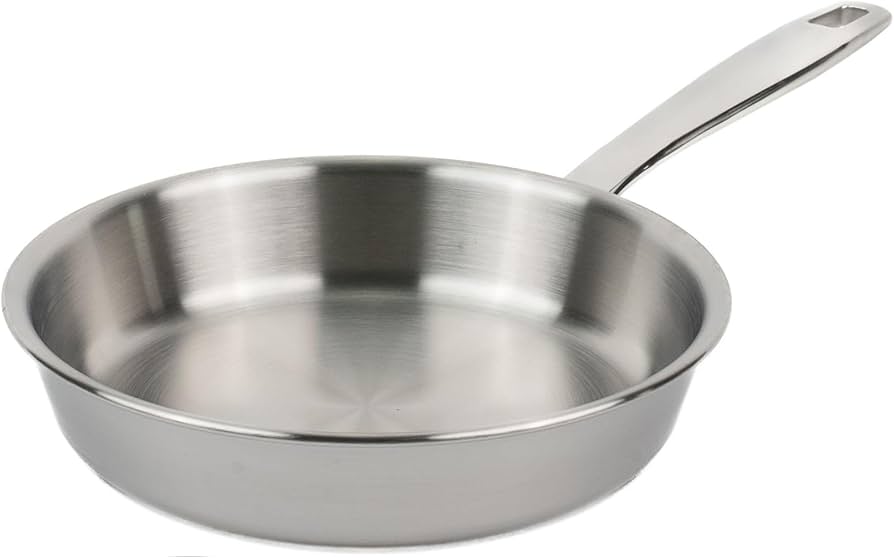
Stainless steel (tri-ply or clad)
- Pros: Durable, non-reactive, great for browning and deglazing.
- Cons: Not the best for sticky foods unless preheated and oiled.
- Use: Sauces, pan-seared proteins, and everyday pots and pans.
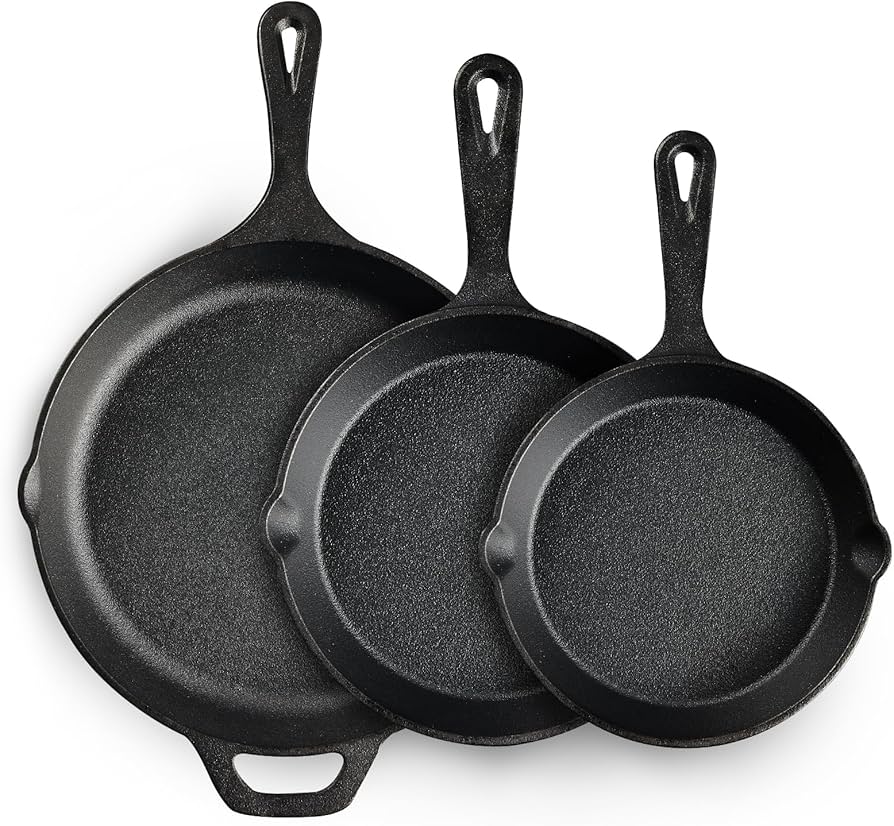
Cast iron
- Pros: Superb heat retention and natural nonstick when seasoned.
- Cons: Heavy, needs seasoning and dry storage to avoid rust.
- Use: Searing, oven-braising, and skillets for long-held heat.
Carbon steel
- Pros: Lighter than cast iron, fast heat response, builds a nonstick patina.
- Cons: Requires seasoning and careful care to prevent rust.
- Use: Wok-style cooking, crepes, and chef’s pans for quick searing.
Copper
- Pros: Best heat conductivity and precise control.
- Cons: Expensive and often lined; reactive if unlined.
- Use: Sauces and precision cooking where temperature control matters.
Nonstick (PTFE and ceramic)
- Pros: Easy release for eggs and delicate fish.
- Cons: Shorter lifespan and limits on high-heat use.
- Use: Low- to medium-heat tasks and minimal-oil cooking.
Enameled cast iron
- Pros: No seasoning, great for braises and soups, oven-safe.
- Cons: Heavy and can chip with rough handling.
- Use: Long braises, stews, and acid-rich dishes.
When you ask what cookware do professional chefs use at home, the answer is often a mix of these materials. Chefs balance high-performance pieces with practical, easy-to-care-for items.
Essential pieces professional chefs keep at home
If you want a chef-style setup, start with a small, smart list. I’ve boiled my restaurant kit down to these home essentials.
- 8–10 inch stainless steel skillet for everyday searing and sauces.
- 10–12 inch carbon steel or cast iron skillet for high-heat searing and oven work.
- 2–3 quart stainless steel saucepan for sauces, grains, and reheating.
- 6–8 quart stockpot for stocks, soups, and pasta.
- 5–7 quart enameled Dutch oven for braises and long cooks.
- 9×13 inch sheet pan for roasting, baking, and cooling.
- Stainless steel mixing bowls, a colander, and quality measuring tools.
- Quality chef’s knife and a small paring knife; sharp tools matter more than cookware.
These choices reflect what cookware do professional chefs use at home. I prefer carbon steel for stovetop searing and an enameled Dutch oven for stews. That combo handles almost any home-cooked meal.
How chefs care for their cookware
Care keeps cookware performing well and lasting decades. Small habits make a big difference.
- Heat pans gradually to avoid warping.
- Use the right oil and preheat before adding food on stainless and carbon steel.
- Season carbon steel and cast iron regularly with a thin oil layer.
- Avoid abrasive cleaners on polished surfaces; use hot water and soft scrubbers.
- Store pans properly to prevent scratches and dents.
I once ruined a prized stainless pan by overheating it empty. After that I always add oil or water when preheating. That mistake taught me to respect heat and extend cookware life.
Building a chef-style kitchen on a budget
You don’t need top-shelf prices to cook like a pro. Spend on the pieces that matter and save elsewhere.
- Buy one high-quality skillet and one Dutch oven as core pieces.
- Choose mid-range stainless steel sets for pots and pans.
- Pick up carbon steel pre-seasoned or season it yourself to save money.
- Look for used or secondhand high-end pieces; they often outlast cheap new pans.
- Invest in sharpening and maintenance tools rather than replacing cheap cookware.
When I started at home, I bought one great skillet and a budget stockpot. The skillet carried me through years of learning.
People also ask
What single pan do most chefs keep at home?
A versatile 10–12 inch skillet, either stainless steel or carbon steel, is the most common. It handles searing, sautéing, and oven finishes.
Is stainless steel or nonstick better for home chefs?
Stainless steel is better for high-heat work and durable use; nonstick is useful for eggs and delicate items. Many chefs keep both types.
How important is pan thickness?
Thicker, clad pans distribute heat evenly and resist warping, which matters for steady results. Thin pans heat unevenly and cook less predictably.
Frequently Asked Questions of what cookware do professional chefs use at home
What is the best pan material chefs use at home?
Most chefs prefer stainless steel for general work, carbon steel or cast iron for searing, and copper for precision. The choice depends on cooking style and care willingness.
Do professional chefs use nonstick pans at home?
Yes, but sparingly. Chefs use nonstick for eggs and delicate fish, while using stainless or carbon steel for browning and sauces.
How many pans should a home cook own to cook like a chef?
A functional chef-style kit includes 3–5 pans: one stainless skillet, one carbon steel or cast iron skillet, a saucepan, a stockpot, and a Dutch oven. That covers most cooking needs.
Can cheap cookware be made to perform like professional gear?
Good technique improves any pan’s results, but cheap cookware may warp or wear quickly. Investing in one or two quality pieces pays off faster than replacing many cheap items.
How do chefs season carbon steel and cast iron at home?
Heat the pan, rub a thin coat of high-smoke-point oil, and bake or heat until the oil polymerizes. Repeat a few times to build a durable patina.
Conclusion
Professional chefs at home favor stainless steel, cast iron, and carbon steel for reliability, heat control, and versatility. Start with a few high-quality pieces, learn simple care habits, and replace cheap gear with one or two long-lasting pans. Try one change today: buy a good skillet or learn to season a pan, and notice how your cooking improves. Share your experience, ask questions below, or subscribe for more practical kitchen advice.