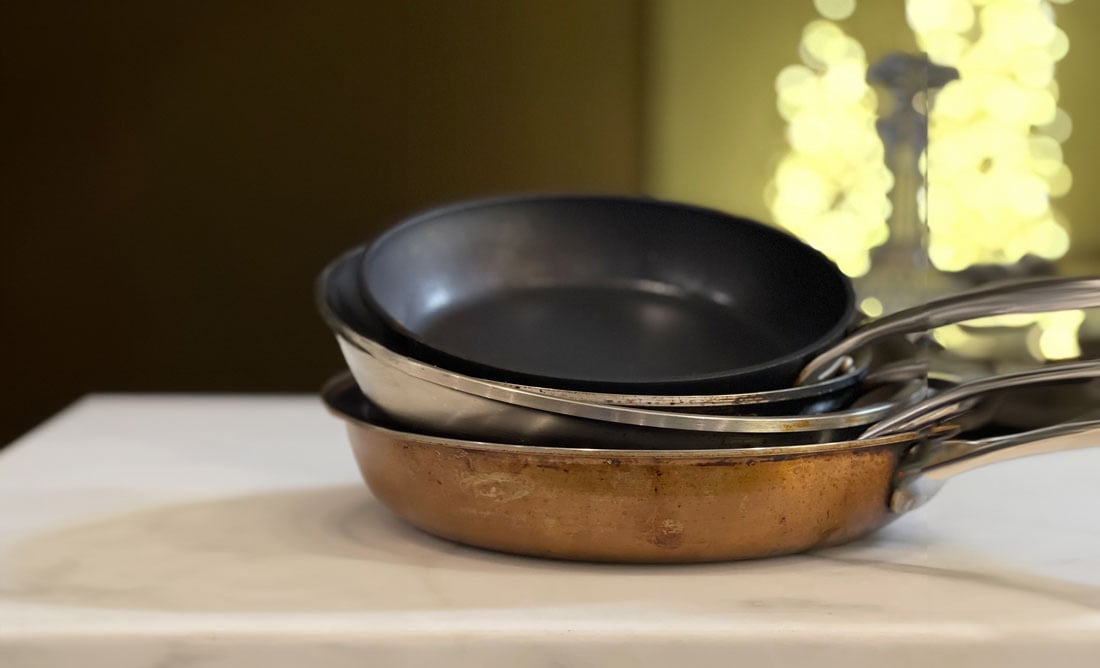
Top non toxic cookware brands USA include Lodge, All-Clad, Caraway, Le Creuset, and GreenPan.
I’ve spent years testing cookware in home kitchens and small restaurants. I know what safe, durable cookware looks like and which non toxic cookware brands usa deliver real performance without harmful chemicals. Read on for a clear, practical guide that compares materials, lists trusted brands available in the USA, explains safety trade-offs, and gives hands-on tips you can use today.
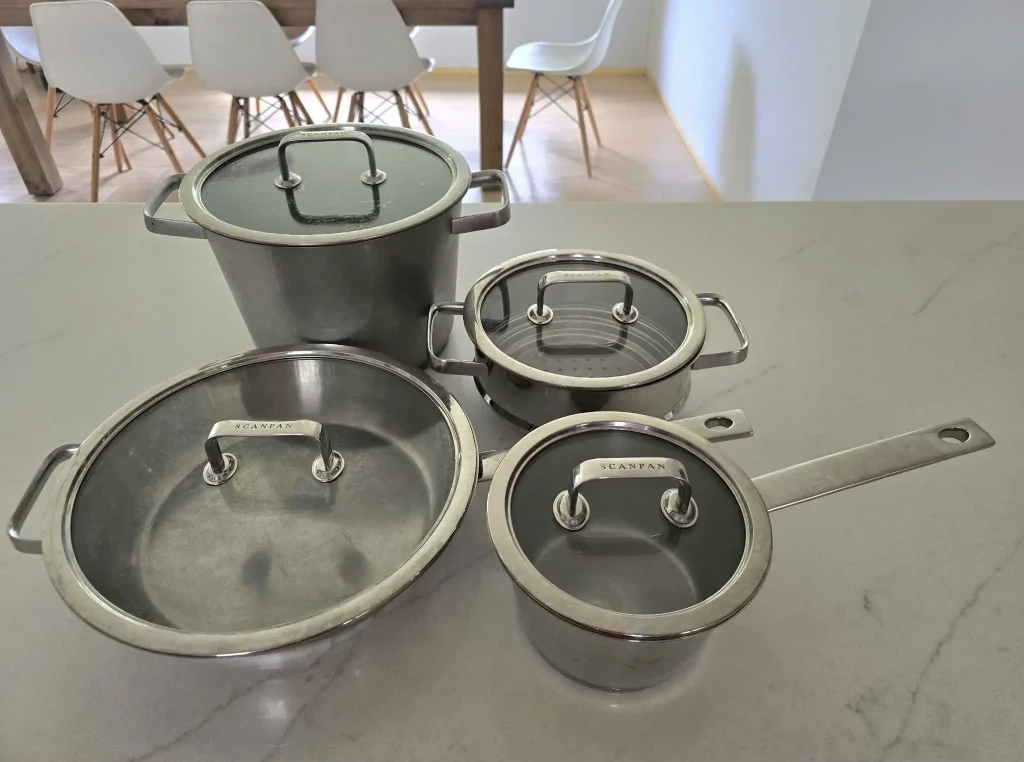
Why choose non toxic cookware
Choosing non toxic cookware brands usa means choosing products made without known harmful chemicals. Many modern coatings and cheap materials can release toxins when overheated or scratched. Non toxic cookware focuses on safer materials and transparent manufacturing.
Health, taste, and durability improve with the right cookware. Cookware that is free from PFAS, PFOA, and low-quality PTFE keeps food cleaner and reduces long-term exposure risks. For cooks who want simple, reliable pans, selecting non toxic cookware brands usa is smart for everyday use.
Common non toxic materials and what they mean
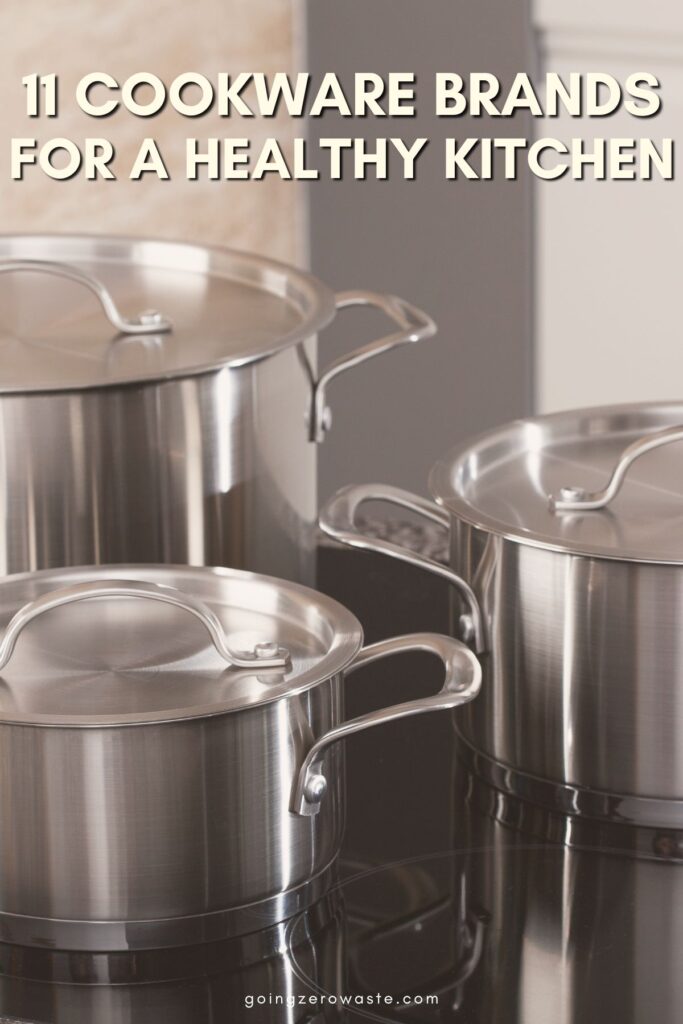
Understanding materials helps you pick the right brand. Different materials offer different benefits and limits. Below are common safe options used by non toxic cookware brands usa.
Cast iron
- Pros: Durable, naturally nonstick when seasoned, adds dietary iron.
- Cons: Heavy, needs maintenance to avoid rust.
Enameled cast iron
- Pros: Nonreactive surface, easy cleaning, colorful finishes.
- Cons: Can chip if dropped; heavier and pricier.
Stainless steel
- Pros: Durable, nonreactive, ideal for searing and deglazing.
- Cons: Food can stick without enough oil or correct heat.
Ceramic-coated nonstick
- Pros: Often advertised as free from PTFE/PFOA and more natural.
- Cons: Coatings can wear faster; choose reputable non toxic cookware brands usa for longevity.
Anodized aluminum
- Pros: Lightweight, heats evenly, often PFOA-free when finished correctly.
- Cons: Surface abrasion can expose base metal if poorly made.
Glass and stoneware
- Pros: Nonreactive and truly inert for baking or serving.
- Cons: Not ideal for stovetop, can break if heated too fast.
Avoid cheap nonstick pans that do not disclose PFOA/PFAS status. Many reputable non toxic cookware brands usa clearly state what chemicals they exclude and how they test their products.
Top non toxic cookware brands USA — what they offer
Here are brands commonly recommended in the USA for non toxic cookware. I’ll note materials, strengths, and what to watch for.
Lodge
- Material: Cast iron.
- Strengths: American-made, extremely durable, budget friendly. Seasoning provides a natural nonstick layer.
- Watch for: Heavy weight and need to maintain seasoning.
All-Clad
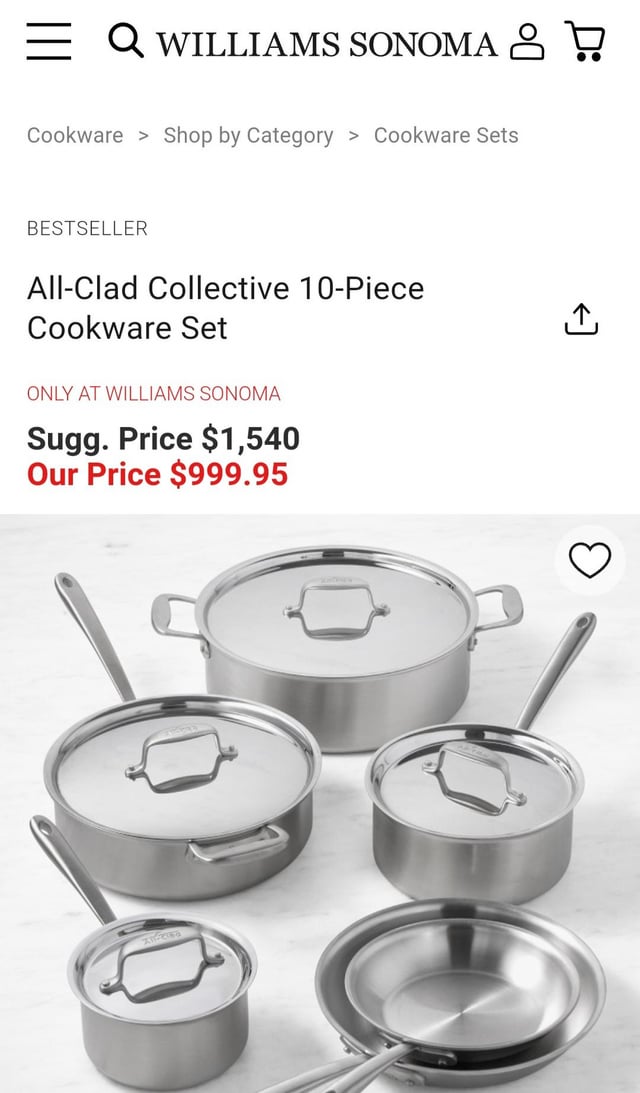
- Material: High-grade stainless steel and tri-ply construction.
- Strengths: Excellent heat distribution, long warranty, restaurant-grade performance.
- Watch for: Higher price and occasional hot spots on older models.
Caraway
- Material: Ceramic nonstick coating over aluminum.
- Strengths: Modern design, marketed as non toxic and PFOA-free, user-friendly storage.
- Watch for: Coating longevity depends on gentle use and utensils.
Le Creuset
- Material: Enameled cast iron.
- Strengths: Nonreactive enamel, stylish, long-lasting when cared for.
- Watch for: Price and potential chipping if mishandled.
GreenPan
- Material: Ceramic-based Thermolon nonstick.
- Strengths: Early mover in PFAS-free nonstick technology. Good everyday performance.
- Watch for: Variance in lifespans across product lines; buy proven models.
Made In
- Material: Stainless steel, carbon steel, and nonstick lines that are PFOA-free.
- Strengths: Pro-level construction at competitive prices; clear specs for cookware safety.
- Watch for: Some nonstick lines require careful use.
HexClad
- Material: Hybrid stainless and laser-etched nonstick surface.
- Strengths: Scratch-resistant, oven-safe, PFOA-free claims.
- Watch for: Premium price and mixed user reports on longevity.
Each brand made the list because it offers transparent safety claims or uses inherently stable materials. When shopping non toxic cookware brands usa, look for clear labels about PFAS, PFOA, lead, and cadmium testing.
How to choose non toxic cookware — practical checklist
Picking the right set can be simple when you use a checklist. I use this list when testing new pans.
Identify main cooking needs
- Choose cast iron for searing and long cooks. Pick stainless steel for browning and sauces. Use ceramic nonstick for eggs and pancakes.
Verify safety claims
- Look for explicit PFOA-free or PFAS-free statements. Check for third-party testing if available.
Consider heat source and oven use
- If you have induction, pick magnetic cookware. Ensure handles and lids are oven-safe to the temperature you need.
Weight and handling
- Think about daily comfort. Heavy pans can be great for heat but tiring to lift.
Budget and warranty
- Higher price often buys longer life. Warranties add confidence.
PAA-style questions (quick answers)
What makes cookware non toxic?
Cookware is non toxic when it avoids harmful chemicals like PFAS and PFOA and uses stable, nonreactive materials. Trusted brands will disclose testing and materials.
Is ceramic cookware safe at high heat?
Most ceramic coatings can degrade if repeatedly overheated. Use medium heat for ceramic nonstick and follow manufacturer guidance.
Can I use metal utensils on stainless steel?
Yes. Stainless steel is durable and handles metal utensils well. For ceramic or enameled surfaces, use wood or silicone to avoid damage.
Care and maintenance tips for longevity and safety
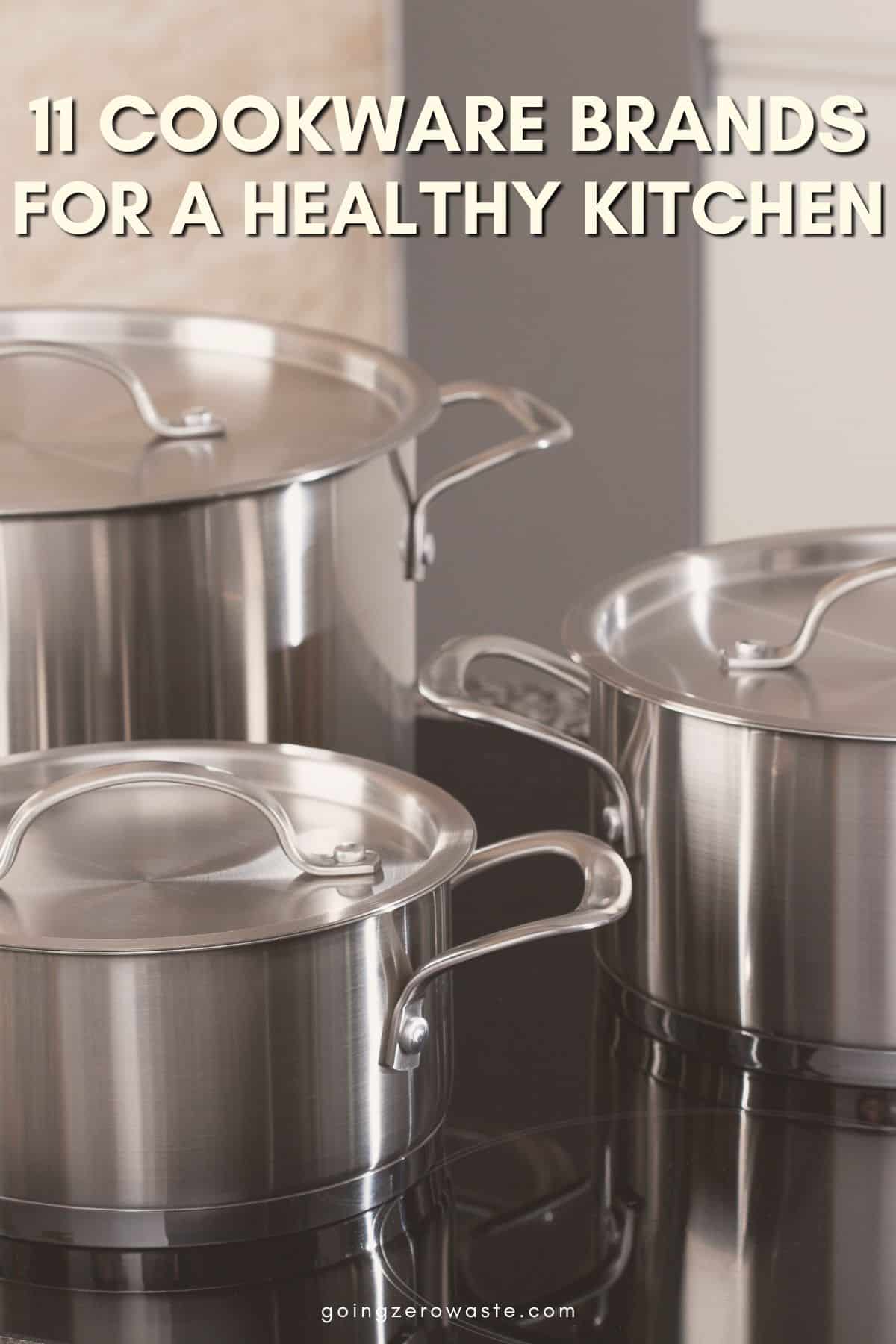
Good care extends life and keeps your cookware safe. These habits protect coatings and surfaces.
For cast iron
- Season regularly, dry fully after washing, and oil lightly to prevent rust.
For stainless steel
- Use proper heat control and deglaze to remove stuck bits. Avoid abrasive cleaners on polished surfaces.
For ceramic nonstick
- Use low to medium heat, avoid sprays, and hand wash when possible to preserve coating.
For enameled cookware
- Avoid thermal shock by not moving from hot stove to cold water. Use nonabrasive sponges.
Regular checks help too. If a nonstick coating flakes or shows deep scratches, replace the pan to avoid ingesting particles. These simple steps keep non toxic cookware brands usa performing at their best.
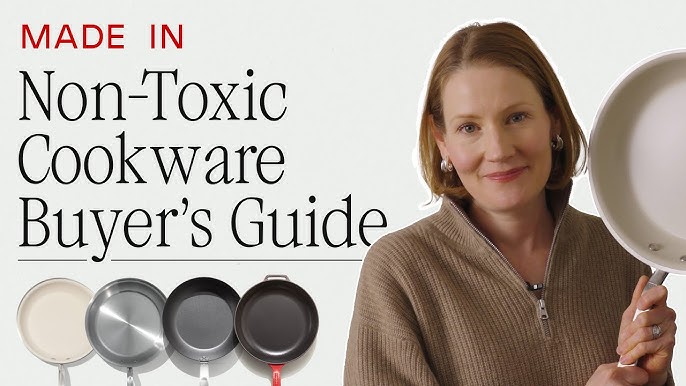
Personal experience and lessons learned
I started cooking with cheap nonstick pans and switched to safer options after seeing coating wear and odd smells with older pans. Over five years I used a mix of Lodge cast iron, All-Clad stainless, and a Caraway set. Here’s what I learned.
- Seasoning cast iron took time but now I rarely use oil. Food releases well and the pan lasts decades.
- All-Clad made sauce work effortless and cleaned up fast. It’s my go-to for sauté and sear.
- Ceramic nonstick gave quick cleanup, but I treated it gently and replaced it sooner than my steel pans.
Mistakes to avoid
- Don’t overheat empty ceramic or nonstick pans. Heat shortens coatings.
- Don’t store stacked ceramic without protection; scratches add up.
- Don’t assume “nonstick” equals non toxic—always check the brand’s safety claims.
If you try only one change, switch to a reputable brand that clearly states it is PFAS/PFOA-free. That small move improves kitchen safety and peace of mind.
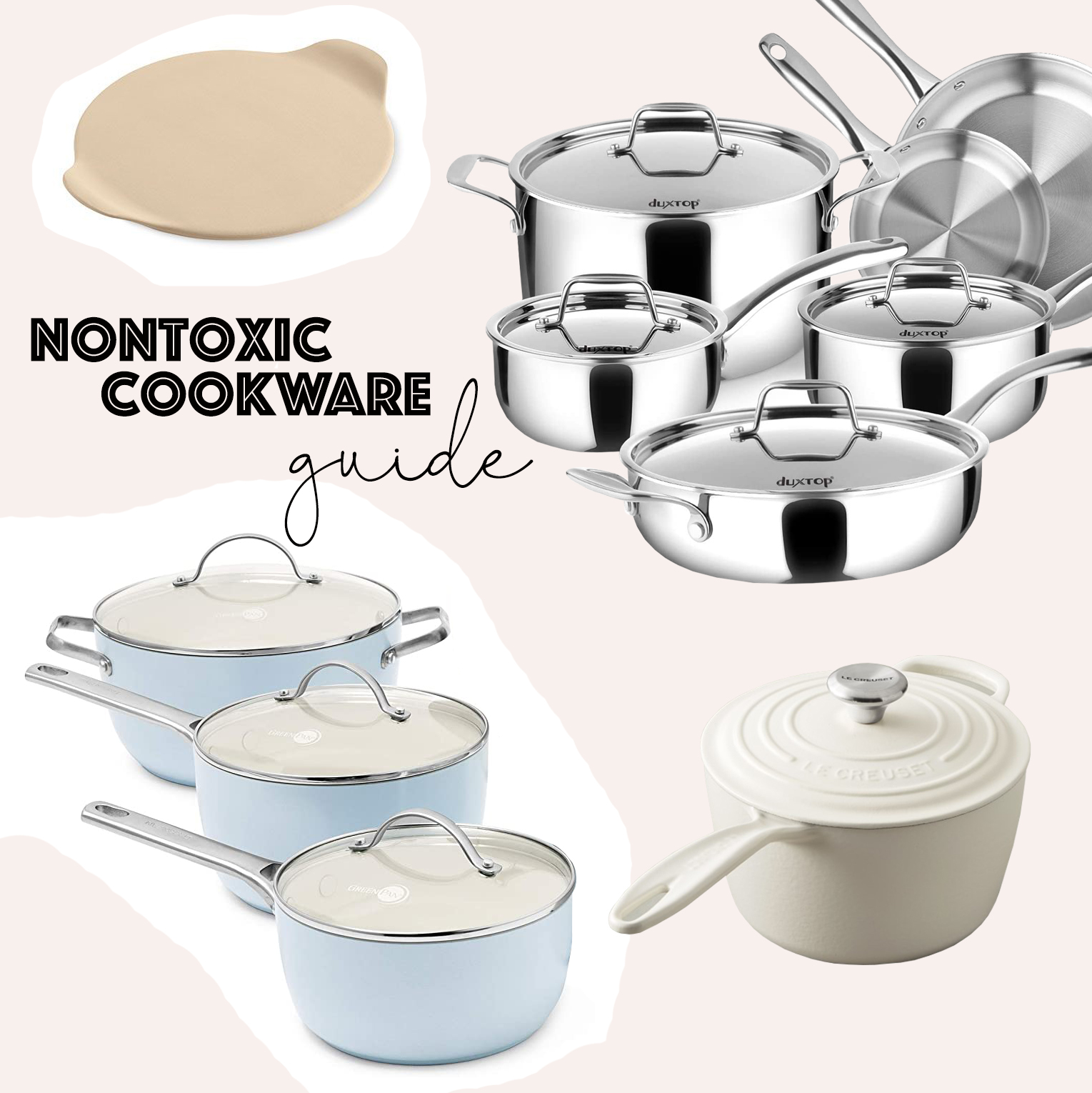
Frequently Asked Questions of non toxic cookware brands usa
What does "non toxic" mean for cookware?
Non toxic cookware means the materials and coatings do not release harmful chemicals under normal use. Brands often test for PFAS, PFOA, lead, and cadmium.
Are all ceramic-coated pans non toxic?
Not all ceramic coatings are equal. Look for well-reviewed brands that state they are free of PTFE/PFOA and provide clear care instructions.
Is cast iron safe for everyday cooking?
Yes. Cast iron is safe and durable when seasoned and cared for properly. It can add a small amount of dietary iron to food, which is safe for most people.
How long do PFAS-free nonstick pans last?
Lifespan varies by brand and use; many PFAS-free nonstick pans last 1–5 years under typical home use. Proper care can extend their life.
Can I put non toxic cookware in the oven?
Many non toxic cookware brands usa offer oven-safe options. Always check the manufacturer's max temperature for lids, handles, and coatings.
Conclusion
Choosing non toxic cookware brands usa means balancing performance, safety, and budget. Focus on materials you understand—stainless steel, cast iron, and reputable ceramic or enamel coatings—and confirm transparent safety claims. Start by replacing the most worn nonstick pieces, then build a set that matches your cooking style. Take action today: pick one certified, transparent brand and test it for a month. If you found this guide helpful, subscribe for more hands-on reviews or share your cookware stories in the comments.