Best starter cookware: a simple nonstick skillet, stainless steel pan, and medium stockpot.
As a kitchen pro who’s helped dozens of new cooks set up practical kitchens, I wrote this best cookware for beginners usa guide to make your shopping easy. I’ll walk you through types, must-have pieces, budget picks, care tips, and real-life lessons so you can buy with confidence and start cooking great meals right away.
Why choosing the right cookware matters for new cooks
The cookware you buy shapes how you cook. Good pieces heat evenly, last longer, and make basic techniques like searing and simmering easier. This best cookware for beginners usa guide focuses on durable, low-maintenance options that work for stovetop and oven use.
Beginners benefit most from cookware that is forgiving, versatile, and simple to maintain. Choosing the right materials reduces frustration and speeds up learning. Over the years I’ve seen beginners gain confidence faster when they start with a reliable small set rather than many single-use items.
Core cookware types explained
Understanding materials helps you pick the right pieces for your kitchen. This best cookware for beginners usa guide explains pros and cons clearly.
- Stainless steel
- Durable and nonreactive. Great for browning and deglazing. Needs oil to prevent sticking.
- Nonstick (PTFE or ceramic)
- Easy release and cleaning. Best for eggs and low-fat cooking. Not ideal for high-heat searing.
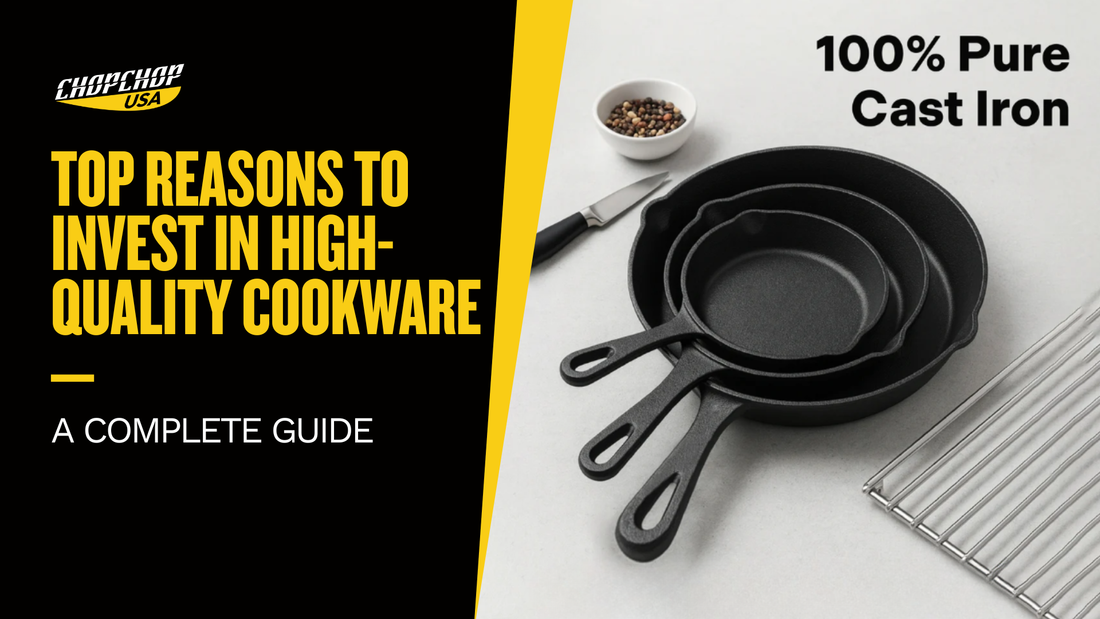
- Cast iron and enameled cast iron
- Excellent heat retention and longevity. Heavy but great for stews and skillet meals. Enameled versions need less seasoning.
- Hard-anodized aluminum
- Lightweight, durable, and heats evenly. Many beginner sets use this for a balance of performance and ease.
- Copper (brief note)
- Superb heat control but costly and high maintenance. Not recommended as a first buy for most beginners.
I recommend starting with stainless steel and nonstick pieces. They cover most everyday jobs and make learning techniques easier.

Must-have starter set and why each piece matters
A smart starter set prevents wasted money. This best cookware for beginners usa guide recommends the smallest functional kit you’ll actually use.
- 8- to 10-inch nonstick skillet
- For eggs, pancakes, and quick sautés. Easy to clean and forgiving for beginners.
- 10- to 12-inch stainless steel skillet
- For searing, browning, and oven finishing. Learn to manage heat and oil.
- 3- to 4-quart saucepan with lid
- For grains, sauces, and reheating. Versatile and space-saving.
- 5- to 6-quart stockpot or Dutch oven
- For soups, pasta, and one-pot meals. A workhorse in a beginner kitchen.
- Baking sheet and a roasting pan (optional but useful)
- For oven meals and sheet pan dinners.
This minimal kit keeps costs down and covers nearly every beginner recipe. From my experience, most home cooks use these five pieces daily.
How to shop: budget, mid-range, and splurge options
Shopping smart saves money and frustration. This best cookware for beginners usa guide lays out clear budget choices.
- Budget (under $100)
- Look for a small nonstick skillet and a basic stainless pot. Avoid sets with flimsy handles or thin bases.
- Mid-range ($100–$300)
- You can buy a better stainless skillet and a durable nonstick pan. Many mid-range sets include a solid stockpot and saucepans.
- Splurge (above $300)
- Offers pro-level materials and lifetime warranties. Best if you cook a lot and want long-term value.
Buy pieces individually rather than large sets when possible. I once bought a big set and rarely used half the pieces. Pick what you know you’ll use often.
Caring for your cookware: simple maintenance tips
Good care makes inexpensive cookware last longer. This best cookware for beginners usa guide gives quick, practical routines.
- Nonstick
- Use wooden or silicone tools and low-medium heat. Hand wash to prolong the coating.
- Stainless steel
- Use medium-high heat and deglaze with liquid to lift browned bits. Clean with a soft scrub and baking soda for stubborn stains.
- Cast iron
- Season regularly, avoid soap for bare cast iron, and dry completely after washing.
- General tips
- Avoid thermal shock (don’t run a hot pan under cold water). Check handle fastenings occasionally and store lids separately to prevent trapping moisture.
These small habits prevent damage and keep food tasting better. I learned this after warping a pan by overheating it — an expensive mistake that taught me to match heat to cookware.
Common beginner mistakes and how to avoid them
Cookware mistakes can be costly or frustrating. This best cookware for beginners usa guide helps you sidestep common pitfalls.
- Buying large sets you won’t use
- Start with a few versatile pieces. Add specialty pans as needed.
- Cooking on too high heat
- Most sticking issues come from too much heat. Adjust and be patient.
- Using metal tools on nonstick surfaces
- This damages coatings quickly. Use silicone, wood, or nylon.
- Neglecting lids and oven safety
- Know which pieces are oven-safe and how hot they can go. Handles may limit oven use.
A simple mindset shift — buy less, learn more — saved me time and money. Beginners who practice restraint build a useful, long-lasting collection.
PAA-style questions (People Also Ask)
What is the best cookware material for beginners?
Stainless steel and nonstick are the best starting materials. They cover most techniques and are easier to maintain than copper or bare cast iron.
How many pieces of cookware should a beginner buy?
Start with 4 to 5 core pieces: nonstick skillet, stainless skillet, saucepan, stockpot, and a baking sheet. Add specialty items later.
Can I use metal utensils on stainless steel?
Yes. Stainless steel tolerates metal tools well. Avoid metal on nonstick coatings to preserve them.
Personal tips from experience: buying and using like a pro
I’ve set up kitchens for roommates, new couples, and students. Here are lessons I still use.
- Test a handle and lid in store
- Comfort and weight matter. You’ll use these pieces every day.
- Prioritize fit over brand
- A lighter, well-built pan you actually use beats a flashy heavy set in the box.
- Match cookware to your stove
- If you have induction, ensure pieces are induction-compatible.
- Learn one technique per pan
- Use your stainless skillet mostly for searing and your nonstick for eggs. This reduces wear and improves results.
I once switched to induction and had to replace several pans. It was an upfront cost but made daily cooking faster.
Quick shopping checklist (printable)
Use this checklist when you shop online or in-store to stay focused on essentials.
- Nonstick 8–10" skillet with comfy handle
- Stainless 10–12" skillet with good weight
- 3–4 qt saucepan with lid
- 5–6 qt stockpot or Dutch oven
- Oven-safe labels or temperature limits
- Comfortable, heat-resistant handles
- Even, thick base to avoid hot spots
Frequently Asked Questions of best cookware for beginners usa guide
What cookware set is best for a first apartment?
A compact set with a nonstick skillet, stainless skillet, saucepan, and stockpot is ideal for most first apartments. It covers everyday meals without taking up space.
Is stainless steel better than nonstick for beginners?
Both have strengths. Nonstick is forgiving for delicate foods; stainless steel is better for searing and developing flavor. Use both to cover all bases.
How do I know if cookware is oven-safe?
Check manufacturer specs or look for an oven-safe icon on the base or handle. Avoid high-heat use unless rated for it.
How often should I replace nonstick pans?
Replace nonstick pans when the coating peels or shows deep scratches. With gentle use, good nonstick pans last about 3–5 years.
Can beginners use cast iron?
Yes, but start with enameled cast iron if you want low maintenance. Bare cast iron needs seasoning and a learning curve for care.
Conclusion
This best cookware for beginners usa guide gives a clear, practical roadmap: start small, choose stainless steel and nonstick first, and focus on a few versatile pieces you’ll actually use. Save money by buying quality where it matters and learning basic care to extend lifespan. Take action today: pick one reliable skillet and one stockpot, practice a few simple recipes, and build your kitchen as your skills grow. Share your experience or ask a question below to get personalized tips.